
News
Tonlagha: Forged in the Creeks, Bridging Nigeria to the World

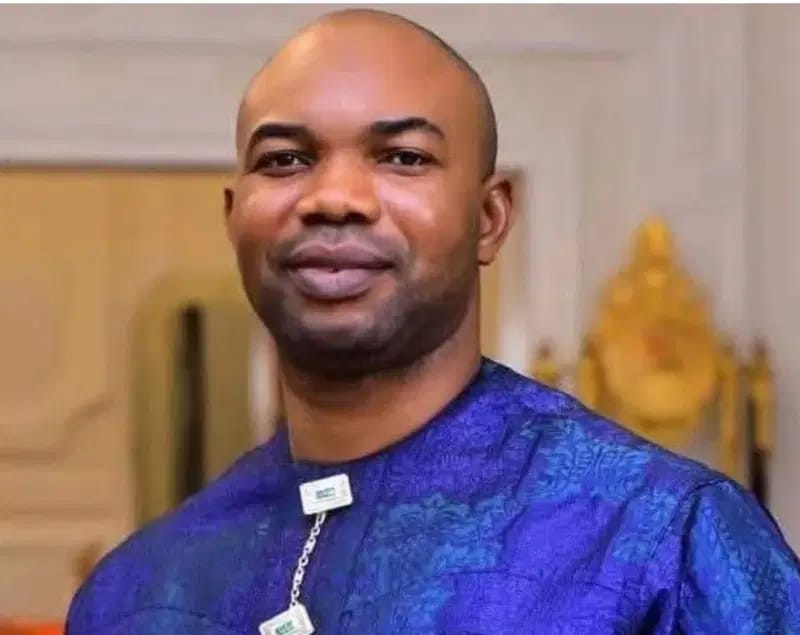
Tonlagha: Forged in the Creeks, Bridging Nigeria to the World
•Quiet Power, Citizen Diplomacy and the Promise of Nigeria
By Jude Obioha
In a country where activism often clashes with national cohesion and where loud voices frequently overshadow steady hands, Matthew Tonlagha represents a rare Nigerian archetype. This bridge builder fights fiercely for his people while working tirelessly for the peace, stability and economic future of Nigeria. His journey from the creeks of the Niger Delta to global engagement is not merely a personal success story. It is a powerful narrative of resilience, citizen diplomacy and quiet nation-building.
Tonlagha’s story begins not with privilege but with adversity. Born into a disciplined military family in Delta State, his early life was marked by profound physical challenges after complications from an ill-administered polio vaccine impaired his mobility. For nearly a decade, he depended on his mother’s strength to attend school and navigate daily life. Social stigma, financial hardship and the early loss of his father could have silenced his ambitions. Instead, these experiences forged in him a deep empathy for the vulnerable and an unyielding commitment to service. His eventual recovery and rise stand today as a testament to resilience; a personal struggle transformed into a lifelong mission for collective empowerment.
From his earliest activism in the Benikrukru community in the Gbaramatu Kingdom of Delta State, Tonlagha distinguished himself not only as a protester but also as an intellectual force behind the Niger Delta emancipation struggle. He confronted exploitation and neglect with courage, yet consistently advocated peaceful engagement, negotiation and constructive dialogue. Like many iconic leaders who understood that lasting change requires both firmness and foresight, he pursued justice for the Niger Delta without undermining Nigeria’s unity. This duality—fighting for regional equity while championing national stability—has defined his leadership philosophy.
His grassroots activism evolved into entrepreneurship and indigenous industrial growth through MATON Engineering Nigeria Limited, a company that has become a major employer and a driver of local capacity development. But Tonlagha’s influence extends far beyond boardrooms. As Vice Chairman of Tantita Security Services Nigeria Limited, he emerged as a critical private-sector partner in Nigeria’s oil security architecture. The success of efforts to curb oil theft, protect pipelines and restore production levels has had direct implications for national revenue, economic recovery and investor confidence. In a sector long plagued by instability, his role has been central to fostering sustained economic growth.
Yet perhaps the most compelling aspect of Tonlagha’s legacy is his understated philanthropy. He is a quiet humanitarian who has been funding scholarships, supporting widows and orphans, empowering youth through vocational training, and sustaining free feeding programmes without fanfare. His giving is not performative; it is rooted in lived experience and a belief that dignity must accompany assistance. This approach reflects a leader who remembers the pain of exclusion and seeks to build systems that offer opportunity rather than dependence.
Beyond Nigeria’s borders, Tonlagha has emerged as an informal yet effective citizen diplomat. Through international engagements and policy advocacy, he contributes to shaping Nigeria’s global image, strengthening bilateral conversations and promoting economic diplomacy. In an era when official channels alone cannot capture the full spectrum of global influence, individuals like Tonlagha help bridge gaps by advancing national interests while fostering international goodwill. His work underscores a new model of diplomacy in which private citizens complement formal statecraft, thereby reinforcing Nigeria’s strategic standing on the global stage.
What sets Tonlagha apart is not only the breadth of his engagements but the philosophy underpinning them. He embodies a generation of Nigerian leaders who believe that peace in the Niger Delta is complementary to Nigeria’s prosperity and that local development should align with national progress. His early activism against exploitation, including dramatic acts of defiance that drew attention to neglected communities, gradually evolved into a more nuanced strategy; one that combines dialogue, economic empowerment and security collaboration.
As he marked his golden jubilee in 2026, the outpouring of recognition from community leaders, national figures and global stakeholders revealed a man whose impact has long been felt but rarely publicised. Friends and admirers describe him as a peacemaker, a unifier and a patriot whose influence transcends ethnic and political boundaries. Indeed, his ability to convene diverse actors—from grassroots leaders to international partners—demonstrates a rare gift for consensus-building in a nation often divided by competing interests.
Nigeria’s future will depend not only on official institutions but also on citizens willing to shoulder responsibility beyond personal ambition. Tonlagha’s life offers a compelling blueprint: resilience forged through hardship, advocacy grounded in intellect and peace, economic empowerment anchored in indigenous enterprise, and diplomacy driven by patriotism rather than self-promotion. From the creeks of the Niger Delta to the corridors of international engagement, he has quietly shaped conversations on development, security and national cohesion.
In an age hungry for loud heroes, Tonlagha reminds us that the most enduring influence often operates in silence; building bridges where others see barriers, lifting communities where others see divisions, and proving that one individual, driven by empathy and vision, can help align regional emancipation with national unity. His story is not only a tribute to personal triumph but a reflection of the Nigeria that is possible when courage meets compassion and service meets strategy.
Obioha is the Director of Strategy at the Hope Alive Initiative (HAI), a group dedicated to good governance in Nigeria.
Tonlagha: Forged in the Creeks, Bridging Nigeria to the World


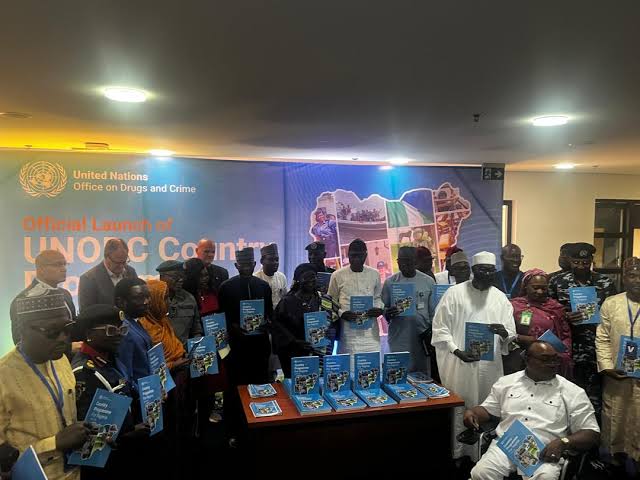
Burundi Presses Nigeria to Resume Crude Oil Supply, Seeks Deeper Economic Partnership
By: Michael Mike
The Ambassador of Burundi to Nigeria, Edward Nduwimana, has urged Nigeria to urgently resume the supply of crude oil to his country, warning that the suspension of the long-standing energy arrangement has continued to impact Burundi’s ability to address its energy deficit.
Nduwimana made the appeal during an interaction with journalists in Abuja, where he also called for the immediate convening of the Permanent Mixed Commission for Cooperation between both countries to revive stalled agreements and unlock new economic partnerships.
Nigeria had supplied Burundi with about 45,000 barrels of crude oil per day under a bilateral arrangement that ran between 2008 and 2014 before the agreement was halted amid reforms in Nigeria’s petroleum sector.
The envoy said the arrangement had played a crucial role in stabilising Burundi’s energy supply and supporting economic activities, stressing that its suspension created a significant gap in the country’s energy needs.
“Burundi wishes to express its gratitude to the Nigerian people, through their institutions, for the support provided since 2008 through the supply of crude oil,” he said.
“This support helped mitigate the effects of the energy deficit in my country. We understand that the suspension that occurred in 2014 took place in a particular context, driven by the government’s desire to restructure the sector.”
Despite the interruption, the ambassador expressed confidence that Nigeria would consider restoring the cooperation in the spirit of African solidarity and mutually beneficial partnership.
According to him, discussions are already underway to revive the arrangement as part of broader efforts to deepen bilateral relations between the two countries.
Nduwimana stressed that reconvening the Permanent Mixed Commission for Cooperation in 2026 has become urgent, noting that the last session of the commission was held in Bujumbura in 2021.
He explained that the proposed meeting would provide a platform for both governments to review previous commitments, resolve outstanding issues and chart a new roadmap for cooperation.
“The second session will represent an important step in strengthening bilateral cooperation between Burundi and Nigeria,” he said.
The envoy added that the meeting is expected to drive concrete progress in key sectors including trade, education, tourism, mining and agro-industry.
He said the discussions would also focus on strengthening legal frameworks and sector-specific agreements needed to accelerate joint projects and investment flows.
“Our ambition is to achieve concrete commitments that deliver tangible results for our two countries and their populations,” Nduwimana added.
Beyond diplomatic engagement, the ambassador extended an open invitation to Nigerian businesses and investors to explore opportunities in Burundi, which he described as an emerging investment destination in East Africa.
According to him, Burundi serves as a strategic gateway to the regional market of the East African Community and offers promising prospects in sectors such as agriculture, mining, energy, infrastructure and tourism.
“Burundi is a stable country, open for business, and committed to improving its investment climate,” he said.
“We invite economic operators from the West African region in general, and Nigeria in particular, to explore these opportunities and establish lasting and mutually beneficial partnerships.”
The renewed push for cooperation signals Burundi’s determination to revive its energy partnership with Nigeria while expanding economic ties beyond oil into trade, investment and regional market access.
Burundi Presses Nigeria to Resume Crude Oil Supply, Seeks Deeper Economic Partnership
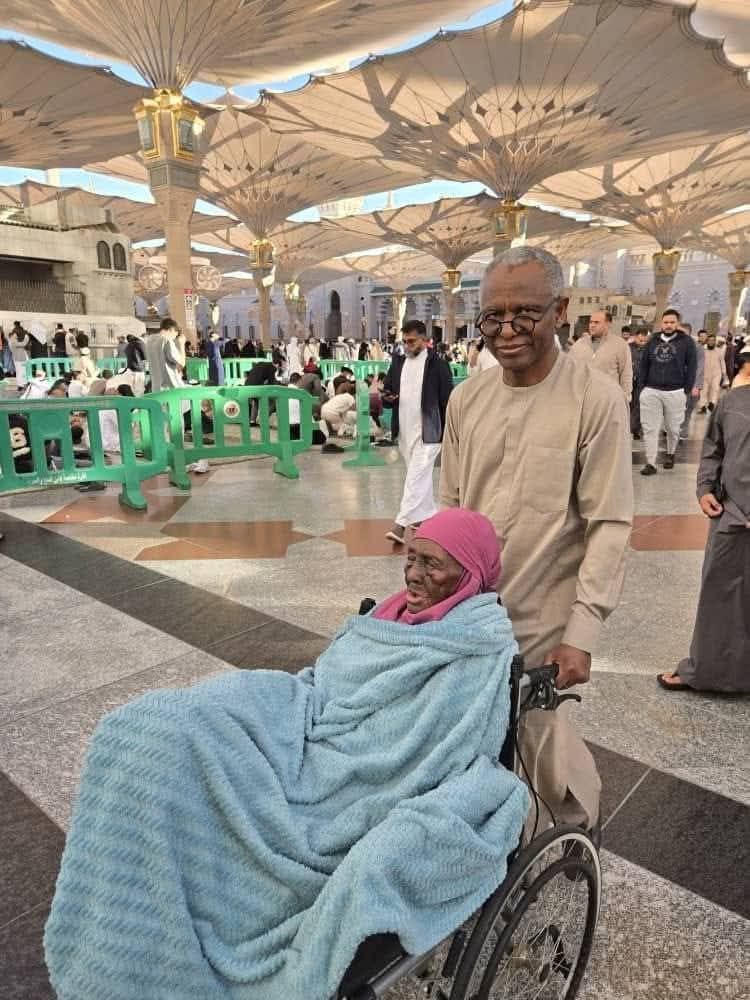
Former Kaduna governor El-Rufai loses mother
By: Zagazola Makama
The former Governor of Kaduna State, Nasir Ahmad El-Rufai, has lost his mother, Hajiya Umma, who passed away on Friday.
The announcement of her death was announced by the Elrufai Family on Friday.
Family sources said the deceased had been battling age-related health challenges, which worsened in recent times.
According to the sources, her condition reportedly deteriorated further after she learned of the detention of her son by the Independent Corrupt Practices Commission (ICPC).
They noted that El-Rufai had been closely managing his mother’s health prior to her demise.
The family prayed for Almighty Allah to forgive her shortcomings and grant her Aljannatul Firdaus.
Former Kaduna governor El-Rufai loses mother
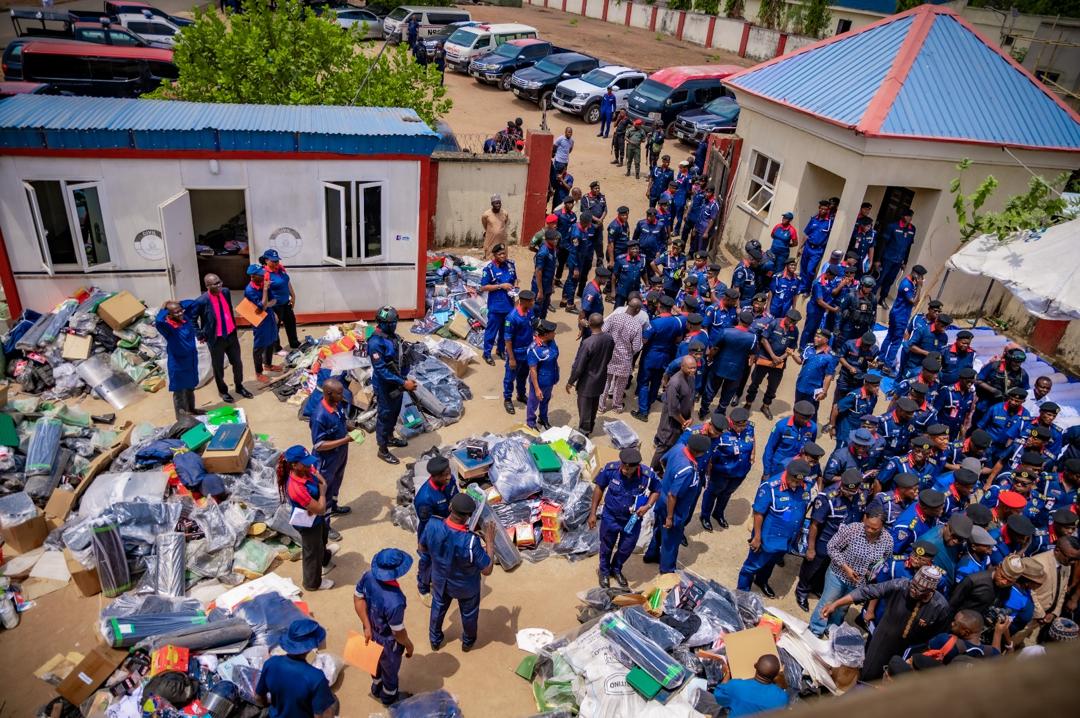
NSCDC Unveils Five-Year Strategy to Strengthen National Security
By: Michael Mike
The Commandant-General of the Nigeria Security and Civil Defence Corps (NSCDC), Abubakar Audi has unveiled a comprehensive five-year strategic roadmap aimed at strengthening national security, boosting operational efficiency and enhancing professionalism within the Corps.
Speaking at a high-level meeting with commanding officers from state formations across the country, Audi described the gathering as both “historic and strategic,” noting that it signaled the beginning of the second phase of his leadership following his reappointment.
The NSCDC boss expressed gratitude to President Bola Ahmed Tinubu for approving his reappointment and to the Minister of Interior, Olubunmi Tunji-Ojo, for recommending him for the position.
According to him, the renewed mandate provides the opportunity to deepen reforms and reposition the Corps for greater efficiency and national relevance.
Reflecting on his previous tenure, Houdi highlighted reforms introduced to tackle internal challenges within the organisation, particularly the issue of staff stagnation that had affected morale among personnel.
He noted that his administration addressed long-standing promotion delays and salary arrears, adding that efforts were ongoing through a presidential committee responsible for settling outstanding payments across Ministries, Departments and Agencies.
The Commandant-General also underscored the importance of capacity building, revealing that the Corps had developed a standardised curriculum for its training institutions. He described the initiative as a major step toward strengthening professionalism and operational discipline within the agency.
He said more senior officers have also been sponsored to attend strategic leadership programmes, including courses at the National Institute for Policy and Strategic Studies (NIPSS), aimed at improving institutional leadership and policy competence.
“Training remains central to discipline, professionalism and productivity,” Houdi said, adding that the next phase of his leadership would prioritise retraining and ethical reorientation of personnel.
He also highlighted operational achievements recorded by the Corps, particularly in the fight against oil theft and illegal mining across the country.
According to him, the Corps’ Special Intelligence Squad has dismantled more than 400 illegal refineries, arrested and prosecuted over 1,000 suspects, and secured between 400 and 500 convictions.
Similarly, the Mining Marshals initiative has shut down more than 1,000 illegal mining sites nationwide and facilitated the arrest and prosecution of numerous offenders, including foreign nationals.
Audi said these achievements were made possible through collaboration with other security agencies, particularly the Nigerian Army, as well as partnerships with private sector actors.
The Corps has also expanded its operational infrastructure, with new command facilities constructed in several locations and modern surveillance and communication equipment deployed to formations across the country.
He further disclosed that the agency is establishing a hydrocarbon and maritime surveillance centre in partnership with Tantita Security Services Nigeria Limited, alongside an ICT centre project expected to be completed within the next few months.
As part of the new strategy, the NSCDC will increasingly deploy advanced technologies, including artificial intelligence and drone surveillance, to enhance monitoring and protection of critical national assets.
Aidi outlined key priorities for the next five years, including strengthening discipline within the Corps, expanding training and retraining programmes, deploying modern surveillance technologies and enhancing protection of critical infrastructure.
He also announced plans to establish specialised units dedicated to safeguarding power infrastructure and tackling vandalism in the electricity sector.
The Commandant-General warned that the Corps would maintain zero tolerance for indiscipline and misconduct among personnel.
“We must restore professionalism and discipline. Any conduct outside our code will not be tolerated,” he said.
He urged officers to remain committed to protecting critical national infrastructure and to deepen intelligence sharing and collaboration with other security agencies in strengthening the country’s security architecture.
Audi challenged personnel to demonstrate the Corps’ relevance through tangible results.
“We must prove that we are ready to serve the nation with loyalty, commitment and professionalism,” he added.
NSCDC Unveils Five-Year Strategy to Strengthen National Security

Easter: Church Targets Spiritual Renewal, Community Impact with Power-Packed Programme

NIGCOMSAT to Host Nigerian Satellite Week 2026 as Nigeria Marks 20 Years in Space Economy

Burundi Presses Nigeria to Resume Crude Oil Supply, Seeks Deeper Economic Partnership

Roger Federer’s Shock as DNA Results Reveal Myla and Charlene Are Not His Biological Children

THE PLIGHT OF FARIDA

FAILED COUP IN BURKINA FASO: HOW TRAORÉ NARROWLY ESCAPED ASSASSINATION PLOT AMID FOREIGN INTERFERENCE CLAIMS
-
 News2 years ago
Roger Federer’s Shock as DNA Results Reveal Myla and Charlene Are Not His Biological Children
-
Opinions4 years ago
THE PLIGHT OF FARIDA
-
 News11 months ago
FAILED COUP IN BURKINA FASO: HOW TRAORÉ NARROWLY ESCAPED ASSASSINATION PLOT AMID FOREIGN INTERFERENCE CLAIMS
-

 News2 years ago
EYN: Rev. Billi, Distortion of History, and The Living Tamarind Tree
-
 Opinions4 years ago
POLICE CHARGE ROOMS, A MINTING PRESS
-

 ACADEMICS2 years ago
A History of Biu” (2015) and The Lingering Bura-Pabir Question (1)
-

 Columns2 years ago
Army University Biu: There is certain interest, but certainly not from Borno.
-

 Opinions2 years ago
Tinubu,Shettima: The epidemic of economic, insecurity in Nigeria
