
News
Tonlagha: Forged in the Creeks, Bridging Nigeria to the World

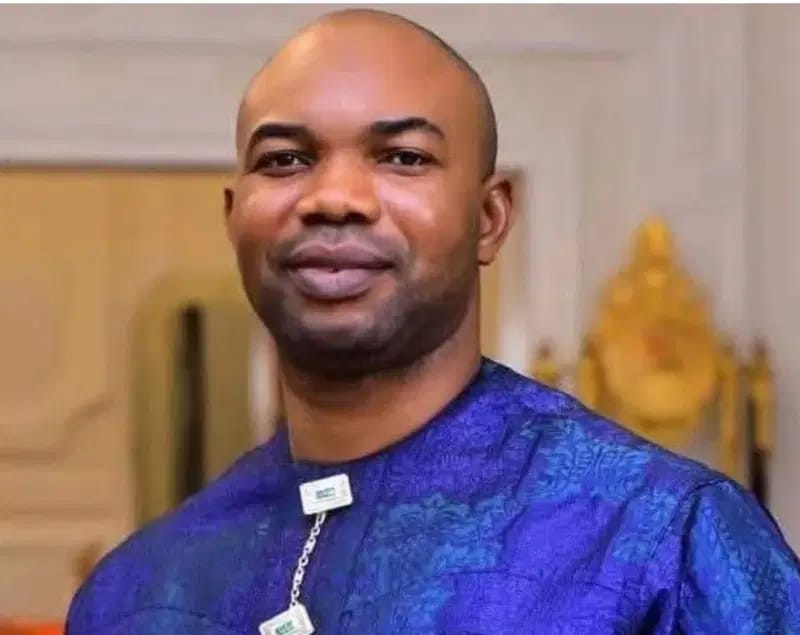
Tonlagha: Forged in the Creeks, Bridging Nigeria to the World
•Quiet Power, Citizen Diplomacy and the Promise of Nigeria
By Jude Obioha
In a country where activism often clashes with national cohesion and where loud voices frequently overshadow steady hands, Matthew Tonlagha represents a rare Nigerian archetype. This bridge builder fights fiercely for his people while working tirelessly for the peace, stability and economic future of Nigeria. His journey from the creeks of the Niger Delta to global engagement is not merely a personal success story. It is a powerful narrative of resilience, citizen diplomacy and quiet nation-building.
Tonlagha’s story begins not with privilege but with adversity. Born into a disciplined military family in Delta State, his early life was marked by profound physical challenges after complications from an ill-administered polio vaccine impaired his mobility. For nearly a decade, he depended on his mother’s strength to attend school and navigate daily life. Social stigma, financial hardship and the early loss of his father could have silenced his ambitions. Instead, these experiences forged in him a deep empathy for the vulnerable and an unyielding commitment to service. His eventual recovery and rise stand today as a testament to resilience; a personal struggle transformed into a lifelong mission for collective empowerment.
From his earliest activism in the Benikrukru community in the Gbaramatu Kingdom of Delta State, Tonlagha distinguished himself not only as a protester but also as an intellectual force behind the Niger Delta emancipation struggle. He confronted exploitation and neglect with courage, yet consistently advocated peaceful engagement, negotiation and constructive dialogue. Like many iconic leaders who understood that lasting change requires both firmness and foresight, he pursued justice for the Niger Delta without undermining Nigeria’s unity. This duality—fighting for regional equity while championing national stability—has defined his leadership philosophy.
His grassroots activism evolved into entrepreneurship and indigenous industrial growth through MATON Engineering Nigeria Limited, a company that has become a major employer and a driver of local capacity development. But Tonlagha’s influence extends far beyond boardrooms. As Vice Chairman of Tantita Security Services Nigeria Limited, he emerged as a critical private-sector partner in Nigeria’s oil security architecture. The success of efforts to curb oil theft, protect pipelines and restore production levels has had direct implications for national revenue, economic recovery and investor confidence. In a sector long plagued by instability, his role has been central to fostering sustained economic growth.
Yet perhaps the most compelling aspect of Tonlagha’s legacy is his understated philanthropy. He is a quiet humanitarian who has been funding scholarships, supporting widows and orphans, empowering youth through vocational training, and sustaining free feeding programmes without fanfare. His giving is not performative; it is rooted in lived experience and a belief that dignity must accompany assistance. This approach reflects a leader who remembers the pain of exclusion and seeks to build systems that offer opportunity rather than dependence.
Beyond Nigeria’s borders, Tonlagha has emerged as an informal yet effective citizen diplomat. Through international engagements and policy advocacy, he contributes to shaping Nigeria’s global image, strengthening bilateral conversations and promoting economic diplomacy. In an era when official channels alone cannot capture the full spectrum of global influence, individuals like Tonlagha help bridge gaps by advancing national interests while fostering international goodwill. His work underscores a new model of diplomacy in which private citizens complement formal statecraft, thereby reinforcing Nigeria’s strategic standing on the global stage.
What sets Tonlagha apart is not only the breadth of his engagements but the philosophy underpinning them. He embodies a generation of Nigerian leaders who believe that peace in the Niger Delta is complementary to Nigeria’s prosperity and that local development should align with national progress. His early activism against exploitation, including dramatic acts of defiance that drew attention to neglected communities, gradually evolved into a more nuanced strategy; one that combines dialogue, economic empowerment and security collaboration.
As he marked his golden jubilee in 2026, the outpouring of recognition from community leaders, national figures and global stakeholders revealed a man whose impact has long been felt but rarely publicised. Friends and admirers describe him as a peacemaker, a unifier and a patriot whose influence transcends ethnic and political boundaries. Indeed, his ability to convene diverse actors—from grassroots leaders to international partners—demonstrates a rare gift for consensus-building in a nation often divided by competing interests.
Nigeria’s future will depend not only on official institutions but also on citizens willing to shoulder responsibility beyond personal ambition. Tonlagha’s life offers a compelling blueprint: resilience forged through hardship, advocacy grounded in intellect and peace, economic empowerment anchored in indigenous enterprise, and diplomacy driven by patriotism rather than self-promotion. From the creeks of the Niger Delta to the corridors of international engagement, he has quietly shaped conversations on development, security and national cohesion.
In an age hungry for loud heroes, Tonlagha reminds us that the most enduring influence often operates in silence; building bridges where others see barriers, lifting communities where others see divisions, and proving that one individual, driven by empathy and vision, can help align regional emancipation with national unity. His story is not only a tribute to personal triumph but a reflection of the Nigeria that is possible when courage meets compassion and service meets strategy.
Obioha is the Director of Strategy at the Hope Alive Initiative (HAI), a group dedicated to good governance in Nigeria.
Tonlagha: Forged in the Creeks, Bridging Nigeria to the World


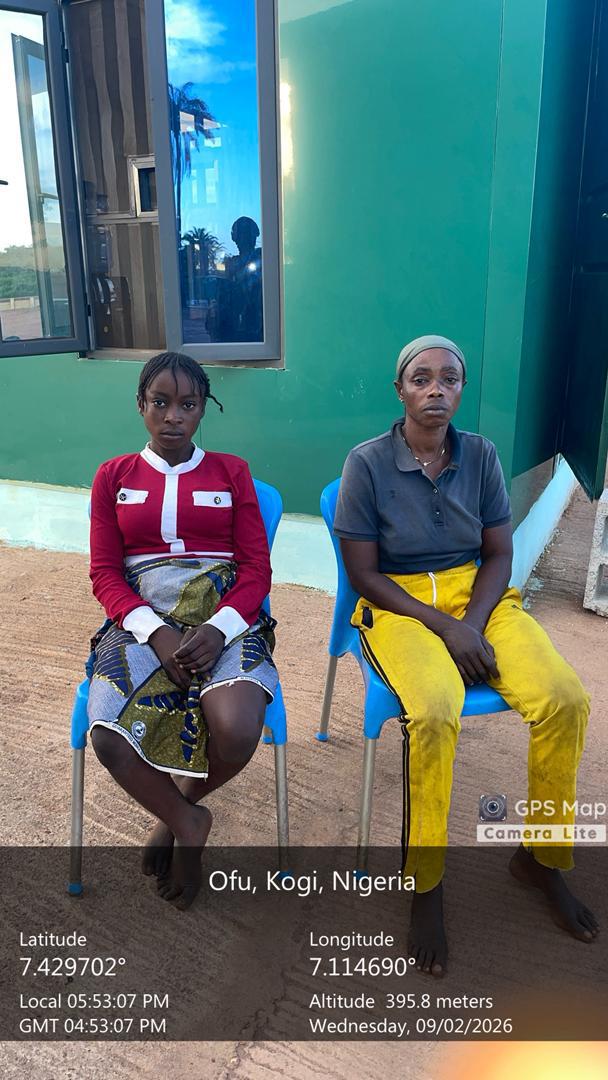
Troops rescue two female kidnap victims in Kogi
By: Zagazola Makama
Troops of the Nigerian Army have rescued two female kidnap victims after suspected bandits invaded a farmland in Ajodomodo Village, Dekina Local Government Area of Kogi State.
The incident occurred at about 10:30 a.m. on Wednesday, Sept. 2, when the suspected bandits reportedly invaded the farmland and abducted the two victims before fleeing the area.
Troops of the 21 Battalion Quick Reaction Force swiftly responded to the incident and pursued the fleeing criminals along their withdrawal route towards Agbodakodo Forest.
According to sources the pressure from the troops forced the abductors to abandon the victims in the forest.
The victims, identified as 15-year-old Miss Mohammed Rahinat and Mrs Hassanatu Mohammed, 30, were subsequently rescued unharmed.
The two women were evacuated to the 21 Battalion Medical Reception Station for medical attention and further assessment.
The military said troops have continued operations in the area to track the fleeing suspects and prevent further attacks on farming communities.
The rescue illustrates the importance of rapid military response and timely information sharing in countering kidnapping and other criminal activities in rural communities.
Troops rescue two female kidnap victims in Kogi
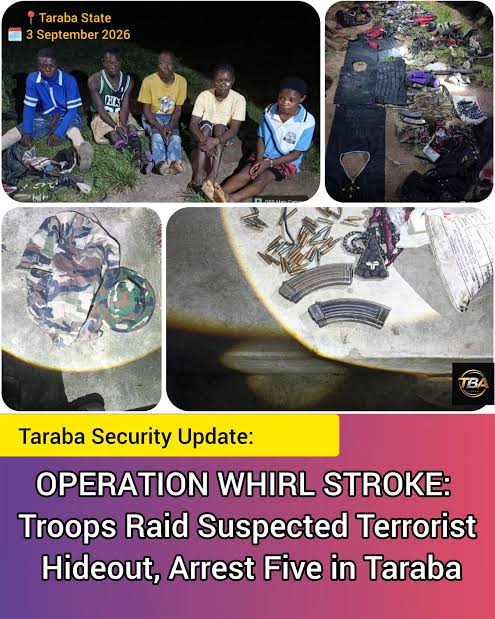
Operation Whirl Stroke troops raid suspected terrorist hideout, arrest five in Taraba
By: Zagazola Makama
Troops of Joint Task Force, Operation Whirl Stroke, have raided a suspected terrorist hideout in Peva, Takum Local Government Area of Taraba State, arresting five persons believed to be associates of a notorious bandit operating in the area.
The operation was conducted in the early hours of Thursday, Sept. 3, following credible intelligence received by the troops at about 12:30 a.m. regarding the location of the suspected criminal hideout.
Acting on the information, troops of Sector 1, in conjunction with personnel of Sector 3, both under Operation Whirl Stroke, swiftly mobilised and launched a raid on the identified location.
However, the suspected terrorists reportedly received information about the advancing troops and fled the hideout before the arrival of the security forces.
Undeterred, the troops conducted a thorough search of the area, leading to the arrest of five persons suspected to be associates of the fleeing criminal.
Items recovered during the operation included two AK-47 rifle magazines, 46 rounds of 7.62mm special ammunition, one woodland camouflage jacket, one jungle hat, four charm vests and assorted charms.
The military said the arrests and recovery of the items had provided useful leads that could support ongoing efforts to identify and apprehend other members of the criminal network.
The arrested suspects are expected to undergo further profiling and interrogation as troops intensify efforts to establish their roles and track the fleeing members of the group.
Operation Whirl Stroke assured residents across Taraba and other parts of its Joint Operations Area of continued intelligence-driven operations aimed at sustaining pressure on terrorists, bandits and other criminal elements.
The task force also urged residents to remain vigilant and provide timely and credible information to security agencies to support ongoing operations and enhance the protection of communities.
Operation Whirl Stroke troops raid suspected terrorist hideout, arrest five in Taraba
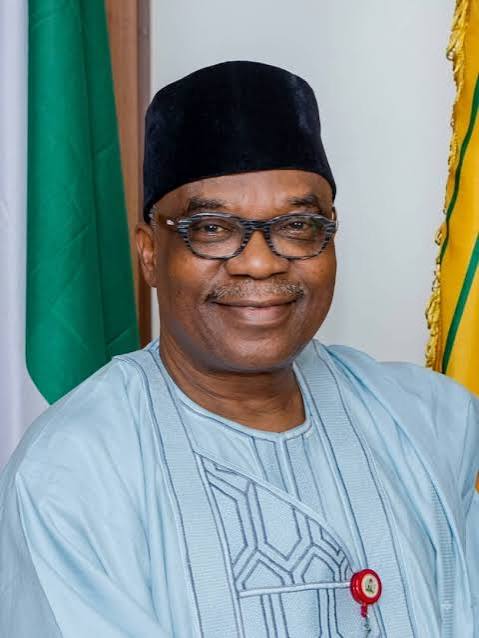
Nigeria Rejects Alleged Support for Niger Coup, Reaffirms Commitment to Democracy
By: Michael Mike
The Federal Government has rejected claims that Nigeria or the Economic Community of West African States (ECOWAS) backed the recent failed coup attempt in Niger Republic, describing the reports circulating on social media as false, mischievous and intended to damage Nigeria’s image.
Minister of State for Foreign Affairs, Ambassador Sola Enikanolaiye, said Nigeria had never supported, and would not support, any military coup or unconstitutional change of government in any country.
In a statement issued on Thursday, Enikanolaiye said Nigeria remained a defender of constitutional order, democracy and regional stability, stressing that the country would not endorse illegality “no matter who is involved or which country is concerned.”
He recalled the ministry’s August 30 statement on the situation in Niger, in which Nigeria expressed concern over developments in the neighbouring country and called for a peaceful, inclusive and participatory return to stability and constitutional order.
According to him, Nigeria’s position on unconstitutional changes of government remains unequivocal, adding that the use of force to resolve political differences was contrary to the country’s longstanding foreign policy.
“While Nigeria is a proud and committed member of ECOWAS, it is unfair, mischievous and entirely false to suggest that Nigeria endorses or condones the military coup,” the minister said.
He urged Nigerians at home and abroad to disregard videos and narratives circulating online which, he said, were aimed at sowing discord and misleading the public.
Enikanolaiye reaffirmed Nigeria’s commitment to the ECOWAS Protocol on Democracy and Good Governance as well as the African Union’s zero-tolerance policy on unconstitutional changes of government.
He said Nigeria would continue to work with ECOWAS, the AU and the international community to defend democracy, uphold the rule of law and promote peace and stability across West Africa, the Sahel and the wider African continent.
Nigeria Rejects Alleged Support for Niger Coup, Reaffirms Commitment to Democracy

Troops rescue two female kidnap victims in Kogi

Operation Whirl Stroke troops raid suspected terrorist hideout, arrest five in Taraba

Nigeria Rejects Alleged Support for Niger Coup, Reaffirms Commitment to Democracy

Roger Federer’s Shock as DNA Results Reveal Myla and Charlene Are Not His Biological Children

THE PLIGHT OF FARIDA

FAILED COUP IN BURKINA FASO: HOW TRAORÉ NARROWLY ESCAPED ASSASSINATION PLOT AMID FOREIGN INTERFERENCE CLAIMS
-
 News2 years ago
Roger Federer’s Shock as DNA Results Reveal Myla and Charlene Are Not His Biological Children
-
Opinions5 years ago
THE PLIGHT OF FARIDA
-
 News1 year ago
FAILED COUP IN BURKINA FASO: HOW TRAORÉ NARROWLY ESCAPED ASSASSINATION PLOT AMID FOREIGN INTERFERENCE CLAIMS
-

 News2 years ago
EYN: Rev. Billi, Distortion of History, and The Living Tamarind Tree
-
 Opinions5 years ago
POLICE CHARGE ROOMS, A MINTING PRESS
-

 ACADEMICS3 years ago
A History of Biu” (2015) and The Lingering Bura-Pabir Question (1)
-

 Columns3 years ago
Army University Biu: There is certain interest, but certainly not from Borno.
-

 Politics1 year ago
2027: Why Hon. Midala Balami Must Go, as Youths in Hawul and Asikira/Uba Federal Constituency Reject ₦500,000 as Sallah Gift
