
News
Trans-Border Security: Zulum travels to Niger Republic Community

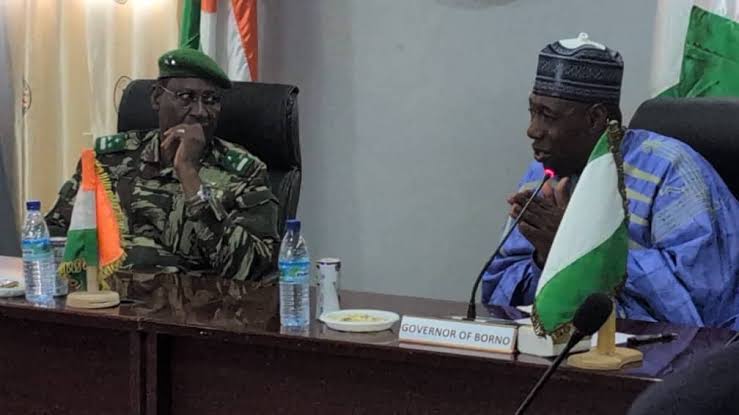
Trans-Border Security: Zulum travels to Niger Republic Community
By: Michael Mike
Borno State Governor, Prof. Babagana Zulum on Wednesday, undertook a working visit to Diffa Region of Niger Republic on Wednesday.
The visit, which included a high-level security and economic delegation, focused on strengthening the existing collaboration between Nigerian and Nigerien forces in the ongoing fight against insurgency, particularly around the shores of Lake Chad.
Diffa is a community 17 km from Damasak town in northern Borno where thousands of Nigerians displaced by Boko Haram insurgency are currently taking refuge.
Zulum was received by the Governor of Diffa, Brigadier General Mahamaduo Ibrahim Bagadoma, and other senior officials. The leaders held closed-door meetings centered on joint patrols, intelligence sharing, and sustaining the recent gains that have pushed insurgents out of many of their former strongholds.
Zulum outlined plan to leverage the improved security situation to facilitate the return of thousands of displaced farmers to the vast and fertile agricultural lands around Dutchi town within the Lake Chad basin.
Part of the Governor’s entourage are Engr Bukar Talba, a member of the House of Representatives, Speaker, Borno State House of Assembly, Abdulkarim Lawan, and otheir senior government officials.
[10/2, 6:35 PM] Mike Olugbode: Maiduguri: For Over a Month, MSF Responds to High Numbers of Children Suffering from Malnutrition.
Since late August and early September, Doctors Without Borders/Médecins Sans Frontières (MSF) teams have scaled up their medical response in Maiduguri, northeast Nigeria, following a sharp rise in malnutrition cases that overwhelmed MSF-supported facilities. Although admissions have slightly decreased now, the number of children receiving treatment remains very high.
“A month ago, we witnessed a worrying increase in admissions, compounded by a surge in measles cases,” said MSF Project Coordinator Daniela Batista. “Our isolation units for measles patients were quickly filled, and even the additional space we opened reached capacity. Now, those units remain around 70 percent full.”
Since 8 September, MSF’s Inpatient Therapeutic Feeding Centre (ITFC) at Nilefa Kiji Hospital (NKH) has nearly doubled its bed capacity to accommodate the influx of malnourished children. By the third week of September, the emergency facility was recording an average of more than 85 new admissions daily.
In a context of reduced global humanitarian funding, some organizations in Maiduguri reduced their support for – or even left – nutritional outpatient nutrition programmes, causing a significant drop in access for first line care fir malnourished children.
At MSF’s extension facility in Shuwari, teams treated 3,265 children for malnutrition and referred 1,521 others for continued care between August and early September, when the upsurge began. More than 625 malnourished children have also been treated for measles — a disease which can contribute to malnutrition and whose complications can result from malnutrition.
The situation is further exacerbated by shortages of essential supplies. Therapeutic milk — critical for treating severe acute malnutrition — is in short supply, while access to ready-to-use therapeutic food (RUTF) remains a chronic concern. Some partner ITFCs have indicated they can only accept referrals if MSF provides additional medical supplies such as antibiotics, admission kits, and therapeutic milk.
MSF teams also reported regular admissions of patients from Zabarmari — a community they are currently unable to access due to security and logistical challenges. MSF is engaging with the Borno State Ministry of Health to assess and potentially support the local Primary Health Centre (PHC) to ensure residents can access care.
Borno State continues to face the effects of a decade-long insurgency, with recent reports of violence in areas surrounding Maiduguri.
This surge in Maiduguri mirrors an alarming trend seen in all MSF nutrition facilities across Kebbi, Sokoto, Kano, Katsina, and Bauchi in recent months. According to UN estimates, 2.5 million children across northeast Nigeria are at risk of acute malnutrition.
MSF called on health authorities and humanitarian organizations to urgently address the shortages in medical supplies and staffing, and to strengthen community-level health systems to prevent further deterioration.
Trans-Border Security: Zulum travels to Niger Republic Community


EMCAN Trustees Reject Purported Dissolution of Executive, Disown Interim Leadership
By: Michael Mike
A fresh leadership crisis has erupted within the Environment Media Correspondents Association of Nigeria (EMCAN) as the association’s Registered Trustees have rejected the purported dissolution of its Executive Committee and the announcement of an Interim Leadership by a faction of the body.
In a joint statement issued on Saturday, the Trustees declared that the congress from which the decisions emerged was unauthorized, procedurally defective, and incapable of producing binding resolutions on behalf of the association.
The statement, signed by Registered Trustees Amechi Chukwuekwu Oyema and Godson Elekwachi, insisted that the resolutions announced after the disputed meeting—including the dissolution of the Executive Committee and the constitution of an Interim Leadership—“remain disputed and cannot be regarded as the official position of EMCAN.”
The Trustees maintained that EMCAN has yet to adopt a formal constitution defining procedures for convening congresses, determining quorum, conducting elections, removing officers, or dissolving the Executive Committee, arguing that the absence of such a framework undermines the legitimacy of the exercise.
According to them, the congress was neither authorized by the Registered Trustees nor convened through any process recognised by the association.
The leadership dispute took another dimension as the Trustees alleged that several individuals who participated in the proceedings and voting were not registered members of EMCAN.
They specifically questioned the inclusion of Samuel Adeyinka of the Federal Radio Corporation of Nigeria (FRCN) and Folarin Kehinde in the purported Interim Executive Committee, as well as Adekunle Buruji in the Electoral Committee, claiming that available membership records do not list them as registered members of the association.
The Trustees also alleged that the motion establishing the Interim Leadership was seconded by Goodluck Adubazi of Standard Times, whom they equally claimed is not a registered member of EMCAN.
They said the alleged participation of non-members in decisions affecting the association raises “serious concerns regarding the legitimacy, credibility and integrity of the entire process.”
The Trustees stressed that they had neither considered, endorsed nor ratified any of the actions taken at the disputed meeting.
They therefore cautioned members, government institutions, development partners, media organisations and the general public against recognising claims that the Executive Committee had been lawfully dissolved or that a new leadership had validly emerged as representing the official position of EMCAN.
Amid the deepening internal disagreement, the Trustees pledged to pursue a peaceful resolution of the crisis through dialogue and institutional reforms.
They reiterated their commitment to facilitating the adoption of a constitution for the association and the conduct of transparent, inclusive and credible elections acceptable to all members.
Calling for restraint, the Trustees urged members to remain calm and avoid actions capable of worsening divisions within the association while consultations continue.
They reaffirmed their commitment to preserving the integrity of EMCAN, insisting that all decisions affecting the association must be taken through lawful, transparent, inclusive and democratically acceptable processes.
The latest development signals an intensifying struggle over the leadership of EMCAN, with rival claims now threatening the unity of the association as stakeholders await efforts by the Registered Trustees to broker a lasting resolution.
EMCAN Trustees Reject Purported Dissolution of Executive, Disown Interim Leadership
News
ECOWAS Parliament Moves to End Border Bottlenecks, Orders Sweeping Reforms to Boost Regional Trade

ECOWAS Parliament Moves to End Border Bottlenecks, Orders Sweeping Reforms to Boost Regional Trade
By: Michael Mike
The ECOWAS Parliament has launched a fresh push to dismantle the bureaucratic and regulatory barriers stifling trade across West Africa, adopting far-reaching recommendations aimed at harmonising customs procedures, eliminating non-tariff barriers and expanding access to finance for millions of Micro, Small and Medium Enterprises (MSMEs).
The resolutions, adopted at the end of a week-long delocalised joint committee meeting in Cotonou, Benin Republic, represent one of the strongest legislative interventions in recent years to tackle the persistent border bottlenecks that continue to frustrate the ECOWAS vision of a borderless regional market nearly five decades after the bloc was established.
The lawmakers said inconsistent customs procedures, multiple taxation, cumbersome import regulations, poor infrastructure and harassment of traders have continued to undermine regional integration, inflate the cost of doing business and limit the competitiveness of indigenous enterprises.
Presenting the resolutions on Friday, Co-Chairman of the Joint Committee, Hon. Alhagie Darbo, said member states must urgently harmonise customs procedures, import regulations, taxation policies and business registration requirements to create a predictable and business-friendly environment capable of driving investment, industrialisation and job creation across the sub-region.
He said the Parliament also called for the full implementation of ECOWAS trade and investment protocols, elimination of non-tariff barriers, increased investment in trade-supporting infrastructure and stronger national monitoring mechanisms to improve the ease of doing business.
The regional lawmakers urged governments to adopt legal, regulatory and fiscal reforms that encourage entrepreneurship, support the transition of informal businesses into the formal economy, promote local value addition and improve the competitiveness of MSMEs.
Recognising the growing complaints by traders over market administration and extortion, the Parliament further recommended transparent management of market facilities, accessible tenancy agreements, review of restrictive trading practices and decisive action against unlawful harassment of traders.
To address one of the biggest constraints facing small businesses, the Parliament also advocated expanded financial inclusion programmes and affordable financing, particularly for women-owned and youth-led enterprises, to enable them participate more effectively in regional value chains.
The ECOWAS Commission was directed to strengthen implementation of the ECOWAS MSME Development Policy (2021-2030) through enterprise support centres, business development programmes, entrepreneurship initiatives and digital skills development.
The lawmakers equally called for the establishment of export support centres along major trade corridors and strategic border posts to guide exporters, simplify compliance with trade regulations and reduce administrative delays that continue to hamper intra-regional commerce.
In another major recommendation, the Parliament urged accelerated harmonisation of ECOWAS product standards, certification and quality assurance systems to ensure goods produced within the region meet uniform requirements and enjoy easier access to regional and continental markets.
It also advocated stronger implementation of the ECOWAS Trade Liberalisation Scheme (ETLS) through simplified procedures, improved awareness among businesses, greater transparency and complete removal of non-tariff barriers.
To reduce the region’s dependence on imports from outside Africa, the Parliament called for deliberate policies encouraging industries to source semi-processed raw materials and intermediate products from within the Community, while supporting inclusive industrial and agricultural clusters capable of attracting investment, improving productivity and strengthening regional competitiveness.
The lawmakers further tasked the ECOWAS Bank for Investment and Development (EBID) with expanding access to affordable financing through innovative instruments such as credit guarantee schemes, concessional lending windows and risk-sharing mechanisms targeted at MSMEs, especially businesses owned by women and young entrepreneurs.
Beyond financing, the bank was urged to support investment in regional industrial and agricultural clusters that would enable producers to increase capacity and integrate into regional markets.
The Parliament also pledged to intensify oversight of member states’ compliance with ECOWAS trade, industrialisation and MSME development frameworks while transmitting the resolutions to relevant regional institutions and pursuing sustained advocacy at the national level.
Speaking after the meeting, Chairman of Nigeria’s House of Representatives Committee on Small and Medium Enterprises and member of the ECOWAS Parliament, Hon. Pascal Agbodike, said Nigerian parliamentarians would immediately engage the National Assembly to ensure implementation of the recommendations.
He acknowledged the numerous complaints raised by traders over Nigeria’s borders, assuring that the concerns would receive comprehensive legislative attention.
The latest resolutions followed extensive field visits and town hall engagements with traders and business operators in Benin Republic, where participants recounted persistent delays at border crossings, multiple checkpoints, inconsistent customs practices and other barriers that continue to undermine the ECOWAS protocol on free movement of goods and services.
The renewed legislative push comes at a critical time when West African governments are seeking to deepen regional integration, stimulate industrialisation and position the sub-region to maximise opportunities under the African Continental Free Trade Area (AfCFTA).
If faithfully implemented by member states and regional institutions, the reforms could mark a significant turning point in dismantling long-standing trade obstacles, unlocking the growth potential of MSMEs and bringing the ECOWAS ambition of a truly integrated regional market closer to reality.
ECOWAS Parliament Moves to End Border Bottlenecks, Orders Sweeping Reforms to Boost Regional Trade
Fubara Woos Investors as Rivers Unveils High-Tech Paint Plant for Oil, Gas Industry
By: Michael Mike
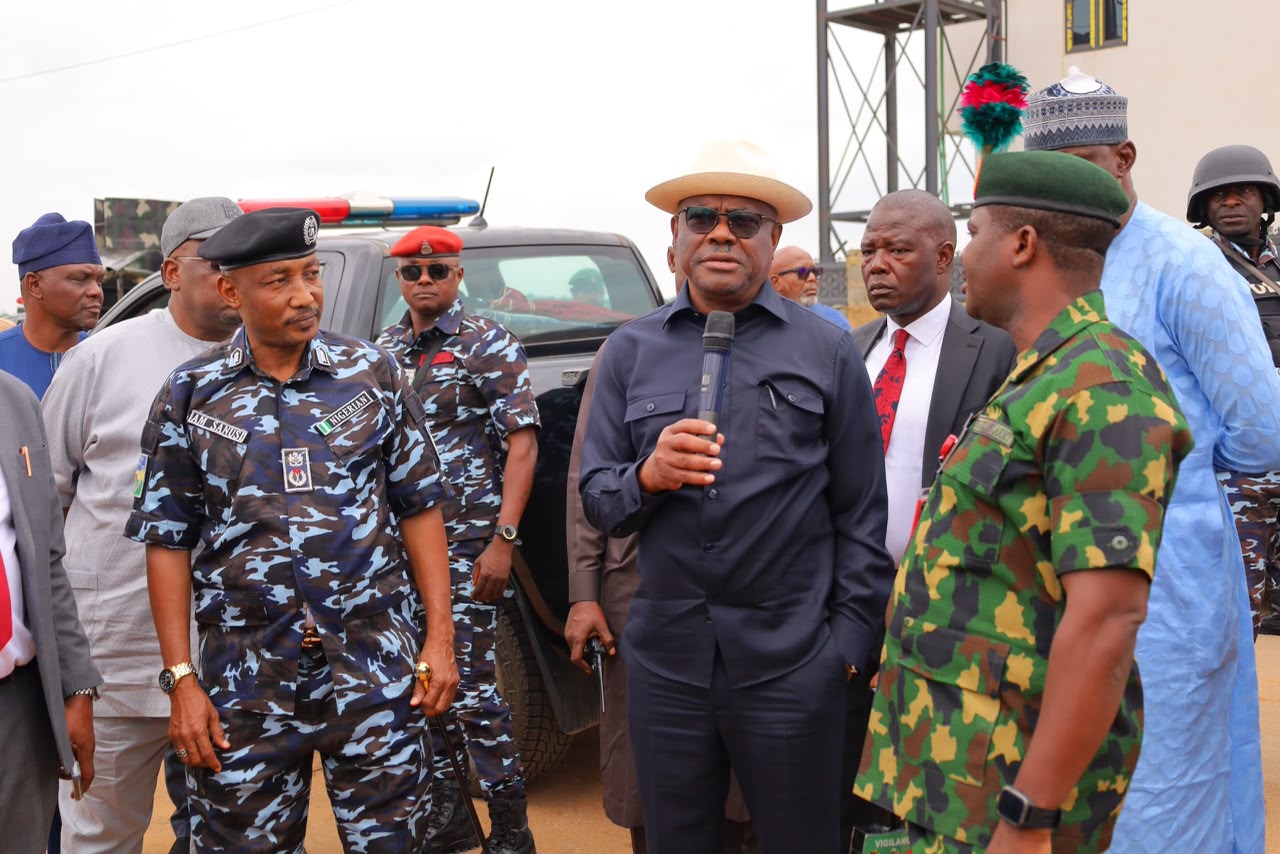
Rivers State Governor, Sir Siminalayi Fubara, on Friday renewed his administration’s commitment to creating an investment-friendly environment, declaring that sustained infrastructure development and improved ease of doing business are central to the state’s economic growth strategy.
The governor made the declaration during the commissioning of the Solewant Specialty Protective Coatings and Paints (SSPC) manufacturing plant at Alode, Onne, in Eleme Local Government Area, describing the multi-billion-naira facility as a strong vote of confidence in Rivers State’s security, stability and investment potential.
Represented by his Chief of Staff, Barrister Sonny Ewule, Fubara said the establishment of the state-of-the-art paint manufacturing plant was proof that the prevailing atmosphere in Rivers remained conducive for industrial expansion despite political tensions that have surrounded the state in recent months.
He said his administration had deliberately prioritised critical infrastructure to reduce the cost of doing business and attract more domestic and foreign investments capable of generating employment and boosting internally generated revenue.
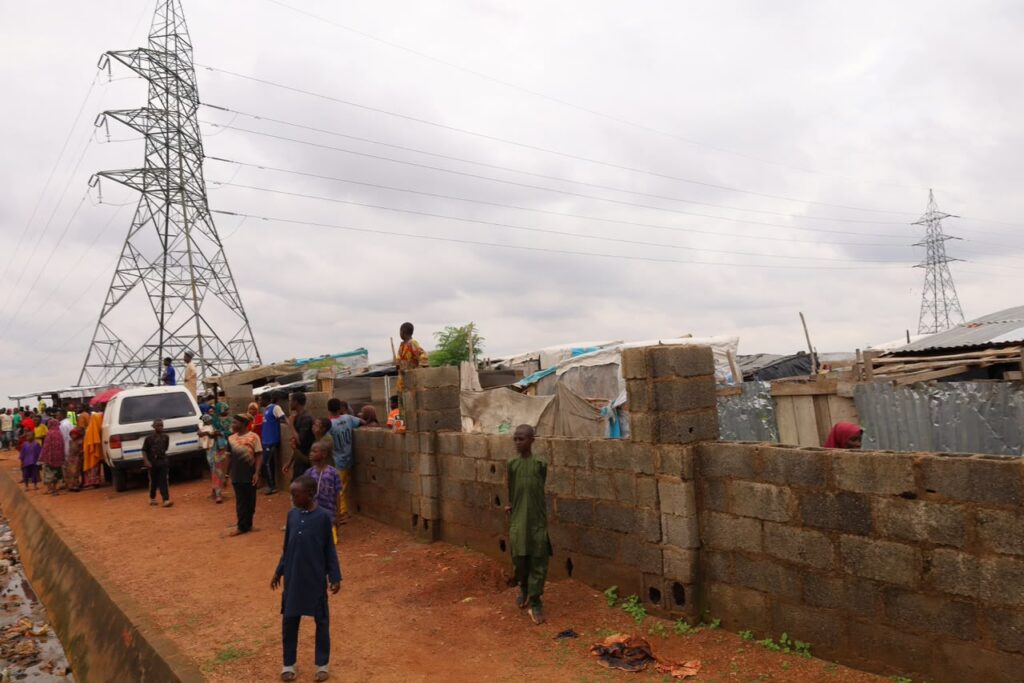
The governor urged other investors to emulate Solewant Group by taking advantage of the state’s industrial opportunities, assuring that his government would continue to provide the necessary support for businesses to thrive.
According to him, the state is also working with relevant agencies to improve electricity supply in order to lower energy costs for manufacturers and other industrial operators.
Fubara pledged that the state government was ready to partner with the company in promoting manufacturing, local content development and industrialisation, stressing that such collaboration would create jobs for thousands of young people while accelerating socio-economic development across Rivers State.
The newly commissioned facility, designed to produce specialty protective coatings and industrial paints, will serve the decorative, industrial and asset-protection markets, with a focus on meeting the needs of Nigeria’s oil and gas sector as well as other African markets.
Speaking at the event, the Minister of State for Petroleum Resources (Oil), Senator Heineken Lokpobiri, described the investment as a significant milestone for Nigeria’s industrial sector and a practical demonstration of the country’s local content aspirations.
He said the Federal Government remained committed to supporting indigenous companies capable of adding value within Nigeria rather than relying on imported products and services.
Lokpobiri noted that, in line with local content policies, measures had been introduced to ensure that protective coatings and pipe coating jobs are executed within the country, reducing dependence on foreign contractors while creating employment opportunities for Nigerians.
He expressed optimism that the new plant would strengthen Nigeria’s capacity to serve not only the domestic market but also customers across Africa.
“The solution to Nigeria’s energy challenges lies with Nigerians,” the minister said, adding that empowering indigenous companies remained the most sustainable path to building a resilient energy industry.
Earlier, the Group Managing Director and Chief Executive Officer of Solewant Group, Engr. Solomon Ewanehi, described the project as the culmination of years of research, technological innovation and product development aimed at delivering globally competitive coating solutions for the oil and gas industry.
He said the company was committed to producing high-quality protective coatings that would meet international standards while supporting Nigeria’s industrialisation drive and expanding the country’s manufacturing capacity.
Fubara Woos Investors as Rivers Unveils High-Tech Paint Plant for Oil, Gas Industry

EMCAN Trustees Reject Purported Dissolution of Executive, Disown Interim Leadership

ECOWAS Parliament Moves to End Border Bottlenecks, Orders Sweeping Reforms to Boost Regional Trade

Fubara Woos Investors as Rivers Unveils High-Tech Paint Plant for Oil, Gas Industry

Roger Federer’s Shock as DNA Results Reveal Myla and Charlene Are Not His Biological Children

THE PLIGHT OF FARIDA

FAILED COUP IN BURKINA FASO: HOW TRAORÉ NARROWLY ESCAPED ASSASSINATION PLOT AMID FOREIGN INTERFERENCE CLAIMS
-
 News2 years ago
Roger Federer’s Shock as DNA Results Reveal Myla and Charlene Are Not His Biological Children
-
Opinions4 years ago
THE PLIGHT OF FARIDA
-
 News1 year ago
FAILED COUP IN BURKINA FASO: HOW TRAORÉ NARROWLY ESCAPED ASSASSINATION PLOT AMID FOREIGN INTERFERENCE CLAIMS
-

 News2 years ago
EYN: Rev. Billi, Distortion of History, and The Living Tamarind Tree
-
 Opinions5 years ago
POLICE CHARGE ROOMS, A MINTING PRESS
-

 ACADEMICS2 years ago
A History of Biu” (2015) and The Lingering Bura-Pabir Question (1)
-

 Columns2 years ago
Army University Biu: There is certain interest, but certainly not from Borno.
-

 Politics1 year ago
2027: Why Hon. Midala Balami Must Go, as Youths in Hawul and Asikira/Uba Federal Constituency Reject ₦500,000 as Sallah Gift
