
News
Troops arrest suspected Boko Haram logistics supplier in Maiduguri


Troops arrest suspected Boko Haram logistics supplier in Maiduguri
By: Zagazola Makama
The troops of Operation Hadin Kai in collaboration with members of the Civilian Joint Task Force (CJTF), have arrested a suspected Boko Haram logistics supplier in Maiduguri, the Borno State capital.
Zagazola Makama gathered that the suspect, identified as Mr. Ahmadu Mohammed Dogo, was apprehended at Muna Garage at about 11:50 a.m. on Monday, following credible human intelligence.

According to preliminary investigations, the suspect was intercepted while allegedly attempting to convey Premium Motor Spirit (PMS) concealed in Fearless energy drink plastic bottles and packed in 12 sacks.
The suspect reportedly confessed during interrogation that he was transporting the fuel to Gamboru-Ngala, a border town in Borno State, believed to be a major logistics route for insurgents operating along the fringes of the Lake Chad Basin.

Items recovered from his possession included the PMS-filled plastic bottles, charms, suspected hard drugs, rings, syringes, and several personal effects.
Security sources said the arrest forms part of ongoing counter-terrorism efforts to cut off Boko Haram’s logistics and financial networks in the North East.

The suspect is currently in military custody and undergoing further interrogation.
Troops arrest suspected Boko Haram logistics supplier in Maiduguri




Obaze Raises Alarm over Declining Foreign Service Standards, Calls for Diplomatic Reforms
By: Michael Mike
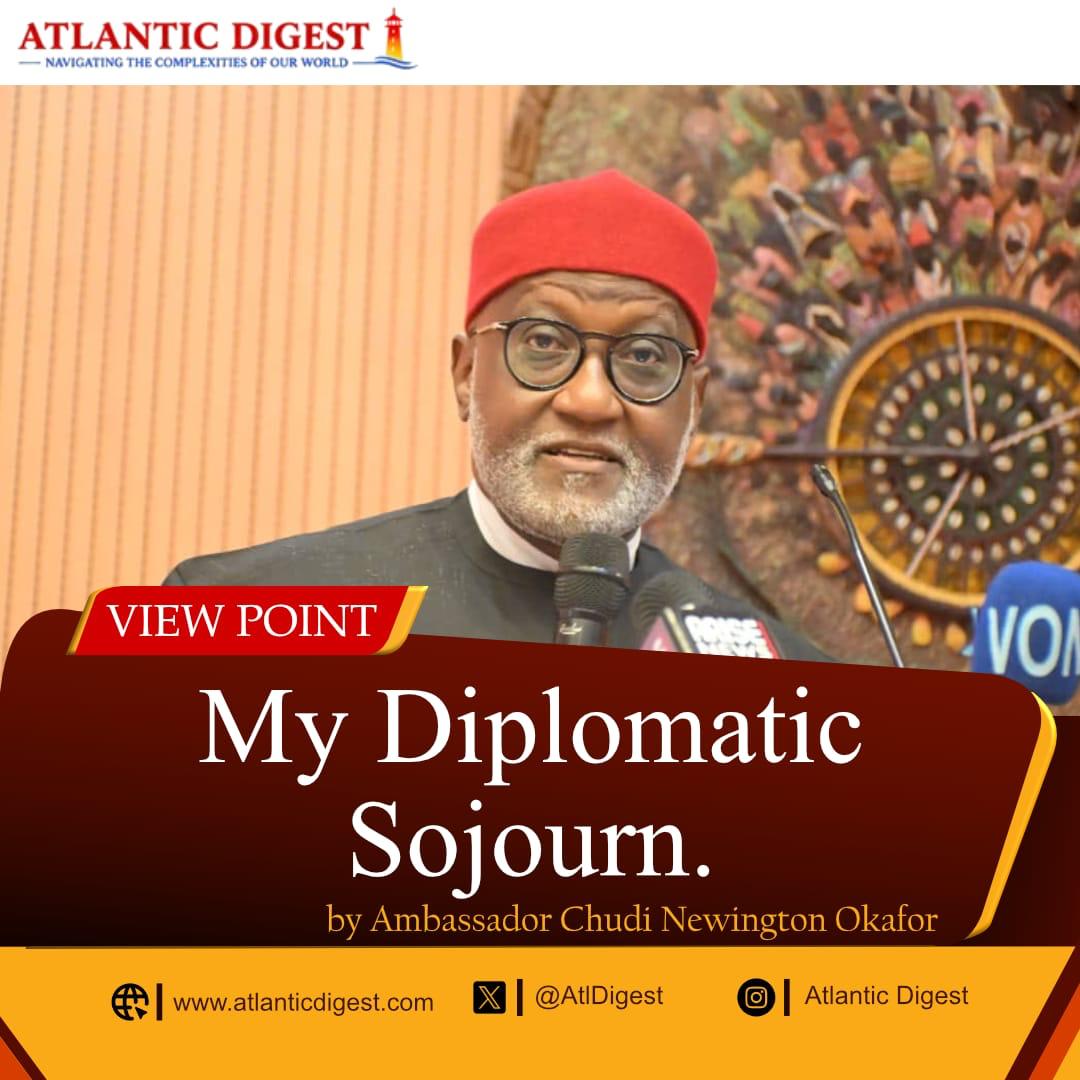
Former Nigerian diplomat and public policy expert, Mr Oseloka Obaze, has expressed concern over the declining professional standards in Nigeria’s Foreign Service, calling for institutional reforms to strengthen the country’s diplomatic capacity, preserve institutional memory and restore professionalism in the conduct of foreign relations.
Obaze also urged retired ambassadors and career diplomats to document their experiences, warning that Nigeria risks losing valuable historical records, institutional knowledge and lessons from decades of diplomatic engagements if such accounts are not preserved for future generations.
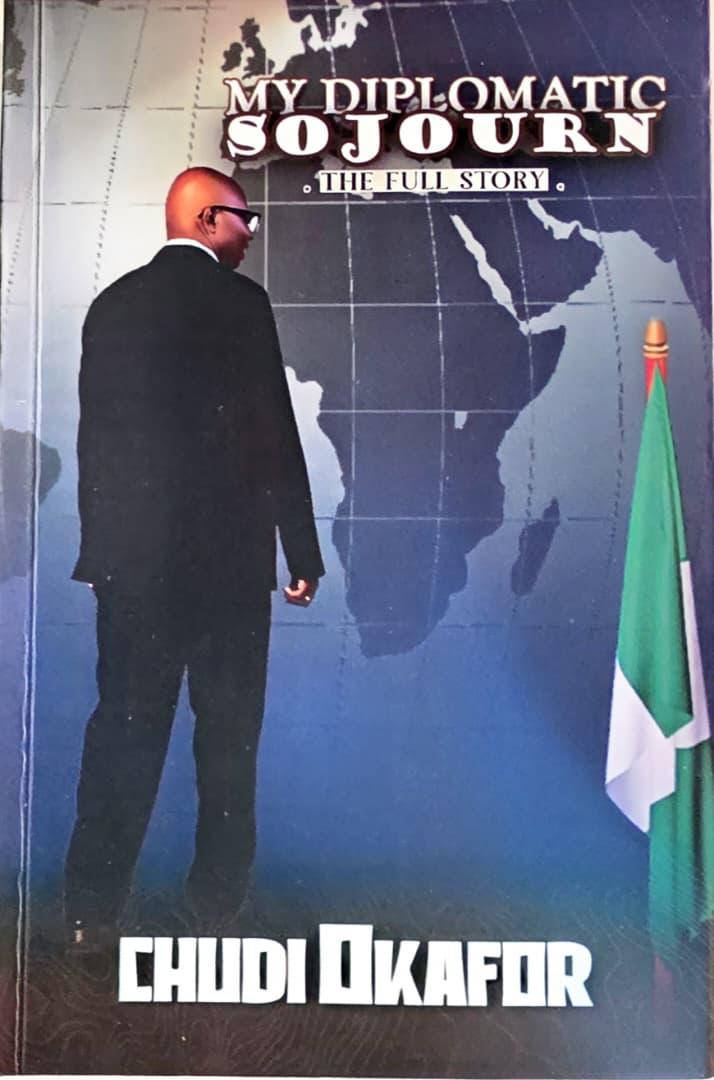
He made the call while reviewing a 377-page memoir, My Diplomatic Sojourn – The Full Story, written by Ambassador Chudi Okafor, a retired career diplomat who served Nigeria for 35 years.
The book review, held at the Ministry of Foreign Affairs in Abuja, provided an opportunity to examine Nigeria’s diplomatic history, the challenges confronting its Foreign Service and the importance of institutional continuity in advancing national interests.
Obaze, a former Secretary to the Anambra State Government under Peter Obi and Willie Obiano, identified administrative bottlenecks and institutional weaknesses as factors undermining the effectiveness of Nigeria’s diplomatic establishment, warning that they had contributed to what he described as a “dilution of foreign service standards.”
He noted that Okafor’s memoir offered valuable insights into the internal workings of Nigeria’s diplomatic service, highlighting the professional demands, administrative challenges and policy considerations that shaped the country’s foreign relations over several decades.
The former diplomat also raised concerns about diplomatic reciprocity in Nigeria’s bilateral relations, citing the country’s engagements with Russia as an example of the need for greater balance and mutual recognition in international partnerships.
He recalled that former President Olusegun Obasanjo undertook an official visit to Russia in March 2001, noting that Russian President Vladimir Putin had yet to make a reciprocal visit to Nigeria as of November 2026.
According to him, Putin’s visits to other African countries, including Egypt, South Africa, Algeria and Libya, raised questions about the level of reciprocal engagement between Nigeria and Russia, despite Nigeria’s strategic importance on the continent.
Obaze’s observations highlighted the need for Nigeria to continually evaluate its diplomatic relationships, strengthen its negotiating position and ensure that bilateral engagements deliver tangible benefits in line with the country’s national interests.
Reviewing the memoir, Obaze commended Okafor for documenting his diplomatic experiences while maintaining the discretion expected of a former public official entrusted with sensitive state information.
He described diplomatic memoirs as important historical resources that provide firsthand accounts of policy formulation, negotiations, international engagements and the institutional circumstances surrounding major foreign policy decisions.
Drawing on the words of English novelist George Meredith, Obaze described memoirs as “the back stairs of history”, noting their importance in revealing experiences and decisions often absent from official records.
He situated Okafor’s publication within Nigeria’s tradition of diplomatic memoir-writing, referencing accounts by distinguished diplomats and public officials, including Simon Adebo, Joe Garba, Olujimi Jolaoso, Olufemi George, Lawrence Agubuzu and Ade Adefuye.
He encouraged other retired diplomats and former foreign ministers to document their experiences, stressing that such publications would contribute to scholarship, diplomatic training, policy development and a better understanding of Nigeria’s place in international affairs.
The 13-chapter memoir chronicles Okafor’s early life, National Youth Service Corps experience and progression through Nigeria’s diplomatic establishment.
It also documents his foreign postings to Trinidad and Tobago, Malaysia, Russia, the United States, Thailand and Myanmar, reflecting the diversity of Nigeria’s bilateral engagements across different regions and political environments.
The book further examines his assignments at the Ministry of Foreign Affairs in Lagos and Abuja, as well as his service at the Office of the Secretary to the Government of the Federation.
With a career spanning 35 years, Okafor’s experiences provide insights into the evolution of Nigeria’s diplomatic institutions, the demands of representing the country abroad and the relationship between domestic administrative structures and foreign policy implementation.
Obaze recommended the memoir to diplomats, policymakers, researchers, students of international relations and members of the public interested in Nigeria’s diplomatic history.
He maintained that preserving the experiences of former diplomats would enrich the country’s historical records and enable successive generations of Foreign Service officers to learn from past achievements, challenges and missed opportunities.
Obaze Raises Alarm over Declining Foreign Service Standards, Calls for Diplomatic Reforms
News
2027 Elections: Immigration Service, DSS Move to Block Foreign Interference, Irregular Migration
2027 Elections: Immigration Service, DSS Move to Block Foreign Interference, Irregular Migration
By: Michael Mike
The Nigeria Immigration Service (NIS) and the Department of State Services (DSS) have vowed to strengthen border security and tighten migration controls to prevent foreigners and irregular migrants from interfering in Nigeria’s 2027 general elections.
The two security agencies said they would intensify intelligence sharing, joint surveillance and coordinated security operations to prevent foreign elements from exploiting the country’s borders to infiltrate Nigeria and undermine the electoral process.
The commitment was made on Friday at the headquarters of the Nigeria Immigration Service in Abuja during the formal flag-off of the 2027 General Elections Sensitisation Programme.
The event was attended by the Comptroller-General of Immigration, Kemi Nandap; Director-General of the DSS, Oluwatosin Ajayi; and representatives of the Commandant-General of the Nigeria Security and Civil Defence Corps (NSCDC), Ahmed Abubakar Audi, and the Controller-General of the Nigerian Correctional Service, Sylvester Nwakuche.
Speaking at the event, Nandap, who was represented by the Deputy Comptroller-General in charge of Visa and Residency, Franca Usiwoma Nwanneka, charged immigration personnel to remain vigilant and ensure effective coordination of their operations before, during and after the elections.
She described the 2027 general elections as a critical period requiring collective vigilance and the commitment of all institutions responsible for protecting the country’s security and democratic processes.
According to her, the Immigration Service occupies a strategic position in Nigeria’s security architecture because of its responsibility for border security and migration management.
She warned that irregular migration, human trafficking, migrant smuggling and other transnational criminal activities could pose significant threats to national security if not adequately addressed.
“Today’s workshop is particularly significant as Nigeria prepares for the 2027 general elections. Beyond the responsibility of conducting credible elections, there is the equally important task of providing a peaceful and secure environment in which the democratic processes can thrive.
“Achieving this requires collective vigilance, effective coordination and the commitment of all institutions entrusted with safeguarding our nation,” she said.
Nandap stressed that no single security agency could independently address the complex security challenges confronting the country, noting that effective intelligence sharing and sustained inter-agency collaboration were essential to preventing security breaches.
She also cautioned immigration officers against taking sides with political parties or individuals participating in the elections, insisting that personnel must maintain strict political neutrality and professionalism.
“Our officers must demonstrate the highest standards of political neutrality, discipline and respect for the rule of law. Under no circumstance should our personnel use official resources to promote partisan interests. Our loyalty must remain firmly in the Constitution of the Federal Republic of Nigeria,” she said.
The Comptroller-General further directed zonal coordinators, controllers and heads of formations to strengthen surveillance, intelligence gathering and operational deployment while ensuring close coordination with other security agencies.
She also called for proactive participation in the Inter-Agency Consultative Committee on Election Security (ICCES), stressing that collaboration must produce measurable results.
“Our participation in ICCES must be proactive, purposeful and result-oriented,” she added.
In his remarks, the DSS Director-General, Ajayi, represented by the Deputy Director-General in charge of Operations and Intelligence, Patrick Ikenweiwe, reaffirmed the agency’s commitment to strengthening collaboration with the Immigration Service to safeguard Nigeria’s borders throughout the electoral period.
He said the security of the country’s borders and the integrity of its migration control system would be critical to protecting the 2027 electoral process against external threats.
According to him, electoral activities could attract individuals seeking to exploit weaknesses in border controls for the movement of mercenaries, political operatives and other persons intent on undermining democratic processes.
Ajayi described the Immigration Service as the first line of national defence against irregular migration and other cross-border security threats, noting that its effectiveness would be crucial to maintaining a peaceful electoral environment.
“The Department of State Services remains committed to deepening collaboration with the Nigerian Immigration Service through timely intelligence sharing, joint threat assessments and coordinated operations, particularly along our land borders and at entry points.
“No single agency can secure the electoral space alone. Our strength lies in absolute synergy,” he said.
The DSS chief also emphasised the importance of effective supervision, accountability and measurable performance in achieving institutional security objectives.
He urged supervisors to lead by example and ensure that personnel remained professional, accountable and politically neutral throughout the electoral cycle.
The renewed security commitment comes as preparations for the 2027 general elections gather momentum, with security agencies expected to play critical roles in protecting the electoral environment, preventing cross-border threats and ensuring that eligible Nigerians can exercise their democratic rights peacefully.
2027 Elections: Immigration Service, DSS Move to Block Foreign Interference, Irregular Migration
Nigeria’s Philanthropy Sector Seeks Stronger Domestic Funding, Accountability
By: Michael Mike
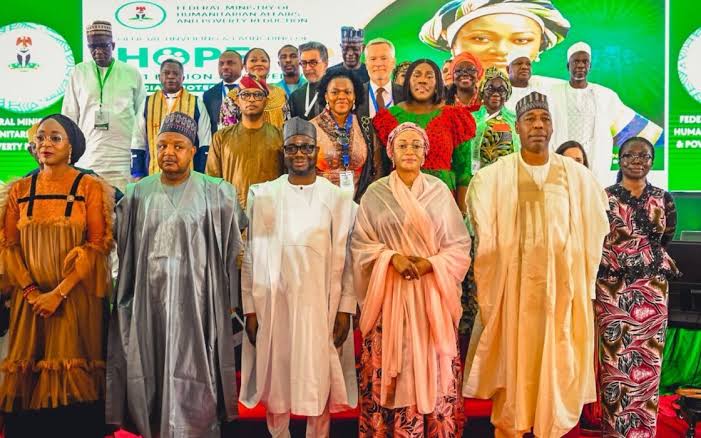
The TY Danjuma Foundation and key stakeholders in Nigeria’s philanthropic and civil society sectors have called for a major overhaul of the country’s philanthropy ecosystem, urging the establishment of an independent Nigerian Philanthropy Forum to mobilise domestic resources, strengthen accountability and reduce dependence on foreign development assistance.
The stakeholders warned that declining international aid, weak institutional coordination, poor financial disclosure and regulatory bottlenecks could undermine development interventions, particularly for vulnerable communities, unless Nigeria builds a stronger homegrown funding system.
The call was made at an ecosystem convening organised by the TY Danjuma Foundation in partnership with the African Philanthropy Forum (APF) and other development partners to explore strategies for strengthening domestic giving, improving the regulatory environment and restoring public confidence in charitable institutions.
Chairman of the Board of Trustees of the TY Danjuma Foundation, Mrs Hannatu Gentles, said the initiative was aimed at transforming Nigeria’s longstanding culture of generosity into a more structured, coordinated and sustainable force for national development.
She observed that although Nigerians were traditionally generous, much of their giving remained informal, limiting the ability to track contributions, coordinate interventions and measure their overall development impact.
Gentles disclosed that the Foundation had commissioned research into structured philanthropy in Nigeria and international best practices in regulating charitable organisations to identify institutional gaps and recommend policies capable of creating an enabling environment for domestic giving.
Presenting findings from the mapping exercise, Executive Director of the Nigeria Network of NGOs, Oluseyi Oyebisi, said Nigeria had no shortage of generosity but lacked the institutional infrastructure, reliable data and accountability mechanisms required to translate private contributions into measurable development outcomes.
He explained that the research was designed to develop a comprehensive database of non-profit organisations and philanthropic funding in Nigeria, particularly against the backdrop of declining international development assistance.
According to him, Nigeria recorded a 10 per cent decline in aid volume and outcomes, while 79 per cent of the country’s development assistance in 2024 came from donors that had subsequently announced funding cuts.
He warned that the emerging funding gap made it imperative for Nigeria to strengthen domestic resource mobilisation and develop alternative financing mechanisms to sustain critical development and humanitarian interventions.
The study also tracked approximately N373 billion in Host Community Development Trust funding across more than 536 projects, highlighting the scale of resources available within the country.
However, Oyebisi identified transparency and financial disclosure as major weaknesses in the sector, revealing that only 1.3 per cent of the organisations captured in the database provided information on their corporate social responsibility expenditure.
He further identified fragmented regulations, overlapping institutional requirements and weak confidence in financial reporting as obstacles to the growth of philanthropy, calling for harmonised policies, improved data management and stronger accountability standards.
On the proposed Nigerian Philanthropy Forum, Executive Director of the African Philanthropy Forum, Mosun Layode, said the country needed an independent institution capable of bringing donors, foundations, civil society organisations and other development actors together around a common agenda.
She stressed that the responsibility for establishing and sustaining the proposed institution must rest with Nigerian stakeholders, rather than APF, although the continental organisation was prepared to provide technical support, resources and pro bono assistance.
According to Layode, the forum must be properly registered, structured and independently managed, rather than remain an informal platform without the institutional capacity to sustain its operations.
She urged Nigerian donors and foundations to identify credible leadership and mobilise the initial financial resources required to establish the institution, with the long-term objective of building a financially sustainable organisation with its own office and independent operations.
Layode explained that APF was established as a continental institution and could not permanently serve as a substitute for a national platform, particularly as its leadership and institutional priorities would evolve over time.
Citing TrustAfrica as an example of an institution that grew beyond its initial support from the Ford Foundation, she challenged Nigerian philanthropists to invest in building an enduring institution that future generations would be proud of.
Also presenting findings from a comparative study of philanthropic systems in the United States, the United Kingdom and South Africa, Dr Ebrima Sall highlighted lessons Nigeria could adopt to strengthen its legal, regulatory and institutional frameworks.
He emphasised the need for clear legislation, effective collaboration, institutional capacity and accessible accountability mechanisms, citing the United Kingdom’s Charity Commission as an example of how public access to information can help donors assess the credibility of charitable organisations before making contributions.
Similarly, Co-founder of IdeaPlus Consultant, Dayo Olaide, called for stronger government engagement with foundations and civil society organisations, arguing that philanthropic institutions possess significant financial resources and influence that could be better harnessed for national development.
Olaide advocated the establishment of a proposed $300 million accelerator fund over three years to support interventions addressing neglected tropical diseases.
He also raised concerns over the tax burden on non-profit organisations, particularly building taxes, warning that excessive fiscal obligations could constrain their capacity to deliver social and development programmes.
In her closing remarks, Gentles reaffirmed the TY Danjuma Foundation’s commitment to advancing philanthropy in Nigeria, insisting that stronger institutional coordination, transparency and an enabling regulatory environment were essential to making domestic giving more strategic and impactful.
Quoting the Foundation’s founder and Chairman Emeritus, she said, “No one is too poor to give,” stressing that philanthropy should not be limited to financial contributions but could also take the form of assets, time, intellectual capacity and other resources that benefit society.
The stakeholders agreed that Nigeria’s transition towards a stronger domestic philanthropy system would require more than goodwill, calling for sustainable institutions, greater financial commitment from local donors, improved transparency and collective action.
They maintained that strengthening domestic philanthropy would not only help cushion the impact of declining foreign aid but also give Nigerians greater ownership of development priorities and the resources deployed to address the country’s social and economic challenges.
Nigeria’s Philanthropy Sector Seeks Stronger Domestic Funding, Accountability

Obaze Raises Alarm over Declining Foreign Service Standards, Calls for Diplomatic Reforms

2027 Elections: Immigration Service, DSS Move to Block Foreign Interference, Irregular Migration

PCC Commissioner Applauds Buba’s Leadership, Commends UMTH’s Positive Transformation

Roger Federer’s Shock as DNA Results Reveal Myla and Charlene Are Not His Biological Children

THE PLIGHT OF FARIDA

FAILED COUP IN BURKINA FASO: HOW TRAORÉ NARROWLY ESCAPED ASSASSINATION PLOT AMID FOREIGN INTERFERENCE CLAIMS
-
 News3 years ago
Roger Federer’s Shock as DNA Results Reveal Myla and Charlene Are Not His Biological Children
-
Opinions5 years ago
THE PLIGHT OF FARIDA
-
 News2 years ago
FAILED COUP IN BURKINA FASO: HOW TRAORÉ NARROWLY ESCAPED ASSASSINATION PLOT AMID FOREIGN INTERFERENCE CLAIMS
-
 Opinions5 years ago
POLICE CHARGE ROOMS, A MINTING PRESS
-

 News3 years ago
EYN: Rev. Billi, Distortion of History, and The Living Tamarind Tree
-

 ACADEMICS3 years ago
A History of Biu” (2015) and The Lingering Bura-Pabir Question (1)
-

 Columns3 years ago
Army University Biu: There is certain interest, but certainly not from Borno.
-

 Politics1 year ago
2027: Why Hon. Midala Balami Must Go, as Youths in Hawul and Asikira/Uba Federal Constituency Reject ₦500,000 as Sallah Gift
