
Uncategorized
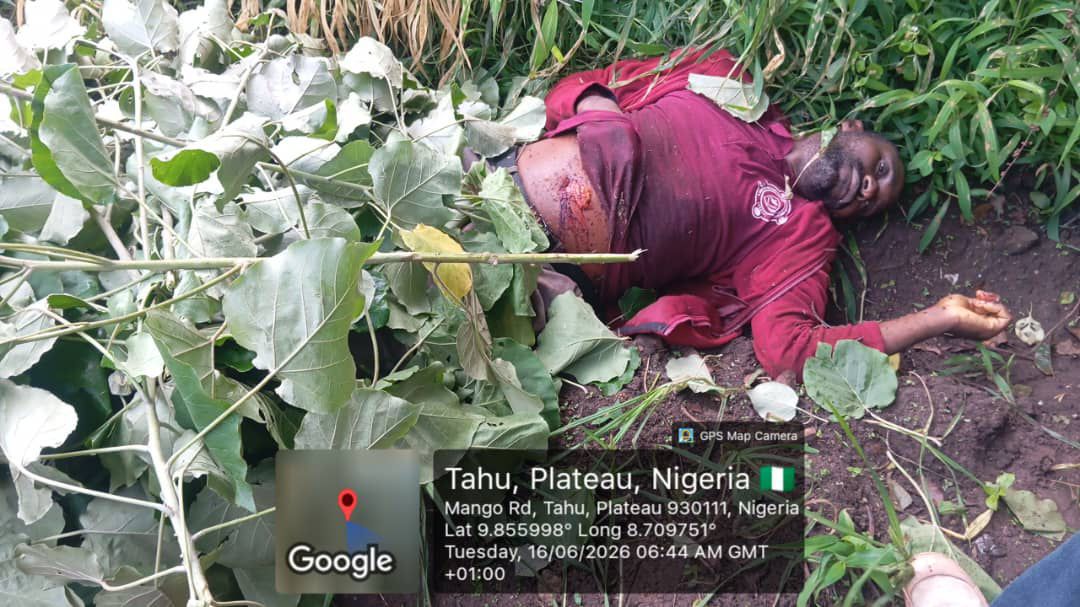
Troops Discover Corpse with Gunshot Wound in Plateau Community

Troops Discover Corpse with Gunshot Wound in Plateau Community
By: Zagazola Makama
Troops of Operation Enduring Peace (OPEP), Sector 3, have discovered the body of a man with a gunshot wound in Dantanko community, Bassa Local Government Area of Plateau State.
Security sources said the troops responded at about 6:50 a.m. on June 16 following a report of a suspicious incident in the area.
On arrival, the troops reportedly found the corpse of a man identified as Mr. Emmanuel Agara, who was confirmed to have sustained a gunshot wound.
The area was immediately cordoned off by security personnel, while the body was evacuated for necessary procedures.
Authorities said investigations have commenced to determine the circumstances surrounding the death and to identify those responsible.
Security operatives have since intensified patrols in the general area to prevent any breakdown of law and order.
Troops Discover Corpse with Gunshot Wound in Plateau Community


Uncategorized
Herdsmen Agree to Pay ₦1 Million Compensation After Farmland Destruction in Plateau State
Herdsmen Agree to Pay ₦1 Million Compensation After Farmland Destruction in Plateau State
By: Zagazola Makama
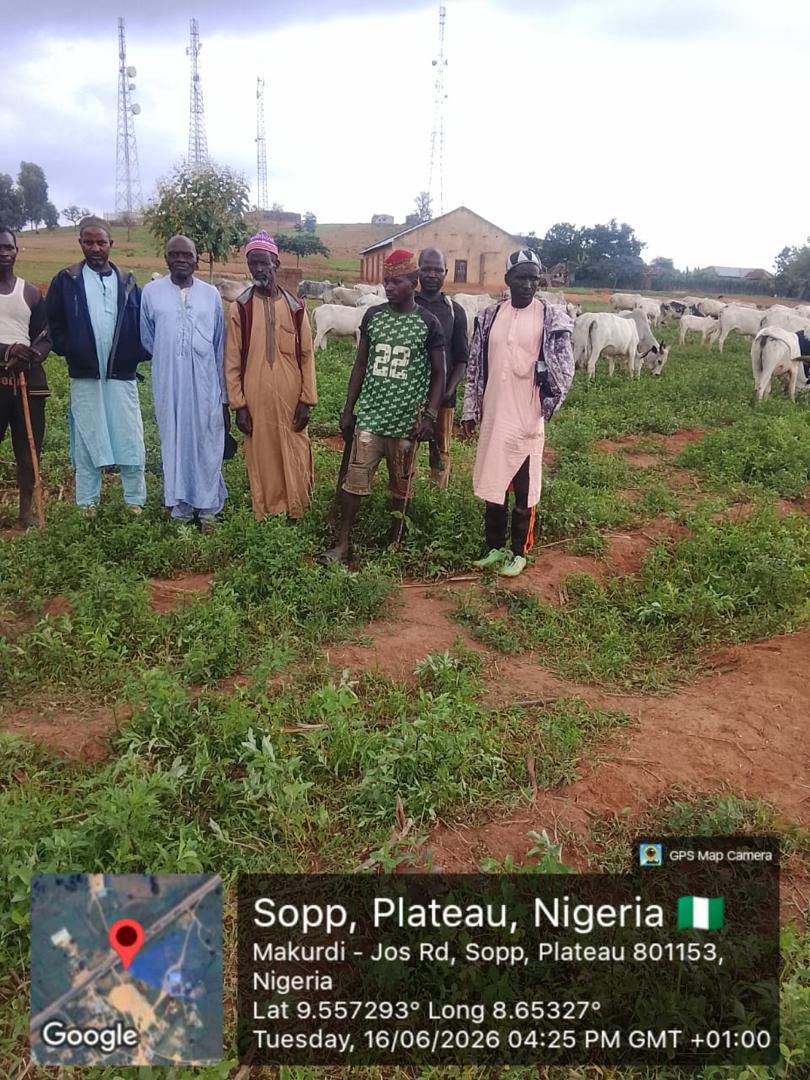
A dispute over farmland destruction in Riyom Local Government Area of Plateau State has been resolved following the intervention of security operatives and community stakeholders, with herders agreeing to pay ₦1 million compensation to affected farmers.
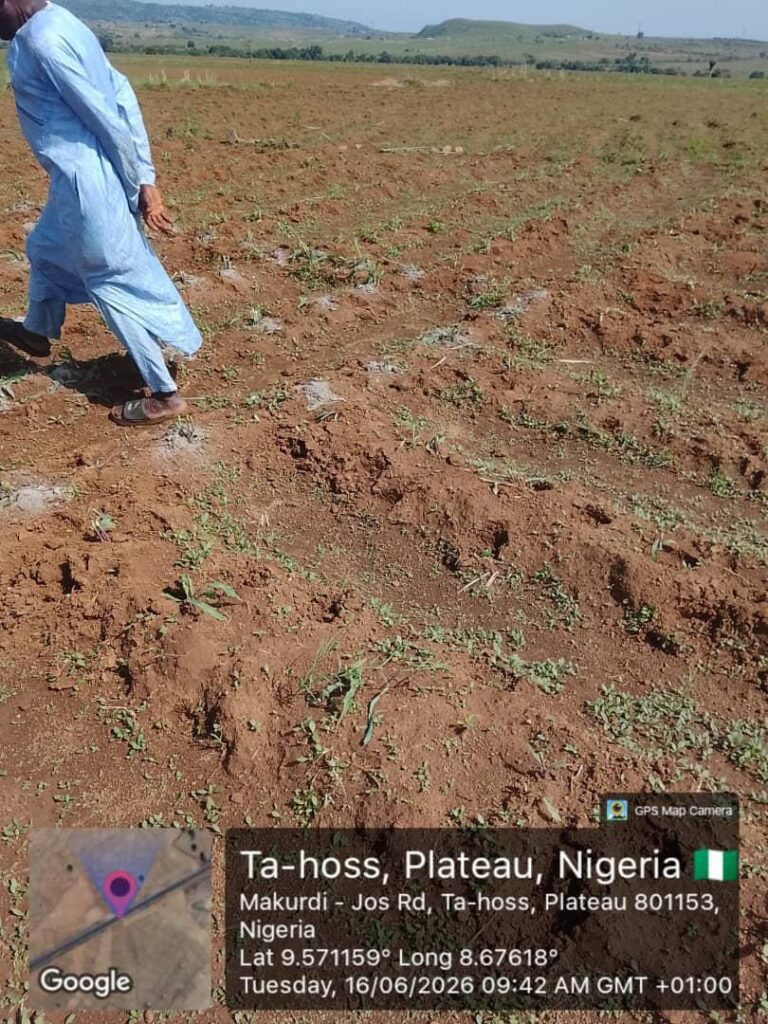
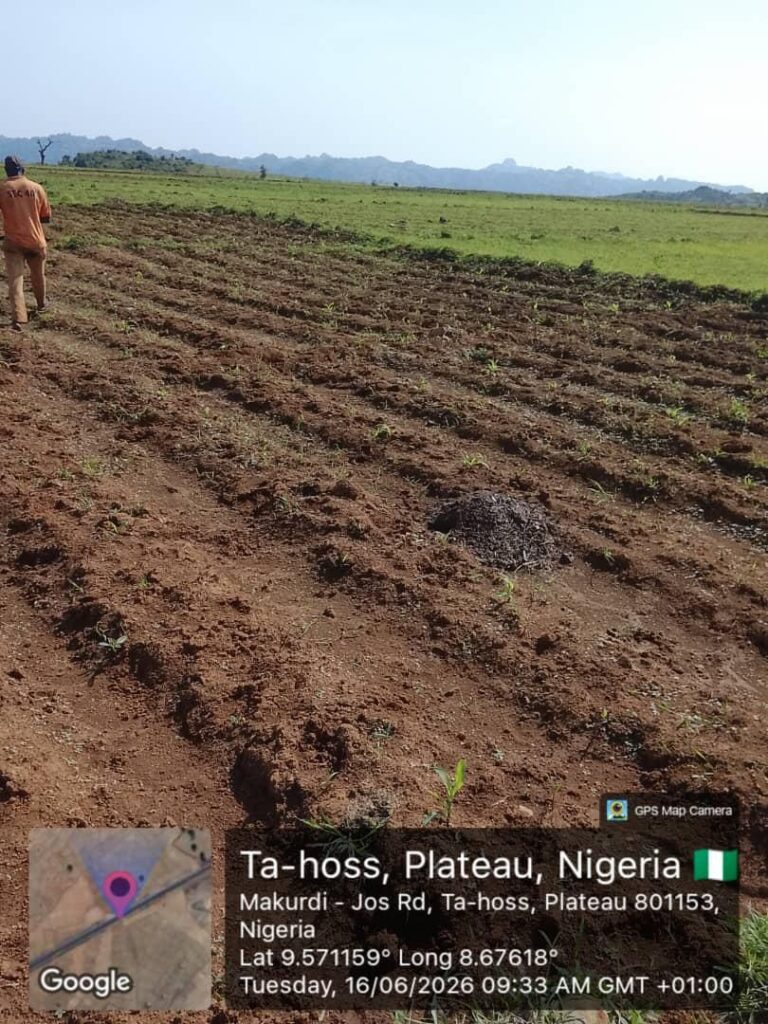
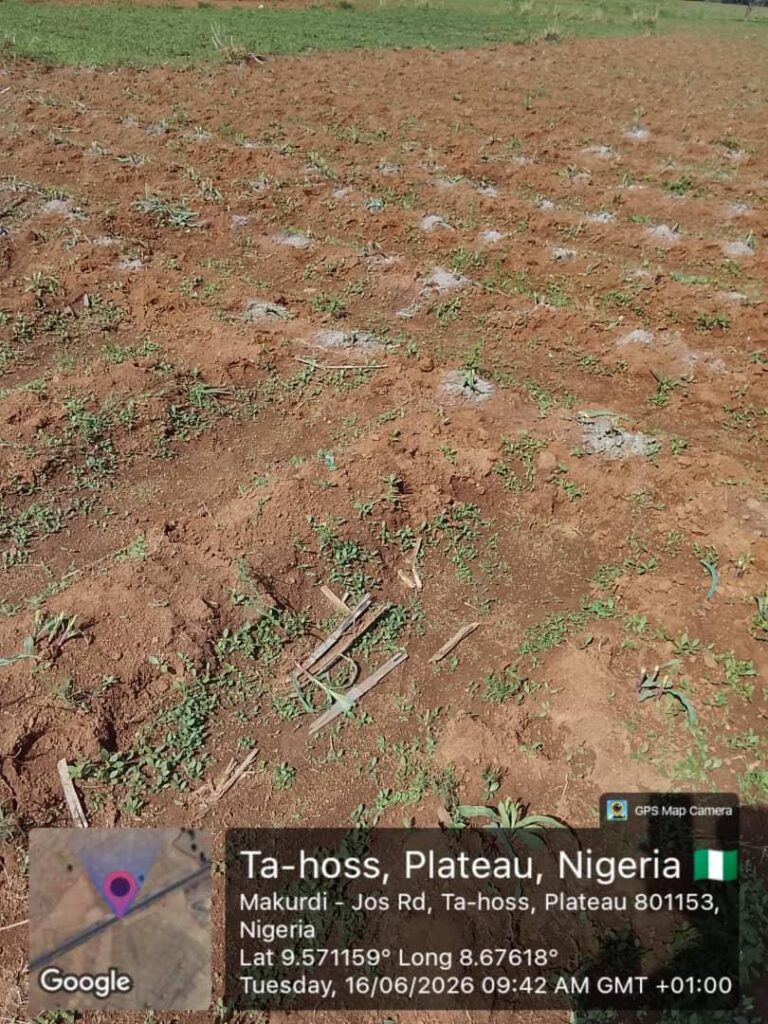
Security sources said troops of Operation Enduring Peace (OPEP), Sector 6, responded on June 16 at about 12:00 p.m. to reports of destruction of farmlands belonging to Mr. Nyip Yakubu Badung and 10 other farmers in Sopp Village.
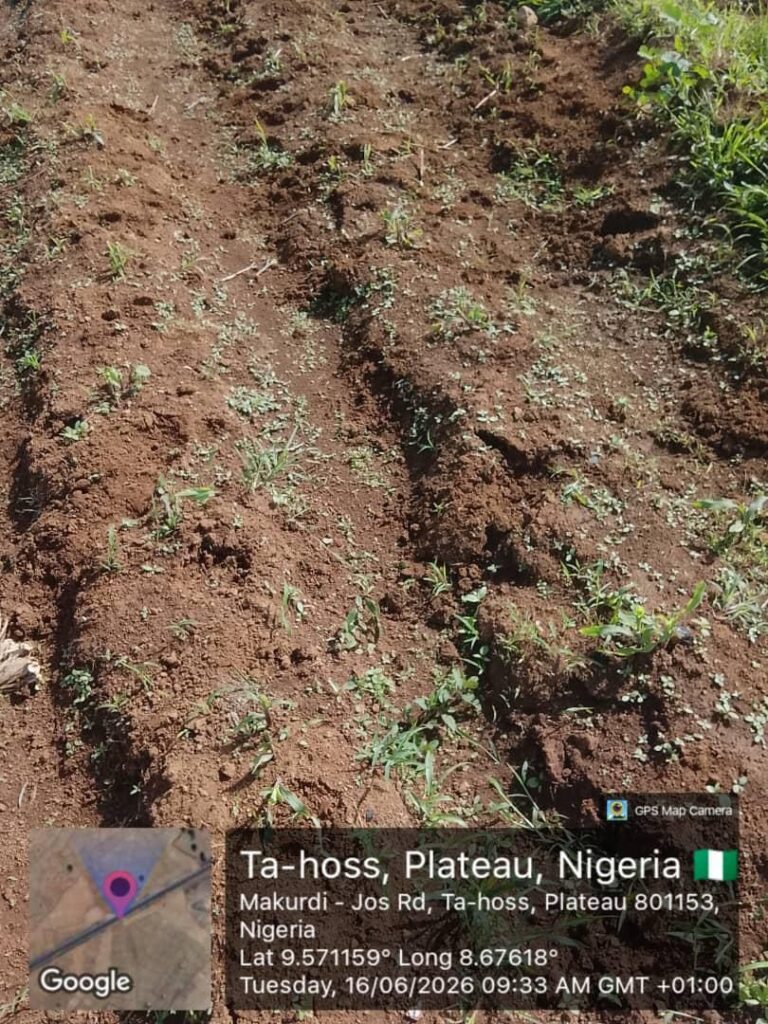
Upon arrival at the scene, troops reportedly discovered that herds of cattle had strayed into the farms, causing extensive damage to crops belonging to the affected residents.
Following the development, security personnel facilitated a peace meeting between representatives of the farmers and herder leaders in the area to prevent escalation of tensions.
At the end of the engagement, both parties agreed on a compensation sum of ₦1 million to be paid to the affected farmers through the Miyetti Allah Cattle Breeders Association of Nigeria (MACBAN) Chairman in Riyom Local Government Area.
Security sources said the agreement was reached to prevent possible reprisals and maintain peace in the community.
Authorities noted that the situation in the area has been brought under control, while dialogue between both parties is ongoing to sustain peaceful coexistence.
Herdsmen Agree to Pay ₦1 Million Compensation After Farmland Destruction in Plateau State
Troops Arrest Seven Suspected Criminals in Plateau Hotel Raid
By: Zagazola Makama
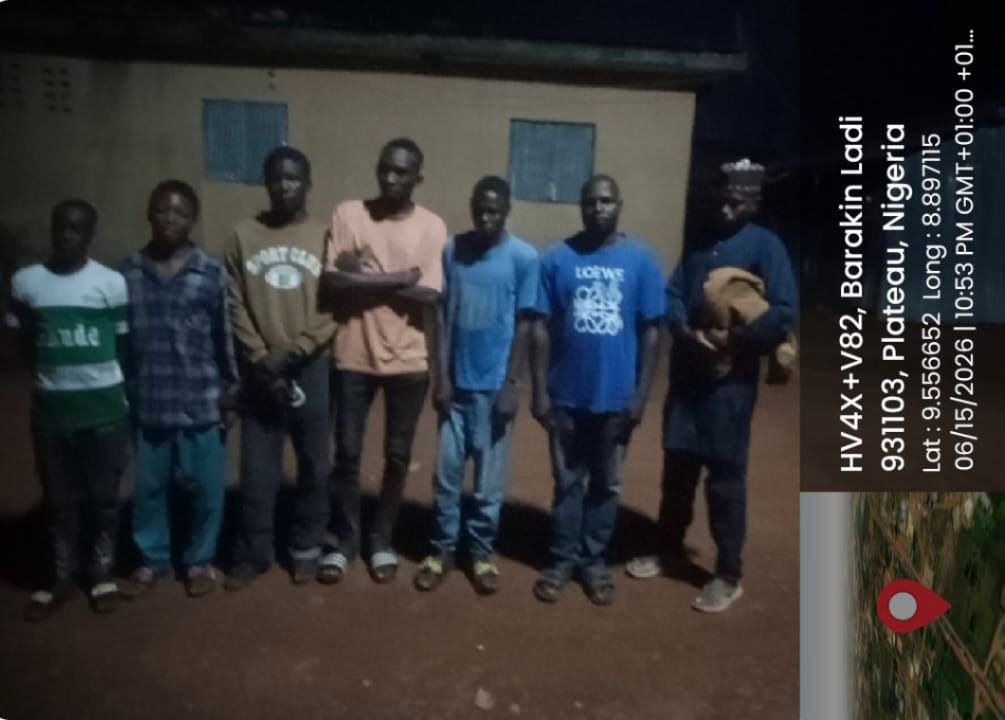
Troops of Operation Enduring Peace (OPEP), Sector 4, have arrested seven suspected criminals during a cordon-and-search operation at a hotel in Barkin Ladi Local Government Area of Plateau State.
Security sources said the operation was carried out at about 9:45 p.m. on June 15 at Vopye Resort and Farms Hotel following credible intelligence on suspected criminal activities in the area.
The troops reportedly stormed the facility and arrested seven suspects, who were subsequently profiled for investigation.
The suspects were identified as Sanusi Aliu, 40, of Tanti in Bokkos LGA; Babangida Ayuba, 24, and Adamu Hassan, both from Gombe State; Obadiah Bulus, 25, Ayuba Bulus, 21, Danladi Moses, 20, and Hassan David, 20, all from Kaduna State.
Security sources said the suspects are currently in custody as investigations continue to determine their level of involvement in criminal activities and possible connections to other networks.
Troops Arrest Seven Suspected Criminals in Plateau Hotel Raid
WHEN TERRORISTS MOCK THE STATE
By Sa’adiyyah Adebisi Hassan
A retired Major General is kidnapped and dies in captivity. Soldiers are ambushed and killed in Kaduna. Troops are attacked in Borno. Farmers are slaughtered in Zamfara. Villages continue to live under the shadow of fear. Families sell their property to pay ransom. Children grow up knowing the sound of gunfire better than the sound of peace. Yet the Nigerian state continues to behave as though these are isolated incidents instead of symptoms of a national security emergency.
At what point do we stop pretending?
At what point do we stop calling this “security challenges” and start admitting that armed criminal groups have become bold enough to openly challenge the authority of the Nigerian state?
Because that is exactly what is happening.
The death of Major General Abubakar Rabe in captivity should have shaken every office in Abuja. This was not an ordinary citizen hidden away in a remote village. This was a retired General, a man who spent years serving the nation. If criminals can abduct and hold a retired General until he dies in captivity, what message does that send to the ordinary teacher, farmer, trader, student, doctor or civil servant?
The message is simple and frightening: nobody feels untouchable anymore.
And that is why public frustration is boiling over.
The most dangerous thing happening in Nigeria is not just that terrorists and bandits are killing people. The most dangerous thing is that they increasingly appear unafraid of the consequences. Fear is supposed to flow in one direction, from criminals toward the state. In Nigeria, that equation appears dangerously reversed. Citizens fear criminals. Criminals seem less fearful of the state.
That should terrify every serious leader.
And then there is another question that many Nigerians are asking, even if officials do not like hearing it.
How can violent criminal networks continue to communicate, negotiate ransoms, circulate videos, move money and maintain support structures without creating intelligence opportunities?
✅Modern criminality leaves footprints.
✅Phones leave footprints.
✅SIM cards leave footprints.
✅Financial transactions leave footprints.
✅Internet activity leaves footprints.
✅Movement leaves footprints.
✅Communication leaves footprints.
✅Nothing simply appears from thin air.
Which is why many Nigerians become angry when they see stories of suspected bandits or criminal sympathizers flaunting wealth online, building audiences, distributing money or creating influence networks while communities they helped terrorize are burying their dead.
Every person is entitled to due process and evidence matters. But any serious country would investigate suspicious financial ecosystems around violent criminal networks aggressively and relentlessly.
Because terrorism is not sustained by bullets alone.
✅It is sustained by money.
✅It is sustained by logistics.
✅It is sustained by information.
✅It is sustained by collaborators.
✅It is sustained by people willing to normalize evil because there is money attached to it.
✅No terrorist organization survives in complete isolation.
✅Someone supplies information.
✅Someone moves money.
✅Someone facilitates communication.
✅Someone benefits.
That is why successful counterterrorism operations across the world do not focus only on gunmen in forests. They focus on the entire ecosystem that keeps the violence alive.
Nigeria’s problem is that it often appears to be chasing the symptoms while the disease continues growing.
A kidnapping gang should not only be viewed as armed men carrying rifles.
It should be viewed as a network.
A terror cell should not only be viewed as fighters.
It should be viewed as financiers, recruiters, propagandists, informants, transporters, suppliers and digital facilitators.
Destroy the network and the gunmen become isolated.
Ignore the network and new gunmen appear.
That is the lesson serious countries learned long ago.
The second lesson is even more important: intelligence wins wars before soldiers do.
A nation of over two hundred million people should not be relying primarily on reaction. It should be relying on anticipation.
The future of security is intelligence fusion.
✅Telecom intelligence.
✅Financial intelligence.
✅Cyber intelligence.
✅Human intelligence.
✅Border intelligence.
✅Geospatial intelligence.
All operating from one integrated national threat platform.
Not twenty agencies protecting twenty databases while criminals exploit the gaps.
The truth is that Nigeria does not have a shortage of brave soldiers. It does not have a shortage of brave police officers. It does not have a shortage of brave intelligence personnel.
What it appears to suffer from is a shortage of speed, integration, accountability and coordination.
And criminals thrive inside those gaps.
That is why every major attack must trigger a hard question: what information existed before the attack, who had it, what was done with it and why did prevention fail?
Those questions are not anti-government.
Those questions are pro-accountability.
Because the purpose of security is not explaining attacks after they happen.
The purpose of security is preventing them from happening in the first place.
The greatest tragedy in all of this is that Nigerians are gradually becoming emotionally exhausted. Every day brings another headline. Another abduction. Another ambush. Another funeral. Another community attacked. Another family destroyed.
No country should normalize that.
No society should accept that.
No government should become comfortable with that.
The death of Major General Abubakar Rabe, the killing of soldiers, the slaughter of farmers and the endless stream of kidnappings are not separate stories. They are warnings. Warnings that criminals are testing the limits of state authority every single day.
The question now is whether the state intends to reclaim that authority decisively, intelligently and relentlessly or continue issuing statements while citizens continue counting the dead.
Because a nation is not judged by the speeches of its leaders.
It is judged by whether its people can live without fear.
And right now, too many Nigerians are afraid.
WHEN TERRORISTS MOCK THE STATE

Five Feared Dead in Fresh Attack in Gero Area Near NIPPS of Plateau State

Herdsmen Agree to Pay ₦1 Million Compensation After Farmland Destruction in Plateau State

Troops Discover Corpse with Gunshot Wound in Plateau Community

Roger Federer’s Shock as DNA Results Reveal Myla and Charlene Are Not His Biological Children

THE PLIGHT OF FARIDA

FAILED COUP IN BURKINA FASO: HOW TRAORÉ NARROWLY ESCAPED ASSASSINATION PLOT AMID FOREIGN INTERFERENCE CLAIMS
-
 News2 years ago
Roger Federer’s Shock as DNA Results Reveal Myla and Charlene Are Not His Biological Children
-
Opinions4 years ago
THE PLIGHT OF FARIDA
-
 News1 year ago
FAILED COUP IN BURKINA FASO: HOW TRAORÉ NARROWLY ESCAPED ASSASSINATION PLOT AMID FOREIGN INTERFERENCE CLAIMS
-

 News2 years ago
EYN: Rev. Billi, Distortion of History, and The Living Tamarind Tree
-
 Opinions5 years ago
POLICE CHARGE ROOMS, A MINTING PRESS
-

 ACADEMICS2 years ago
A History of Biu” (2015) and The Lingering Bura-Pabir Question (1)
-

 Columns2 years ago
Army University Biu: There is certain interest, but certainly not from Borno.
-

 Politics1 year ago
2027: Why Hon. Midala Balami Must Go, as Youths in Hawul and Asikira/Uba Federal Constituency Reject ₦500,000 as Sallah Gift
