
News
UNAIDS: Funding Crisis of AIDS Undermining Decades of Progress

UNAIDS: Funding Crisis of AIDS Undermining Decades of Progress
By: Michael Mike
UNAIDS has launched its 2025 Global AIDS Update, “AIDS, Crisis and the Power to Transform”, which shows that a historic funding crisis is threatening to unravel decades of progress unless countries can make radical shifts to HIV programming and funding.
The report launched on Wednesday highlights the impact that the sudden, large-scale funding cuts from international donors are having on countries most affected by HIV. Yet it also showcases some inspiring examples of resilience, with countries and communities stepping up in the face of adversity to protect the gains made and drive the HIV response forward.
Some 25 of the 60 low and middle-income countries included in the report have indicated increases in domestic budgets for their HIV responses in 2026. The estimated collective rise among the 25 countries amounts to 8% over current levels, translating to approximately USD 180 million in additional domestic resources. This is promising, but not sufficient to replace the scale of international funding in countries that are heavily reliant.
Despite marked progress in the HIV response in 2024, the weakening aid consensus and significant and abrupt funding shortfalls in the HIV response in 2025 have triggered widespread disruption across health systems and cuts to frontline health workers—halting HIV prevention programmes and jeopardizing HIV treatment services.
According to the report, in Mozambique alone, over 30 000 health personnel were affected. In Nigeria, pre-exposure prophylaxis (PrEP) initiation has plummeted from 4000 to 6000 people per month. If US-supported HIV treatment and prevention services collapse entirely, UNAIDS estimates that an additional 6 million new HIV infections, and 4 million additional AIDS-related deaths could occur between 2025 and 2029.
“This is not just a funding gap—it’s a ticking time bomb,” said UNAIDS Executive Director Winnie Byanyima. “We have seen services vanish overnight. Health workers have been sent home. And people—especially children and key populations—are being pushed out of care.”
Even before the large-scale service disruptions, the reported data for 2024 shows that 9.2 million people living with HIV were still not accessing life-saving treatment services last year. Among those were 620 000 children aged 0—14 years living with HIV but not on treatment which contributed to 75 000 AIDS-related deaths among children in 2024.
In 2024, 630 000 people died from AIDS-related causes, 61% of them in sub-Saharan Africa. Over 210 000 adolescent girls and young women aged 15—24 acquired HIV in 2024—an average of 570 new infections every day.
HIV prevention services are severely disrupted. Community-led services, which are vital to reaching marginalized populations, are being defunded at alarming rates. In early 2025, over 60% of women-led HIV organizations surveyed had lost funding or were forced to suspend services. The United States President’s Emergency Plan for AIDS Relief (PEPFAR) reached 2.3 million adolescent girls and young women with comprehensive HIV prevention services in 2024 and enabled 2.5 million people to use HIV PrEP—many of these programmes have now stopped completely.
Meanwhile, the rise in punitive laws criminalizing same-sex relationships, gender identity, and drug use is amplifying the crisis, making HIV services inaccessible. Countries like Uganda, Mali and Trinidad and Tobago have recently increased legal penalties, pushing key populations further from care and dramatically raising their risk of acquiring HIV.
South Africa currently funds 77% of its AIDS response and its 2025 budget review includes a 5.9% annual increase in health expenditure over the next three years, including a 3.3% annual increase for HIV and tuberculosis programmes. The government intends to finance the development of a patient information system, a centralized chronic medicine dispensing and distribution system, and a facility medicine stock surveillance system.
As of December 2024, seven countries—Botswana, Eswatini, Lesotho, Namibia, Rwanda, Zambia, and Zimbabwe—had achieved the 95-95-95 targets: 95% of people living with HIV know their status, 95% of those are on treatment, and 95% of those on treatment are virally suppressed. These successes must be maintained and further scaled up.
The report also highlights the emergence ofu unprecedented, highly effective new prevention tools like long-acting injectable PrEP, including Lenacapavir, which has shown near-complete efficacy in clinical trials—though affordability and access remain key challenges.
“There is still time to transform this crisis into an opportunity,” said Ms. Byanyima. “Countries are stepping up with domestic funding. Communities are showing what works. We now need global solidarity to match their courage and resilience.”
The 2025 Global AIDS Update urgently stated that the global HIV response cannot rely on domestic resources alone. The international community must come together to bridge the financing gap, support countries to close the remaining gaps in HIV prevention and treatment services, remove legal and social barriers, and empower communities to lead the way forward.
UNAIDS emphasized that every dollar invested in the HIV response not only saves lives but strengthens health systems and promotes broader development goals. Since the start of the epidemic, 26.9 million deaths have been averted through treatment, and 4.4 million children protected from HIV infection through vertical transmission prevention.
“In a time of crisis, the world must choose transformation over retreat,” said Ms Byanyima. “Together, we can still end AIDS as a public health threat by 2030—if we act with urgency, unity, and unwavering commitment.”
UNAIDS report is being launched ahead of the Scientific AIDS Conference IAS 2025
taking place in Kigali, Rwanda, from 13-17 July 2025.
UNAIDS: Funding Crisis of AIDS Undermining Decades of Progress


Africa Must Lead Response to Growing Security Threats, Buratai Tells Forum
By Zagazola Makama
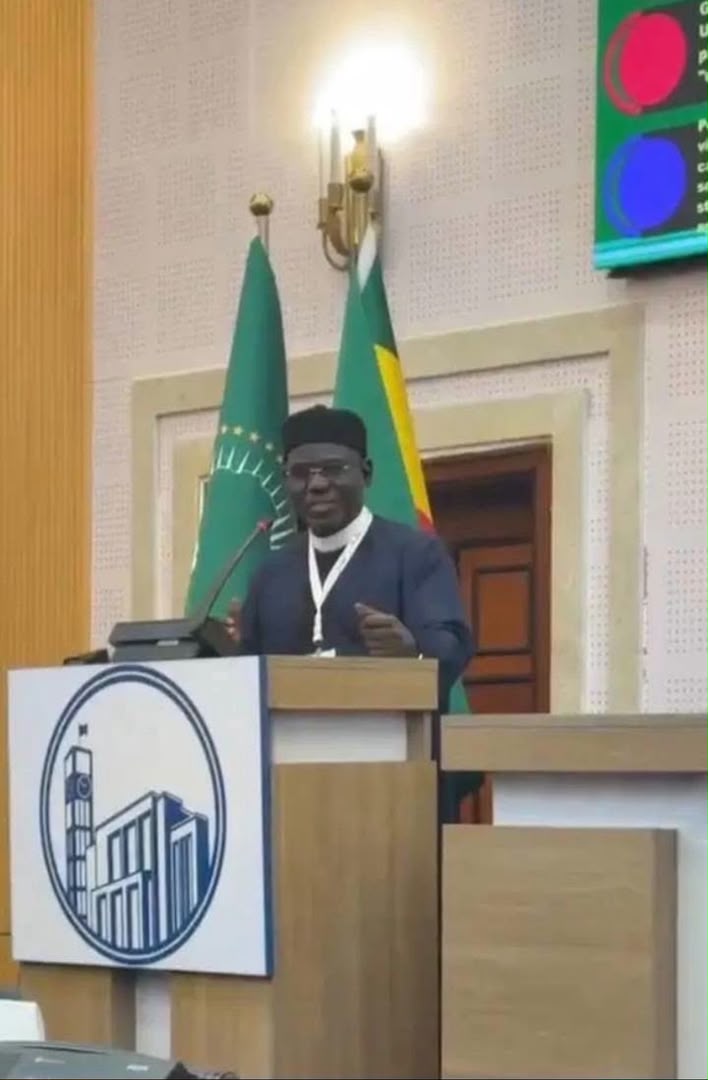
Former Chief of Army Staff, retired Lt.-Gen. Tukur Yusuf Buratai, has called for African-led solutions to the continent’s worsening security challenges, warning that the continent is facing an unprecedented convergence of threats requiring collective action.
Buratai made the call on Friday while delivering the keynote address titled, “Africa’s Priority Security Threats,” at the 32nd Parliamentary Intelligence-Security Forum in Addis Ababa, Ethiopia.
The retired army chief identified terrorism and violent extremism, transnational organised crime, cybersecurity vulnerabilities, governance-related instability, and the erosion of sovereignty through external dependence as the five major security threats confronting Africa.
According to him, the continent can no longer rely solely on external interventions but must strengthen regional cooperation, intelligence sharing and indigenous security capabilities.
Buratai described the Sahel as the global epicentre of terrorism, noting that the region now accounts for nearly half of all terror-related deaths worldwide.
He said that between January and November 2025, West Africa recorded about 450 terrorist attacks, resulting in more than 1,900 fatalities.
The former army chief noted that although Burkina Faso had recorded significant military gains under President Ibrahim Traoré, with government forces reclaiming about 72.7 per cent of occupied territories by June 2025 through Operation Lalmassga, extremist groups continued to stage deadly attacks.
He said intensified military operations in early 2026 reportedly eliminated at least 400 militants, but fresh attacks by jihadist groups, including those linked to Jama’at Nusrat al-Islam wal-Muslimin (JNIM), underscored the persistent threat.
Buratai also expressed concern over the withdrawal of Burkina Faso, Mali and Niger from the Economic Community of West African States (ECOWAS), saying the development had weakened regional intelligence-sharing and collective security efforts.
He warned that violent extremism was spreading beyond the Sahel into coastal West African countries, citing a sharp increase in attacks in northern Benin over the past three years.
On transnational organised crime, Buratai said West Africa was facing increasingly interconnected threats involving terrorism financing, piracy, arms trafficking, drug smuggling and cybercrime.
He noted that criminal networks were becoming more sophisticated and exploiting weak border controls, digital technologies and fragile governance structures to expand their operations across the region.
The retired general also identified cybersecurity as an emerging national security challenge, stressing that African countries must invest in cyber defence capabilities, digital infrastructure protection and regional cooperation to counter growing cyber threats.
Buratai urged African governments, policymakers and security institutions to adopt coordinated, home-grown strategies capable of addressing the continent’s evolving security landscape while safeguarding sovereignty and promoting sustainable peace and development.
He emphasised that lasting security on the continent would require stronger institutions, enhanced intelligence cooperation, economic resilience and greater political commitment among African nations.
Africa Must Lead Response to Growing Security Threats, Buratai Tells Forum
News
Release of Oyo School Kidnap Victims, a Testimony of Effective Inter-Agency Collaboration- NSCDC Boss
Release of Oyo School Kidnap Victims, a Testimony of Effective Inter-Agency Collaboration- NSCDC Boss
By: Michael Mike
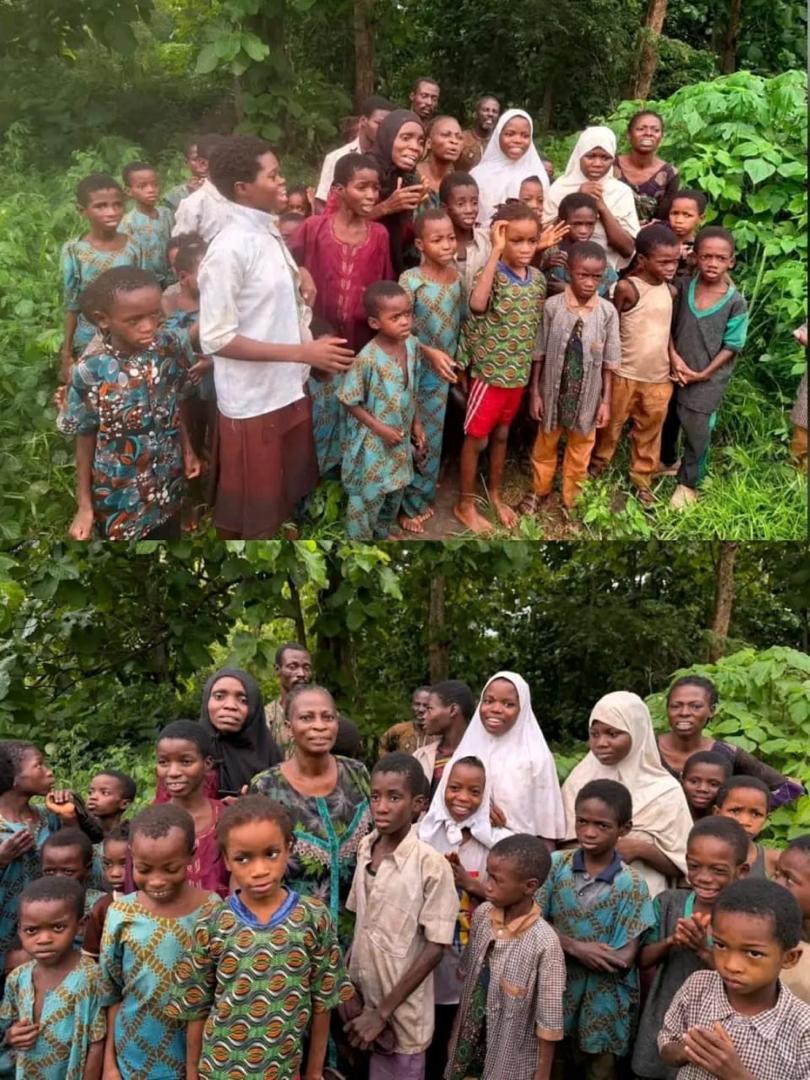
The Nigeria Security and Civil Defence Corps (NSCDC) has applauded the successful rescue of 44 pupils and teachers abducted in Oyo State, describing the operation as a major boost to the Federal Government’s Safe Schools Initiative.
The Commandant General of the Corps, Prof. Ahmed Audi, commended the coordinated efforts of security agencies involved in the operation, saying the rescue underscored the effectiveness of intelligence sharing and inter-agency collaboration in tackling insecurity.
The victims were kidnapped by armed terrorists on May 15, 2026, in Oriire Local Government Area of Oyo State before they were freed in a coordinated intelligence-led operation involving multiple security agencies.
Those involved in the rescue include the National Counter Terrorism Centre (NCTC) under the Office of the National Security Adviser, Defence Headquarters, the Nigerian Army Special Forces, the Nigerian Navy, the Nigerian Air Force, the Nigeria Police Force, the Department of State Services (DSS), the National Intelligence Agency (NIA), and the NSCDC.
Reacting to the development, Prof. Audi said the operation reflected the Federal Government’s resolve to combat terrorism, secure schools and safeguard the lives of Nigerians.
He praised the courage, professionalism and commitment demonstrated by the security personnel, noting that the NSCDC would continue to support efforts aimed at protecting schools and other critical national assets through intelligence gathering, strategic deployment of personnel, community engagement and sustained collaboration with sister security agencies.
The NSCDC boss also called on Nigerians to support security agencies by providing timely and credible information that could aid the arrest of criminal elements, stressing that security is a shared responsibility.
Reaffirming the Corps’ commitment to its statutory responsibilities, Audi said the NSCDC would continue to protect critical national assets and infrastructure, respond to emergencies, strengthen disaster management and work closely with other security agencies to promote peace and security across the country.
Release of Oyo School Kidnap Victims, a Testimony of Effective Inter-Agency Collaboration- NSCDC Boss

Airstrikes Destroy ISWAP Stronghold, Logistics Hub in Borno
By Zagazola Makama
The Air Component of Operation HADIN KAI has sustained its relentless air campaign against terrorist elements in the North-East, destroying a key terrorist enclave and logistics hub during a precision air interdiction mission in Borno State.
Intelligence sources told Zagazola Makama that the operation was carried out at about 2:40 p.m. on Friday, July 10.
The sources disclosed that the target was located at Yaganari, a notorious terrorist enclave within the Gezuwa general area, where insurgents had reportedly been regrouping and consolidating logistics for planned operations.
According to the sources, the strike followed credible intelligence indicating increased terrorist activities and the massing of fighters at the location.
“Persistent ISR missions were conducted to verify the intelligence before any engagement. The surveillance platform positively identified multiple terrorist structures, logistics hubs and visible movement of insurgents within the objective area,” one of the sources said.
Following confirmation of the hostile activity, the aircraft acquired the designated targets and executed a series of precision attacks in successive passes, delivering onboard munitions with high accuracy.
The coordinated strikes destroyed the identified terrorist structures, obliterated logistics facilities and neutralized several terrorists operating within the enclave.
Military sources described the mission as another significant setback to terrorist operations in the North-East, noting that the destruction of logistics infrastructure would further degrade the insurgents’ ability to sustain attacks and coordinate movements.
The latest operation emphasis on intelligence-driven precision strikes aimed at dismantling terrorist command centres, safe havens and supply networks while supporting ongoing ground operations by troops of Operation HADIN KAI.
Security sources said battle damage assessment is ongoing to determine the full extent of the damage inflicted on the terrorist network, while air surveillance over the area has been intensified to exploit the success of the operation and prevent any attempt by surviving fighters to regroup.
Airstrikes Destroy ISWAP Stronghold, Logistics Hub in Borno

Troops Arrest Suspected ISWAP Logistics Supplier with Assorted Drugs in Borno

Four Family Members Flee ISWAP Enclave, Surrender to Troops in Gwoza

Africa Must Lead Response to Growing Security Threats, Buratai Tells Forum

Roger Federer’s Shock as DNA Results Reveal Myla and Charlene Are Not His Biological Children

THE PLIGHT OF FARIDA

FAILED COUP IN BURKINA FASO: HOW TRAORÉ NARROWLY ESCAPED ASSASSINATION PLOT AMID FOREIGN INTERFERENCE CLAIMS
-
 News2 years ago
Roger Federer’s Shock as DNA Results Reveal Myla and Charlene Are Not His Biological Children
-
Opinions4 years ago
THE PLIGHT OF FARIDA
-
 News1 year ago
FAILED COUP IN BURKINA FASO: HOW TRAORÉ NARROWLY ESCAPED ASSASSINATION PLOT AMID FOREIGN INTERFERENCE CLAIMS
-

 News2 years ago
EYN: Rev. Billi, Distortion of History, and The Living Tamarind Tree
-
 Opinions5 years ago
POLICE CHARGE ROOMS, A MINTING PRESS
-

 ACADEMICS2 years ago
A History of Biu” (2015) and The Lingering Bura-Pabir Question (1)
-

 Columns2 years ago
Army University Biu: There is certain interest, but certainly not from Borno.
-

 Politics1 year ago
2027: Why Hon. Midala Balami Must Go, as Youths in Hawul and Asikira/Uba Federal Constituency Reject ₦500,000 as Sallah Gift
