
News
Warri Federal Constituency: Don Hails HURIWA’s Call On INEC To Obey S’Court Ruling

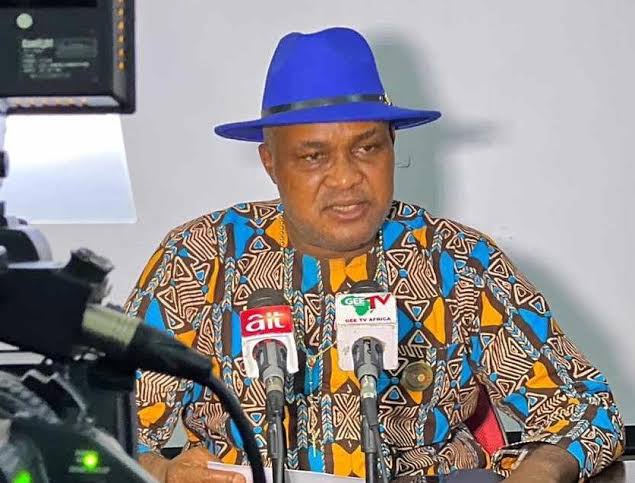
Warri Federal Constituency: Don Hails HURIWA’s Call On INEC To Obey S’Court Ruling
By: Michael Mike
A university don, Prof. Ben Binebai, has applauded the Human Rights Writers Association of Nigeria (HURIWA) for throwing its weight behind the quest for justice and fairness by the marginalised Ijaw and Urhobo communities in the Warri Federal Constituency of Delta State.
Binebai, a professor of Theatre Arts with the Niger Delta University (NDU), lauded the rights group for condemning the alleged flagrant refusal of the Independent National Electoral Commission to implement the December 2022 Supreme Court judgment “on the fresh delineation of electoral wards and units in the constituency.”
“This landmark judgment, delivered on 2 December 2022, was a beacon of hope for the marginalised Ijaw and Urhobo communities, who have long suffered the pangs of historical injustices and electoral irregularities,” he said in a statement on Sunday.
“The Supreme Court’s judgment was a masterstroke of judicial wisdom, crafted to rectify the anomalies of the past and usher in a new era of electoral justice.
“HURIWA’s stance is a testament to the group’s unshakeable commitment to upholding the rule of law and protecting the rights of the downtrodden.
“By aligning itself with the grievances raised by the Ijaw and Urhobo communities, HURIWA has demonstrated its unrelenting dedication to ensuring that the voices of the marginalised are heard and their rights respected.”
He wondered why INEC and the Federal Government are allegedly subverting the ruling of the highest court in the land, stressing that the “Supreme Court ordered INEC to conduct a fresh delineation of all wards and polling units in Warri South, Warri South-West, and Warri North Local Government Areas.”
He further said, “This judgment was a response to long-standing complaints of fictitious wards, inequitable distribution of polling units, and gross irregularities that had tilted the balance of representation against the indigenous Ijaw and Urhobo people.
“The judgment was a clarion call to INEC to redeem its mandate and uphold the Constitution, and HURIWA’s support for the judgment is a testament to its commitment to justice and fairness.
“HURIWA’s position is clear: INEC’s refusal to implement the Supreme Court’s judgment is not only reckless but also a dangerous signal of institutional lawlessness that undermines the integrity of Nigeria’s democracy.”
Binebai insisted that any voter registration or electoral process carried out in Warri without fresh delineation is null and void, as well as a violation of the rule of law.
“I urge INEC to take HURIWA’s concerns seriously and do the needful by enforcing justice on the Warri Federal Constituency ward delineation.
“The people of Warri deserve fair representation, and it is imperative that their rights are respected and protected.
“HURIWA’s stance is a reminder that the rule of law and democracy must be upheld, and I commend their efforts in promoting justice and fairness in Nigeria,” he concluded.
Warri Federal Constituency: Don Hails HURIWA’s Call On INEC To Obey S’Court Ruling


Military
Mutiny: Presidential Guard Tightens Security Around Niger Presidency Amid Reports of Military Protest
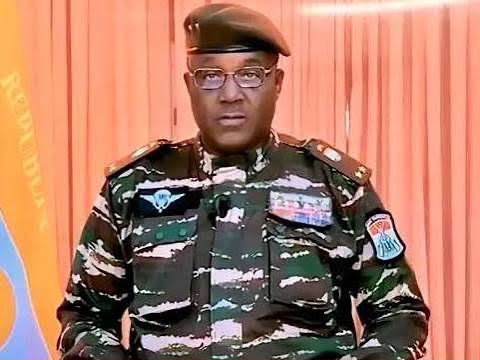
Mutiny: Presidential Guard Tightens Security Around Niger Presidency Amid Reports of Military Protest
By Zagazola Makama
Security was significantly reinforced around Niger’s Presidential Palace in Niamey following reports of unrest involving elements of the country’s armed forces, security sources told Zagazola Makama.
According to multiple security sources, the heightened deployment of the Presidential Guard, supported by armoured vehicles around the Presidential Palace on the night of July 3 and into July 4, followed what was described as a limited protest by personnel of an armoured unit within the Niger Armed Forces (FAN).
The sources said some soldiers reportedly declined deployment to frontline positions in northern Tillabéri Region, particularly around Inatès and Chinagodrar, citing inadequate heavy equipment and insufficient operational resources to confront the growing security threats in the area.
The protest was described by one source as a “small mutiny,” although there has been no official confirmation from the Nigerien authorities.
Security sources said the development triggered concern within the country’s leadership, prompting the reinforcement of security around the Presidential Palace and temporary restrictions on movement in the surrounding area as a precautionary measure.
The Tillabéri Region remains one of Niger’s most volatile security zones, with recurrent attacks by armed extremist groups, including factions linked to the so-called Islamic State in the Greater Sahara (ISGS).
As of the time of filing this report, the Nigerien government and military authorities had not issued any official statement regarding the reported protest or the increased security presence around the Presidency.
The situation remains under close observation.
Mutiny: Presidential Guard Tightens Security Around Niger Presidency Amid Reports of Military Protest
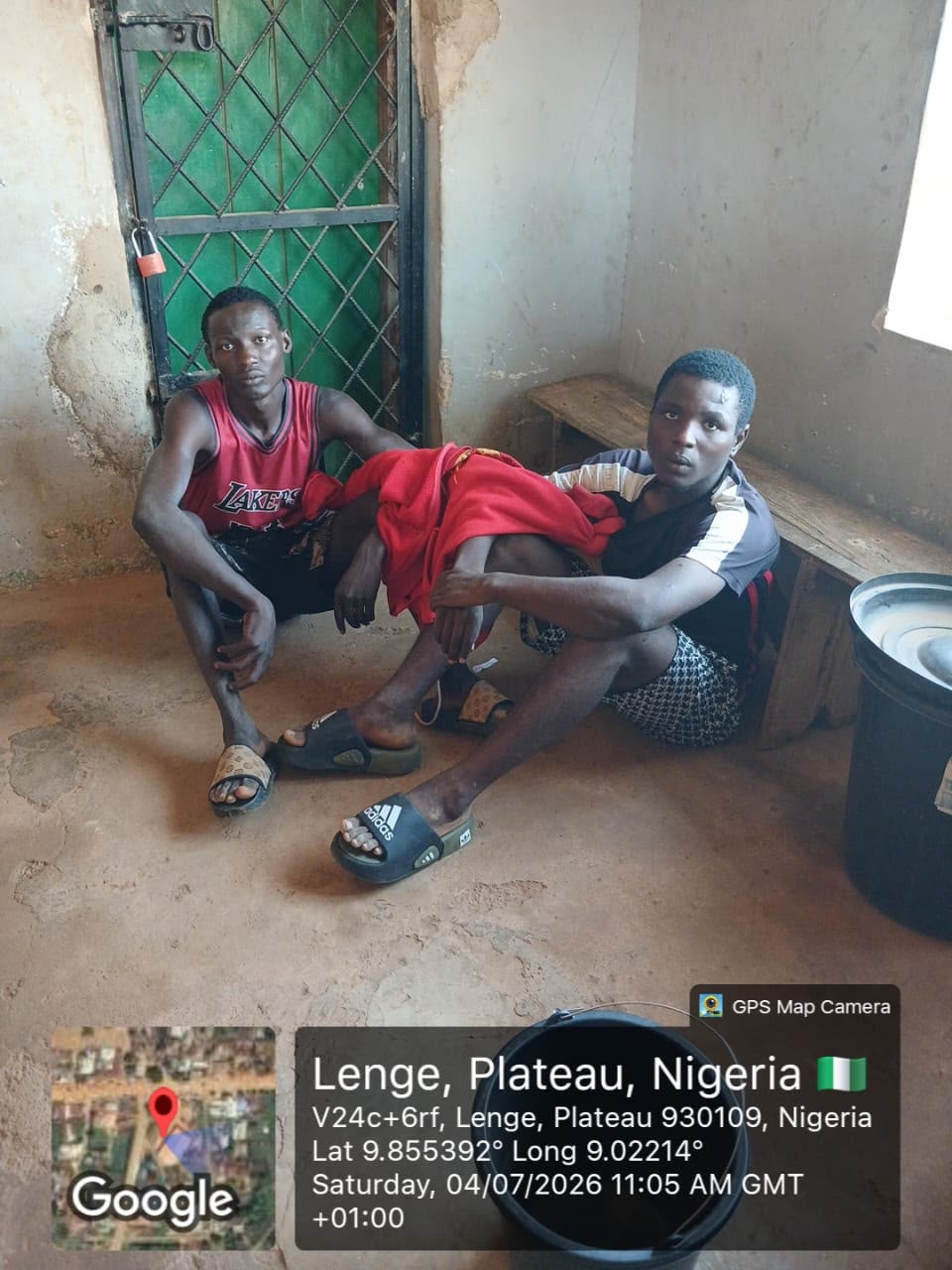
Two suspected criminals arrested during patrol in Plateau
By: Zagazola Makama
Troops of Sector 1 under Operation Enduring Peace have arrested two suspected criminals during a routine patrol in Jos East Local Government Area of Plateau.
Security sources disclosed that the suspects, identified as Azi Ezekiel, 21, and Ajiji Emmanuel, 19, were apprehended at about 10:30 a.m. on Saturday along the road leading to Forbur Village.
The sources said the suspects were intercepted by troops of Sector 1, Sub-Sector 12, while conducting a routine patrol in the area.
According to the sources, the two suspects have been handed over to the Keystone Police Station in Forbur for further investigation and possible prosecution.
The arrest forms part of ongoing security operations aimed at combating criminal activities and enhancing safety across Plateau State.
Two suspected criminals arrested during patrol in Plateau
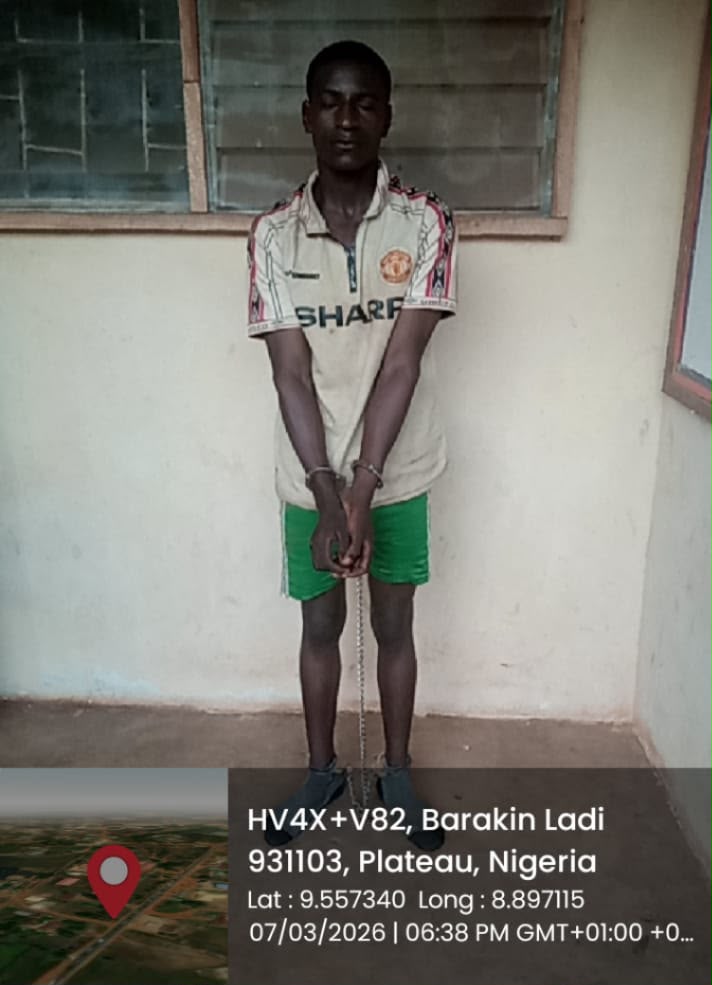
Troops arrest suspected kidnapper in Plateau community
By: Zagazola Makama
Troops of Sector 4 of Operation Enduring Peace have arrested a suspected kidnapper during a security operation in Barkin Ladi Local Government Area of Plateau.
Security sources said the suspect, identified as Mohamdu Surajo, 29, was arrested at about 6:45 p.m. on Friday at Sabon Layi Village following sustained security operations in the area.
The sources disclosed that the suspect is currently in military custody and is undergoing preliminary interrogation to aid ongoing investigations.
They added that the arrest is part of continued efforts by security forces to dismantle criminal networks and enhance security across Plateau State.
Troops arrest suspected kidnapper in Plateau community

President Tinubu Flags Off the Construction of Dikwa–Gamboru Ngala, Bama–Banki International Road Projects

Mutiny: Presidential Guard Tightens Security Around Niger Presidency Amid Reports of Military Protest

Troops Arrest Two Suspected Berom Militia Linked to NIPSS Attack as Security Sources Say Investigation Supports Earlier Leads

Roger Federer’s Shock as DNA Results Reveal Myla and Charlene Are Not His Biological Children

THE PLIGHT OF FARIDA

FAILED COUP IN BURKINA FASO: HOW TRAORÉ NARROWLY ESCAPED ASSASSINATION PLOT AMID FOREIGN INTERFERENCE CLAIMS
-
 News2 years ago
Roger Federer’s Shock as DNA Results Reveal Myla and Charlene Are Not His Biological Children
-
Opinions4 years ago
THE PLIGHT OF FARIDA
-
 News1 year ago
FAILED COUP IN BURKINA FASO: HOW TRAORÉ NARROWLY ESCAPED ASSASSINATION PLOT AMID FOREIGN INTERFERENCE CLAIMS
-

 News2 years ago
EYN: Rev. Billi, Distortion of History, and The Living Tamarind Tree
-
 Opinions5 years ago
POLICE CHARGE ROOMS, A MINTING PRESS
-

 ACADEMICS2 years ago
A History of Biu” (2015) and The Lingering Bura-Pabir Question (1)
-

 Columns2 years ago
Army University Biu: There is certain interest, but certainly not from Borno.
-

 Politics1 year ago
2027: Why Hon. Midala Balami Must Go, as Youths in Hawul and Asikira/Uba Federal Constituency Reject ₦500,000 as Sallah Gift
