
Politics
Why I voted against e- transmission of election results – Sen Mohammed Ali Ndume

Why I voted against e- transmission of election results – Sen Mohammed Ali Ndume
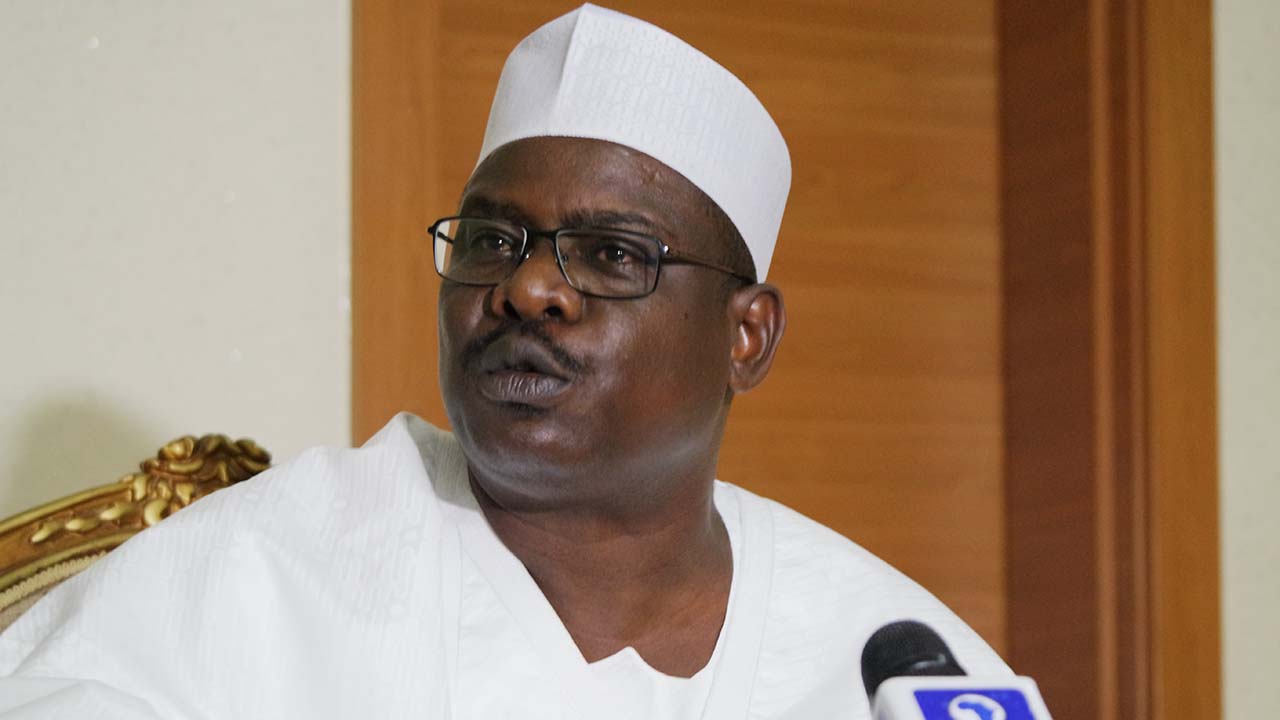
SENATOR from Borno State Ali Ndume said he voted against electronic voting because that was what the people of his constituency wanted.
Ndume, who spoke with The ICIR on the phone, said his people in southern Borno had no access to basic electricity and internet connection facilities. They would be disadvantaged if INEC transmitted election results electronically, he said.
The senator and 51 others on Thursday, July 15, voted against the passage of the Electoral Act 2010 Amendment Bill.
He said those who vigorously campaigning for electronic transmission of election results were mostly the media and the civil society groups resident in the cities across the southern part of Nigeria where basic amenities were present and functional.
Read Also: 2023: Behind the curtains of power in Borno
“In most of Borno, especially in Gwoza, we go to the mountain to seek internet connection. Is that the place where you will want to transmit results of the election electronically?” he asked.
Boko Haram and militants from the Islamic State West Africa Province (ISWAP) consistently have been attacking electrical infrastructure in Borno State.
In March, VOA reported that the insurgent destroyed towers along Maiduguri-Damaturu road.
There were several other attacks targeted at the power grid before then.
Though the Nigerian National Petroleum Corporation (NNPC) recently pledged to establish a gas power plant in Maiduguri to address the power supply problem, Senator Ndume believes such intervention may not solve the problem of power outage and internet service provision before the next election in 2023.
“E-Voting is vulnerable to hacking. I will not support it (electronic transmission of election),” he insisted.
The senator, who has been representing Chibok, Dambowa and Gwoza since 2003 when he was first elected in the House of Representatives, blamed INEC for proposing electronic transmission of election results that “cannot guarantee the integrity of the election.”
Senator Ndume also accused the opposition party, PDP, of planning to rig the 2023 election by campaigning for the electronic transmission, which, according to many Nigerians, would improve the integrity of the election.
The Dean, Borno Elders Forum, Prof. Khalifa Dikwa, reiterated the concern of Senator Ndume.
He said the people of Borno State would not welcome electronic transmission of election results because the exercise could be easily frustrated.
Why I voted against e- transmission of election results – Sen Mohammed Ali Ndume




Dafinone Consults Ughelli North Stakeholders as Egbo Vows APC Victory in 2027
……As Dafinone consults stakeholders, urges unity
The Executive Chairman of Ughelli North Local Government Council, Olorogun Jaro Movudu Egbo, KSC, has declared that the All Progressives Congress (APC) is poised for a decisive victory in Ughelli North in the 2027 general elections.
Egbo made the declaration on Friday when the Senator representing Delta Central Senatorial District, Senator Ede Dafinone, visited the council for a stakeholder consultation at the Executive Council Chamber of the Ughelli North Local Government Secretariat.
Speaking to party leaders, elders and other stakeholders, Egbo said the APC was gaining momentum across the local government, assuring Dafinone of a robust grassroots mobilisation strategy and a united political structure ahead of the polls.
He pledged that Ughelli North would deliver a resounding victory for President Bola Ahmed Tinubu, Governor Sheriff Oborevwori and other APC candidates, stressing that the council remained firmly aligned with the party’s programmes and policies.
The council chairman also called for sustained stakeholder engagement, political stability and internal cohesion, describing them as essential to securing electoral success.
The APC Chairman in Delta Central Senatorial District, Chief Omeni Akpeki, in his remarks, urged party executives, ward leaders and stakeholders to close ranks and resolve grievances amicably.
Akpeki stressed that unity, discipline and mutual respect were critical to building a formidable structure capable of delivering victory for the party in 2027.
Dafinone, who explained the purpose of the consultation, reaffirmed his commitment to inclusive and responsive representation.
He said regular engagement with party leaders, elders, traditional institutions, community stakeholders and constituents was necessary to understand their concerns and aspirations and translate them into meaningful legislative interventions.
The meeting ended with a renewed commitment by APC leaders and stakeholders in Ughelli North to strengthen party unity, intensify grassroots mobilisation and work collectively towards victory in the 2027 elections.
Dafinone Consults Ughelli North Stakeholders as Egbo Vows APC Victory in 2027

The Perils of Preconceived Notions: General Musa, Seun Okinbaloye, and Channels Interview
By: Dr. James Bwala
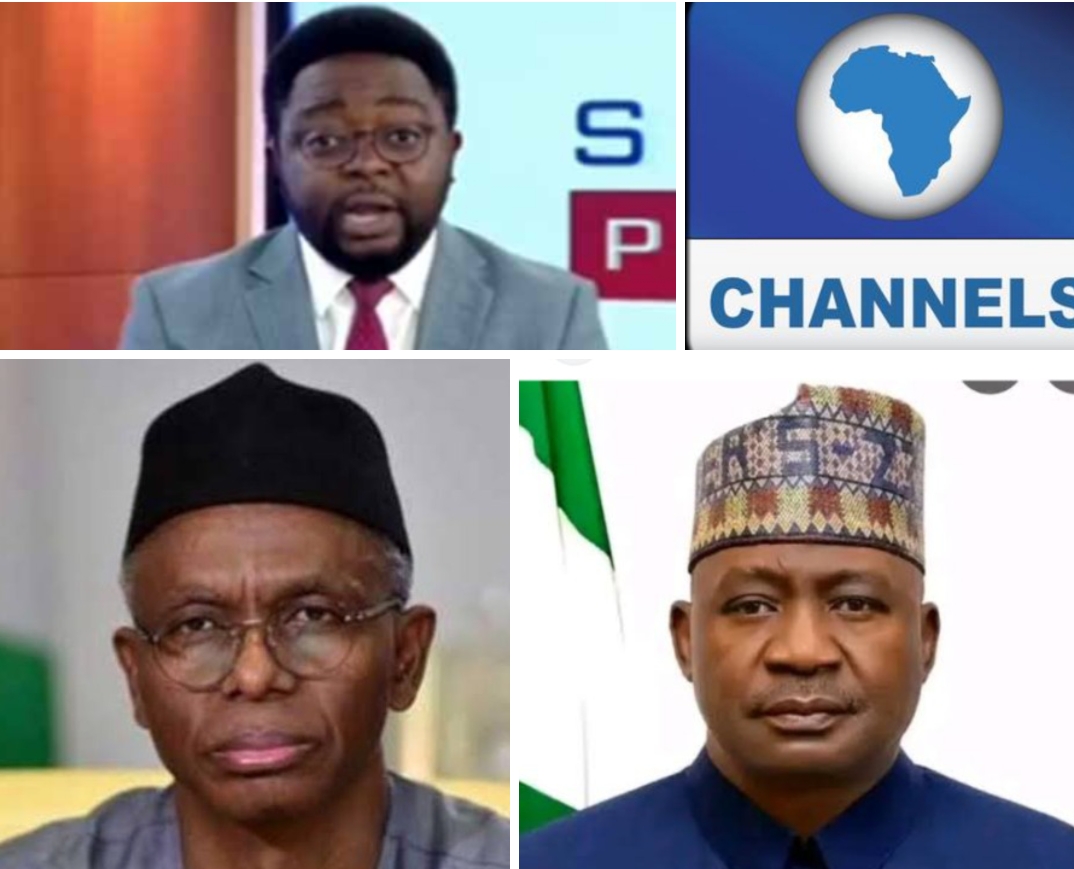
Recently, a significant conversation has sparked around an interview that the Minister of Defense, General Christopher Musa (retired), had with Channels Television anchor Seun Okinbaloye. This exchange has become a focal point for criticism, as many commentators, including media figures and some religious scholars, interpret his responses in ways that appear to deviate from their true context and intent. Growing up in Kaduna and having a profound understanding of the political scene, I find this widespread misrepresentation quite troubling. A closer look at the interview shows that the criticisms directed at the former Defense Chief often arise from a selective reading and a lack of appreciation for the nuanced layers of his statements.
At the heart of the controversy is General Musa’s reaction to a specific question from the Channels Television anchor. While the exact wording and context of the question are vital, it’s clear from the ensuing commentary that many observers zeroed in on a particular part of his response, pulling it out of the broader conversation. The narrative that has taken hold suggests a dismissive or inappropriate reaction from the minister. However, if we take the time to thoroughly review the interview, especially the context leading up to the question and General Musa’s subsequent elaborations, we see a different story. It’s crucial to recognize the immense pressure and the complex nature of the role held by the Minister of Defense. This position requires constant vigilance and a careful balance in public statements, particularly when dealing with sensitive security matters. The argument here is that General Musa’s response, when viewed in its entirety, was a pragmatic effort to navigate these complexities rather than a sign of insensitivity.
READ ALSO: https://newsng.ng/kashim-shettima-dirty-datti-and-his-tinubu-cap-theory/
The political landscape in Nigeria, especially in places like Kaduna where I grew up, is strong, and emotions and historical grievances often characterize the political landscape in Nigeria, In such a charged atmosphere, public figures, particularly those in high-ranking roles like the Minister of Defense, need to be very careful with their words. Everything they say is closely examined, often exaggerated, and sometimes twisted to fit certain narratives. Those who quickly criticized General Musa’s comments might have missed the point that his seemingly blunt response could have been a calculated move, aimed at preventing further escalation of sensitive issues or maintaining a necessary level of official discretion.
For example, when it comes to national security, sharing too much information or getting into lengthy explanations can actually be risky. So, a brief answer, even if it comes off as abrupt, might just be a strategic choice to protect national interests. One major reason for the misunderstanding is the common habit of consuming information in bite-sized pieces, especially in today’s social media-driven world. Short clips and quick quotes can easily be taken out of context and spread around, creating echo chambers that don’t really capture the full picture. Many of the commentators who have criticized General Musa haven’t taken the time to watch the entire interview or consider his extensive background and responsibilities as minister. His military career, which has led him to high-ranking positions, suggests he has a solid grasp of strategic communication and understands the significance of official statements. It’s hard to believe that a seasoned military leader would make a statement that lacks substance or context.
READ ALSO: https://newsng.ng/kashim-shettima-dirty-datti-and-his-tinubu-cap-theory/
It’s worth noting that many religious scholars who express their disapproval often do so through a particular theological perspective. While their insights can enrich public discussions, it’s crucial to ensure that their interpretations are rooted in a well-rounded grasp of the issues, including the secular duties of government officials. The Minister of Defense operates within a national security and governance framework that demands a practical and often nuanced approach, which might not always align with every religious or moral viewpoint.
Therefore, the interaction with the Channels Television anchor should be examined not just for its immediate emotional resonance but also for its strategic implications and the deeper reasoning behind it, even if that reasoning isn’t clearly stated. The goal here isn’t to dismiss all criticism but to encourage a more thoughtful and less reactive way of assessing public statements from those in power. Nigeria’s political landscape is ever-changing and often filled with challenges. Leaders are tasked with making decisions and communicating in ways that tackle urgent issues while also keeping an eye on long-term stability. When we look at General Musa’s response through this lens, it appears to be an effort to navigate a complicated situation with the limited resources available in a public interview. The tendency for some observers to jump to conclusions can undermine effective leadership and foster unnecessary divisions based on partial understandings.
The political scene in Nigeria is often marked by passionate debates, strong loyalties, and a curious tendency to elevate certain leaders to almost god-like status, while others face relentless criticism. This dynamic is particularly evident in the ongoing discussions about public figures like Malam Nasir El Rufai and General Musa. What stands out is a troubling trend: the uneven application of criticism, where some individuals seem to be immune from accountability thanks to their loyal supporters, while others are quickly condemned for even mildly controversial statements. Recently, it became clear that some people show an almost fanatical devotion to figures like El Rufai, to the extent that they refuse to acknowledge any faults.
READ ALSO: https://newsng.ng/kashim-shettima-dirty-datti-and-his-tinubu-cap-theory/
This kind of blind loyalty poses a serious barrier to constructive political dialogue. When political allies are treated like saints, it creates an environment where differing opinions are not just unwelcome but actively silenced. Once a politician is deemed untouchable, any critique—no matter how valid—is brushed off as an attack from opponents. This was particularly noticeable in the reactions to General Musa’s comments, which, while uncomfortable for some, drew an exaggerated backlash from those who staunchly defend El Rufai. Interestingly, these same defenders are well aware of El Rufai’s past actions and statements, yet their loyalty seems to cloud their judgment about his potential flaws. This selective memory or intentional ignorance serves to shield their favored leaders, ultimately hindering meaningful discussion and the chance for growth within the political landscape.
The story of El Rufai tends to stir up quite a bit of passion. During his time as governor of Kaduna State, he rolled out some initiatives that many praised, but he also implemented policies that sparked controversy. Supporters often highlight his achievements in development, infrastructure, and administrative reforms. On the flip side, critics point to moments where they feel he was too heavy-handed, used divisive language, or enacted policies that worsened societal divides. What’s particularly striking is the difference in how these two figures are perceived. General Musa faces a storm of criticism for his remarks, while El Rufai, despite having a more complicated public record, seems to enjoy a protective bubble from the same level of scrutiny thanks to his loyal supporters. This difference hints at how political loyalties and personal feelings can cloud objective judgment.
READ ALSO: https://newsng.ng/kashim-shettima-dirty-datti-and-his-tinubu-cap-theory/
My conversations with those eager to “crucify General Musa” while claiming to “know El Rufai very well” really highlight this double standard. It shows just how powerful established narratives can be and how we often cling to our beliefs, even when faced with evidence that contradicts them. Public figures, given their roles, hold a lot of sway and are naturally under a microscope. Their actions and words can shape public opinion, influence policy, and steer national conversations. General Musa’s comments, regardless of what he meant, have clearly struck a chord with some people, leading to discomfort and calls for him to be held accountable. This kind of engagement is a vital part of a healthy democracy. However, it’s disheartening to see that this level of accountability isn’t consistently applied across the board. What frustrates me is that the same people who are quick to criticize General Musa often go quiet when it comes to examining the actions of those they admire. This selective outrage is not only disingenuous but also undermines the very principles of fairness and justice that a democratic society should uphold.
While there’s often a lot of passion in discussions, it can quickly turn into unhelpful attacks. The real challenge is finding a way to direct that energy into more thoughtful and evidence-based critiques. Instead of simply condemning or idolizing, we need a space for reasoned debate where policies and statements are assessed based on their actual merits and flaws. I truly believe that Nigeria needs a more mature political discourse—one where people are evaluated by their actions and words, rather than the size of their following or the fervor of their critics.
READ ALSO: https://newsng.ng/kashim-shettima-dirty-datti-and-his-tinubu-cap-theory/
Public figures, no matter their past achievements or current affiliations, should be held to a consistent standard of accountability. In this digital age, while we enjoy unprecedented connectivity and access to information, we also face a major challenge: the spread of misinformation and the deepening of biased viewpoints. This situation reflects a wider societal trend where conclusions are drawn without engaging with primary sources, leading to the misrepresentation of individuals. These snap judgments often stem from pre-existing biases or outside influences, making it difficult to assess situations fairly and rationally.
Over the past few days, I’ve noticed something interesting from my conversations with various people: it seems like “none of them actually watched that interview with Seun Okinbaloye before jumping to conclusions.” This really highlights a troubling trend of intellectual laziness or, perhaps, willful ignorance. In the realm of public opinion, especially when it comes to politics, many folks tend to latch onto popular narratives without bothering to verify the facts for themselves. There are a few reasons for this. For one, the sheer amount of information out there can be downright overwhelming, which often leads people to rely on quick summaries or the interpretations of sources they trust—even if those sources might have their own biases. Then there’s confirmation bias, which is a big player here; people tend to seek out information that backs up their existing beliefs while ignoring anything that contradicts them. Take the Minister of Defense, for example. It’s likely that negative views, fueled by political rivals or media stories, set the stage for quick condemnation, making the details of the Seun Okinbaloye interview irrelevant to those who were already convinced.
READ ALSO: https://newsng.ng/kashim-shettima-dirty-datti-and-his-tinubu-cap-theory/
This creates an echo chamber where differing opinions are pushed aside, allowing a single, often skewed, narrative to take hold. Those who “kick in the dark” without fully engaging with the interview’s context might not be acting out of true conviction; they could be either unwitting or willing players in a larger scheme. Their statements, while appearing independent, might actually be part of a strategy to serve the interests of those who gain from a specific portrayal of the Minister of Defense. This situation underscores the need for media literacy and critical thinking skills in a world where narratives can be crafted for political advantage. Without these essential skills, the public can easily fall prey to manufactured outrage or sympathy, clouding the truth.
I truly believe that if we approach the interview with an open mind, it can lead to a whole new understanding. The suggestion to watch it “more than three times,” as I did with some friends, really highlights how important the nuances, context, and specific arguments are for a fair evaluation. It’s striking that “all Muslims of fair and sound mind” who took the time to watch the interview felt that the general was “rather misrepresented when considering the context.” This really calls into question the rush to judgment that many had. It seems clear that the interview might have included parts that were taken out of context, selectively edited, or even misinterpreted by those with their own agendas.
READ ALSO: https://newsng.ng/kashim-shettima-dirty-datti-and-his-tinubu-cap-theory/
When we dig into the original material, we might uncover the true meaning and the speaker’s actual stance, which could expose how shallow the initial criticisms were. This really emphasizes the ethical responsibility of both content creators and consumers to focus on context and resist the temptation of oversimplified narratives. The notion of “misrepresentation” hints at a deliberate distortion, where the original message was twisted to fit a pre-existing negative narrative. While constructive criticism can be a great way to foster improvement, malicious or politically driven opposition can really hinder effective governance. By openly supporting initiatives that encourage reconciliation and inclusivity, the minister is showing a real commitment to tackling the systemic issues that our nation faces. The critics’ failure to recognize Governor Sani’s positive contributions, or the minister’s backing of those efforts, reveals a potential bias or an agenda that seems more focused on dissent than on acknowledging real progress. This kind of selective criticism suggests that their opposition isn’t about wanting better governance; it might just be rooted in a political rivalry against the minister or the administration they represent.
By supporting Governor Sani’s initiatives to mend religious rifts in Kaduna, the minister is playing an active role in the broader mission of national unity. This approach is more about taking initiative than simply reacting to circumstances. It marks a shift away from the divisive politics that can often overshadow Nigerian public life. The critics’ reluctance to acknowledge this positive strategy highlights just how challenging it can be to bring about change in such a polarized atmosphere. Yet, for the minister, the encouragement from people all over the country, along with the potential for meaningful progress in places like Kaduna, should be a strong source of motivation. Their leadership, in this light, is not defined by the absence of dissenters but by the real steps taken towards unity and the warm reception from a diverse range of citizens. It’s a rallying cry for all Nigerians to adopt this spirit of national togetherness, understanding that our shared advancement depends on our willingness to recognize and support efforts that promote understanding and bridge our divides.
* James Bwala, PhD, writes from Abuja
The Perils of Preconceived Notions: General Musa, Seun Okinbaloye, and Channels Interview

2027: Governorship Materials Yobe to Choose
By: Yahaya Wakili

As the political landscape of Yobe State begins to coalesce around the impending 2027 governorship elections, a palpable sense of anticipation grips the electorate. With approximately 120 days remaining until the contest, discussions and permutations are rife, reflecting a deep-seated desire among the populace to identify a successor for Governor Mai Mala Buni CON, COMN. Drawing upon their administrative experience, political acumen, and the manifestos they present. The selection of a new governor is not merely an electoral formality but a critical juncture that will shape the state’s trajectory in governance, development, and the continuation or redirection of existing policies.

Among the prominent figures vying for the state’s top seat, Alhaji Baba Malam Wali Mni, an All Progressives Congress (APC) aspirant from Zone C, stands out due to his extensive administrative background. As the longest-serving secretary to the state government in the northeastern region, Wali boasts a wealth of experience in public administration. His supporters posit that this deep understanding of governance mechanisms makes him exceptionally qualified to build upon the achievements of the incumbent administration. His career has been characterized by a commitment to public service, suggesting a readiness to tackle the complex challenges of governing Yobe State. This experience, particularly in navigating bureaucratic structures, could translate into efficient policy implementation and effective resource management, crucial for sustainable development.

Barrister Kashim Gana Geidam of the African Democratic Congress (ADC), hailing from Zone A, presents a compelling case through his diverse roles. His tenure as a former Commissioner of the Independent National Electoral Commission (INEC) and previously as Yobe State Commissioner of Justice equips him with a unique perspective on electoral processes and legal frameworks. This dual experience in election management and legal affairs signifies an understanding of democratic tenets and the rule of law, fundamental to fostering a stable and just society. His background suggests a capacity for reasoned decision-making and a commitment to upholding the integrity of governance. The insights gained from INEC would be invaluable in ensuring fair electoral practices, while his legal expertise could strengthen judicial independence and legislative processes.
From Zone B, Dr. Mohammed Dawud (DMD), representing the Young Progressives Party (YPP), emerges as a candidate symbolizing a new generation of leadership. As a lecturer at Yobe State University, he brings an academic perspective to politics, potentially advocating for policies rooted in research and evidence based on data. His youthfulness is often seen as an asset, suggesting a capacity for innovation and a fresh approach to governance, untethered by the constraints of long-established political norms. While his direct administrative experience might be less extensive than some older contenders, his intellectual grounding and potential to connect with younger demographics are significant advantages. His approach could invigorate public discourse and introduce novel solutions to the state’s problems.

Honorable Aji Kolo of the Labour Party (LP), also from Zone A, offers a blend of public service and private sector acumen. A retired Director of Finance and Supply (DFS) within the Yobe State government, his career has been steeped in financial management and administrative oversight. Furthermore, as the Managing Director/CEO of Ajiko Pharmacy Limited, he has demonstrated entrepreneurial skills and a capacity for leadership in the private sector. This combination of public financial expertise and business management experience could be instrumental in driving economic growth and ensuring fiscal responsibility. His experience in managing resources, both within government and the private sector, positions him as a candidate capable of prudent financial stewardship and promoting economic development initiatives.
Each candidate brings a distinct set of strengths to the table. Alhaji Baba Malam Wali Mni’s extensive administrative record provides a foundation of proven competence in governance. Barrister Kashim Gana Geidam offers a unique blend of electoral and legal expertise, crucial for democratic stability. Dr. Mohammed Dawud represents a forward-looking perspective, potentially driving innovation. Honorable Aji Kolo combines financial management skills with entrepreneurial drive, promising economic dynamism.

However, each also faces potential challenges. Wali’s established presence might be perceived by some as representing continuity rather than change, potentially limiting his appeal to those seeking a radical departure. Geidam’s electoral background, while valuable, might not fully translate into broad executive leadership experience. Dr. Dawud, despite his intellectual prowess, may need to demonstrate his ability to navigate the practicalities of political power and mobilize a broad coalition of support. Honorable Aji Kolo, while possessing strong financial and business skills, might need to articulate a clear vision for broader governance beyond economic matters. The electoral success of each will depend on their ability to articulate their vision effectively, connect with the diverse needs of Yobe’s population, and build robust political alliances. The electorate will weigh these factors carefully as they approach the crucial decision in 2027.
As the state approaches this pivotal moment, political analysts and stakeholders are keenly examining the strengths and weaknesses of the leading contenders, including Alhaji Ibrahim Shu’aibu of the Nigerian Democratic Congress (NDC), Hon. Alhaji Abdullahi Usman Maigida of the Peoples Democratic Party (PDP), and the strategically positioned Baba Malam Wali Mni. Alhaji Ibrahim Shu’aibu, representing the NDC from Zone B, brings a wealth of administrative experience to the political arena. As a retired longest-serving permanent secretary across various ministries in Yobe State, his tenure signifies a deep understanding of governance and public service delivery. This institutional knowledge, coupled with his extensive experience within the civil service, positions him as a candidate with the capacity for pragmatic policy implementation and efficient administration. His background suggests a candidate who is likely to prioritize stability and continuity, drawing upon established structures and processes to drive progress.
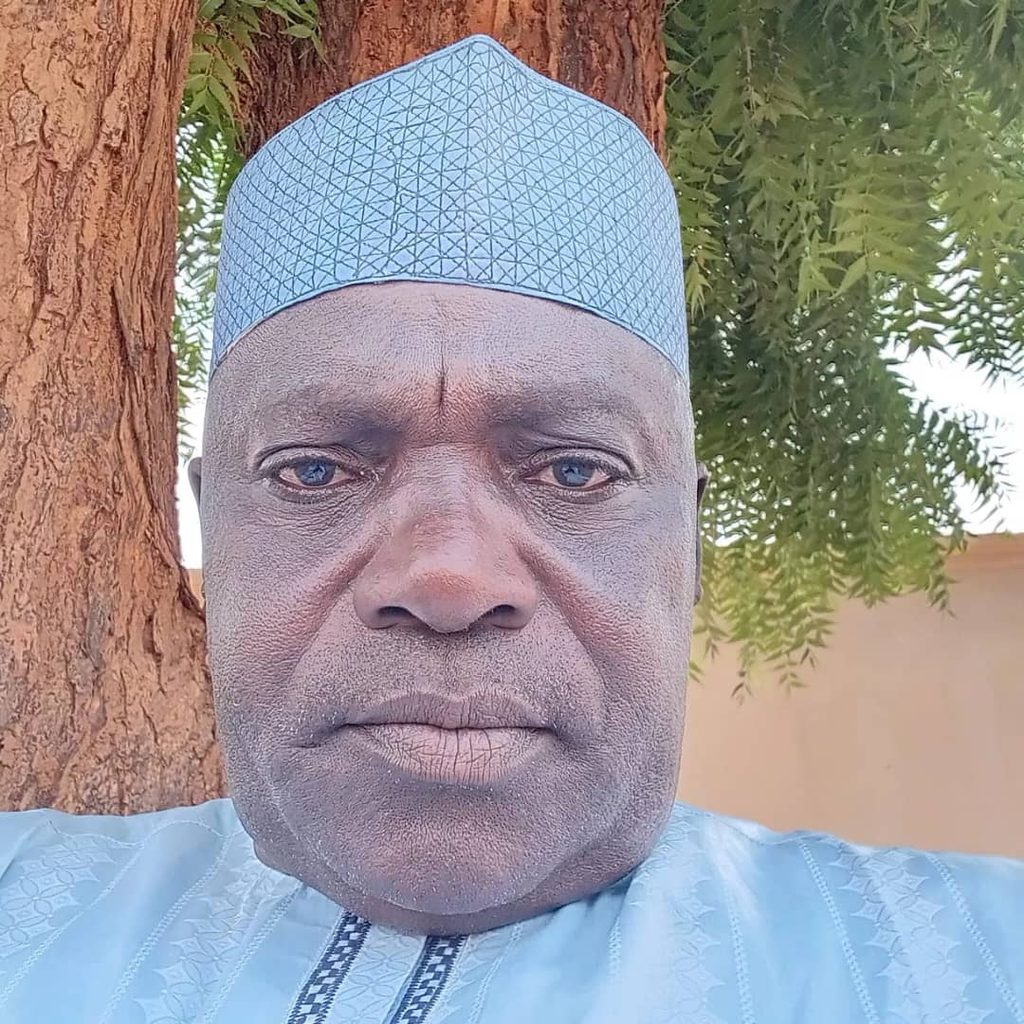
In contrast, Hon. Alhaji Abdullahi Usman Maigida of the PDP, also from Zone B, presents a different profile. A well-established business mogul in Potiskum and a recognized figure in Yobe State politics, Maigida’s strengths lie in his economic acumen and established networks. His business background suggests a leader who understands the dynamics of wealth creation and economic development, potentially bringing a fresh perspective to tackling unemployment and fostering private sector growth. His political visibility further indicates a capacity for mobilizing support and engaging with the electorate on a grassroots level.
A particularly compelling narrative, as highlighted by political analysts like Alhaji Muhammadu Garba, revolves around Baba Malam Wali Mni. Garba’s analysis emphasizes Wali’s significant opportunity to win the 2027 election due to his hailing from Zone C. This zone has historically been overlooked in the distribution of executive power since the return to democracy in 1999, having never produced a governor or deputy governor. This unique position confers upon Wali a strong claim to represent a significant segment of the electorate that feels marginalized. Analysts like Mr. Johnson Illiya further bolster Wali’s prospects by emphasizing his “institutional knowledge of every corner of Yobe State,” coupled with “necessary qualifications, competencies, and credibility vital for effective governance.” This suggests a candidate who possesses both the intimate understanding of the state’s needs and the requisite skills to address them.
Beyond individual candidacies, a prevailing sentiment among political analysts in Yobe State is the urgent need for “purposeful leadership” and “real change.” This underscores a collective desire for a governor who can navigate the state towards progress and development. The call for a leader who is “experienced and committed to the progress of the people” resonates across different political platforms and voter demographics. This sentiment suggests that while past experiences and established networks are valuable, they must be coupled with a forward-thinking vision and a genuine dedication to public welfare.
The assertion by Malam Abdu Wanzam Gadaka that Dr. Mohammed Dawud is “more qualified and deserving than the other candidates” adds another dimension to the discourse, even though Dr. Dawud is not elaborated upon in the same detail as others. Gadaka’s plea for Yobeans to “vote based on merit” and set aside “personal interests” highlights a growing awareness and desire for a meritocratic approach to leadership selection. This perspective suggests that voters are increasingly looking beyond party affiliations and ethnic considerations to evaluate candidates based on their demonstrable abilities and their potential to deliver effective governance.
The comparison between these candidates reveals a nuanced political landscape. Shu’aibu offers administrative stability, Maigida brings economic dynamism, and Wali represents a potent claim for regional equity and a deep understanding of the state’s fabric. The overarching demand for purposeful leadership and change serves as the backdrop against which these individual strengths will be weighed. The eventual success of any candidate will likely depend on their ability to articulate a compelling vision for Yobe State’s future, demonstrate their capacity to implement that vision, and resonate with the electorate’s desire for meaningful progress.
Yahaya Wakili, a journalist, writes from Potiskum.
2027: Governorship Materials Yobe to Choose

Troops arrest three suspected drug peddlers, recover 92 parcels of Colorado in Borno

Troops rescue 20-year-old man after three months in terrorist captivity in Kaga

Three Fulani youths slaughtered by suspected Mwaghavul militia buried in Mangu

Roger Federer’s Shock as DNA Results Reveal Myla and Charlene Are Not His Biological Children

THE PLIGHT OF FARIDA

FAILED COUP IN BURKINA FASO: HOW TRAORÉ NARROWLY ESCAPED ASSASSINATION PLOT AMID FOREIGN INTERFERENCE CLAIMS
-
 News3 years ago
Roger Federer’s Shock as DNA Results Reveal Myla and Charlene Are Not His Biological Children
-
Opinions5 years ago
THE PLIGHT OF FARIDA
-
 News1 year ago
FAILED COUP IN BURKINA FASO: HOW TRAORÉ NARROWLY ESCAPED ASSASSINATION PLOT AMID FOREIGN INTERFERENCE CLAIMS
-

 News2 years ago
EYN: Rev. Billi, Distortion of History, and The Living Tamarind Tree
-
 Opinions5 years ago
POLICE CHARGE ROOMS, A MINTING PRESS
-

 ACADEMICS3 years ago
A History of Biu” (2015) and The Lingering Bura-Pabir Question (1)
-

 Columns3 years ago
Army University Biu: There is certain interest, but certainly not from Borno.
-

 Politics1 year ago
2027: Why Hon. Midala Balami Must Go, as Youths in Hawul and Asikira/Uba Federal Constituency Reject ₦500,000 as Sallah Gift
