
News
Zulum returns after leading APC’s campaign in Southern Borno


Zulum returns after leading APC’s campaign in Southern Borno
.. Announces plan to establish “Mineral Resources Commission
By: Our Reporter
Borno State Governor, Babagana Umara Zulum, has returned to Maiduguri after leading stakeholders of the All Progressive Congress (APC) on tour of 3 local government areas in the southern part of Borno for the first phase of the APC’s campaign in the region.
The governor kicked off the rally on Monday at the stadium in Biu, the political headquarters of southern Borno. He stressed continuous commitment to securing all parts of the state.
Zulum assured that his government will focus on providing job opportunities to the youth, empowering women and the vulnerable and quality education.
On Tuesday after spending two nights in Hawul and Biu, Zulum was in Kwaya-Kusar and Bayo Local Government Areas. He addressed thousands of party supporters amidst cheers from the crowd.
Speaking at the occasion, Borno APC Chairman, Ali Bukar Dalori, expressed confidence that Zulum’s performance in the last three and half years will give APC an unprecedented win in the forthcoming elections.
Dalori noted that Governor Zulum has invested massively in education, with numerous schools renovated and new ones built. Instructional facilities were provided for effective teaching and learning.

In the area of healthcare delivery, Dalori noted that the present administration has constructed over 200 primary healthcare centres and the existing one was renovated and upgraded. Hundreds of health workers were employed to ensure affordable and quality healthcare services.
The party Chairman stressed that Governor Zulum has revitalised the healthcare sector which was destroyed by the insurgency. He said, people in rural communities no longer travel distances to seek medical care.
Dalori emphasises that Zulum has achieved remarkably during the last three and half years of his administration. He calls on the good people of Borno to elect all APC candidates in the state.
Critical stakeholders from the southern part of Borno including the Deputy Governor, Umar Usman Kadafur, members of the national and state assembly, commissioners, top government functionaries and party officials joined the governor during the two-day rally.
.. Zulum announces plan to establish “Mineral Resources Commission
Meanwhile, in Bayo Local Government, Zulum has announced a plan to establish the “Borno State Mineral Resources Commission” which will explore a number of minerals in Bayo and other parts of Borno State.
Zulum noted that there are thousands of minerals that the state could not explore over the years. He, therefore, assured that with the emerging peace, Borno will not relent until all opportunities are explored.
Zulum returns after leading APC’s campaign in Southern Borno


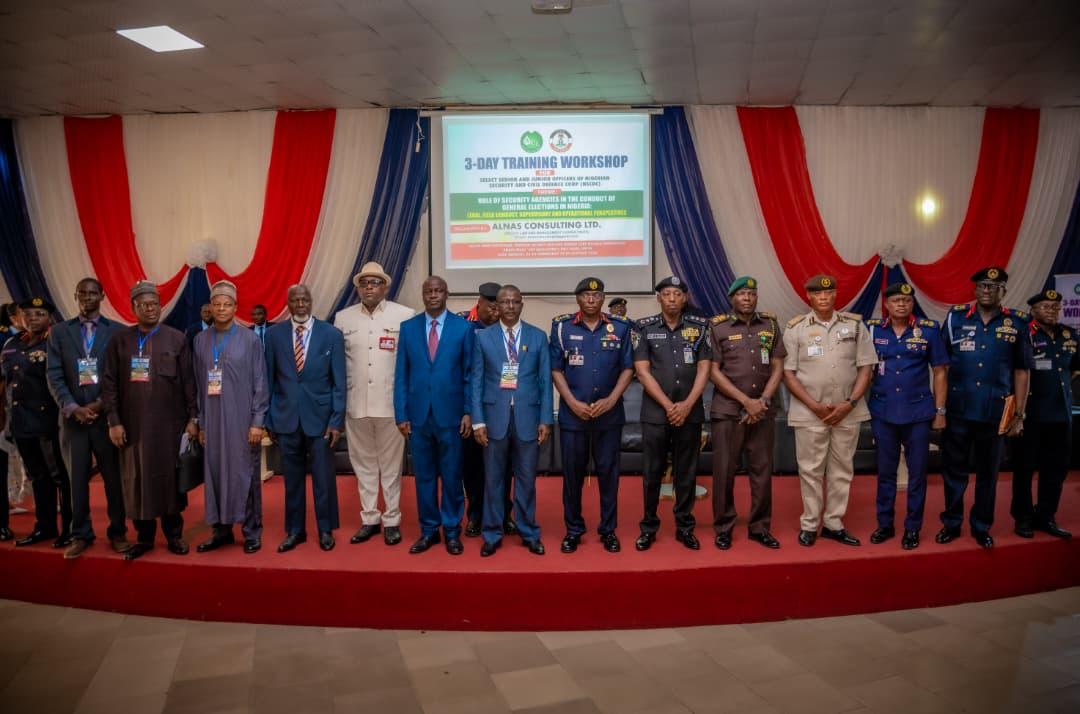
2027: NSCDC Warns Personnel Against Election Bias, Voter Intimidation
By: Michael Mike
The Nigeria Security and Civil Defence Corps (NSCDC) h GB GB GB GB GB GB as warned its personnel against voter intimidation, abuse of citizens and partisan conduct ahead of the 2027 general elections, stressing that neutrality and professionalism are essential to protecting Nigeria’s democracy.
The Commandant-General of the Corps, Prof. Ahmed Audi, gave the warning in Abuja while opening a three-day workshop designed to prepare security personnel for election-related duties.
Audi cautioned officers and men against abandoning their duty posts or obeying unlawful orders, insisting that their overriding responsibility must be to the national interest and the protection of citizens’ democratic rights.
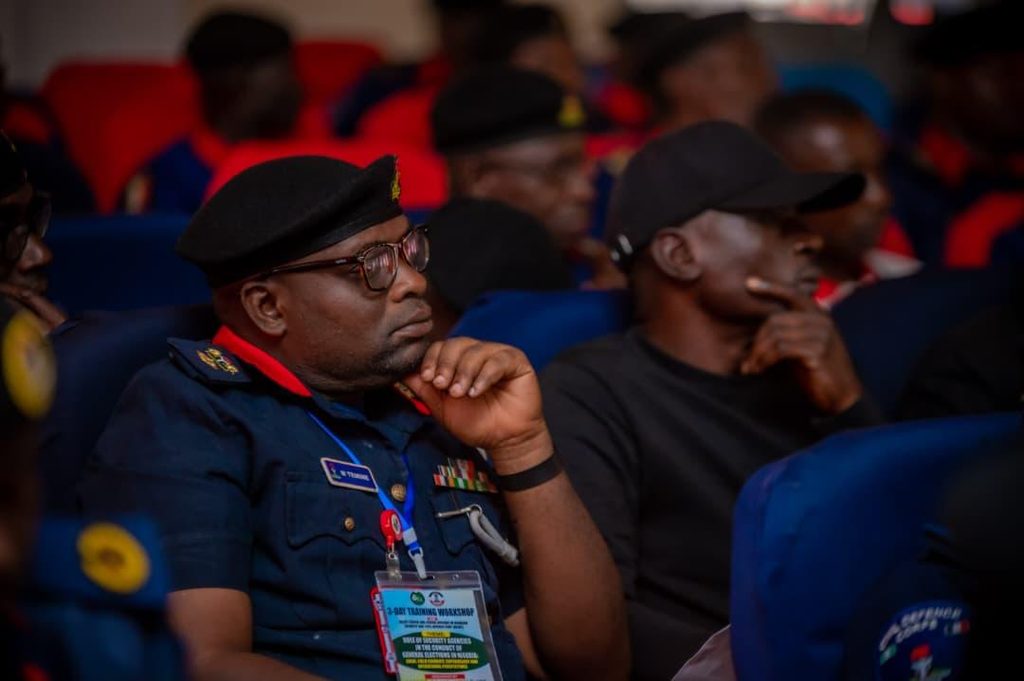
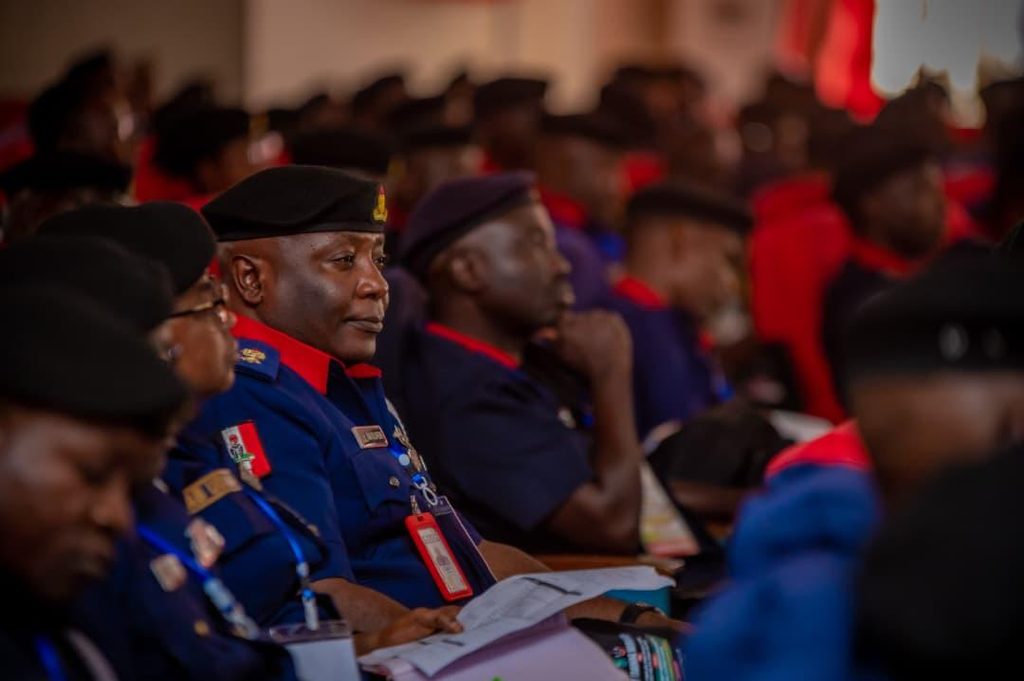
The workshop brought together 216 personnel drawn from the 36 state commands, the Federal Capital Territory (FCT) and 18 zonal commands to strengthen their understanding of the legal, operational and supervisory responsibilities of security agencies during elections.
Organised in collaboration with Alnas Consulting Limited, the workshop is themed, “Role of Security Agencies in the Conduct of the General Elections in Nigeria: Legal, Field Conduct, Supervisory and Operational Perspectives.”
The Commandant-General’s warning comes as preparations gather pace for the 2027 elections, with security agencies expected to play a critical role in ensuring that voters can exercise their franchise without intimidation, harassment or undue interference.
In his welcome address, the Chief Responsibility Officer of Alnas Consulting Limited, Prof. Nasirdeen Usman, described the NSCDC as a critical component of Nigeria’s security architecture and urged participants to share the knowledge acquired with colleagues in their respective commands.
The event also featured goodwill messages from representatives of the Inspector-General of Police, the Director-General of the Department of State Services, the Controller-General of Corrections, the Comptroller-General of the Nigeria Immigration Service and the Chief Executive Officer of TAF Africa, Dr Jake Ekpelle.
The NSCDC reiterated its commitment to peaceful elections, effective cooperation among security agencies and the protection of the democratic rights of Nigerians.
2027: NSCDC Warns Personnel Against Election Bias, Voter Intimidation
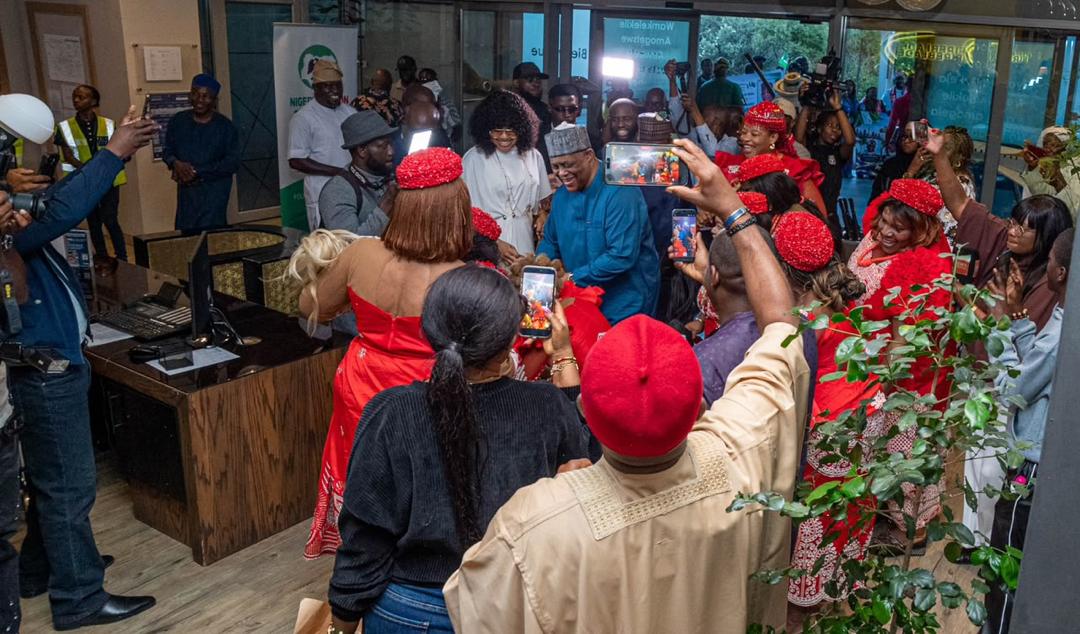
Fani-Kayode Vows to Rebuild Nigeria–South Africa Ties, Protect Nigerians
…As envoy arrives in Johannesburg, receives rousing welcome from Nigerians
By: Michael Mike
Nigeria’s newly designated High Commissioner to South Africa, Femi Fani-Kayode, has pledged to rebuild strained relations between Nigeria and South Africa and make the protection of Nigerians living in the country a priority, declaring that his diplomatic mission will focus on restoring friendship, deepening economic cooperation and strengthening African unity.
Fani-Kayode made the commitment on Sunday upon arriving in Johannesburg to begin his assignment, which also covers the Kingdoms of Lesotho and Eswatini, at a time when concerns over tensions between Nigerians and South Africans have reinforced the need for sustained diplomatic engagement between the two countries.
Speaking to journalists on arrival, the envoy said his primary responsibility, following his appointment by President Bola Tinubu, was to rebuild the bridge of friendship and cooperation between the two countries while safeguarding the interests of Nigerians in South Africa.
He stressed that Nigeria and South Africa, two of Africa’s largest economies and most influential countries, must work together to advance their shared interests rather than allow differences to undermine their relations.
His arrival was marked by a large gathering of Nigerians and well-wishers at O. R. Tambo International Airport, where he was received by senior officials of Nigeria’s diplomatic mission and members of the Nigerian community.
The crowd welcomed him with songs, cultural displays and expressions of excitement, with representatives of Nigerian professional, cultural, religious, student and political organisations turning out to receive the new envoy.
Among those present were former Chargé d’Affaires of the Nigerian High Commission in Pretoria, Ambassador Temitope Ajayi; Nigeria’s Consul-General in Johannesburg, Ambassador Ninikanwa Okey-Uche; and Puleng Chaba, Acting Director for West Africa at South Africa’s Department of International Relations and Cooperation (DIRCO).
The reception brought together representatives of the Nigerian Union South Africa (NUSA), Nigerian Citizens Association South Africa (NICASA), Nigeria Doctors Forum, Nigerian Lawyers Association, Group of Nigerian Professionals Johannesburg and the National Association of Nigerian Students South Africa.
Also represented were the Congress of Nigerian Students at the University of Johannesburg, All Progressives Congress in South Africa, City Boys South Africa, Egbe Omo Yoruba Association, Association of Yoruba in Diaspora South Africa, Yoruba Leaders Council, Igbo Union South Africa, Ohanaeze South Africa, Nigerian Muslim Community South Africa, Arewa Union South Africa, Niger Delta Association and Association of Nigerian Nurses and Midwives South Africa, among others.
The strong turnout highlighted the importance of engagement between Nigeria’s diplomatic mission and the sizeable Nigerian community in South Africa as Fani-Kayode begins his assignment.
However, beyond the celebratory reception, the envoy faces the challenge of translating his pledge to rebuild relations into concrete diplomatic progress, particularly on concerns affecting Nigerians and the broader relationship between Abuja and Pretoria.
Fani-Kayode is expected to engage South African authorities on issues affecting Nigerians, promote their protection and encourage dialogue to address tensions and strengthen peaceful coexistence between citizens of both countries.
His agenda is also expected to include expanding economic and cultural partnerships, improving people-to-people relations and strengthening cooperation on regional and continental issues.
The relationship between Nigeria and South Africa carries significance beyond their bilateral ties. Both countries play influential roles in African diplomacy, regional security, trade and economic development, giving their cooperation implications for wider continental integration.
Fani-Kayode said the two countries had a shared responsibility to promote peace, economic prosperity, regional stability and African unity.
A firm advocate of Pan-Africanism, he has emphasised the need for African nations to work together to address common challenges, protect the dignity of their citizens and advance the continent’s collective interests.
His mission is therefore expected to extend beyond managing diplomatic relations to strengthening the practical links between the two countries, including opportunities for trade, investment, cultural exchange and institutional cooperation.
For Nigerians living in South Africa, the immediate expectation will be that the new High Commissioner’s pledge to protect their interests translates into effective engagement with the host government and responsive diplomatic support when difficulties arise.
For both countries, the wider test will be whether renewed dialogue can build confidence, manage areas of friction and strengthen cooperation between two major African powers.
Fani-Kayode’s arrival marks the beginning of that task, with the reception from Nigerians in Johannesburg providing an early show of support as he takes up a posting whose success will be measured not only by diplomatic engagements but also by tangible improvements in bilateral relations and the welfare of Nigerians abroad.
Fani-Kayode Vows to Rebuild Nigeria–South Africa Ties, Protect Nigerians
News
UNODC Country Representative Calls for African-led Counter-Terrorism Cooperation and Intelligence Sharing
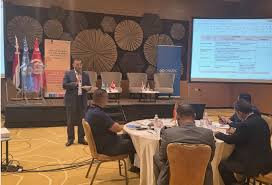
UNODC Country Representative Calls for African-led Counter-Terrorism Cooperation and Intelligence Sharing
By: Michael Mike
Africa must strengthen cooperation, intelligence sharing and the responsible use of emerging technologies to confront terrorism and related crimes, the Country Representative of the United Nations Office on Drugs and Crime (UNODC), Mr Cheikh Toure, has said.
Toure made the call at the opening ceremony of the High-level African Lessons Learned Forum on Counter Terrorism Cooperation, Intelligence Sharing and Emerging Technologies, organised by the National Counter Terrorism Centre (NCTC) in Abuja on Monday.
He said the forum should remain focused on the people affected by terrorism, including farmers unable to access their fields, children whose education had been disrupted and security personnel working under difficult conditions.
“We are here for them, and we owe them honesty,” he said.
Toure said terrorism had gained a foothold in Africa at a scale that few had anticipated, with the Sahel now accounting for more than half of terrorism-related deaths worldwide.
He noted that four African countries—Burkina Faso, Nigeria, Niger and the Democratic Republic of the Congo—were among the five countries responsible for almost 70 per cent of the global death toll recorded in the previous year.
He described the counter-terrorism practitioners gathered at the forum as among the most experienced in the world because of the realities they had been forced to confront.
According to him, the threat continues to evolve, with foreign terrorist fighters moving across regions, terrorist groups cooperating with organised criminal networks, improvised explosive devices spreading and drones, digital content and artificial intelligence being used against vulnerable communities.
“The groups we confront cross borders with a fluency that too often exceeds our own. Our response must be equally fluent and it must be African-led,” he said.
The UNODC representative cautioned against applying international counter-terrorism practices without adapting them to local institutional realities.
He said procedures developed for well-resourced systems could become burdensome when transferred uncritically to countries with different capacities and operational environments.
He urged African institutions to treat international good practice as a reference point rather than a rigid template.
Toure commended the National Counter Terrorism Centre under the leadership of its National Coordinator, Major General Adamu Garba Laka, for adapting international guidance to Nigeria’s operational needs.
He said the NCTC’s Strategic Plan 2025–2030 provided a framework for translating guidance on evidence management, intelligence analysis, rehabilitation and reintegration into practical procedures that frontline officers could use.
“That is not imitation. That is authorship,” he said.
Toure also called for institutions to document lessons from investigations, cases and community engagement and use them to improve training, standard operating procedures and technology choices.
He described this process as the creation of a “living knowledge bank”, adding that Nigeria had made significant contributions to it.
He cited Nigeria’s National Strategy for Combating Organised Crime 2027–2031, launched by the National Security Adviser in August and developed under the Office of the National Security Adviser with UNODC technical support.
The strategy, he said, recognised the links between terrorism, trafficking and illicit finance and treated them as part of a connected criminal ecosystem.
He added that UNODC was working with the NCTC on a fusion-cell architecture intended to make inter-agency intelligence sharing routine rather than exceptional.
On terrorist financing, Toure said the NCTC and UNODC had inaugurated a working group on criminal and terrorist finance in the mineral sector.
He said the initiative was designed to address the channels through which terrorism could obtain financial support.
He also cited Nigeria’s exit from the Financial Action Task Force grey list as evidence of what disciplined, evidence-led cooperation could achieve, adding that Nigeria had offered to share its experience with other African countries.
Toure further highlighted cooperation between NCTC and UNODC experts to refine a toolkit for first responders dealing with sexual and gender-based violence linked to terrorism.
He said the work demonstrated that effective partnership was often built through sustained technical engagement rather than public ceremonies.
Addressing participants from the Sahel and Francophone Africa in French, Toure said the threat affected communities across linguistic and national boundaries and that cooperation must reflect the same reality.
He assured them that UNODC would continue to support their efforts with humility and consistency.
Toure said UNODC would work within African frameworks, including the African Union, ECOWAS and the Abuja Process, rather than operating alongside or outside them.
He also pledged continued support for institutions such as the NCTC so that they could develop into regional centres of reference.
He stressed that counter-terrorism measures rooted in human rights were not a weaker option but the most sustainable approach.
“Africa has much to teach the world about this threat. For the next two days, we are all here to learn,” he said.
The forum was attended by the National Security Adviser, Mallam Nuhu Ribadu; the National Coordinator of the NCTC, Major General Adamu Garba Laka; members of the diplomatic community; representatives of partner institutions; the European Union; and the United Nations Office of Counter-Terrorism.
Toure thanked the National Security Adviser and the NCTC leadership for convening the forum, as well as the European Union and the UN Office of Counter-Terrorism for supporting the Federal Government of Nigeria.
He said the shared objective of the participants was to contribute to a safer Africa for all its people.
UNODC Country Representative Calls for African-led Counter-Terrorism Cooperation and Intelligence Sharing

2027: NSCDC Warns Personnel Against Election Bias, Voter Intimidation

Fani-Kayode Vows to Rebuild Nigeria–South Africa Ties, Protect Nigerians

UNODC Country Representative Calls for African-led Counter-Terrorism Cooperation and Intelligence Sharing

Roger Federer’s Shock as DNA Results Reveal Myla and Charlene Are Not His Biological Children

THE PLIGHT OF FARIDA

FAILED COUP IN BURKINA FASO: HOW TRAORÉ NARROWLY ESCAPED ASSASSINATION PLOT AMID FOREIGN INTERFERENCE CLAIMS
-
 News3 years ago
Roger Federer’s Shock as DNA Results Reveal Myla and Charlene Are Not His Biological Children
-
Opinions5 years ago
THE PLIGHT OF FARIDA
-
 News2 years ago
FAILED COUP IN BURKINA FASO: HOW TRAORÉ NARROWLY ESCAPED ASSASSINATION PLOT AMID FOREIGN INTERFERENCE CLAIMS
-
 Opinions5 years ago
POLICE CHARGE ROOMS, A MINTING PRESS
-

 News3 years ago
EYN: Rev. Billi, Distortion of History, and The Living Tamarind Tree
-

 ACADEMICS3 years ago
A History of Biu” (2015) and The Lingering Bura-Pabir Question (1)
-

 Columns3 years ago
Army University Biu: There is certain interest, but certainly not from Borno.
-

 Politics1 year ago
2027: Why Hon. Midala Balami Must Go, as Youths in Hawul and Asikira/Uba Federal Constituency Reject ₦500,000 as Sallah Gift
