
News
Why the Diomaye–Sonko Split Became Almost Inevitable Amid Senegal’s Power Struggle

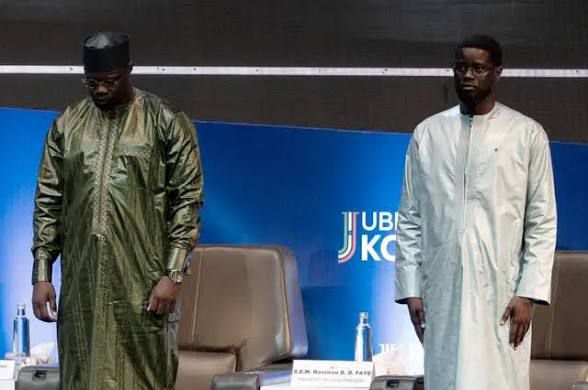
Why the Diomaye–Sonko Split Became Almost Inevitable Amid Senegal’s Power Struggle
By: Zagazola Makama
The dismissal of Senegalese Prime Minister Ousmane Sonko by President Bassirou Diomaye Faye marks the culmination of a political rupture that many observers had long considered unavoidable.
What once appeared to be one of the strongest political alliances in contemporary Senegalese politics gradually evolved into a tense rivalry shaped less by ideology than by competing ambitions, institutional contradictions and the struggle for control of executive authority.
For months, tensions within the ruling camp had become increasingly visible. Though both men emerged from the same political movement and jointly embodied the rise of the PASTEF coalition against former President Macky Sall, the coexistence between a highly charismatic political mentor and a constitutionally empowered head of state proved difficult to sustain.
The crisis is anchored in a fundamental institutional reality:Senegal’s constitutional system ultimately concentrates executive legitimacy in the presidency.
While the Prime Minister exercises substantial governmental authority, the President remains the central pillar of executive power, deriving legitimacy directly from universal suffrage and serving as the supreme authority of the state.
Sources say that the conflict emerged because Sonko increasingly projected himself not merely as head of government, but as an alternative center of political gravity within the state apparatus.
Public speeches, political positioning and repeated demonstrations of personal influence created the perception that two competing executives were operating simultaneously within the same administration.
In highly presidential systems, such arrangements rarely survive for long.
Political theorists have often observed that leaders who attain supreme office tend to resist the emergence of rival figures whose popularity, influence or visibility may overshadow their own authority. The situation in Senegal increasingly reflected that classic tension between institutional legitimacy and political charisma.
Sonko’s political trajectory has long been built around a populist and confrontational style that resonated strongly with segments of Senegalese youth and anti-establishment voters. His appeal stemmed from a mixture of direct rhetoric, anti-system positioning, nationalist discourse and his ability to embody political resistance during years of confrontation with the former administration.
However, the same qualities that fueled his rise may also have contributed to his political isolation. Sourcds note that charismatic populist figures often struggle to adapt from opposition politics to the discipline and compromise required in governance. A political strategy built around constant confrontation can become difficult to reconcile with the institutional restraints of executive power-sharing.
Over time, Sonko appeared increasingly convinced that he remained the true engine behind the ruling coalition’s legitimacy and electoral success. That perception may have encouraged attempts to expand his political influence beyond the traditional boundaries of the prime ministerial office.
For President Diomaye Faye, allowing such an imbalance to persist carried political risks.
The removal of Sonko ultimately reaffirmed a basic constitutional principle, regardless of personal popularity, a Prime Minister remains subordinate to presidential authority in Senegal’s current institutional framework.
By dismissing his Prime Minister, Diomaye signaled that he intended to fully exercise the powers attached to the presidency rather than govern under the shadow of a more dominant political personality.
The decision may also represent an attempt to consolidate state authority, reassure institutional actors and prevent the emergence of dual centers of power capable of paralysing governance. Yet the move is not without danger.
Sonko still commands significant grassroots support and retains strong influence within sections of PASTEF and among politically mobilized youth constituencies. His removal could deepen divisions inside the ruling coalition and potentially reshape Senegal’s political landscape ahead of future elections.
One of the major questions now facing Senegalese politics is whether PASTEF can survive the split without suffering a major internal fracture. Political history across Africa shows that when alliances forged in opposition reach power, tensions often emerge over authority, succession and control of state institutions.
Some party officials and elected representatives may rally behind the President, who controls the state apparatus and constitutional legitimacy. Others may remain loyal to Sonko due to his personal popularity and historical role in the movement’s rise.
The outcome of that struggle could determine whether Senegal experiences a relatively stable political recomposition or enters a prolonged period of institutional tension.
Another key factor will be public sentiment. During years of opposition politics, confrontation and political mobilisation energized large sections of the electorate. However, governing presents different expectations. Many Senegalese citizens now appear increasingly concerned with economic management, institutional stability, governance reforms and social calm rather than perpetual political conflict.
That shift may strengthen Diomaye’s position if he succeeds in presenting himself as a stabilizing statesman capable of governing above partisan rivalries. At the same time, any perception that Sonko has been politically sidelined or unfairly neutralized could trigger renewed political mobilisation among his supporters.
The crisis illustrates a recurring lesson in political systems across the world. Conquering power together is often easier than sharing it afterward. The Diomaye–Sonko alliance was extraordinarily effective as an opposition force united against a common adversary. But once in office, the unresolved question of who truly embodied executive authority became increasingly difficult to avoid.
What began as political complementarity gradually transformed into institutional competition.
The final outcome remains uncertain. Diomaye may emerge stronger by consolidating presidential authority, or Sonko could retain enough political capital to remain a major force capable of reshaping Senegal’s future political balance.
Either way, the rupture marks a turning point in Senegalese politics and may redefine the future trajectory of one of West Africa’s most closely watched democracies.
Why the Diomaye–Sonko Split Became Almost Inevitable Amid Senegal’s Power Struggle


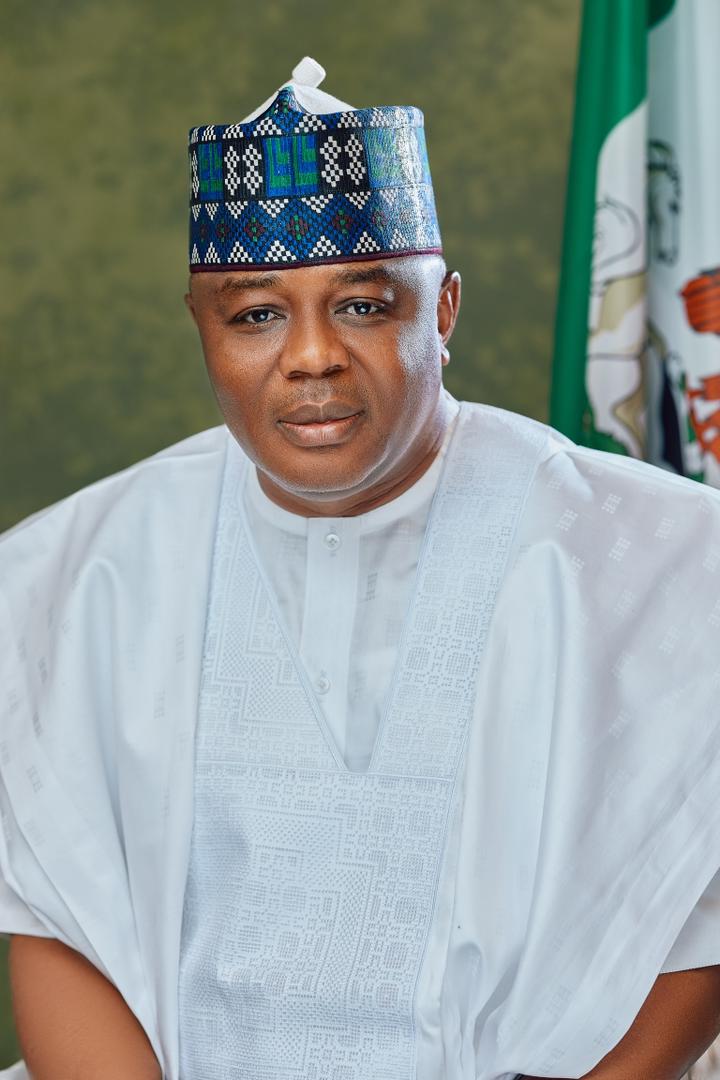
Reps FCT Committee Hails Betara at 60, Celebrates Legislative Leadership
By: Michael Mike
Members of the House of Representatives Committee on the Federal Capital Territory (FCT) have lauded their chairman, Rt. Hon. Muktar Betara Aliyu, OON, for his leadership, legislative contributions and commitment to public service as he clocks 60.
The lawmakers described Betara as a distinguished legislator whose capacity to build consensus, drive legislative engagements and demonstrate purposeful leadership had earned him respect among colleagues and strengthened the work of the committee.
In a congratulatory statement signed by members of the committee on Sunday, they said the milestone offered an opportunity to celebrate a life defined by courage, legislative ingenuity, resilience and dedication to the service of the nation and his constituents.
They said Betara, as chairman of the committee, had demonstrated exemplary leadership, uncommon dedication and an impressive capacity to inspire confidence and deliver results.
“Your commitment to the work of the Committee and the development of the Federal Capital Territory reflects your deep understanding of public service and the responsibility entrusted to you,” the lawmakers said.
They also applauded his contributions to nation-building and his enduring commitment to the people of Biu, Bayo, Kwaya-Kusar and Shani Federal Constituency of Borno State, noting that his record of service had continued to distinguish him.
The lawmakers further celebrated Betara’s recognition as The Sun Newspaper’s House of Representatives Member of the Year, 2026, describing the award as a deserved acknowledgement of his legislative accomplishments, leadership and positive impact in public service.
According to them, the honour further underscores his dedication to legislative responsibilities and the contributions he has made to national development.
“At 60, you stand as an inspiring example of purposeful leadership, resilience and service with distinction. We are proud to be associated with your leadership and privileged to serve alongside you,” they said.
The committee members prayed that Almighty Allah would grant the celebrant sound health, greater wisdom, renewed strength and abundant grace as he begins a new decade.
They expressed hope that the years ahead would bring him greater accomplishments, fulfilment and more opportunities to serve the nation and humanity, wishing him a rewarding and impactful 60th birthday.
Reps FCT Committee Hails Betara at 60, Celebrates Legislative Leadership
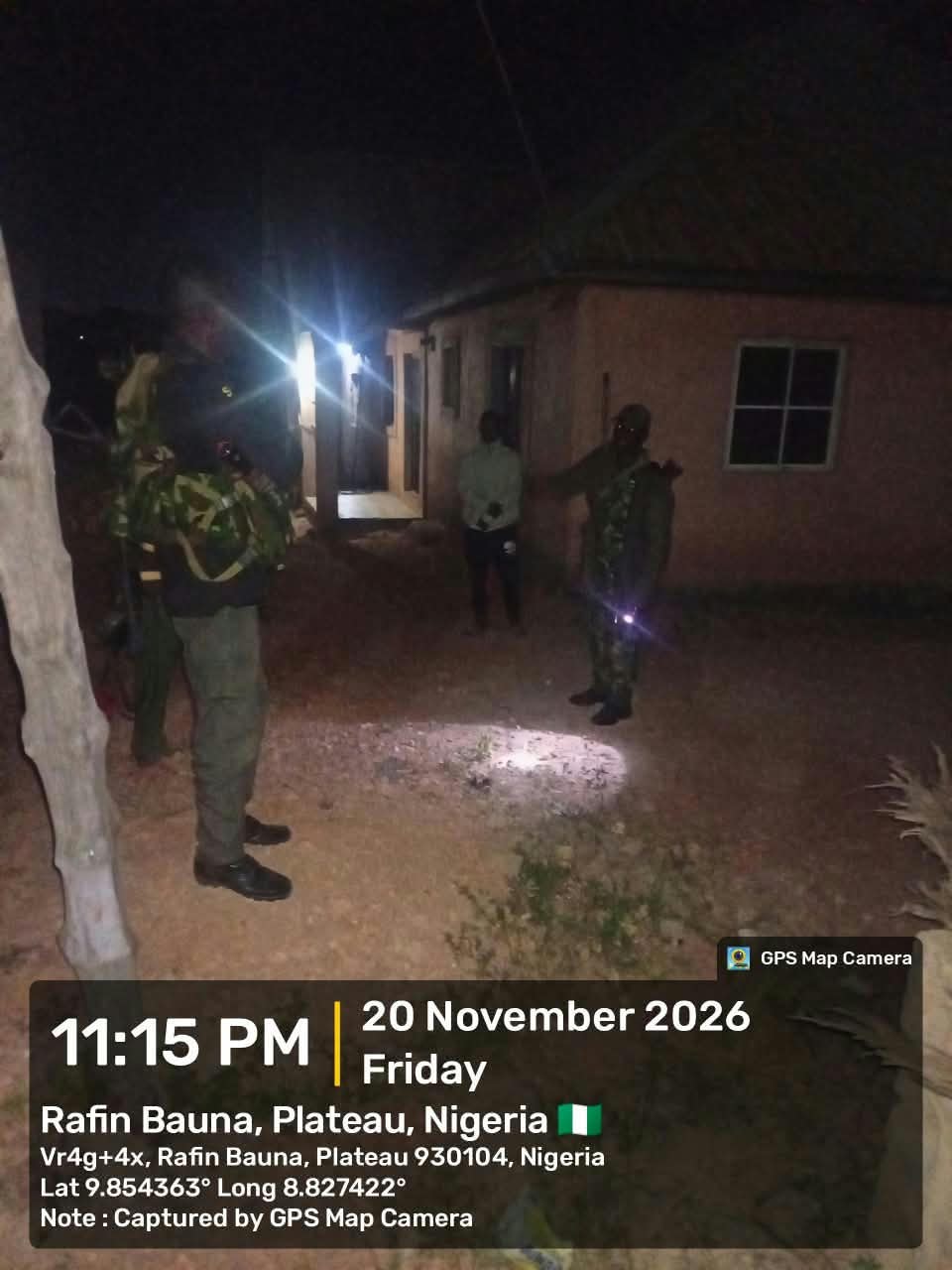
Troops Launch Search-and-Rescue Operation After Woman Is Kidnapped in Jos
By: Zagazola Makama
Troops of Operation ENDURING PEACE (OPEP) have launched search-and-rescue operations following the abduction of a 40-year-old woman, Mrs Rebecca Peter, in Rantya area of Jos South Local Government Area of Plateau State.
Security sources said the incident occurred at about 10:00 p.m. on Nov. 21, when the victim was reportedly abducted by suspected kidnappers at the gate of her residence while returning from work.
The sources said troops of Sector 3, deployed at Rantya High Ground, immediately responded to the reported incident.
Upon arrival at the scene, the troops initiated search-and-rescue operations towards suspected escape routes used by the kidnappers.
Although no contact was made with the abductors during the initial search, efforts are ongoing to track down the perpetrators and secure the victim’s safe release.
The military has continued operations in the area as part of efforts to contain criminals
Troops Launch Search-and-Rescue Operation After Woman Is Kidnapped in Jos
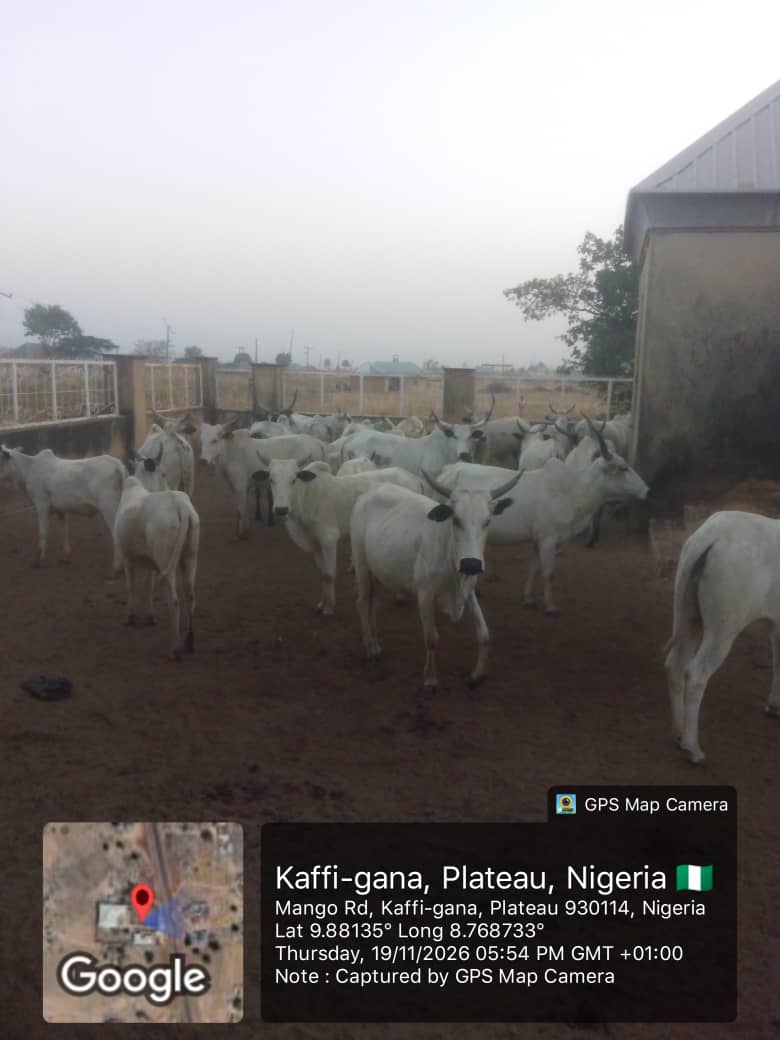
Troops Intercept 30 Cows After Farmland Destruction in Plateau Community
By: Zagazola Makama
Troops of Operation ENDURING PEACE (OPEP) have intercepted 30 cows allegedly involved in the destruction of farmland at Jebbu Miango in Bassa Local Government Area of Plateau State.
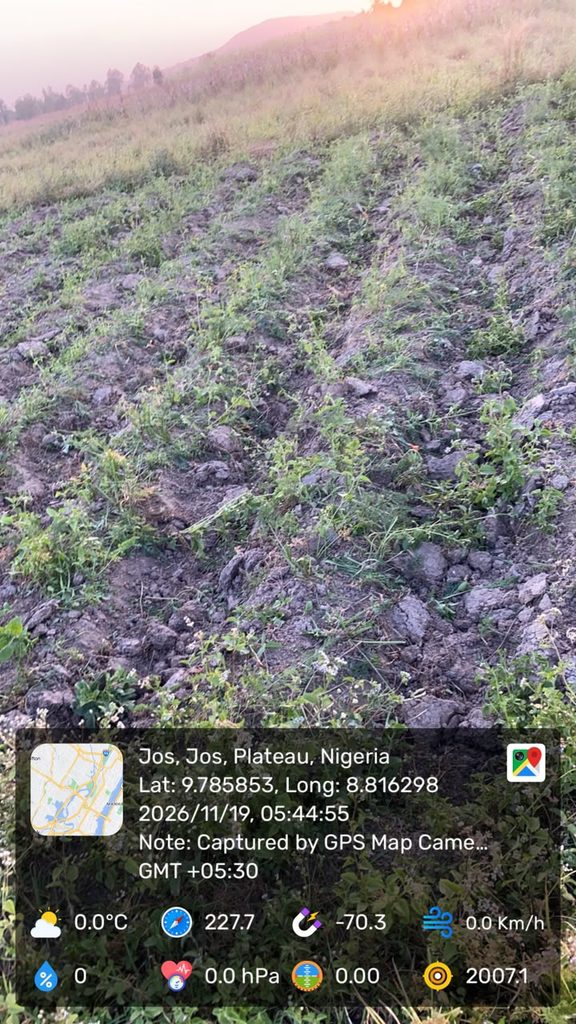
Security sources said the incident occurred at about 6:00 p.m. on Nov. 19, when troops of Sector 3 responded to a report of farmland destruction in the community.
The sources said that upon arrival at the scene, the troops intercepted 30 cows grazing on the farmland, while the herders reportedly fled upon sighting the soldiers.
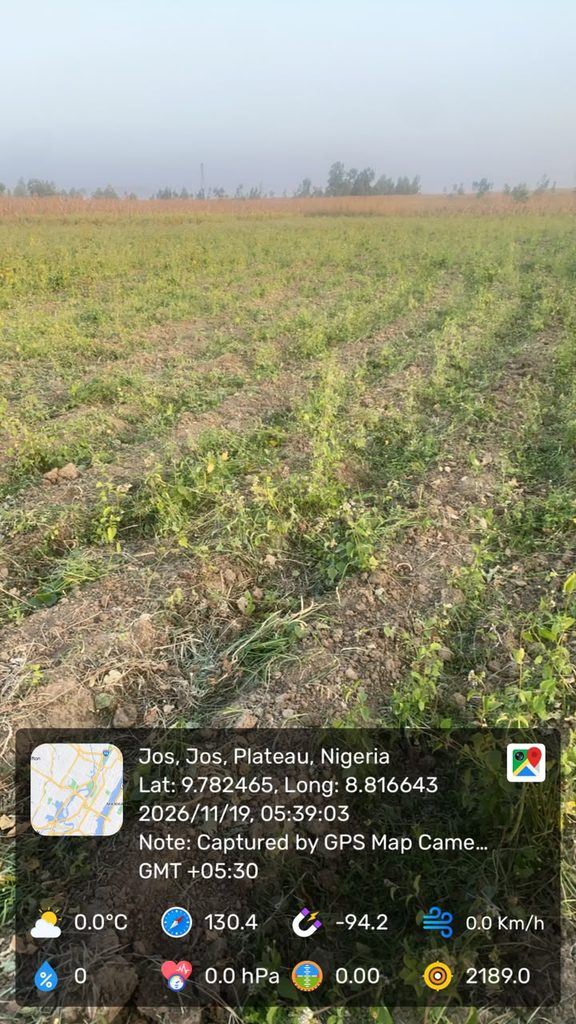
The livestock were subsequently moved to a safe location pending further necessary action by the appropriate authorities.
The intervention is part of ongoing efforts by troops to prevent farmer-herder disputes, protect agricultural livelihoods and forestall poss
Troops Intercept 30 Cows After Farmland Destruction in Plateau Community

Reps FCT Committee Hails Betara at 60, Celebrates Legislative Leadership

BAMA, KONDUGA SPEAKS LOUD: MASSIVE 2027 TURNOUT REAFFIRMS GUBIO’S GROWING POLITICAL MOMENTUM IN BORNO

Troops Launch Search-and-Rescue Operation After Woman Is Kidnapped in Jos

Roger Federer’s Shock as DNA Results Reveal Myla and Charlene Are Not His Biological Children

THE PLIGHT OF FARIDA

FAILED COUP IN BURKINA FASO: HOW TRAORÉ NARROWLY ESCAPED ASSASSINATION PLOT AMID FOREIGN INTERFERENCE CLAIMS
-
 News3 years ago
Roger Federer’s Shock as DNA Results Reveal Myla and Charlene Are Not His Biological Children
-
Opinions5 years ago
THE PLIGHT OF FARIDA
-
 News2 years ago
FAILED COUP IN BURKINA FASO: HOW TRAORÉ NARROWLY ESCAPED ASSASSINATION PLOT AMID FOREIGN INTERFERENCE CLAIMS
-
 Opinions5 years ago
POLICE CHARGE ROOMS, A MINTING PRESS
-

 News3 years ago
EYN: Rev. Billi, Distortion of History, and The Living Tamarind Tree
-

 ACADEMICS3 years ago
A History of Biu” (2015) and The Lingering Bura-Pabir Question (1)
-

 Columns3 years ago
Army University Biu: There is certain interest, but certainly not from Borno.
-

 Politics1 year ago
2027: Why Hon. Midala Balami Must Go, as Youths in Hawul and Asikira/Uba Federal Constituency Reject ₦500,000 as Sallah Gift
