
National News
About 47 million May Face Food Crisis in the Next Three Months in West Africa, ECOWAS Raises the Alarm

About 47 million May Face Food Crisis in the Next Three Months in West Africa, ECOWAS Raises the Alarm
By: Michael Mike
The Economic Community of West African States (ECOWAS) has raised alerted of the danger of about 47 million people in the region facing food crisis between June and August 2025, if actions are not taken to check the current food security situation.
ECOWAS disclosed that at present 34.7 million people require immediate food and nutrition assistance in the region.
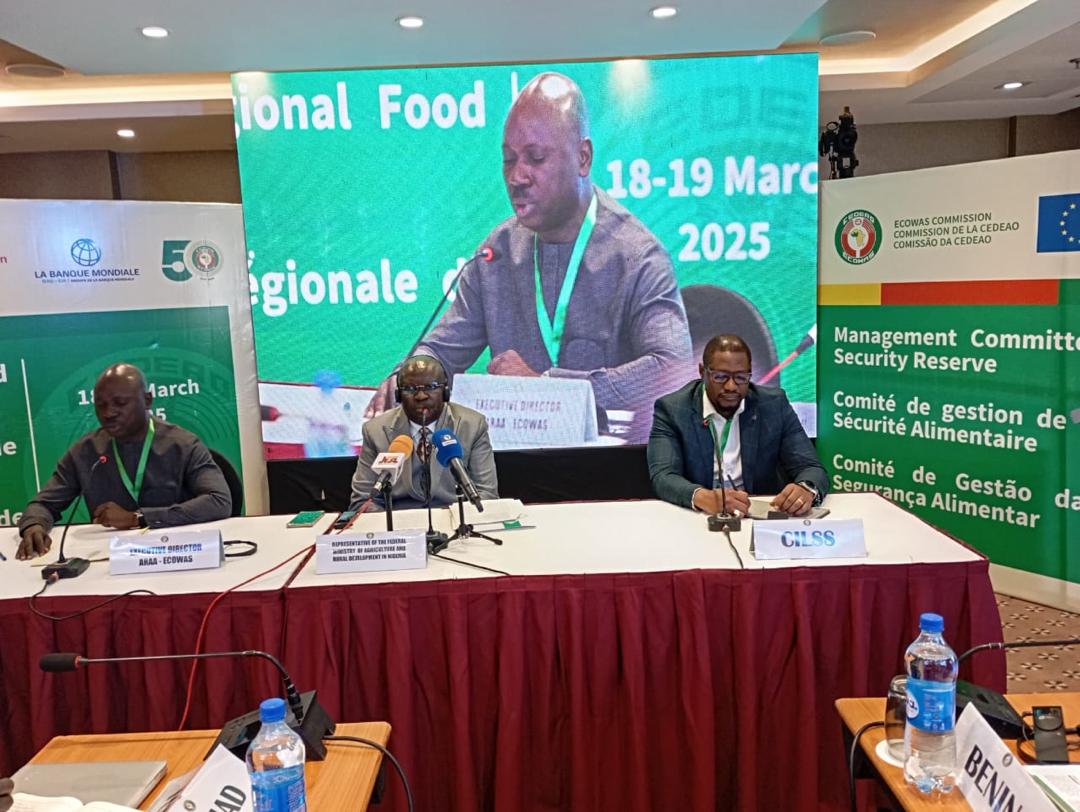
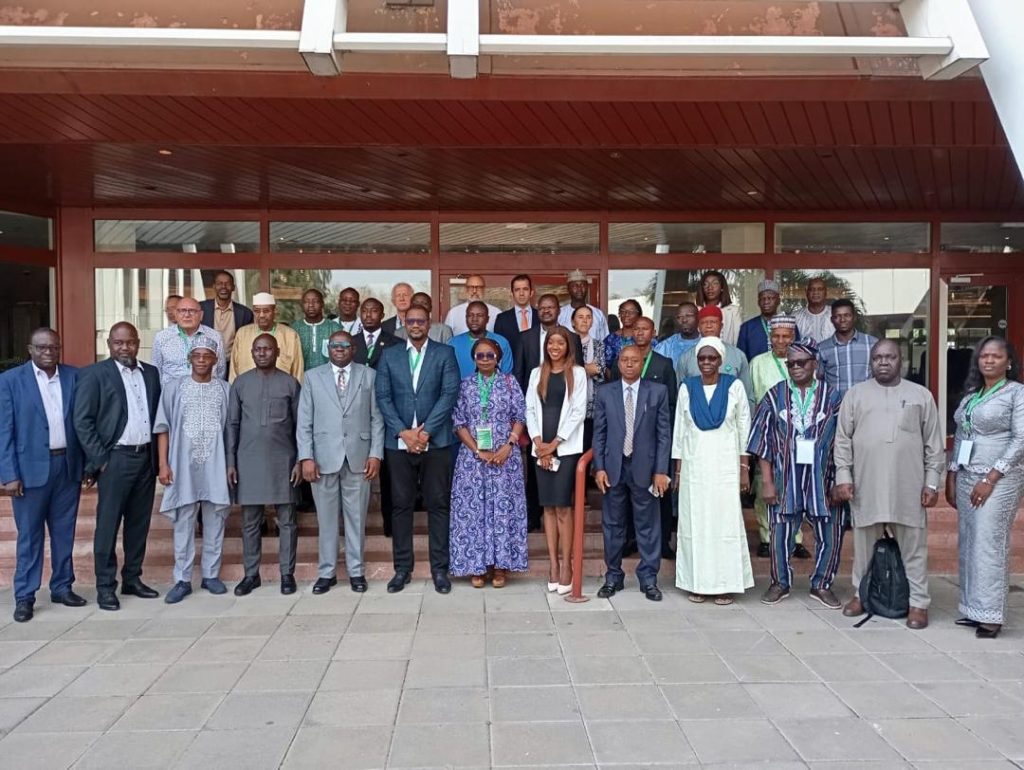
Commissioner for Economic Affairs and Agriculture of ECOWAS, Mrs. Massandjé Toure-Litse made the disclosure at the opening of the third meeting of the Management Committee of the Regional Food Security Reserve (RFSR) in Abuja on Tuesday.
Toure-Litse, who was represented by the Acting Executive Director, Regional Agency for Agriculture and Food, ECOWAS, Mr. Mohammed Zongo, said it is imperative that the region strengthens its immediate response mechanisms while consolidating the foundations of sustainable resilience.
She noted that the food and nutrition security situation in West Africa and the Sahel has deteriorated considerably in recent years.
The commissioner while explaining that the nutritional crisis persists in several areas of the region, with global acute malnutrition rates ranging between 10 and 14%, said that: “Analyses carried out in December 2024, based on the Harmonized Framework, revealed that nearly 34.7 million people require immediate food and nutrition assistance. If appropriate measures are not taken, this figure could reach 47 million by the lean season from June to August 2025.
“Furthermore, the nutritional crisis persists in several areas of our region, with global acute malnutrition rates ranging between 10 and 14%.
“Faced with this worrying situation, aggravated by multiple challenges: geopolitical reconfiguration of the region, persistent conflicts, economic crises, climate change and chronic food insecurity, it is imperative that our region strengthens its immediate response mechanisms while consolidating the foundations of sustainable resilience.
“Food security stocks appear to be key social protection tools, used at different scales -local, national, regional to respond effectively to food crises.”
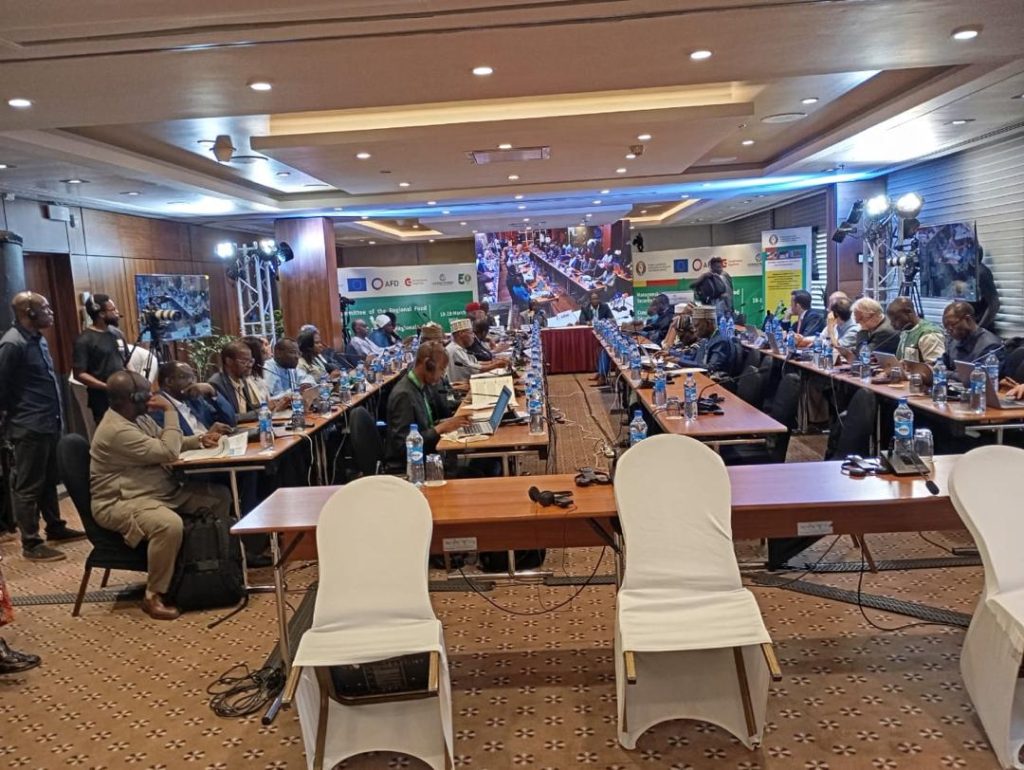
Speaking on the meeting, Toure-Litse said it “will allow us to take stock of the operations carried out by the Regional Reserve since March 2023 based on the guidelines of the Executive Board, particularly with regard to purchases, interventions, stock replenishment, technical rotations and the identification of new storage spaces. It will also allow us to plan the operations planned for 2025, ensuring that we support Member States in caring for the populations most affected by food, nutritional and pastoral crisis.
“Our discussions and decisions will thus ensure transparency, efficiency and fairness in the management of the Reserve, while adapting it to present and future challenges.
“As you know, for almost 10 years, our actions have been part of the regional storage strategy. We have learned many lessons by comparing the theory of the regional storage strategy with the practice of its implementation on the ground. We are also facing new challenges related to the changing socio-political context in our region and at the global level. This is why we must adjust this strategy and the operating rules of the Regional Reserve in the aim of strengthening the coordination and effectiveness of our collective action.”
In his remarks, Nigeria’s Minister for Agriculture and Food Security, Senator Abubakar Kyari said the food challenge is a reminder of the urgent need to strengthen strategies and response instruments to effectively deal with the food and nutrition crisis affecting the region.
Kyari, who was represented by the Permanent Secretary, Ministry of Agriculture and Food Security, Mr. Marcus Ogunbiyi insisted that the food reserve has become an essential pillar of the region’s collective strategy for responding to food and nutrition crisis.
He said: “This meeting is taking place at a particularly worrying moment for our region it is a common knowledge globally especially in West Africa and Sahel; that food security situation has worsened in the recent years due to conflicts, economic instability and devastating impact of climate change. A situation compounded by a decline in funding, geopolitical concerns in the region and general lack of access to food. This, according to the recent cadre Harmonize report (December 2024), has made nearly 34 7 million people in dire need of immediate food and nutritional assistance.
“These major challenges remind us of the urgent need to strengthen our strategies and response instruments to effectively deal with food and nutrition crisis affecting our region. “They also alert us on the growing need for sovereign financing of our agriculture in general and our response mechanisms to food crises in particular. This therefore calls forna delibrate concerted effort to address food production, strategic food storage, markets and price volatility as well as re-strategizibf of the regional body especially in the administration and management of the regional food security reserve.”
The Regional Food Security Reserve, established in 2013 by the ECOWAS Heads of State and Government, supports the region’s member states, Chad, and Mauritania, in managing food crises. Its objectives are to: Complement the efforts of Member States by providing rapid, diversified and adapted food assistance to populations in crisis situations; Express regional solidarity with Member States and populations through transparent mechanisms; Strengthening food sovereignty and regional integration.
Since its creation, the Reserve has made significant progress. It currently has a projected capital of more than 74,000 tons of food, stored in several areas of our region, which can be deployed quickly if needed.
About 47 million May Face Food Crisis in the Next Three Months in West Africa, ECOWAS Raises the Alarm



CDHR, CAIDOV Ask SERAP to Respect Court Judgment in DSS Defamation Suit
By: Michael Mike
The Committee for the Defence of Human Rights (CDHR) has urged the Socio-Economic Rights and Accountability Project (SERAP) to respect the judgment of the High Court of the Federal Capital Territory in the defamation suit instituted by two operatives of the Department of State Services (DSS).
In a statement issued on Thursday, the rights group said all individuals and organisations, including civil society bodies, must obey decisions of competent courts in line with the rule of law and democratic principles.
CDHR maintained that while advocacy organisations and citizens possess constitutional rights to freedom of expression and public criticism, such rights must be exercised responsibly and within the bounds of the law.
According to the organisation, the court, after reviewing evidence presented before it, found that the publication made against the DSS operatives was defamatory and injurious to their professional reputation.
The group consequently urged SERAP to comply with all lawful directives contained in the judgment pending any appeal and refrain from statements capable of escalating tensions or undermining judicial authority.
It also advised parties and public commentators to avoid inflammatory narratives that could deepen institutional distrust or portray the judiciary as partisan without credible evidence.
“The rule of law remains the foundation of every democratic society. Human rights advocacy must coexist with accountability, fairness, and respect for due process,” the statement said.
CDHR further stressed that no organisation is above the law, just as no security agency should be immune from lawful scrutiny.
The statement was jointly signed by CDHR President and Secretary of the Board of Trustees, Debo Adeniran, and the group’s National Publicity Secretary, Jeremiah Onyibe.
Meanwhile, the Centre Against Injustice and Domestic Violence (CAIDOV) also criticised SERAP over its reaction to the judgment, accusing the organisation of attempting to ridicule the court’s decision.
In a statement signed by its Executive Director, Comrade Gbenga Soloki, CAIDOV said SERAP had continued to pin on its X handle claims that DSS operatives invaded its Abuja office on September 9, 2024, despite what it described as a misrepresentation of facts.
“We in the human rights community should lead by example. We should not be seen as the very persons breaching human rights in the name of free speech. Human rights is universal. It is for everybody. We should not trample on the rights of others simply because they chose to be security agents,” the group stated.
CAIDOV argued that the N100 million damages awarded against SERAP for defamation should not be viewed as extraordinary, citing examples of global firms sanctioned over misconduct.
“Very big corporations around the world have at one time or the other been caught lying or cheating. Just last year, Deloitte, PwC and EY Netherlands were fined $8.5 million for cheating, while KPMG Netherlands was fined $25 million in 2024 for widespread cheating on training exams. What then is the big deal in a Nigerian court imposing a N100 million fine on SERAP for defamation?” the statement added.
The group also faulted Senior Advocate of Nigeria, Ebun-Olu Adegboruwa, for allegedly criticising the judgment instead of encouraging an appeal process.
“SERAP had nearly two years while the matter lasted in court to assemble the best lawyers in their arsenal. They failed to. All their legal luminaries waited until they lost the case, then turned to the media to wage propaganda against two DSS operatives,” CAIDOV said.
It added that it was ironic for SERAP, which had often relied on Nigerian courts to hold public institutions accountable, to now question the judiciary because the verdict did not favour it.
“If people like Ebun-Olu Adegboruwa feel they know more than our revered judges, it is not too late for him to transmute from a lawyer to a judge,” the group declared.
CDHR, CAIDOV Ask SERAP to Respect Court Judgment in DSS Defamation Suit
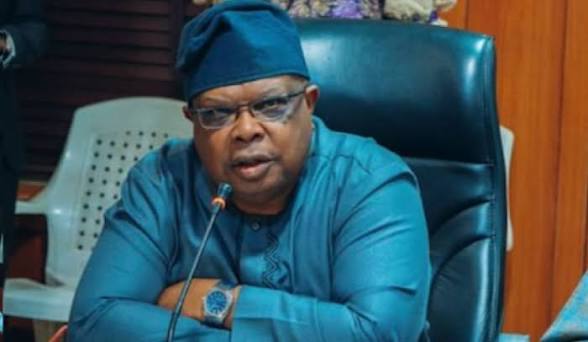
Power Minister-Designate Clarifies Promise on Fixing Nigeria’s Grid in Three Months
By: Michael Mike
The camp of Nigeria’s Minister-designate for Power, Olasunkanmi Tegbe, has dismissed media reports claiming he promised to fix the country’s troubled national power grid within three months, describing the reports as inaccurate and misleading.
In a statement issued on Thursday by his spokesperson, Adeola Adelabu, the minister-designate clarified that no such commitment was made during his Senate screening on May 6, 2026.
According to the statement, Tegbe had clearly explained that timelines for major reforms in the power sector were still being developed and would depend on technical diagnostics as well as consultations with key stakeholders.
The clarification followed widespread reports suggesting that the minister-designate pledged to completely resolve Nigeria’s persistent electricity grid problems within a three-month period.
The statement stressed that while Tegbe assured lawmakers that initial efforts aimed at stabilising the national grid would begin within his first 100 days in office, he also acknowledged that deeper structural reforms in the sector could take significantly longer.
It quoted the minister-designate as saying that reforms relating to sector credibility, gas supply, metering and operational efficiency may require about one year to achieve meaningful progress.
“My promise to this chamber and to Nigeria is that Nigerians will see visible improvement in the sector,” Tegbe reportedly told senators during the screening.
He further pledged to stabilise the national grid, modernise electricity infrastructure, strengthen commercial frameworks within the sector and enforce accountability across the entire power value chain.
On electricity tariff reforms, Tegbe reportedly assured that vulnerable households would be protected while government works to balance affordability, sector sustainability, investor confidence and operational efficiency.
The statement also emphasised that the minister-designate remains open to constructive engagement with the media and encouraged journalists to seek clarification where necessary in order to avoid misinformation.
According to the spokesperson, Tegbe views the media as critical partners in nation building and in helping Nigerians understand the scope and direction of the proposed reforms in the power sector.
Nigeria’s electricity sector has continued to face major challenges, including repeated national grid collapses, inadequate generation capacity, weak transmission infrastructure, gas supply constraints, poor metering and mounting debts across the value chain.
The minister-designate’s clarification comes amid heightened public expectations over the ability of the administration of President Bola Ahmed Tinubu to address the country’s longstanding electricity crisis and improve power supply to homes and businesses.
Power Minister-Designate Clarifies Promise on Fixing Nigeria’s Grid in Three Months
Giwa detention facility completes 1,450 terrorism cases, moves 500 suspects for trial
By: Zagazola Makama
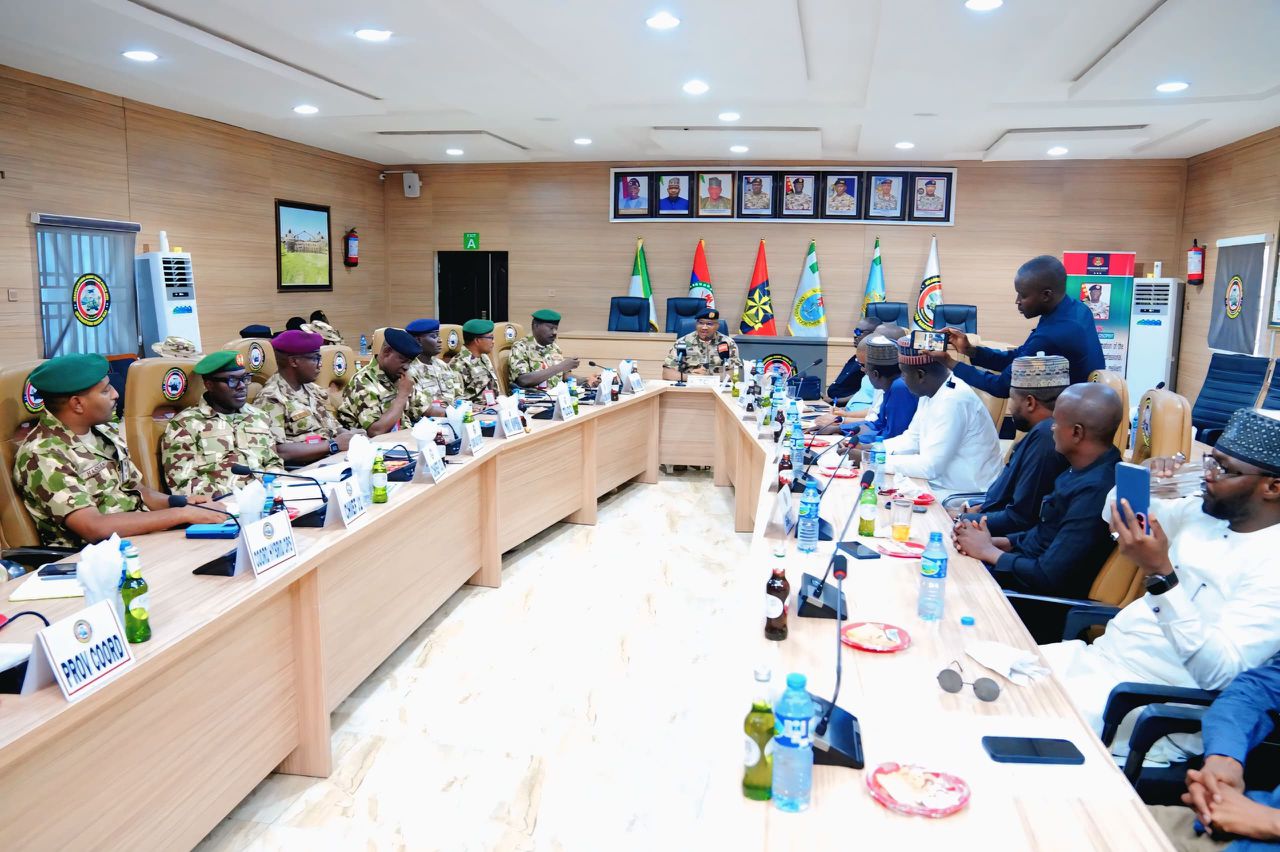
The Joint Investigation Center located at Giwa Barracks, Maiduguri, says it has concluded investigations in about 1,450 terrorism-related cases, while over 500 suspects have recently been transferred for prosecution, many of whom were subsequently convicted.
The Commander of the facility, Brig.-Gen. Yusuf Audu, disclosed this on Wednesday in a detailed briefing delivered by Capt. Obinwale, where he outlined the structure, operations and reforms of the multi-agency detention and investigation centre supporting counter-terrorism efforts in the North-East.
Audu said the facility, established as a unified interrogation and screening hub for suspects arrested during counter-insurgency operations, remains central to Nigeria’s fight against Boko Haram and ISWAP insurgents.
He explained that all suspects processed through the centre undergo structured investigations, legal review, and eventual classification into prosecution, rehabilitation, or reintegration pathways, depending on findings.
“After investigation, a complex casework group reviews all reports and provides legal advice. Based on the outcome, detainees are categorised into three groups: prosecution, rehabilitation, and reintegration,” he said.
He disclosed that “recently, the centre moved over 500 suspects for trial, most of whom were convicted,” adding that the development reflects improved coordination among security and justice institutions handling terrorism cases.
Audu said the centre operates as a multi-agency platform comprising personnel from the Nigerian Army, Defence Intelligence Agency, Nigeria Police Force, Department of State Services, Nigerian Correctional Service, Nigeria Security and Civil Defence Corps, National Drug Law Enforcement Agency, and Nigeria Immigration Service, alongside legal experts from the Office of the Attorney-General of the Federation.
According to him, the arrangement ensures a holistic approach to terrorism investigations and strengthens the integrity of prosecution processes.
He noted that suspects are received with preliminary investigation reports from frontline units, formally documented, and assigned to investigators drawn from various security agencies.
The commander said detainees are kept in segregated facilities, with special provisions for women and children, while minors accompanied by mothers are provided with basic education and care within the centre.
He added that medical support is a key component of the facility’s operations, with isolation and treatment available for detainees suffering from illnesses such as tuberculosis, in collaboration with humanitarian partners.
Audu said the centre maintains structured feeding arrangements, with three meals daily provided to detainees, supported by improved water supply systems, including a 40,000-litre solar-powered borehole constructed with support from the International Committee of the Red Cross (ICRC).
He also disclosed that inmates are provided with clothing, toiletries, and hygiene materials upon admission, while periodic fumigation is carried out to maintain sanitation standards.
According to him, detainees also benefit from physical and psychological support programmes, including access to sports, indoor games, and supervised exercise periods aimed at improving mental and physical well-being.
Audu said the facility also operates a “restoration of family links” programme, through which detainees communicate with relatives with support from international humanitarian organisations, including the ICRC.
On legal processes, he explained that investigations are conducted under the Terrorism Prevention Act of 2011, as amended in 2013 and 2022, with judicial oversight through federal high court remand orders and adherence to human rights standards.
He noted that biometric data of all suspects is captured and stored in a national database to support intelligence gathering and future security operations.
The commander further highlighted collaboration with international partners, including the International Organization for Migration (IOM), United Nations Office on Drugs and Crime (UNODC), UNICEF, and other humanitarian agencies, which have supported infrastructure development, training, and detainee welfare programmes.
He said UNODC constructed an evidence storage facility, while IOM established a data management system to improve screening and classification of suspects.
Audu added that UNICEF has provided educational materials for juveniles, while the ICRC continues to support healthcare delivery and humanitarian interventions within the facility.
He said detainees are also engaged in skill acquisition programmes such as tailoring, farming, poultry, fish farming, cap making, and bakery operations, designed to equip them with vocational skills for reintegration.
According to him, the bakery project recently established within the centre was introduced to reduce operational costs and enhance vocational training opportunities.
“The idea is to keep detainees engaged productively while awaiting investigation outcomes,” he said.
He explained that officers posted to the centre are carefully selected based on professional backgrounds in psychology, criminology, sociology, and related fields to improve investigative efficiency.
Audu also noted that the facility has received commendations from local and international dignitaries, including former defence ministers, service chiefs, United Nations officials, and counter-terrorism experts who have visited the centre.
He said the centre’s operations align with global best practices, particularly the United Nations principle that “effective counter-terrorism measures and protection of human rights are mutually reinforcing.”
Despite the achievements, he acknowledged challenges, including difficulty in securing witnesses from affected communities due to insecurity and fear of reprisal, as well as delays in prosecution processes which often prolong detainees’ stay in custody.
Giwa detention facility completes 1,450 terrorism cases, moves 500 suspects for trial

Senegal President sacks Prime Minister Sonko, dissolves government amid growing tensions

Why the Diomaye–Sonko Split Became Almost Inevitable Amid Senegal’s Power Struggle

ADC Moves to Break APC Grip on Borno as Durkwa, Bulama Fugu Lead 2027 Political Battle

Roger Federer’s Shock as DNA Results Reveal Myla and Charlene Are Not His Biological Children

THE PLIGHT OF FARIDA

FAILED COUP IN BURKINA FASO: HOW TRAORÉ NARROWLY ESCAPED ASSASSINATION PLOT AMID FOREIGN INTERFERENCE CLAIMS
-
 News2 years ago
Roger Federer’s Shock as DNA Results Reveal Myla and Charlene Are Not His Biological Children
-
Opinions4 years ago
THE PLIGHT OF FARIDA
-
 News1 year ago
FAILED COUP IN BURKINA FASO: HOW TRAORÉ NARROWLY ESCAPED ASSASSINATION PLOT AMID FOREIGN INTERFERENCE CLAIMS
-

 News2 years ago
EYN: Rev. Billi, Distortion of History, and The Living Tamarind Tree
-
 Opinions4 years ago
POLICE CHARGE ROOMS, A MINTING PRESS
-

 ACADEMICS2 years ago
A History of Biu” (2015) and The Lingering Bura-Pabir Question (1)
-

 Columns2 years ago
Army University Biu: There is certain interest, but certainly not from Borno.
-

 Politics12 months ago
2027: Why Hon. Midala Balami Must Go, as Youths in Hawul and Asikira/Uba Federal Constituency Reject ₦500,000 as Sallah Gift
