
National News
Acute Food Insecurity May Hit Nigeria, 17 Other Countries

Acute Food Insecurity May Hit Nigeria, 17 Other Countries
By: Michael Mike
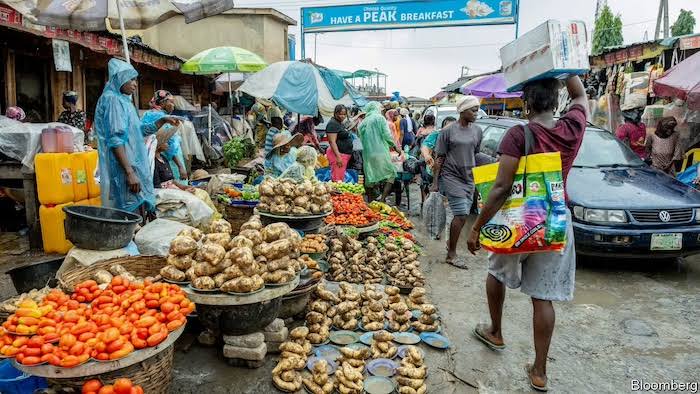
Acute food insecurity is set to increase in magnitude and severity in 18 hunger “Hotspots”, among them Nigeria, a new United Nations early warning report has revealed.
The report released on Thursday spotlighted the urgent need of assistance to prevent famine in Gaza and the Sudan, and further deterioration in the devastating hunger crises in Haiti, Mali, and South Sudan.
It also warned of the lingering impact of El Niño and the looming threat of La Niña that risks bringing further climate extremes that could upend lives and livelihoods.
The report found that many hotspots face growing hunger crises and highlights the worrying multiplier effect that simultaneous and overlapping shocks are having on acute food insecurity. conflict, climate extremes, and economic shocks continue to drive vulnerable households into food crises.
The report warned that 2023 is likely to mark the first year since 2010 in which humanitarian funding has declined compared to the previous year, but it still represents the second highest funding level ever for humanitarian assistance.
FAO Director-General, QU Dongyu said: “The daunting prospects highlighted in this report should serve as a wake-up call to all of us. We need to spearhead the shift from responding to crises after they occur to more proactive anticipatory approaches, prevention and resilience building to help vulnerable communities cope with upcoming shocks. Acting ahead of crises can save lives, reduce food shortages and protect livelihoods at a much lower cost than a not timely humanitarian response.”
On his part, the WFP Executive Director,
Cindy McCain: “Once a famine is declared, it is too late – many people will have already starved to death. In Somalia in 2011, half of the quarter of a million people who died of hunger perished before famine was officially declared. The world failed to heed the warnings at the time and the repercussions were catastrophic. We must learn the lesson and act now to stop these hotspots from igniting a firestorm of hunger,” adding that: “We have proven solutions to stop these crises in their tracks, but we need the resources and the political will to implement them at scale before more lives are lost.”
The report – ‘Hunger Hotspots – FAO-WFP early warnings on acute food insecurity’ – issued on Thursday by the Food and Agriculture Organisation of the United Nations (FAO) and the United Nations World Food Programme (WFP) called for urgent humanitarian action to save lives and livelihoods and prevent starvation and death in 18 hotspots – comprising a total of 17 countries and one regional cluster of four countries (drought-affected Malawi, Mozambique, Zambia and Zimbabwe) – where acute hunger is at a high risk of worsening from June to October 2024.
The report said the ongoing conflict in Palestine is expected to further aggravate already catastrophic levels of acute hunger, with starvation and death already taking place, alongside the unprecedented death toll, widespread destruction and displacement of nearly the total population of the Gaza Strip.
In mid-March 2024, famine was projected to occur by the end of May in the two northern governorates of the Gaza Strip, unless hostilities ended, full access was granted to humanitarian agencies, and essential services were restored. Over one million people – half the population of Gaza – are expected to face death and starvation (IPC Phase 5) by mid-July. The report also warned of broader regional ramifications of the crisis, which risk exacerbating the already high food security needs in Lebanon and the Syrian Arab Republic.
The report stated that conflict and displacement also continue at an alarming pace and magnitude in the Sudan, where time is running out to save lives and the lean season looms, with the outlook for food production is bleak, and there is a rapidly shrinking window to support farmers before the main planting season ends and the rains begin, limiting access to the hardest-hit communities.
Since the previous edition of the Hunger Hotspots report (October 2023), the Central African Republic, Lebanon, Mozambique,
Myanmar, Nigeria, Sierra Leone and
Zambia have joined Burkina Faso,
Ethiopia, Malawi, Somalia and Zimbabwe in the list of hunger hotspots, where acute food insecurity is likely to deteriorate further during the outlook period.
The report provides concrete country-specific recommendations on priorities for anticipatory action and immediate emergency response to address existing and emerging needs to save lives and ensure predictable hazards do not become full-blown humanitarian disasters.
The report stated that immediate humanitarian action delivered at scale will be critical to prevent further starvation and death – particularly in Mali, Palestine, South Sudan, the Sudan and Haiti. But the report warns that to effectively address and prevent famine, emergency agriculture – in addition to emergency food and cash assistance – must be provided in a balanced manner. Additionally, more investments are needed in integrated solutions across multiple organizations that can help to meaningfully tackle food insecurity and reduce reliance on emergency food assistance.
Acute Food Insecurity May Hit Nigeria, 17 Other Countries



NSCDC Raises Alarm Over Fake Promotion Notice, Warns Personnel Against Scammers
…Disowns WhatsApp message seeking officers’ names, service numbers and ranks
By: Michael Mike
The Nigeria Security and Civil Defence Corps (NSCDC) has alerted its personnel to a fraudulent notice circulating on WhatsApp, warning that scammers are attempting to harvest officers’ personal and service details under the guise of the 2026 senior promotion exercise.
The Corps, in an official disclaimer on Monday, disowned the notice, which directs personnel to submit their full names, service numbers and present ranks to a designated WhatsApp number, 08031306693.
It described the purported directive as fake, stressing that neither the NSCDC management nor its National Public Relations Office issued the instruction.
The warning comes amid concerns over the growing use of unofficial communication channels by fraudsters to exploit personnel seeking career advancement, particularly during promotion exercises.
In the disclaimer, signed by the National Public Relations Officer, Assistant Commandant of Corps Babawale Afolabi, the Corps urged officers and men to disregard the message and avoid disclosing sensitive service information to unverified individuals or platforms.
It cautioned that the fraudulent request could expose personnel to identity theft, impersonation and other forms of financial or administrative fraud.
The NSCDC clarified that all official matters relating to promotions fall within the jurisdiction of the Secretary to the Civil Defence, Correctional, Fire and Immigration Services Board (CDCFIB).
It added that legitimate promotion-related information is communicated through established administrative channels of the Ministry of Interior and the Corps, rather than through unsolicited WhatsApp messages or personal telephone numbers.
The Corps, therefore, advised personnel to verify all promotion-related information through their appropriate command structures and official administrative channels before acting on any purported directive.
The disclaimer urged officers and men to remain vigilant and ensure that the warning receives wide publicity to prevent unsuspecting personnel from falling victim to the scheme.
The development highlights the vulnerability of internal administrative processes to impersonation and fraud, particularly where career progression and promotion opportunities are involved.
For security personnel, the Corps stressed, the safest approach is to treat unsolicited requests for service records and personal information with suspicion and rely exclusively on officially authorised communication channels.
NSCDC Raises Alarm Over Fake Promotion Notice, Warns Personnel Against Scammers
ECOWAS Project Delivers Electricity to 500,000 People in Three West African Countries
…$225m World Bank-funded initiative connects 490 localities in The Gambia, Guinea-Bissau and Mali
…Mali seeks extension as ECOWAS holds final steering committee meeting in Abuja
By: Michael Mike
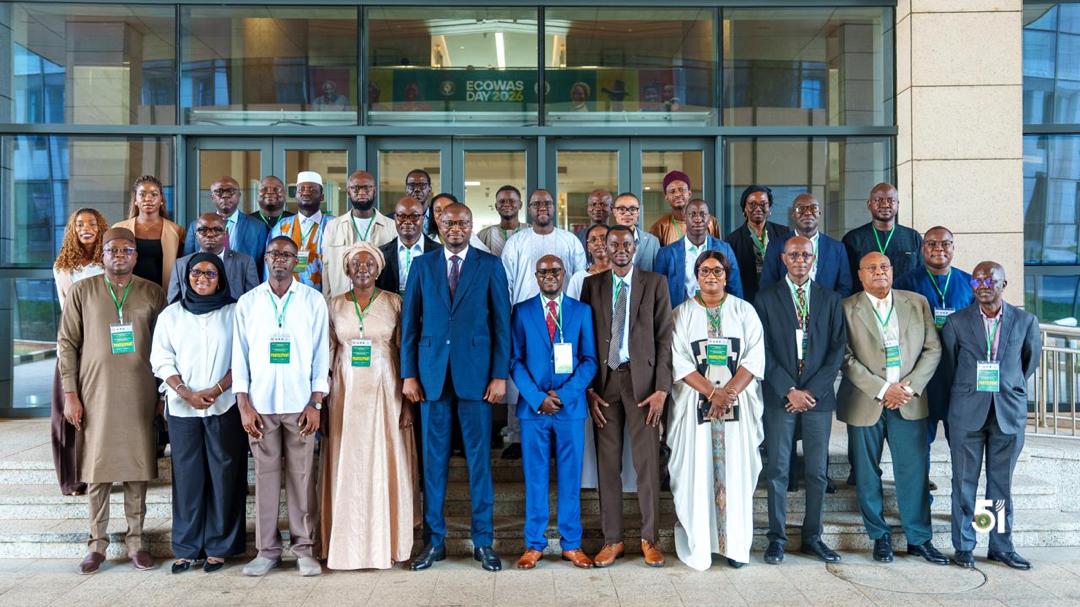
The Economic Community of West African States (ECOWAS) said its $225 million Regional Electricity Access Project has extended electricity access to nearly 500,000 people across 490 localities in The Gambia, Guinea-Bissau and Mali.
The achievement was disclosed at the 10th and final Steering Committee meeting of the ECOWAS Regional Electricity Access Project (ECOWAS-REAP), which opened in Abuja on Tuesday to review implementation progress and determine measures for ensuring the sustainability of the project.
The World Bank-financed initiative is designed to expand electricity access in underserved communities across the three countries, as part of efforts to deepen regional energy integration and improve living conditions in West Africa.
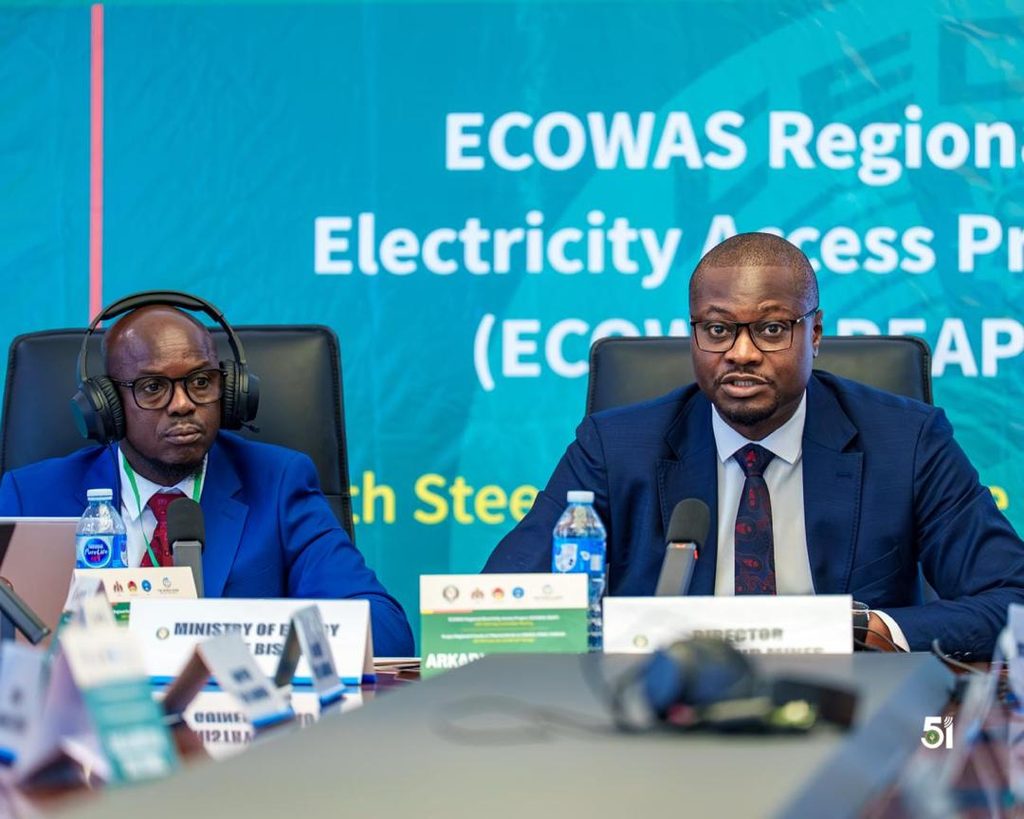
Speaking at the meeting, the Director of Energy and Mines at the ECOWAS Commission and Chairman of the Steering Committee, Arkadius Koumoin, acknowledged the significant progress recorded despite challenges that affected implementation, including the COVID-19 pandemic and institutional disruptions.
He, however, stressed the need for concrete decisions and actions to ensure responsible closure of the project, noting that its success should ultimately be measured by the number of households effectively connected to electricity.
Koumoin’s position highlights the importance of translating infrastructure investments into actual electricity access for communities, rather than measuring performance solely by completed project activities.
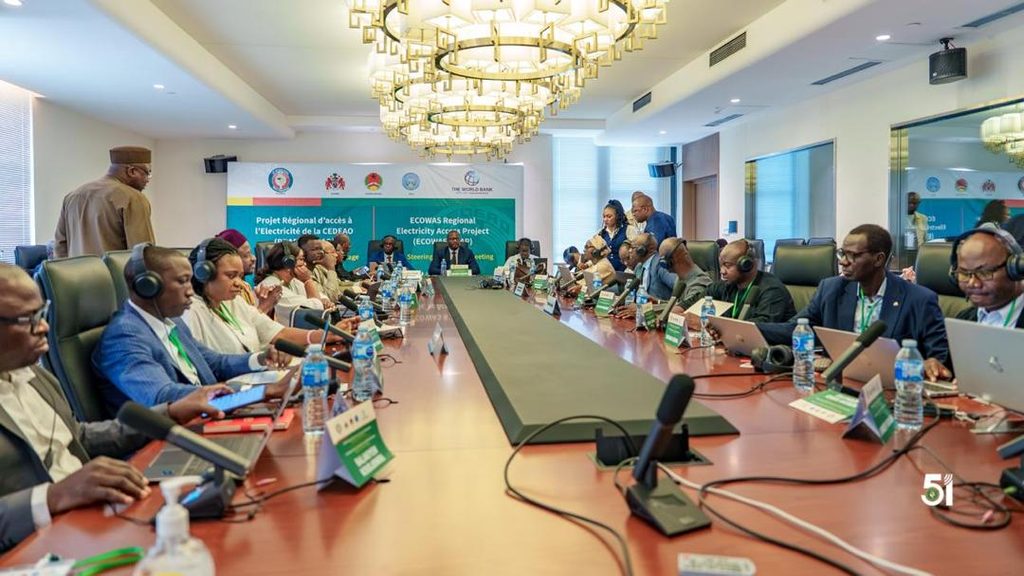
The Managing Director of the National Water and Electricity Company (NAWEC), The Gambia, Gallo Saidy; the representative of Guinea-Bissau’s Ministry responsible for Energy, Pedro Jeus de Oliviera; and Mali’s National Director of Energy, Oussouby Mary dit Ousmane Diarra, reaffirmed their commitment to completing outstanding project activities.
However, Mali called for an extension to enable it to complete its outstanding work, underscoring the need to address implementation gaps before the project’s final closure.
The meeting is expected to provide an opportunity for participating countries and the ECOWAS Commission to agree on the outstanding actions required to consolidate the gains of the initiative and ensure that beneficiaries continue to enjoy reliable electricity access.
Through ECOWAS-REAP, the regional bloc is advancing its energy integration agenda and the objectives of ECOWAS Vision 2050, with the broader ambition of translating regional investments into tangible improvements in the lives of West African citizens.
ECOWAS Project Delivers Electricity to 500,000 People in Three West African Countries
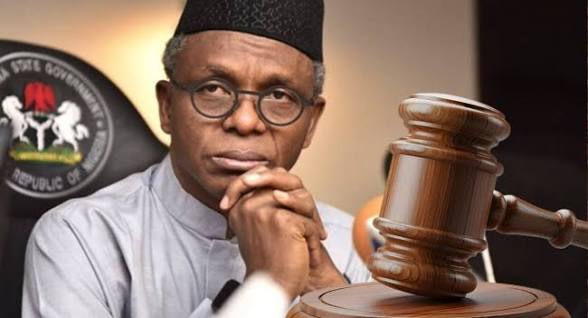
Court Dismisses El-Rufai’s N120m Rights Violation Suit Over Alleged Wiretapping
By: Zagazola Makama
A High Court of the Federal Capital Territory (FCT) on Monday dismissed a N120 million fundamental rights enforcement suit filed by former Kaduna State Governor, Mallam Nasir El-Rufai, against the Department of State Services (DSS), the Economic and Financial Crimes Commission (EFCC), the Independent Corrupt Practices and Other Related Offences Commission (ICPC) and the Attorney General of the Federation (AGF).
The court dismissed the suit for lacking merit and awarded N200,000 each in favour of the DSS, EFCC and ICPC.
Delivering judgment, Justice Sylvanus Orji held that the invitation letters issued to El-Rufai by the EFCC and ICPC complied with constitutional requirements and did not violate his fundamental rights.
On El-Rufai’s challenge to an attempted arrest by the DSS at the Nnamdi Azikiwe International Airport, Abuja, the judge held that the service possessed powers to carry out its statutory responsibilities pursuant to the relevant legal instruments governing its operations, including the National Security Agencies Act.
The court further held that the DSS had the mandate to maintain watchlists and take appropriate action, including arresting persons of interest within the scope of its lawful powers.
Justice Orji stressed that El-Rufai could not use the court to prevent security and law enforcement agencies from performing their legally assigned duties.
On the seizure of the former governor’s international passport by the DSS, the court held that it was satisfied that the action was lawful and within the agency’s powers.
The judge also ruled that the applicant had failed to establish that the seizure was continuous, permanent and unlawful in a manner that amounted to a violation of his fundamental rights.
The suit sought N120 million in damages over alleged violations of El-Rufai’s rights in connection with the actions of the security and anti-corruption agencies.
The ruling represents a setback for the former governor in his legal challenge to the actions taken by the agencies.
Court Dismisses El-Rufai’s N120m Rights Violation Suit Over Alleged Wiretapping

Nigeria’s Philanthropy Sector Seeks Stronger Domestic Funding, Accountability

2027: Biu Elders Rally Behind Engr. Mustapha Gubio in Powerful Solidarity Visit

Faces Behind the Figures: Nigerians Lost in Russia’s War

Roger Federer’s Shock as DNA Results Reveal Myla and Charlene Are Not His Biological Children

THE PLIGHT OF FARIDA

FAILED COUP IN BURKINA FASO: HOW TRAORÉ NARROWLY ESCAPED ASSASSINATION PLOT AMID FOREIGN INTERFERENCE CLAIMS
-
 News3 years ago
Roger Federer’s Shock as DNA Results Reveal Myla and Charlene Are Not His Biological Children
-
Opinions5 years ago
THE PLIGHT OF FARIDA
-
 News2 years ago
FAILED COUP IN BURKINA FASO: HOW TRAORÉ NARROWLY ESCAPED ASSASSINATION PLOT AMID FOREIGN INTERFERENCE CLAIMS
-
 Opinions5 years ago
POLICE CHARGE ROOMS, A MINTING PRESS
-

 News3 years ago
EYN: Rev. Billi, Distortion of History, and The Living Tamarind Tree
-

 ACADEMICS3 years ago
A History of Biu” (2015) and The Lingering Bura-Pabir Question (1)
-

 Columns3 years ago
Army University Biu: There is certain interest, but certainly not from Borno.
-

 Politics1 year ago
2027: Why Hon. Midala Balami Must Go, as Youths in Hawul and Asikira/Uba Federal Constituency Reject ₦500,000 as Sallah Gift
