
News
Ahead Of UN COP 30 In Brazil, FG Okays National Carbon Market Framework

Ahead Of UN COP 30 In Brazil, FG Okays National Carbon Market Framework
*Nigeria to access $3bn annually as President sets agenda for country’s participation
By: Our Reporter
Ahead of the 30th session of the United Nations Climate Change Conference in Brazil, President Bola Ahmed Tinubu has approved the adoption of a National Carbon Market Framework, the operationalization of the Climate Change Fund.
The goal is to establish and manage Nigeria’s participation in carbon markets, enabling the nation to unlock between $2.5 billion and $3 billion annually in carbon finance over the next decade to help meet climate goals.
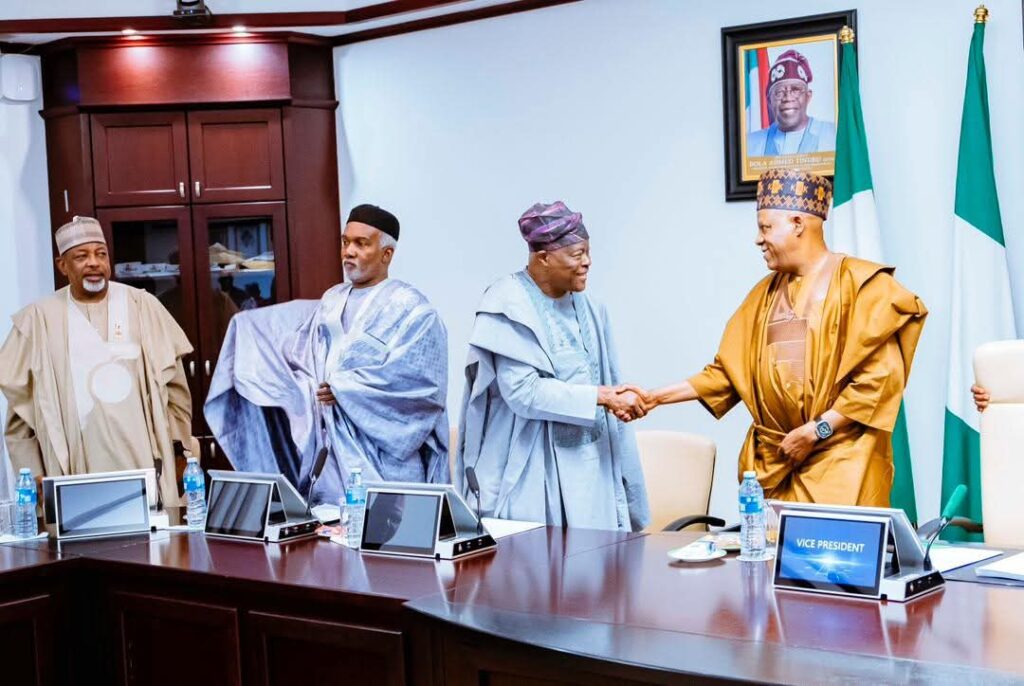
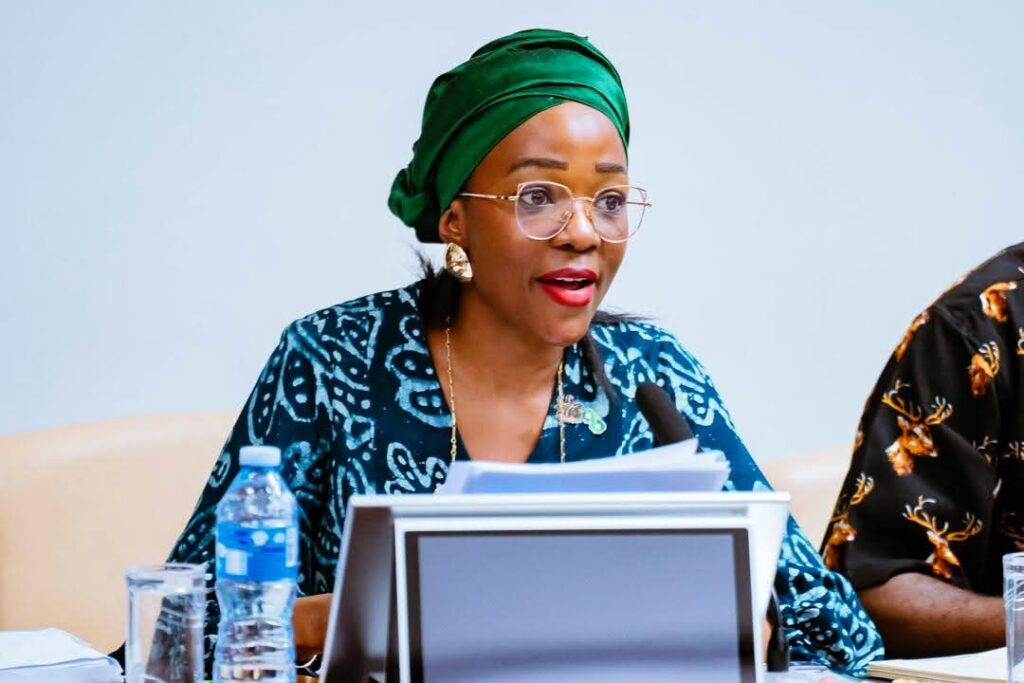
The approvals followed a presentation by the Director General of NCCC, Mrs Omotenioye Majekodunmi, at the second meeting of the Council held on Thursday evening at the Presidential Villa, Abuja.
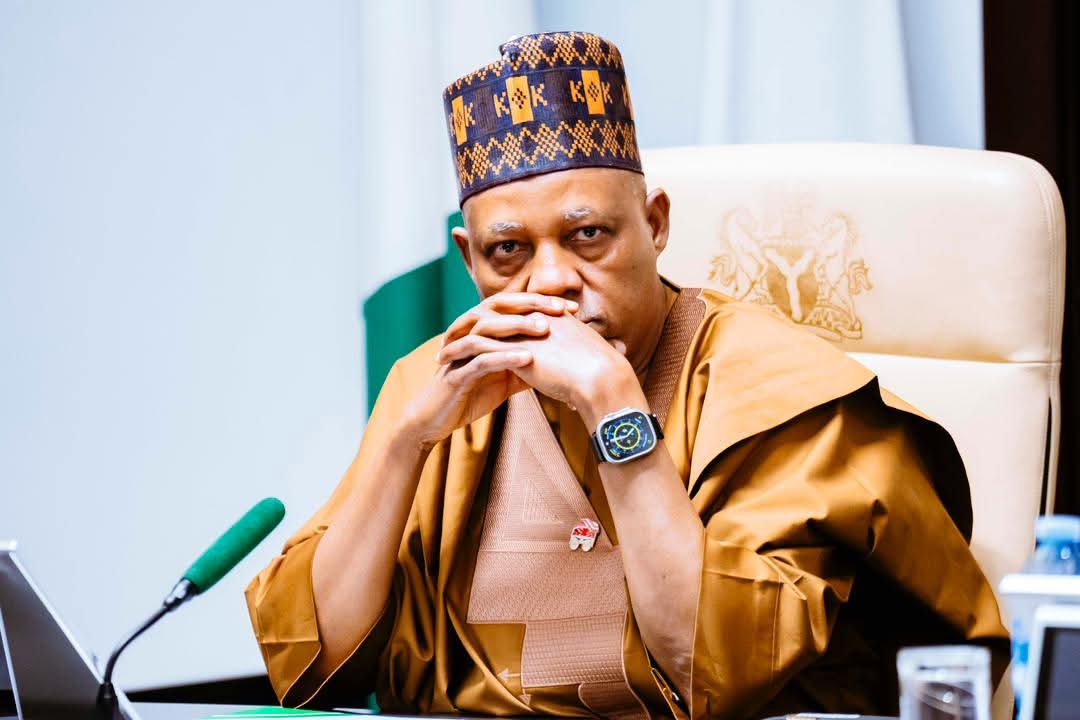
President Tinubu, who was represented by Vice President Kashim Shettima, said the approvals were part of measures by his administration to properly position Nigeria to leverage opportunities in the global carbon market and be more active in climate change ecosystem.
The Nigerian leader also set the agenda for Nigeria ahead of the forthcoming 30th United Nations Climate Change Conference (COP 30) scheduled for Belem, Brazil, saying the focus is to harness all of the opportunities for financing climate resilient projects and related interventions, particularly from the global carbon market.
The President said his administration recognizes the fact that addressing climate change is not just an environment imperative but an opportunity to unlock new investments, jobs and innovations across the nation’s energy, agriculture and industrial sectors.
He said, “Nigeria stands ready to takes its rightful place as a global leader in climate action, ensuring that our voice and our reality are heard and respected in international negotiations.
“We have demonstrated this commitment through our active participation in the UNFCCC process, our progress towards implementing our nationally determined contributions and our efforts to mobilize climate finance for adaption and mitigation across all levels of government.”
The President assured that as chairman of the Council, Climate action will continue to be prioritized in his administration’s development agenda.
“We will continue to champion policies that protect our people, strengthen our economy and position Nigeria as a destination for green investment and innovation”.
Earlier, the Director-General of the National Council on Climate Change and Secretary to the Council, Mrs. Omotenioye Majekodunmi, informed the council chaired by Vice President Shettima, who represented President Bola Tinubu, that the meeting was timely ahead of the 2025 United Nations Climate Change Conference (COP 30) scheduled to hold in Brazil.
She said the deliberations and decisions of the council would shape how Nigeria is perceived globally and determine how effectively the country can mobilize support to achieve its climate goals.
The Council Secretariat expressed its commitment to providing the technical leadership and coordination needed to translate Nigeria’s climate goals into measurable results.
Presenting the Council’s progress report, Majekodunmi disclosed that Nigeria is now eligible to access new rounds of climate finance from multilateral funds.
Highlighting the Secretariat’s key requests, she said the Council sought the adoption of the National Carbon Market Framework to enable Nigeria unlock between $2.5 billion and $3 billion annually in carbon finance over the next decade.
The Council also requested the operationalization of the Climate Change Fund to ensure immediate readiness for fund mobilization and utilization.
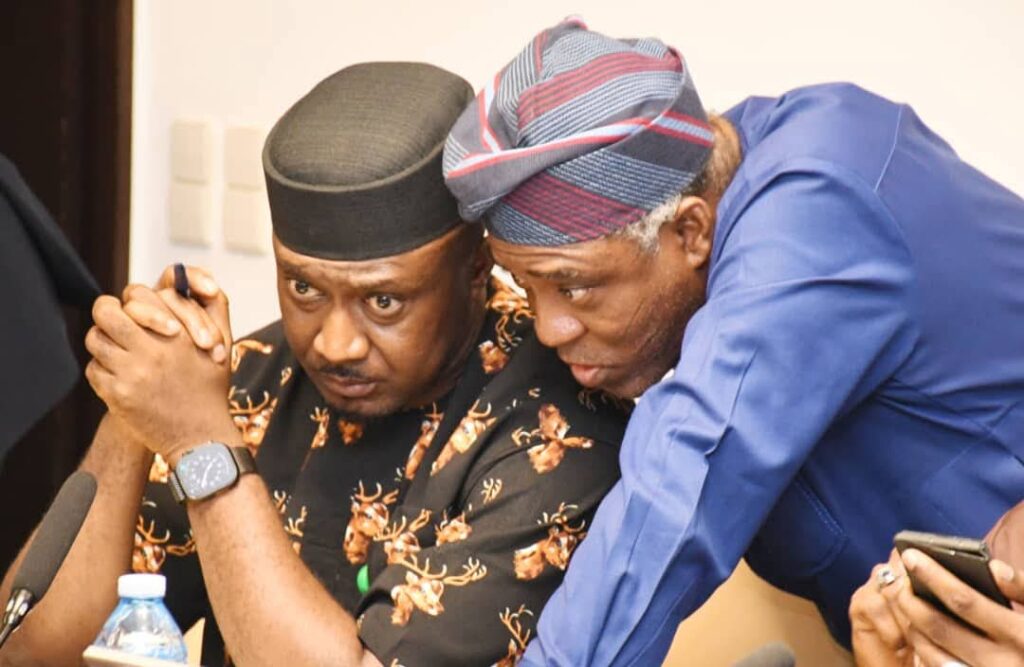
The Minister of Finance and Coordinating Minister of the Economy, Wale Edun, backed the Council Secretariat’s recommendations, noting that Nigeria must secure a strong position within the carbon framework.
He assured the Council of the Finance ministry’s support, including coordination with the ministry’s economic department to host a quarterly Climate Finance Tracking Dashboard.
Ahead Of UN COP 30 In Brazil, FG Okays National Carbon Market Framework


Nigerian Children in Crisis ‘Fiscally Invisible’ as New Report Exposes Funding Failure
…Study warns millions of children caught in conflict, displacement and hunger are being overlooked in government budgets; journalists launch accountability network to push for reforms
By: Michael Mike
Nigeria’s youngest and most vulnerable children are being failed by a financing system that does not even recognise them in public budgets, a new report has warned, raising fresh concerns over the country’s worsening humanitarian and human capital crisis.
The report, Financing Early Childhood Development in Crisis (ECDiC) in Nigeria: From Fiscal Invisibility to Child-Level Results, released in Abuja on Wednesday by the Moving Minds Alliance (MMA) in partnership with Whole Child Advisors, paints a grim picture of how children aged between zero and eight years living in conflict, displacement, climate emergencies and poverty are largely excluded from government financing despite overwhelming evidence that the early years determine a child’s lifelong prospects.
According to the report, Nigeria’s Human Capital Index stands at just 0.36, meaning a child born today is expected to achieve only 36 per cent of his or her productive potential because of poor health, inadequate nutrition and weak learning outcomes.
The findings come at a time when Nigeria continues to grapple with one of Africa’s largest humanitarian emergencies. Insurgency in the North-East, widespread banditry and communal violence across the North-West and North-Central, alongside climate-induced disasters and economic hardship, have displaced millions of people and disrupted access to healthcare, nutrition and education for children.
The report estimates that 4.9 million children require life-saving humanitarian assistance, while 3.6 million people were forcibly displaced in 2025. It also notes that about 31 million Nigerian children are under the age of five, with between 33.8 and 40 per cent suffering from stunting, an indication of chronic malnutrition that permanently affects brain development and future productivity.
It further revealed that severe acute malnutrition cases surged to about 1.8 million children in 2025, representing a 69 per cent increase over previous estimates, while Nigeria’s under-five mortality remains among the highest globally at 105 deaths per 1,000 live births.
Despite these alarming indicators, the report found that Early Childhood Development in Crisis (ECDiC) has no dedicated budget line in either federal or state budgets, effectively rendering vulnerable children “fiscally invisible.”
The analysis identified five major weaknesses responsible for the financing gap: the absence of dedicated budget lines, poor implementation of approved budgets, fragmented funding channels, recurrent expenditure that crowds out essential child services, and an uneven distribution of humanitarian resources heavily concentrated in Borno, Adamawa and Yobe, leaving crisis-hit communities in the North-West and North-Central with inadequate support.
The report noted that less than five per cent of education spending benefits early childhood or emergency learning programmes.
It concluded that the existing financing framework prioritises institutions rather than children’s actual needs.
“The system is built to fund structures, not children,” the report stated, warning that Nigeria cannot realise its human capital ambitions without creating a financing architecture capable of delivering predictable resources directly to frontline services supporting young children in emergencies.
To reverse the trend, the report recommended seven urgent reforms, including establishing a federal policy framework for Early Childhood Development in Crisis, introducing dedicated budget tags across federal and state budgets, protecting releases of funds, simplifying financing channels, expanding results-based financing tied to measurable child outcomes, redistributing resources according to vulnerability rather than geography, and creating a blended investment mechanism involving government, humanitarian agencies and philanthropic organisations.
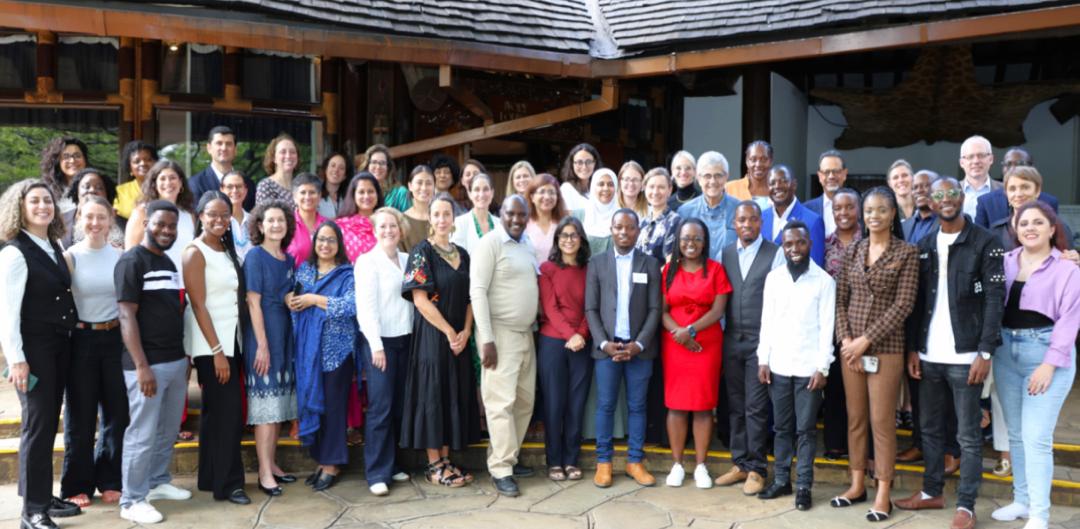
Speaking at the launch, the Nigeria Early Childhood Development in Crisis Coalition Coordinator, Arome Agenyi, stressed that the future of millions of Nigerian children depends on decisions taken today.
He said: “Behind every successful adult is an early childhood story. The question is not whether children are developing; they are. The question is whether they are developing to their full potential. In this regard, the stories journalists choose to tell today can shape the policies, investments, and public actions that determine the future of millions of Nigerian children, especially those in crisis contexts across Nigeria.”
As part of efforts to sustain public attention on the issue, the Moving Minds Alliance also inaugurated the Nigerian chapter of the Reporters for Early Childhood in Humanitarian Crisis (REACH) Network, bringing together journalists committed to evidence-based reporting on children affected by humanitarian emergencies.
Global Co-Chair of the REACH Network, Mojeed Alabi, said children who are invisible in government budgets often become invisible in politics and public discourse.
“When children living through conflict, displacement, climate shocks and economic hardship become fiscally invisible, they also risk becoming politically invisible,” Alabi said.
“The launch of the REACH Network in Nigeria is a commitment by journalists to change that narrative. Through sustained, evidence-based reporting, we will amplify the voices of the youngest and most vulnerable children, hold leaders accountable for their commitments, and ensure that early childhood development remains at the heart of public policy and national development.”
Also speaking, Interim Director and Co-Chair of the Moving Minds Alliance, Dr. Katie Murphy, described the report as the clearest roadmap yet for reforming child financing in Nigeria.
“This new report gives us something we haven’t had before: a clear picture of where Nigeria’s investment in its youngest children in crisis is falling short, and exactly what it will take to close that gap,” she said.
Murphy added that the planned Act for Early Years Financing Summit in 2027 would seek commitments from governments, donors and development partners to move from fragmented financing to a system that delivers resources directly to children.
The coalition hopes that by 2028, both federal and state governments will have introduced dedicated ECDiC budget tags, released at least 70 per cent of allocated funds annually, and achieved measurable improvements in child development outcomes across local government areas.
For child development advocates, the report is more than a financial audit; it is a warning that unless Nigeria changes how it invests in children during their earliest years, particularly those growing up amid conflict and displacement, the country risks entrenching poverty, inequality and lost human potential for generations.
Nigerian Children in Crisis ‘Fiscally Invisible’ as New Report Exposes Funding Failure
Military
Establishment of Army Depot in South-East Reflects FG’s Commitment to National Unity, Security and inclusiveness– COAS
Establishment of Army Depot in South-East Reflects FG’s Commitment to National Unity, Security and inclusiveness– COAS
By Zagazola Makama
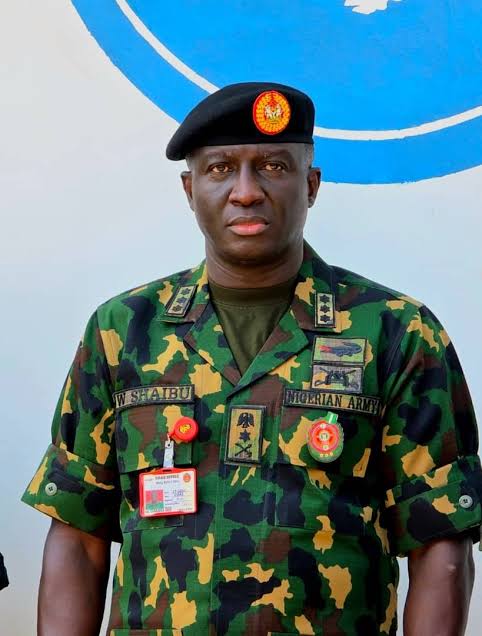
The Chief of Army Staff (COAS), Lt.-Gen. Waidi Shaibu, has said that the establishment of the Depot Nigerian Army in Amasiri-Edda, in Ebonyi State is a clear demonstration of the Federal Government’s commitment to national security, inclusiveness, national integration and balanced development across the country.
Shaibu made the remarks while addressing dignitaries during activities marking the inauguration of the newly established military training institution in Abakaliki, Ebonyi State.
According to the Army Chief, the depot, which is the first primary recruit training institution of the Nigerian Army in the South-East geopolitical zone, represents a strategic investment by President Bola Ahmed Tinubu’s administration in strengthening national security and promoting equitable distribution of critical national institutions.
“The establishment of this depot reflects the Federal Government’s commitment to national security, inclusiveness, national integration and balanced development,” Shaibu said.
He described the inauguration of the facility as a landmark achievement in the ongoing transformation of the Nigerian Army under President Tinubu, noting that it would significantly enhance the Army’s capacity to train professionally competent and combat-ready soldiers.
The COAS disclosed that the first set of recruits trained at the new depot would graduate the following day, describing the event as a historic milestone not only for the institution but also for the evolution of recruit training within the Nigerian Army.
“Their graduation will not only mark the successful completion of basic military training but will also usher in a new chapter in the evolution of recruit training in the Nigerian Army,” he said.
Shaibu explained that since its establishment, the depot had steadily developed into a modern recruit training institution designed to produce disciplined, professional and capable soldiers in line with the Nigerian Army’s transformation agenda and long-term strategic vision.
He said the facility forms part of the Federal Government’s broader efforts to modernise the Armed Forces and expand military capacity to address Nigeria’s dynamic security environment.
The Army Chief expressed profound appreciation to President Tinubu for approving the establishment of the institution and providing the necessary resources for its successful implementation.
He noted that the new depot would not only improve military training capacity but also strengthen the strategic importance of the South-East within Nigeria’s security architecture.
According to him, locating the institution in Ebonyi State underscores the government’s determination to ensure that all parts of the country benefit from national development initiatives while fostering greater national cohesion.
Shaibu also commended Ebonyi State Governor Francis Nwifuru for his unwavering support towards the establishment and successful take-off of the depot.
He said the state government provided accommodation, logistics and other essential support that contributed significantly to the successful training of the pioneer batch of recruits.
“From facilitating the historic groundbreaking ceremony to providing sustained support for this institution, the governor has demonstrated remarkable patriotism and an enduring commitment to national security,” he said.
The COAS further described the Government and people of Ebonyi State, as well as the entire South-East, as indispensable partners in the establishment and growth of the institution.
He also acknowledged the contributions of traditional rulers, political leaders, religious leaders, community leaders and residents of the state for creating a peaceful and conducive environment for the depot to thrive.
Shaibu reaffirmed the Nigerian Army’s commitment to deepening its partnership with host communities and stakeholders, stressing that sustained collaboration between the military and the people remains critical to enhancing national security and maintaining lasting peace.
According to him, the state’s sustained support demonstrates a strong commitment to national security, peace and development.
The Army Chief further commended traditional rulers, community leaders, members of the State Development Committee, political and religious leaders, and other stakeholders for fostering a peaceful environment that enabled the successful establishment of the Depot.
He reaffirmed that the Nigerian Army values its partnership with the state and pledged to continue strengthening collaboration in pursuit of improved security and national development.
The COAS also paid tribute to distinguished retired senior military officers from the region for their contributions to the growth and development of the Nigerian Army.
The establishment of the Depot Nigerian Army in Ebonyi is widely regarded as one of the landmark military infrastructure projects under the Tinubu administration, aimed at expanding recruit training capacity while promoting inclusiveness, national integration and balanced development across Nigeria’s six geopolitical zones.
Establishment of Army Depot in South-East Reflects FG’s Commitment to National Unity, Security and inclusiveness– COAS
Troops, CJTF Arrest Suspected ISWAP Informant Accused of Identifying Kidnap Targets in Borno
By Zagazola Makama
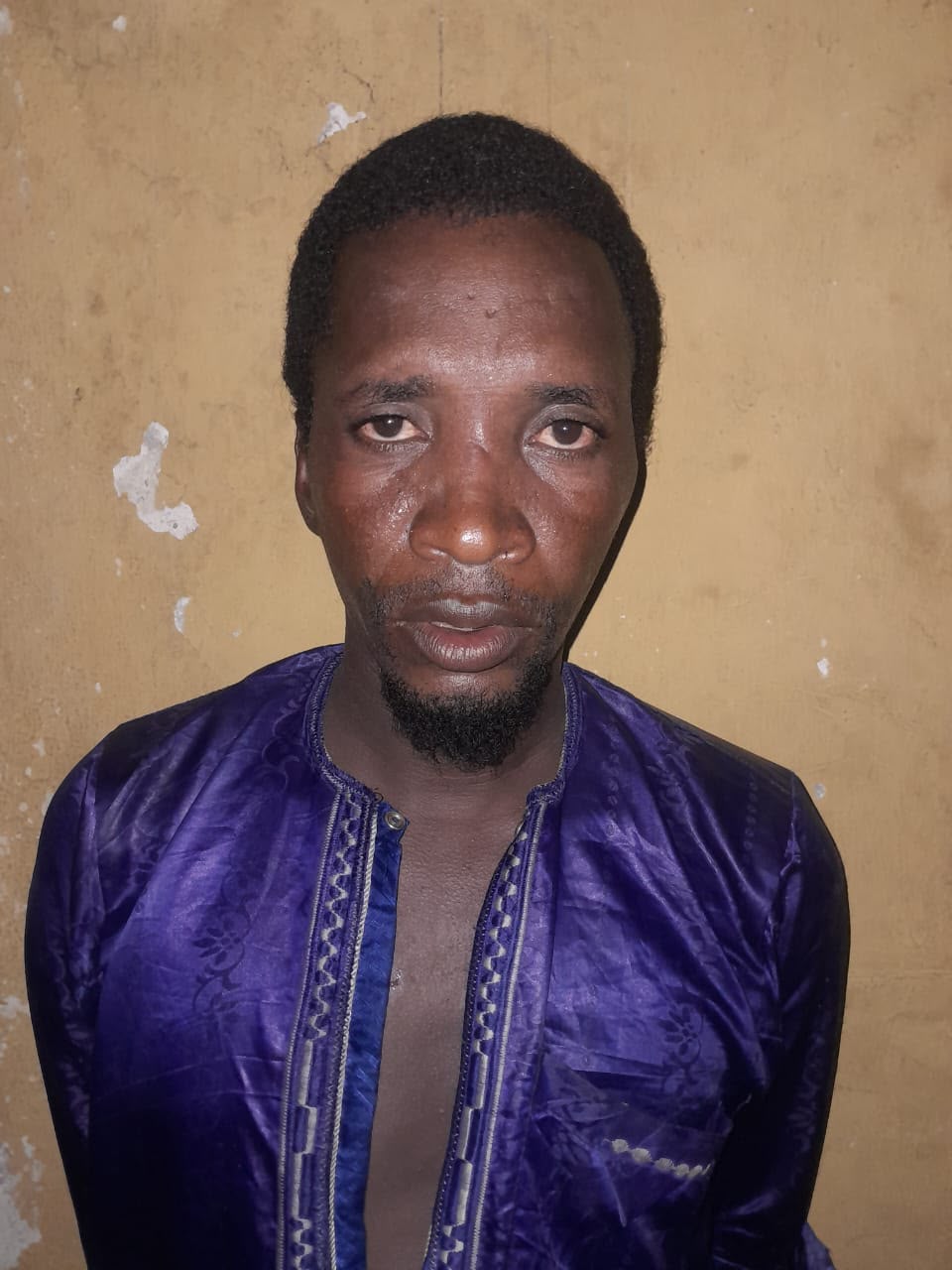
Operatives of the Military Intelligence Brigade (MIB) under Sector 3 of Operation HADIN KAI, working in collaboration with the Civilian Joint Task Force (CJTF), have arrested a suspected Islamic State West Africa Province (ISWAP) informant in Monguno Local Government Area of Borno State.
Intelligence sources told Zagazola Makama that the suspect, identified as Isa Janyu, 30, was tracked and apprehended at about 7:20 p.m. on July 4 during a targeted intelligence-led operation at Kasuwan Shanu in Monguno town.
According to the sources, items recovered from the suspect included a Tecno mobile phone, a knife, a comb, a mirror, and ₦10,000 in cash.
Preliminary investigation revealed that the suspect is a native of Arianna Mai Massallachi Village in Kukawa Local Government Area and allegedly specialised in identifying wealthy residents for ISWAP elements to facilitate kidnapping operations for ransom.
The suspect is currently in the custody of the Headquarters Sector 3 Military Intelligence Brigade for further investigation and other necessary actions.
Military sources said the arrest was part of ongoing intelligence-driven operations aimed at dismantling terrorist support networks and disrupting the activities of informants providing critical information to insurgent groups in the North-East.
They added that although the general security situation across the theatre remains relatively calm, it is still unpredictable, with troops maintaining a high level of operational readiness and sustained offensive pressure against terrorist elements.
Troops, CJTF Arrest Suspected ISWAP Informant Accused of Identifying Kidnap Targets in Borno

Troops foil attack on commuters, kill eight terrorists in Katsina

Nigerian Children in Crisis ‘Fiscally Invisible’ as New Report Exposes Funding Failure

Troops Arrest Suspected Boko Haram Logistics Supplier with Motorcycle Tyres in Yobe

Roger Federer’s Shock as DNA Results Reveal Myla and Charlene Are Not His Biological Children

THE PLIGHT OF FARIDA

FAILED COUP IN BURKINA FASO: HOW TRAORÉ NARROWLY ESCAPED ASSASSINATION PLOT AMID FOREIGN INTERFERENCE CLAIMS
-
 News2 years ago
Roger Federer’s Shock as DNA Results Reveal Myla and Charlene Are Not His Biological Children
-
Opinions4 years ago
THE PLIGHT OF FARIDA
-
 News1 year ago
FAILED COUP IN BURKINA FASO: HOW TRAORÉ NARROWLY ESCAPED ASSASSINATION PLOT AMID FOREIGN INTERFERENCE CLAIMS
-

 News2 years ago
EYN: Rev. Billi, Distortion of History, and The Living Tamarind Tree
-
 Opinions5 years ago
POLICE CHARGE ROOMS, A MINTING PRESS
-

 ACADEMICS2 years ago
A History of Biu” (2015) and The Lingering Bura-Pabir Question (1)
-

 Columns2 years ago
Army University Biu: There is certain interest, but certainly not from Borno.
-

 Politics1 year ago
2027: Why Hon. Midala Balami Must Go, as Youths in Hawul and Asikira/Uba Federal Constituency Reject ₦500,000 as Sallah Gift
