
News
Borno Central Senator, Lawan hails Tinubu for assenting to the bill establishing FUAE, Bama

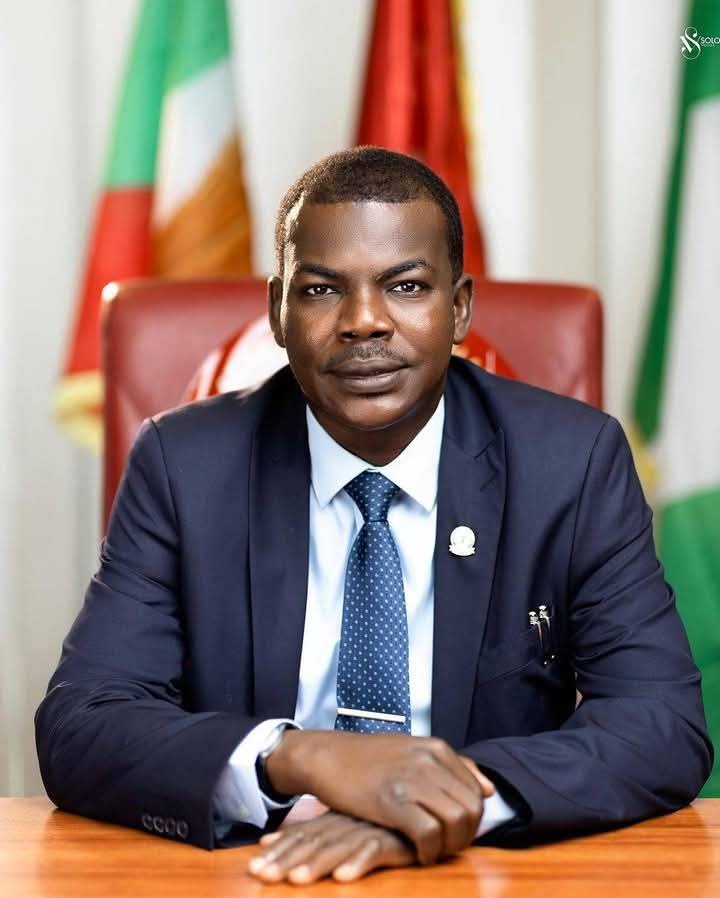
Borno Central Senator, Lawan hails Tinubu for assenting to the bill establishing FUAE, Bama
……Condoles with Borno Govt, families of those who died in latest bomb blast
By Ndahi Marama
The Senator representing Borno Central at the Upper Chambers of the National Assembly, Senator Kaka Shehu Lawan, SAN has commended president Bola Ahmed Tinubu for assenting to the bill establishing the Federal University of Agriculture and Entrepreneurship (FUAE) Bama , Borno State.
This is as the Borno Central Senator on a sad note commiserated with Governor Babagana Zulum, Service Commanders, the leadership of the Civilian Joint Task Force (CJTF) and the bereaved families of the gallant heroes that paid the supreme sacrifices as a result of bomb explosion along Marte- Dikwa road yesterday (Tuesday).
Lawan Spoke in a telephone conversation with Journalists soon after plenary on Wednesday, where the Senate President, Mr. Godswill Akpabio read out the assented bill.
The University which is first of its kind in the history of Nigeria and Africa when established, would provide the needed agricultural and entrepreneurial skills not only to Borno and Nigerian students, but to other neighbouring Republic of Cameroon, Niger and Chad.
As a specialised university focusing on agriculture and entrepreneurship, it will also address the country’s high unemployment rate and reliance on white-collar jobs by teaming youth.
The senator expressed gratitude to Vice- President, Kashim Shettima, Senate President, Mr. Godswill Akpabio and Speaker Tajudeen Abbas for their support.
He equally congratulated Governor Babagana Umara Zulum and commended him for the pivotal role he (Zulum) played in the process that led to the success story .
The Borno Central Senator further praised Governor Zulum for his doggedness and support towards ending the renewed Boko Haram attacks, especially for sparing his time by spending almost a week at the frontline in reclaiming Marte local government area that came under Boko Haram capture, and other communities in Kala-Balge, Ngala, Dikwa among other council areas.
The senator also thank his colleagues for their overwhelming support during the legislative processes that gave birth to the establishment of the university.
His words: I am very excited to see the establishment of FUAE Bama came to fruition today.
“Let me commend President Bola Ahmed Tinubu for assenting to the bill establishing this unique University.
“The University is first of its kind in the history of Nigeria, as it would provide the needed agricultural and entrepreneurial skills not only to Borno and Nigerian students, but to other neighbouring Republic of Cameroon, Niger and Chad.
” My sincere appreciation goes to the Vice- President, Kashim Shettima, Senate President, Mr. Godswill Akpabio and Speaker Tajudeen Abbas for their unflinching support.
“Let me also congratulate our Governor, His Excellency, Professor Babagana Umara Zulum and commend him for the pivotal role he played in the process that led to the success story .
“Likewise, my praises goes to His Excellency the Governor for his doggedness and support towards ending the renewed Boko Haram attacks, especially for sparing his time by spending almost a week at the frontline in reclaiming Marte local government area that came under Boko Haram capture, and other communities in Kala-Balge, Ngala, Dikwa among other council areas visited.
“This attendant risk taken by governor Zulum is a testament of true and selfless leadership. As the Chief Security Officer of the State, he had demonstrated a high sense of responsibility. More so, the timely visit to the President and Commander In -Chief of the Armed Forces on the security situation in Borno is highly commendable and will definitely yield the desired result”.
“All my colleagues at the National Assembly also deserve same commendation for their overwhelming support during the legislative processes that gave birth to the establishment of the university.
“As a specialized tertiary institution, I have no doubt in my mind that the university will be a game changer in the country.
” I wish to reiterate my loyalty and commitment to the APC- led Federal Government, the Government and good people of Borno State particularly my constituents of Borno Central Senatorial District.
“Let me assure you once again that i will continue to complement the good works of His Excellency, Professor Babagana Umara Zulum by bringing more federal government projects to the state”. Lawan stated.
In another development, the Senator expressed shock over the Bomb explosion that involved members of CJTF when their operational vehicle stumbled on IED planted by terrorists along Marte-Dikw road.
“On a sad note , i wish to commiserate with our Governor, Professor Zulum, Service Commanders, the leadership of the CJTF and the bereaved families of the gallant heroes that paid the supreme sacrifices as a result of IED Explosion yesterday.
“May their gentle souls rest in Aljanna Firdaus and may Allah give their families the fortitude to bear the loss.
Amin”. He prayed.
Borno Central Senator, Lawan hails Tinubu for assenting to the bill establishing FUAE, Bama


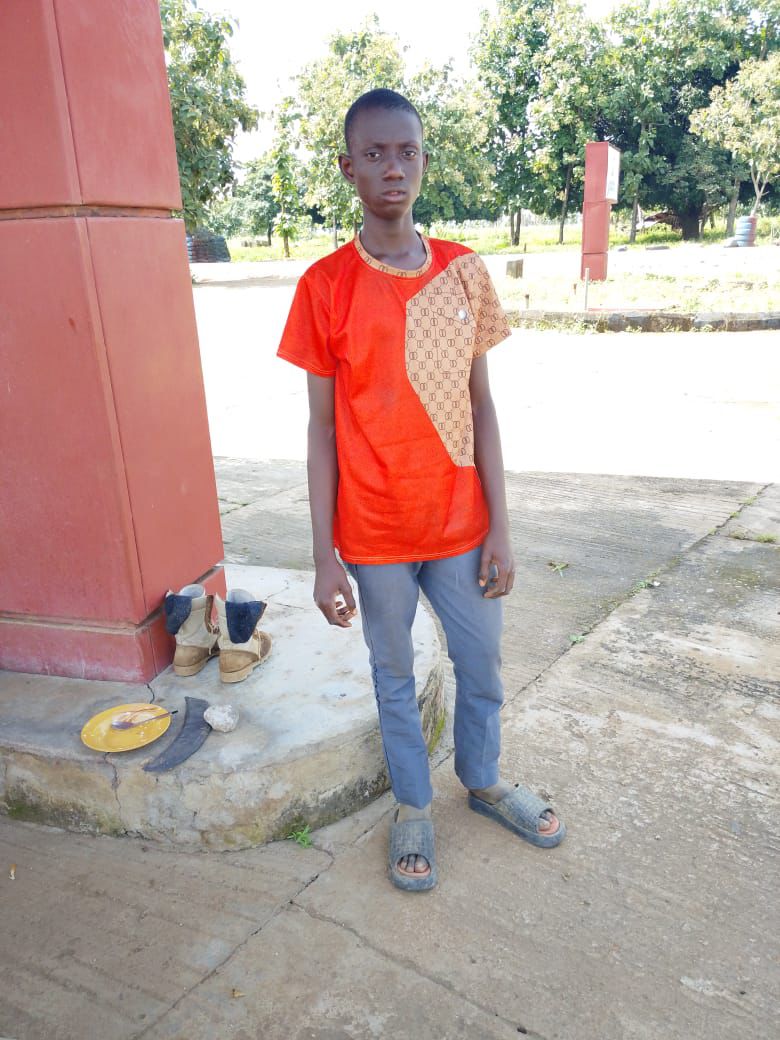
Farmers, herders fail to reach settlement over farm destruction in Plateau
By: Zagazola Makama
Efforts by troops of Operation ENDURING PEACE (OPEP) to broker a peaceful settlement between farmers and herders over an alleged farm destruction incident in Kwatas Village, Bokkos Local Government Area of Plateau State, have ended without an agreement.
The incident followed a report of farm destruction recorded on Aug. 31, 2026, in the community.
According to a military situation report, troops of Sector 5, OPEP, intervened at about 1:30 p.m. on Sept. 1 and initiated efforts to resolve the dispute amicably between the affected farmers and herders.
However, both parties were reportedly unable to reach a compromise on the terms for settling the matter.
Consequently, the case, alongside the confiscated cattle, was handed over to the Keystone Bokkos Division for further necessary action.
The intervention is part of ongoing efforts by Operation ENDURING PEACE to prevent disputes between farming and herding communities from escalating into violence and to promote peaceful resolution of local conflicts.
Security personnel continue to monitor the situation to maintain calm and prevent any possible reprisal or escalation in the affected communities.
Farmers, herders fail to reach settlement over farm destruction in Plateau
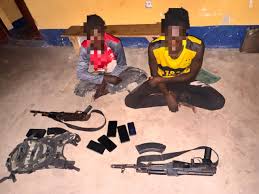
Two ISWAP terrorists surrender to troops in Monguno, Borno
By: Zagazola Makama
Two suspected members of the Islamic State West Africa Province (ISWAP) have surrendered to troops of the Nigerian Army in Monguno Local Government Area of Borno State.
The two men, identified as Jidda Modu, 20, and Kaka Kawu, 21, surrendered at about 8:20 p.m. on Sept. 1 to troops of Headquarters Sector 3 deployed at Charlie 4, Monguno town.
Sources told Zagazola Makama that the surrendered terrorists handed over two AK-47 rifles, eight rounds of 7.62mm special ammunition and two magazines.
Other items recovered from them included five mobile phones — Infinix, Tecno, Samsung, Redmi and a Tecno button phone — as well as one pair of earbuds, a power bank, a Zenith Bank ATM card, a memory card and a USB cable.
The troops also recovered two head warmers and one bag from the men.
Preliminary interrogation revealed that the two were among a group of about 10 ISWAP members who reportedly left a terrorist camp at Arinna Chiki with the intention of surrendering to the authorities.
The surrendered individuals and the recovered items have been taken into the custody of Headquarters Sector 3 for further action. Two ISWAP terrorists surrender to troops in Monguno, Borno
By: Zagazola Makama
Two suspected members of the Islamic State West Africa Province (ISWAP) have surrendered to troops of the Nigerian Army in Monguno Local Government Area of Borno State.
The two men, identified as Jidda Modu, 20, and Kaka Kawu, 21, surrendered at about 8:20 p.m. on Sept. 1 to troops of Headquarters Sector 3 deployed at Charlie 4, Monguno town.
Sources told Zagazola Makama that the surrendered terrorists handed over two AK-47 rifles, eight rounds of 7.62mm special ammunition and two magazines.
Other items recovered from them included five mobile phones — Infinix, Tecno, Samsung, Redmi and a Tecno button phone — as well as one pair of earbuds, a power bank, a Zenith Bank ATM card, a memory card and a USB cable.
The troops also recovered two head warmers and one bag from the men.
Preliminary interrogation revealed that the two were among a group of about 10 ISWAP members who reportedly left a terrorist camp at Arinna Chiki with the intention of surrendering to the authorities.
The surrendered individuals and the recovered items have been taken into the custody of Headquarters Sector 3 for further action.
Two ISWAP terrorists surrender to troops in Monguno, Borno
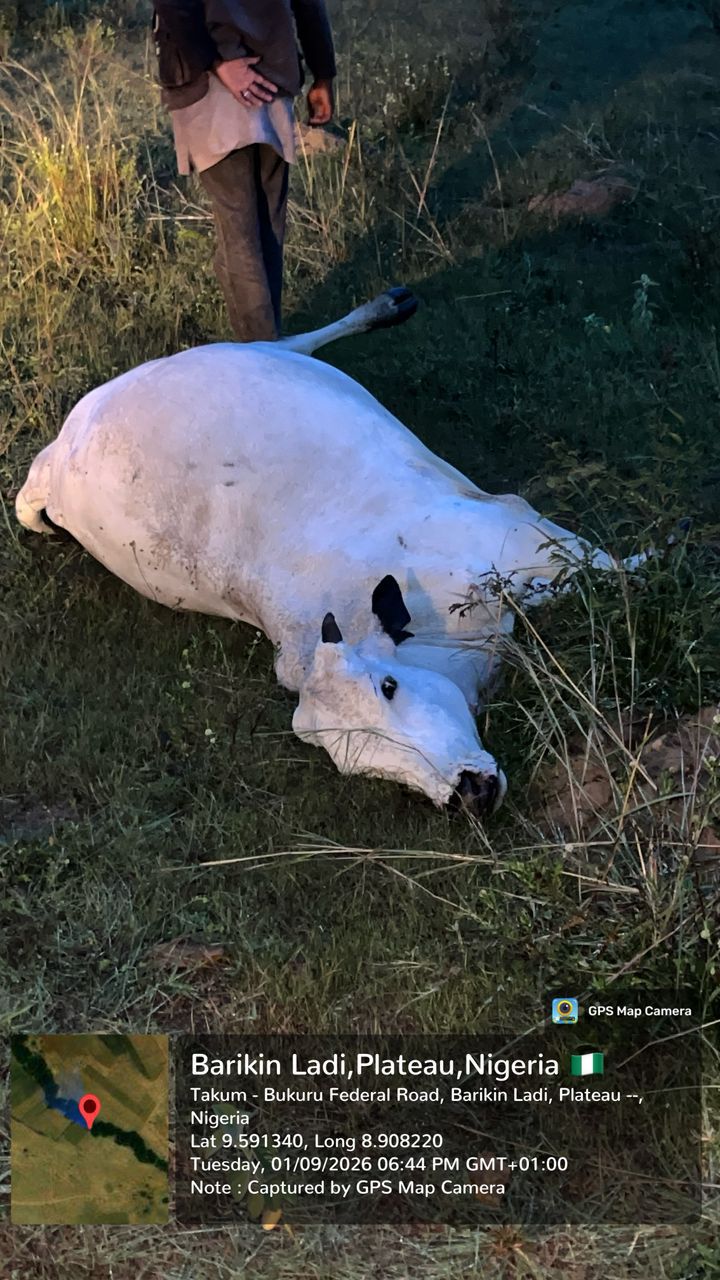
Berom Militia shoot five cows in Plateau, troops move to prevent reprisal attack
By: Zagazola Makama
Troops of Joint Task Force Operation ENDURING PEACE (OPEP) have intensified patrols around communities in Barkin Ladi Local Government Area of Plateau State following an attack on cattle by Berom Militia
The incident occurred at about 9:47 p.m. on Sept. 1 at Jong Village, Ropp District, where the troops responded to a report of an attack on cattle.
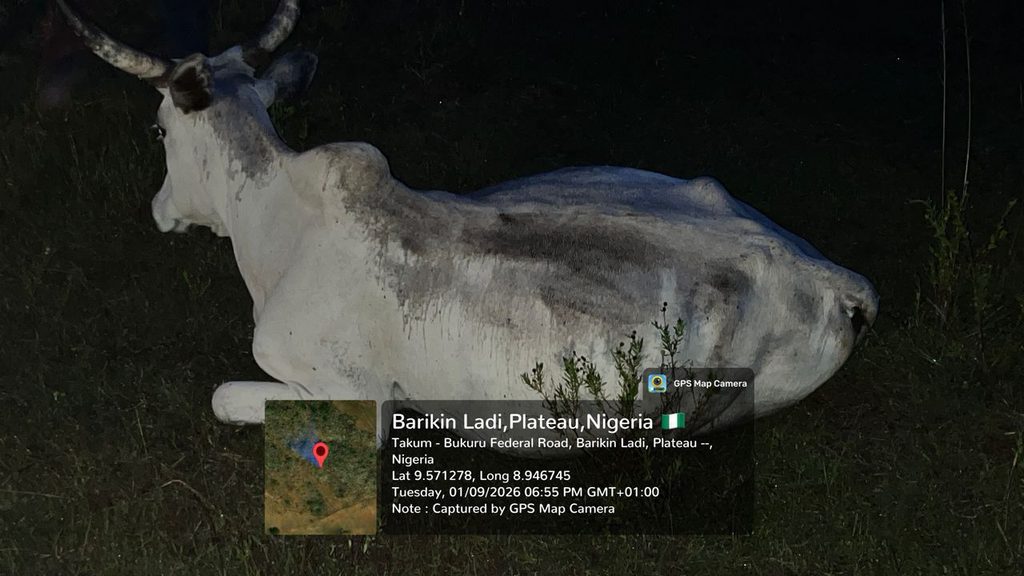
According to a 12-hourly situation report covering 6:00 p.m. on Sept. 1 to 6:00 a.m. on Sept. 2, troops arrived at the location and discovered that five cows had been shot by unidentified gunmen.
Three of the animals reportedly died at the scene.
Following the incident, troops deployed across the general areas of Jong, Nyerwai and Dorowa Babuje to prevent possible reprisals and maintain peace among communities in the area.

The deployment is aimed at containing tensions and averting any escalation that could result from the attack.
Meanwhile, routine patrols are ongoing across the Operation ENDURING PEACE Joint Operations Area to safeguard schools, communities and other critical national infrastructure.
Berom Militia shoot five cows in Plateau, troops move to prevent reprisal attack

Farmers, herders fail to reach settlement over farm destruction in Plateau

Two ISWAP terrorists surrender to troops in Monguno, Borno

Berom Militia shoot five cows in Plateau, troops move to prevent reprisal attack

Roger Federer’s Shock as DNA Results Reveal Myla and Charlene Are Not His Biological Children

THE PLIGHT OF FARIDA

FAILED COUP IN BURKINA FASO: HOW TRAORÉ NARROWLY ESCAPED ASSASSINATION PLOT AMID FOREIGN INTERFERENCE CLAIMS
-
 News2 years ago
Roger Federer’s Shock as DNA Results Reveal Myla and Charlene Are Not His Biological Children
-
Opinions5 years ago
THE PLIGHT OF FARIDA
-
 News1 year ago
FAILED COUP IN BURKINA FASO: HOW TRAORÉ NARROWLY ESCAPED ASSASSINATION PLOT AMID FOREIGN INTERFERENCE CLAIMS
-

 News2 years ago
EYN: Rev. Billi, Distortion of History, and The Living Tamarind Tree
-
 Opinions5 years ago
POLICE CHARGE ROOMS, A MINTING PRESS
-

 ACADEMICS3 years ago
A History of Biu” (2015) and The Lingering Bura-Pabir Question (1)
-

 Columns3 years ago
Army University Biu: There is certain interest, but certainly not from Borno.
-

 Politics1 year ago
2027: Why Hon. Midala Balami Must Go, as Youths in Hawul and Asikira/Uba Federal Constituency Reject ₦500,000 as Sallah Gift
