
Politics
The journey in two years: Tinubu and Shettima’s leadership fosters a narrative of progress that challenges opposition skepticism while positioning Nigeria favorably on the global map.

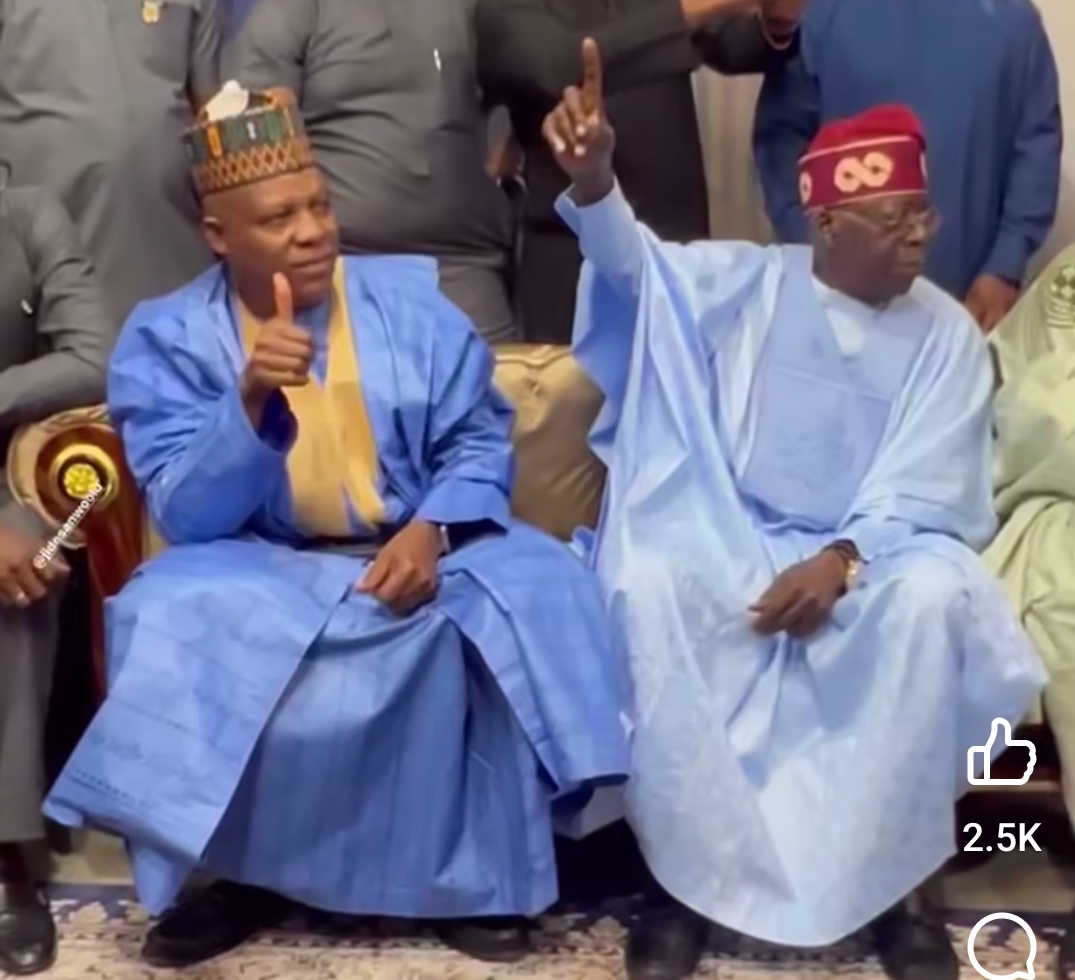
The journey in two years: Tinubu and Shettima’s leadership fosters a narrative of progress that challenges opposition skepticism while positioning Nigeria favorably on the global map.
By: Dr. James Bwala
The past two years of President Bola Ahmed Tinubu and Vice President Kashim Shettima have been characterized by a blend of commendations and criticisms, reflecting the complexities of governance in Nigeria. Their administration has navigated significant challenges, with both leaders striving to assert their roles amid public scrutiny and political opposition. While Tinubu’s leadership is often viewed through the lens of his extensive political experience, Shettima brings a background as a former governor and senator, contributing to the executive’s multifaceted roles in providing good governance to Nigerians.
Despite efforts to consolidate power and implement policy initiatives, their tenure has faced notable backlash. Opposition parties have criticized frequent foreign trips by both leaders as wasteful expenditures that may detract from domestic governance priorities during times of economic hardship. These critiques underscore the delicate balance between international diplomacy and internal accountability.
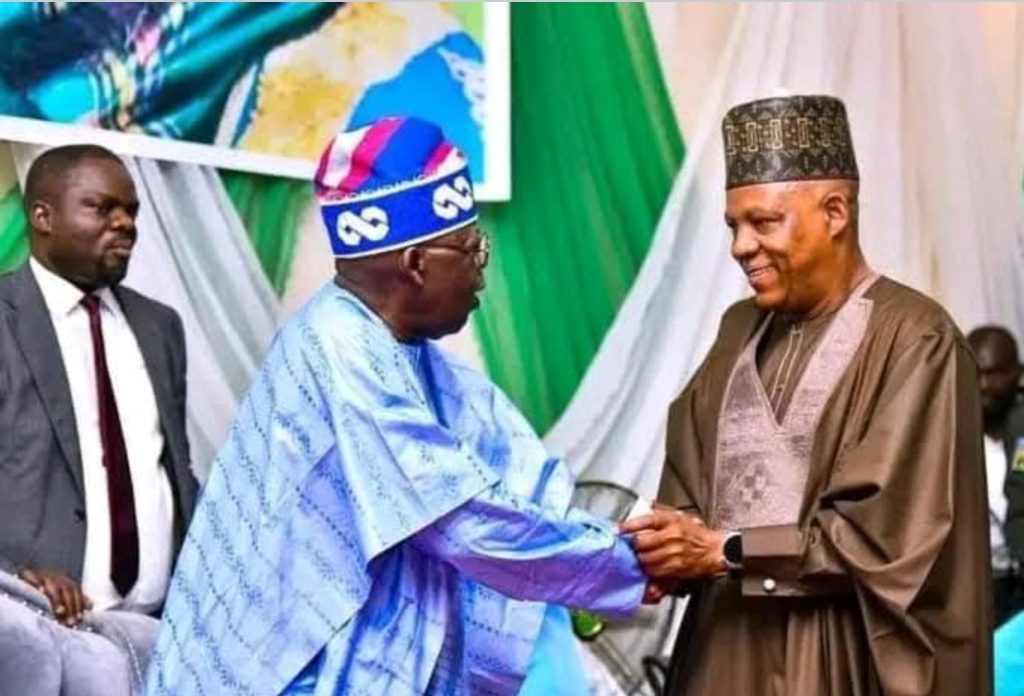
Tinubu and Shettima’s journey over two years reflects a complex dynamic where achievements coexist with public dissatisfaction. Their administration continues to grapple with managing perceptions while addressing Nigeria’s pressing socio-economic issues. The discourse around their governance reveals not only policy challenges but also broader questions about leadership efficacy in contemporary Nigerian politics.
The presidential ticket of Bola Ahmed Tinubu and Kashim Shettima, both Muslims, initially sparked widespread debate in Nigeria due to concerns over its religious composition. Critics feared that the Muslim-Muslim ticket might exacerbate religious tensions or marginalize Christian communities. However, this apprehension has largely been countered by evidence demonstrating that the duo’s political journey has been marked by inclusivity and balanced governance. Rather than emphasizing religion, their leadership underscores competence and national unity, echoing historical precedents where shared religious identity did not hinder political success.
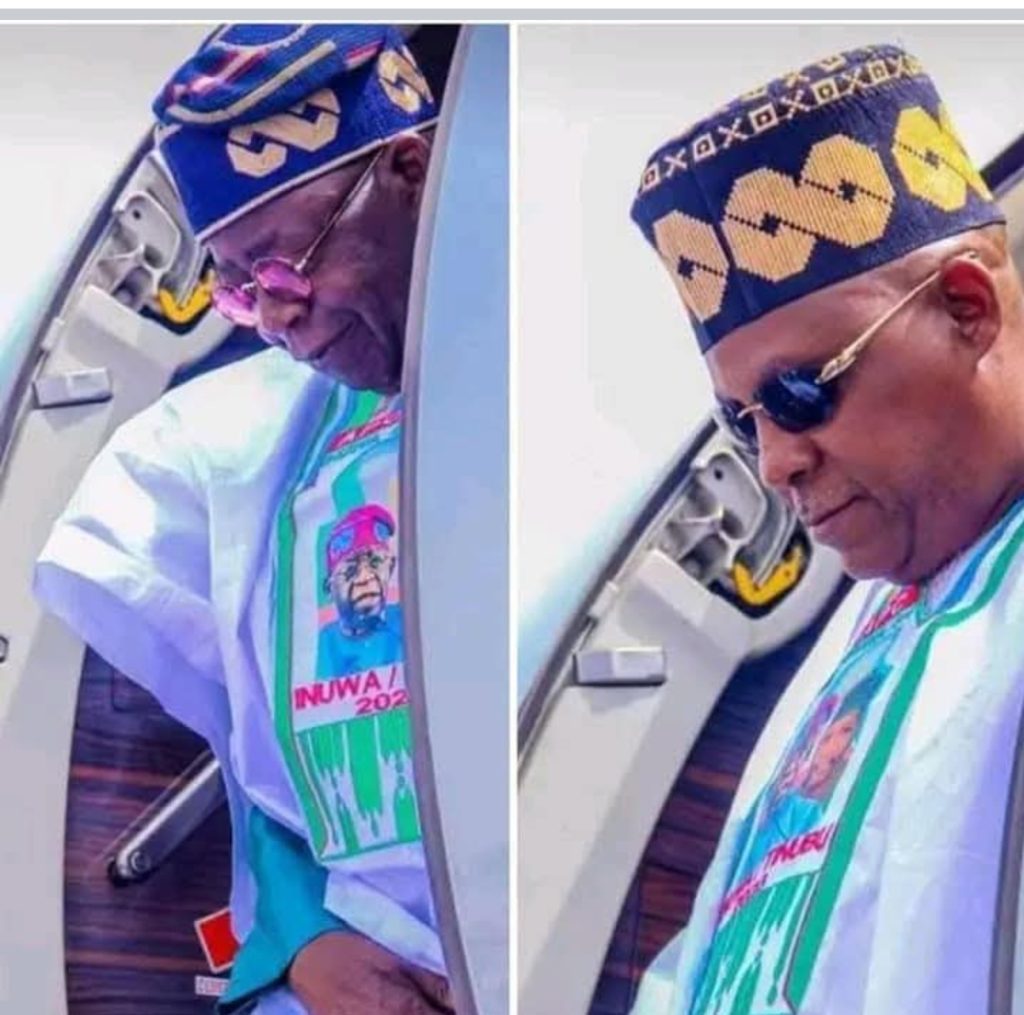
Christian leaders under the National Solemn Assembly (NaSA) have publicly acknowledged a shift in perception regarding the ticket. Initial fears of religious oppression have given way to recognition of equitable representation within government appointments and policymaking processes. This evolving acceptance highlights how effective governance can transcend sectarian divides and foster national cohesion.
READ ALSO:https://newsng.ng/police-charge-rooms-a-minting-press/
Despite initial skepticism rooted in Nigeria’s complex religious landscape, the Tinubu-Shettima ticket exemplifies a promising model where leadership is defined by vision and inclusiveness rather than sectarian affiliation. Their journey thus far challenges entrenched biases against Muslim-Muslim tickets and reaffirms the primacy of competence over religion in Nigerian politics. This shift in perspective underscores the importance of evaluating political candidates based on their policies and ability to address national issues, rather than solely on their religious affiliations.
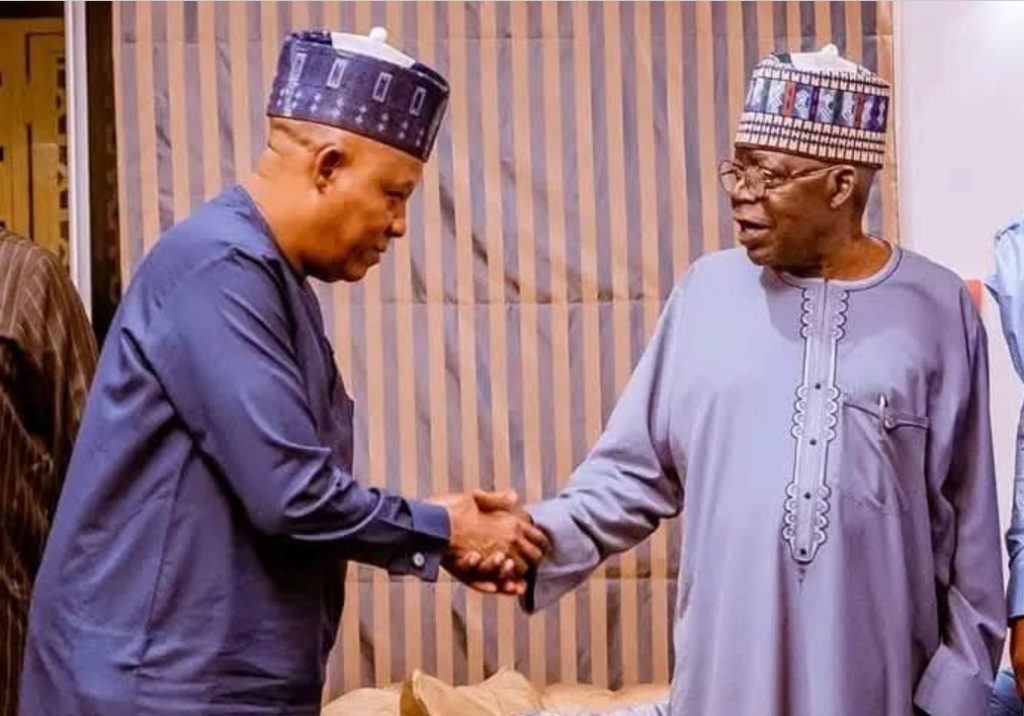
The ongoing success of their administration serves as a testament to the potential for political unity and progress when leaders focus on shared goals rather than divisive identities. As their administration continues to navigate complex national challenges, the focus remains steadfast on economic development, security enhancement, and infrastructural growth, further reinforcing the narrative that effective leadership transcends religious affiliations. Their administration’s commitment to fostering inclusive growth and addressing the diverse needs of Nigeria’s populace continues to dismantle preconceived notions about religious exclusivity in governance.
The call by the Concerned Northern Muslim Ummah for President Bola Tinubu to replace Vice President Kashim Shettima with a Northern Christian as running mate in the 2027 presidential election represents a misplaced political appeal rather than an objective solution to Nigeria’s complex political dynamics. While the group frames its demand as a pursuit of religious balance and national cohesion following the contentious Muslim-Muslim ticket of 2023, such an appeal risks reducing political representation to mere religious arithmetic, potentially exacerbating divisions instead of fostering genuine unity.
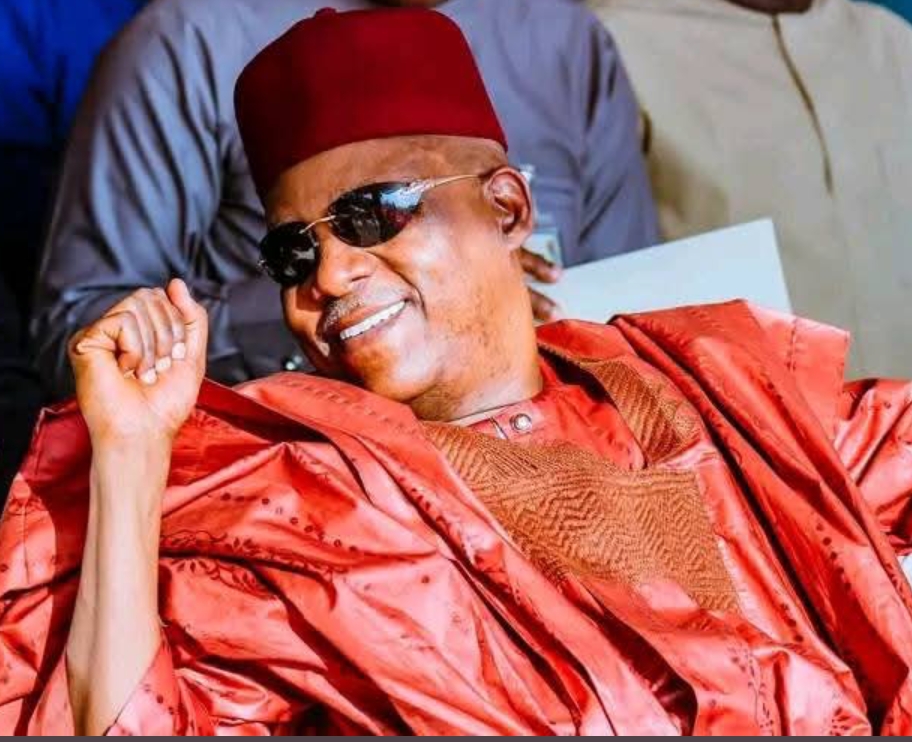
This demand can be interpreted as an expression of coalition opposition cloaked in religious rhetoric. By urging Muslim aspirants to step aside for Christian candidates, the group implicitly politicizes religion as a tool for electoral bargaining rather than promoting inclusive governance based on merit and policy considerations. Hence, while religious inclusivity is important, politicizing it in this manner undermines democratic principles and may deepen identity-based cleavages under the guise of fairness.
The emphasis on religious identity as a primary criterion for political appointments disregards the multifaceted challenges facing Nigeria, where effective leadership and governance should ideally transcend sectarian lines. In a nation grappling with economic challenges, security threats, and infrastructural deficits, prioritizing religious identity over competence and visionary leadership could detract from addressing the pressing needs of the populace. Instead, fostering a political environment where leaders are evaluated based on their ability to address systemic issues and drive progress is crucial for Nigeria’s development trajectory.
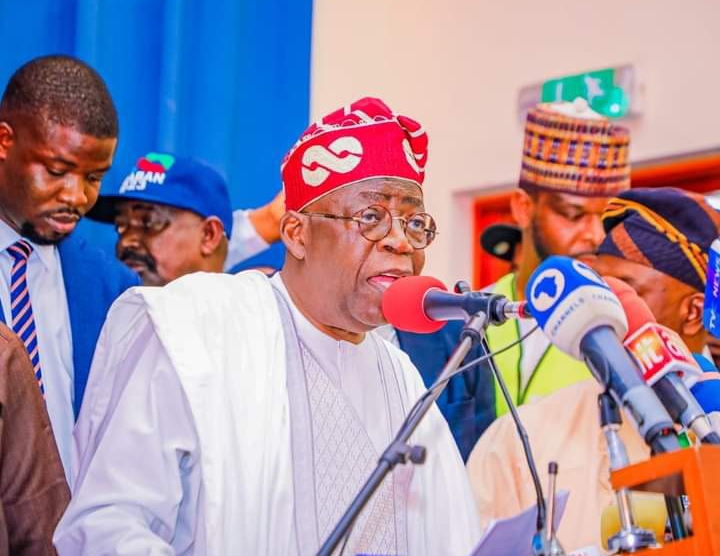
Contrary to the antics of opposition parties, President Bola Tinubu and Vice President Kashim Shettima have demonstrated commendable leadership that is gradually placing Nigeria on a transformative path. Despite criticisms and misinformation propagated by detractors, their administration has embarked on bold economic reforms aimed at stabilizing and revitalizing the Nigerian economy. For instance, Tinubu’s decisive removal of the fuel subsidy and realignment of the multiple exchange rate have been pivotal in curbing corruption and fostering fiscal responsibility. These policies reflect a strategic vision geared towards long-term national development rather than short-term populism.
Shettima’s active engagement in international forums such as the US-Africa Business Summit underscores Nigeria’s commitment to attracting foreign investment and enhancing infrastructure development. His diplomatic efforts complement Tinubu’s domestic policies by promoting agribusiness, energy innovation, and sustainable growth. Contrary to false claims suggesting Shettima’s disengagement from his duties, credible reports confirm his proactive role in advancing Nigeria’s interests abroad. Together, their leadership fosters a narrative of progress that challenges opposition skepticism while positioning Nigeria favorably on the global map.
* James Bwala, PhD, writes from Abuja.
The journey in two years: Tinubu and Shettima’s leadership fosters a narrative of progress that challenges opposition skepticism while positioning Nigeria favorably on the global map.


Politics
2027: How Borno Commissioner’s recklessness reduces city boys’ movement to finger-butchering boys.

2027: How Borno Commissioner’s recklessness reduces city boys’ movement to finger-butchering boys.
By: Dr. James Bwala
The recent conduct of Sainna Buba, the Borno State Commissioner for Youth and Sports Development, has sparked significant concern and debate. His incendiary remarks threatening those who oppose his political stance—“Whoever shows us a finger, we are ready to cut off his fingers,” and suggesting that dissenters “will be flogged”—are not only alarming but also deeply problematic for the democratic fabric and political culture in Borno State and Nigeria at large. Such rhetoric is detrimental, undermines democratic principles, damages the All Progressives Congress (APC) image, and threatens political stability ahead of the 2027 elections. Through examining the implications of Buba’s statements, the dangers inherent in inflammatory political language, and the wider context of Borno’s governance under Governor Babagana Zulum, his utterances call for urgent political recalibration and ethical accountability to restore decorum and foster inclusive political engagement not only in Borno State but also in Nigeria’s political landscape as a whole.
First and foremost, the role of a public official, particularly a commissioner, encompasses more than mere political allegiance; it demands leadership marked by responsibility, maturity, and respect for the rule of law. Sainna Buba’s language, which evokes physical violence against political opponents, crosses a line from robust political debate into outright intimidation and incitement. In a professional and democratic context, no politician—especially one holding executive office—should resort to threats that imply physical harm as a method of ensuring compliance or support. Such utterances severely erode public trust in governance and raise legitimate fears about the safety and rights of citizens who hold different political views. The commissioner’s choice of words reflects poor judgment and signals a troubling disregard for democratic norms where freedom of expression and political plurality must be respected.
READ ALSO: https://newsng.ng/why-borno-must-celebrate-governor-zulum/
Sainna Buba’s comments are particularly dangerous given Borno State’s fragile socio-political environment. Having endured prolonged insurgency and communal strife, the state requires leaders who promote unity, healing, and civility rather than exacerbating divisions through reckless rhetoric. By invoking violent imagery, the commissioner risks inflaming tensions among youth and political factions, potentially inciting unrest or even violent clashes. Such a posture is counterproductive to ongoing efforts by Governor Zulum’s administration to rebuild communities, foster peace, and attract investment critical for development. Instead of serving as a catalyst for cohesion, Buba’s remarks threaten to undermine decades of painstaking work to stabilize the state and promote harmonious coexistence.
From a political strategy standpoint, the commissioner’s statements also jeopardize the image of the ruling APC in Borno and nationally. Political parties thrive on credibility, discipline, and positive public engagement. When a prominent member publicly threatens violence, it undermines the party’s dedication to democratic values and good governance. This is particularly sensitive as the APC positions itself for the crucial 2027 presidential elections, where internal cohesion and broad-based appeal are critical. Political commentators and stakeholders are right to question whether such inflammatory rhetoric is an isolated lapse or symptomatic of broader issues within the party’s ranks in Borno. It raises uncomfortable questions about whether the commissioner’s approach aligns with the administration’s vision or if it inadvertently damages the party’s reputation and electoral prospects.
READ ALSO: https://newsng.ng/why-borno-must-celebrate-governor-zulum/
Furthermore, the allegation that Sainna Buba’s speech might be part of a political gambit aimed at either undermining Governor Zulum’s administration or positioning himself against President Tinubu’s 2027 ambitions adds another layer of complexity. If indeed his comments represent factional posturing rather than the official stance of the government, then it exposes fractures within the ruling elite that voters and citizens cannot ignore. Political competition within the same party should ideally be conducted through structured dialogue and policy debate, not through threats and fear-mongering. This intra-party discord risks creating a toxic environment that stifles constructive engagement and dissuades active participation by younger demographics who are critical to the political future of Borno and Nigeria.
Critics might argue that high-stakes political campaigns often involve fiery rhetoric and that politicians sometimes resort to exaggerated statements to galvanize support. While political bravado is not uncommon, there remains an essential boundary between rallying cries and incitements to violence. Effective political leadership entails harnessing passion while maintaining decorum, encouraging debate without sowing fear. The commissioner’s language violates this balance, demonstrating recklessness rather than strategic acumen. Leaders are expected to unify rather than divide, to inspire adherence through ideas and policies, not through threats. This is especially critical in a democracy where political contestation should safely occur within constitutional frameworks and respect for human rights.
READALSO: https://newsng.ng/why-borno-must-celebrate-governor-zulum/
The broader lesson from this episode is the urgent need for political actors, civil society, and the media to insist on ethical standards and accountability in public discourse. Public officials like Sainna Buba We must remind public officials like Sainna Buba that their words carry weight far beyond immediate crowds and social media echo chambers. Training, counseling, and strict regulatory frameworks governing political conduct could help mitigate the risk of such damaging pronouncements. Furthermore, party leadership must act decisively to censure or discipline members who engage in inflammatory behavior to preserve public confidence and safeguard democratic processes.
Sainna Buba’s reckless and violent threats against political opponents are a stark reminder of the challenges facing Nigeria’s political culture at all levels, but particularly in sensitive regions like Borno State. Such conduct undermines democracy, threatens social harmony, tarnishes the ruling party’s image, and risks destabilizing the political landscape as Nigeria approaches the 2027 elections. It is imperative that political leaders and institutions reaffirm their commitment to peaceful, respectful, and inclusive politics. Only by rejecting intimidation and fostering genuine dialogue can Borno, and Nigeria as a whole, hope to achieve sustainable development and democratic consolidation. The Borno Commissioner must therefore be counseled, held accountable, and guided towards embracing the virtues of responsible leadership that the people deserve.
* James Bwala, PhD, writes from Abuja.
2027: How Borno Commissioner’s recklessness reduces city boys’ movement to finger-butchering boys.


Fubara: My Projects Will Give APC Edge in Rivers 2027
By: Michael Mike
Rivers State Governor, Siminalayi Fubara, has said his administration’s infrastructure projects across the state could give the All Progressives Congress (APC) a significant advantage in the 2027 general elections.
Fubara said the visible impact of his administration’s projects would provide APC candidates with concrete achievements to campaign with when they approach voters at the grassroots.
The governor spoke on Wednesday while commissioning the 14.5-kilometre Agba-Ndele Road and a major bridge linking communities in Emohua and Abua/Odual Local Government Areas of the state.

According to him, the projects would make it easier for APC candidates to convince voters of the party’s performance during the electioneering campaign.
“When he comes here to campaign, more especially in Emohua, he will tell them: my party did this and my party did that. So it will be easy for us to win election here,” Fubara said.
The governor’s remarks effectively placed his administration’s infrastructure drive at the centre of the APC’s 2027 electoral strategy in Rivers, with the projects expected to serve as tangible evidence of government performance during campaigns.
Fubara said his administration was not interested in projects merely for political visibility but in interventions capable of changing the lives of residents.
He described the Agba-Ndele road and bridge as a critical intervention for communities that had suffered difficulties using the old Abua Road, saying the new infrastructure would reduce travel challenges and improve connectivity between communities.
“I’m not interested in just doing anything; I’m interested in doing something that can add value and change the life of our people,” he said.
The governor also used the occasion to make a case for continuity in governance, noting that the bridge was initiated by an earlier administration and not by either his government or that of his immediate predecessor.
He said completing projects started by previous governments should not be viewed through the prism of political ownership when such projects would benefit the people.
“When you see something that will benefit the people, it doesn’t matter who started it. What is important is you complete it and put it to use,” he said.
The 14.5-kilometre road has a 10.3-metre binder-course width, a 7.3-metre wearing-course width and three-metre shoulders, while its drainage section measures 0.6 metres by 0.6 metres.
The Commissioner for Works, Prof. Temple Nwofor, said the bridge is a 239.4-metre structure with a 10.3-metre width, including 1.5-metre walkways on both sides, and is complemented by a 1.2-kilometre access road.
Fubara charged the chairmen of Emohua and Abua/Odual councils, Chidi Lloyd and Owolobi Michael Ofori, respectively, to take responsibility for protecting government infrastructure in their areas.
He similarly urged traditional rulers, youth groups and residents of Agba-Ndele and neighbouring communities to regard the road and bridge as their collective assets.
The governor warned against vandalism, saying destruction of public infrastructure would amount to a waste of government resources and ultimately deprive communities of the benefits of development.
Fubara: My Projects Will Give APC Edge in Rivers 2027
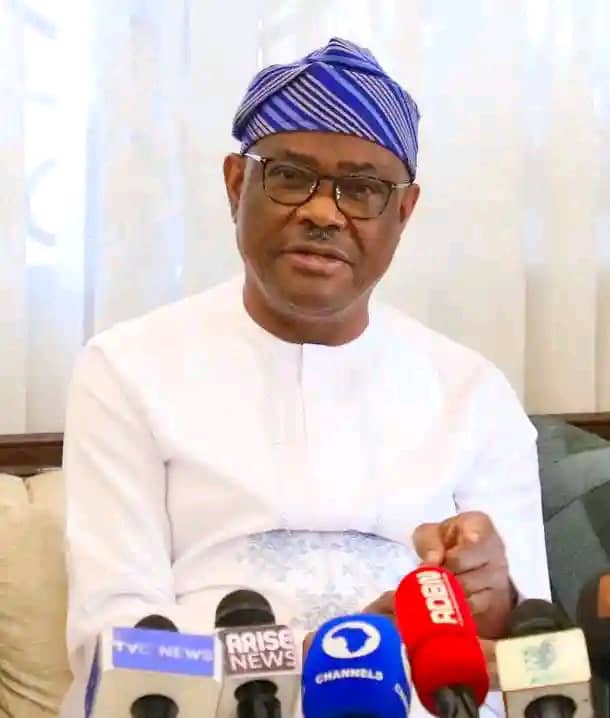
2027: WIKE PDP faction receives large number of defections in Yobe
By: Yahaya Wakili
The Yobe state faction of the Peoples Democratic Party (PDP) aligned with the minister of the Federal Capital Territory, Nyeson Wike, has received a large number of defectors from various political parties in Nangere and Fune local government areas ahead of the 2027 general election.
The Peoples Democratic Party receives defectors from the APC, ADC, and NDC, as well as large numbers of PDP supporters of the former national chairman of the PDP, Ambassador Umaru Illiya Damagum, in the Nangere and Fune local government areas of Yobe State.
Former APC and PDP members and supporters of Ambassador Umaru Damagum, pioneers in Damagum B and Tikau wards, Alhaji Muhammadu Abubakar and Malam Abdu Umar, respectively, cite hardship, unemployment, and bad leadership as reasons for defecting.
The Peoples Democratic Party (PDP) leaders in areas promise equal opportunities for new members.

Governorship candidate in Yobe State, Alhaji Abdullahi Usman Maigida, pledges jobs, infrastructure, and inclusive governance.
Alhaji Maigida says the PDP influx strengthens its grassroots structure ahead of the 2027 elections.
The event witnessed the defections of several prominent political figures, including Dr. Ibrahim Aliyu, widely recognized as the first person to introduce the All Progressives Congress (APC) in Tikau Ward in the Nangere local government area.
2027: WIKE PDP faction receives large number of defections in Yobe

Ughelli North: Egbo Responds To Transparency Call, Showcases Projects Across Council

Army troops rescue retired general’s wife, arrest two kidnappers in Abuja

Conflict Trauma: 8 in 10 Displaced Nigerian Children Suffer PTSD — FG

Roger Federer’s Shock as DNA Results Reveal Myla and Charlene Are Not His Biological Children

THE PLIGHT OF FARIDA

FAILED COUP IN BURKINA FASO: HOW TRAORÉ NARROWLY ESCAPED ASSASSINATION PLOT AMID FOREIGN INTERFERENCE CLAIMS
-
 News2 years ago
Roger Federer’s Shock as DNA Results Reveal Myla and Charlene Are Not His Biological Children
-
Opinions5 years ago
THE PLIGHT OF FARIDA
-
 News1 year ago
FAILED COUP IN BURKINA FASO: HOW TRAORÉ NARROWLY ESCAPED ASSASSINATION PLOT AMID FOREIGN INTERFERENCE CLAIMS
-

 News2 years ago
EYN: Rev. Billi, Distortion of History, and The Living Tamarind Tree
-
 Opinions5 years ago
POLICE CHARGE ROOMS, A MINTING PRESS
-

 ACADEMICS3 years ago
A History of Biu” (2015) and The Lingering Bura-Pabir Question (1)
-

 Columns3 years ago
Army University Biu: There is certain interest, but certainly not from Borno.
-

 Politics1 year ago
2027: Why Hon. Midala Balami Must Go, as Youths in Hawul and Asikira/Uba Federal Constituency Reject ₦500,000 as Sallah Gift
