
News
Constituents Across Southern Borno Constituency Endorse Betara, Cite Impactful Representation

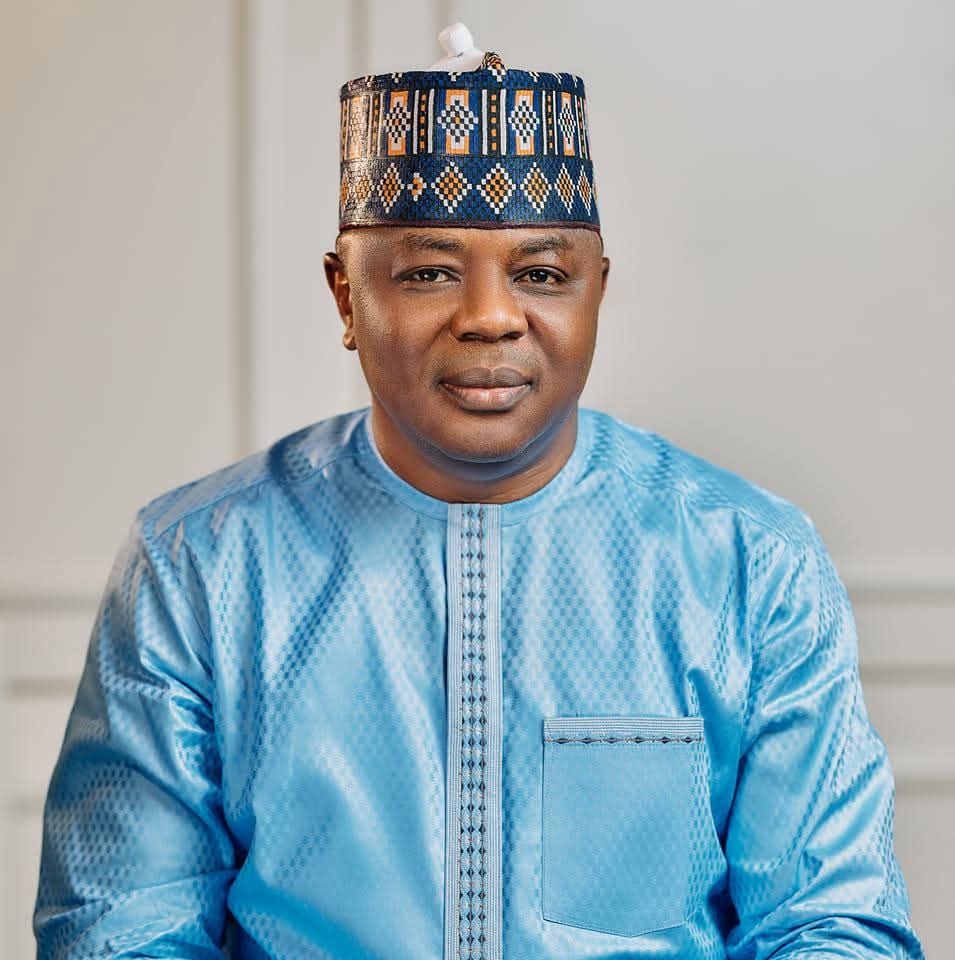
Constituents Across Southern Borno Constituency Endorse Betara, Cite Impactful Representation
By: Michael Mike
A wave of political support has emerged across Biu, Bayo, Kwaya Kusar and Shani Federal Constituency, where constituents have rallied behind Muktar Betara Aliyu, endorsing his continued leadership in what observers describe as a significant show of grassroots confidence.
The endorsement, announced on April 21, reflects growing political consolidation within the constituency, with community leaders, youth groups, and civil society organisations aligning in support of the lawmaker’s track record in the House of Representatives Nigeria.
Across the four local government areas, stakeholders pointed to a range of constituency projects and interventions as the basis for their decision. These include infrastructure development, education support programmes, healthcare initiatives, and youth empowerment schemes—areas they say have seen measurable improvements under Betara’s representation.
Residents and local leaders described the lawmaker’s approach as “people-centred,” noting that his accessibility and responsiveness have strengthened trust between the electorate and their representative. According to several community voices, this relationship has translated into projects that directly address local needs, particularly in underserved rural areas.
What stands out in the endorsement is its cross-political dimension. Groups and associations with varying political leanings have reportedly set aside partisan differences to back Betara, a development analysts say reflects a broader shift toward performance-based support in parts of the North-East.
“This is not just about politics; it is about continuity of development,” a community stakeholder said, echoing sentiments shared by multiple groups across the constituency. “When leadership delivers, the people respond.”
Strategic Constituency in Borno Politics
The Biu/Bayo/Kwaya Kusar/Shani Federal Constituency remains one of the politically active blocs in Borno State, a region that has faced years of security challenges but continues to play a key role in the state’s political landscape.
Representation at the federal level has often been closely tied to development outcomes, as communities look to lawmakers not only for legislation but also for constituency projects that bridge gaps in infrastructure and social services.
Betara, a long-serving member of the House of Representatives, has built a reputation within this framework, leveraging his legislative experience to attract federal attention and resources to the constituency.
Momentum Ahead of Future Elections
Although no formal election timeline has been activated, the endorsement is widely seen as an early signal of political alignment ahead of the next electoral cycle. Analysts suggest that such unified backing could strengthen Betara’s position within the All Progressives Congress and beyond, particularly in a competitive political environment where grassroots support remains decisive.
For many constituents, however, the message goes beyond electoral calculations. The endorsement is being framed as a reaffirmation of trust—an insistence that development gains recorded in recent years should not be disrupted.
As voices of support continue to grow across the constituency, the emerging consensus points to a familiar theme in Nigerian politics: performance, when visible and sustained, can become the strongest campaign message long before ballots are cast.
Constituents Across Southern Borno Constituency Endorse Betara, Cite Impactful Representation


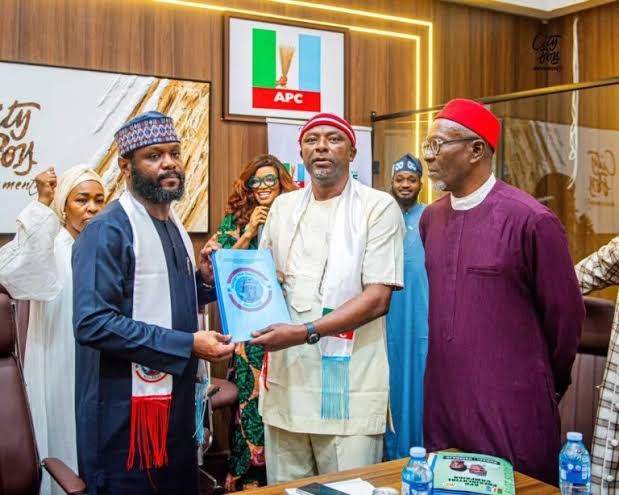
HAI Launches Grassroots Campaign for Tinubu’s 2027 Re-election
By: Michael Mike
The Hope Alive Initiative (HAI) has unveiled a multi-platform grassroots mobilisation campaign in support of President Bola Tinubu’s re-election bid in the 2027 presidential election, deploying street activations, SMS messaging, radio programming and political entertainment to sell the administration’s record to voters.
The first phase of the campaign begins on August 19 with the deployment of about 40 human mascots to strategic locations across Abuja, alongside a city-wide SMS mobilisation drive, a weekly Pidgin-language radio programme and an original campaign jingle.
In a statement signed by its Director of Press and Communications, Ernest Omoarelojie, the group said its campaign was designed to take the Tinubu administration’s policies and achievements directly to citizens while building grassroots support ahead of the 2027 poll.
HAI said its backing for Tinubu was driven by what it described as “bold reforms and initiatives” aimed at repositioning the Nigerian economy, strengthening institutions and creating the foundation for long-term development.
The group specifically cited the administration’s petroleum-sector reforms, which it said had contributed to an end to perennial fuel scarcity and encouraged the emergence and expansion of private refineries.
It also listed increased stability in the foreign exchange market, higher government revenue and foreign reserves, efforts toward greater Local Government autonomy, police and internal security reforms, the Nigerian Education Loan Fund (NELFUND), tax reforms and major road infrastructure projects in Abuja and other parts of the country.
“While these reforms have come with short-term challenges, we believe they are difficult but necessary steps towards a more sustainable, prosperous and better governed Nigeria,” HAI said.
As part of Wednesday’s opening activation, the organisation said about 40 colourfully dressed human mascots would be positioned at major roundabouts, markets, motor parks and other high-traffic areas across the Federal Capital Territory.
The mascots are expected to carry branded banners promoting Tinubu’s second-term bid, marking an unconventional attempt to take political messaging beyond conventional rallies and campaign events.
HAI said the street mobilisation would complement its wider media and digital campaign, with subsequent activities expected to expand beyond Abuja.
At the same time, the organisation will launch a city-wide SMS mobilisation campaign designed to establish a direct communication channel with residents and disseminate its messages ahead of the 2027 election.
The SMS initiative, according to the group, represents the first stage of a wider mobilisation programme that will be expanded as the election draws closer.
A major component of the campaign is a weekly Pidgin-language radio programme titled “Wetin Tinubu Don Do Sef”, through which HAI intends to explain government policies, programmes and projects in language it considers more accessible to ordinary Nigerians.
Each edition will focus on a particular policy area, examining its implementation, impact and potential benefits to citizens.
HAI said the programme would feature a host alongside regular guests or co-hosts, with expert perspectives and citizen voices incorporated where appropriate.
The group said the radio programme would pay particular attention to issues including the economy, education, security, infrastructure and NELFUND, which it believes require greater public awareness.
The opening phase will also feature an original campaign jingle inspired by Nigeria’s long tradition of political music and memorable campaign anthems.
HAI said the jingle draws inspiration from the tradition associated with historic Nigerian political campaigns, including the widely remembered Hope ’93 campaign linked to the late Chief M.K.O. Abiola.
The organisation described the four initiatives — street mobilisation, SMS messaging, radio programming and the campaign jingle — as only the beginning of a broader political communication strategy.
According to HAI, subsequent phases will examine the Tinubu administration’s policies and programmes across critical sectors, including economic reforms, education, security and infrastructure.
The group said the campaign would seek not only to mobilise support for Tinubu but also to communicate what it considers the administration’s achievements and provide explanations of policies that have generated public debate.
The August 19 activation is therefore expected to mark the beginning of a sustained grassroots campaign by HAI as political parties, support groups and other interests gradually intensify preparations for the 2027 presidential election.
HAI Launches Grassroots Campaign for Tinubu’s 2027 Re-election

Yobe: Buni appreciates Tinubu for his commitment to regional peace.
By: Yahaya Wakili
The Chairman of the Lake Chad Basin Governor’s Forum and the Executive Governor of Yobe State, Hon. Mai Mala Buni CON, COMN, have appreciated President Bola Ahmed Tinubu GCFR for his commitment to regional peace, security, and cooperation among the member states.
The chairman showed appreciation today when he visited the headquarters of the Lake Chad Basin Commission in N’Djamena, Chad Republic.
According to Governor Buni, “You have no doubt taken this responsibility at a consequential moment for the Lake Chad Basin, one in which our shared security, stabilization, and development challenges demand stronger political coordination, deeper institutional partnership, and a renewed sense of common purpose.
He further maintained that, “As chairman of the Governor’s Forum, I assure you of our readiness to work closely with you in advancing this common agenda and to achieve our set targets,” he added.
Governor Mai Mala Buni congratulated the new executive secretary of the commission, Ambassador Ibrahim Babani, assuring him of a cordial working relationship between the forum and the commission.
He changed the commission to deepen engagements with the African Union, UNDP, international financial institutions, bilateral partners, and other stakeholders to achieve its targets.
Governor Buni also visited the headquarters of the multinational joint task force and shared their experiences and challenges in the fight against terrorism in the Lake Chad region.
Yobe: Buni appreciates Tinubu for his commitment to regional peace.

Zulum Pledges N100m, Stronger Partnerships to Revamp UMTH, Borno Healthcare
…Commissions NEDC-funded Fertility Centre, Maternity Complex
By: Michael Mike
Borno State Governor, Prof. Babagana Zulum has pledged stronger collaboration with the Federal Government and development partners to transform healthcare delivery in the state, while announcing a N100 million government donation in support of a book chronicling the tenure of the Chief Medical Director of the University of Maiduguri Teaching Hospital (UMTH), Prof. Ahmed Ahidjo.
Zulum made the commitments on Tuesday in Maiduguri at the opening of the 9th Annual General Meeting and Scientific Conference of the Association of Radiologists of Nigeria (ARIN), where he also commissioned a Fertility Care Centre and En-Suite Maternity Complex constructed through the intervention of the North East Development Commission (NEDC).
The Governor said the expansion of specialist healthcare infrastructure at UMTH was particularly significant for a state that had endured years of insurgency and, more recently, devastating flooding, which placed enormous pressure on public institutions and healthcare services.
He assured the hospital and other federal health institutions in Borno of continued state government support, stressing that sustainable improvement in healthcare would require stronger cooperation among federal and state authorities, development agencies and professional bodies.
“As a State Government, we will continue to support the University of Maiduguri Teaching Hospital and other healthcare institutions within our capacity, while strengthening collaboration with the Federal Government and other partners,” Zulum said.
The Governor described UMTH as a critical institution not only for Borno but for the wider North-East, given its role in saving lives, training medical personnel, conducting research and providing specialist services to a population that has faced prolonged humanitarian and security challenges.
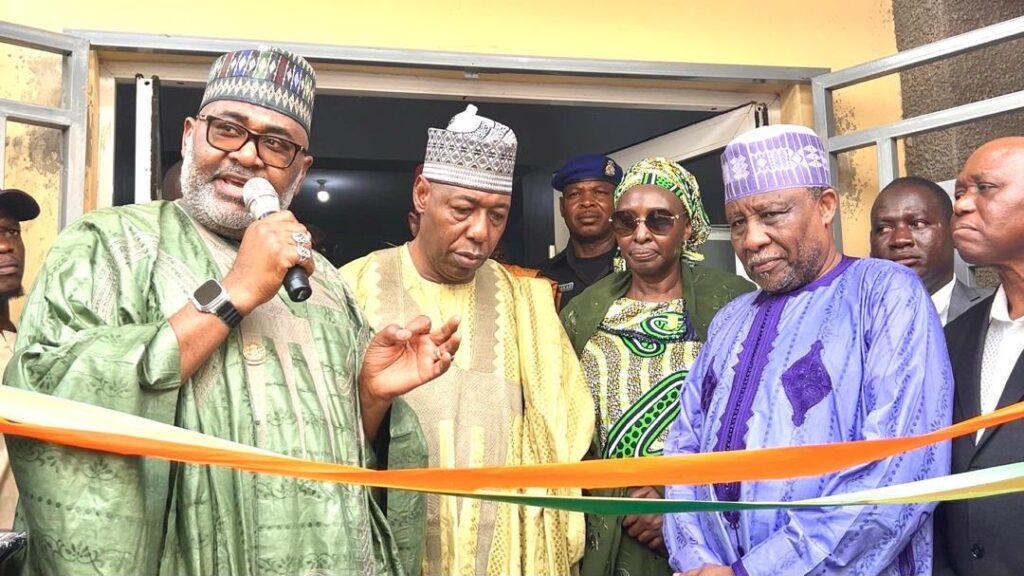
He commended the management of the hospital under Prof. Ahidjo, saying the institution had recorded significant advances in infrastructure, specialist services, medical education, research and professional development.
“You are not only managing a Teaching Hospital; you are building a legacy that will benefit generations to come,” Zulum told the UMTH leadership.
The Governor’s intervention comes as the hospital expands its capacity to provide specialised services, with the newly commissioned Fertility Care Centre and En-Suite Maternity Complex expected to improve access to reproductive and maternal healthcare in Borno and neighbouring states.
The NEDC-funded facilities represent one of the latest interventions aimed at strengthening critical infrastructure in the North-East, where years of conflict have severely strained public services and healthcare institutions.
Zulum also expressed appreciation to President Bola Tinubu for supporting Borno in healthcare infrastructure, human capital development and institutional strengthening, while commending NEDC for its interventions across the region.

The Governor further announced a N100 million donation by the Borno State Government towards the book, Duty and Courage: The Story of Professor Ahmed Ahidjo, 2018–2026, authored by Dr. James Bwala.
The publication documents the career and achievements of Ahidjo during his tenure as UMTH Chief Medical Director and was formally presented at the event.
Zulum described the occasion as an opportunity to recognise institutional leadership while highlighting the importance of documenting the experiences and achievements of professionals who have contributed to rebuilding public institutions during difficult periods.
He said the ARIN conference, scientific sessions, book presentation and project commissioning underscored the importance of research, knowledge exchange and continuous professional development in building a stronger healthcare system.
He congratulated the management and staff of UMTH on the achievements and expressed confidence that the newly commissioned projects would further consolidate the hospital’s position as a centre of excellence.
The event attracted the Deputy Governor of Borno State, Umar Usman Kadafur; Shehu of Borno, Dr. Abubakar Garbai El-Kanemi; Senator representing Borno South, Mohammed Ali Ndume; members of the National and Borno State Houses of Assembly; Minister of Livestock Development, Idi Mukhtar Maiha; Minister of State for Regional Development, Uba Maigari Ahmadu; representatives of the Federal Ministry of Health and Social Welfare; commissioners; traditional rulers; the Managing Director of NEDC and other dignitaries.
Zulum Pledges N100m, Stronger Partnerships to Revamp UMTH, Borno Healthcare

HAI Launches Grassroots Campaign for Tinubu’s 2027 Re-election

Yobe: Buni appreciates Tinubu for his commitment to regional peace.

Zulum Pledges N100m, Stronger Partnerships to Revamp UMTH, Borno Healthcare

Roger Federer’s Shock as DNA Results Reveal Myla and Charlene Are Not His Biological Children

THE PLIGHT OF FARIDA

FAILED COUP IN BURKINA FASO: HOW TRAORÉ NARROWLY ESCAPED ASSASSINATION PLOT AMID FOREIGN INTERFERENCE CLAIMS
-
 News2 years ago
Roger Federer’s Shock as DNA Results Reveal Myla and Charlene Are Not His Biological Children
-
Opinions5 years ago
THE PLIGHT OF FARIDA
-
 News1 year ago
FAILED COUP IN BURKINA FASO: HOW TRAORÉ NARROWLY ESCAPED ASSASSINATION PLOT AMID FOREIGN INTERFERENCE CLAIMS
-

 News2 years ago
EYN: Rev. Billi, Distortion of History, and The Living Tamarind Tree
-
 Opinions5 years ago
POLICE CHARGE ROOMS, A MINTING PRESS
-

 ACADEMICS2 years ago
A History of Biu” (2015) and The Lingering Bura-Pabir Question (1)
-

 Columns2 years ago
Army University Biu: There is certain interest, but certainly not from Borno.
-

 Politics1 year ago
2027: Why Hon. Midala Balami Must Go, as Youths in Hawul and Asikira/Uba Federal Constituency Reject ₦500,000 as Sallah Gift
