
News
Dachomo, propaganda and the endless search for international sympathy


Dachomo, propaganda and the endless search for international sympathy
By: Zagazola Makama
So, Pastor Ezekiel Bwede Dachomo has once again informed the world that he is among the most targeted human beings in Nigeria. Not just targeted, but apparently so important that mysterious forces have allegedly placed rewards on his head.
One would have expected that a man carrying such a burden would require an army of security personnel, bulletproof convoys, safe houses and constant surveillance. Yet somehow, he continues to move about freely, attend events, create content, grant interviews, travel around and regularly appear in public without the dramatic security arrangements one would expect for a man supposedly hunted with a bounty on his head in the country.
Nigeria is a fascinating place. For years, we have heard the same script. Plateau is under siege. Every conflict is terrorism. Every criminal is part of a grand religious conspiracy. Every Fulani criminal is Boko Haram. Every bandit is ISWAP. Every local dispute is global jihad. They want to take over our land and chase all of us out.
The problem, however, is that facts have a stubborn habit of refusing to cooperate with propaganda. When the United States and its Nigerian allies intensified operations against actual Islamic terrorist organisations in the North-East groups with identifiable structures, commanders, camps and logistics networks, some of the professional conflict entrepreneurs and alarmists suddenly became uncomfortable and angry. Why? Because reality was interfering with a carefully cultivated narrative.
Dachomo had previously accused the National Security Adviser, Nuhu Ribadu, of diverting the attention of President Donald Trump to carry out attacks on ISWAP instead of sending boots on the ground to protect Christians in the North-Central of Plateau.
Alex Birbir, too, did a podcast, saying the U.S. was not targeting those terrorising Christians. According to him, “Boko Haram were not the ones killing Christians; it is the Fulani terrorists.”
At one point, the argument seemed to be that the world was looking at the “wrong terrorists.” Apparently, dismantling ISWAP and Boko Haram was somehow a distraction from Plateau. Interesting.
But come to think of it, they are the ones who actually told the U.S. that those attacking them were Islamist terrorists. And even when they are asked, “Are they the same Islamic terrorists operating in the North-East?”, their responses often tactically switch to references about Christians being killed in Borno, Gwoza, Chibok and Adamawa, just to give the local crisis a global perspective.
If the problem in Plateau is exactly the same as ISWAP, then where are the terrorist enclaves? Where are the training camps? Where are the command structures? Where are the territories under occupation? Military planners around the world would certainly like to know.
The uncomfortable truth is that Plateau’s crisis is far more complicated than the simplistic religious story being sold abroad. Criminality, banditry, reprisals, communal tensions, land disputes and decades of mistrust all play a role. But complexity does not attract funding, headlines or international sympathy as effectively as a neatly packaged persecution narrative. And so the performance continues.
Every few months, the world is reminded that certain individuals like Dachomo are supposedly the most hunted people in Nigeria. Yet nobody seems to be hunting them. They grant interviews. They hold meetings. They issue statements. They travel freely. The alleged assassins must be the most incompetent assassins in modern history.
Perhaps the greatest danger facing some of these self-appointed spokespersons is not an invisible death squad. It is the possibility that people will eventually begin asking difficult questions.
Questions such as: If your message has been preached for years, why is Plateau not more peaceful? Why do the divisions keep deepening? Why does every tragedy become an opportunity to inflame hate instead of calm them?
This is because some people will never choose dialogue over hostility. The agenda is clear: to make sure certain ethnic groups are completely chased out of the land. This is why there is no simple path to peaceful resolution. And just like the former of Plateau rightly pointed out. The Problem of Plateau is the Leaders.
The people of Plateau deserve peace. What they do not deserve is an endless supply of fear, resentment and carefully manufactured victimhood. Because at some point, a narrative stops being a warning and starts becoming a business model. And that is a conversation many people would rather avoid.
For years, some actors have built influence around a singular narrative that portrays Plateau’s complex security challenges exclusively through a religious lens. Every attack is quickly framed as part of a grand Islamic religious conspiracy, while the criminal, communal, economic and retaliatory dimensions of the conflict receive little attention. This oversimplification has done more harm than good.
The tragedy of Plateau is that innocent people from different communities have suffered. Fulani Bandit have carried out attacks. Berom militia have carried out attacks. Thousands have been killed ok both sides.
Therefore, sustainable peace cannot emerge from narratives that continually divide citizens into permanent victims and permanent villains. Neither can it come from inflammatory rhetoric that hardens ethnic and religious fault lines. No forces in the world have immediate solutions to the plateau crises. The solutions lies within the very people.
The international community should also approach claims made by Dachomo with caution. Plateau’s security challenges are complex and require honest analysis and investigation, not emotional propaganda designed to attract sympathy or political capital.
Nigeria needs voices that build bridges, not voices that profit from division. The path forward is truth, dialogue and accountability, not fearmongering, exaggeration and endless narratives of siege.
The people of Plateau deserve solutions, not perpetual conflict marketed through carefully crafted stories of Christian genocide.
Dachomo, propaganda and the endless search for international sympathy


News
Troops Record Major Breakthroughs as 1 Division Neutralises 24 Bandits, Rescues194 Hostages, in Kaduna Theatre
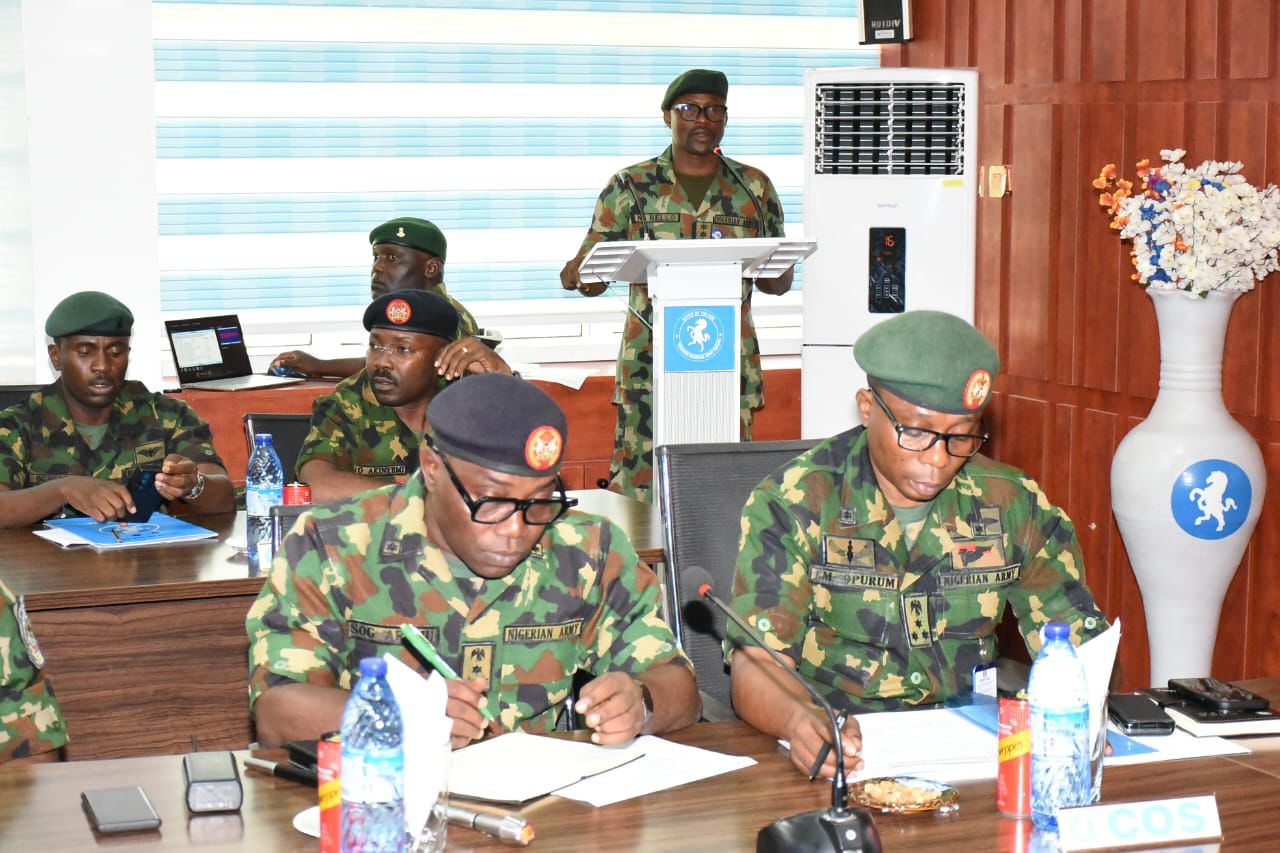
Troops Record Major Breakthroughs as 1 Division Neutralises 24 Bandits, Rescues
194 Hostages, in Kaduna Theatre
By Zagazola Makama
In a security environment marked by persistent threats from banditry, kidnapping, attacks on rural communities and attempts to sabotage critical national infrastructure, the Nigerian Army’s 1 Division and Sector 1 of Operation FANSAN YAMMA have continued to assert their operational dominance across parts of the North-West and North-Central regions.
The achievements of the formation during the first quarter of 2026 paint a picture of an aggressive, intelligence-driven and multidimensional military campaign aimed at denying criminal elements freedom of action while simultaneously building public confidence through non-kinetic engagements.
These successes were highlighted during an interaction with defence correspondents by the Chief of Staff, 1 Division Nigerian Army and Operation FANSAN YAMMA, Brig.-Gen. Timothy Opurum, who represented the General Officer Commanding (GOC) 1 Division and Commander Sector 1 Operation FANSAN YAMMA, Major General Muhammed Wase,
According to the military hierarchy, the Division remains one of the most strategically significant formations of the Nigerian Army, overseeing a vast operational area that cuts across Kaduna, Kano and Niger States. The formation commands several combat and support units, including formations in Kano and Niger States, the 26 Armoured Brigade and the 24 Reconnaissance Battalion, while coordinating security operations through six operational subsectors.
At the forefront of the Division’s operational strategy is the sustained deployment of ground and air assets in coordinated operations against armed bandits and terrorist elements operating within its area of responsibility.
Throughout the period under review, troops of the Division maintained a high operational tempo through a combination of offensive and defensive actions designed to disrupt criminal activities and dismantle terrorist infrastructure.
These operations included fighting patrols, ambushes, raids, clearance operations and targeted offensives against identified criminal enclaves.
The GOC noted that the primary objective was to deny bandits and terrorists freedom of movement, cut off their logistics routes, destroy their camps and prevent attacks against communities and strategic infrastructure.
The results, according to operational records presented during the briefing, were significant.
A total of 194 kidnapped victims were rescued through various military operations conducted across the Division’s area of responsibility. The rescued victims were freed from captivity following coordinated intelligence-led missions carried out by troops operating in difficult terrains and remote locations.
The successful rescue operations not only deprived criminal networks of financial gains but also restored hope to affected families and communities.
Beyond the rescue operations, troops arrested 36 suspected bandits and criminal collaborators, many of whom are believed to have provided logistics, intelligence and other forms of support to criminal groups operating within the region.
Wase explained that targeting support networks remains a critical component of ongoing counter-banditry operations, as criminal groups often rely heavily on informants, suppliers and local facilitators to sustain their activities.
The offensive operations also led to the neutralisation of 24 terrorists and violent extremists during engagements with troops. The elimination of these combatants was achieved during various combat encounters, ambushes and clearance operations conducted by units deployed across the operational theatre.
The neutralisation of these elements, military authorities noted, has significantly weakened the operational capabilities of criminal groups in several flashpoints within the Division’s area of responsibility.An equally important aspect of the Division’s achievements was the recovery of a substantial cache of weapons, ammunition and military-related equipment.
During the period under review, troops recovered more than 1,200 rounds of ammunition, alongside 1,212 assorted ammunition cartridges and 28 magazines from criminal elements.
He noted that every weapon or ammunition recovered from the battlefield translates into reduced firepower available to criminal groups and potentially fewer attacks on innocent civilians.
The recoveries also illustrated the effectiveness of intelligence gathering and follow-up operations conducted after military engagements.
Military authorities believe that disrupting access to weapons and ammunition remains one of the most effective ways of degrading the combat capabilities of armed groups operating in the North-West and North-Central regions.
Beyond kinetic operations, the Division also achieved notable successes in disrupting the economic foundations of criminal enterprises.
Troops recovered livestock estimated at over 2,000 animals, many of which had been rustled from rural communities by bandits.
Cattle rustling has long remained a major driver of insecurity in parts of Northern Nigeria, providing criminal groups with a lucrative source of revenue. By recovering stolen livestock and returning them to their rightful owners, the military not only inflicted financial losses on criminal networks but also restored livelihoods to affected communities.
The Division also recovered N874,625 believed to be proceeds linked to criminal activities.
The military high command noted that attacking the financial lifelines of criminal organisations remains essential in reducing their operational capacity and limiting their ability to recruit, procure weapons and sustain their operations.
In addition, troops recovered numerous communication devices, motorcycles and other operational equipment used by criminal groups for coordination, mobility and logistics.
One of the most critical aspects of the Division’s mandate is the protection of strategic national infrastructure. The operational environment under 1 Division includes assets of immense national importance such as the Kainji Hydroelectric Dam, power generation facilities and the Abuja-Kaduna railway corridor.
They revealed that troops maintained robust security coverage around these installations to prevent sabotage attempts by criminal and terrorist groups.
The protection of these assets remains vital not only for national security but also for economic stability, energy generation and transportation across the country.
Beyond kinetic operations, the Division has increasingly embraced non-kinetic approaches as part of a broader strategy to address the root causes of insecurity and build stronger relationships with local communities.
He explained that in line with the Chief of Army Staff’s command philosophy, which emphasises strategic partnerships and cooperation, the Division has strengthened collaboration with sister services, intelligence agencies and other security stakeholders.
This approach has facilitated improved intelligence gathering, information sharing, joint planning and coordinated execution of operations.
A key component of these efforts was the organisation of the Second Edition of the Security Stakeholders Engagement Forum in Kaduna State, which brought together security agencies, traditional leaders, community representatives and other critical stakeholders to discuss emerging security threats and collective responses.
Military authorities believe such engagements have enhanced public trust and encouraged communities to provide actionable intelligence that has contributed significantly to operational successes.
Troops Record Major Breakthroughs as 1 Division Neutralises 24 Bandits, Rescues
194 Hostages, in Kaduna Theatre
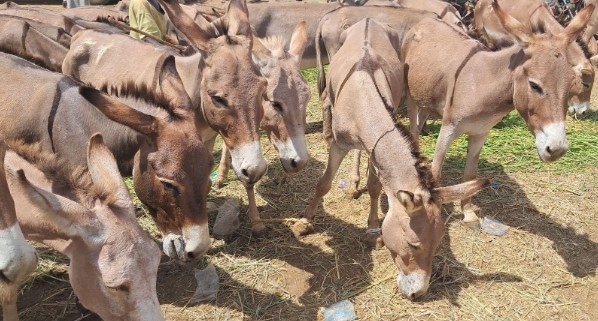
Expert urges donkeys’ protection to curb species’ extinction
The Animal Welfare Society of Nigeria (AWSON) has raised concern over the increasing decline of donkey populations in the country.
The group advocated conservation and welfare measures to prevent the animal from extinction.
Its President, Prof. Mohammed Sanusi, said this in a telephone interview with the News Agency of Nigeria (NAN), on Wednesday in Gombe.
Sanusi is also a lecturer with the Department of Animal Production, Abubakar Tafawa Balewa University (ATBU), Bauchi.
He said that urgent measures are imperative to protect the animal from extinction, as the illegal donkey skin trade was on the rise, thus posing a threat to its survival.
The expert said the decline in donkey population was driven by foreign demand for ‘ejiao,’ a traditional medicine and cosmetic gelatin made from boiled donkey hides and other parts.
According to Sanusi, the illegal activity and killing of the animal by some traders is heavily depleting the domestic donkey population.
“There are still a good number of donkeys in rural areas but due to poverty, some are selling them out in huge numbers.
“Also, improvement in technology is contributing to rural dwellers depending less on their donkeys as tricycles are being used to replace it, hence selling off donkeys becomes a welcome development.
“Donkey population is declining because of increasing demand, particularly the animals are slaughtered here and their skins exported to China.
“According to reports that we have read, they use the donkey skins to produce ejiao, which is an ancient Traditional Chinese Medicine (TCM) derived from the gelatin of boiled donkey hides.
“The demand for donkeys for ejiao production is having a devastating impact on its populations in Nigeria and other African countries,’’ he said.
Sanusi urged the government to invest in modern ways to boost reproduction of the animal to accelerate population growth.
He said the steady decline of donkey population has been linked to the emerging trend of illegal donkey slaughter and consumption, low reproduction rate, and poor welfare practices toward the animal.
The animal welfare advocate said donkeys faced a major threat in their future, and stressed the need for proactive measures to protect it from exploitation, abuse and neglect.
“Donkeys are vital to rural livelihoods and the economy,” he said.
Expert urges donkeys’ protection to curb species’ extinction
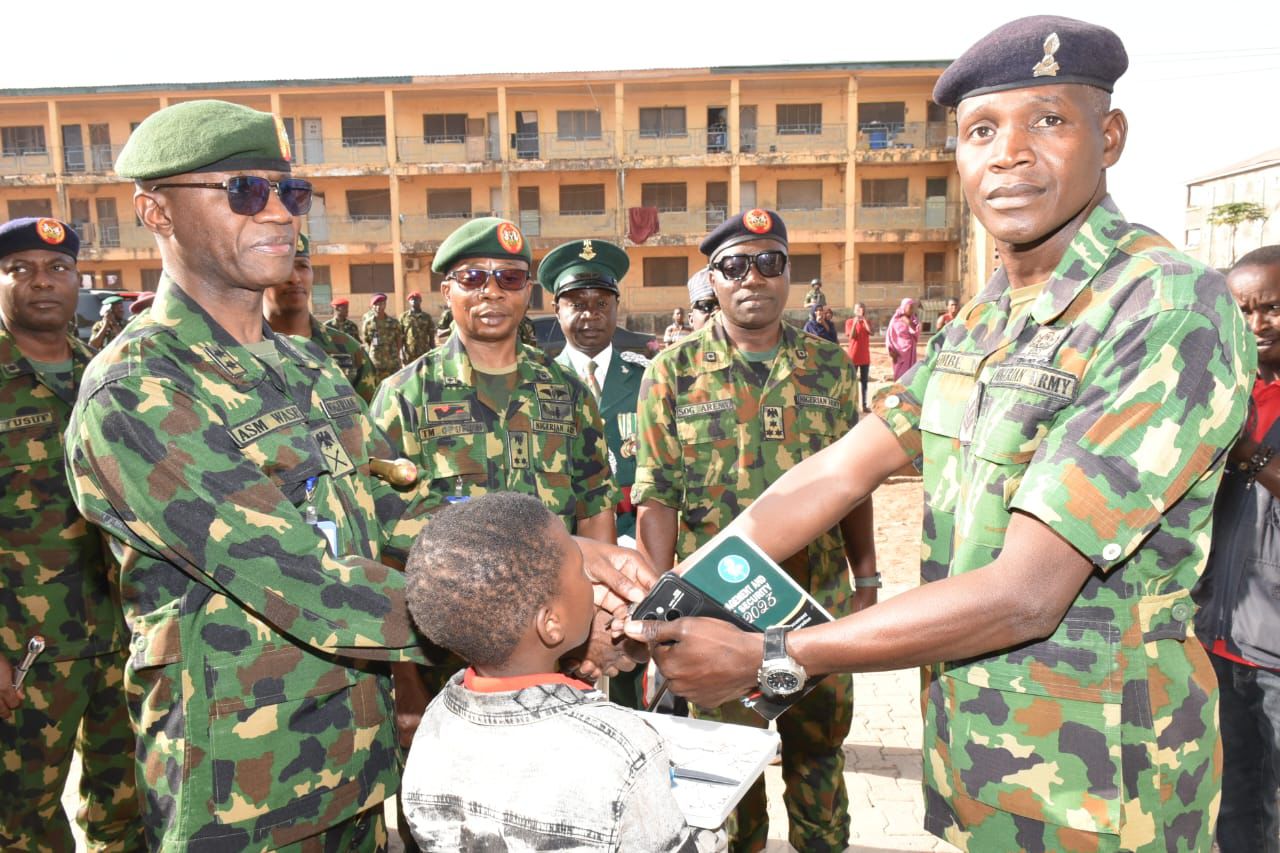
COAS Support Driving Massive Infrastructure Renewal in 1 Division, Says GOC
By Zagazola Makama
The Nigerian Army’s 1 Division has embarked on an extensive infrastructure renewal programme that has transformed troop accommodation, worship centres, educational facilities and welfare infrastructure, with the support of the Chief of Army Staff (COAS), Lt.-Gen. Waidi Shaibu, the General Officer Commanding (GOC), 1 Division Nigerian Army and Commander Sector 1, Operation FANSAN YAMMA, Maj.-Gen. Muhammed Wase, has said.
Wase , who spoke through the Chief of Staff of the Division, Brig.-Gen. Timothy Opurum, during an interaction with defence correspondents in Kaduna, said the intervention was significantly improving the living and working conditions of troops while enhancing operational effectiveness across the Division’s area of responsibility.
According to him, the ongoing transformation is in line with the COAS’ “Soldier First” philosophy, which places premium attention on troop welfare, accommodation and morale as critical enablers of operational success.
He said the Division inherited several infrastructure that needed to be repaired . but had, through prudent management of resources and support from Army Headquarters, embarked on an aggressive programme of rehabilitation, renovation and construction.
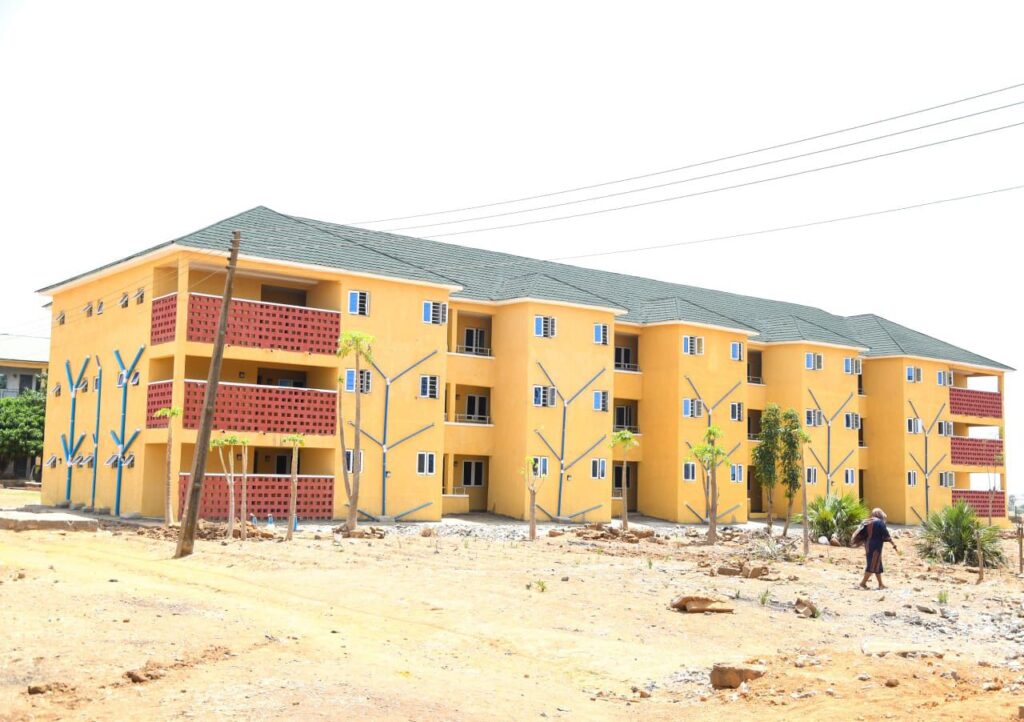
“The support from the Chief of Army Staff has been tremendous. His commitment to improving troops’ welfare has enabled us to undertake several projects that are directly impacting the lives of our personnel and their families.
“Many of the structures we met were in very poor condition. Today, most of them have been completely transformed into modern and habitable facilities,” he said.
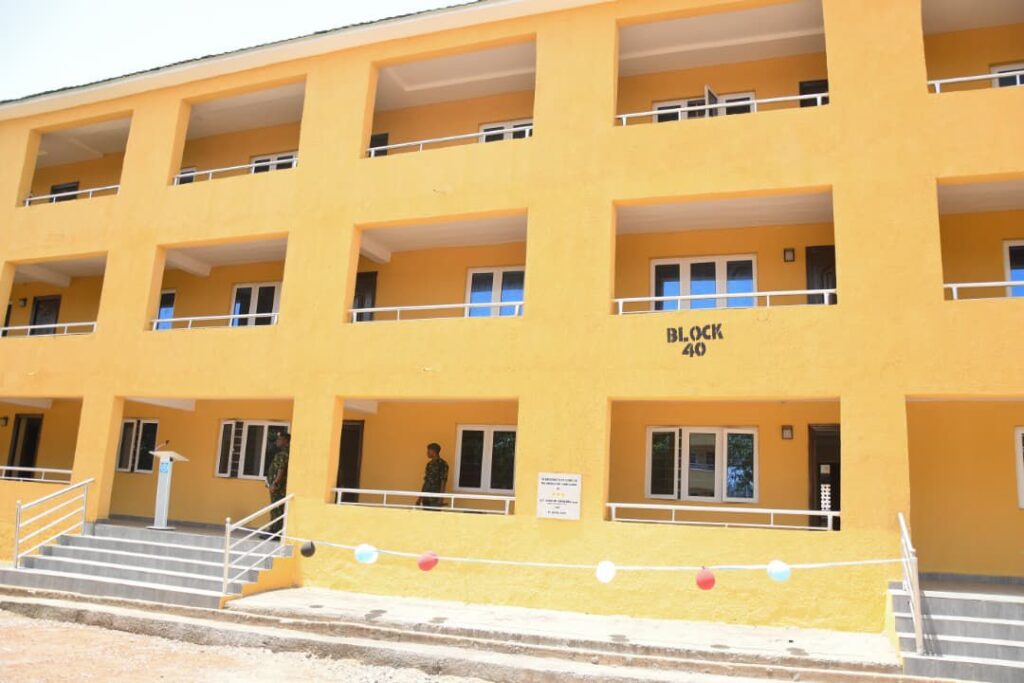
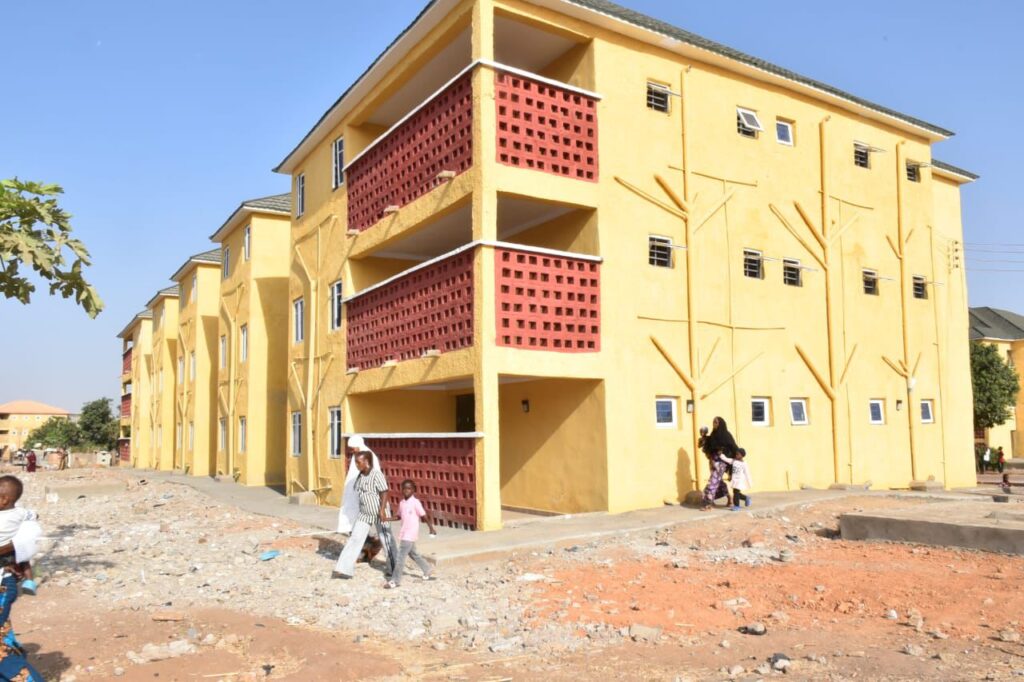
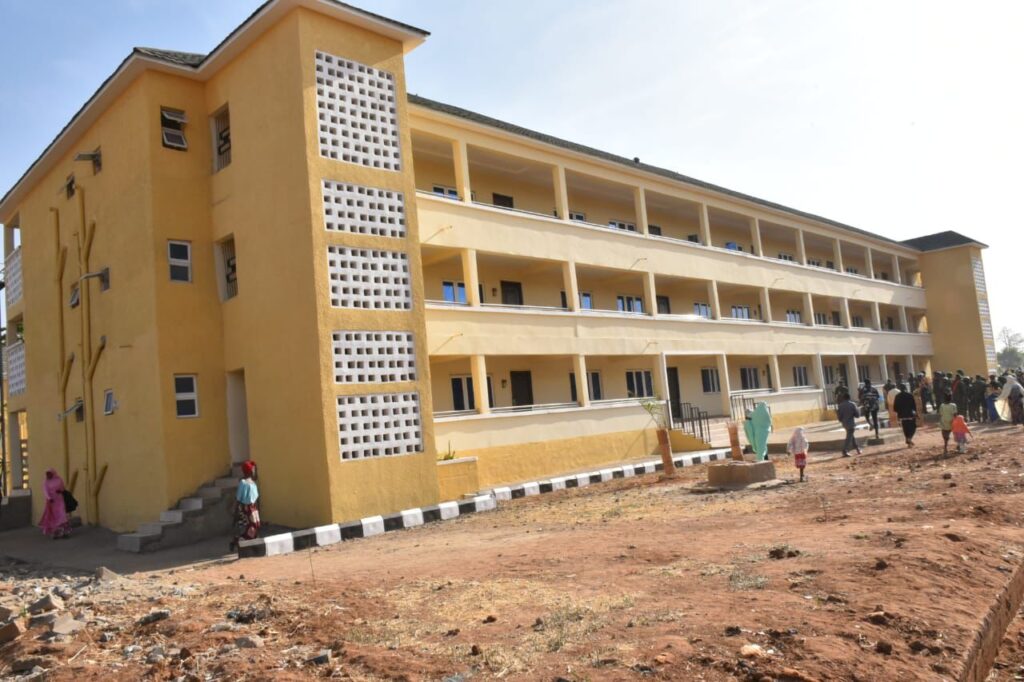
The GOC explained that one of the landmark achievements of the Division was the renovation of multiple blocks of abandoned accommodation that had previously become uninhabitable.
According to him, following directives and support from Army Headquarters, the Division commenced the rehabilitation of old accommodation blocks in November 2025 and successfully expanded the scope of the project beyond the initial allocation.
He said through prudent financial management and cost-saving measures, the Division was able to renovate six accommodation blocks instead of the four originally approved.
“By carefully managing available resources, we were able to increase the number of renovated accommodation blocks from four to six. This has significantly improved housing availability for officers and soldiers within the cantonment,” he said.
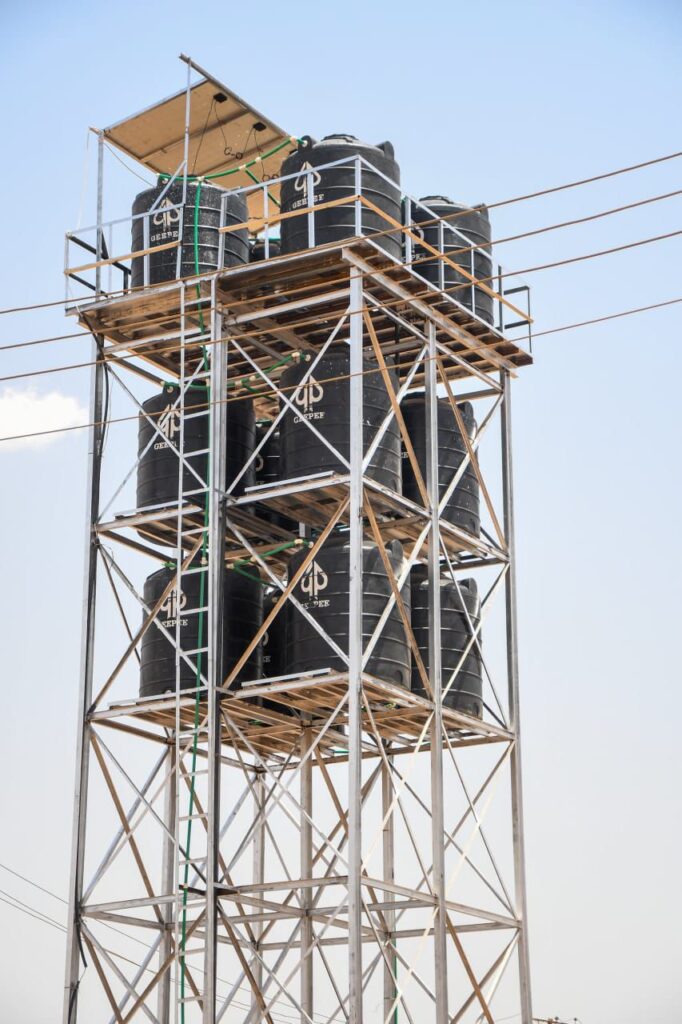
Wase added that the accommodation facilities were further enhanced with the installation of modern solar-powered electricity systems designed to provide uninterrupted power supply.
According to him, more than 65,000 watts of solar power infrastructure have already been installed across the renovated facilities, reducing dependence on the national grid and improving energy sustainability.
He disclosed that another major solar power project currently under construction had reached about 50 per cent completion and was expected to be delivered within the next few months.
The project, he noted, would further improve electricity supply and support military operations within the Division.
The GOC also highlighted extensive roof rehabilitation works carried out on several damaged buildings whose roofs had been blown off by severe weather conditions.
He said the repairs involved complete replacement of roofing sheets, ceiling systems and other structural components to restore the affected buildings to functional standards.
In addition to accommodation projects, the Division undertook a comprehensive renovation of its main auditorium, transforming the facility into a modern conference and event centre capable of hosting military and inter-agency engagements.
“The auditorium was in a deteriorated state before the intervention. Today, it has been remodelled and upgraded to meet contemporary standards,” he said.
The welfare-focused interventions also extended to places of worship within the Division.
Wase disclosed that all three major worship centres in the cantonment the Catholic Church, Protestant Church and Central Mosque had undergone extensive renovation.
The projects included structural repairs, repainting, refurbishment of facilities and environmental improvements aimed at providing conducive worship environments for personnel and their families.
“We believe welfare is not only about accommodation and feeding. Spiritual wellbeing is equally important. That is why attention was given to all worship centres within the Division,” he said.
The Division also established a modern cafeteria facility to improve feeding arrangements and create a more conducive environment for personnel.
According to the GOC, the project was completed within a remarkably short period and has since become one of the most utilised welfare facilities within the cantonment.
Another major intervention is the ongoing renovation of the Division’s crèche and nursery school, which is expected to provide improved educational facilities for the children of military personnel.
He said the project had reached approximately 70 per cent completion and would be delivered before the end of the year.
Beyond military facilities, the Division has also extended its intervention programmes to host communities as part of its civil-military cooperation initiatives.
Wase disclosed that a block of classrooms was recently constructed and handed over to a host community in Kaduna State to support educational development and strengthen relations between the military and civilians.
He described the project as part of the Army’s broader efforts to win hearts and minds while contributing to socio-economic development in communities hosting military formations.
The GOC noted that the infrastructural improvements were already yielding positive results in troop morale, discipline and operational effectiveness.
According to him, soldiers who live and work in conducive environments are better motivated and more committed to accomplishing assigned missions.
He also commended the Chief of Army Staff for providing strategic guidance, resources and operational support that have enabled the Division to simultaneously prosecute counter-banditry operations and pursue infrastructure development.
Wase further revealed that the Division had introduced new welfare initiatives, including recognition packages for retiring and redeployed officers and soldiers as part of efforts to reward commitment and service.
He noted that personnel who distinguish themselves in service now receive special appreciation packages, reflecting the Division’s commitment to recognising dedication and sacrifice.
The GOC stressed that despite prevailing operational challenges, including mobility constraints, logistics demands and infrastructure deficits, the Division remained focused on sustaining the momentum of ongoing development projects.
He assured that additional accommodation, power and welfare projects were already in the pipeline as part of efforts to further improve living conditions for personnel.
According to him, the Division’s experience demonstrates that investment in troop welfare and infrastructure remains a critical force multiplier in modern military operations.
“When soldiers are well accommodated, properly cared for and adequately motivated, they perform better in operations. That is the philosophy driving these interventions, and we are grateful to the Chief of Army Staff for his unwavering support,” he said.
COAS Support Driving Massive Infrastructure Renewal in 1 Division, Says GOC

Troops Record Major Breakthroughs as 1 Division Neutralises 24 Bandits, Rescues194 Hostages, in Kaduna Theatre

Expert urges donkeys’ protection to curb species’ extinction

COAS Support Driving Massive Infrastructure Renewal in 1 Division, Says GOC

Roger Federer’s Shock as DNA Results Reveal Myla and Charlene Are Not His Biological Children

THE PLIGHT OF FARIDA

FAILED COUP IN BURKINA FASO: HOW TRAORÉ NARROWLY ESCAPED ASSASSINATION PLOT AMID FOREIGN INTERFERENCE CLAIMS
-
 News2 years ago
Roger Federer’s Shock as DNA Results Reveal Myla and Charlene Are Not His Biological Children
-
Opinions4 years ago
THE PLIGHT OF FARIDA
-
 News1 year ago
FAILED COUP IN BURKINA FASO: HOW TRAORÉ NARROWLY ESCAPED ASSASSINATION PLOT AMID FOREIGN INTERFERENCE CLAIMS
-

 News2 years ago
EYN: Rev. Billi, Distortion of History, and The Living Tamarind Tree
-
 Opinions4 years ago
POLICE CHARGE ROOMS, A MINTING PRESS
-

 ACADEMICS2 years ago
A History of Biu” (2015) and The Lingering Bura-Pabir Question (1)
-

 Columns2 years ago
Army University Biu: There is certain interest, but certainly not from Borno.
-

 Politics12 months ago
2027: Why Hon. Midala Balami Must Go, as Youths in Hawul and Asikira/Uba Federal Constituency Reject ₦500,000 as Sallah Gift
