
News
DRC Criticizes Global Lukewarm Attitude toGenocide in Congo

DRC Criticizes Global Lukewarm Attitude to
Genocide in Congo
By: Michael Mike
The Democratic Republic of Congo (DRC) has criticized the seemingly lukewarm attitude of civilized world to the genocide
perpetuated on its soil by neighbouring countries pillaging Congolese natural resources.
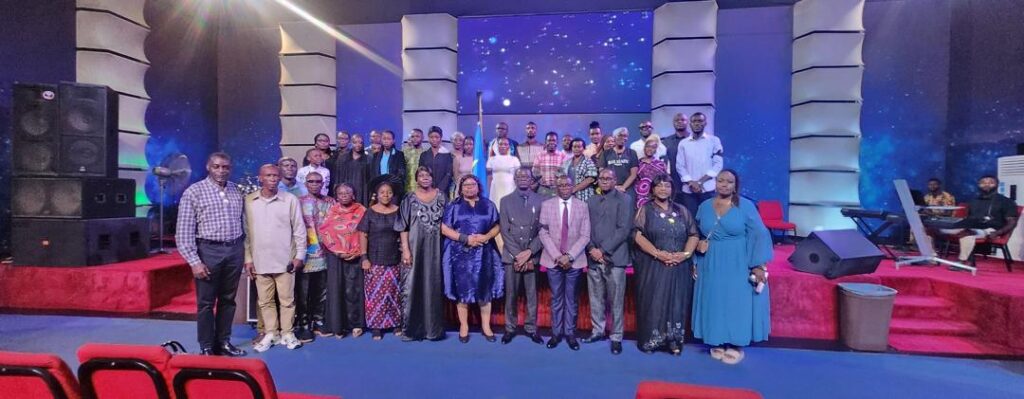
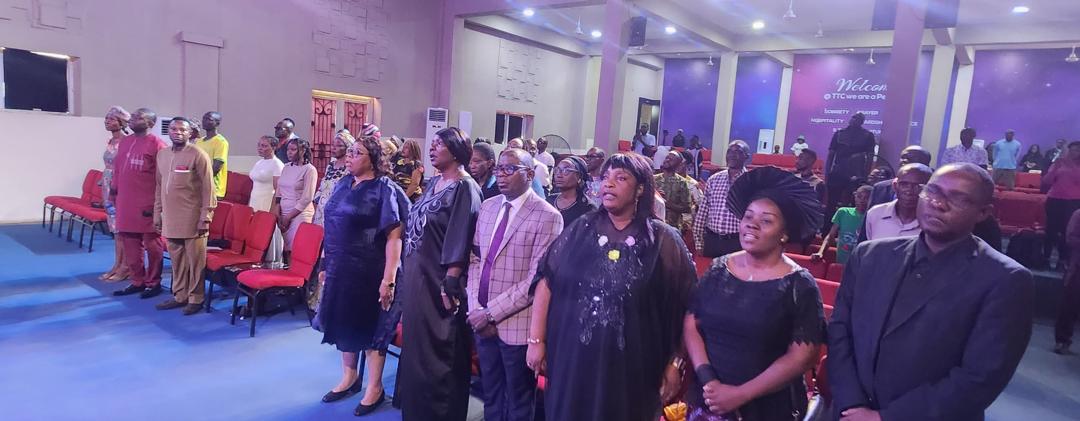
Speaking during the Commemoration of GENOCOST at the Triumphant Church, Gishiri, Abuja, the DRC Ambassador to Nigeria, Pascaline Gerengbo Yakivu explained that: “The Congolese Government, referring to Law Number 22/065 of December 26, 2022, establishing the fundamental principles relating to the protection and reparation of victims of conflict-related to sexual violence and other crimes against peace and security, crimes against humanity, has established a National Day of Tribute to the aforementioned Victims and to the people who provided them with relief and assistance. This day, celebrated on August 2 of each year, is called GENOCOST, which means Genocide for Economic Purposes.”
She noted that August 2 was chosen for the commemoration because August 2, 1998, marked the beginning of the long, arduous march with multiple forms of suffering for the Congolese people, culminating in the clashes between the Ugandan and Rwandan armies on Congolese soil in Kisangani.
The Ambassador while lamenting that every day, peaceful citizens are forced to flee their homes to take refuge in the bush, far from their natural environments, lacking everything, dying of hunger and diseases caused by their wandering situation, said that international community needs to take urgent action to stop the crisis.
She decried that: “They have not harmed anyone; they suffer all these horrors of war just because they are Congolese. All this, in the total indifference of other countries and the international community, even though they are praised as civilized nations.
“The armies of these neighbouring countries that continue to cause death and desolation to all these innocent and peaceful citizens are, however, known, and for nearly three decades, these foreign armies, particularly that of Rwanda, have been supporting the M23/AFC terrorist groups that are conducting operations in the Democratic Republic of Congo, occupying large territories for false reasons, raping, killing, and plundering our natural resources from the Eastern part of the country. If nothing is done, the populations of this part of our territory are going to be exterminated or flee far from their native lands because it is a situation that best suits these predatory states.”
She further decried that: “Today, while we commemorate this genocide of the Congolese, a large part of our territory is occupied, causing more than 7 million internally displaced people.”
The envoy said: “All the research carried out by our state institutions and by credible foreign organisations on the numerous deaths caused by incursions and occupations by foreign armies, attest that more than 10 million deaths have been caused by this situation, and more recently, in Komada in Ituri Province, during a Catholic church service, congregants were murdered by RDF armed groups. How long will these massacres of Congolese people continue?”
She said: “Imagine what 10 million deaths represent? We have countries both here in Africa and in other continents whose entire populations do not exceed 10 million inhabitants.”
The envoy said: “The awareness of the sons and daughters of the DRC has awakened them to demand reparations for the damages suffered and to denounce the hypocrisy of the international community.
“The DRC seized this opportuned moment, with the publication of the various documented UN reports, to ensure that sanctions against the perpetrators of this genocide could be taken by the appropriate international bodies in order to restore peace in the region, with a view to alleviating the suffering of our victim populations.
“It is time for the international community to gather the courage it takes to recognize this genocide which is at the same level of other known ones around the world.
“This is how the collective memory of the Congolese victims will be honoured and recognised by the International Community.”
DRC Criticizes Global Lukewarm Attitude to
Genocide in Congo


District head rescued from mob attack in Jos East
By: Zagazola Makama
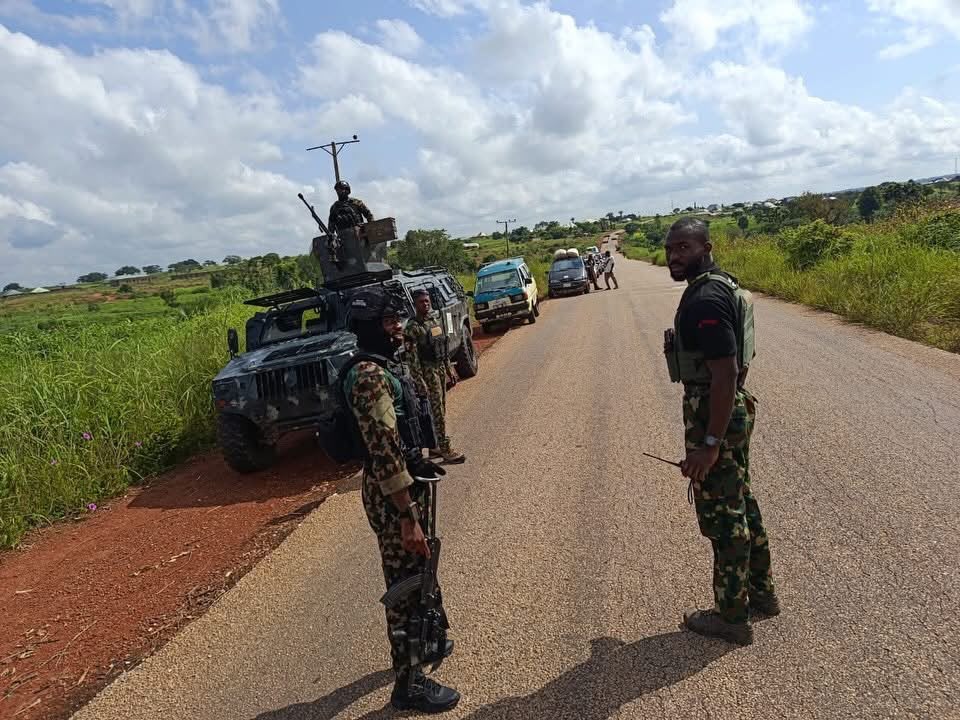
Troops of Sector 1, Sub-Sector 12, have rescued the District Head of Fursum in Jos East Local Government Area of Plateau State, Alhaji Musa Usman, from a mob attack by youths of Ninseng community.
Security sources told Zagazola Makama that the incident occurred at about 1:45 p.m. on Sept. 25, 2026, when troops responded to a report of a mob attack at the district head’s residence.
The youths reportedly attacked Usman, accusing him of allegedly supporting Fulani residents in the community.
The attack followed a reported incident in which a local was attacked and killed at an illegal mining site in Nabar Dutse community.
Troops intervened and rescued the district head, who sustained injuries during the attack.
He was subsequently evacuated to the Jos University Teaching Hospital (JUTH) for medical attention.
During the incident, the district head’s vehicle was also set ablaze by the attackers.
The troops brought the situation under control and dominated the general area to prevent further escalation and possible retaliatory attacks.
Security forces are maintaining a presence in the area while efforts continue to prevent further breakdown of law and order.
District head rescued from mob attack in Jos East

Troops rescue 14 kidnapped victims, recover arms, ammunition in Katsina
By: Zagazola Makama
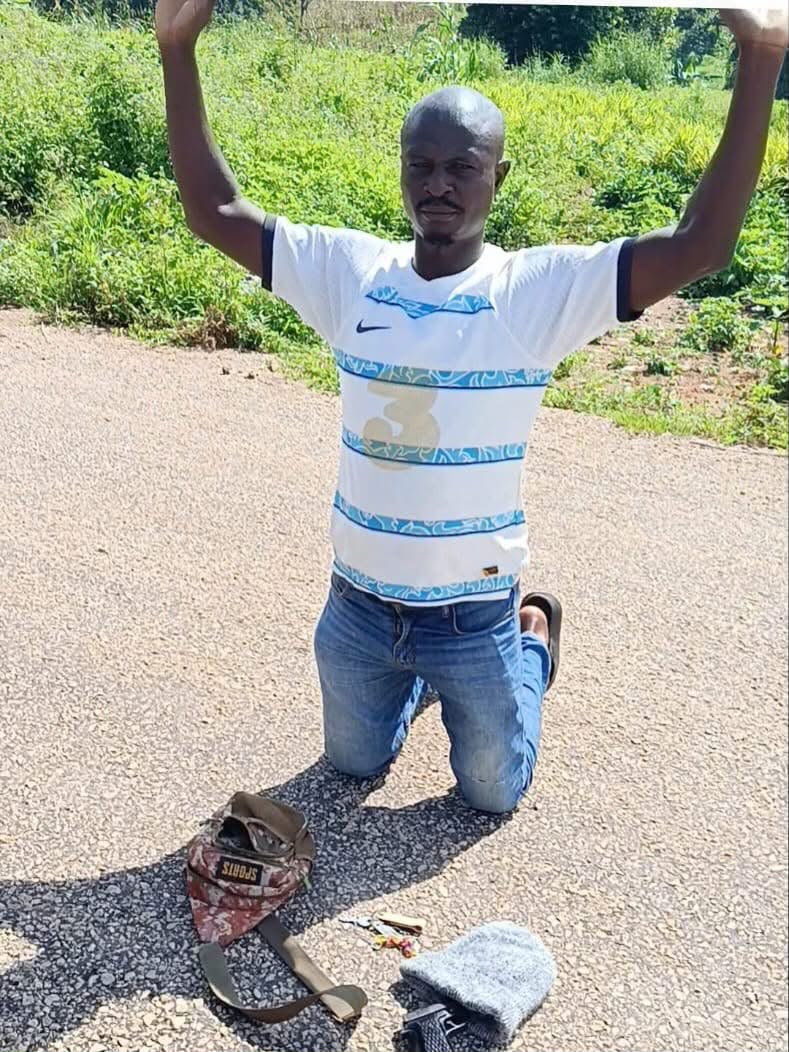
Troops of Sector 2, Operation FANSAN YAMMA, have rescued 14 kidnapped victims and recovered arms, ammunition and a motorcycle during ongoing clearance operations in Faskari Local Government Area of Katsina State.
According to security sources, the troops carried out routine security patrols along the Faskari axis on Sept. 25, 2026, when they intercepted a group of suspected terrorists.
The troops engaged the terrorists and overpowered them, forcing the group to abandon their positions and flee into the surrounding terrain.
During the subsequent clearance operation, the troops rescued 14 kidnapped victims, comprising 12 males and two females.
Preliminary investigation indicated that the victims had been abducted from Anguwan Miko and Tafoki communities, both in Faskari LGA.
The rescued victims are currently receiving medical attention and necessary support before being reunited with their families.
In a related operation within the same area, the troops also foiled an attempted attack by suspected terrorists.

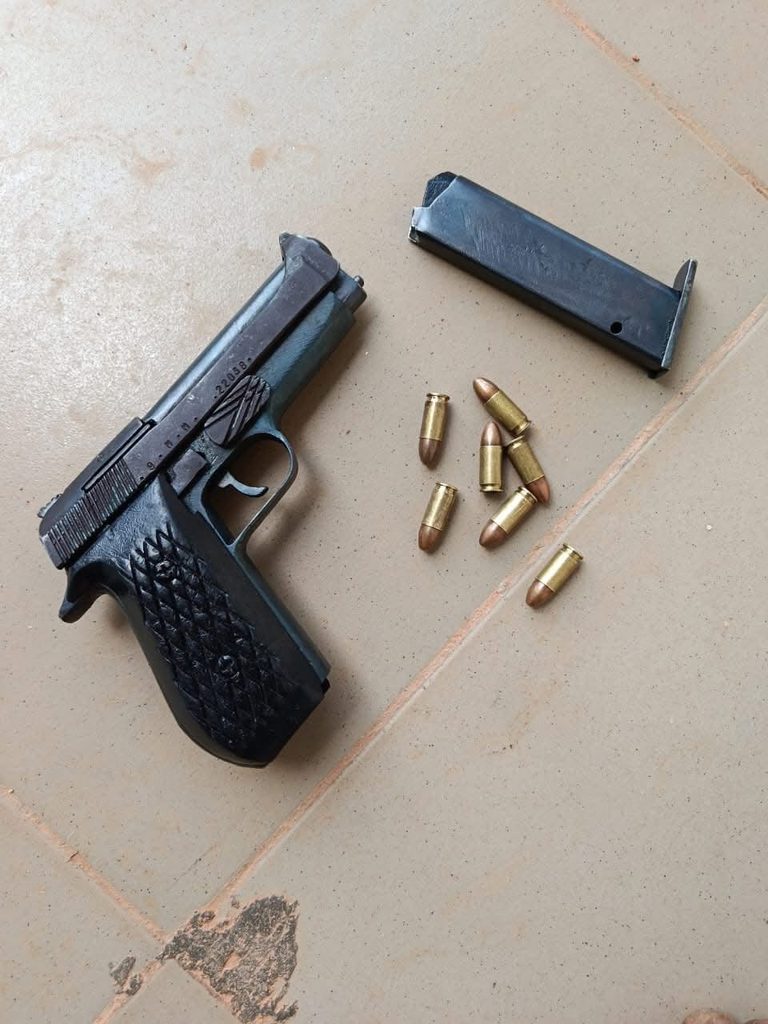
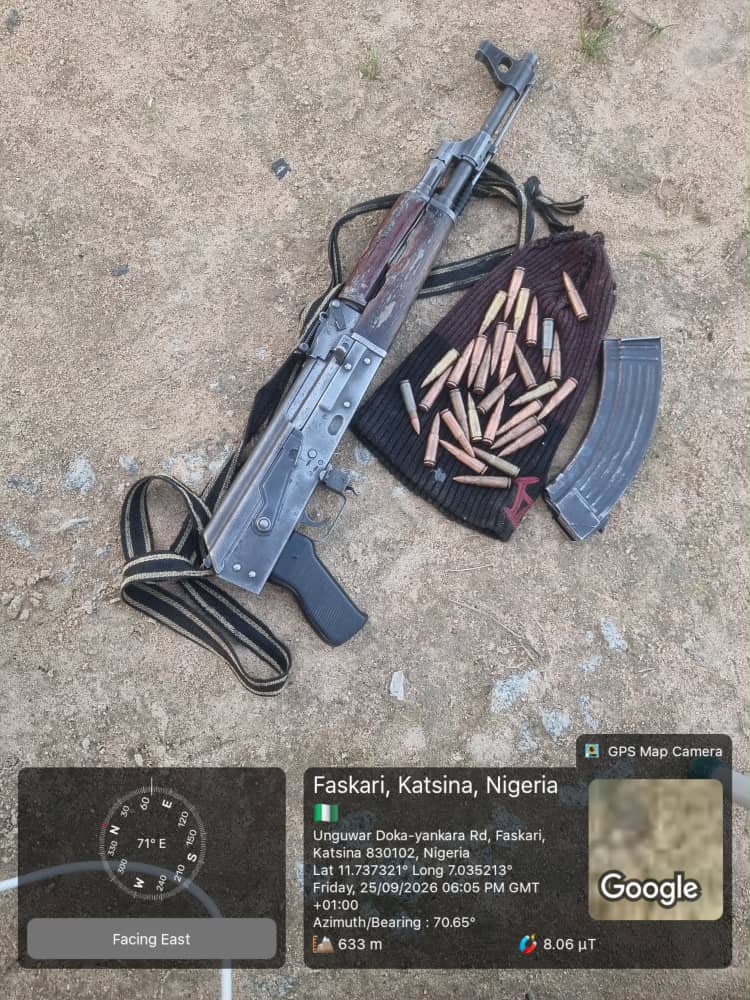
Following the engagement, the troops recovered one AK-47 rifle, some quantity of 7.62mm special ammunition and a motorcycle reportedly used by the suspects.
Troops rescue 14 kidnapped victims, recover arms, ammunition in Katsina
Troops foil attack by Fulani bandits on Gyamgyam community in Plateau
By: Zagazola Makama
Troops of Sector 2, Operation Enduring Peace (OPEP), have foiled an attack by fulani bandits on Gyamgyam community in Garga District of Wase Local Government Area of Plateau State.
The incident occurred at about 7:45 a.m. on Sept. 25, when troops responded to reports of sporadic shootings in the community.
Upon arrival at the location, the troops discovered that the community had come under attack by some assailants.
Security sources said no casualty was recorded, as members of the community resisted the attackers and prevented them from achieving their objective.
Following the incident, the troops commenced area domination patrols around the community and adjoining locations to deter further attacks and track the movement of the assailants.
The operation is ongoing as security forces continue to maintain a presence in the area and monitor the security situation.
Troops foil attack by Fulani bandits on Gyamgyam community in Plateau

District head rescued from mob attack in Jos East

Troops rescue 14 kidnapped victims, recover arms, ammunition in Katsina

Troops foil attack by Fulani bandits on Gyamgyam community in Plateau

Roger Federer’s Shock as DNA Results Reveal Myla and Charlene Are Not His Biological Children

THE PLIGHT OF FARIDA

FAILED COUP IN BURKINA FASO: HOW TRAORÉ NARROWLY ESCAPED ASSASSINATION PLOT AMID FOREIGN INTERFERENCE CLAIMS
-
 News3 years ago
Roger Federer’s Shock as DNA Results Reveal Myla and Charlene Are Not His Biological Children
-
Opinions5 years ago
THE PLIGHT OF FARIDA
-
 News1 year ago
FAILED COUP IN BURKINA FASO: HOW TRAORÉ NARROWLY ESCAPED ASSASSINATION PLOT AMID FOREIGN INTERFERENCE CLAIMS
-

 News3 years ago
EYN: Rev. Billi, Distortion of History, and The Living Tamarind Tree
-
 Opinions5 years ago
POLICE CHARGE ROOMS, A MINTING PRESS
-

 ACADEMICS3 years ago
A History of Biu” (2015) and The Lingering Bura-Pabir Question (1)
-

 Columns3 years ago
Army University Biu: There is certain interest, but certainly not from Borno.
-

 Politics1 year ago
2027: Why Hon. Midala Balami Must Go, as Youths in Hawul and Asikira/Uba Federal Constituency Reject ₦500,000 as Sallah Gift
