
News
ECOWAS STANDARDS MANAGEMENT TECHNICAL COMMITTEE EXAMINES NEWREGIONAL STANDARDS FOR FORTIFIED FOODS

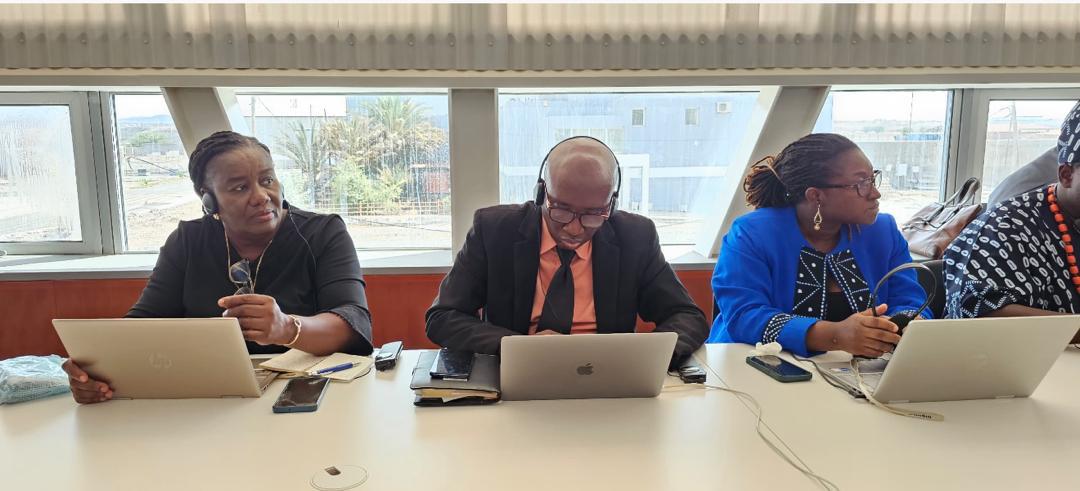
ECOWAS STANDARDS MANAGEMENT TECHNICAL COMMITTEE EXAMINES NEW
REGIONAL STANDARDS FOR FORTIFIED FOODS
By: Michael Mike
On the 28th and 29th of July 2025, the Cape Verdean capital Praia is hosting a decisive session of the ECOWAS Technical Committee for Standards Management (TMC).
The aim: to review and validate revised regional standards for fortified foods, including iodized salt, fortified vegetable oils and fortified wheat flour.
This initiative, supported by UNICEF, is part
of the fight against persistent malnutrition in West Africa.
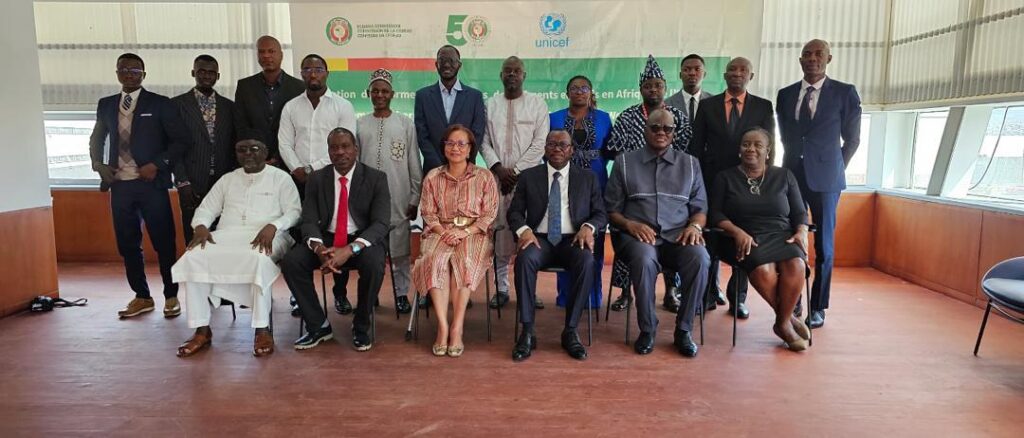
This technical session is part of the implementation of the Common Industrial Policy for West Africa (PICAO) and the Standards Harmonization Model (ECOSHAM). The ambition is clear: to
strengthen the regional normative framework in terms of nutritional security, by adopting up-to-date standards aligned with international standards and meeting the public health priorities of member states.
Alongside the work on food standards, the Committee also validated the new composition of the bureaux of the sectoral technical committees THC2 (food products), THC4 (buildings and
construction materials), THC8 (textiles and clothing) and THC9 (information and communication technologies), taking into account the withdrawal of certain AES countries.
In his opening speech, Mr. Lassané Kaboré, ECOWAS Director of Industry, emphasized the strategic impact of these harmonized standards: guaranteeing safe products for consumers while boosting the competitiveness of local industries.
He also announced the imminent launch of a process to develop standards for complementary foods for infants and young children, in partnership with UNICEF.
For his part, Mr. Siméon Nanama, UNICEF Regional Nutrition Advisor for West and Central Africa, reiterated the urgent need to take action against malnutrition, a real brake on development. He highlighted large-scale fortification as a sustainable solution, praised the exemplary partnership
between UNICEF and ECOWAS, and reaffirmed the organization’s commitment to supporting the development of nutritional standards, particularly for young children.
Ms Ana Paula Spencer, President of the Institute for Quality Management and Intellectual Property (IGQPI), praised ECOWAS’s leading role in setting up a regional quality infrastructure, an
essential lever for fairer and safer trade.
ECOWAS STANDARDS MANAGEMENT TECHNICAL COMMITTEE EXAMINES NEW
REGIONAL STANDARDS FOR FORTIFIED FOODS


Yobe: Wali visits Emir of Damaturu
By: Yahaya Wakili
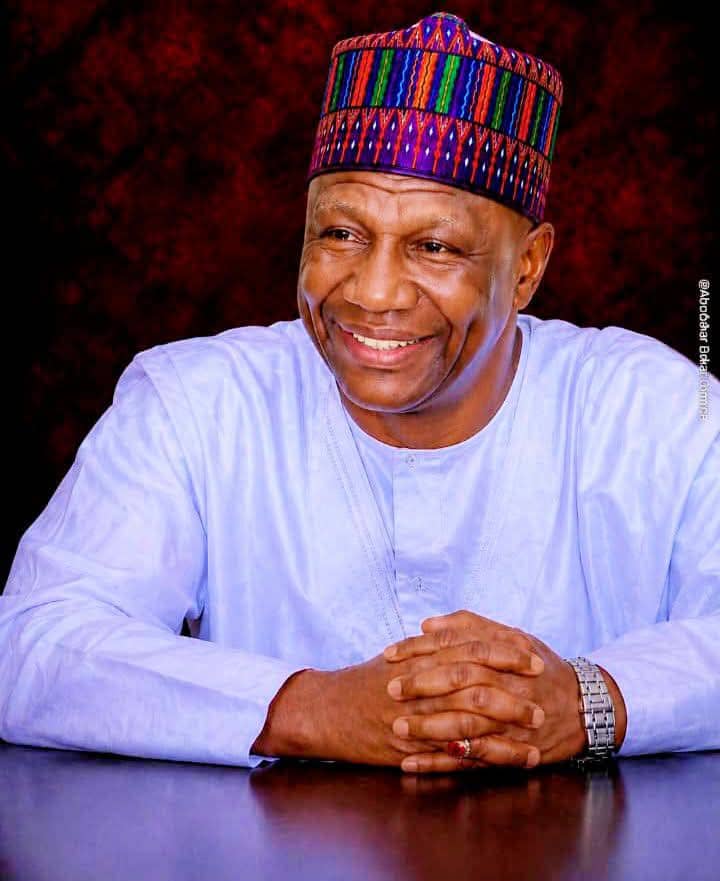
Yobe State All Progressives Congress (APC), 2027 gubernatorial candidate Alhaji Baba Malam Wali MNI, FCAN, has paid a courtesy visit to His Royal Highness, the Emir of Damaturu, Alhaji Shehu Hashimi II Ibn Umar Al-Amin El-Kanemi, at his palace in Damaturu.
During the visit, the APC governorship candidate, Alhaji Baba Malam Wali MNI, said they were at the emir’s palace to solicit the prayers and blessings of the emir.
According to Baba Wali, “We are in the race; therefore, the visit was very significant. We need the prayers of the royal fathers and leaders because they were very vital and important at this crucial time.
Responding, His Royal Highness, the emir of Damaturu, Alhaji Shehu Hashimi II Ibn Al-Amin El-Kanemi, thanked the governorship candidate for the visit and prayed Almighty Allah (SWT) would guide and protect him throughout his struggle in his life.
Those accompanying the incoming governor, Inshallah, in 2027 during the visit are his deputy, Barrister Saleh Samanja; APC State chairman, Alhaji Mohammed Gadaka; and Madakin Gudi.
Others are Alhaji Aji Yarima Bularafa, Hon. Commissioner of the Ministry of Wealth Creation, Empowerment, and Employment Generation; Hon. Nasiru Hassan Yusuf, candidate for the Federal House of Representatives, representing Damaturu, Gujba, Gulani, and Tarmuwa local government areas; and others.
The emir conferred the traditional title of Mukaddam of the Damaturu emirate council on Alhaji Baba Malam Wali, mni, and fcan, respectively.
Yobe: Wali visits Emir of Damaturu
Fire Razes Building Material Shops in Satellite Town, Lagos
By Zagazola Makama
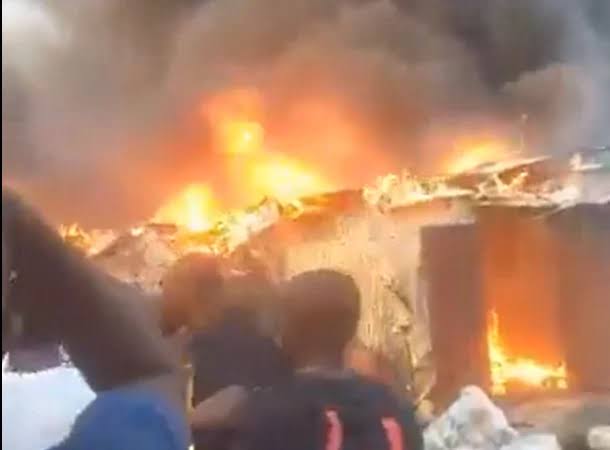
LAGOS — A fire outbreak has destroyed several building material shops along Fin-Niger, Satellite Town, Lagos State.
The incident occurred at about 6:10 a.m. on Aug. 18, when a distress call was received reporting a fire outbreak in the area.
Following the alert, a team of policemen and firefighters was swiftly mobilised to the scene.
The fire affected building material shops located at 58/196 Old Ojo Road, along Fin-Niger, Satellite Town.
The emergency responders successfully contained and extinguished the fire, preventing it from spreading further.
No casualty or loss of life was recorded in the incident.
The cause of the fire and the estimated value of property destroyed have not yet been established.
The police said investigation into the incident is ongoing to determine the circumstances surrounding the outbreak.
Fire Razes Building Material Shops in Satellite Town, Lagos
News
24 Bandits Killed As Army, DSS, Vigilantes Foil Mass Kidnap in Katsina Community, Rescue Victims
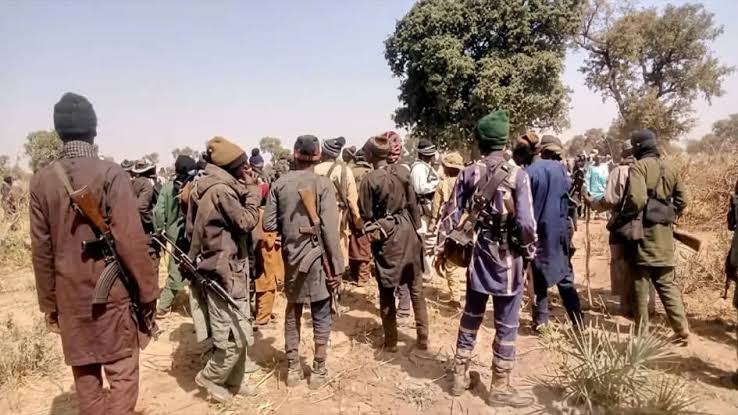
24 Bandits Killed As Army, DSS, Vigilantes Foil Mass Kidnap in Katsina Community, Rescue Victims
By: Zagazola Makama
At least 24 bandits were killed on Tuesday after soldiers of the Nigerian Army, operatives of the Department of State Services (DSS), Katsina Community Watch Corps foiled an attempt to mass-kidnap persons in Gidan Bawa village, Kandarawa Ward, Bakori Local Government Area of the state.
According to a security source, the operation followed sustained intelligence which uncovered plans by about 40 gunmen loyal to notorious bandit kingpin, Isiya Kwashen Garwa, to invade the village and abduct many residents, especially women and children.
The plot, sources said, was intended to replicate the mass abduction of residents of Woro community in Kwara State, ostensibly to embarrass the government.
Acting swiftly on the intelligence, DSS operatives mobilised the Community Watch Corps, and the Civilian Joint Task Force (CJTF) from Guga camp, and ambushed the bandits.
The source disclosed that the joint security operatives neutralised 24 bandits and rescued the abducted villagers.
Security operatives also recovered 19 stolen cattle from the community during the raid.
The source added that there were ongoing efforts to track down the fleeing bandits.
24 Bandits Killed As Army, DSS, Vigilantes Foil Mass Kidnap in Katsina Community, Rescue Victims

Yobe: Wali visits Emir of Damaturu

Police Arrest Two Suspected One-Chance Robbery Syndicate Members in Lagos

Fire Razes Building Material Shops in Satellite Town, Lagos

Roger Federer’s Shock as DNA Results Reveal Myla and Charlene Are Not His Biological Children

THE PLIGHT OF FARIDA

FAILED COUP IN BURKINA FASO: HOW TRAORÉ NARROWLY ESCAPED ASSASSINATION PLOT AMID FOREIGN INTERFERENCE CLAIMS
-
 News2 years ago
Roger Federer’s Shock as DNA Results Reveal Myla and Charlene Are Not His Biological Children
-
Opinions5 years ago
THE PLIGHT OF FARIDA
-
 News1 year ago
FAILED COUP IN BURKINA FASO: HOW TRAORÉ NARROWLY ESCAPED ASSASSINATION PLOT AMID FOREIGN INTERFERENCE CLAIMS
-

 News2 years ago
EYN: Rev. Billi, Distortion of History, and The Living Tamarind Tree
-
 Opinions5 years ago
POLICE CHARGE ROOMS, A MINTING PRESS
-

 ACADEMICS2 years ago
A History of Biu” (2015) and The Lingering Bura-Pabir Question (1)
-

 Columns2 years ago
Army University Biu: There is certain interest, but certainly not from Borno.
-

 Politics1 year ago
2027: Why Hon. Midala Balami Must Go, as Youths in Hawul and Asikira/Uba Federal Constituency Reject ₦500,000 as Sallah Gift
