
News
Fiscal Storm: ActionAid Slams ₦34trn Revenue Deductions, Calls for Transparency

Fiscal Storm: ActionAid Slams ₦34trn Revenue Deductions, Calls for Transparency
By: Michael Mike
ActionAid Nigeria has called for an urgent forensic audit of Nigeria’s revenue management system following revelations that more than ₦34 trillion was deducted from federal earnings before allocation to the three tiers of government.
The organisation said the scale of the deductions—accounting for over 40 per cent of federal revenue in recent years—points to systemic weaknesses in public financial management and poses a serious threat to fiscal stability and development financing.
In a statement issued on Thursday, ActionAid said findings by the World Bank confirmed that a significant portion of government income is being absorbed through pre-distribution charges, including cost-of-collection frameworks and agency remittances, with limited transparency on their composition and utilisation.
“These findings reinforce long-standing concerns about Nigeria’s widening fiscal constraints and rising debt burden,” the group said. “The persistence of large-scale revenue leakages represents both a governance failure and a missed opportunity to strengthen fiscal stability.”
According to the organisation, the deductions—estimated at more than ₦34 trillion—have continued to rise alongside government revenues, leaving federal, state, and local governments with significantly reduced resources to fund public services.
ActionAid warned that the trend is worsening Nigeria’s reliance on borrowing, citing projections by the International Monetary Fund that the country’s debt-to-GDP ratio could climb to 33.1 per cent by 2027.
“The widening gap between gross revenue and distributable income is constraining development financing and increasing dependence on debt,” the statement added.
The group expressed particular concern over what it described as “opaque and fragmented” revenue channels, noting that substantial portions of national income pass through multiple layers before reaching the Federation Account.
It said the lack of public disclosure around these deductions—including their justification, structure, and end-use—raises critical accountability questions.
“There is limited transparency on how these funds are managed,” the organisation stated. “This opacity weakens fiscal oversight and undermines public trust in governance.”
ActionAid also pointed to broader implications for national development, warning that reduced public revenue is limiting government capacity to invest in essential sectors such as healthcare, education, security, and social protection.
The Country Director of ActionAid Nigeria, Andrew Mamedu, said the consequences are already being felt by millions of Nigerians.
“For citizens grappling with rising inflation, declining purchasing power, and economic hardship, the continued reduction in available public resources means fewer investments in essential services,” he said.
He added that weakening fiscal capacity is also exacerbating insecurity, as economic pressures fuel crime, displacement, and social instability.
“At a time when livelihoods are becoming more fragile, the erosion of public revenue further limits the government’s ability to respond effectively to these challenges,” Mamedu said.
The organisation further criticised the lack of transparency surrounding major public expenditures, citing concerns over projects such as the Nigeria Revenue Service building, where cost details and procurement processes have not been publicly disclosed.
“Citizens have a right to know how public funds are utilised,” the group said, stressing that accountability must extend beyond revenue collection to expenditure.
ActionAid warned that without urgent reforms, Nigeria risks entrenching a system where public resources are consistently depleted before they can deliver meaningful impact.
“The continued expansion of unchecked deductions poses a direct threat to equitable development, fiscal stability, and public trust,” it said.
To address the issue, the organisation called on the Federal Government to undertake a comprehensive and transparent review of all revenue deduction frameworks, with a view to ensuring accountability and efficiency.
It also demanded the immediate publication of detailed breakdowns of all deductions, strengthened independent oversight of revenue-generating agencies, and reforms to eliminate systemic leakages.
In addition, ActionAid urged the National Assembly to intensify its oversight role through public hearings and scrutiny of deduction structures, while calling on state governments, civil society, and the media to increase pressure for transparency.
“An independent forensic audit of all deduction mechanisms is critical to restoring public confidence,” the organisation said.
ActionAid added that Nigeria’s development trajectory depends not only on revenue generation but on how effectively public resources are managed and deployed.
“This is not just a fiscal issue; it is a matter of justice,” Mamedu said. “Every naira that fails to reach essential services denies Nigerians access to healthcare, education, and dignity.”
Fiscal Storm: ActionAid Slams ₦34trn Revenue Deductions, Calls for Transparency


37 Minna Deaths: Panel Flags Institutional Breakdown, Overzealousness in NSCDC Operation
…Committee seeks two-week extension, awaits forensic, pathology reports
By: Michael Mike
The Federal Government’s investigative committee probing the reported deaths of 37 persons in the custody of the Nigeria Security and Civil Defence Corps (NSCDC) in Minna, Niger State, has uncovered indications of possible institutional breakdown, overzealousness and inadequate training among personnel involved in the incident.
The committee, however, said it would not rush to a final conclusion, announcing that it had sought a two-week extension to complete its investigation and submit a “thorough and credible” report.
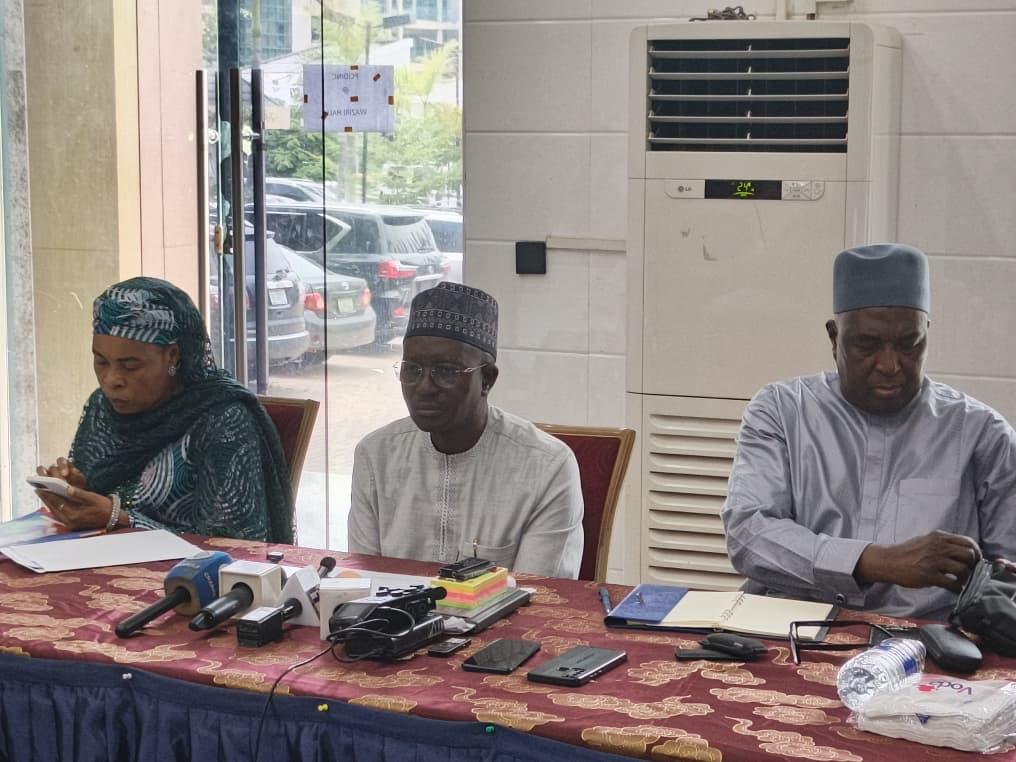
Chairman of the Independent Investigative Committee, Jonathan Kure (retd.), disclosed this on Tuesday during a press briefing in Abuja, saying the committee was yet to conclude its assignment because of the volume of evidence gathered and the need to obtain forensic and pathology reports.
The committee was originally expected to submit its report on October 7, but has requested an extension until October 21, 2026.
Kure said the committee had made appreciable progress since its inauguration, including inspection of the custody facility, conduct of autopsies, interviews with survivors and bereaved families, and the taking of statements from NSCDC personnel and other witnesses.
He said the panel had also visited the mining site and the Niger State Command headquarters of the NSCDC, where members examined the scene connected with the incident.
According to him, the committee had interacted with officers and men of the Civil Defence Corps who were involved either directly or indirectly, but was still engaging some of them as part of the investigation.
“Because of the peculiar nature of this investigation, it involves a large volume of testimonies and evidence which require our meticulous review and collation,” Kure said.
He added that the committee was still awaiting forensic and pathology reports considered critical to determining the causes of death.
The chairman stressed that the panel was determined to ensure that its eventual findings would withstand scrutiny and command public confidence.
He said persons implicated in the incident, including officers who had already been suspended, must be given an opportunity to respond before the committee reaches its final conclusions.
Beyond the immediate circumstances surrounding the deaths, Kure said the investigation had begun to point to broader institutional issues that would require attention.
“There are elements of institutional breakdown. There are elements of overzealousness. Some elements that will require more training for personnel,” he said.
The disclosure potentially broadens the scope of the investigation from establishing how the 37 persons died to examining whether weaknesses within the security and civil defence system contributed to the incident.
The reported deaths had triggered public concern and prompted the Federal Government to constitute the independent committee to investigate the circumstances surrounding the incident.
Kure said the committee had visited the affected communities, met the families of all the deceased and interacted with survivors in an effort to reconstruct what happened.
He said the panel was conscious of the grief suffered by the affected families and would ensure that its findings were based on evidence rather than speculation.
“We promised Nigerians a thorough job,” he said, adding that members of the committee would work throughout the additional two-week period to ensure that the final report did justice to the matter.
Kure said the extension would enable the committee to complete the review of documentary and forensic evidence, receive outstanding medical reports and hear from all persons whose conduct or actions might be relevant to the investigation.
He assured Nigerians that the panel would return with its report at the end of the extended period.
The committee’s request for additional time comes amid heightened scrutiny of security agencies and growing demands for accountability whenever deaths occur in official custody.
The final report is expected to determine the circumstances surrounding the deaths, establish responsibility where applicable and make recommendations aimed at preventing a recurrence.
37 Minna Deaths: Panel Flags Institutional Breakdown, Overzealousness in NSCDC Operation

Ikpeazu Courts Spanish Investment in Nigeria’s Blue Economy at CONXEMAR 2026
By: Michael Mike
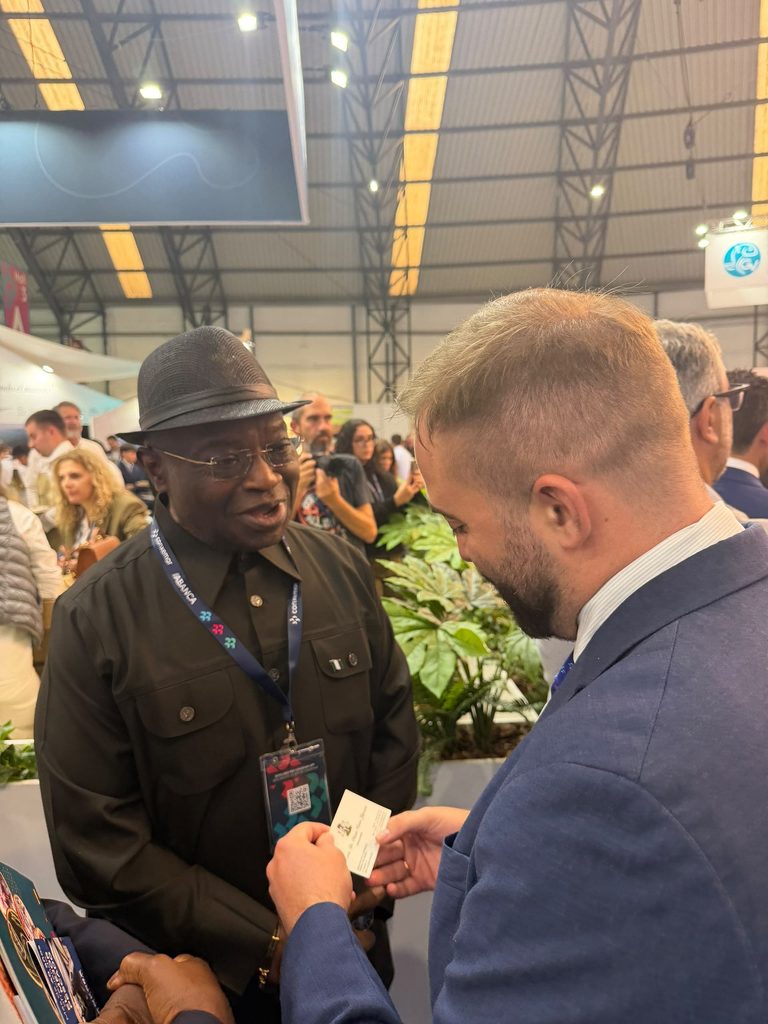
Nigeria has stepped up efforts to attract Spanish investment into its blue economy, with the country’s Ambassador to Spain, Dr. Okezie Victor Ikpeazu, engaging investors and industry stakeholders at the 27th International Frozen Seafood Exhibition, CONXEMAR 2026, in Vigo, Galicia, Spain.
Ambassador Ikpeazu participated in the opening ceremony of the international trade fair held on Tuesday at the IFEVI Exhibition Centre, alongside the President of the Xunta de Galicia, senior Spanish Government officials, the President of CONXEMAR, the Mayor of Vigo, members of the diplomatic corps, business leaders and major stakeholders in fisheries and aquaculture.
CONXEMAR is regarded as one of the world’s major trade fairs dedicated to the frozen seafood industry, bringing together businesses and stakeholders across the global seafood value chain.
The Nigerian Embassy said Ikpeazu’s participation was part of ongoing efforts to position Nigeria as an attractive destination for investment in the blue economy, particularly as the country seeks to expand opportunities in fisheries, aquaculture, marine industries and related value chains.
On the sidelines of the exhibition, the ambassador held engagements with CONXEMAR officials and representatives of several companies operating in areas including packaging, marine services and fisheries-related industries.
The discussions focused on opportunities for collaboration and investment, with the embassy seeking to leverage Spain’s expertise and business interests in the maritime and seafood sectors to support the development of Nigeria’s blue economy.
The engagements also underscored the potential for stronger Nigeria-Spain commercial relations through private-sector partnerships, technology transfer and investment in industries connected to fisheries and marine resources.

Nigeria’s blue economy encompasses a broad range of economic activities linked to the country’s marine and aquatic resources, including fisheries, aquaculture, maritime transport, marine tourism and other ocean-based industries.
The ambassador’s participation at CONXEMAR therefore provides an avenue for Nigeria to showcase investment opportunities in these sectors while engaging directly with international companies and potential investors.
The embassy said it would continue to pursue initiatives aimed at deepening economic relations between Nigeria and Spain and attracting investments capable of contributing to the growth and diversification of Nigeria’s blue economy.
Ikpeazu Courts Spanish Investment in Nigeria’s Blue Economy at CONXEMAR 2026
Bureau urges states to deepen public service reforms
By Elizabeth Ogunjobi
The Bureau of Public Service Reforms (BPSR) has urged sub-national governments to emulate Federal Government efforts to institutionalise systemic public service reforms.
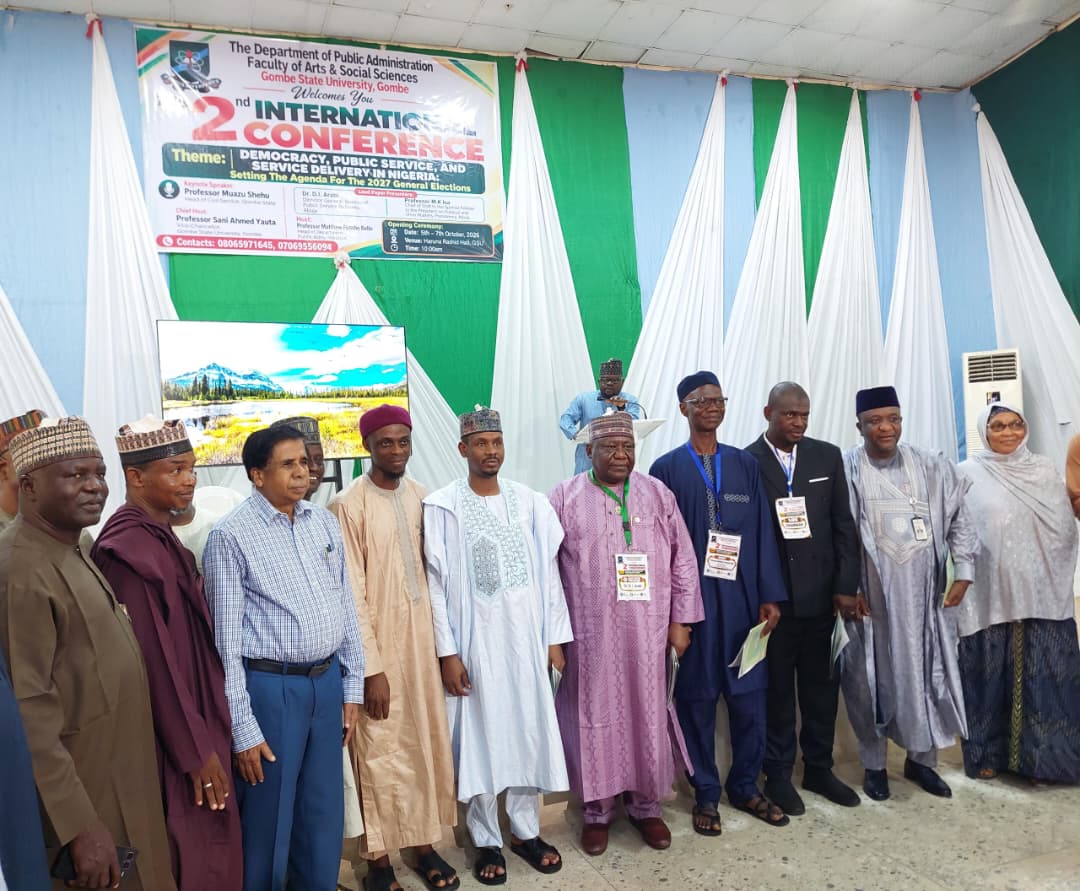
Dr Dasuki Arabi, BPSR Director-General, made the call on Tuesday in Gombe while presenting a paper at Gombe State University’s conference.
He stressed the need for sustained reforms focused on digital governance, human capital development and performance management to optimise service delivery.
Arabi said replicating Federal Government reforms across states would promote a whole-of-government approach capable of improving public service delivery nationwide.
He said reforms initiated by President Bola Tinubu had helped reposition Nigeria among emerging countries making progress in public service delivery.
According to him, the reforms have strengthened the civil service while addressing challenges affecting effective public service delivery.
“The introduction of government financial integrated management information system for payment of contracts and services and the National Strategy of Public Service Reforms have yielded gains,” Arabi said.
He listed Performance Management, e-culture and the Federal Civil Service Strategy among initiatives that had contributed to improving public service performance.
“These reforms have built public confidence as private sector investment is coming,” Arabi said.
He cited the Dangote Refinery’s offer and foreign participation in Nigeria’s stock exchange as indications of growing investor confidence in the country.
“More than 60 per cent of participants in our stock exchange are not Nigerians,” the Director-General said.
Arabi said BPSR’s ambition was to position Nigeria among the world’s 20 best-performing public services through sustained institutional reforms.
He said: “We are not there, but we have institutions of government that have surpassed that.
“Our tax, our revenue agency is one of the best in the world. Our stock exchange is one of the best in the world.
“The Insurance Commission is the best in Africa and the tenth in the world.”
He, however, said more needed to be done, particularly by states, to ensure reforms were coordinated with Federal Government efforts.
“I think we are moving, but we need to do more, especially if whole-of-government approach by the states work with the Federal Government,” he said.
Arabi urged states to embrace reforms and make citizen engagement and effective public service delivery central to their governance priorities.
He said only Gombe, Kaduna, Enugu, Ogun and Lagos states had provided information on their reform activities to the BPSR.
“All other states are lagging behind. The data is on our website. If you want to check, you can see,” he said.
Prof. Ahmed Yauta, Vice-Chancellor, Gombe State University, represented by his deputy, Prof. Rasheed Abdulganiy, commended the organisers for convening the conference.
Yauta said the conference would contribute to strengthening public service reforms and improving governance in Gombe State.
Prof. Muazu Shehu, Gombe State Head of Service and keynote speaker, said meaningful public service reforms required combining research evidence with reliable data.
Shehu said Gombe State had deliberately embraced governance reforms that distinguished the state through improved governance and service delivery.
He urged policymakers to establish dedicated research units within government agencies and departments to support evidence-based decision-making.
According to him, such units should collect, analyse and apply data to decisions capable of positively affecting governance and service delivery.
Prof. Matthew Bello, Head of the Department of Public Administration, Gombe State University, said the conference would strengthen reform implementation and service delivery in Gombe.
He said the objective was to ensure reforms touched citizens’ lives and contributed to improved governance in the next administration.
Bello added that conference presentations would be translated into actionable plans and published in a book of proceedings.
He said copies would subsequently be sent to government agencies and other relevant stakeholders for consideration and implementation.
The News Agency of Nigeria (NAN) reports that the conference’s theme is ‘Democracy, Public Service and Service Delivery in Nigeria: Setting the Agenda for the 2027 General Elections’.
Bureau urges states to deepen public service reforms

37 Minna Deaths: Panel Flags Institutional Breakdown, Overzealousness in NSCDC Operation

Ecological Distress in the Horn of Africa: Ethio‑Egyptian Hydropower Relations and the Strategic Significance of Hydropower Investments

Ikpeazu Courts Spanish Investment in Nigeria’s Blue Economy at CONXEMAR 2026

Roger Federer’s Shock as DNA Results Reveal Myla and Charlene Are Not His Biological Children

THE PLIGHT OF FARIDA

FAILED COUP IN BURKINA FASO: HOW TRAORÉ NARROWLY ESCAPED ASSASSINATION PLOT AMID FOREIGN INTERFERENCE CLAIMS
-
 News3 years ago
Roger Federer’s Shock as DNA Results Reveal Myla and Charlene Are Not His Biological Children
-
Opinions5 years ago
THE PLIGHT OF FARIDA
-
 News1 year ago
FAILED COUP IN BURKINA FASO: HOW TRAORÉ NARROWLY ESCAPED ASSASSINATION PLOT AMID FOREIGN INTERFERENCE CLAIMS
-

 News3 years ago
EYN: Rev. Billi, Distortion of History, and The Living Tamarind Tree
-
 Opinions5 years ago
POLICE CHARGE ROOMS, A MINTING PRESS
-

 ACADEMICS3 years ago
A History of Biu” (2015) and The Lingering Bura-Pabir Question (1)
-

 Columns3 years ago
Army University Biu: There is certain interest, but certainly not from Borno.
-

 Politics1 year ago
2027: Why Hon. Midala Balami Must Go, as Youths in Hawul and Asikira/Uba Federal Constituency Reject ₦500,000 as Sallah Gift
