
News
Nigeria: MSF/Borno Govt. Vaccinates 350,000 Children Against Diphtheria in Maiduguri

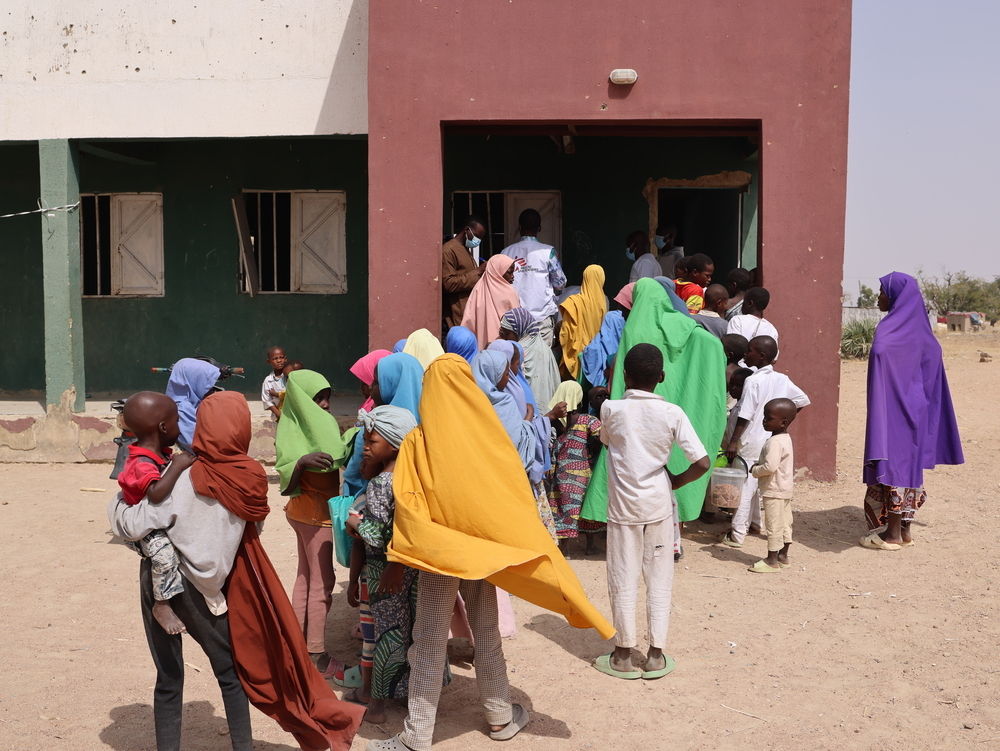
Nigeria: MSF/Borno Govt. Vaccinates 350,000 Children Against Diphtheria in Maiduguri
By: Our Reporter
The humanitarian medical organization Médecins Sans Frontières (MSF) and the Borno State Ministry of Health have successfully completed a vaccination campaign against diphtheria targeting children up to 14 years old in Maiduguri Metropolitan Council (MMC), Borno State, northeast Nigeria.
The campaign began with a first round from 9 to 15 February 2026, which reached 490,000 children, far exceeding the initial target of 387,000. A second round was conducted from 9 to 15 April 2026, targeting 360,000 children reached during the first round to strengthen immunity. Despite the high number of children reached, limited vaccine availability constrained the scale of response.
Nigeria is grappling with one of its most severe diphtheria epidemics in history, with the National Centre for Disease Control (NCDC) reporting 65,759 suspected cases and 2,229 deaths as of 22 March 2026 since May 2022 and officially declaring an outbreak in 2023. In Borno State, one of the most affected areas, MSF has treated more than 7,400 suspected cases since 2023, with 4,200 treated in the past year alone. Furthermore, MSF is treating thousands of people suspected or confirmed to have diphtheria across the country, in close collaboration with state Ministries of Health, and currently supports activities in Bauchi, Borno, Kano, and Sokoto states.
Diphtheria is an acute infectious disease that spreads primarily through respiratory droplets or contact with infected wounds. Symptoms include a sore throat, fever, swollen lymph nodes, and a thick grey membrane in the throat that can obstruct breathing. In severe cases, the bacterial toxin can damage the heart, nerves, and kidneys, potentially leading to complications such as paralysis. For unvaccinated persons without proper treatment, diphtheria can be fatal in around 30% of cases, with young children at higher risk of dying.
MSF supported the Borno State Ministry of Health to run the vaccination campaign, providing comprehensive logistical support including vaccine storage, transportation, and remuneration for vaccination teams; health promotion and awareness activities; and program supervision. The Ministry of Health provided the vaccines used in the campaign. This collaborative effort ensured high coverage, with communities responding enthusiastically to outreach efforts across both rounds.
“This vaccination will help to significantly boost immunity levels of children below 14 years old in Maiduguri, the area responsible for most of the diphtheria cases we saw in our treatment center. This proactive step is essential to controlling and preventing the disease,” said MSF emergency coordinator for the project, Nao Muramoto.
In addition, MSF supported the diphtheria treatment unit (DTU) at Maiduguri Teaching and Training Hospital in collaboration with the Ministry of Health. The DTU saw a surge in suspected cases during the campaign, reflecting heightened awareness and improved referrals by community health workers during the vaccination efforts.
“Sustained routine immunization against diphtheria, improved access in volatile areas, and tackling vaccine hesitancy remain essential to prevent future surges of vaccine-preventable diseases like diphtheria. “Access to more vaccines is needed, as efforts to reach the children of Borno State should remain a priority to avoid further contaminations, to cut the transmissions, and to save lives,” concludes Nao Muramoto.
Beyond its support to diphtheria treatment and vaccination, MSF also supports the Comprehensive Emergency Obstetric and Newborn Care (CEmONC) in Maiduguri, a 60-bed referral maternity and obstetric emergencies hospital with an intensive care unit (ICU) and neonatal ICU, and the Shuwari Primary Healthcare Centre and the Nilefa Kiji nutrition hospital, where our teams treat children under five suffering from severe and moderate acute malnutrition with medical complications.
Nigeria: MSF/Borno Govt. Vaccinates 350,000 Children Against Diphtheria in Maiduguri


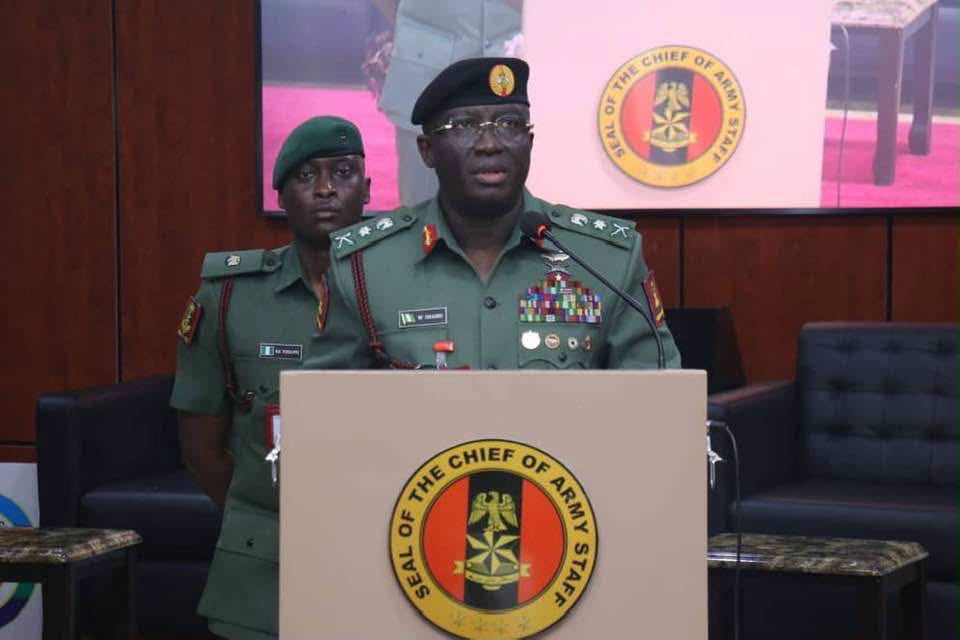
COAS Calls for Joint Operations, Multi-Domain Integration as Army Expands to 12 Divisions
By Zagazola Makama
The Chief of Army Staff (COAS), Lt.-Gen. Waidi Shaibu, has called for stronger joint operations, intelligence sharing and multi-domain integration among the Armed Forces and other security agencies to address Nigeria’s evolving security challenges.
Shaibu made the call on Monday, Oct. 12, 2026, during the graduation lecture of Army War College Nigeria (AWCN) Course 10/2026 in Abuja.
He said the increasingly complex nature of modern warfare required coordinated military capabilities, effective intelligence sharing and sustained collaboration among security agencies to achieve decisive operational outcomes.
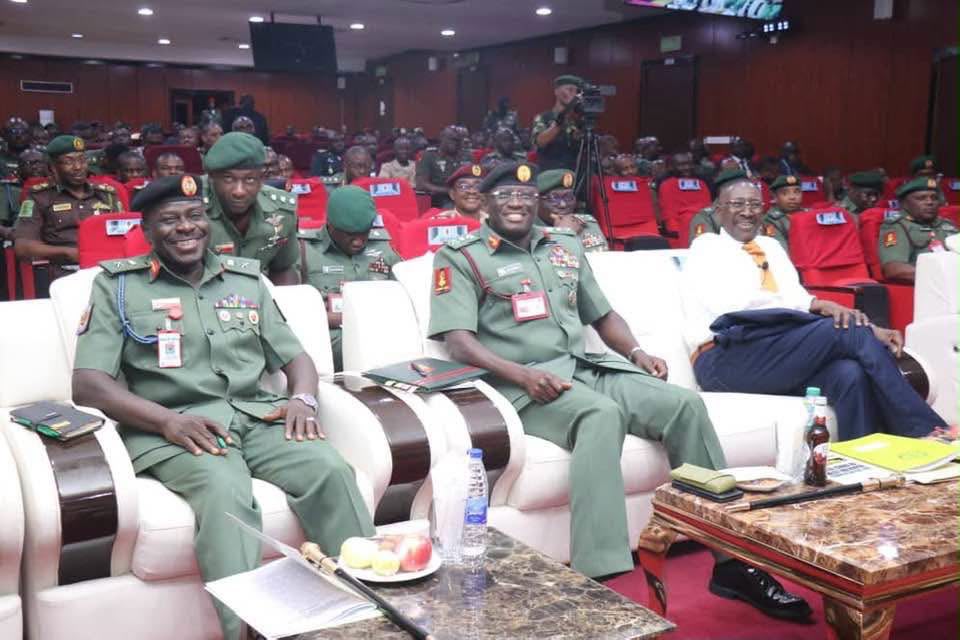
The COAS said the ongoing expansion of the Nigerian Army from eight to 12 divisions was a strategic repositioning aimed at addressing emerging threats, improving territorial coverage and enhancing operational responsiveness across the country.
He, however, stressed that the expansion went beyond increasing the number of formations and personnel, noting that the ultimate objective was to build a more professional, adaptable, combat-ready and resilient force.
According to him, the effectiveness of the expanded force will depend largely on the integration of trained personnel, modern technology, actionable intelligence, robust logistics and efficient command and control systems.
He emphasised that additional formations and numerical strength must translate into superior combat capability, operational flexibility and measurable improvements in the country’s security situation.
Shaibu also urged military commanders to adopt innovative approaches to warfare by integrating intelligence, technology, information operations and combat capabilities across multiple domains.
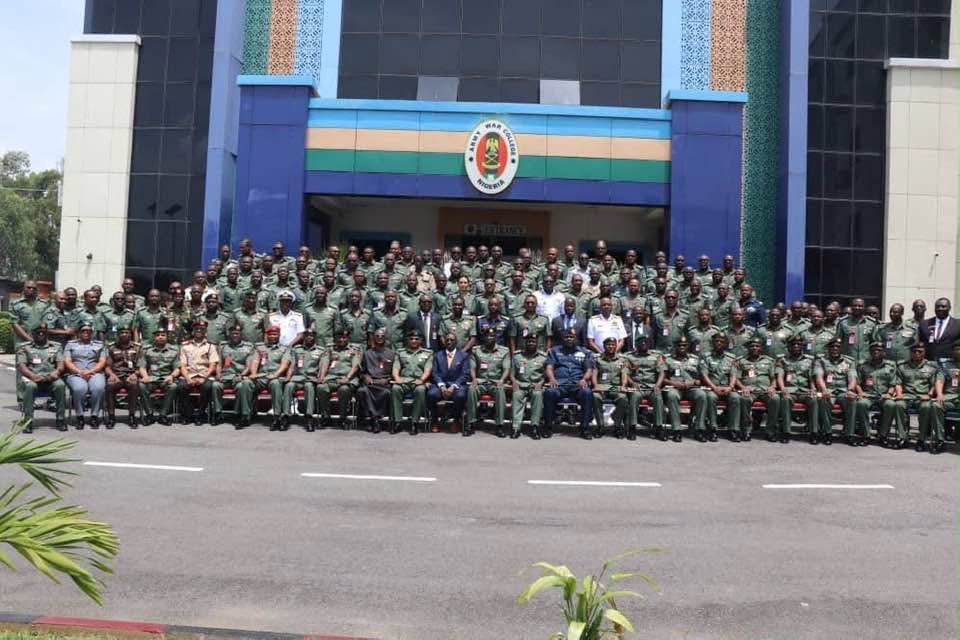
He stressed that operational success must be anchored on professionalism, discipline and respect for the rule of law to sustain public confidence and institutional credibility.
The Army Chief charged participants of Course 10/2026 to apply the strategic knowledge and leadership skills acquired during their training to improve operational effectiveness, strengthen inter-agency cooperation and support the transformation of the Nigerian Army.
Delivering the graduation lecture titled “Winning in Complex Security Environments: Reimagining the Nigerian Army Force Structure for Multi-Domain Operations,” former National Security Adviser, Maj.-Gen. Babagana Monguno (rtd.), called for a fundamental review of military structures, doctrines and operational concepts to address emerging security threats.
Monguno highlighted the growing importance of integrating land, air, cyber and information capabilities in modern warfare.
He said emerging technologies, including unmanned aerial systems, artificial intelligence and digital communication platforms, were rapidly changing the character of military operations.
The retired general advocated sustained investment in technological innovation, intelligence integration, institutional reforms and continuous professional military education to equip commanders for increasingly complex and contested operational environments.
Earlier, the Commandant of the Army War College Nigeria, Maj.-Gen. Umar Alkali, expressed appreciation to the COAS for his support in strengthening the institution’s capacity to develop operational-level commanders and strategic leaders.
Alkali said participants of Course 10/2026 had undergone rigorous professional training designed to sharpen their critical thinking, operational planning and leadership capabilities for contemporary military operations.
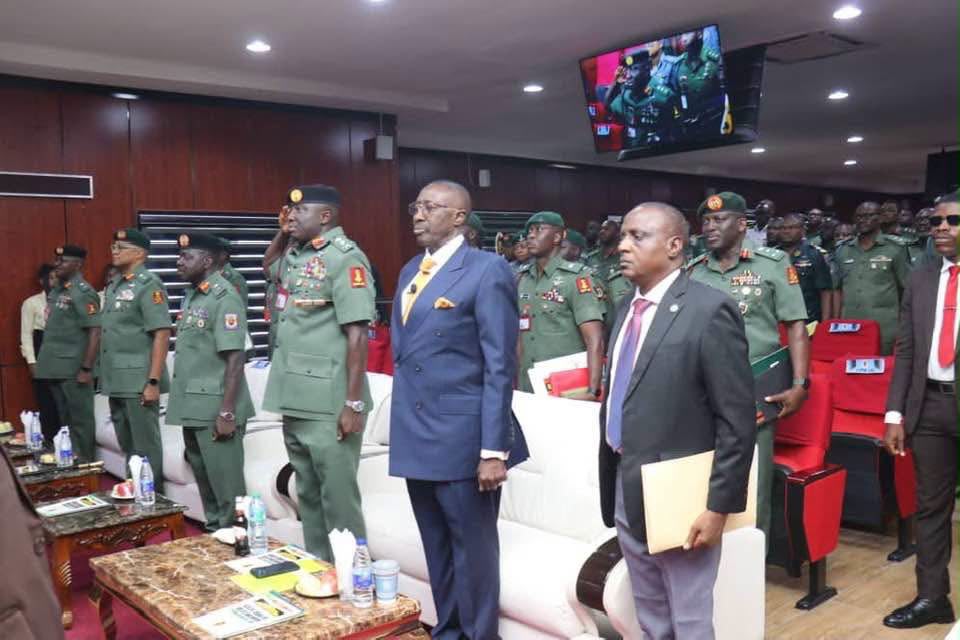
The graduation lecture formed part of activities marking the graduation of Course 10/2026 and underscored the Nigerian Army’s emphasis on developing professionally trained, technologically adaptable and operationally proficient commanders capable of fulfilling the military’s constitutional responsibilities.
COAS Calls for Joint Operations, Multi-Domain Integration as Army Expands to 12 Divisions
NHRC Urges FG to Prioritise Mental Health, Warns Against Rights Abuses
By: Michael Mike
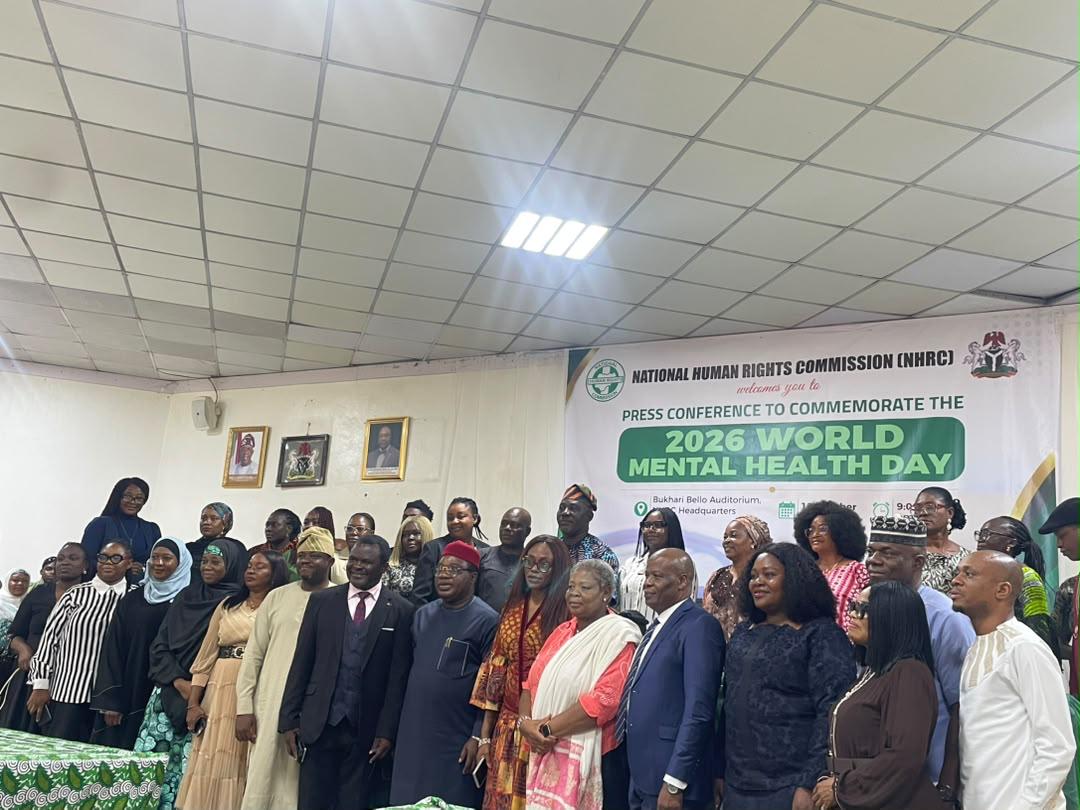
The National Human Rights Commission (NHRC) has urged the Federal Government to increase funding for mental healthcare, expand health insurance coverage and enforce safeguards against the discrimination and abuse of persons living with mental health conditions, warning that existing laws and policies must translate into accessible services and tangible protection.
The commission also raised concerns over the growing mental health needs of Nigerians affected by terrorism, abductions, displacement, gender-based violence and other humanitarian emergencies, stressing that psychological trauma must be addressed as part of the country’s broader human rights response.
The Executive Secretary of the NHRC, Chief Tony Ojukwu, made the call in Abuja on Monday in his statement commemorating the 2026 World Mental Health Day.
Ojukwu said mental healthcare should not be treated exclusively as a medical issue but as a fundamental human rights obligation requiring coordinated action by government institutions, healthcare providers, civil society organisations and other stakeholders.
He cited Article 16 of the African Charter on Human and Peoples’ Rights, which recognises the right of every individual to enjoy the best attainable state of physical and mental health, noting that the government had an obligation to protect this right and ensure access to appropriate medical attention.
The NHRC boss said although Nigeria had taken legislative and policy steps, including the National Mental Health Act and the National Mental Health Policy, implementation remained critical to protecting affected persons from neglect, exclusion and degrading treatment.
The National Mental Health Act was enacted in 2021 and received presidential assent in December 2022, establishing a legal framework for mental health services and the protection of the rights of people living with mental health conditions.
However, Ojukwu maintained that legislation alone would not address the challenges confronting millions of people without adequate investment in services, trained personnel and effective accountability mechanisms.
He cited World Health Organisation estimates that nearly one in seven people globally live with a mental disorder, noting that poverty, inequality, violence and disability could further worsen the burden and limit access to treatment.
Of particular concern, he said, was the affordability of mental healthcare in Nigeria, where fewer than three per cent of people with mental health conditions were reportedly covered by health insurance.
The limited coverage, according to him, leaves affected individuals and their families to shoulder much of the financial burden of treatment and related support services, further deepening the difficulties faced by vulnerable households.
Ojukwu warned that people experiencing mental health conditions continued to face stigma, discrimination, violence and exclusion from education, employment, housing and community life. Some, he added, were denied the opportunity to make decisions about their own lives or subjected to treatment that undermined their dignity and fundamental rights.
“A mental-health condition does not reduce a person’s worth, dignity or human rights,” he said, calling for a rights-based approach that recognises affected persons as individuals entitled to respect, equality and appropriate care.
He urged the Federal Government to expand affordable, accessible and community-based mental health services, particularly through their integration into primary healthcare centres, while strengthening health insurance coverage and recruiting, training and deploying more psychiatrists, psychologists, counsellors, psychiatric nurses and social workers.
The commission also called for the full implementation of the National Mental Health Act and Policy, alongside stronger mechanisms for investigating and preventing abuses in mental healthcare facilities.
Ojukwu said the needs were particularly urgent in communities affected by conflict, terrorism, abductions and displacement, where survivors of violence and serious human rights violations often experienced psychological distress that affected their relationships, daily functioning and participation in society.
He stressed that mental health and psychosocial support should form an integral part of interventions for survivors of conflict, torture, trafficking, gender-based violence and other forms of abuse.
As part of its response, the NHRC executive secretary disclosed that the commission had established a Counselling Unit at its headquarters to provide emotional support to people affected by human rights violations and traumatic experiences.
The unit, staffed by qualified counsellors, also supports commission personnel who experience emotional distress from handling difficult cases involving violence, abuse, loss and suffering.
He said the commission had further organised mental health and human rights training through its Human Rights Institute, particularly for investigation officers, to equip them with the skills to identify psychosocial concerns, respond appropriately to vulnerable complainants and recognise situations requiring professional intervention.
The establishment of the commission’s Vulnerable Group Department had also strengthened its capacity to address the rights and needs of vulnerable populations, including persons experiencing mental health challenges, he added.
Ojukwu disclosed that the NHRC was collaborating with the Federal Ministry of Health and Social Welfare and other stakeholders to integrate human rights considerations into the proposed National Mental Health Strategic Plan for 2027–2032.
He described the proposed five-year plan as an important development in the country’s mental healthcare framework, saying it was expected to provide a consolidated national direction for mental health interventions.
The commission had also participated in training organised by the United Nations Office on Drugs and Crime on drug prevention, treatment and care, with particular attention to the links between substance use, mental health and human rights.
He said the engagement reinforced the NHRC’s position that drug-related challenges should be addressed through appropriate treatment, rehabilitation and psychosocial support rather than approaches that expose affected persons to further abuse.
The commission, he added, had partnered with the Taipei Trade Office and civil society organisations to provide grants and free mental health sessions to some indigent women who were victims of human rights violations.
Ojukwu also recounted interventions in Kano State involving children and adults with psychosocial and psychological disabilities who had been subjected to solitary confinement before being moved to a welfare facility following the commission’s intervention.
In another case in the Federal Capital Territory, he said the commission rescued a child from a woman living in what he described as an extremely distressing and inhuman condition linked to her mental state.
The cases, he said, illustrated the need for responses grounded in professional care, family support, protection and respect for human dignity rather than punishment, abandonment or abuse.
In a goodwill message, the Founder of the Mandate Health Empowerment Initiative, Ameh Zion, called for stronger implementation of Nigeria’s mental health legislation and greater collaboration among government agencies, civil society organisations and development partners.
Zion described mental health as a human rights imperative, arguing that people experiencing depression, psychosis, trauma and psychosocial disabilities should not lose their fundamental rights because of their conditions.
He expressed concern over the shortage of trained professionals, inadequate services and persistent stigma, which he said continued to prevent many Nigerians from accessing effective care.
According to him, the psychological effects of terrorism, violence, displacement and abuse often leave survivors with invisible wounds, while families and caregivers struggle with emotional and financial pressures without sufficient institutional support.
Zion urged stakeholders to move beyond public awareness campaigns and ensure that existing laws and policies were implemented across the country, with clear responsibilities, measurable targets and accessible services.
He also expressed his organisation’s readiness to collaborate with the NHRC and African mental health reform stakeholders on public awareness, institutional capacity building, psychosocial support for survivors, referral pathways and policy advocacy.
Both speakers called on schools, workplaces, families and communities to create supportive environments where people could discuss mental health concerns and seek help without fear of rejection or discrimination.
Ojukwu urged religious and traditional leaders to complement professional mental healthcare rather than replace clinical treatment where it was necessary.
He also called on the media to promote accurate and sensitive reporting of mental health issues, warning against narratives that reinforced stereotypes and stigmatised affected persons.
The NHRC executive secretary pledged that the commission would continue to investigate human rights violations, protect vulnerable persons and advocate policies that uphold the rights and dignity of all Nigerians.
He maintained that Nigeria could not effectively protect human dignity while people continued to suffer in silence or face discrimination because they required mental healthcare.
NHRC Urges FG to Prioritise Mental Health, Warns Against Rights Abuses
Kwali Council Commends Security Operatives Over Vandalism Arrests, Warns Perpetrators
By Zagazola Makama
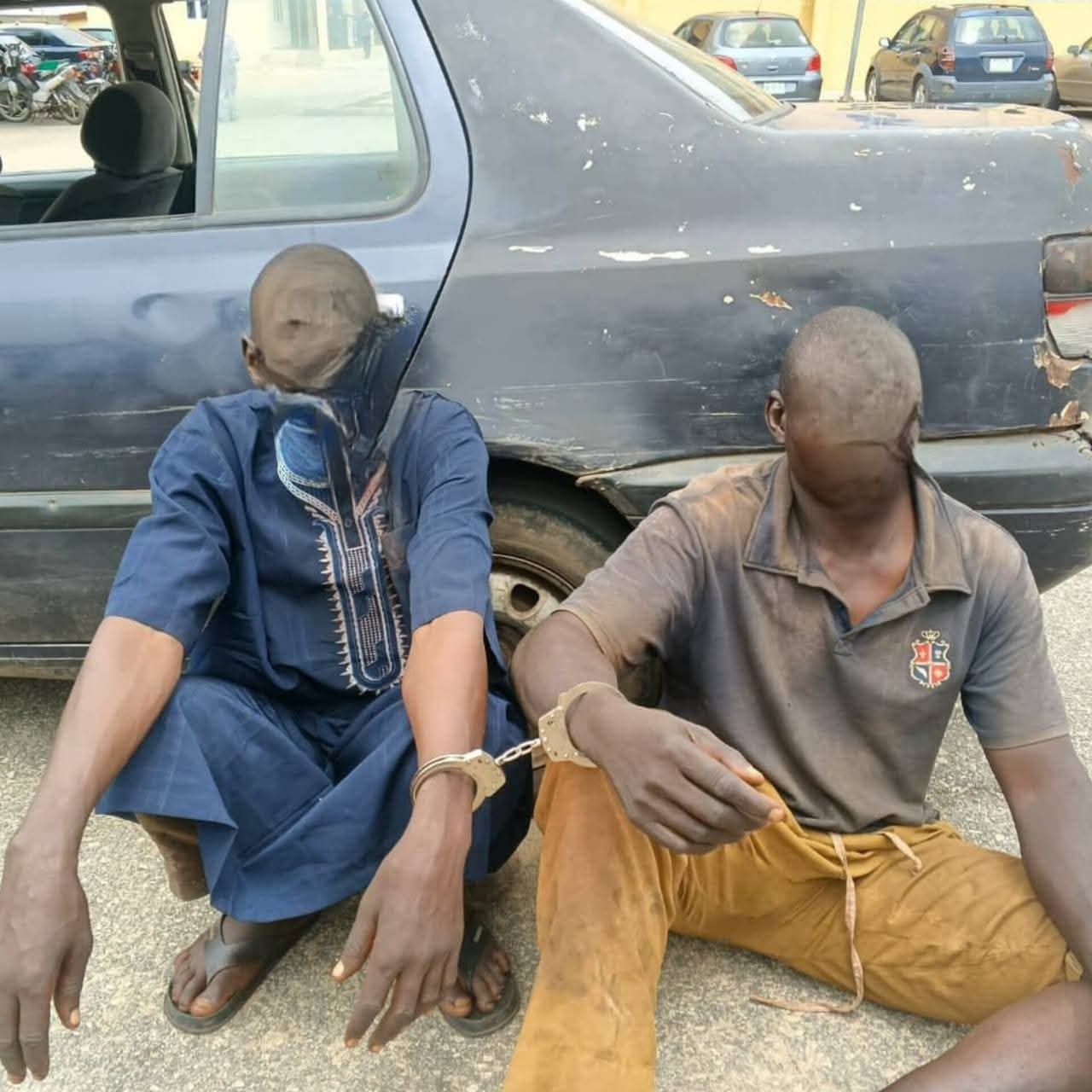
The Kwali Area Council Administration has commended security operatives for the arrest of suspected vandals in the area and warned those involved in the destruction of public infrastructure to desist from the act.
The commendation followed the reported arrest of two suspects near the Fire Service Academy in Kwali, Federal Capital Territory, following an intelligence report.
The suspects were identified as Usman Muhammed and Mustapha Yusuf, reportedly from Yangoji and Kwaita communities, respectively.
According to the available account, a vigilante group apprehended the suspects and handed them over to the Civil Defence Anti-Vandal Unit in Kwali for further investigation.
The report also indicated that two other individuals, reportedly from Kaduna Road and Diko, had been arrested in connection with separate alleged vandalism incidents and were in police custody.
However, details of the specific infrastructure allegedly targeted in the separate incidents and the agencies responsible for the arrests were not provided.
The account also raised concerns over alleged interference in the handling of vandalism cases, including claims that some suspects had secured their release through improper means.
The allegations were not accompanied by specific names or independently verified details.
The Chief Security Officer was also reported to have urged relevant security agencies to handle vandalism cases professionally and transparently.
Kwali Area Council Chairman, Nuhu Daniel Kwali, reaffirmed the administration’s commitment to protecting public assets and critical infrastructure.
He urged residents to provide timely and credible information to security agencies to help identify and apprehend individuals involved in vandalism.
The council’s position underscores the importance of cooperation between residents, vigilante groups and security agencies in preventing the destruction of public infrastructure.
The suspects’ alleged involvement remains subject to investigation. No information was available on whether formal charges had been filed against them.
Kwali Council Commends Security Operatives Over Vandalism Arrests, Warns Perpetrators

COAS Calls for Joint Operations, Multi-Domain Integration as Army Expands to 12 Divisions

NHRC Urges FG to Prioritise Mental Health, Warns Against Rights Abuses

Kwali Council Commends Security Operatives Over Vandalism Arrests, Warns Perpetrators

Roger Federer’s Shock as DNA Results Reveal Myla and Charlene Are Not His Biological Children

THE PLIGHT OF FARIDA

FAILED COUP IN BURKINA FASO: HOW TRAORÉ NARROWLY ESCAPED ASSASSINATION PLOT AMID FOREIGN INTERFERENCE CLAIMS
-
 News3 years ago
Roger Federer’s Shock as DNA Results Reveal Myla and Charlene Are Not His Biological Children
-
Opinions5 years ago
THE PLIGHT OF FARIDA
-
 News1 year ago
FAILED COUP IN BURKINA FASO: HOW TRAORÉ NARROWLY ESCAPED ASSASSINATION PLOT AMID FOREIGN INTERFERENCE CLAIMS
-

 News3 years ago
EYN: Rev. Billi, Distortion of History, and The Living Tamarind Tree
-
 Opinions5 years ago
POLICE CHARGE ROOMS, A MINTING PRESS
-

 ACADEMICS3 years ago
A History of Biu” (2015) and The Lingering Bura-Pabir Question (1)
-

 Columns3 years ago
Army University Biu: There is certain interest, but certainly not from Borno.
-

 Politics1 year ago
2027: Why Hon. Midala Balami Must Go, as Youths in Hawul and Asikira/Uba Federal Constituency Reject ₦500,000 as Sallah Gift
