
News
Fubara Woos Investors as Rivers Unveils High-Tech Paint Plant for Oil, Gas Industry

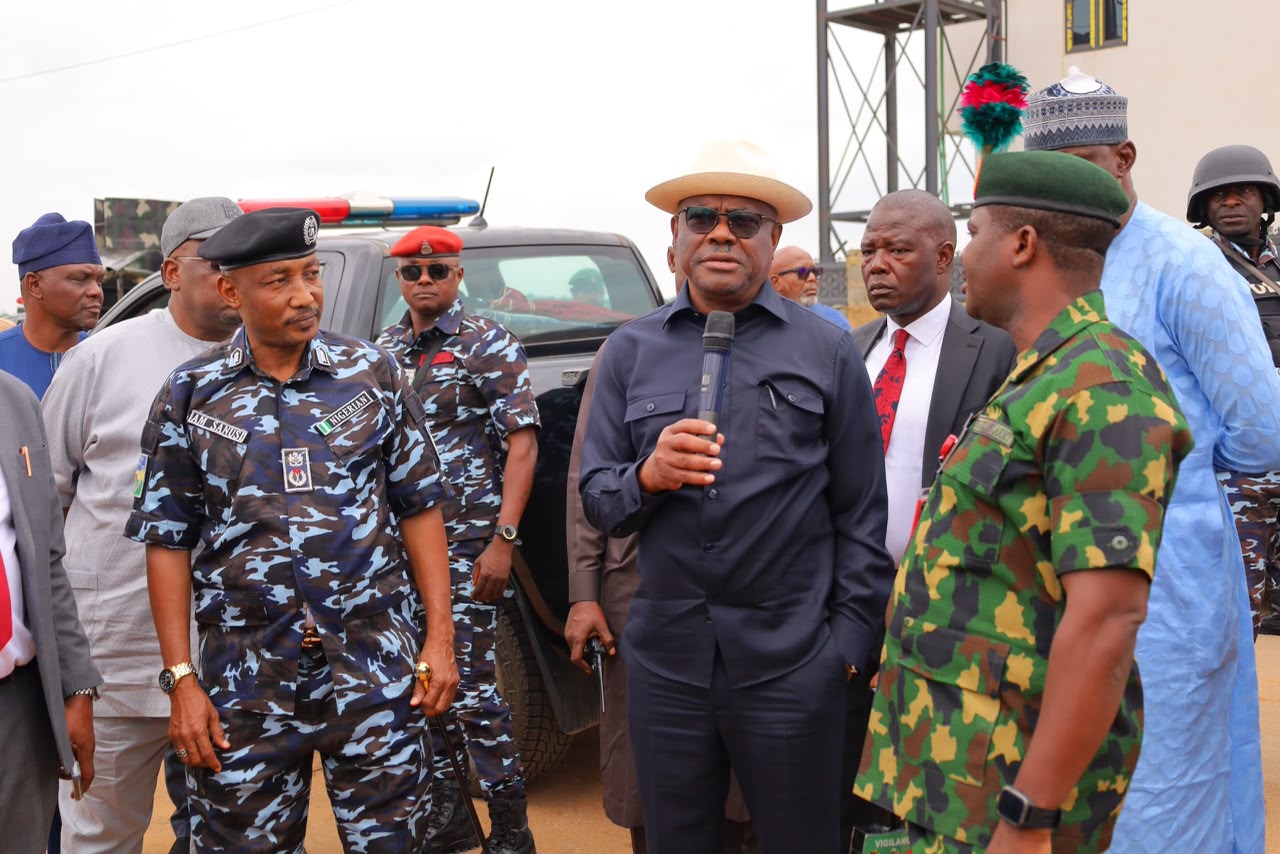
Fubara Woos Investors as Rivers Unveils High-Tech Paint Plant for Oil, Gas Industry
By: Michael Mike
Rivers State Governor, Sir Siminalayi Fubara, on Friday renewed his administration’s commitment to creating an investment-friendly environment, declaring that sustained infrastructure development and improved ease of doing business are central to the state’s economic growth strategy.
The governor made the declaration during the commissioning of the Solewant Specialty Protective Coatings and Paints (SSPC) manufacturing plant at Alode, Onne, in Eleme Local Government Area, describing the multi-billion-naira facility as a strong vote of confidence in Rivers State’s security, stability and investment potential.
Represented by his Chief of Staff, Barrister Sonny Ewule, Fubara said the establishment of the state-of-the-art paint manufacturing plant was proof that the prevailing atmosphere in Rivers remained conducive for industrial expansion despite political tensions that have surrounded the state in recent months.
He said his administration had deliberately prioritised critical infrastructure to reduce the cost of doing business and attract more domestic and foreign investments capable of generating employment and boosting internally generated revenue.
The governor urged other investors to emulate Solewant Group by taking advantage of the state’s industrial opportunities, assuring that his government would continue to provide the necessary support for businesses to thrive.
According to him, the state is also working with relevant agencies to improve electricity supply in order to lower energy costs for manufacturers and other industrial operators.
Fubara pledged that the state government was ready to partner with the company in promoting manufacturing, local content development and industrialisation, stressing that such collaboration would create jobs for thousands of young people while accelerating socio-economic development across Rivers State.
The newly commissioned facility, designed to produce specialty protective coatings and industrial paints, will serve the decorative, industrial and asset-protection markets, with a focus on meeting the needs of Nigeria’s oil and gas sector as well as other African markets.
Speaking at the event, the Minister of State for Petroleum Resources (Oil), Senator Heineken Lokpobiri, described the investment as a significant milestone for Nigeria’s industrial sector and a practical demonstration of the country’s local content aspirations.
He said the Federal Government remained committed to supporting indigenous companies capable of adding value within Nigeria rather than relying on imported products and services.
Lokpobiri noted that, in line with local content policies, measures had been introduced to ensure that protective coatings and pipe coating jobs are executed within the country, reducing dependence on foreign contractors while creating employment opportunities for Nigerians.
He expressed optimism that the new plant would strengthen Nigeria’s capacity to serve not only the domestic market but also customers across Africa.
“The solution to Nigeria’s energy challenges lies with Nigerians,” the minister said, adding that empowering indigenous companies remained the most sustainable path to building a resilient energy industry.
Earlier, the Group Managing Director and Chief Executive Officer of Solewant Group, Engr. Solomon Ewanehi, described the project as the culmination of years of research, technological innovation and product development aimed at delivering globally competitive coating solutions for the oil and gas industry.
He said the company was committed to producing high-quality protective coatings that would meet international standards while supporting Nigeria’s industrialisation drive and expanding the country’s manufacturing capacity.
Fubara Woos Investors as Rivers Unveils High-Tech Paint Plant for Oil, Gas Industry


NDLEA uncovers new Thailand-Nigeria drug route, seizes N4.4bn Loud at Lagos ports
…101-year-old great-grandmother arrested for selling cannabis; cocaine hidden in fufu intercepted
By: Michael Michael
The National Drug Law Enforcement Agency (NDLEA) has uncovered a new maritime route being exploited by international drug syndicates to smuggle synthetic cannabis into Nigeria, following the seizure of 1.49 tonnes of “Loud” worth more than N4.4 billion at the Apapa and Lekki ports in Lagos.
The consignments, shipped from Thailand, mark the agency’s first recorded seizure of illicit drugs trafficked into Nigeria from the Southeast Asian country through the maritime corridor, raising fresh concerns over the emergence of Nigeria as a destination and transit point for international drug trafficking networks.
The breakthrough was part of a nationwide series of operations by NDLEA operatives between August 15 and 22, which also resulted in the destruction of 10 tonnes of cannabis, interception of cocaine concealed inside edible cassava flour popularly known as fufu, and the arrest of a 101-year-old woman allegedly involved in retail cannabis sales.
At the Apapa Port, NDLEA operatives, working with the Nigeria Customs Service and other stakeholders, discovered 1,090.5 kilogrammes of Thai Loud concealed in a container declared to contain dry fish, rice, vehicle spare parts, turmeric soap and inverter batteries.
The consignment, examined on Friday, August 21, according to a statement on Sunday by the spokesman of the anti-narcotics agency, Femi Babafemi, was packed in 54 cartons containing 2,181 sachets of 500 grammes each.
Babafemi said at the Lekki Deep Sea Port, another container under NDLEA surveillance was jointly examined last Wednesday. Four of seven pallets wrapped in black nylon were found to contain 400 kilogrammes of Thai Loud, packed in 96 cartons comprising 400 parcels.
The remaining three pallets contained 798 rims of A4 paper, which investigators said had been used as a cover for the illicit consignment.
Both containers had been loaded at the Port of Laem Chabang in Thailand, exposing what the NDLEA described as a new trafficking route being exploited by international drug syndicates.
The latest seizures came amid a string of operations across several states, highlighting the expanding scale and sophistication of illicit drug trafficking networks operating through Nigeria’s ports, borders, waterways and inland routes.
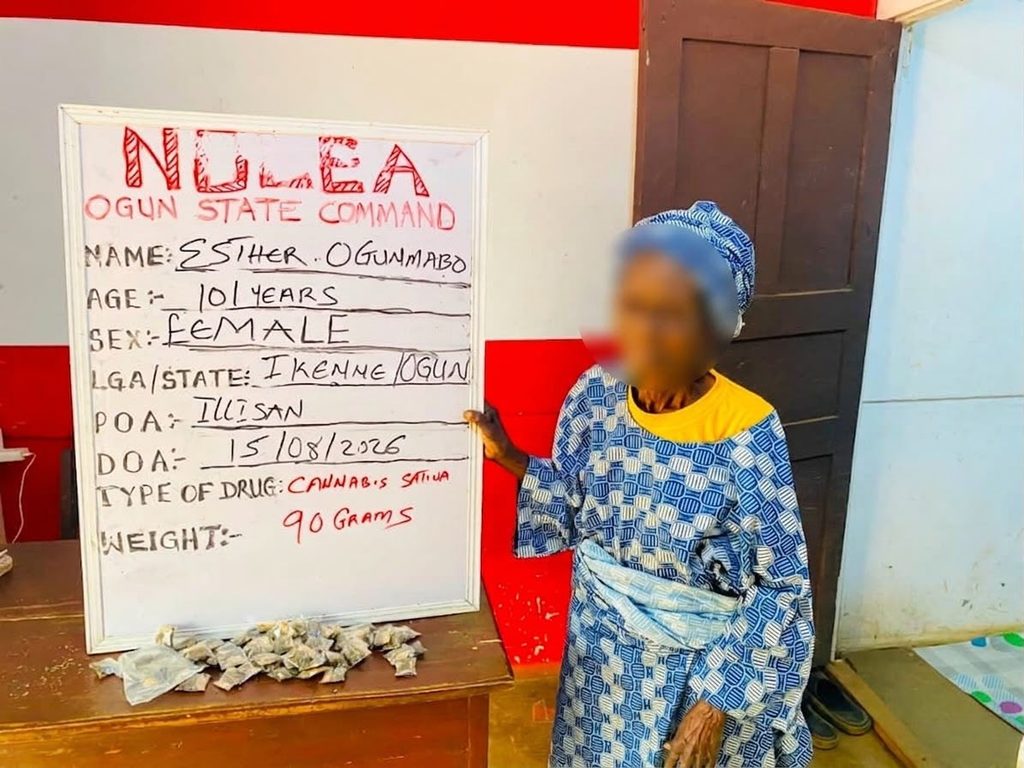
In one of the most unusual arrests recorded during the operations, NDLEA operatives in Ogun State arrested a 101-year-old great-grandmother, Esther Ogunmabo, at Ilisan on Saturday, August 15, with 90 grammes of skunk packaged in retail sachets.
The centenarian reportedly told investigators that she sold the cannabis to residents in the area after her provisions shop was destroyed by fire.
She further claimed that one of her daughters, who lives in Lagos, arranged for supplies to be delivered to her every four days, which she then sold in small quantities.
Following the arrest, NDLEA Chairman/Chief Executive Officer, Brig. Gen. Buba Marwa (retd.), directed that the elderly woman be granted bail and placed on counselling because of her advanced age.
Her daughter, however, was arrested in connection with the alleged drug dealing.
In Akwa Ibom, NDLEA operatives intercepted a wooden boat on the high seas lastbFriday, following intelligence that illicit drugs were being transported to fishing settlements in Cameroon.
Three suspects were arrested aboard the vessel, which was heading towards Ine Isu, Ine Mbah and Ine Ikot Itie Udung fishing ports in Cameroon.
They were identified as Eekpo, 29; Otobong Etukudoh, 33; and Kingsley John, 27.
According to Babafemi, Eekpo was found with 1.120 kilogrammes of skunk, while Etukudoh had 42.06 kilogrammes of the substance.
John was arrested with 435 grammes of skunk and 20 grammes of cocaine cleverly concealed inside a large wrap of edible cassava fufu.
A total of 42.622 kilogrammes of illicit drugs was recovered from the three suspects.
In Ondo State, NDLEA operatives destroyed 10,000 kilogrammes of skunk cultivated across four hectares during a raid on a cannabis farm in Ijare forest, Ifedore Local Government Area.
The operation followed the arrest of three suspected cannabis cultivators at the same location on August 16.
In another operation in the state, 210 kilogrammes of skunk and a Toyota Camry were recovered at Ita-Ogbolu, Akure North Local Government Area. The vehicle, with registration number AGL 223 JH, allegedly belongs to Sylvester Anthony, who remains at large.
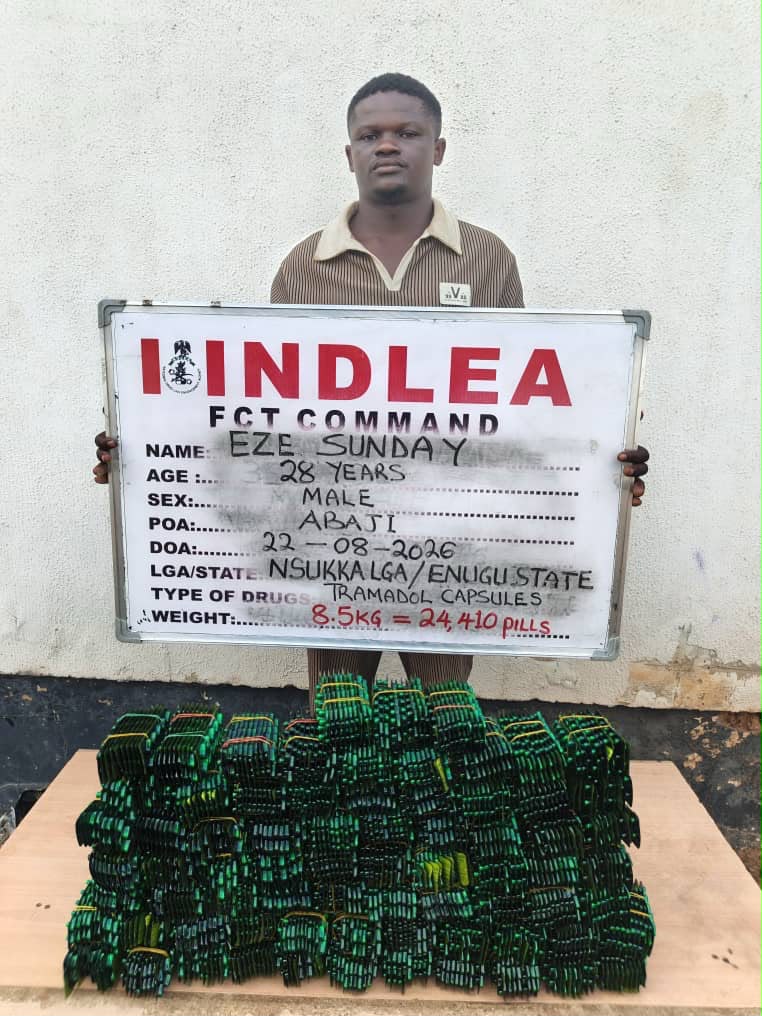
In the Federal Capital Territory, operatives intercepted three waybill packages containing 24,410 tramadol capsules inside a Hummer bus travelling from Enugu to Zuba on Saturday.
A follow-up operation in Niger State led to the arrest of the alleged owner of the consignment, 28-year-old Sunday Eze, in Kontagora. He was subsequently transferred to Abuja.
Other major seizures included 1.325 kilogrammes of methamphetamine and cannabis recovered from a Toyota Starlet intercepted along the Ogbomosho-Ilorin Expressway in Kwara State. A 22-year-old suspect, Muhammadu Usman, was arrested.
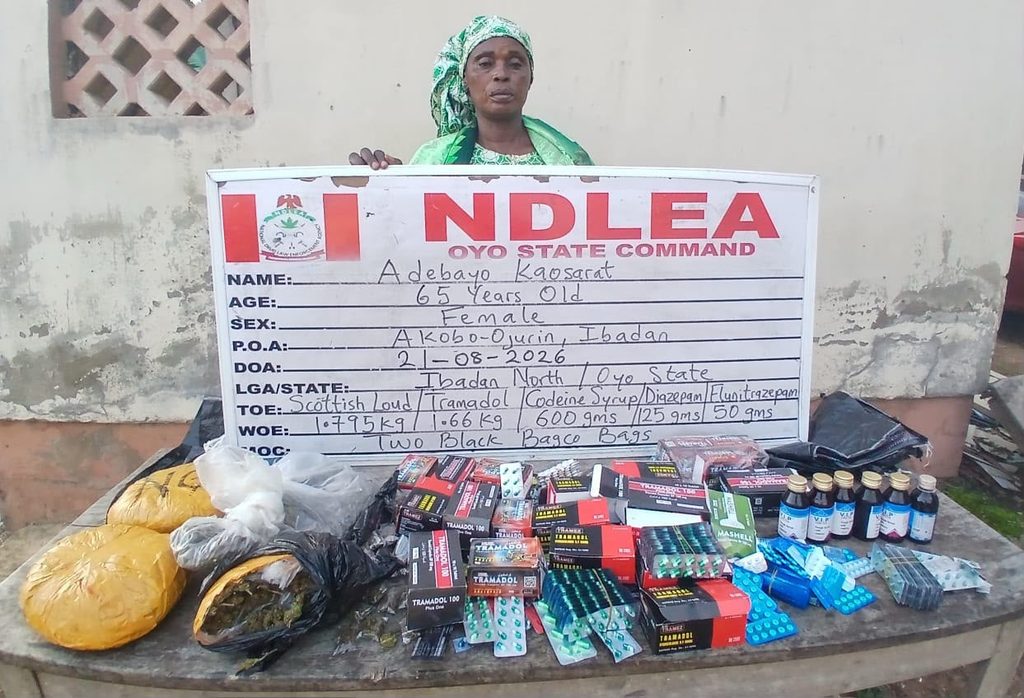
In Oyo State, a 65-year-old woman, Adebayo Kaosarat, was arrested at Akobo-Ojuirin, Ibadan, with 1.795 kilogrammes of Scottish Loud, 1.66 kilogrammes of tramadol, 600 grammes of codeine syrup, 125 grammes of diazepam and 50 grammes of flunitrazepam.
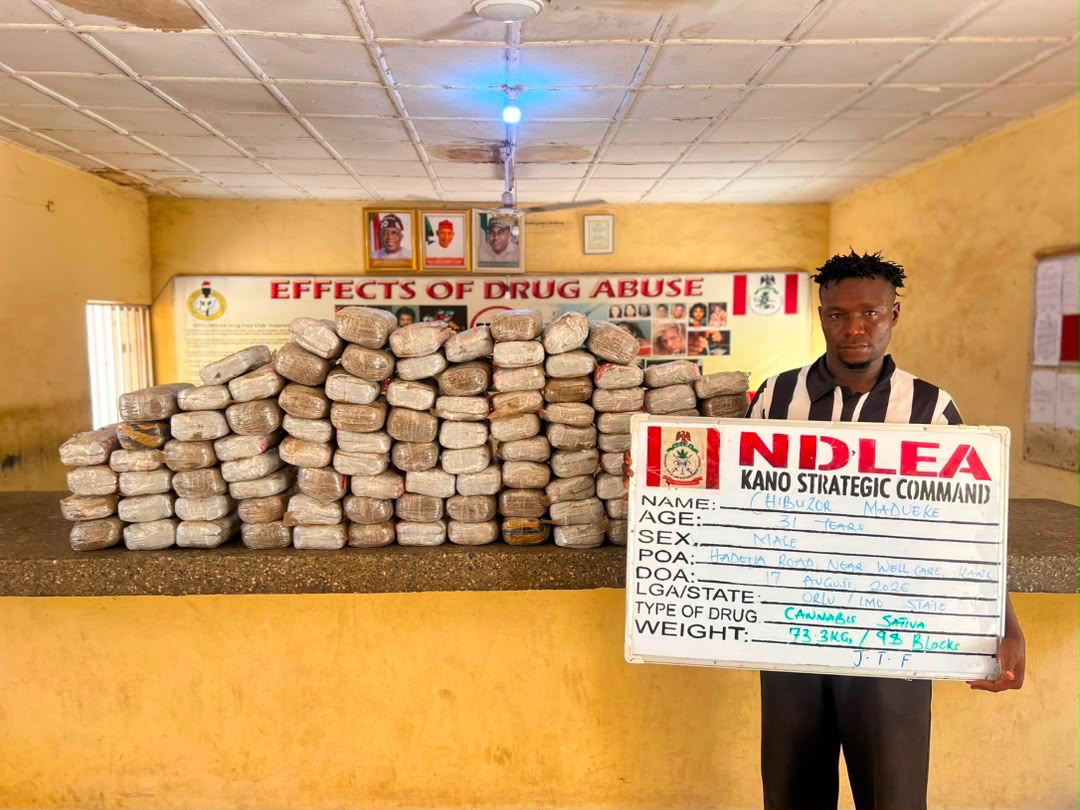
In Kano, NDLEA operatives recovered 73.3kg of skunk from 31-year-old Chibuzor Madueke during a raid along Hadeija Road.
At Seme, Lagos, three members of the same family—Nasiru Tijjani, 52; Moshood Tijjani, 27; and Salami Tijjani, 27—were arrested at Ashipa, near the border, with 48kg of skunk.
In Abia State, operatives recovered 14.4kg of Loud, 2.3kg of Colorado, 386 grams of tramadol and 134 grams of Rohypnol from the residence of 36-year-old Ikechukwu Anthony Iwuno at Umuobia Olokoro, Umuahia South Local Government Area.
Beyond the seizures and arrests, NDLEA Commands and formations across the country also continued their War Against Drug Abuse sensitisation campaigns in schools, religious institutions, workplaces and communities.
The agency conducted awareness programmes in Kano, Oyo, Kebbi, Taraba and Edo, while the Idiroko Special Area Command in Ogun State paid a WADA advocacy visit to the Chairman of Ipokia Local Government Area, Johnson Avoseh.
Marwa commended officers and men of the Ogun, Apapa, Lekki, Seme, Akwa Ibom, Ondo, Oyo, Kwara, Kano, Abia and FCT Commands for the operations.
He urged them and their colleagues nationwide to sustain what he described as the agency’s balanced approach to drug control, combining enforcement operations with prevention, public enlightenment, counselling and community engagement.
NDLEA uncovers new Thailand-Nigeria drug route, seizes N4.4bn Loud at Lagos ports
Troops Neutralise IPOB/ESN Fighter, Recover Weapons in Anambra Offensive
By Zagazola Makama
Troops of the Nigerian Army’s 185 Battalion, in collaboration with the Military Police, Department of State Services and local vigilantes, have neutralised an IPOB/ESN operative during an offensive operation in Ogbaru Local Government Area of Anambra State.
The operation was conducted at about 5:00 a.m. on Saturday, August 22, 2026, following intelligence on suspected IPOB/ESN strongholds at Obene Village and Abator Village, within the Ochuche and Umunankwo communities.
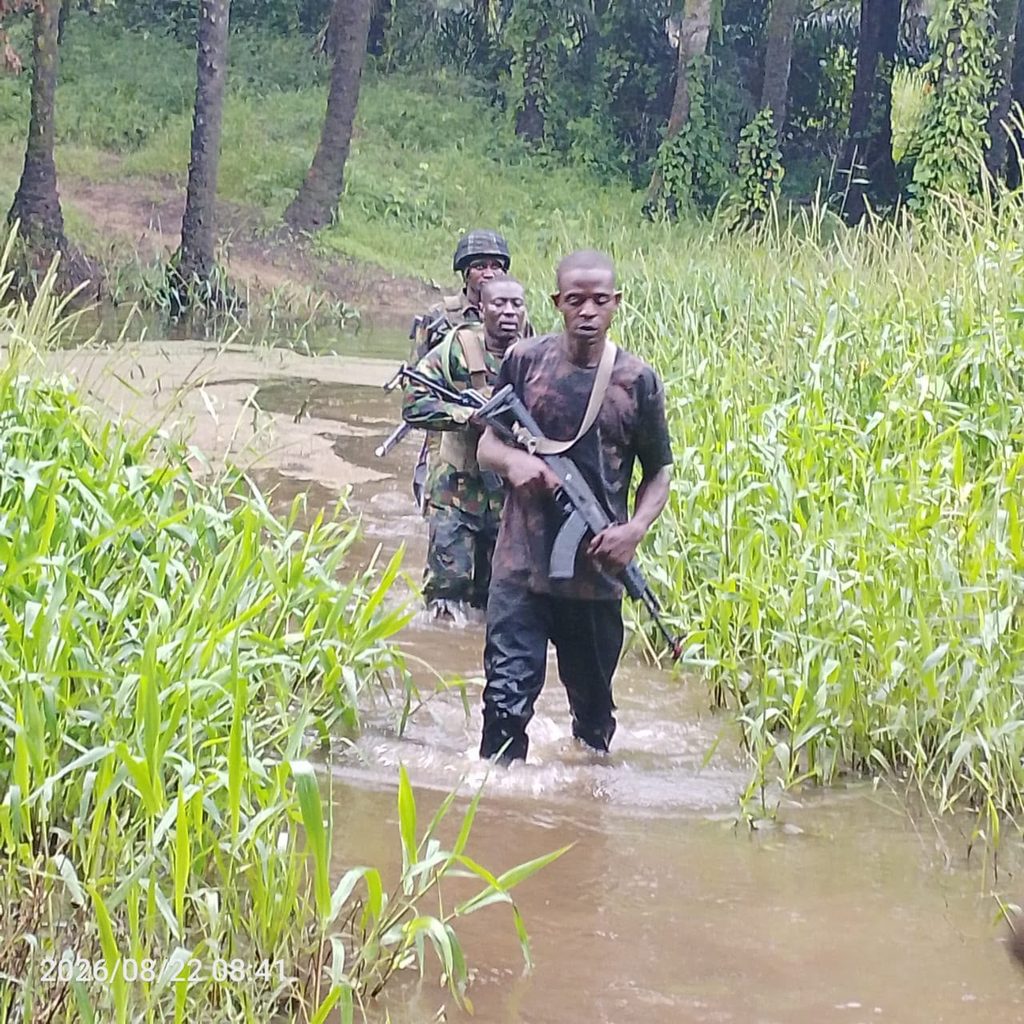
According to a military situation update obtained by Zagazola Makama, troops launched a dawn assault on the identified positions, forcing the terrorists to flee while engaging the advancing troops with gunfire.
The troops pursued the fleeing fighters and followed blood stains along their withdrawal route. One of the terrorists was subsequently neutralised, while the fleeing members of the group reportedly escaped with the corpse of another operative killed during the operation.
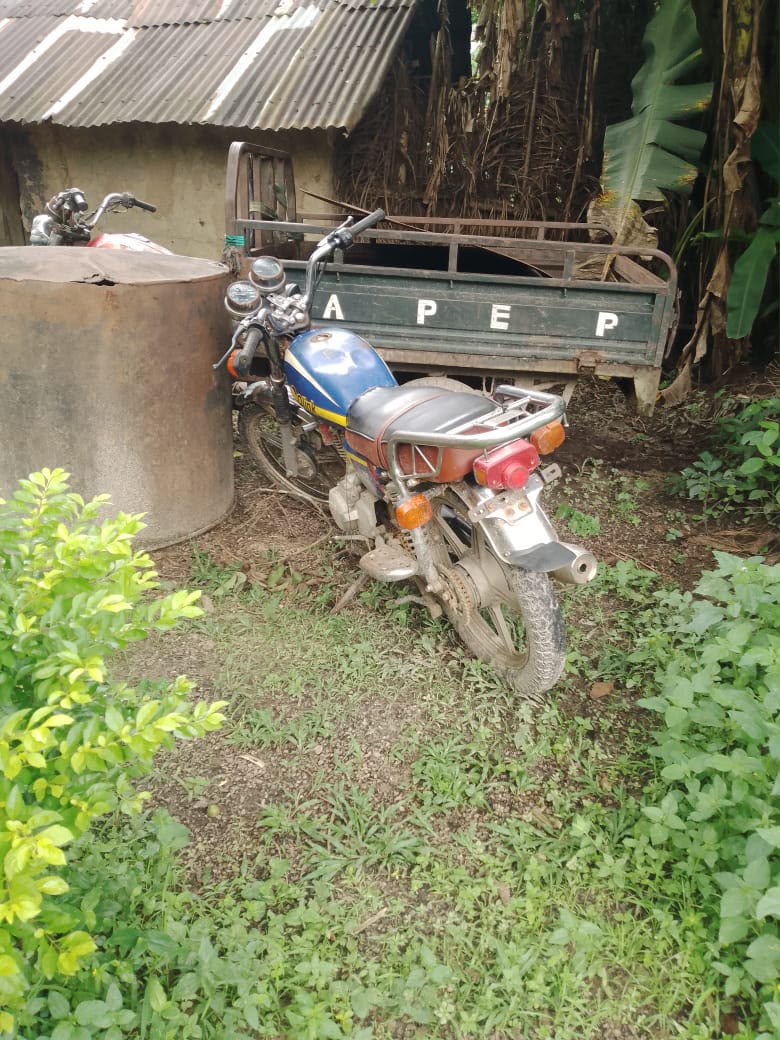
Troops recovered two pump-action guns, two motorcycles and materials suspected to be used for making improvised explosive devices, alongside other sundry items.
However, the operation suffered a fatal setback when a soldier, identified as Private Danladi Zakariya, stepped on an IED while troops were returning to their start line.
The explosive detonated in situ, causing severe injuries to the soldier. He was immediately evacuated to a hospital but unfortunately died from severe blood loss while being transported.
His remains have been deposited at the St. Charles Borromeo Hospital mortuary in Onitsha.
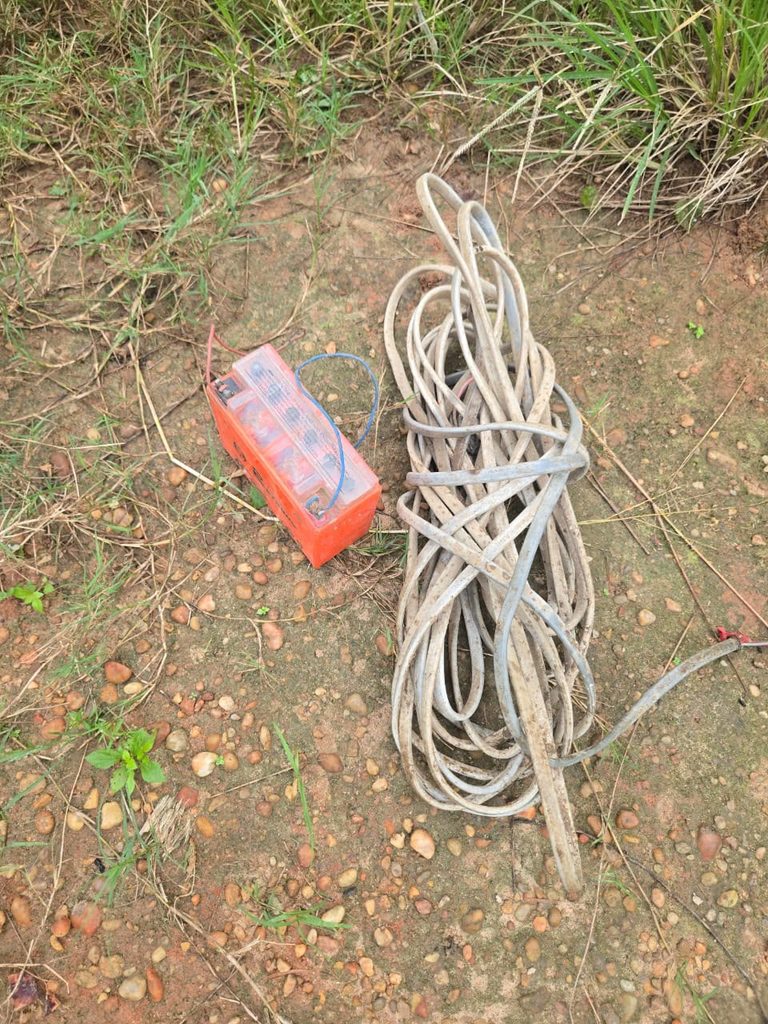
Despite the loss, the troops maintained control of the area and continued offensive operations against the suspected IPOB/ESN elements.
The military said the morale and fighting efficiency of the troops remained high as operations continued to deny the terrorists freedom of action within the area.
Troops Neutralise IPOB/ESN Fighter, Recover Weapons in Anambra Offensive
Troops Arrest Five Suspected Terrorist Logistics Suppliers in Borno
By Zagazola Makama
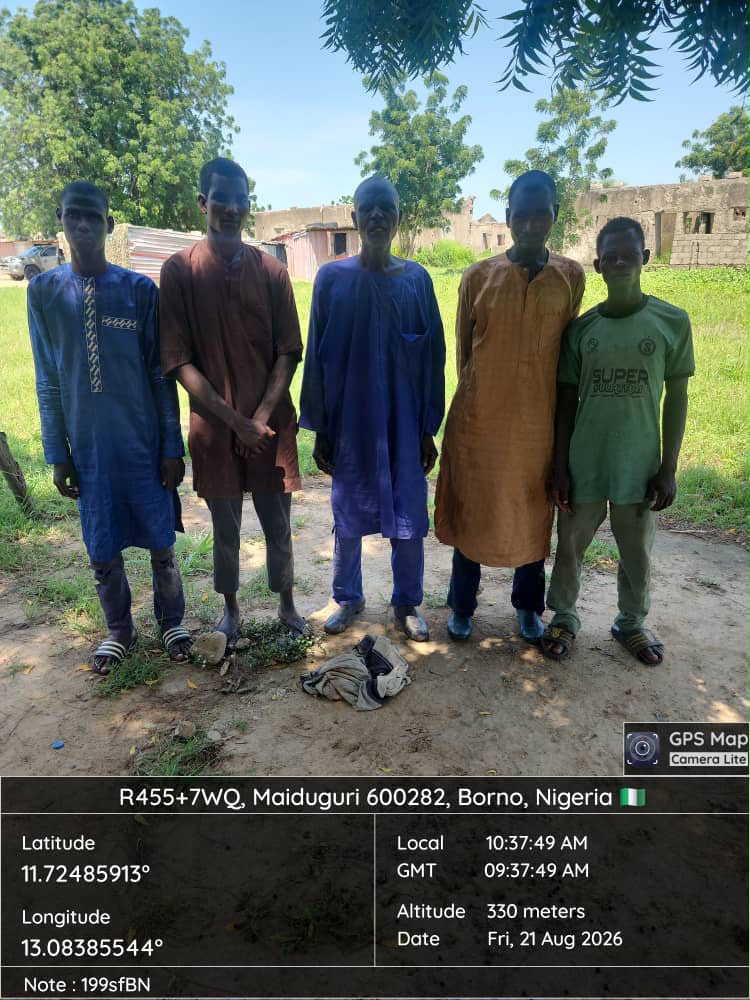
Troops of the Nigerian Army’s 18 Battalion, operating under Joint Task Force North East, Operation HADIN KAI and Operation DESERT SANITY V, have arrested five suspected terrorist logistics suppliers in Borno State.
The suspects were apprehended at about 7:52 p.m. on Thursday, August 21, after surveillance personnel attached to the battalion’s CCTV system spotted them within the frontage of the military location.
A military Special Situation Report obtained by Zagazola Makama identified the suspects as Umar Mohammed, 60; Abubakar Goni, 42; Abba Ali, 39; Umaru Yusuf, 30; and Ibrahim Bukar.
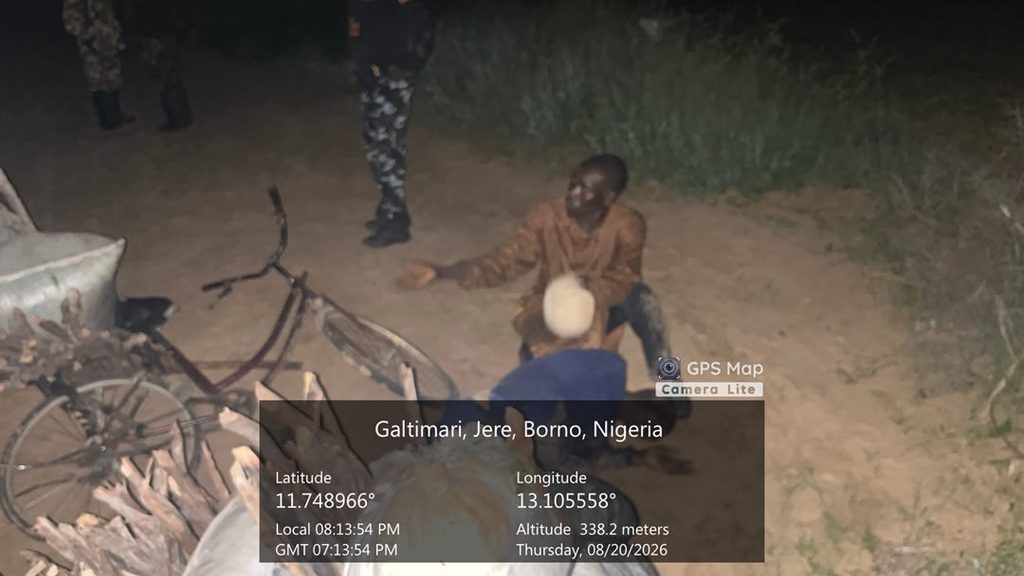
Following the sighting, troops were immediately mobilised and successfully apprehended the five suspects.
Preliminary investigation indicated that the route used by the suspects had been identified as a Boko Haram terrorist logistics axis where troops routinely conduct strangulation operations aimed at disrupting the movement of fighters, weapons, food and other supplies.
During interrogation, the suspects claimed to be charcoal workers and baobab fruit pickers.
The military said the suspects were being profiled and would subsequently be handed over to the 7 Military Intelligence Brigade for further investigation.
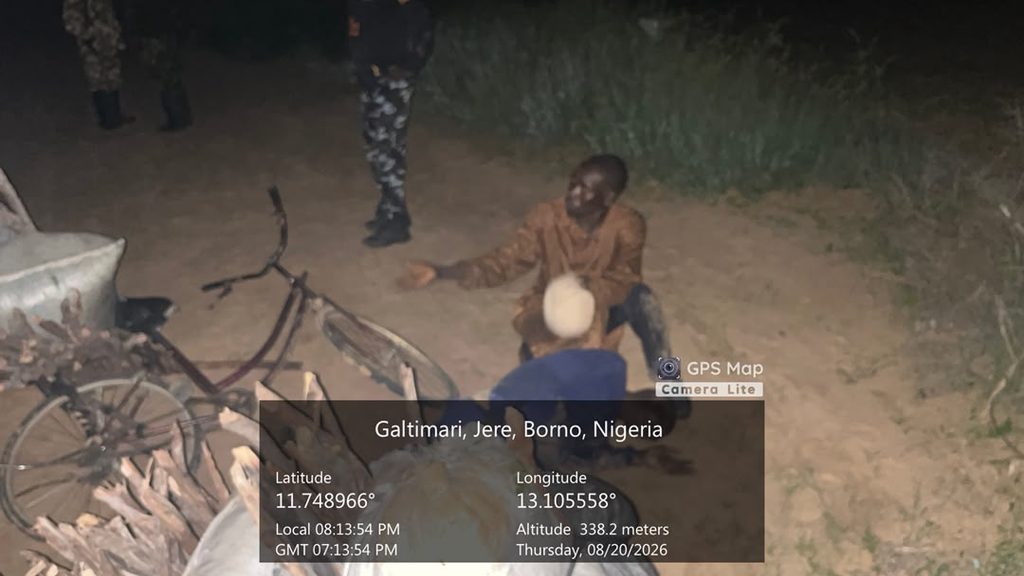
The development forms part of sustained intelligence-led operations by troops to identify and disrupt terrorist logistics networks operating within the North-East.
The military further stated that the general security situation across the theatre remained calm but unpredictable, while troops maintained satisfactory morale and fighting efficiency.
Troops Arrest Five Suspected Terrorist Logistics Suppliers in Borno

NDLEA uncovers new Thailand-Nigeria drug route, seizes N4.4bn Loud at Lagos ports

Troops Neutralise IPOB/ESN Fighter, Recover Weapons in Anambra Offensive

Troops Arrest Five Suspected Terrorist Logistics Suppliers in Borno

Roger Federer’s Shock as DNA Results Reveal Myla and Charlene Are Not His Biological Children

THE PLIGHT OF FARIDA

FAILED COUP IN BURKINA FASO: HOW TRAORÉ NARROWLY ESCAPED ASSASSINATION PLOT AMID FOREIGN INTERFERENCE CLAIMS
-
 News2 years ago
Roger Federer’s Shock as DNA Results Reveal Myla and Charlene Are Not His Biological Children
-
Opinions5 years ago
THE PLIGHT OF FARIDA
-
 News1 year ago
FAILED COUP IN BURKINA FASO: HOW TRAORÉ NARROWLY ESCAPED ASSASSINATION PLOT AMID FOREIGN INTERFERENCE CLAIMS
-

 News2 years ago
EYN: Rev. Billi, Distortion of History, and The Living Tamarind Tree
-
 Opinions5 years ago
POLICE CHARGE ROOMS, A MINTING PRESS
-

 ACADEMICS2 years ago
A History of Biu” (2015) and The Lingering Bura-Pabir Question (1)
-

 Columns2 years ago
Army University Biu: There is certain interest, but certainly not from Borno.
-

 Politics1 year ago
2027: Why Hon. Midala Balami Must Go, as Youths in Hawul and Asikira/Uba Federal Constituency Reject ₦500,000 as Sallah Gift
