
News
Home Ownership would be Elusive to Majority Without Single Digit Financing, Says REDAN

Home Ownership would be Elusive to Majority Without Single Digit Financing, Says REDAN
By: Michael Mike
The Real Estate Developers Association of Nigeria (REDAN) has said that home ownership would continue to be elusive to majority of Nigerians without a single digit financing opportunity.
Speaking at the Capacity Development Conference for Developers in Abuja, the President of the Real Estate Developers Association of Nigeria (REDAN), Alhaji Aliyu Wamakko said in order to achieve government housing plan for Nigeria, interest on loan for building purpose should be drastically lower to a single digit.
He said: “Finance is one of the essentials of our business, hence our focus on how to get facility to build homes at cost that the average Nigerian will be able to afford. We are keen on how our Members can secure long tenured and single digit debt financing without which home ownership will remain elusive, as it is a fact that real estate development is capital intensive and requires a lot of outlay.
He noted that the conference is aimed at capacity development for our REDAN members and has as theme: “Enhancing Investment and Finance Opportunities for Sustainable Real Estate Projects.”
Wamakko said: “The essence of this auspicious event is to further build the knowledge base of our members to be able to manage the multidimensional and multidisciplinary challenges involved in real estate business. It is also to increase our capacity to reduce waste and ensure timely delivery of projects. The knowledge from this conference will greatly help in reducing the incidence of building collapse as there is a specific session for the subtheme.”
He said: “We are concerned that our members comply with all extant laws and be ambassadors of improving and contributing to the growth of the national economy, hence we have invited relevant regulatory organisations to update members on Real Estate Developers Role in the emerging economy.”
Presenting a paper: “Who We Are! Building Collapse Prevention Guild,” the President of Building Collapse Prevention Guild, Yusuf Sulaimon, said the action of Lagos State Ministry of Physical Planning and Urban Development of introducing the Certified Accreditors Programme to increase manpower and increase professionalism in ensuring compliance to building regulations by developers and to help identify buildings that needs to be decommissioned before they end up collapsing, should be copied by other states to end instances of building collapse.
He also advised that REDAN should also create a monitoring team to monitor construction activities and ensure compliance with government regulations, the Standard Organisation of Nigeria (SON) needs to be proactive in ensuring that only quality building materials are in the market, each LCDA should have Building Artisans training Centers to equip the Artisans with requisite knowledge required.
Sulaimon also said the Building Code and Regulations should be amended to include civil punishment to those that flout the building code flagrantly, regular review and update of the building code and regulations to ensure that it is up to standard and best practices, corruption in the building plan approval processing should be frown upon such that developers build according to the plans approved by government.
He said the whistle blowers should be protected and ensure their reports are worked upon and rewarded, if possible, proper planning, supervision and monitoring of construction activities should be institutionalized by policy makers to ensure that all buildings are constructed according to design, specifications, and planning regulations, professionals in the building industry should maintain their integrity and professional ethics and work in accordance with standard practice procedures laid down by the standard form of building contracts especially when they play in the hands of ignorant clients.
Sulaimon equally said urban or town development agencies at various levels of government (Commission, Board, Authority) should enforce control of building works in their localities as laid down in urban and regional planning decree 88, of 1992 and as in section 13 of National Building Code 2006, there is need to organize periodic public awareness campaign through electronic and print media to sensitize the public on advantages of using professionals as the way of realizing safe buildings, and that all building professionals play key roles to actualize their respective obligations during building production, using the wrong professionals at any stage of the building process put the building in danger. It is the duty of the architect as the prime consultant to direct the client to use the right professionals. This he achieves by ensuring that the structural and services drawings brought to his office are stamped and signed by professionals registered by their respective professional bodies before proceeding to planning authority for “building permit”.
He added that soil investigation, material tests and environmental impact assessment (E.I.A) should be made compulsories for all institutional, industrial and commercial buildings.
Home Ownership would be Elusive to Majority Without Single Digit Financing, Says REDAN


Nigeria, Benin Share Common Destiny, Deepen Strategic Partnership – Shettima
By: Zagazola Makama
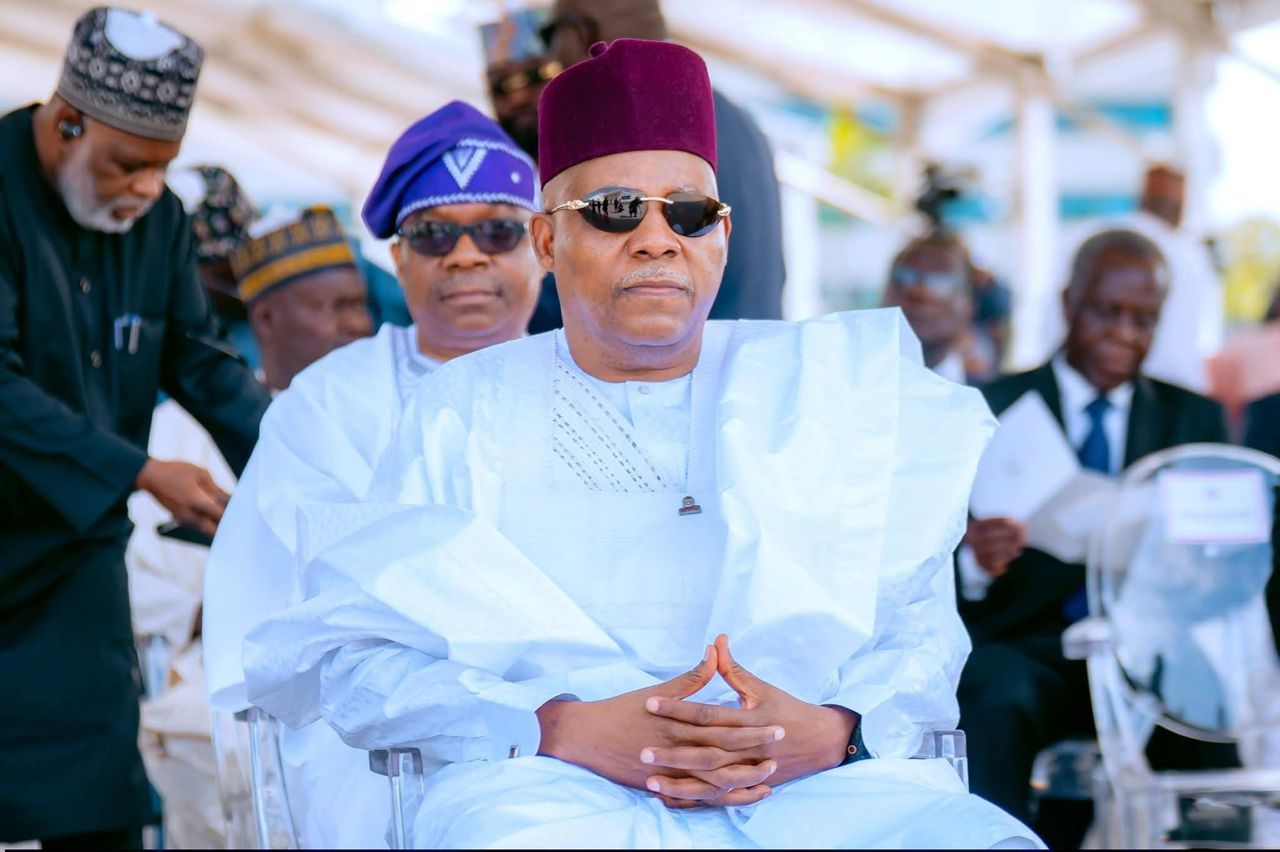
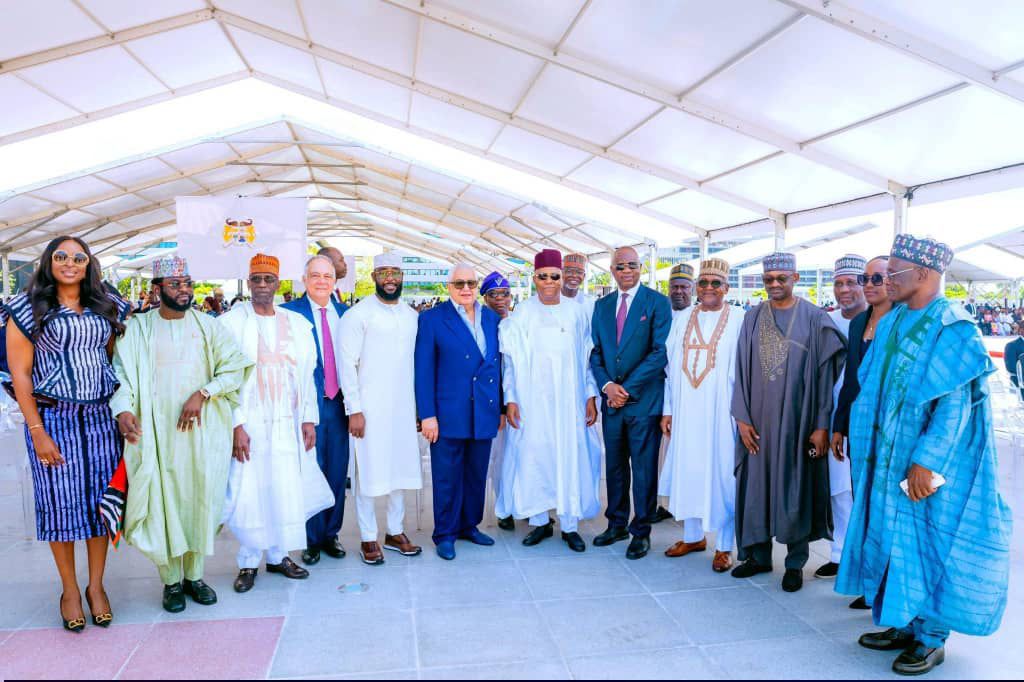
Vice-President Kashim Shettima has reaffirmed Nigeria’s commitment to strengthening bilateral relations with the Republic of Benin, describing both countries as partners bound by a “common destiny” rooted in history, trade and regional security.
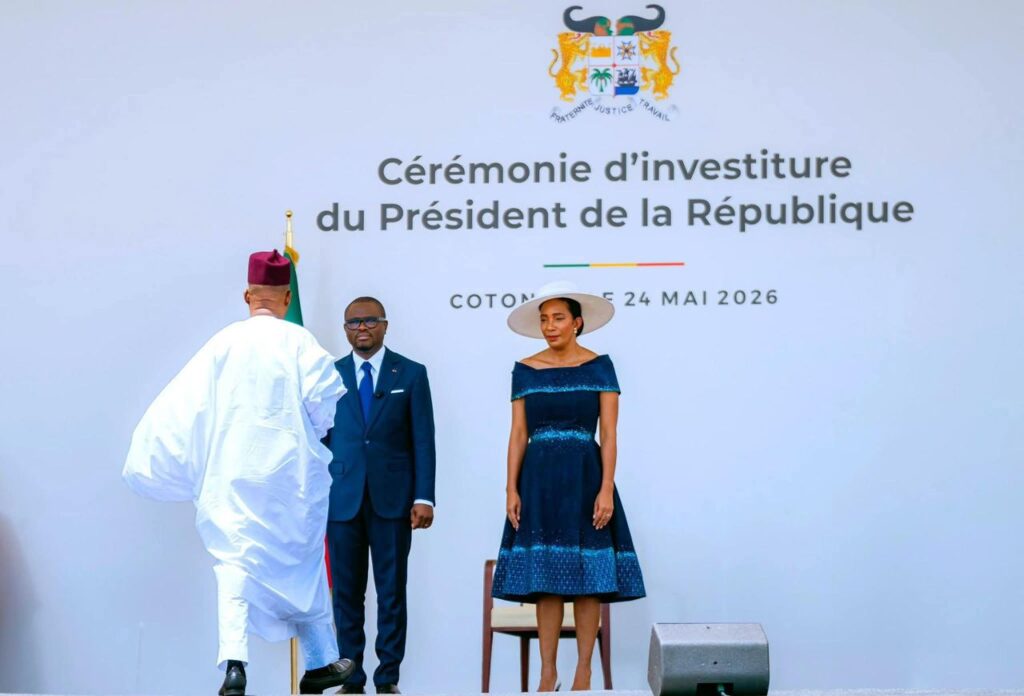
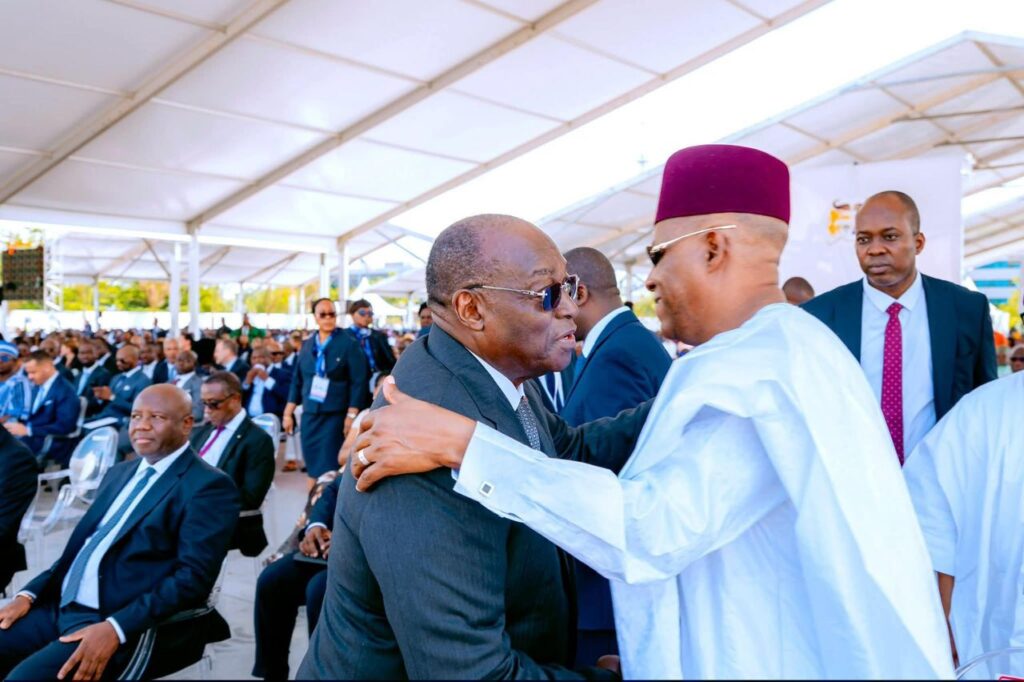
Shettima stated this on Sunday in Cotonou during the inauguration of Benin’s President Romuald Wadagni, where he represented President Bola Ahmed Tinubu.
The Vice-President said the Tinubu administration views the Nigeria–Benin relationship as strategic to regional integration and democratic stability in West Africa.
“Our presence here in Cotonou underlines President Tinubu’s unwavering, deep-seated commitment to strengthening ties with our neighbours,” he said.
Shettima noted that both countries share deep cultural, historical and economic ties that predate modern political boundaries, stressing that communities on both sides of the border remain closely connected.
“Our border with the Benin Republic stretches across nearly 600 kilometres, spanning six Nigerian states… We are essentially one people tied to a common destiny,” he added.
He said Nigeria and Benin must continue to work together to promote democratic governance, peace and economic prosperity within the ECOWAS sub-region.
“Because of this, we must show solidarity, empathy and active support toward strengthening democracy in West Africa,” he said.
The Vice-President disclosed that bilateral trade between both countries stands at about $2 billion annually, while an estimated five million Nigerians reside in Benin Republic.
He said both countries had strengthened cooperation in border security, trade facilitation, grassroots governance and ae development under regional integration frameworks.
Shettima recalled that Nigeria and Benin formalised a Memorandum of Understanding in August last year to enhance collaboration among border communities, local governments and traditional institutions in tackling cross-border crimes and boosting socio-economic development.
He said the arrangement had improved security coordination and commercial activities in border towns such as Seme, Igbokofi and Ilara, while enhancing opportunities for residents engaged in cross-border trade.
The Vice-President also referenced ongoing regional economic frameworks under the ECOWAS Trade Liberalisation Scheme and the Common External Tariff system, aimed at improving the business environment across member states.
He added that both countries continue to implement the ECOWAS protocol on free movement of persons, which allows citizens to stay within member states for up to 90 days without visa requirements.
According to him, these initiatives remain critical to strengthening regional integration and sustaining peace and prosperity in West Africa.
Nigeria, Benin Share Common Destiny, Deepen Strategic Partnership – Shettima
News
Troops Rescue INEC Official, Arrest Suspects After Election-Related Kidnapping Attempt in Cross River

Troops Rescue INEC Official, Arrest Suspects After Election-Related Kidnapping Attempt in Cross River
By: Zagazola Makama
Troops have rescued an official of the Independent National Electoral Commission (INEC) and arrested three suspects following a reported kidnapping and disruption of election-related activities in Yakurr Local Government Area of Cross River State.
Security sources disclosed that the incident occurred at about 11:15 p.m. on May 22 when two groups of suspected kidnappers stormed the venue of ADC primary elections at Wummy Hotel, Ekori community.
According to the sources, one of the groups abducted the INEC returning officer, forced him into a vehicle, and compelled him to transfer ₦70,000 before fleeing the scene.
The second group, operating on a motorcycle, reportedly carted away ballot boxes from the venue.
Following intelligence on the incident, troops in Yakurr Local Government Area laid an ambush on the fleeing suspects, successfully intercepting the vehicle and rescuing the kidnapped INEC official.
Three suspects were arrested during the operation, while one armed suspect reportedly escaped into nearby bush with a pistol, a mobile phone, ATM card, travelling bag and other election materials.
The rescued official, arrested suspects and recovered vehicle are currently in military custody for further investigation and action.
Security forces have intensified efforts to track down the fleeing suspects and recover the stolen electoral materials.
Troops Rescue INEC Official, Arrest Suspects After Election-Related Kidnapping Attempt in Cross River

Troops Raid Suspected Cultists’ Hideout, Arrest Three in Enugu State
By: Zagazola Makama
Troops of 103 Battalion, in collaboration with the Nigeria Police Force, have raided a suspected cultists’ hideout in Achi town, Oji River Local Government Area of Enugu State, arresting three suspects and recovering items believed to be linked to criminal activities.
Security sources disclosed that the operation was carried out at about 4:30 a.m. on May 23 following credible intelligence on the activities of suspected cultists and other criminal elements operating in the area.
According to the sources, the troops stormed a residential building suspected to be used as a hideout by the criminal group.
During the raid, three suspects were apprehended, while items recovered include eight motorcycles and two buckets of locally made gunpowder.
The suspects and recovered items were subsequently handed over to the Nigeria Police Force for further investigation and necessary action.
Security authorities have continued to intensify joint operations in Enugu State and surrounding areas to curb cult-related activities and other forms of violent crime.
Troops Raid Suspected Cultists’ Hideout, Arrest Three in Enugu State

Nigeria, Benin Share Common Destiny, Deepen Strategic Partnership – Shettima

Troops Rescue INEC Official, Arrest Suspects After Election-Related Kidnapping Attempt in Cross River

Troops Raid Suspected Cultists’ Hideout, Arrest Three in Enugu State

Roger Federer’s Shock as DNA Results Reveal Myla and Charlene Are Not His Biological Children

THE PLIGHT OF FARIDA

FAILED COUP IN BURKINA FASO: HOW TRAORÉ NARROWLY ESCAPED ASSASSINATION PLOT AMID FOREIGN INTERFERENCE CLAIMS
-
 News2 years ago
Roger Federer’s Shock as DNA Results Reveal Myla and Charlene Are Not His Biological Children
-
Opinions4 years ago
THE PLIGHT OF FARIDA
-
 News1 year ago
FAILED COUP IN BURKINA FASO: HOW TRAORÉ NARROWLY ESCAPED ASSASSINATION PLOT AMID FOREIGN INTERFERENCE CLAIMS
-

 News2 years ago
EYN: Rev. Billi, Distortion of History, and The Living Tamarind Tree
-
 Opinions4 years ago
POLICE CHARGE ROOMS, A MINTING PRESS
-

 ACADEMICS2 years ago
A History of Biu” (2015) and The Lingering Bura-Pabir Question (1)
-

 Columns2 years ago
Army University Biu: There is certain interest, but certainly not from Borno.
-

 Politics12 months ago
2027: Why Hon. Midala Balami Must Go, as Youths in Hawul and Asikira/Uba Federal Constituency Reject ₦500,000 as Sallah Gift
