
News
IWD: ActionAid Alleges Tinubu’s Economic Policies Has Created Deeper Gender Inequality, Made More Women Vulnerable


IWD: ActionAid Alleges Tinubu’s Economic Policies Has Created Deeper Gender Inequality, Made More Women Vulnerable
By: Michael Mike
ActionAid Nigeria has alleged that President Bola Tinubu’s economic policies has further deepened the dimensions of gender inequality in the country and placed more women at a vulnerable state.
ActionAid Country Director, Andrew Mamedu made the allegation at a press conference on Friday in Abuja to mark the International Women’s Day.
Mamedu who was represented at the conference by the Deputy Director, Suwaiba Muhammad Dankabo said: “The current economic landscape, characterised by persistent inflation, exchange rate deterioration, and insecurity, demands urgent attention from all stakeholders, especially the government.
Mamedu said: “Over the past few months, the country has experienced a rapid increase in poverty, hardship and Insecurity which has led to a slowdown of the economic growth, with the national inflation rate hitting 29% in the first quarter of 2024. Projections by KPMG in December 2023 highlighted the adverse effects of policy reforms, including the removal of fuel subsidies and the unification of the foreign exchange market.
“These measures, though intended to spur economic growth have posed significant barriers to economic stability and have particularly impacted the lives of women and children across the nation.
President Tinubu’s reforms, while aiming for economic restructuring, have inadvertently hampered GDP growth, deviating from the World Bank’s initial forecast of 2.8% growth.
“This has further deepened the dimensions of gender inequality and placed more women at a vulnerable state.
Although the gains made by development partners in empowering women across Nigeria, the economic downturn has led to setbacks, with many women-owned businesses shutting down due to financial difficulties. This exacerbates existing gender disparities and injustices, as women are forced to bear the burden of providing for their families amidst dwindling purchasing power. The impact of these economic challenges extends beyond financial strain, affecting every aspect of life in our communities. From increased instances of domestic abuse to rising rates of malnutrition and preventable illnesses, the ripple effects are profound and far-reaching. It is at a moment like this that we seek collaboration in investing in more women and their businesses to increase the economic downturn.”
He said a survey carried out by ActionAid Nigeria in some communities to ascertain the weight of the current situation on women and children, showed that most respondents said that the current hardship has impacted 80% of their livelihood with 13% relating it to the high cost of living and 8% lamenting on the high cost of transportation. “These experiences have further deepened their fear for safety as 38% of respondent fear for their lives and that of their families as the rate of crime (Killing, stealing, and kidnapping) has increased. To remedy these situations most of the respondents has had to sleep hungry so their children can feed, some have taken extra job at night to augment what they do during the day, while other women have stopped their children from going to school and reduce other expense just to support feeding.
“Many churches have increased members as 38% of women said they have turn to God for hope and help.
“Moreover, Nigeria is grappling with an alarming unemployment rate of 35%, exacerbated by the soaring exchange rate and fuel prices. The economy is further challenged by opportunists exploiting the rise in commodity prices for personal gain.”
He noted that: “These economic hardships disproportionately affect women and children, who bear the brunt of the crisis.
“Today, we gather with heavy hearts, burdened by the weight of a society crumbling under the strain of hardship. Each passing day, we witness the harrowing consequences of our collective struggle. We have witnessed families torn apart by economic strife, homes shattered by violence, futures darkened by insecurity and lives lost by mental stress.
“But amidst this darkness, we find glimmers of resilience. Let the told, and untold stories from these women be a call to action, a reminder that we cannot afford to look away. We must stand together, united in our determination to build a brighter tomorrow.”
He said considering the grave economic challenges outlined and the devastating impact on the lives of Nigerian women and children, “ActionAid Nigeria urges the government to take immediate and decisive action. We call upon the government to: Implement Gender-Sensitive Policies: Integrate gender perspectives into policy formulation to address the unique challenges faced by women, men, and children, ensuring equitable access to resources and opportunities.
“Revise Economic Reforms: Reassess recent policy reforms to mitigate their adverse effects on GDP growth, inflation rates, and the livelihoods of vulnerable populations, particularly women.
“Prioritize Social Protection: Allocate resources to provide social safety nets for women and children affected by poverty, insecurity, and unemployment, ensuring their access to essential services and support.
“Combat Inflation and Price Instability: Take concrete measures to stabilize prices of essential commodities, including food and transportation, to alleviate the burden on struggling families.
“Strengthen Security Measures: Enhance security operations to curb rising crime rates and insecurity, safeguarding the lives and well-being of all citizens, especially women and children.
“Support Women-Owned Enterprises: Provide targeted financial and technical assistance to women-owned businesses, enabling them to withstand economic shocks and contribute to national development.
“Foster Dialogue and Collaboration: Engage in inclusive dialogue with civil society organizations, development partners, and affected communities to co-create sustainable solutions and ensure accountability in addressing economic challenges.”
IWD: ActionAid Alleges Tinubu’s Economic Policies Has Created Deeper Gender Inequality, Made More Women Vulnerable


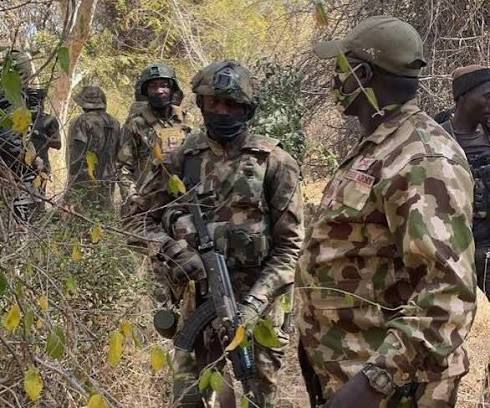
Troops Foil ISWAP/JAS Attack on Military Position in Borno, Recover UXOs
By: Zagazola Makama
Troops of 3 Battalion (Mechanised)/24 Task Force Brigade have successfully repelled an attack by suspected Islamic State West Africa Province (ISWAP) terrorists in Ngala Local Government Area of Borno State.
Security sources said the attack occurred at about 2:44 a.m. on June 12 when terrorists launched coordinated assaults on the troops’ location from Wurge, Manawaji and Kinuba.
According to the sources, the troops engaged the attackers with superior firepower, supported by reinforcements from battalion headquarters, as well as mortar and artillery fire support, forcing the insurgents to withdraw.
Following the encounter, the fleeing terrorists retreating and scampered into the bushes.
At about 5:45 a.m., troops and auxiliary forces conducted a follow-up exploitation along the withdrawal route towards Wurge, during which three RPG-7 high-explosive unexploded ordnances (UXOs) and two torchlights were recovered.
The sources further disclosed that a main battle tank developed technical faults during the aftermath of the engagement, while one soldier sustained injuries from fragments of an RPG blast.
The wounded personnel was evacuated to the 3 Battalion Regimental Aid Post (RAP) for medical treatment.
Military authorities said clearance and follow-up operations were ongoing in the area to consolidate gains and prevent further terrorist regrouping.
They reaffirmed commitment to sustaining aggressive counter-terrorism operations across the North-East theatre.
Troops Foil ISWAP/JAS Attack on Military Position in Borno, Recover UXOs
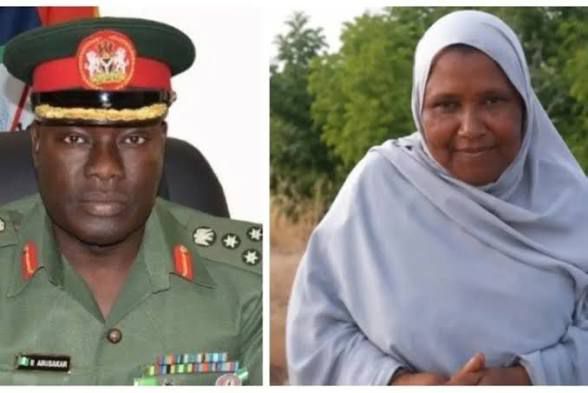
Katsina Govt Confirms Death of Retired Major General Rabe in Bandits’ Captivity
By: Zagazola Makama
The Katsina State Government has announced the death of retired Major General Rabe Abubakar while in the captivity of bandits.
The government, in a statement issued on Friday by the Commissioner for Internal Security and Home Affairs, Dr Nasiru Mu’azu, described the development as tragic and a major loss to the state and the nation.
According to the statement, the retired senior military officer died from complications arising from diabetes and hypertension while in captivity.
The government said that despite sustained efforts by the state government and security agencies to secure his release, the situation ended in tragedy.
“The deceased retired general died a natural death from complications of diabetes and hypertension,” the statement said.
It noted that the late officer’s abduction and subsequent death represented not only a loss to his immediate family and Katsina State but also a monumental loss to the country.
Governor Dikko Umaru Radda expressed deep condolences to the family of the deceased, describing the incident as a dark moment and a reminder of the need for intensified efforts against criminal elements threatening peace and security.
The governor reaffirmed the state government’s commitment to working closely with the Federal Government and security agencies to ensure that those responsible for the abduction are brought to justice.
He also assured residents that the government remained resolute in its determination to eliminate banditry and safeguard lives and property across the state.
The government prayed for the repose of the soul of the late retired Major General and urged citizens to continue supporting security agencies in the fight against insecurity.
Katsina Govt Confirms Death of Retired Major General Rabe in Bandits’ Captivity
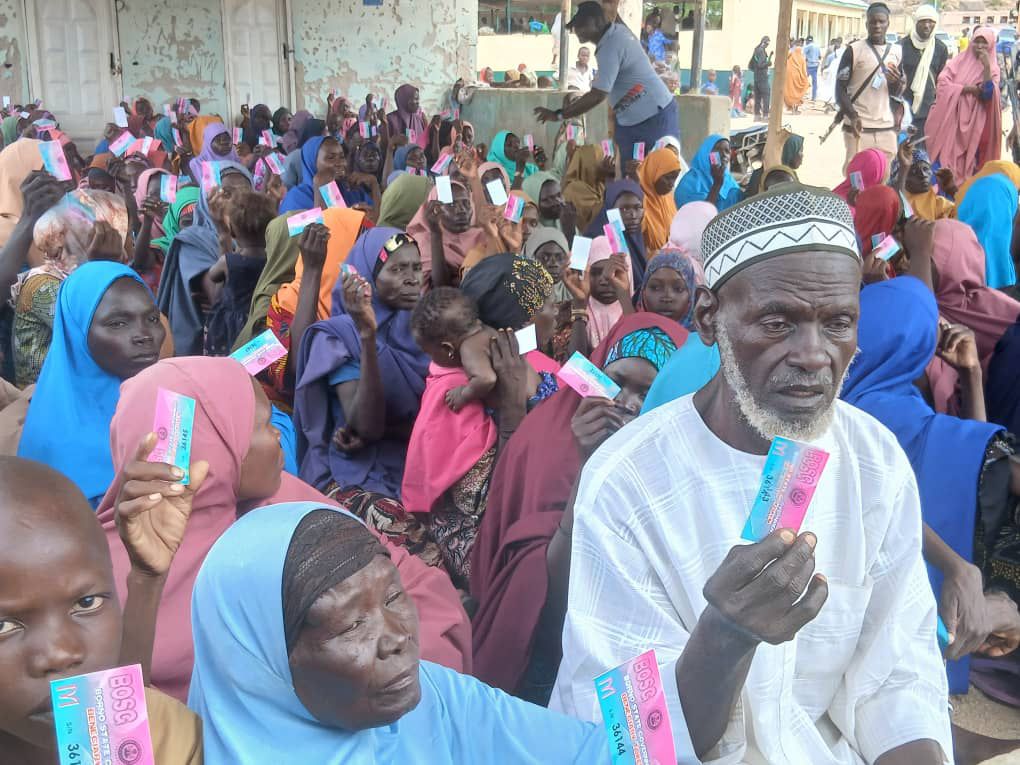
Zulum Delivers Relief, Cash Support to 434 Ngoshe Residents Rescued from Boko Haram
By: Our Reporter
Borno State Government has distributed relief materials to 434 indigenes of Ngoshe community in Gwoza Local Government Area who were recently rescued by security agencies after spending three months in Boko Haram captivity.
Governor Babagana Umara Zulum visited the victims in Pulka on Monday and directed the immediate distribution of food and non-food items to support their recovery and reintegration.
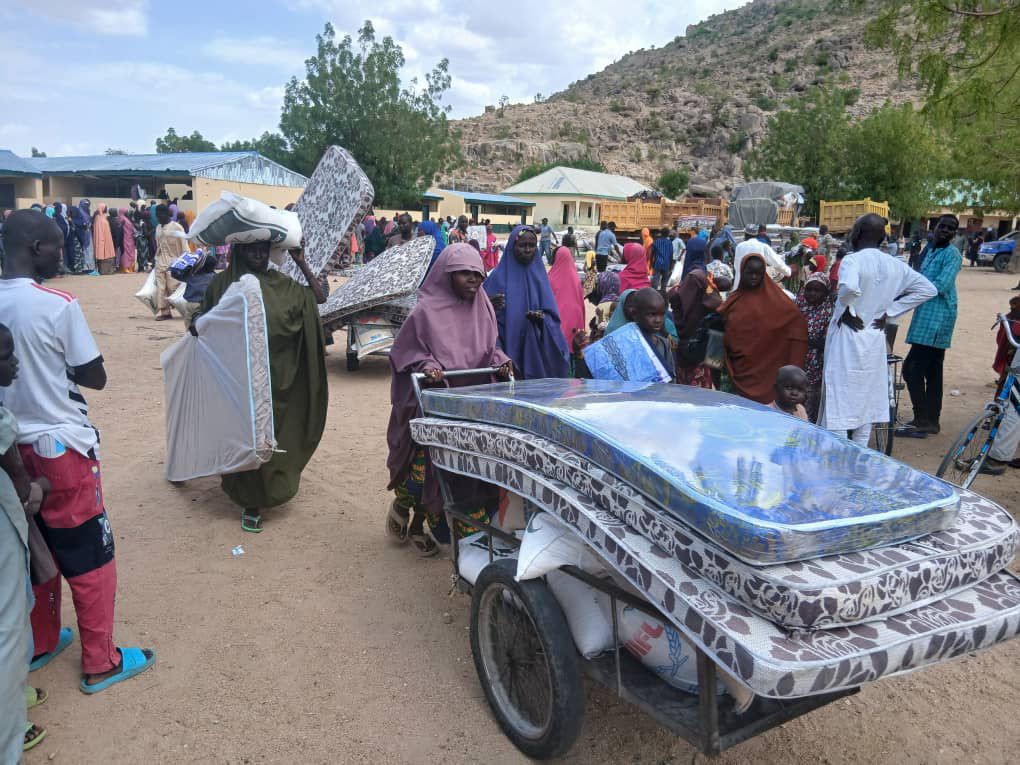
In compliance with the Governor’s directive, the Director General of the Borno State Emergency Management Agency (SEMA), Alhaji Ali Abdullahi Isa, promptly supervised the distribution exercise.
Each rescued person received a bag of rice, a bag of maize grits, a mattress, a wrapper, and a shadda, while children received two pairs of clothing.
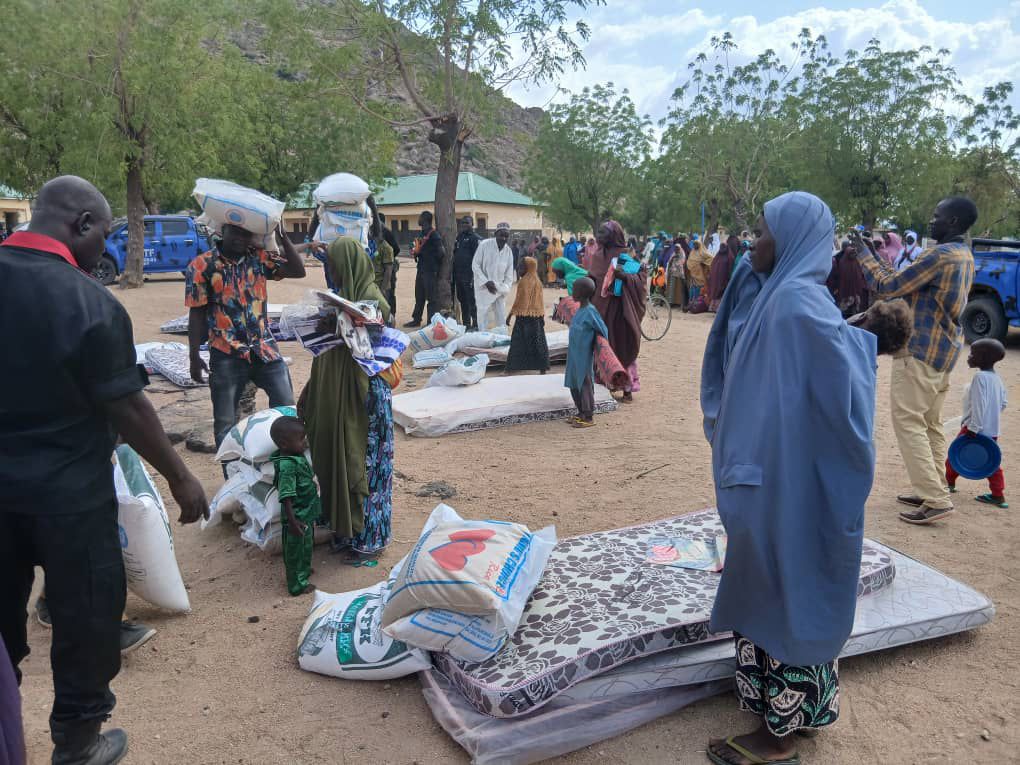
In addition, 208 heads of households received N50,000 each, fulfilling Governor Zulum’s earlier pledge of financial assistance.
Speaking during the distribution, the SEMA Director General said the intervention was part of the government’s immediate response to ease the hardship faced by the rescued victims.
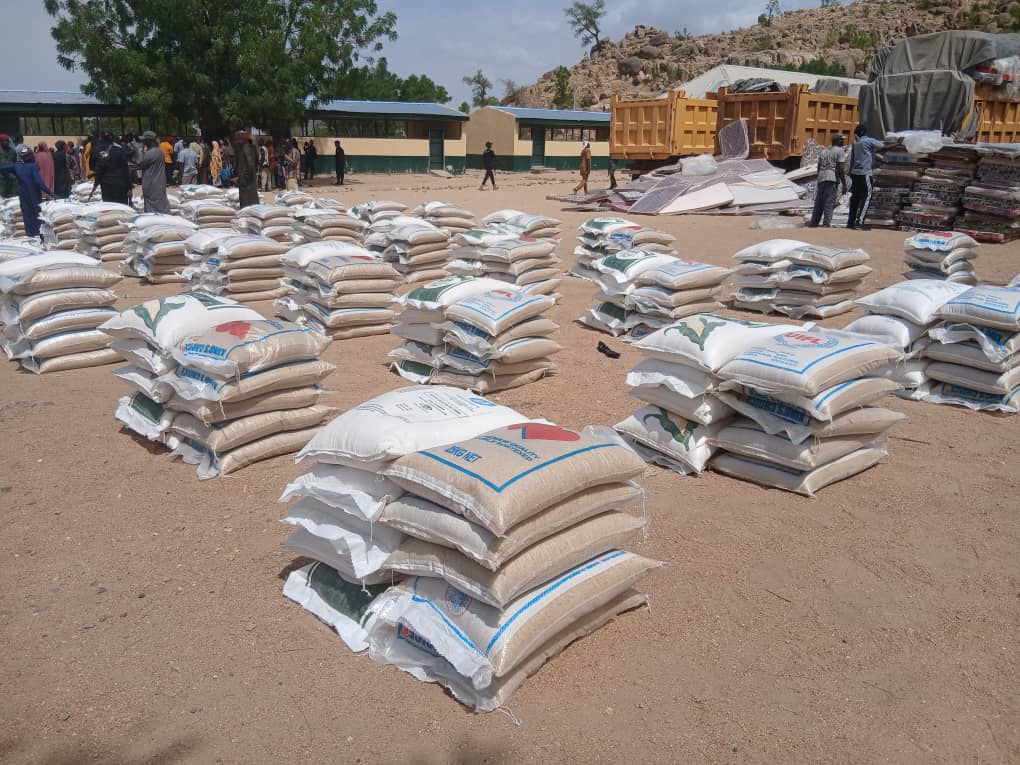
“I am here at the instance of His Excellency, Governor Babagana Umara Zulum, who was here some few days ago, and to deliver the items he directed that it should be given to you as emergency relief,” Ali stated.
The rescued individuals are currently receiving medical care and psychosocial support at a government facility. Upon completion of the rehabilitation process, they will be reintegrated into their respective communities.
The exercise was carried out alongside the Chairman of Gwoza local government, representatives of the Ngoshe community, and other officials.
Zulum Delivers Relief, Cash Support to 434 Ngoshe Residents Rescued from Boko Haram

Troops Recover AK-47 Rifle, Ammunition in Failed ISWAP Reconnaissance Operation in Borno

Troops Foil ISWAP/JAS Attack on Military Position in Borno, Recover UXOs

Katsina Govt Confirms Death of Retired Major General Rabe in Bandits’ Captivity

Roger Federer’s Shock as DNA Results Reveal Myla and Charlene Are Not His Biological Children

THE PLIGHT OF FARIDA

FAILED COUP IN BURKINA FASO: HOW TRAORÉ NARROWLY ESCAPED ASSASSINATION PLOT AMID FOREIGN INTERFERENCE CLAIMS
-
 News2 years ago
Roger Federer’s Shock as DNA Results Reveal Myla and Charlene Are Not His Biological Children
-
Opinions4 years ago
THE PLIGHT OF FARIDA
-
 News1 year ago
FAILED COUP IN BURKINA FASO: HOW TRAORÉ NARROWLY ESCAPED ASSASSINATION PLOT AMID FOREIGN INTERFERENCE CLAIMS
-

 News2 years ago
EYN: Rev. Billi, Distortion of History, and The Living Tamarind Tree
-
 Opinions4 years ago
POLICE CHARGE ROOMS, A MINTING PRESS
-

 ACADEMICS2 years ago
A History of Biu” (2015) and The Lingering Bura-Pabir Question (1)
-

 Columns2 years ago
Army University Biu: There is certain interest, but certainly not from Borno.
-

 Politics1 year ago
2027: Why Hon. Midala Balami Must Go, as Youths in Hawul and Asikira/Uba Federal Constituency Reject ₦500,000 as Sallah Gift
