
News
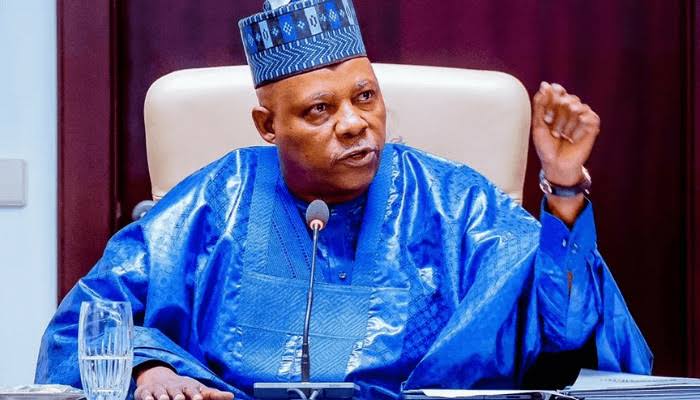
Kashim Shettima: Of Betrayal, Power, and Survival.

Kashim Shettima: Of Betrayal, Power, and Survival.
By: Inuwa Bwala.
“March has returned, and with it the Ides. Beware the men who call you brother.”
Julius Caesar was perhaps Rome’s most trusted general. He crossed the Rubicon for Rome, conquered Gaul for Rome, and pardoned enemies for Rome.
Yet it was neither Gaul nor Pompey: his avowed rivals, that killed him. It was Brutus: his friend, and confidant yet his protégé, who was described as “the noblest Roman of them all.”
Julius Caesar did not slump and died because the daggers were too many, rather, bacause he noticed the person he least expected could betray him amongst those stabbing him: Brutus. In utter shock and disbelief, Caesar slumped, but not before he uttered the word,”And you too Brutus?”.
There is no doubt that, Kashim Shettima was Borno’s most tested governor. He walked into boiling areas, when others fled the state. He rebuilt schools bombed by Boko Haram. He chose to stay in Maiduguri when Abuja offered comfort.
As Vice President, he has carried himself as a true statesman abs the face of the Tinubu administration at national and international meets.
He always speaks of “the sanctity of human life” and calked for swifter and total mobilisationagainst terror.
Yet today, whispers from Borno and Abuja suggest the daggers are not in the bush like that of Boko Haram, they are in the hands of his kinsmen, those he hold family meetings and political meetings with.
Those who could read between the line, may be able to tell, when Shettima gave an anecdote at a recent public function, about the visit by his kinsmen to his boss, Bola Ahmed Tinubu, just three months into the life of the administration.
Like Brutus and the conspirators of the Shakespearean fame, who claimed they did not hate Caesar, but loved Rome more, those who visited Tinubu claimed to love Nigeria more and her President, abd not brcause thry hated Shettima.
Brutus in particular played on a so-called republican pride and his fear of tyranny, which he used in convincing himself that betrayal was patriotism. He struck to “save” Rome.
Shettima’s own “Brutuses” use a different script, relying on Shetyima’s perceived ambition and the attendant battle to keep himself in the balance of power as an alibi.
And in the face of contending forces, they recruited people to plsy out the cards, while remaining in the shadows. The charges may appear different with that if Caesar, but the intents are same. And while still smarting from the Muslim-Muslim debacle, Shettima had hradly setyled in office when they began to spread rumours of him, being too Borno, not enough to be a northerner. Too ambitious, fetish, independent minded and growing too popular. One thing they could not take away from him though us the fact that Shettima is intelligent, shrewd and a master schemer, which his boss knows too well.
I had cause to warn of this years ago seeing Shettima’s passive refusal to pick between kinsmen in place of statesmen to work with him.
I could see through the plots to denigrate a fine emergent nationalist by linking him with Boko Haram, painting him as fetish, portraying him as a religious and ethinic checkbox, all in a bud to undo him. The weapon when he was govetnor was insurgency, but the weapon now is political naivity and stereotyping . The tactic includes convincing his Kanuri kinsmen to fight him, so that “when Kanuri fights Kanuri, others will win. But beyond that, even his Kanuri brothers seem to have an axe to grind with him.
The painful truth remains, that, Caesar’s killers were senators in the Capitol, but Shettima’s challengers may be his own kinsmen: some of whom, he nentored snd no one can ever convince him that, they could ever work against him. In both cases, the dagger is dipped in familiarity.
It cuts deeper because the hands holding it, are either those he mentored or once broke bread with him.
Caesar died because he ignored omens. Not even Calpurnia, his wife’s dream could deter him. He ignored the soothsayer, and shunned the Senate’s mood, thinking goodwill was a good sheild and armor.
Shettima’s March 2027 is loaded with omens too, arising from fresh attacks by vested interests, intrigues amongst political players, betrayal by kinsmen, espionage by aides and attachees, dissertion by hitherto close allies, manipulations in the media, ethnic or religious profiling, clandestine meetings that without communiqués, but with lethal intents, contending forces in the party who whisper that 2027 needs a “new pairing.” indeed, the ides are here, because a second term is near, and second terms birth daggers.
As governor, perhaps Shettima survived by moving rather faster than conspiracy. He outrun, those who want to either even scores or shake off his dominace, and those people have remained at daggers drawn with him
How Shettima Survives, will definitely be a refrence point in power struggles in Nigeria.
But unlike Caesar who never learnt, Shettima is a good student of Robert Greens 48 Laws of Power, and must have drawn lessons from the falls of others before him.
To survive, Shettima must learn to trust, but audit the Praetorians. Caesar trusted Brutus with his life. Shettima cannot afford blind trust. The INEC database compromise and probe shows how insider access kills. Shettima must do what he did as governor: forensic audits, no sacred cows. As I earlier said, he must have his own policy, which must not be changed simply because some people want to determine its content.
He must learnt to keep the people, his own trusted people, and must not loose, as Caesar lost Rome due to his belief in his personal prowess and capacity. Shettima still owns Borno’s streets and still conttols the larger and more lethal political forces in the North.
He should be able to name the Brutus, but should not become an Antony, whom at Caesar’s funeral sparked civil unrest. Shettima cannot afford chaos. He should have a machinery on ground that will expose the plot, without burning the Forum. He should expedite action in uniting the North, and rally the support of kinsmen, even as a counterforce, or risks allowing the real enemies to win.
Importantly, he should bear in mind, that, the parabolical March is not the end, the ides pass. For Caesar, it ended at Pompey’s statue, but for Shettima, March can end with a stronger alliance. He must do what he told the nation: “We choose light over shadow, and hope over despair”.
The Verdict of History, had
Brutus dying on his own sword, muttering, “Caesar, now be still.” Betrayal did not save the Republic, rather it buried it.
Shettima’s kinsmen face the same choice. They can strike and wait for the verdict of history, or they can sheathe the dagger and remember: the real enemy still sleeps someehere else.
Twelve years ago, I wrote that Shettima’s ides would test Borno. In 2026, I state without fear of contradiction, that, they will test Nigeria.
Caesar ignored the soothsayer because he was in so much hurry. Shettima, as always, may not be in a hurry, but should he decide to, that hurry may yet save him.
Kashim Shettima: Of Betrayal, Power, and Survival.






Centre Urges Presidential Candidates to Commit to Fiscal Reforms
By: Michael Mike
The Centre for Social Justice has called on political parties and presidential candidates to make strict budget discipline, transparent public borrowing and enforcement of statutory debt limits central to their manifestoes ahead of Nigeria’s next political transition.
The centre warned that rising public debt, mounting debt-servicing obligations and persistent breaches of public financial management rules were undermining fiscal stability, calling for structural reforms to strengthen accountability in the management of public funds.
In a policy commentary, Paul Dasimeokuma of the Centre for Social Justice said Nigeria needed to move away from discretionary fiscal practices towards strict compliance with existing laws governing budget preparation, public borrowing and debt management.
He cited public debt exceeding ₦159 trillion and debt-servicing costs consuming more than half of federal revenues as indicators of the pressure on the nation’s finances.
Dasimeokuma identified delays in the passage of annual budgets as a major weakness in the country’s fiscal management system, arguing that disruptions to the statutory budget calendar undermine planning, spending predictability and the credibility of public accounts.
He cited the 2026 Federal Budget, which received presidential assent on April 17, 2026, as an example of the delays that have characterised the budgeting process.
According to him, Section 14(1) of the Fiscal Responsibility Act (FRA) 2007 provides a framework for the timely preparation and approval of the Medium-Term Expenditure Framework (MTEF), which underpins the annual budget.
He argued that adherence to the statutory timetable would help ensure that annual budgets receive presidential assent before the commencement of the financial year on January 1.
The centre also raised concerns over the practice of extending capital budget implementation beyond the relevant financial year, sometimes resulting in multiple capital budgets being implemented concurrently.
Dasimeokuma said such practices created uncertainty in public expenditure management, distorted accounting and weakened the link between approved budgets and actual government spending.
He further questioned the management of public borrowing, arguing that loans should be subjected to rigorous scrutiny to establish their economic and social benefits before approval.
He referenced Section 41 of the Fiscal Responsibility Act, which sets out restrictions on government borrowing, and Section 44, which provides for cost-benefit analysis of proposed loans.
According to him, legislative approval of major borrowing proposals should be supported by transparent documentation showing the purpose, costs and expected returns of the loans.
He alleged that some borrowing approvals had been granted without sufficient public scrutiny and warned against the use of loans to finance recurrent expenditure and debt-service obligations.
Dasimeokuma also called attention to Section 42 of the Act, which provides for the establishment of an overall debt limit for the federation by the President in agreement with the National Assembly.
He argued that the absence of an established, legally binding debt ceiling had weakened the framework for controlling the growth of public debt.
To address the concerns, the centre urged political parties and presidential candidates to commit to four key reforms: establishing and enforcing a predictable budget calendar, implementing statutory debt limits, requiring the publication of cost-benefit analyses for external loans and ensuring transparency in public debt records.
It said the reforms should be incorporated into party manifestoes and translated into enforceable policies to improve fiscal discipline and strengthen public confidence in government financial management.
Dasimeokuma maintained that Nigeria’s economic stability would depend partly on whether political leaders could move beyond policy promises to enforce existing financial laws and ensure that public borrowing and expenditure were subject to effective oversight.
Centre Urges Presidential Candidates to Commit to Fiscal Reforms
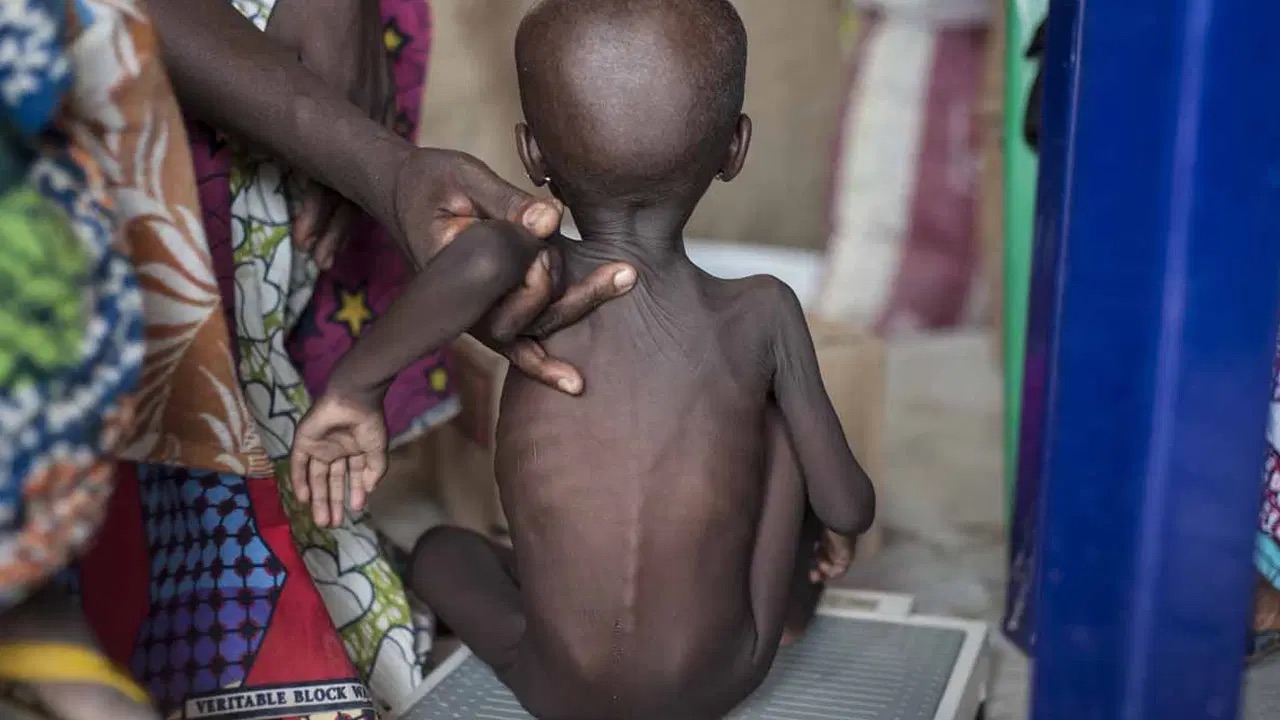
Nigeria’s Nutrition Accountability Gap Persists as Child Stunting Hits 40%
By: Michael Mike
Nigeria’s failure to translate nutrition policies and funding commitments into measurable results has come under scrutiny, with the Athena Centre for Policy and Leadership calling for performance-based financing, stronger legislative oversight and tougher accountability measures to address child malnutrition.
The centre said on Wednesday that under-five stunting in Nigeria stood at 40 per cent, against a national target of 18 per cent that has expired, highlighting the gap between policy commitments and implementation.
Speaking at a policy webinar in Abuja, the Director of the Olikoye Ransome-Kuti Institute for Health and Social Equity, Dr Danjuma Iyaji, said Nigeria had developed systems for measuring nutrition outcomes without establishing adequate mechanisms to hold public officials accountable for poor performance.
“Nigeria has built the measurement architecture of nutrition accountability without building its consequence architecture,” Iyaji said.
The webinar, organised by the Athena Centre through its institute, was titled From Measurement to Consequence: Fixing Nigeria’s Nutrition Accountability Gap. It examined findings from the centre’s policy paper, Political Incentives and Nutrition Neglect: Why State Governments Fail to Improve Child Nutrition.
The discussion brought together officials from the Office of the Vice President, the National Primary Health Care Development Agency (NPHCDA) and the House of Representatives Committee on Nutrition and Food Security to examine why government commitments were not consistently translating into improved nutrition outcomes.
According to the centre, only nine of Nigeria’s 36 states had formally established State Councils on Nutrition as of April 2026, while the existence of such councils did not necessarily demonstrate that they were functioning effectively.
To address the gaps, the centre proposed linking supplementary funding tranches to independently verified readiness, conducting annual state performance assessments, establishing an escalation framework for persistent non-performance and holding annual legislative hearings at the state level.
However, participants stressed that accountability measures must not deprive vulnerable children of essential nutrition services because their state governments failed to meet administrative or performance requirements.
The Senior Special Assistant to the President on Nutrition and Public Health, Uju Rochas-Anwukah, endorsed the diagnosis, identifying three major breaks in the accountability chain: commitments not translating into fund releases, releases failing to translate into service delivery, and inadequate understanding of nutrition priorities among subnational leaders.
“A stunted child is a lost asset that no bridge can build,” she said.
Rochas-Anwukah cautioned that readiness-based financing must not disadvantage states with the greatest nutrition needs but weaker implementation capacity. She also clarified that the terms governing the Child Nutrition Fund rested with UNICEF and its partners, rather than her office.
She called for a pathway through which less-prepared states could strengthen their capacity to qualify for support without leaving children in those states behind.
The presidential aide also urged the passage of the proposed National Food and Nutrition Bill, arguing that a stronger legal framework would help sustain accountability beyond individual administrations.
The Director of Nutrition at NPHCDA, Dr Adebiyi Olatunde, said accountability must extend beyond state-level indicators to primary healthcare facilities, where the availability of therapeutic foods and micronutrients directly affects children’s access to treatment and preventive services.
She warned that state-level figures could conceal serious deficiencies in individual communities and health facilities.
“At times we have data for a state, and the issue may be in only two particular wards,” Olatunde said.
She advocated collecting and analysing data down to ward and facility levels to identify localised failures. She also called for a root-cause assessment before sanctions or other escalation measures were imposed, to establish whether poor performance resulted from funding shortages, supply-chain problems or weaknesses in implementation.
The Research Lead for the House of Representatives Committee on Nutrition and Food Security, Abel Okechukwu, described conditional financing as “workable and urgently needed”, but argued that the approach should combine protected funding for essential services with incentives for improved performance.
He proposed allocating 70 per cent of funding as a protected lifeline for interventions such as micronutrient provision and school feeding, while reserving 30 per cent as a performance incentive linked to functional nutrition councils, approved costed plans and published expenditure records.
“Conditional financing should not punish the child,” Okechukwu said.
He also called for stronger legislative scrutiny, arguing that oversight hearings must be supported by reliable data and adequate preparation rather than conducted as ceremonial exercises.
According to him, effective hearings require standardised reporting templates and the submission of reports at least 21 days before proceedings.
Okechukwu said the committee intended to intensify joint oversight in 2026 and 2027. He also proposed inserting a provision in the Appropriation Act to link federal grants to evidence that state governments had exercised appropriate oversight of nutrition programmes.
The discussions refined several of the centre’s recommendations, particularly the need to protect essential nutrition funding, provide weaker states with a route to meeting readiness requirements, assess performance below the state level and make root-cause reviews the starting point for addressing persistent failures.
However, whether the existing Child Nutrition Fund arrangements permit the proposed financing conditions remains unresolved, according to the centre’s policy paper.
As follow-up measures, the Athena Centre said it would engage partners in the Child Nutrition Fund on financing conditions, present the proposed escalation framework to the Nigeria Governors’ Forum and take its legislative recommendations to State Houses of Assembly.
It also plans to circulate a policy note incorporating the panellists’ recommendations before publication and reassess the four proposed reforms in July 2027.
In her closing remarks, the webinar moderator and researcher at the institute, Ijeoma Achebe, said the discussion had strengthened the paper’s diagnosis of the challenges undermining nutrition outcomes.
“The gap is not simply about a lack of policies,” she said. “It is the distance between commitments and delivery.”
Nigeria’s Nutrition Accountability Gap Persists as Child Stunting Hits 40%
News
Nigeria Mourns 140 Migrants Killed in Djibouti Boat Tragedy, Calls for Action Against Irregular Migration
Nigeria Mourns 140 Migrants Killed in Djibouti Boat Tragedy, Calls for Action Against Irregular Migration
By: Michael Mike
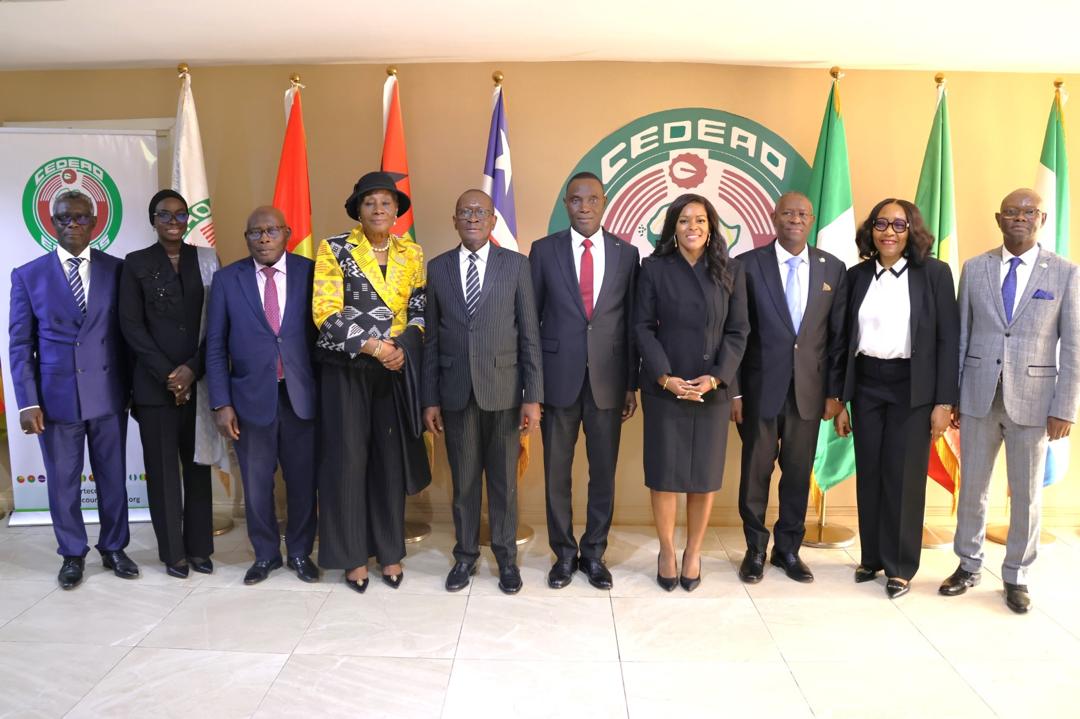
The Federal Government has expressed condolences to Djibouti following the death of nearly 140 migrants, including 15 children, in a boat disaster off the country’s coast, calling for urgent collective action to address the root causes of irregular migration.
Nigeria, in a statement issued by the Ministry of Foreign Affairs in Abuja, said the boat capsized between October 8 and 9, 2026, leaving scores of people missing, according to the International Organisation for Migration (IOM).

The government expressed sympathy to the bereaved families and solidarity with the government and people of Djibouti over the tragedy, describing the incident as a grim reminder of the dangers confronting migrants who undertake perilous journeys in search of economic opportunities.
The statement, signed by the ministry’s spokesperson, Oluwafemi Adeniyi, said the disaster underscored the urgent need to tackle the underlying factors driving irregular migration, strengthen the fight against migrant smuggling and human trafficking, and promote safe, orderly and regular migration.

It stressed that efforts to prevent such tragedies must align with relevant African Union frameworks and applicable international instruments.
Nigeria further emphasised that protecting migrants, particularly children and other vulnerable persons, was a shared responsibility requiring sustained cooperation among countries of origin, transit and destination, as well as regional and international organisations.
According to the government, stronger collaboration is essential to prevent further loss of life, protect migrants’ fundamental rights and dignity, and ensure that migration is managed safely and humanely.
The Federal Government reaffirmed its commitment to working with the United Nations, the African Union and other relevant stakeholders to strengthen migration management, raise awareness about the dangers of irregular migration and develop practical measures to address its root causes.

It also called for renewed international cooperation to safeguard human life along migration routes across Africa and beyond.
The tragedy adds to concerns over the risks faced by migrants travelling along dangerous routes in pursuit of better economic prospects, reinforcing calls for stronger action against criminal networks that facilitate irregular journeys and for more sustainable solutions to the factors compelling people to leave their homes.
Nigeria reiterated its deepest sympathies to all those affected by the disaster and urged collective efforts to prevent similar tragedies.
Nigeria Mourns 140 Migrants Killed in Djibouti Boat Tragedy, Calls for Action Against Irregular Migration

THE JARAMOGI ODINGA OF NIGERIA? How Shettima Put Leadership, Respect, and Political Responsibility at the Heart of His Message to Atiku

Centre Urges Presidential Candidates to Commit to Fiscal Reforms

Nigeria’s Nutrition Accountability Gap Persists as Child Stunting Hits 40%

Roger Federer’s Shock as DNA Results Reveal Myla and Charlene Are Not His Biological Children

THE PLIGHT OF FARIDA

FAILED COUP IN BURKINA FASO: HOW TRAORÉ NARROWLY ESCAPED ASSASSINATION PLOT AMID FOREIGN INTERFERENCE CLAIMS
-
 News3 years ago
Roger Federer’s Shock as DNA Results Reveal Myla and Charlene Are Not His Biological Children
-
Opinions5 years ago
THE PLIGHT OF FARIDA
-
 News1 year ago
FAILED COUP IN BURKINA FASO: HOW TRAORÉ NARROWLY ESCAPED ASSASSINATION PLOT AMID FOREIGN INTERFERENCE CLAIMS
-
 Opinions5 years ago
POLICE CHARGE ROOMS, A MINTING PRESS
-

 News3 years ago
EYN: Rev. Billi, Distortion of History, and The Living Tamarind Tree
-

 ACADEMICS3 years ago
A History of Biu” (2015) and The Lingering Bura-Pabir Question (1)
-

 Columns3 years ago
Army University Biu: There is certain interest, but certainly not from Borno.
-

 Politics1 year ago
2027: Why Hon. Midala Balami Must Go, as Youths in Hawul and Asikira/Uba Federal Constituency Reject ₦500,000 as Sallah Gift
