
News
UNAIDS, SADC, China Move to Build Southern Africa’s Pharmaceutical Manufacturing Power


UNAIDS, SADC, China Move to Build Southern Africa’s Pharmaceutical Manufacturing Power
By: Michael Mike
Southern Africa is moving to reduce its dependence on imported medicines and strengthen its capacity to produce essential health products locally, as the Joint United Nations Programme on HIV and AIDS UNAIDS, the Southern African Development Community (SADC), China and other partners launch a major push to expand pharmaceutical manufacturing in the region.
The initiative brought together the Governments of South Africa and China, Chinese pharmaceutical companies, research institutions, financial and development partners and health experts in a strategic exchange designed to translate Africa–China cooperation into greater local production of medicines, diagnostics and other health technologies.
The five-day SADC-China strategic exchange, taking place from August 31 to September 4 in Johannesburg, Durban and Cape Town, is being driven through sustained engagement led by UNAIDS, with the Global Health Innovation Institute (GHII) playing a key role in connecting African and Chinese industry and innovation partners.
The collaboration draws heavily on lessons from the global HIV response, particularly the importance of reliable supply chains, technology, financing, regulatory systems and local capacity in ensuring that lifesaving medicines remain accessible.
UNAIDS Regional Director for East and Southern Africa, Anne Githuku-Shongwe, said the initiative goes beyond medicine production, arguing that pharmaceutical manufacturing is central to Africa’s long-term health security.
“Strengthening pharmaceutical manufacturing is about much more than producing medicines. It is about African countries having greater control over the health products their people depend on, including for HIV, while building the skills, investment, technology and systems needed for long-term health security,” she said.
The initiative comes as countries across Africa seek more resilient health systems following repeated disruptions to global supply chains and growing concerns over dependence on external sources for essential medicines and health commodities.
For Southern Africa, regional manufacturing could reduce exposure to international supply shocks while creating opportunities for technology transfer, skilled employment, industrial development, innovation and investment.
SADC Secretariat representative Dr Lamboly Kumboneki said the ability to manufacture medicines locally was increasingly fundamental to health security.
“Health security requires the capacity to produce. Our partnership with China can help connect African manufacturing capability with the investment, technology and skills needed to strengthen regional pharmaceutical production,” Kumboneki said.
A major component of the exchange is exploring how China’s pharmaceutical industry can contribute investment, manufacturing expertise, technology transfer and innovation to the development of African production capacity.
Participants are examining ways to improve investment flows, strengthen market intelligence and demand visibility, enhance regulatory preparedness and develop stronger systems for pooled procurement and health commodity security.
The programme includes high-level policy discussions with government and regulatory authorities, engagements with development and financing institutions and visits to pharmaceutical manufacturing and research facilities across Johannesburg, Durban and Cape Town.
The organisers are also seeking practical opportunities that can move Africa-China pharmaceutical cooperation beyond dialogue and into sustainable manufacturing partnerships.
GHII Head of Business Development and Innovation Gary Yang said the growing sophistication of China’s healthcare industry created opportunities for deeper engagement with African markets.
“China’s healthcare industry has grown and matured significantly over the last few decades, and companies are looking for opportunities beyond, globally. Africa is the market of the future,” Yang said.
He added that engagements with South African companies and policymakers had demonstrated a willingness to develop partnerships capable of expanding access to health products.
“I believe this is a perfect opportunity to bring accessible health products through a mutually beneficial partnership,” he said.
The initiative reflects a broader shift in thinking about Africa’s health security—from securing supplies from global manufacturers to building the capacity to produce essential products within the continent.
The HIV response demonstrated how partnerships among governments, international organisations, manufacturers, researchers and financing institutions can expand access to critical medicines when backed by sustainable supply systems and appropriate policy frameworks.
Partners now want to apply those lessons to a wider range of health products while strengthening Southern Africa’s industrial and regulatory ecosystem.
At the end of the strategic exchange, participating partners are expected to identify priority investment opportunities and practical next steps for expanding regional pharmaceutical manufacturing and improving the security of health commodity supplies.
The initiative could ultimately help position Southern Africa as a stronger manufacturing base for medicines and health technologies, while deepening strategic health and economic cooperation between Africa and China.
UNAIDS, SADC, China Move to Build Southern Africa’s Pharmaceutical Manufacturing Power




UNICEF: Journalists must hold governments to Account on Children’s Funds
By Hajara Usman
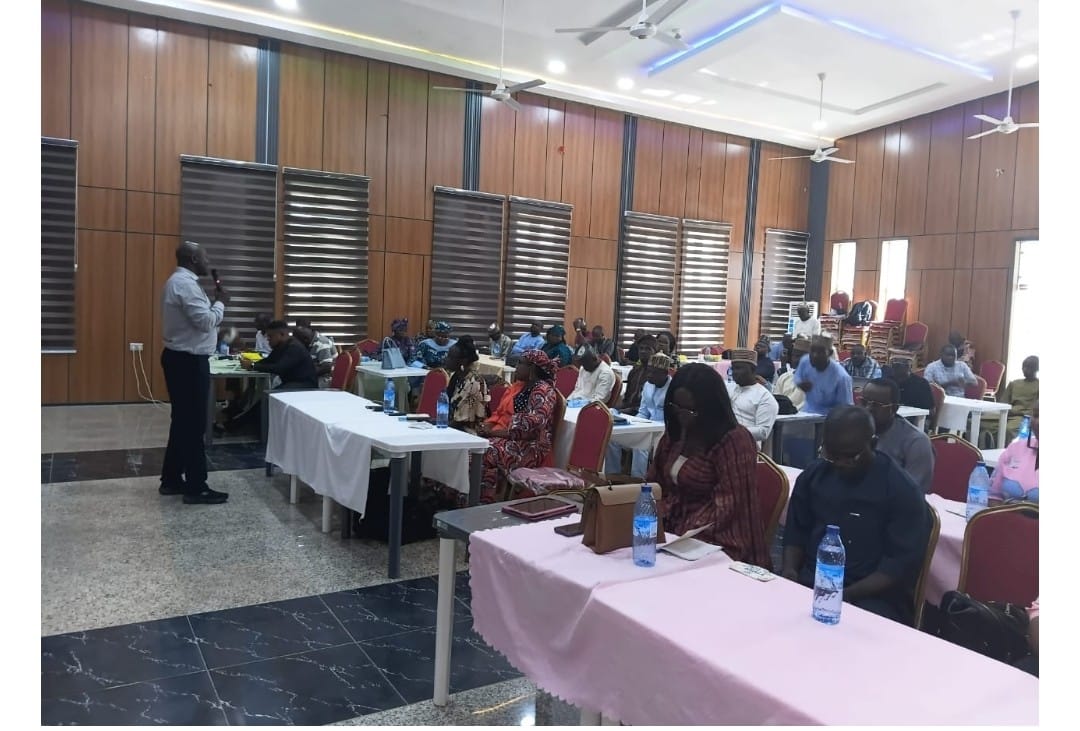
The United Nations Children’s Fund (UNICEF) has urged journalists in Bauchi, Gombe and Plateau States to monitor government spending on children and hold public officials accountable.
The UNICEF Chief of Field Office in Bauchi, Dr Nuzhat Rafiq, made the call during a one-day media dialogue on Public financing for children organised by the Bauchi State Ministry of Budget and Economic Planning and Multilateral Coordination in collaboration with the UNICEF Bauchi Field Office.
Represented by UNICEF Education Specialist, Abdulrahman Ado, said journalists had an important role to play in improving government budgets, ensuring the timely release of funds and monitoring the implementation of programmes for children and women.
She urged journalists to use the current political and election period to question politicians about their plans for children, how the plans would be funded and how the money would reach vulnerable children and communities.
Rafiq said many children were still out of school, while malnutrition, poor healthcare services and limited access to safe water, sanitation and hygiene continued to affect families.
She stressed the need for non-partisan reporting that focuses on children’s rights, government commitments, public funding and measurable results rather than political personalities or affiliations.
Also speaking, UNICEF Social Policy Specialist, Yusuf Auta, said investment in children should begin from conception and continue throughout childhood.
Auta said proper funding was particularly important for maternal and newborn healthcare, adding that every child had the right to be born in a safe and healthy environment.
He expressed concern that government budgets often give insufficient attention to children from birth to 18 years, despite children making up more than half of the population.
Auta urged journalists to go beyond reporting budget allocations by tracking when funds are released, how they are used and the results achieved.
He said the media could help change the situation by holding governments accountable and ensuring that budget commitments resulted in real improvements in children’s lives.
UNICEF: Journalists must hold governments to Account on Children’s Funds
Zulum Appoints Abubakar Mai Deribe as Special Adviser
By: Our Reporter
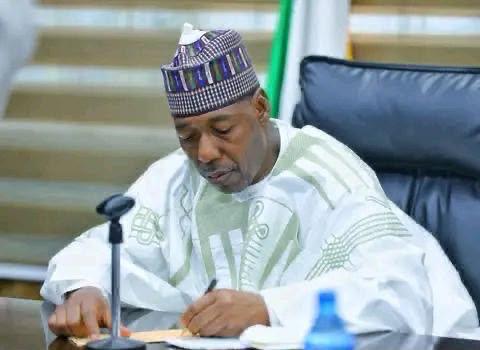
Borno State Governor, Professor Babagana Umara Zulum, has approved the appointment of Hon. Abubakar Mai Deribe as a Special Adviser to the Governor.
In a statement, the Special Adviser to the Governor on Media, Dauda Iliya, said the appointment was made pursuant to the powers conferred on the Governor by Section 196(1) of the Constitution of the Federal Republic of Nigeria, 1999 (as amended).
Hon. Abubakar Mai Deribe has held various political positions, including Executive Chairman of Jere Local Government Area.
Governor Zulum congratulated him on the appointment and charged him to justify the confidence reposed in him through dedication and selfless service.
Zulum Appoints Abubakar Mai Deribe as Special Adviser

Nigeria Turns Forest Protection Into $1bn Economic Agenda
…EU, Germany, FAO Back investment drive as country targets 2m hectares restoration, 1.5m green jobs
By: Michael Mike
Nigeria is betting about $1 billion on its forests, seeking to turn the country’s growing environmental challenges into an economic opportunity through a 10-year strategy targeting massive forest restoration, new green jobs, sustainable agriculture and increased climate investment.
The plan, known as the Securing Nigeria’s Forest Future (SNFF) Country Package, was launched on Tuesday in Abuja by the Minister of Environment, Balarabe Lawal, with strong support from the European Union, Germany and the Food and Agriculture Organisation of the United Nations (FAO).
Under the framework, Nigeria aims to mobilise approximately $1 billion in blended finance, restore two million hectares of degraded forest, reduce deforestation by 20 per cent, create 1.5 million green jobs and strengthen climate resilience for more than five million Nigerians.
Lawal said the initiative marked a departure from isolated forest interventions, stressing that Nigeria now required a coordinated investment framework capable of bringing government, private capital, development partners and communities into a common programme.
He said the country’s forests were fundamental to livelihoods, agriculture, biodiversity, water security and climate resilience, but were increasingly threatened by agricultural expansion, unsustainable exploitation of natural resources and urbanisation.
The Minister said government funding alone could not deliver the scale of intervention required, making private investment, blended finance and carbon finance essential to the success of the strategy.
He urged the private sector and financial institutions to identify commercially viable opportunities in sustainable forest management and forest-based value chains, while insisting that investment must generate tangible benefits for communities.
Women and young people, he said, must also have meaningful opportunities in the emerging green economy.
The European Union said Nigeria’s forest agenda must be viewed alongside agriculture, trade and economic development, warning that the way commodities are produced and land is managed will increasingly determine the country’s economic opportunities.
Speaking at the launch, the EU Head of Partnerships, Massimo De Luca, said experiences from the Amazon, Congo Basin, Southeast Asia and the Sahel had demonstrated the consequences of weak forest governance and unsustainable land use.
He said they had also shown that strong institutions, community participation, sustainable agriculture, restoration and international cooperation could reverse environmental degradation.
De Luca highlighted EU support for the protection of Nigeria’s natural assets, including Gashaka Gumti National Park and Cross River National Park, as part of wider efforts to conserve biodiversity and preserve the economic and ecological value of forests.
He also cited the EU’s €700 million commitment to the Great Green Wall Initiative, aimed at combating desertification, restoring degraded landscapes and strengthening climate resilience across the Sahel.
For Nigeria, however, one of the most immediate economic implications lies in its agricultural exports.
De Luca said the European Union Deforestation Regulation (EUDR) presents both a challenge and an opportunity for Nigeria, particularly its cocoa industry.
He said better forest governance, land-use planning, farm-level traceability and reliable geospatial data would help ensure that Nigerian cocoa production is not associated with deforestation or forest degradation.
Such measures, he noted, could help farmers and businesses maintain access to the European market while encouraging more sustainable agricultural production.
Germany also called for stronger institutions and greater private-sector participation in Nigeria’s forest transition.
The German representative said the private sector could provide the capital, technology, innovation and market access needed to accelerate sustainable land management.
But investors, the representative stressed, would require predictable policies, secure land rights, reliable data, access to finance and appropriate incentives.
The German government also emphasised that environmental protection would only be sustainable if it generated economic opportunities for people living around forests.
Communities, women and young people, it said, must be able to see concrete benefits from forest conservation and restoration.
Germany pledged continued support for Nigerian-led solutions and efforts to attract additional public and private financing for sustainable development.
The FAO brought another dimension to the strategy, warning that Nigeria’s forests cannot be separated from the country’s food and agricultural systems.
In a goodwill message delivered on behalf of FAO Representative in Nigeria and to ECOWAS, Dr Hussein Gadain, the organisation said forests are directly connected to food, water, income and resilience for millions of Nigerians, particularly forest-dependent communities.
FAO welcomed the SNFF’s attempt to combine forest conservation with sustainable land management, climate action, biodiversity protection, investment and livelihoods.
It stressed that agricultural production and forest conservation must be pursued together, advocating sustainable commodity production, deforestation-free supply chains, agroforestry and restoration.
The organisation also called for local communities, women and young people to become active participants in the management and restoration of forest resources.
FAO said it was ready to support Nigeria in developing investment-ready programmes and accessing international environmental and climate financing, including resources available through the Global Environment Facility, Green Climate Fund and Adaptation Fund.
Despite the broad international support, Lawal acknowledged that the most difficult phase begins after the launch.
He said the SNFF would ultimately be judged by what it delivers on the ground rather than by the quality of the document itself.
The Minister identified clear institutional responsibilities, bankable investment pipelines, mobilised resources, technical capacity, reliable monitoring and accountability as critical to implementation.
He urged Ministries, Departments and Agencies to treat the initiative as a cross-cutting economic and climate priority rather than a forestry programme.
State governments and communities, he added, would be crucial because much of the implementation would occur at the subnational level.
Lawal also called on development partners to move from fragmented, project-based interventions towards coordinated and scalable investment programmes.
The Ministry of Environment, through its Department of Forestry, will strengthen forest monitoring systems to track deforestation, degradation and restoration and support national climate and sustainable development reporting.
With Nigeria now facing the task of turning its targets into projects and financing, the success of the strategy will depend on whether the promised investment can reach communities, whether degraded landscapes can actually be restored and whether sustainable production can become economically attractive.
The launch therefore marks more than the unveiling of another environmental framework. It places Nigeria’s forests at the centre of a broader economic question: whether the country can protect its natural resources while simultaneously creating jobs, securing food systems, attracting investment and keeping its agricultural exports competitive in a changing global market.
Nigeria Turns Forest Protection Into $1bn Economic Agenda

UNICEF: Journalists must hold governments to Account on Children’s Funds

Zulum Appoints Abubakar Mai Deribe as Special Adviser

NSCDC, TETFund Partner to Strengthen Security in Nigerian Tertiary InstitutionsMichael Olugbode in Abuja

Roger Federer’s Shock as DNA Results Reveal Myla and Charlene Are Not His Biological Children

THE PLIGHT OF FARIDA

FAILED COUP IN BURKINA FASO: HOW TRAORÉ NARROWLY ESCAPED ASSASSINATION PLOT AMID FOREIGN INTERFERENCE CLAIMS
-
 News2 years ago
Roger Federer’s Shock as DNA Results Reveal Myla and Charlene Are Not His Biological Children
-
Opinions5 years ago
THE PLIGHT OF FARIDA
-
 News1 year ago
FAILED COUP IN BURKINA FASO: HOW TRAORÉ NARROWLY ESCAPED ASSASSINATION PLOT AMID FOREIGN INTERFERENCE CLAIMS
-

 News2 years ago
EYN: Rev. Billi, Distortion of History, and The Living Tamarind Tree
-
 Opinions5 years ago
POLICE CHARGE ROOMS, A MINTING PRESS
-

 ACADEMICS3 years ago
A History of Biu” (2015) and The Lingering Bura-Pabir Question (1)
-

 Columns3 years ago
Army University Biu: There is certain interest, but certainly not from Borno.
-

 Politics1 year ago
2027: Why Hon. Midala Balami Must Go, as Youths in Hawul and Asikira/Uba Federal Constituency Reject ₦500,000 as Sallah Gift
