
News
Kwibuka 32: Rwanda Sounds Alarm on Evolving Genocide Ideology, Demands Global Accountability

Kwibuka 32: Rwanda Sounds Alarm on Evolving Genocide Ideology, Demands Global Accountability
By: Michael Mike
Rwanda has issued a powerful warning to the world as it marks the 32nd anniversary of the 1994 Genocide against the Tutsi, cautioning that the dangerous ideologies that fueled the mass killings have not disappeared—but are mutating in more sophisticated and far-reaching ways.
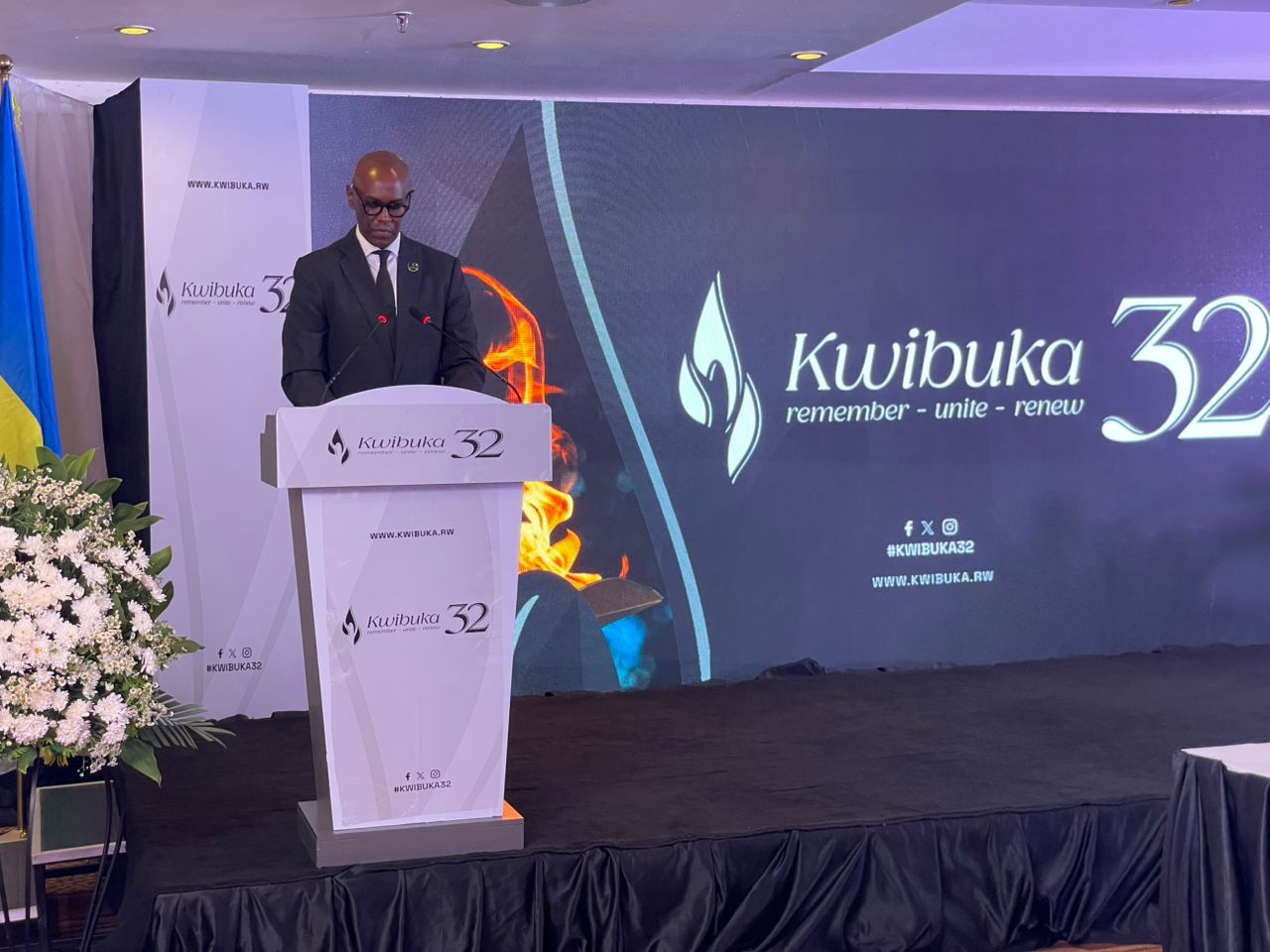
Speaking at a solemn commemoration in Abuja, the Rwandan High Commissioner to Nigeria, Moses Rugema, urged the global community to move beyond ceremonial remembrance and confront the persistent and evolving threat of genocide ideology, particularly in an era shaped by digital influence and artificial intelligence.
The event, held under the theme “Remember. Unite. Renew.”, marked Kwibuka 32, an annual period of reflection on one of the darkest chapters in modern history.
He said: “Remembrance must carry responsibility. It is not enough to honour the dead—we must actively resist the forces that made such atrocities possible.”
He recalled the scale of the Rwandan Genocide, in which more than one million people—predominantly Tutsis—were systematically killed within 100 days in 1994. The envoy stressed that the genocide was not a spontaneous eruption of violence, but a calculated campaign driven by propaganda, division and state-backed extremism.
Drawing a direct line between the past and present, Rugema warned that similar patterns are re-emerging globally, now amplified by technology.
“The tools may have changed, but the intent has not. Today, hate can spread faster, deeper and more dangerously through digital platforms,” he said, noting that misinformation, denial and distortion are increasingly weaponised to rewrite history and inflame divisions.
He called for stronger international legal frameworks, improved civic education and stricter accountability measures to counter what he described as a “resilient and adaptive threat.”
Rugema also revisited the failure of the international community during the 1994 crisis, stating that early warning signs were ignored and the scale of the violence was initially downplayed. At the United Nations Security Council, only a handful of voices—including Nigeria’s former envoy, Ibrahim Gambari—pressed for recognition of the atrocities as genocide.
The killings were eventually halted by forces of the Rwandan Patriotic Front, led by current President Paul Kagame, ushering in a new chapter focused on national rebuilding.
Highlighting Rwanda’s recovery, Rugema pointed to deliberate policies aimed at unity and reconciliation, including the dismantling of ethnic classifications and the use of community-based justice systems such as gacaca courts, which enabled millions of cases to be heard while fostering dialogue and healing.
Yet, he warned that the work is far from over.
“Genocide ideology is not confined to history—it is a present danger,” he said, citing ongoing instability in parts of Africa’s Great Lakes region and the growing normalization of hate speech globally.
Also addressing the gathering, the UN Resident Humanitarian Coordinator in
Nigeria, Mohamed Fall described the commemoration as a call to action for the international community to prevent future atrocities.
Represented by the UN Women Coordinator to Nigeria and ECOWAS, Beatrice Eyong, Fall emphasised that the genocide was enabled by sustained propaganda and exclusionary policies.
“Mass atrocities do not begin with weapons—they begin with words,” Fall said. “And today, those words travel faster than ever.”
He warned that the unchecked spread of hate speech and incitement in the digital space poses a growing global risk, urging governments to strengthen legal protections, uphold international law and fully implement the Genocide Convention.
Both speakers stressed that remembrance must translate into concrete action, insisting that the phrase “Never Again” risks becoming hollow if not backed by political will and societal vigilance.
As the world reflects on Kwibuka 32, Rwanda’s message was unmistakable: the cost of indifference has already been written in blood—and failing to act now could allow history to repeat itself.
Kwibuka 32: Rwanda Sounds Alarm on Evolving Genocide Ideology, Demands Global Accountability


Africa Must Lead Response to Growing Security Threats, Buratai Tells Forum
By Zagazola Makama
Former Chief of Army Staff, retired Lt.-Gen. Tukur Yusuf Buratai, has called for African-led solutions to the continent’s worsening security challenges, warning that the continent is facing an unprecedented convergence of threats requiring collective action.
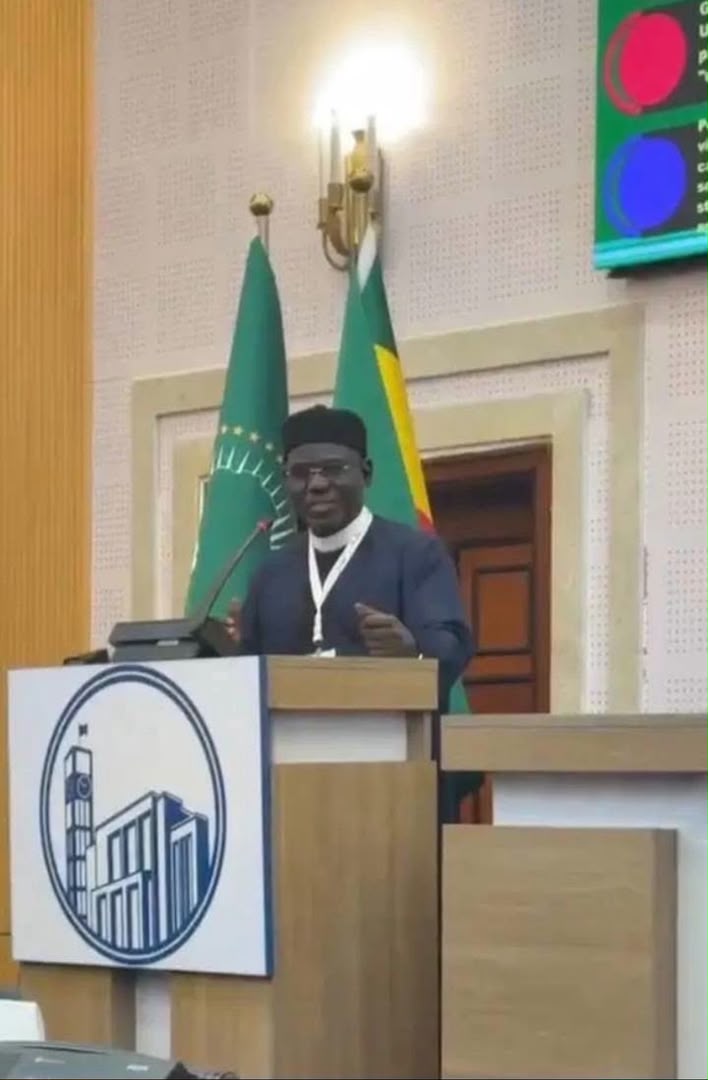
Buratai made the call on Friday while delivering the keynote address titled, “Africa’s Priority Security Threats,” at the 32nd Parliamentary Intelligence-Security Forum in Addis Ababa, Ethiopia.
The retired army chief identified terrorism and violent extremism, transnational organised crime, cybersecurity vulnerabilities, governance-related instability, and the erosion of sovereignty through external dependence as the five major security threats confronting Africa.
According to him, the continent can no longer rely solely on external interventions but must strengthen regional cooperation, intelligence sharing and indigenous security capabilities.
Buratai described the Sahel as the global epicentre of terrorism, noting that the region now accounts for nearly half of all terror-related deaths worldwide.
He said that between January and November 2025, West Africa recorded about 450 terrorist attacks, resulting in more than 1,900 fatalities.
The former army chief noted that although Burkina Faso had recorded significant military gains under President Ibrahim Traoré, with government forces reclaiming about 72.7 per cent of occupied territories by June 2025 through Operation Lalmassga, extremist groups continued to stage deadly attacks.
He said intensified military operations in early 2026 reportedly eliminated at least 400 militants, but fresh attacks by jihadist groups, including those linked to Jama’at Nusrat al-Islam wal-Muslimin (JNIM), underscored the persistent threat.
Buratai also expressed concern over the withdrawal of Burkina Faso, Mali and Niger from the Economic Community of West African States (ECOWAS), saying the development had weakened regional intelligence-sharing and collective security efforts.
He warned that violent extremism was spreading beyond the Sahel into coastal West African countries, citing a sharp increase in attacks in northern Benin over the past three years.
On transnational organised crime, Buratai said West Africa was facing increasingly interconnected threats involving terrorism financing, piracy, arms trafficking, drug smuggling and cybercrime.
He noted that criminal networks were becoming more sophisticated and exploiting weak border controls, digital technologies and fragile governance structures to expand their operations across the region.
The retired general also identified cybersecurity as an emerging national security challenge, stressing that African countries must invest in cyber defence capabilities, digital infrastructure protection and regional cooperation to counter growing cyber threats.
Buratai urged African governments, policymakers and security institutions to adopt coordinated, home-grown strategies capable of addressing the continent’s evolving security landscape while safeguarding sovereignty and promoting sustainable peace and development.
He emphasised that lasting security on the continent would require stronger institutions, enhanced intelligence cooperation, economic resilience and greater political commitment among African nations.
Africa Must Lead Response to Growing Security Threats, Buratai Tells Forum
News
Release of Oyo School Kidnap Victims, a Testimony of Effective Inter-Agency Collaboration- NSCDC Boss
Release of Oyo School Kidnap Victims, a Testimony of Effective Inter-Agency Collaboration- NSCDC Boss
By: Michael Mike
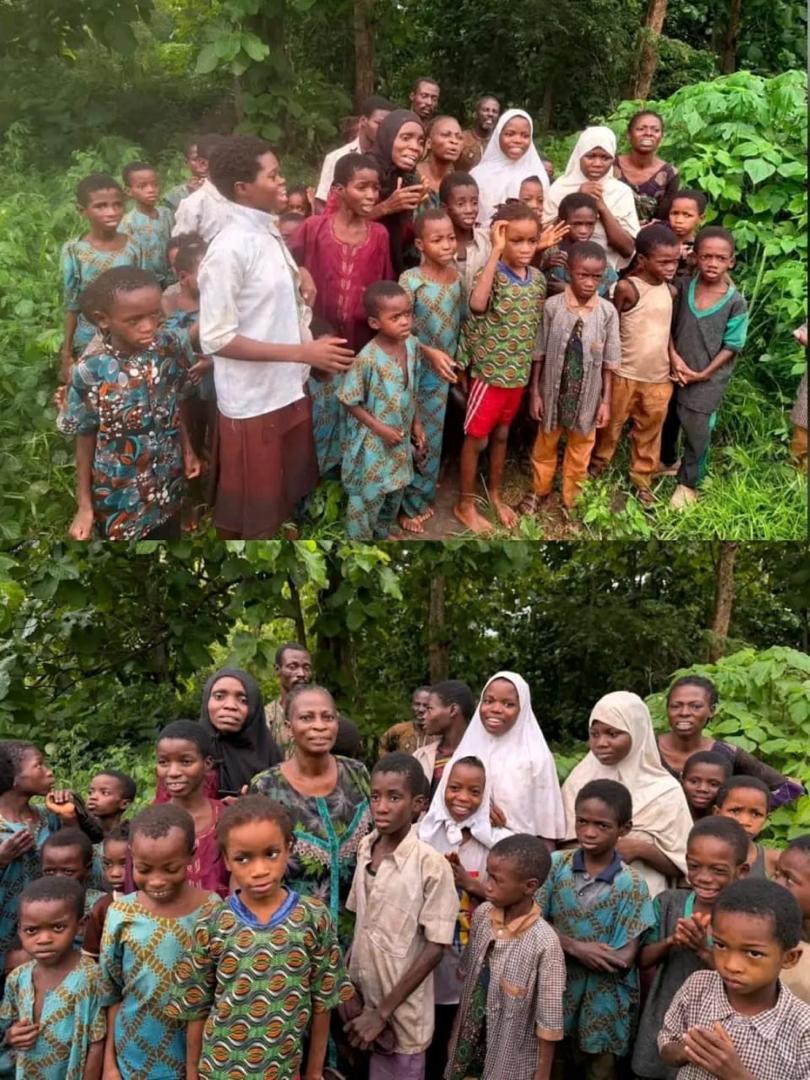
The Nigeria Security and Civil Defence Corps (NSCDC) has applauded the successful rescue of 44 pupils and teachers abducted in Oyo State, describing the operation as a major boost to the Federal Government’s Safe Schools Initiative.
The Commandant General of the Corps, Prof. Ahmed Audi, commended the coordinated efforts of security agencies involved in the operation, saying the rescue underscored the effectiveness of intelligence sharing and inter-agency collaboration in tackling insecurity.
The victims were kidnapped by armed terrorists on May 15, 2026, in Oriire Local Government Area of Oyo State before they were freed in a coordinated intelligence-led operation involving multiple security agencies.
Those involved in the rescue include the National Counter Terrorism Centre (NCTC) under the Office of the National Security Adviser, Defence Headquarters, the Nigerian Army Special Forces, the Nigerian Navy, the Nigerian Air Force, the Nigeria Police Force, the Department of State Services (DSS), the National Intelligence Agency (NIA), and the NSCDC.
Reacting to the development, Prof. Audi said the operation reflected the Federal Government’s resolve to combat terrorism, secure schools and safeguard the lives of Nigerians.
He praised the courage, professionalism and commitment demonstrated by the security personnel, noting that the NSCDC would continue to support efforts aimed at protecting schools and other critical national assets through intelligence gathering, strategic deployment of personnel, community engagement and sustained collaboration with sister security agencies.
The NSCDC boss also called on Nigerians to support security agencies by providing timely and credible information that could aid the arrest of criminal elements, stressing that security is a shared responsibility.
Reaffirming the Corps’ commitment to its statutory responsibilities, Audi said the NSCDC would continue to protect critical national assets and infrastructure, respond to emergencies, strengthen disaster management and work closely with other security agencies to promote peace and security across the country.
Release of Oyo School Kidnap Victims, a Testimony of Effective Inter-Agency Collaboration- NSCDC Boss
Airstrikes Destroy ISWAP Stronghold, Logistics Hub in Borno
By Zagazola Makama
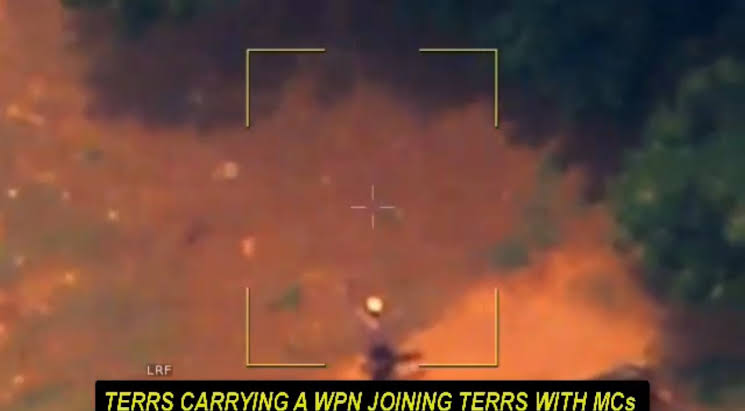
The Air Component of Operation HADIN KAI has sustained its relentless air campaign against terrorist elements in the North-East, destroying a key terrorist enclave and logistics hub during a precision air interdiction mission in Borno State.
Intelligence sources told Zagazola Makama that the operation was carried out at about 2:40 p.m. on Friday, July 10.
The sources disclosed that the target was located at Yaganari, a notorious terrorist enclave within the Gezuwa general area, where insurgents had reportedly been regrouping and consolidating logistics for planned operations.
According to the sources, the strike followed credible intelligence indicating increased terrorist activities and the massing of fighters at the location.
“Persistent ISR missions were conducted to verify the intelligence before any engagement. The surveillance platform positively identified multiple terrorist structures, logistics hubs and visible movement of insurgents within the objective area,” one of the sources said.
Following confirmation of the hostile activity, the aircraft acquired the designated targets and executed a series of precision attacks in successive passes, delivering onboard munitions with high accuracy.
The coordinated strikes destroyed the identified terrorist structures, obliterated logistics facilities and neutralized several terrorists operating within the enclave.
Military sources described the mission as another significant setback to terrorist operations in the North-East, noting that the destruction of logistics infrastructure would further degrade the insurgents’ ability to sustain attacks and coordinate movements.
The latest operation emphasis on intelligence-driven precision strikes aimed at dismantling terrorist command centres, safe havens and supply networks while supporting ongoing ground operations by troops of Operation HADIN KAI.
Security sources said battle damage assessment is ongoing to determine the full extent of the damage inflicted on the terrorist network, while air surveillance over the area has been intensified to exploit the success of the operation and prevent any attempt by surviving fighters to regroup.
Airstrikes Destroy ISWAP Stronghold, Logistics Hub in Borno

Kashim Shettima: When Loyalty Pays

Troops Arrest Suspected ISWAP Logistics Supplier with Assorted Drugs in Borno

Four Family Members Flee ISWAP Enclave, Surrender to Troops in Gwoza

Roger Federer’s Shock as DNA Results Reveal Myla and Charlene Are Not His Biological Children

THE PLIGHT OF FARIDA

FAILED COUP IN BURKINA FASO: HOW TRAORÉ NARROWLY ESCAPED ASSASSINATION PLOT AMID FOREIGN INTERFERENCE CLAIMS
-
 News2 years ago
Roger Federer’s Shock as DNA Results Reveal Myla and Charlene Are Not His Biological Children
-
Opinions4 years ago
THE PLIGHT OF FARIDA
-
 News1 year ago
FAILED COUP IN BURKINA FASO: HOW TRAORÉ NARROWLY ESCAPED ASSASSINATION PLOT AMID FOREIGN INTERFERENCE CLAIMS
-

 News2 years ago
EYN: Rev. Billi, Distortion of History, and The Living Tamarind Tree
-
 Opinions5 years ago
POLICE CHARGE ROOMS, A MINTING PRESS
-

 ACADEMICS2 years ago
A History of Biu” (2015) and The Lingering Bura-Pabir Question (1)
-

 Columns2 years ago
Army University Biu: There is certain interest, but certainly not from Borno.
-

 Politics1 year ago
2027: Why Hon. Midala Balami Must Go, as Youths in Hawul and Asikira/Uba Federal Constituency Reject ₦500,000 as Sallah Gift
