
Uncategorized
NHRC: Hate Speech is a Violation of Human Rights


NHRC: Hate Speech is a Violation of Human Rights
By: Michael Mike
The National Human Rights Commission (NHRC) has identified hate speech as a violation of the human rights to dignity and freedom from discrimination against others.
The Executive Secretary of the Commission, Dr. Tony Ojukwu gave the description on Wednesday in Abuja at the commemoration of the International Day for Countering Hate Speech.
He noted that this year’s theme, “Hate Speech and Artificial Intelligence”, invites us to examine the growing intersection between technology and human rights. It challenges us to reflect on the double-edged nature of AI as both a tool for development and a potential amplifier of harmful narratives, including hate speech.
He said: “As the lead institution charged with the protection and promotion of human rights in Nigeria, the National Human Rights Commission (NHRC) asserts the intricate relationship between hate speech and human rights. In its base form, hate speech seems to be an illustration of the freedom of expression. However, in its impact, hate speech is a violation of the human rights to dignity and freedom from discrimination against others.”
He added that: “The National Human Rights Commission remains deeply concerned about the rising spread of hate speech, particularly as it takes new and more dangerous forms through digital technologies powered by artificial intelligence. Hate speech is not just a threat to individual dignity, it is a direct attack on democratic value and social cohesion. It violates the right to dignity of the human person, the right to be free from discrimination, and the right to participate in public life without fear of suppression or violence.”
He noted that some of the significant steps taken over the years by the NHRC to confront hate speech and its multi-polar challenges include: “In the build-up to the 2023 general elections, the Commission launched the Mobilising Voters for Elections (MOVE) Project, which focused on promoting access, participation, and accountability. Recognising the toxic role of hate speech in electoral processes, the MOVE Project identified it as a major obstacle to voter inclusion.
“The Commission established the National Hate Speech Register to record incidents and trends across the country, allowing for real-time documentation and response.
“We have conducted specialized training for our staff nationwide to monitor and report hate speech across both traditional and digital media.
“In recognising the centrality of the media in combating hate speech, the Commission issued anAdvisory on the Role of Media in Countering and Reporting Hate Speech, recognising the powerful influence of the media and the need to strengthen responsible journalism.
“In April 2025, the NHRC issued a major Advisory Opinion on the Protection of the Right to Freedom of Expression in Nigeria, in response to concerns about the Cybercrime (Amendment) Act 2024, particularly Section 24 which was criticized for restricting freedom of expression.”
He decried that: “the challenge before us today extends beyond traditional platforms. Artificial Intelligence especially in its generative form is reshaping the way information is produced, consumed, and disseminated. The same technologies that empower innovation can also be exploited to generate, amplify, and target hate speech with unprecedented speed and reach. This scenario portends dangers for the enjoyment of the right to privacy as guaranteed by section 37 of the 1999 Constitution.
“Through algorithmic targeting, manipulated images, deepfakes, and automated bots, hateful and discriminatory narratives can now be crafted and circulated far more efficiently, often bypassing existing regulatory frameworks. If not addressed, these technologies can incite violence, and reinforce dangerous stereotypes.”
He however promised that: “As we move forward, the NHRC is expanding its work in this area by exploring AI-based tools that support early detection of hate speech and misinformation, partnering with tech platforms and regulatory bodies to encourage transparency in algorithmic content moderation and to demand accountability where violations occur.Additionally, developing a national framework for the ethical use of AI and digital technologies in line with human rights principles, particularly as it concerns youth engagement, elections, and social media governance.”
End
NHRC: Hate Speech is a Violation of Human Rights


Uncategorized
Three Killed, Two Injured in Attack by Fulani Bandits Near Illegal Mining Site in Plateau
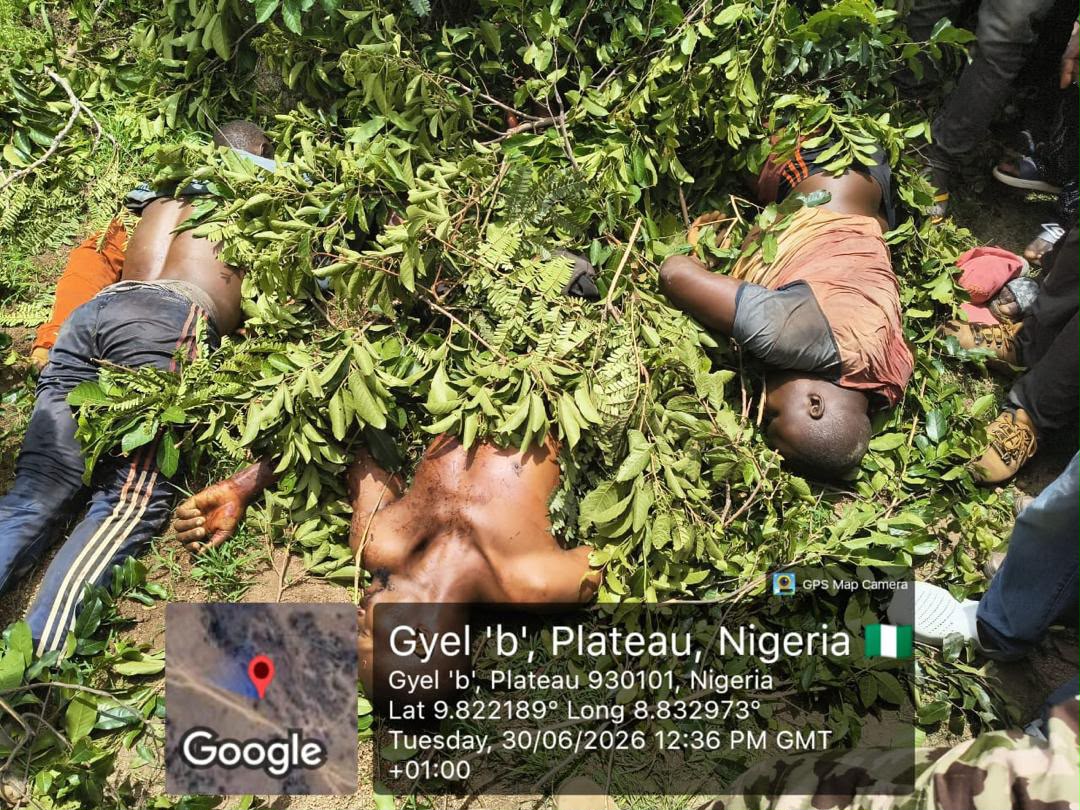
Three Killed, Two Injured in Attack by Fulani Bandits Near Illegal Mining Site in Plateau
By: Zagazola Makama
Three persons have been killed and two others injured following an attack by suspected armed Fulani bandits near an illegal mining site in Jos South Local Government Area of Plateau State.
Security sources said the incident occurred at about 10:00 a.m. on June 30 around the border communities of Tsoho Gero and Nyango, where armed assailants ambushed local residents before fleeing the scene.
The sources said troops of Sector 6, Operation Enduring Peace (OPEP), under Operation Safe Haven (OPSH), responded to a distress call and, in conjunction with members of the Vigilante Group of Nigeria (VGN), moved to the area.
On arrival, the troops made contact with the fleeing attackers, who escaped towards the Dutse Kura axis in neighbouring Bassa Local Government Area.
However, security personnel confirmed that the attackers had already killed three local residents and injured two others before the troops arrived.
The deceased were identified as Mr. Chung Davou, Gyang Gwaha and Pam Chung.
Following the incident, troops carried out exploitation and clearance operations from Tsoho Gero to the Gero High Grounds in search of the fleeing assailants.
During the operation, Fulani community leaders alleged that four Fulani men had also been killed in the violence. However, security personnel said no bodies were found to substantiate the claim.
Tension later escalated at Gyel, where a group of aggrieved women blocked the troops’ route and threw stones at security personnel, accusing them of failing to prevent the attack.
The troops fired warning shots into the air to disperse the crowd and restore access before continuing the operation.
Security sources said clearance operations were ongoing in the area to track down the perpetrators and prevent further attacks.
Three Killed, Two Injured in Attack by Fulani Bandits Near Illegal Mining Site in Plateau
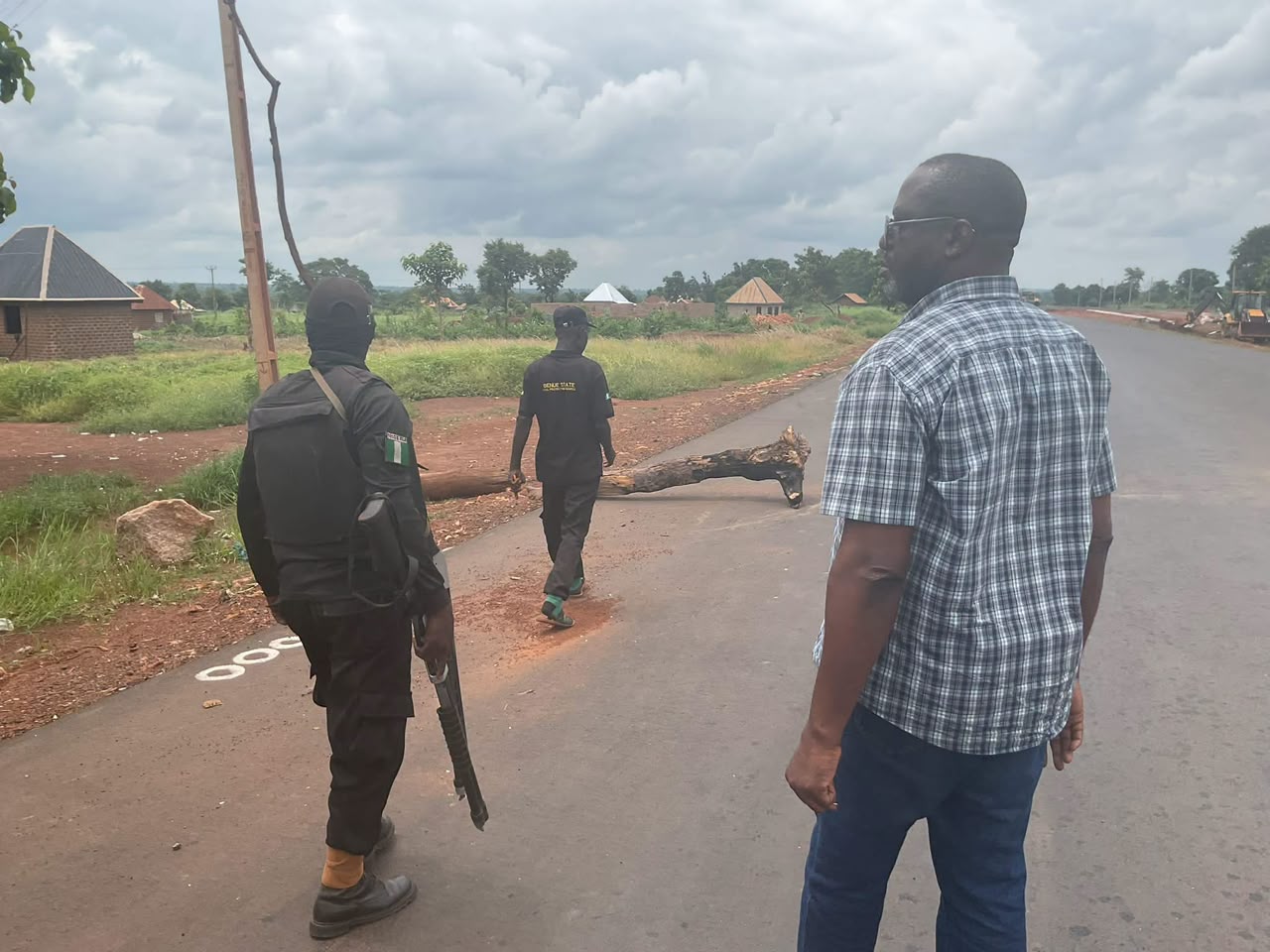
Benue Govt. Dismantles Illegal Checkpoints, Arrests Civil Protection Guards
By: Zagazola Makama
The Special Adviser to the Benue State Governor on Security and Internal Affairs has dismantled several illegal checkpoints along the Makurdi–Otukpo Road and ordered the arrest of members of the Benue State Civil Protection Guards (BSCPG) found manning them.
The operation, carried out on Tuesday, was conducted alongside the State Commander and other senior officers of the BSCPG as part of efforts to enforce compliance with security directives and ensure the free flow of traffic across the state.
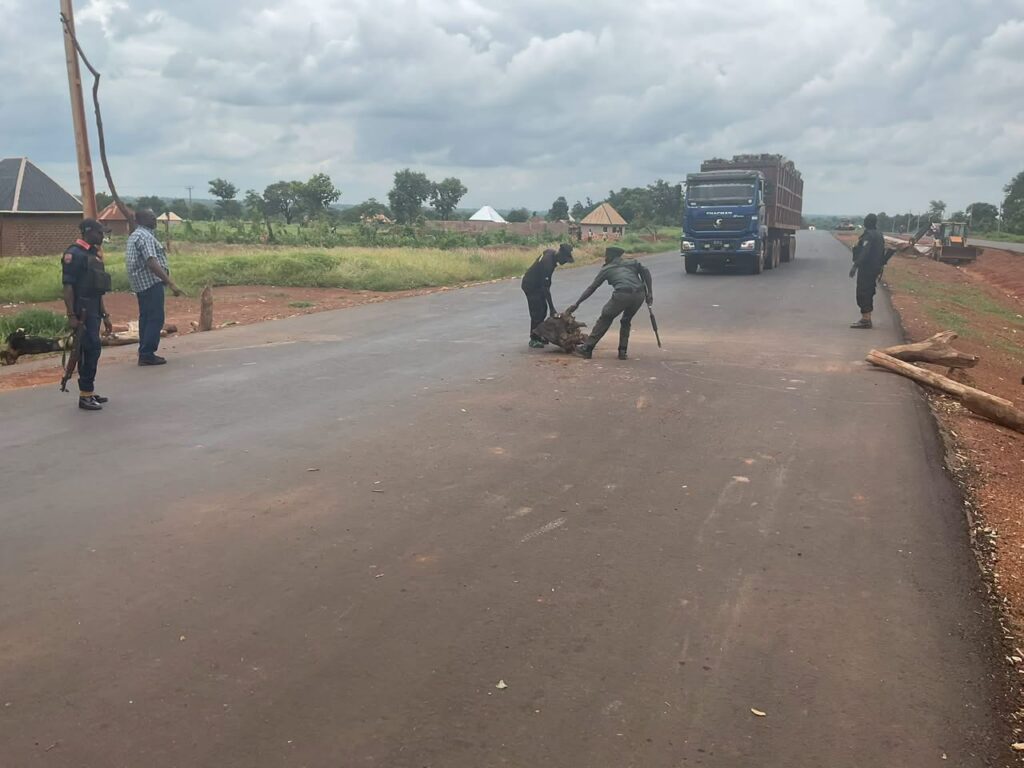
According to a statement issued by the Media Aide to the Special Adviser, Comrade Mfa A. Igirgi Jr., the operation followed concerns over the increasing number of unauthorized roadblocks mounted by security volunteers along the highway.
The Special Adviser said the exercise was in line with the directive of the Benue State Commissioner of Police that roads should not be obstructed except at officially approved security checkpoints.
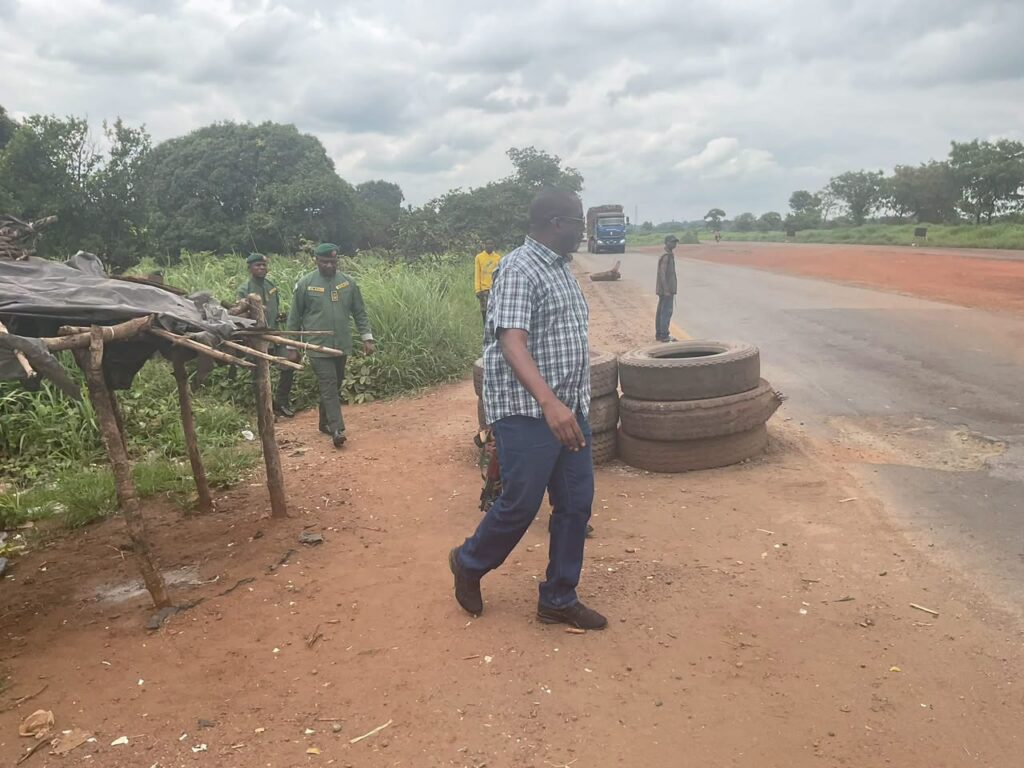
During the operation, two illegal checkpoints in Aliade were dismantled, while BSCPG personnel found operating them were disarmed and taken into custody for further administrative action.
The team also visited Howe, where soldiers had mounted a checkpoint near the premises of a Chinese construction company. The soldiers explained that they were providing security for the Chinese Harbor Company and its expatriate staff.
The Special Adviser, however, directed that the roadblock be removed and instructed the soldiers to concentrate on securing the company’s premises rather than occupying the highway.
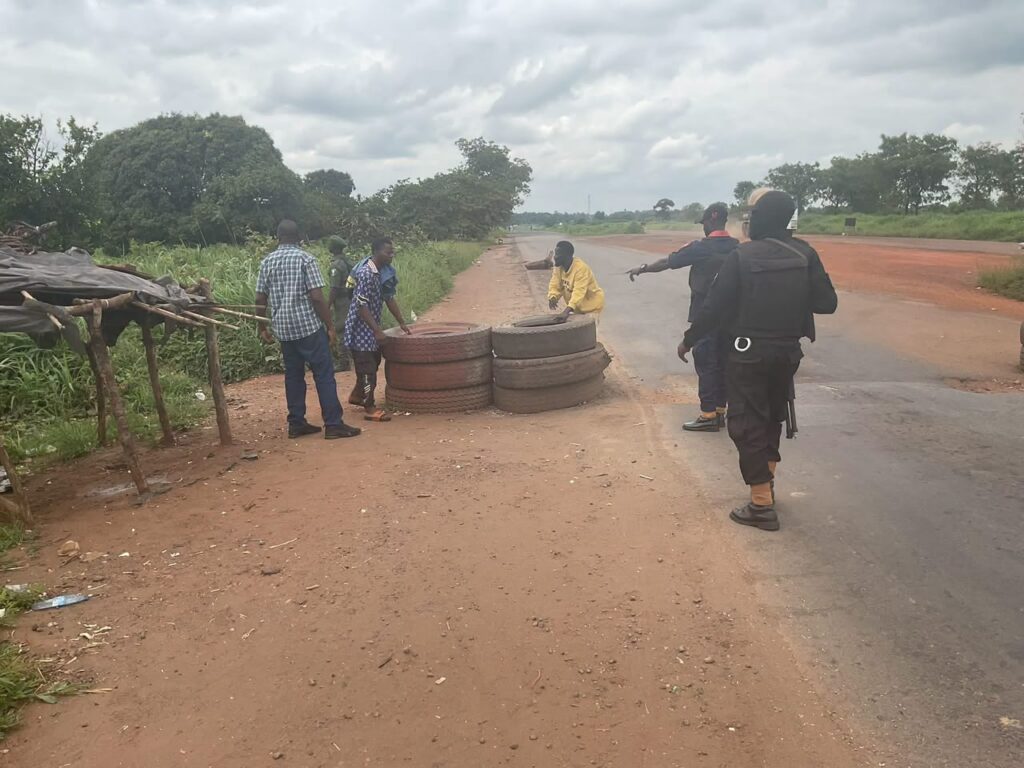
He noted that unnecessary checkpoints impede the free movement of motorists and could create security vulnerabilities, particularly when left unmanned.
Reiterating the operational mandate of the Benue State Civil Protection Guards, the Special Adviser said members of the outfit are expected to patrol their communities, provide early warning on security threats and serve as first responders, rather than establish checkpoints on public highways.
He stressed that BSCPG personnel are only permitted to participate in checkpoint operations when working jointly with the Nigeria Police Force or other authorized security agencies.
The Special Adviser urged residents to report any BSCPG personnel operating unauthorized checkpoints to the office of the State Commander or his office for prompt disciplinary action.
He reaffirmed the Benue State Government’s commitment to promoting lawful security operations while ensuring that measures put in place to protect lives and property do not inconvenience law-abiding citizens or create opportunities for criminal activities.
Benue Govt. Dismantles Illegal Checkpoints, Arrests Civil Protection Guards
Uncategorized
Nigerian Army Boosts Training Capacity as COAS Inaugurates Modern Training Facilities in Plateau
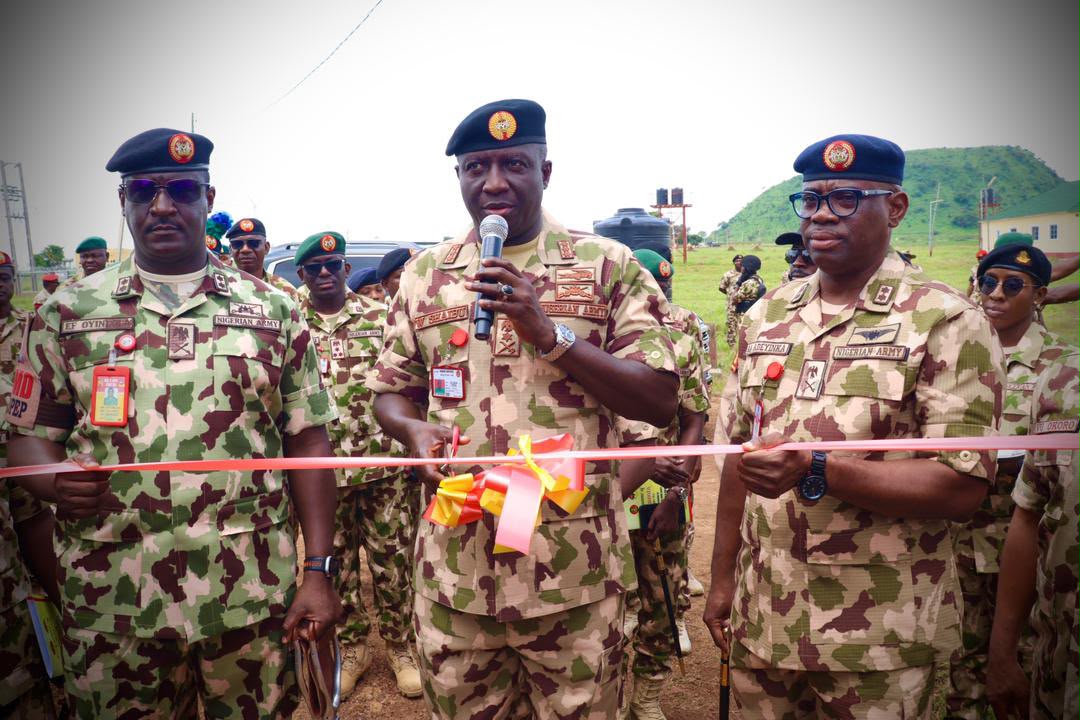
Nigerian Army Boosts Training Capacity as COAS Inaugurates Modern Training Facilities in Plateau
By Zagazola Makama
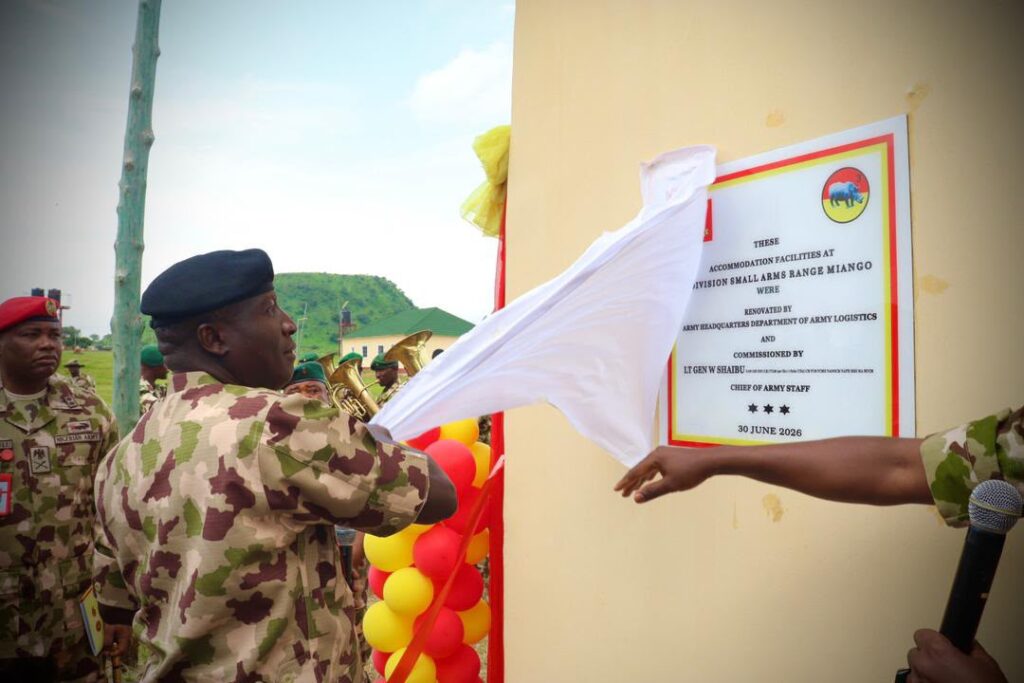
The Nigerian Army has taken another significant step toward enhancing the professionalism and combat readiness of its personnel with the inauguration of modern training facilities at the 3 Division Training School and Shooting Range in Miango, Bassa Local Government Area of Plateau State.
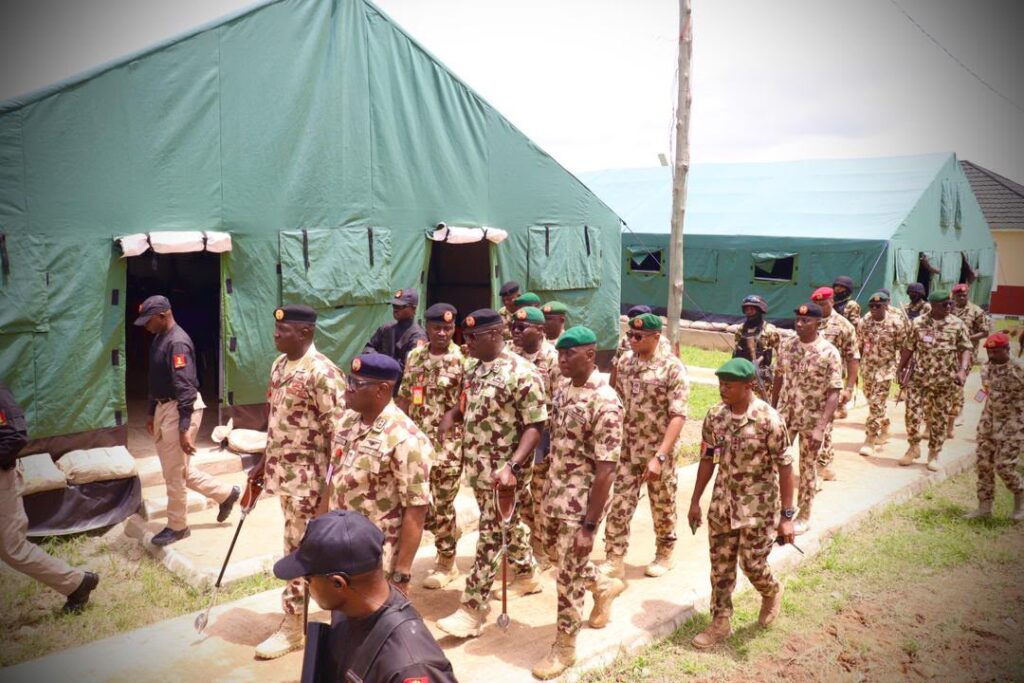
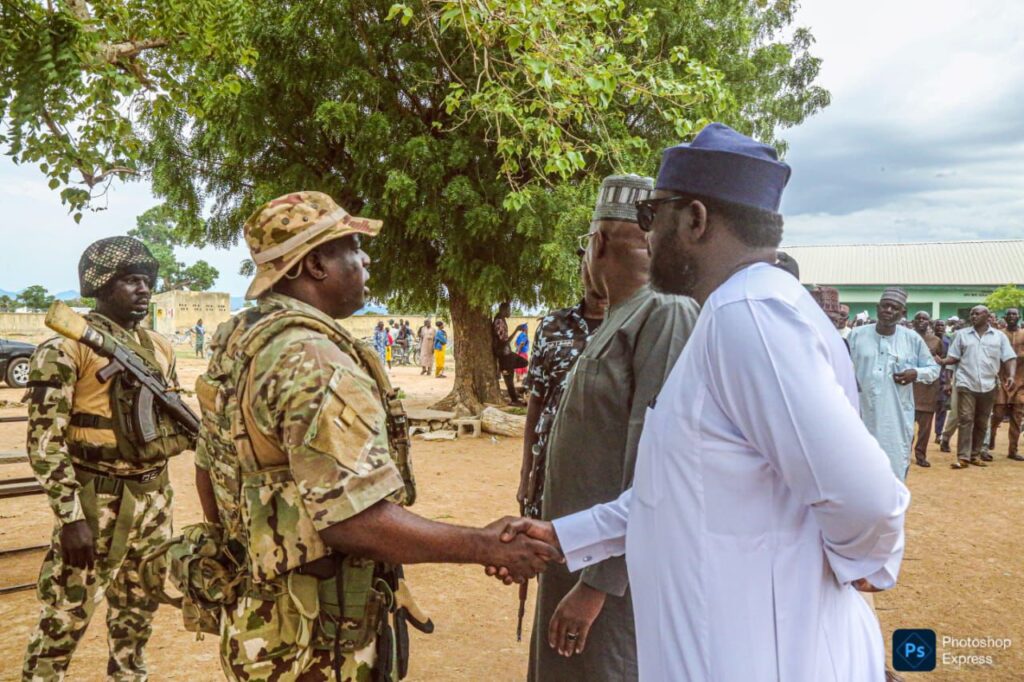
The facilities, commissioned on Tuesday by the Chief of Army Staff (COAS), Lt. Gen. Waidi Shaibu, form part of the Army’s ongoing efforts to modernise its training infrastructure and provide a more conducive environment for the development of officers and soldiers.
Speaking during the inauguration of newly constructed hostel blocks at the training school, the COAS described training as the bedrock of operational success, stressing that a well-trained force remains indispensable in addressing Nigeria’s evolving security challenges.
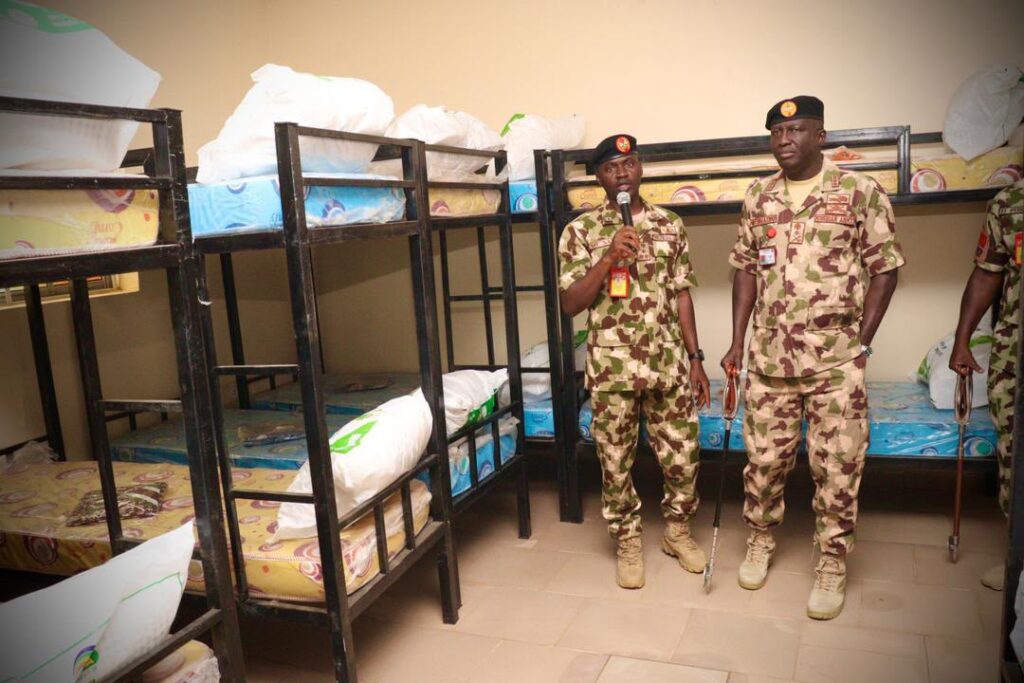
He said the provision of modern accommodation and improved training infrastructure would significantly enhance the capacity of the institution to conduct effective and realistic training, thereby producing personnel capable of meeting contemporary operational demands.
Lt. Gen. Shaibu noted that the Nigerian Army has continued to invest in training institutions across the country as part of deliberate efforts to strengthen force readiness, improve operational efficiency, and sustain the momentum in ongoing counter-terrorism, counter-insurgency, and internal security operations.
According to him, creating a conducive learning and training environment is essential to achieving excellence, as quality infrastructure directly contributes to effective knowledge acquisition, skills development, and professional competence among troops.
The Army Chief reiterated that the welfare of personnel remains a central pillar of his command philosophy, explaining that improving accommodation, training facilities, and the overall working environment for soldiers is critical to maintaining morale and enhancing operational effectiveness.
He commended the General Officer Commanding (GOC) 3 Division and Commander of Operation Enduring Peace for his foresight, prudent management of resources, and commitment to executing projects that directly improve the Army’s training capacity.
The COAS expressed confidence that the new facilities would not only improve the quality of instruction at the training school but also reinforce the Nigerian Army’s broader transformation agenda aimed at building a highly professional, disciplined, and combat-ready force capable of effectively discharging its constitutional responsibilities.
The commissioning of the facilities illustrates the Nigerian Army’s sustained commitment to investing in human capital development through modern training infrastructure, reflecting its determination to prepare personnel for the complex security environment confronting the nation.
The initiative also aligns with the Army’s strategic objective of developing a technologically driven, professionally competent, and highly motivated force capable of responding swiftly and effectively to both conventional and asymmetric threats across the country.
Nigerian Army Boosts Training Capacity as COAS Inaugurates Modern Training Facilities in Plateau

Troops Recover AK-47 Rifle in Raid on Suspected Gunrunners’ Hideout in Taraba

Benue Deputy Gov. Visit family Slain MACBAN Leader, Urges Calm as Police Probe Killing

Three Herders Killed in Ambush in Plateau, MACBAN Calls for Investigation

Roger Federer’s Shock as DNA Results Reveal Myla and Charlene Are Not His Biological Children

THE PLIGHT OF FARIDA

FAILED COUP IN BURKINA FASO: HOW TRAORÉ NARROWLY ESCAPED ASSASSINATION PLOT AMID FOREIGN INTERFERENCE CLAIMS
-
 News2 years ago
Roger Federer’s Shock as DNA Results Reveal Myla and Charlene Are Not His Biological Children
-
Opinions4 years ago
THE PLIGHT OF FARIDA
-
 News1 year ago
FAILED COUP IN BURKINA FASO: HOW TRAORÉ NARROWLY ESCAPED ASSASSINATION PLOT AMID FOREIGN INTERFERENCE CLAIMS
-

 News2 years ago
EYN: Rev. Billi, Distortion of History, and The Living Tamarind Tree
-
 Opinions5 years ago
POLICE CHARGE ROOMS, A MINTING PRESS
-

 ACADEMICS2 years ago
A History of Biu” (2015) and The Lingering Bura-Pabir Question (1)
-

 Columns2 years ago
Army University Biu: There is certain interest, but certainly not from Borno.
-

 Politics1 year ago
2027: Why Hon. Midala Balami Must Go, as Youths in Hawul and Asikira/Uba Federal Constituency Reject ₦500,000 as Sallah Gift
