
News
Nigeria, Currently Dealing with Multiple Layers of Disease- Ministry of Health

Nigeria, Currently Dealing with Multiple Layers of Disease- Ministry of Health
By: Michael Mike
The Ministry of Health has raised the alarm over the changing health challenges in the country, warning that the country is currently dealing with multiple layers of disease at the same time.
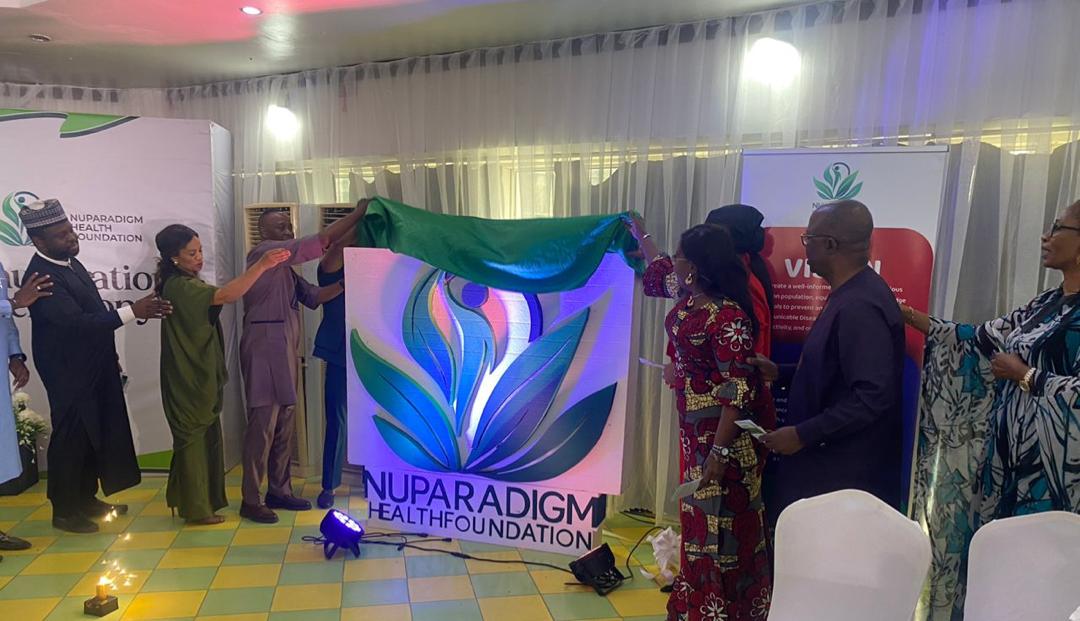
Speaking at the official inauguration of the Nuparadigm Health Foundation, which marks a new era of health awareness and n the country, a representative of Ministry of Health, Abraham Emmanuel emphasized the urgent need for prevention, education, and lifestyle interventions to protect public health.

Nuparadigm Health Foundation is a non-governmental organisation committed to raising awareness about non-communicable diseases and the risk factors associated with them. The foundation aims to provide credible health information, educate communities, and encourage healthier lifestyles to prevent the onset of avoidable illnesses.
Emmanuel explained that Nigeria’s health challenges are changing, with the country now dealing with multiple layers of disease at the same time.
He said; “Africa, and Nigeria in particular, is no longer facing only communicable diseases. We are now experiencing a double burden of communicable and non-communicable diseases, and some even describe it as a triple burden when pandemics are included.”
He decried that younger Nigerians are increasingly affected, stating that: “Non-communicable diseases are increasing in Nigeria, and the age limit is dropping. Conditions like hypertension, stroke and type 2 diabetes are now affecting people in their 30s.”
Emmanuel noted that lifestyle is the main risk factor. He said: “These are mainly lifestyle-related diseases, which means they can be managed and prevented through increased awareness and better choices.”
He also highlighted alarming national survey findings, warning that many Nigerians are unaware of the silent health threats around them. “The data from our national survey is alarming. Many Nigerians are developing non-communicable diseases without knowing the risk factors, such as unhealthy diets, physical inactivity, harmful use of alcohol, tobacco use and even second-hand smoke,” he said.
Emmanuel, while lamenting that these risk factors which are often overlooked in daily life, are driving a surge in preventable illnesses, creating a hidden crisis that could overwhelm families and the healthcare system if urgent action is not taken.
On her part, the founder of Nuparadigm Health Foundation, Dr. Omolara Olagunju said her experience as a doctor led her to conclude that hospitals mainly treat disease, while true healthcare lies in daily prevention.
She said: “After about 15 years of medical practice, I realised that we don’t really have healthcare in the true sense. Hospitals are not health care systems; they are more like disease parlours. Real healthcare happens outside the hospital, and you should not have to be sick before you start thinking about how to be healthy.”
She explained that many Nigerians harm their health unknowingly because they lack access to simple, trustworthy information.
Olagunju said: “A lot of people are doing things every day that are damaging to their health, and they don’t even know it. When I tell them, they say, ‘Doctor, I didn’t even know.’ That is why we believe that everyone has a right to essential health information — the kind of information you need to maintain the good health that you already have.”
She also acknowledged the harsh realities of daily life, saying many people sacrifice health in the struggle to survive.
“People tell me they are too busy to come for health checks, and I later realised that their reasons are legitimate. People are trying to make ends meet in Nigeria. But sometimes we are working harder, winning the battle financially, and losing the war because our health is steadily deteriorating in the process.” She noted .
She emphasized that the foundation is designed to take health awareness directly into everyday spaces instead of waiting for hospital visits.
“Instead of waiting for people to come to the hospital, we decided to go to them to their offices, their schools and their social media platforms and share this information as widely as possible, because it may be just one piece of information that makes all the difference.” She said.
She also warned that unhealthy lifestyles learned early are already showing consequences in children.
“We were not born liking sugary drinks; these tastes were learned. Today, I see obese children everywhere, and I ask myself what will happen to these children in 10, 15 or 20 years if we don’t do something drastic now.” She warned .
In his keynote address, Consultant Physician and Interventional Cardiologist, Dr. Iseko Iseko said Nigeria invests more in treating illness than in preventing it.
“Over the last two decades in healthcare, most of what we do is secondary prevention treating diseases after they have happened and trying to prevent complications. But primary prevention, which is stopping diseases from happening through education and healthy practices, is where we should be investing more of our energy.” He said
Iseko warned that Nigeria’s fragile healthcare system is under strain from both infectious and lifestyle-related diseases
In his words he said “In Nigeria and sub-Saharan Africa, we are still dealing with communicable diseases like malaria, tuberculosis and HIV, but at the same time we are now seeing increasing cases of heart attacks, strokes and diabetes. This double burden of disease is putting enormous pressure on our healthcare system.”
He described Nigeria’s low life expectancy as a reflection of widespread preventable illness and weak preventive care.
He said: “A lot of Nigerians are dying prematurely, and Nigeria is now among the countries with the lowest life expectancy in the world. This is not because we lack potential, but because we have failed to prioritize preventive health and protect our population from avoidable diseases”.
Iseko stressed that everyday habits are driving diseases that drain families financially and emotionally, noting that:
“Many of the diseases we see today are lifestyle-driven and preventable. Treating heart failure alone can cost over ₦1.85 million every month, and when you look at conditions like stroke and kidney failure, the cost to families is catastrophic. This is why prevention, early detection and lifestyle change are far better than waiting to treat advanced disease.”
He further warned about lifestyle-related risk factors, stating that: “Sitting too much, smoking, unhealthy diets and alcohol are silently destroying our blood vessels. These are preventable causes of heart disease and stroke.”
Iseko emphasized the financial and health benefits of prevention, stressing that: “The average cost of treating heart failure is not less than ₦1.85 million per month. Treatment is expensive, catastrophic, and it is far better to prevent these diseases than to manage them.”
The event brought together healthcare professionals, government officials, and key stakeholders, emphasizing the urgent need for prevention, education, and lifestyle interventions to protect public health.
Nigeria, Currently Dealing with Multiple Layers of Disease- Ministry of Health


2027: Constituents declare support for Tinubu, Goje’s re-election
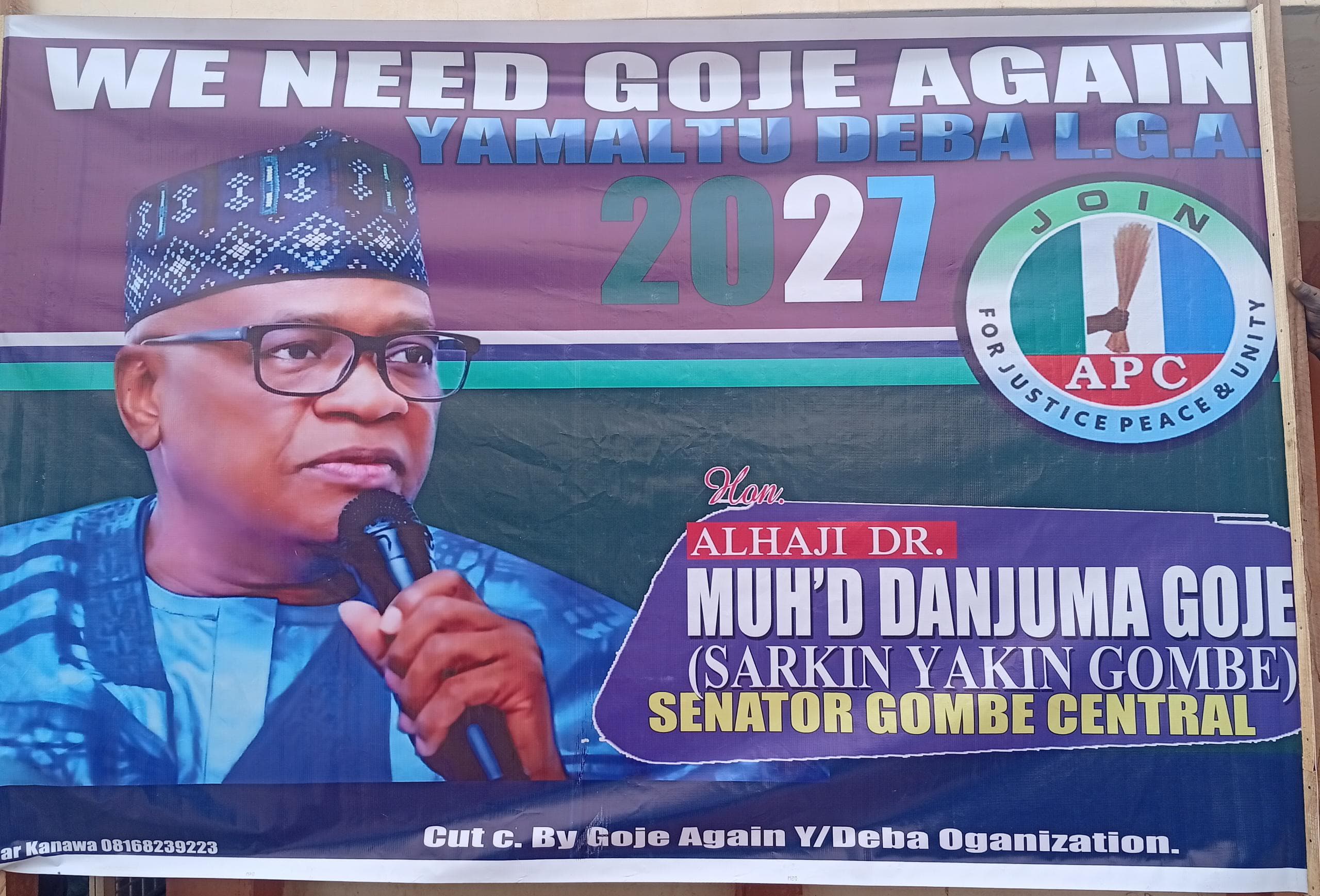
Yamaltu/Deba constituents have declared support for President Bola Tinubu and Senator Danjuma Goje’s re-election ahead of the 2027 General Elections.
Dr Newton Moses, declared the support in a statement read on behalf of the people of Yamaltu/Deba Local Government Area of Gombe State on Friday in Gombe.
Moses said voting for experienced leaders in 2027 remained key to addressing Nigeria’s challenges and delivering dividends of democracy to Nigerians.
He said the group’s decision to support Tinubu and Goje was guided by patriotism, and a sincere desire to see competent, and result-driven leadership that would benefit their constituents and the country.
He said that Goje’s leadership in the past 16 years at the Senate has benefitted the constituents and given effective representation to the people of Akko and Yamaltu/Deba LGAs that make up the district.
He dismissed allegations that the people of Yamaltu/Deba have been marginalised and were demanding the seat to be zoned to Yamaltu/Deba and not Akko where Goje is from.
He said that the constitution did not impose any zoning limitation or tenure restriction on membership in the National Assembly, hence urged those seeking the seat to test their popularity through election.
“We are not part of that group saying Goje should not return to the senate in 2027; that is not the voice of the grassroots from Yamaltu Deba.
“ Goje has, over the years, built invaluable networks and acquired the experience necessary to effectively advocate for the interests of his constituency and contribute meaningfully to national development.
“ By returning Goje to the Senate, Gombe Central stands to gain even more.
“ His established influence will ensure greater access to federal opportunities, increased developmental projects, and stronger representation in critical national decisions,” he said.
The group further advised President Tinubu to stay away from those working to tarnish the good name of Goje, stating that Goje’s influence in Gombe was important for the success of the All Progressives Congress in 2027.
Moses said at a time when Nigeria is focused on economic recovery, institutional strengthening, and inclusive growth under Tinubu, it was imperative that proven leaders like Goje to continue contributing his expertise toward national progress.
2027: Constituents declare support for Tinubu, Goje’s re-election
Hope in the Hard Times: Ashlee Momoh Foundation Spreads Easter Joy to Military Widows
By Comrade Philip O. Ikodor
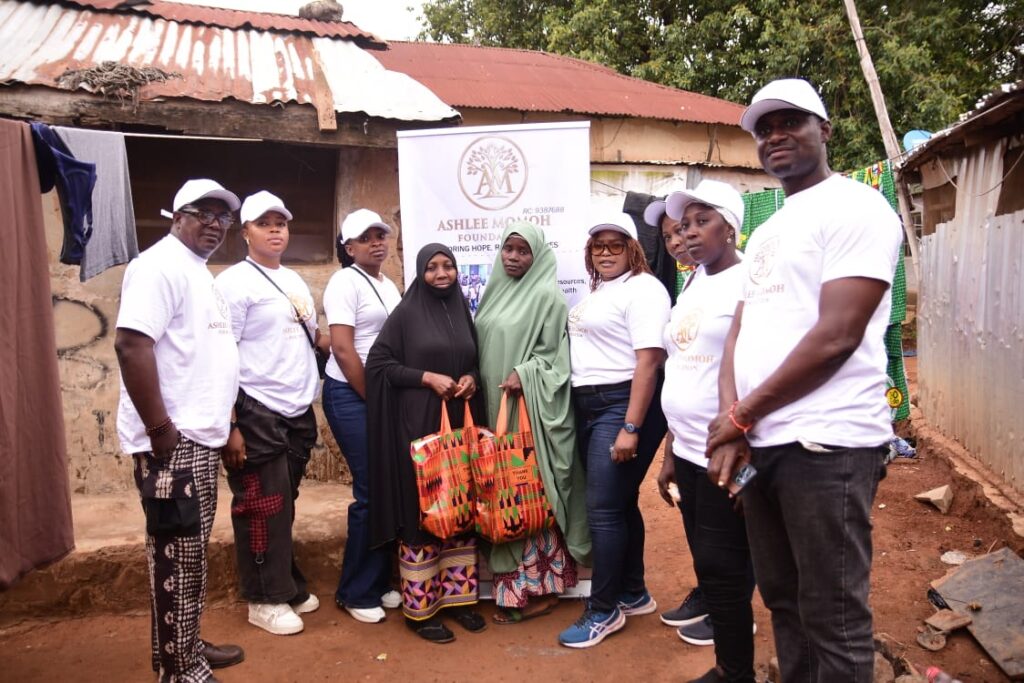
The Ashlee Momoh Foundation (AMF), a non-profit organization dedicated to supporting the families of fallen officers, marked the Easter season with a heartwarming outreach to military widows at different locations in Abuja and Nasarawa state, respectively on April 2nd, 2026. This thoughtful initiative was designed to bring joy, hope, and support to the widows of our fallen Military Officers, who have made immense sacrifices for their country.
“Easter is the season of renewal, hope, and the triumph of light over darkness,” Princess Ashlee said. “It reminds us that even after the longest winter, spring arrives and even after the deepest sorrow, there is the possibility of a new dawn.” The outreach was designed to show support and encouragement to the military widows, and to felicitate with them on the occasion of Easter.
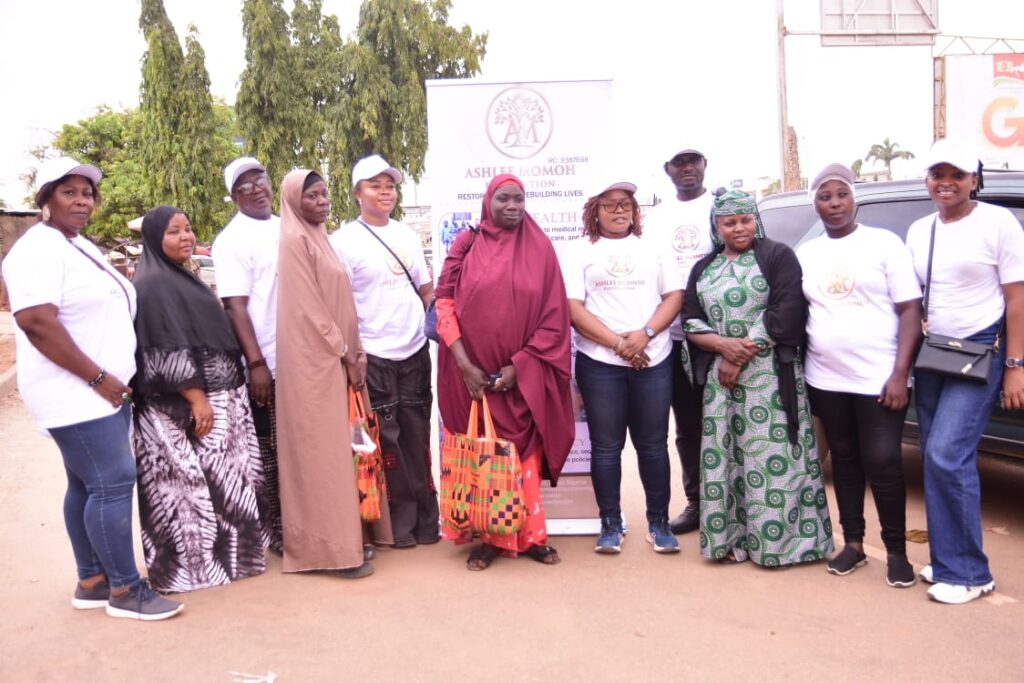
Princess Ashlee Momoh reassured the widows that while their loved ones are no longer physically present, their legacy lives on, and AMF is committed to standing with them, supporting them, and celebrating their strength. “Today, we celebrate you, our heroes’ widows, and the sacrifices you’ve made,” she said.
The event was filled with moments of joy and fulfilment, as beneficiaries received gift items, cash gifts, and scholarship opportunities. The Foundation also announced enlistment for skill acquisition and empowerment programs, aimed at equipping the widows with the tools they need to rebuild their lives.
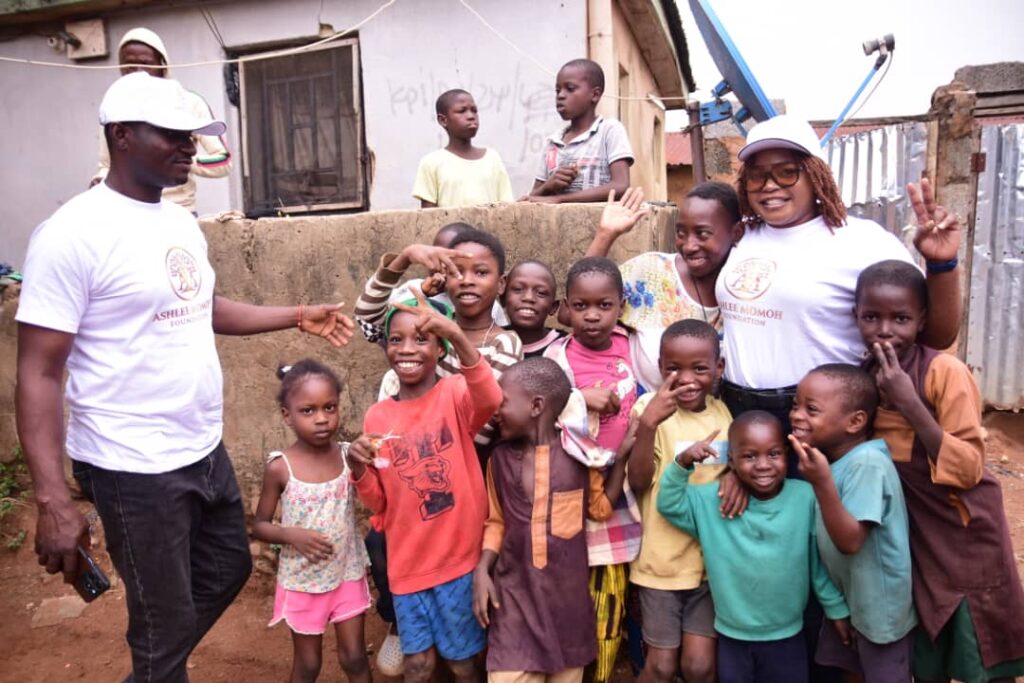
The outreach was a testament to AMF’s unwavering commitment to supporting the families of fallen officers, and its dedication to making a positive impact in the lives of those who have made immense sacrifices for their country. As one beneficiary put it, “This Easter, we’ve received more than just gifts – we’ve received hope, love, and a sense of belonging.”
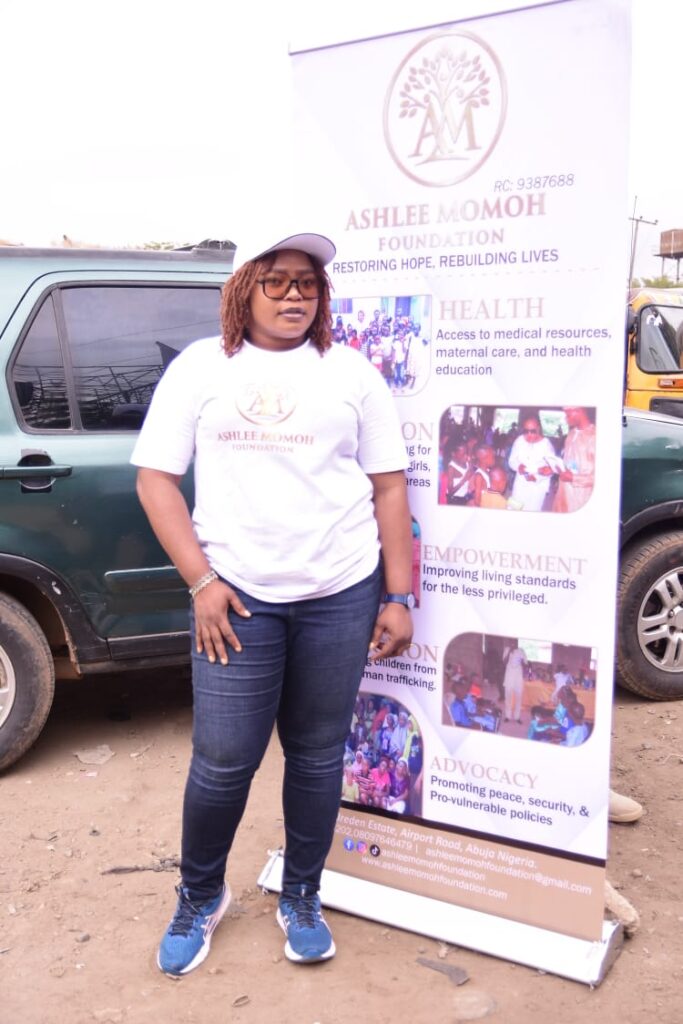
The Ashlee Momoh Foundation’s Easter outreach was a powerful reminder that even in the darkest moments, there is always hope, and that together, we can overcome any challenge.
Hope in the Hard Times: Ashlee Momoh Foundation Spreads Easter Joy to Military Widows
Six die, 12 injured in Kwara road crash
By: Zagazola Makama
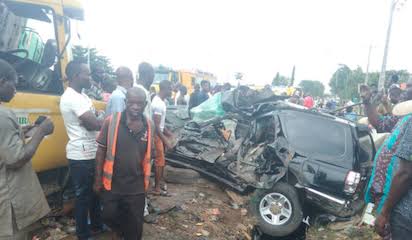
Six persons have been confirmed dead and 12 others injured in a fatal road traffic accident along the Okolowo–Jebba expressway in Kwara State.
Police sources said the accident occurred at about 6:00 a.m. on April 2 near Danjuma Bakery area, involving a Toyota Hummer bus and a stationary truck.
According to the sources, the bus with registration number BTR-161-XA was conveying 18 passengers from Lagos State to Katsina State when it rammed into a parked truck with registration number BUU-495-ZD.
The truck was reportedly driven by Kamarudeen Abdullahi, said to be from Jos North Local Government Area of Plateau State.
The impact of the collision resulted in the death of six passengers on the spot, while 12 others sustained varying degrees of injuries.
The injured victims were rushed to the University of Ilorin Teaching Hospital, Oke-Oyi, for medical attention, while the remains of the deceased were deposited in the hospital morgue for autopsy.
Police said investigation had commenced to determine the circumstances surrounding the crash.
Six die, 12 injured in Kwara road crash

2027: Constituents declare support for Tinubu, Goje’s re-election

Hope in the Hard Times: Ashlee Momoh Foundation Spreads Easter Joy to Military Widows

Police arrest newly recruited suspected ISWAP member in Kwara

Roger Federer’s Shock as DNA Results Reveal Myla and Charlene Are Not His Biological Children

THE PLIGHT OF FARIDA

FAILED COUP IN BURKINA FASO: HOW TRAORÉ NARROWLY ESCAPED ASSASSINATION PLOT AMID FOREIGN INTERFERENCE CLAIMS
-
 News2 years ago
Roger Federer’s Shock as DNA Results Reveal Myla and Charlene Are Not His Biological Children
-
Opinions4 years ago
THE PLIGHT OF FARIDA
-
 News12 months ago
FAILED COUP IN BURKINA FASO: HOW TRAORÉ NARROWLY ESCAPED ASSASSINATION PLOT AMID FOREIGN INTERFERENCE CLAIMS
-

 News2 years ago
EYN: Rev. Billi, Distortion of History, and The Living Tamarind Tree
-
 Opinions4 years ago
POLICE CHARGE ROOMS, A MINTING PRESS
-

 ACADEMICS2 years ago
A History of Biu” (2015) and The Lingering Bura-Pabir Question (1)
-

 Columns2 years ago
Army University Biu: There is certain interest, but certainly not from Borno.
-

 Opinions2 years ago
Tinubu,Shettima: The epidemic of economic, insecurity in Nigeria
