
News
Nigeria Needs Foresight, Not Firefighting: Rethinking Crisis Leadership for a Fragile Future

Nigeria Needs Foresight, Not Firefighting: Rethinking Crisis Leadership for a Fragile Future
By Maureen Okpe
As Nigeria battles overlapping crises—from spiralling insecurity and economic instability to climate shocks and growing social unrest—the question is no longer whether we need change, but how urgently we need leaders who can think beyond tomorrow’s headlines. A recent initiative by the National Institute for Policy and Strategic Studies (NIPSS), in partnership with Peace Building Development Consult (PBDC), provides a bold and timely answer: foresight.
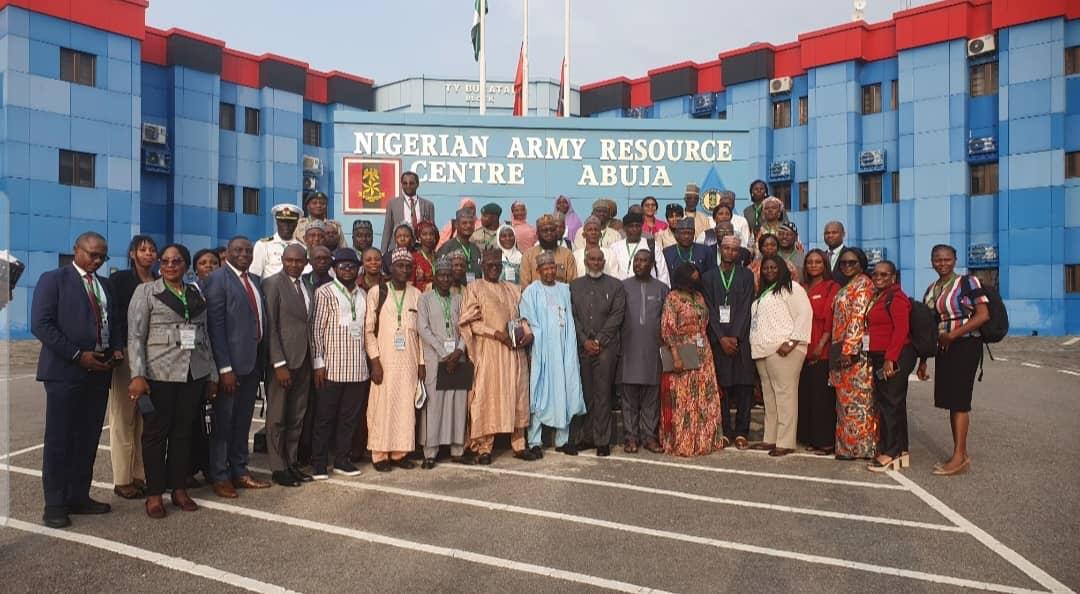
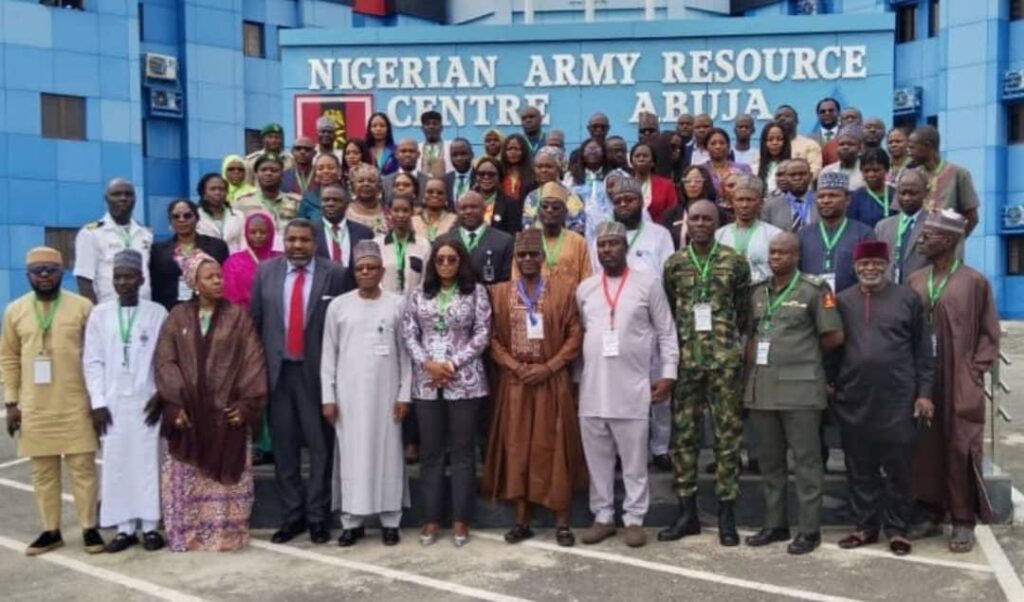
Nigeria has been stuck in a cycle of crisis and reaction for too long, responding to emergencies with short-term patches rather than long-term vision. But the tide may be turning. A three-day senior leadership course on “Strategic Anticipation and Crisis Management,” hosted in Abuja, brought together over 70 senior leaders across sectors to explore a new leadership doctrine grounded in systems thinking, scenario planning, and proactive governance.
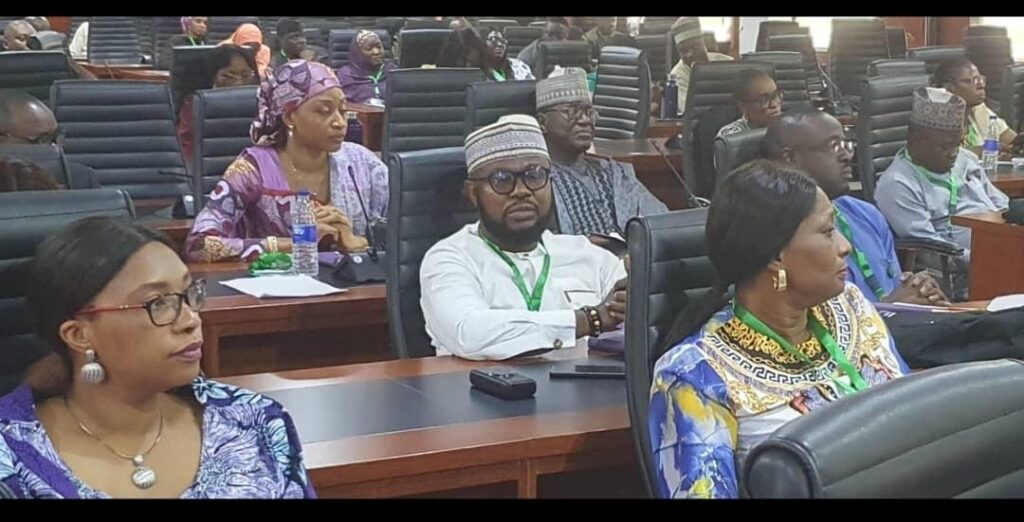
Dr. Garba Malumfashi of NIPSS set the tone: “Policymakers need foresight more than ever. We must manage and anticipate crises in this volatile, uncertain, complex, and ambiguous world.” This was not just another policy seminar. It was a call to overhaul Nigeria’s approach to leadership itself.
From Blind Spots to Scenario Thinking
The course delivered a clear message: crises are rarely sudden—they brew in ignored data, weak signals, and poor coordination. Anthony Kila, Director at the Commonwealth Institute, led participants through scenario planning exercises and foresight models. “The world is not waiting for Nigeria to catch up,” he said, urging leaders to stop reacting and start preparing.
He laid out seven pillars of resilient leadership, from strategic networking to performance-based thinking. Foresight, he argued, is not prediction but preparation. Scenario tools like PESTEL and SWOT are essential—not optional—for a country that wishes to survive and thrive in a rapidly changing global system.
Bridging Policy and Practice
What stood out most was the emphasis on institutional integration. Foresight cannot succeed as a one-off initiative; it must be embedded into governance, policymaking, and the bureaucracy. Dr. Malumfashi explained how early warning systems, horizon scanning, and the Delphi method can help governments move from crisis management to prevention.
He pointed out that national plans like Vision 2050 must be living documents—flexible enough to adapt to rapid technological, environmental, and geopolitical shifts. His recommendation? Forge alliances between NIPSS, think tanks, and foresight units across MDAs.
Human Security Starts with Information
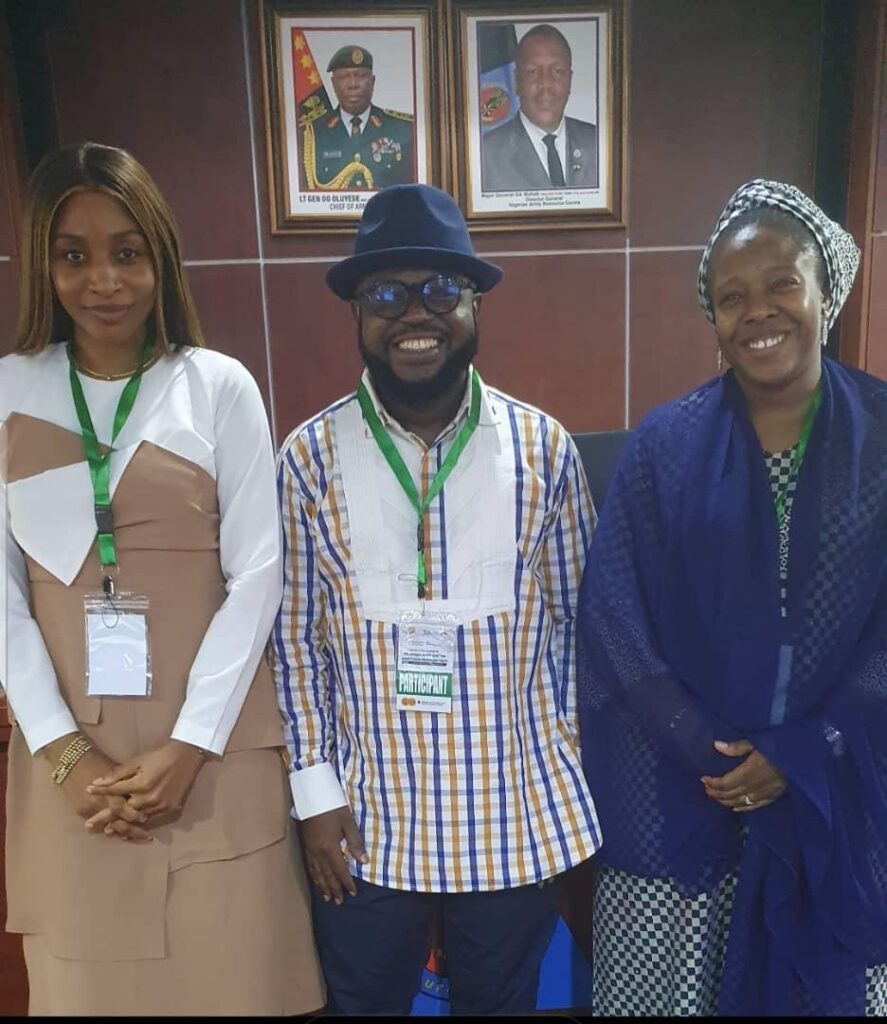
PBDC’s Executive Director, Kayode Bolaji, made a compelling case for the centrality of risk communication in crisis response. “Crises rarely arrive like bolts from the blue,” he said. “They stem from ignored warnings and poor preparation.”
Citing COVID-19 and Hurricane Maria, Bolaji illustrated how misinformation, fear, and delayed communication exacerbate disaster impacts. He advocated for grassroots simulations, community-based early warning systems, and risk-informed governance. “Access to timely, trusted information is a lifeline,” he declared.
Security Beyond Guns
Nigeria’s security outlook also urgently needs recalibration. Dr. Kabir Adamu of Beacon Security Intelligence argued that guns and boots alone cannot confront today’s hybrid threats—from cyber warfare and climate shocks to pandemics and digital disinformation.
He introduced tools like backcasting, Enterprise Security Risk Management (ESRM), and data-driven forecasting. Foresight, he stressed, must become central to defence planning. Security institutions need interdisciplinary planners, AI integration, and youth engagement to prepare for the probable and the plausible.
Rural Blind Spots and Urban Oversight
Chris Ngwodo of the Office for Strategic Preparedness and Resilience (OSPRE) emphasised that insecurity often festers where development is absent. “Insecurity in Nigeria is predominantly a rural problem,” he said. “Rural abandonment creates a vacuum for conflict.”
He and retired Maj.-Gen. Adeyinka Famadewa echoed the need for decentralised foresight and scenario-based governance training that includes local governments, traditional leaders, and community networks.
Leadership Must Change Course
Prof. Ayo Omotayo, Director-General of NIPSS, closed the training with a sobering call: “Nothing will fall from the sky to solve our problems. It’s time to stop waiting for miracles and start acting.”
He called out policy inconsistency, public cynicism, and a lack of accountability. “Criticise with purpose—to build, not destroy,” he urged. The goal is to see the future and build the systems and leadership cultures that can meet it head-on.
What Comes Next?
Participants like Senator Iroegbu, CEO of CANAG Communications, and Eniola Ekubi of DEPOWA echoed a common sentiment: this was not just another training but a wake-up call. “This course gave me tools to anticipate and lead better,” said Ekubi.
Their reflections drive home a core truth: building national resilience starts with leaders who see further, think deeper, and act sooner.
Key Takeaways and Recommendations
The NIPSS training proves Nigeria can transition from reactive firefighting to strategic foresight—if it has the will. Foresight must be institutionalised as a leadership imperative, not a luxury.
Recommendations include:
•Establish foresight cells in all MDAs to support anticipatory policymaking.
•Integrate security and development policies to tackle the root causes of unrest.
•Include women, youth, civil society, and media in national foresight planning.
•Scale up foresight training at the federal, state, and local government levels.
- Institutionalise foresight as part of NIPSS’s core leadership development curriculum, with mechanisms for tracking implementation.
The future will not wait for Nigeria to be ready. It is already arriving. Whether we lead or lag depends on our choices today—and the foresight we apply to tomorrow.
Nigeria Needs Foresight, Not Firefighting: Rethinking Crisis Leadership for a Fragile Future


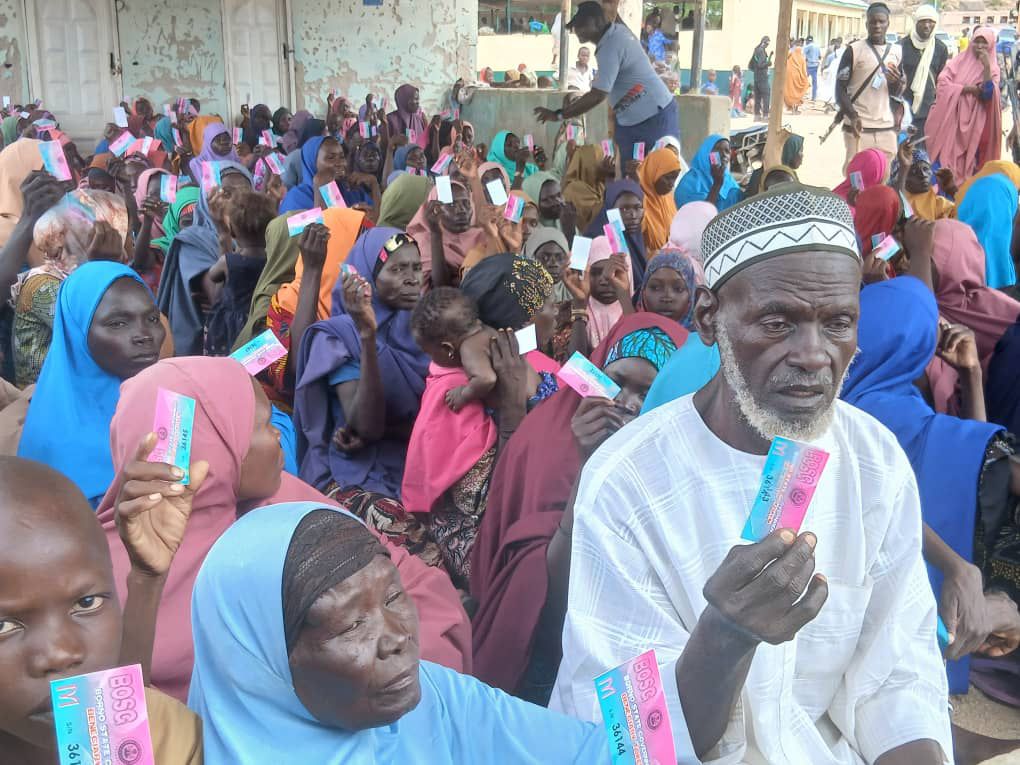
Zulum Delivers Relief, Cash Support to 434 Ngoshe Residents Rescued from Boko Haram
By: Our Reporter
Borno State Government has distributed relief materials to 434 indigenes of Ngoshe community in Gwoza Local Government Area who were recently rescued by security agencies after spending three months in Boko Haram captivity.
Governor Babagana Umara Zulum visited the victims in Pulka on Monday and directed the immediate distribution of food and non-food items to support their recovery and reintegration.
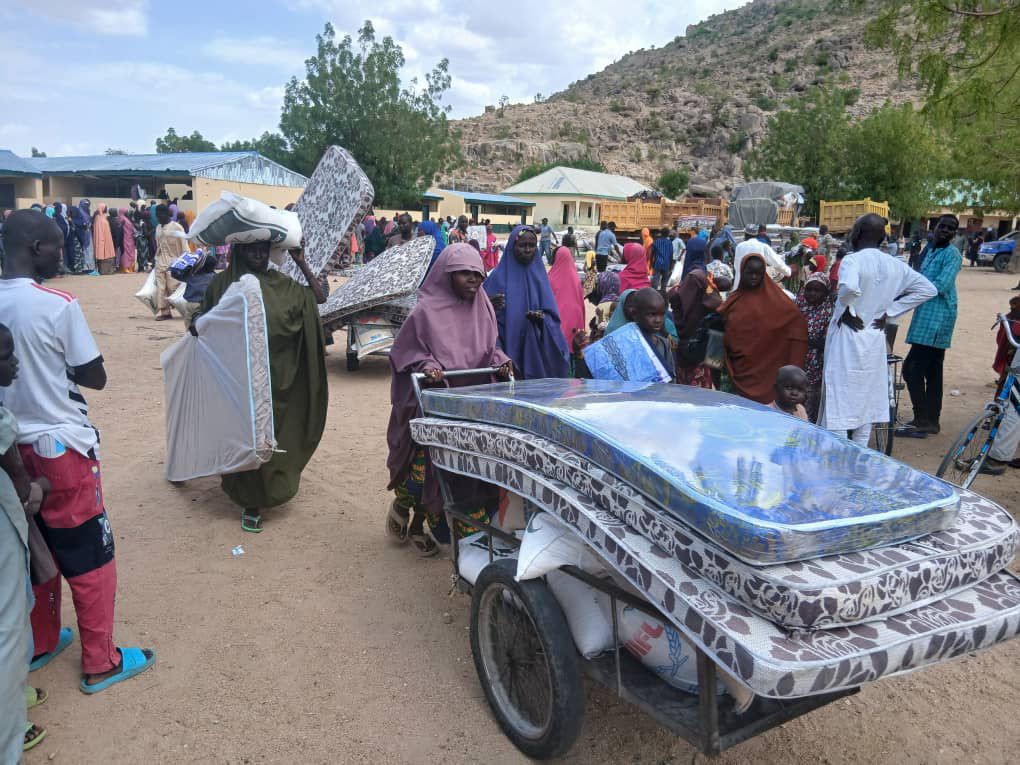
In compliance with the Governor’s directive, the Director General of the Borno State Emergency Management Agency (SEMA), Alhaji Ali Abdullahi Isa, promptly supervised the distribution exercise.
Each rescued person received a bag of rice, a bag of maize grits, a mattress, a wrapper, and a shadda, while children received two pairs of clothing.
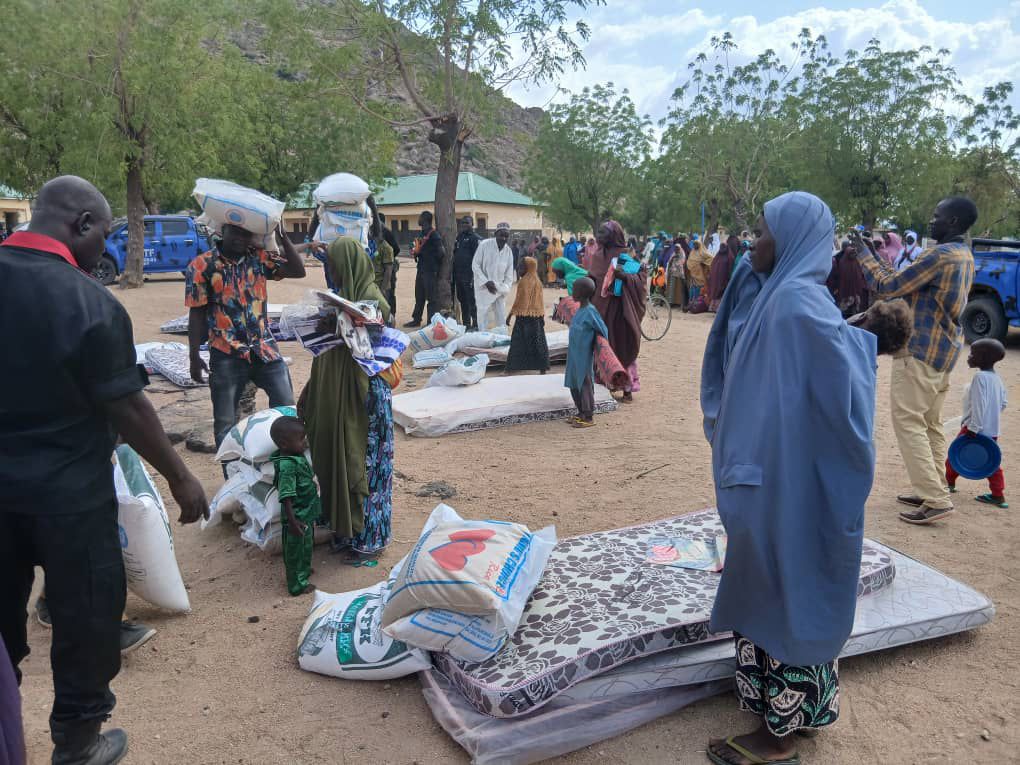
In addition, 208 heads of households received N50,000 each, fulfilling Governor Zulum’s earlier pledge of financial assistance.
Speaking during the distribution, the SEMA Director General said the intervention was part of the government’s immediate response to ease the hardship faced by the rescued victims.
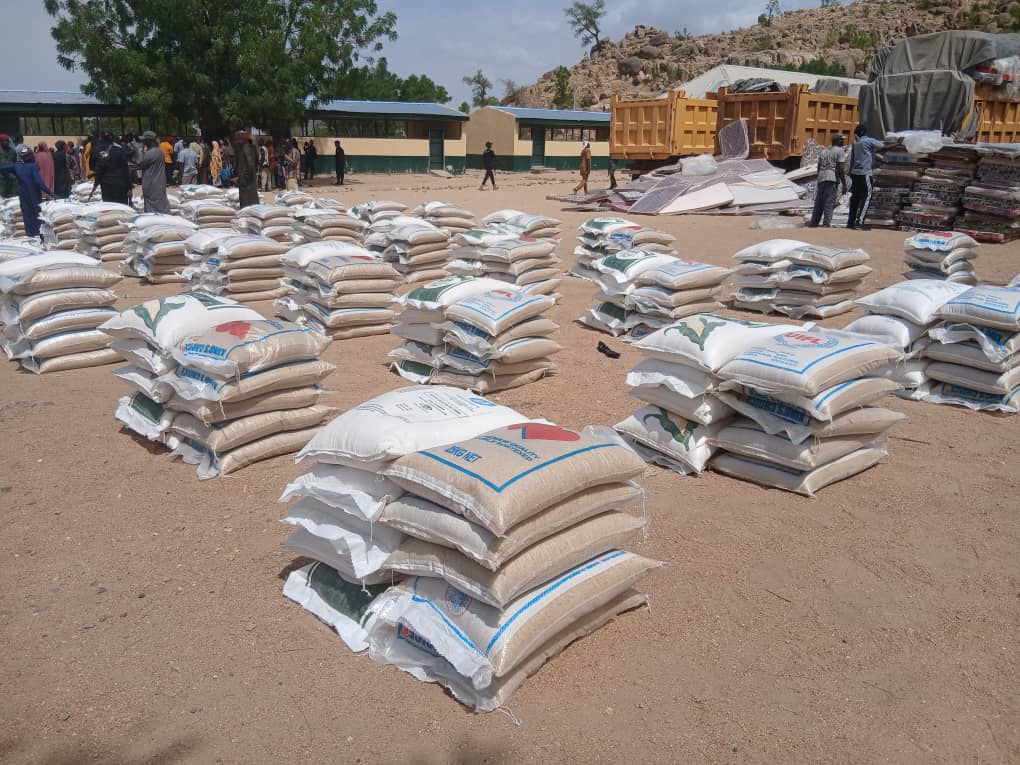
“I am here at the instance of His Excellency, Governor Babagana Umara Zulum, who was here some few days ago, and to deliver the items he directed that it should be given to you as emergency relief,” Ali stated.
The rescued individuals are currently receiving medical care and psychosocial support at a government facility. Upon completion of the rehabilitation process, they will be reintegrated into their respective communities.
The exercise was carried out alongside the Chairman of Gwoza local government, representatives of the Ngoshe community, and other officials.
Zulum Delivers Relief, Cash Support to 434 Ngoshe Residents Rescued from Boko Haram
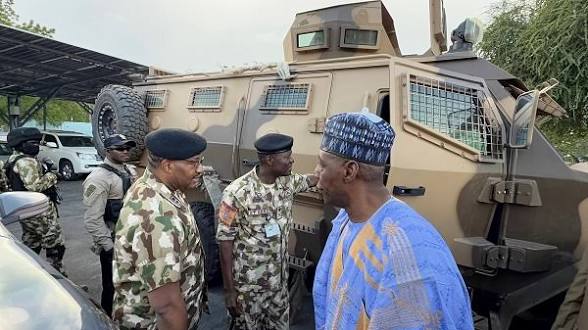
Democracy Day: Zulum gives 2 MRAPs, other logistics to Army, celebrates with IDPs
By: Michael Mike
Borno State Governor, Babagana Umara Zulum, marked Democracy Day with the handover of two Mine-Resistant Ambush Protected (MRAP) vehicles and critical logistics to the Nigerian Army, after joining internally displaced persons (IDPs) for a symbolic celebration and distribution of food items to 2,500 beneficiaries.
The armoured MRAPs delivered to the Theatre Command of Operation Hadin Kai on Friday are intended to enhance troop protection against improvised explosive devices (IEDs) and ambushes which remain a persistent threat in the fight against insurgents. Additional logistics include operational Hilux vehicles and motorcycles for frontline soldiers in difficult terrains.
Zulum also marked Nigeria’s Democracy Day celebration with Internally Displaced Persons (IDPs) at the Madinatu camp where he distributed food supplies, non-food items, and cash gifts to thousands of beneficiaries.
The distribution, held at the Madinatu IDP camp, served to consolidate Zulum’s resettlement gains. Over the past seven years, Borno State Government has successfully resettled more than 2 million IDPs in their ancestral communities in a dignified and voluntary manner.
“It gladdens my heart today, the 12th of June, 2026, to celebrate June 12th, Democracy Day, here in Madinatu Camp, the only formal camp that is standing inside Maiduguri Metropolitan Council, today, to the glory of God and the benefit of mankind, for the distribution of food and non-food items. Inshallah, this camp will be closed this year. This will be our last distribution exercise in this camp, or the second to the last,” Zulum said.
However, Governor Zulum used the occasion to announce a timeline for the camp’s closure. The governor ordered that Madinatu camp be shut down within one month, vowing to similarly close most IDP camps across various Local Government Areas in the coming phase of his administration’s resettlement strategy.
“Democracy must translate into restoring the dignity of our people,” Zulum told the IDPs. “Living in camps is not a permanent solution. Our goal remains to return every displaced person to their ancestral homes with security and means of livelihood.”
In addition to the food items, Zulum approved N50,000 each for the 2,500 beneficiaries present at the event.
“Each of the 500 beneficiaries mentioned will receive a 25kg bag of rice and a 25kg bag of sorghum. Women will receive wrappers. I also promise to provide 50,000 naira to each beneficiary. This amount can be credited into their own individual accounts, inshallah,” Zulum said.
The exercise was attended by the APC’s State Deputy Chairman, Garba Mulima, APC State Vice Chairman (Central) Abdur Rahman Abdulkarim, Acting Chief of Staff, Dr Babagana Mallumbe, Member representing Jere at the State Assembly, Abba Kyari Kolo, commissioners and commissioner designates and several other senior government officials.
Democracy Day: Zulum gives 2 MRAPs, other logistics to Army, celebrates with IDPs
Gov. Yusuf Commends DSS Over Arrest of Suspected Gun Courier in Kano
By: Michael Mike
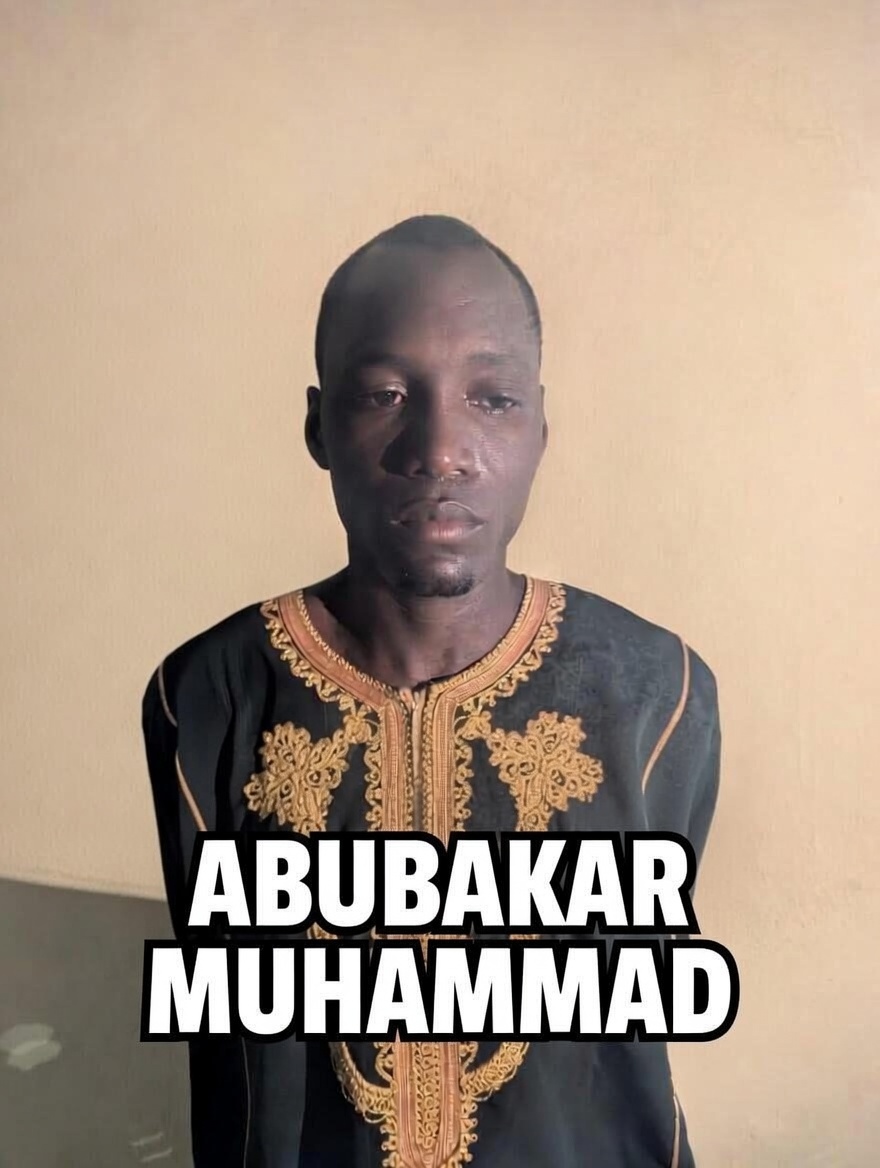
Kano State Governor, Abba Kabir Yusuf, has commended the Department of State Services (DSS) for the arrest of a suspected gun courier intercepted while allegedly transporting weapons believed to be destined for criminal elements in Katsina State.
The commendation was contained in a statement issued by the Governor’s spokesperson, Sunusi Bature Dawakin Tofa, on Thursday, June 12, 2026.
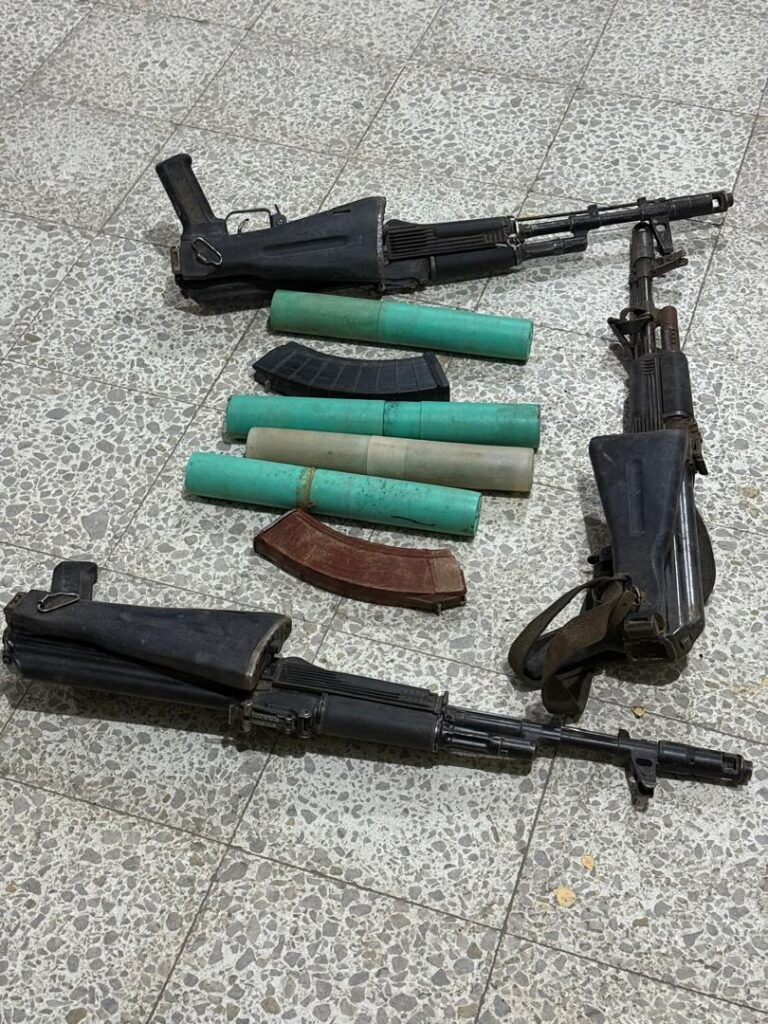
Governor Yusuf described the operation as a major breakthrough in the ongoing fight against banditry, terrorism and other violent crimes threatening communities across Northern Nigeria.
According to information provided by the DSS, the suspect, identified as Muhammad Abubakar, 30, was apprehended in Gezawa Local Government Area of Kano State while allegedly transporting four rocket-propelled grenade (RPG) tubes, three AK-47 rifles and two empty magazines to Funtua in Katsina State.
Preliminary investigations reportedly revealed that the suspect collected the weapons from an individual identified as Bello in the Maigatari border area of Jigawa State and was expected to receive N450,000 upon successful delivery of the arms.
Governor Yusuf praised the professionalism, vigilance and intelligence-driven approach of DSS operatives, noting that the timely interception prevented the weapons from falling into the hands of bandits and other criminal groups.
He said the operation underscored the critical role of intelligence gathering and effective collaboration among security agencies in tackling emerging security threats across the country.
The governor reaffirmed the commitment of the Kano State Government to supporting security agencies through sustained cooperation, logistics assistance and policies aimed at strengthening public safety throughout the state.
He also urged residents to remain vigilant and continue providing credible information to security agencies to aid efforts to combat crime and maintain peace.
Governor Yusuf expressed confidence that ongoing investigations would lead to the arrest and prosecution of all individuals connected to the alleged arms trafficking network.
The statement was signed by Sunusi Bature Dawakin Tofa, Director General, Media and Publicity, Government House, Kano.
Gov. Yusuf Commends DSS Over Arrest of Suspected Gun Courier in Kano

Zulum Delivers Relief, Cash Support to 434 Ngoshe Residents Rescued from Boko Haram

DEMOCRACY AND THE COURAGE TO BELIEVE

Army Distributes Fertiliser to Farmers in Jigawa Under Civil-Military Cooperation Programme

Roger Federer’s Shock as DNA Results Reveal Myla and Charlene Are Not His Biological Children

THE PLIGHT OF FARIDA

FAILED COUP IN BURKINA FASO: HOW TRAORÉ NARROWLY ESCAPED ASSASSINATION PLOT AMID FOREIGN INTERFERENCE CLAIMS
-
 News2 years ago
Roger Federer’s Shock as DNA Results Reveal Myla and Charlene Are Not His Biological Children
-
Opinions4 years ago
THE PLIGHT OF FARIDA
-
 News1 year ago
FAILED COUP IN BURKINA FASO: HOW TRAORÉ NARROWLY ESCAPED ASSASSINATION PLOT AMID FOREIGN INTERFERENCE CLAIMS
-

 News2 years ago
EYN: Rev. Billi, Distortion of History, and The Living Tamarind Tree
-
 Opinions4 years ago
POLICE CHARGE ROOMS, A MINTING PRESS
-

 ACADEMICS2 years ago
A History of Biu” (2015) and The Lingering Bura-Pabir Question (1)
-

 Columns2 years ago
Army University Biu: There is certain interest, but certainly not from Borno.
-

 Politics1 year ago
2027: Why Hon. Midala Balami Must Go, as Youths in Hawul and Asikira/Uba Federal Constituency Reject ₦500,000 as Sallah Gift
