
News
NSIA, UK’s Asset Green to Launch $496 Million Dairy Mega-Project in Nigeria

NSIA, UK’s Asset Green to Launch $496 Million Dairy Mega-Project in Nigeria
By: Michael Mike
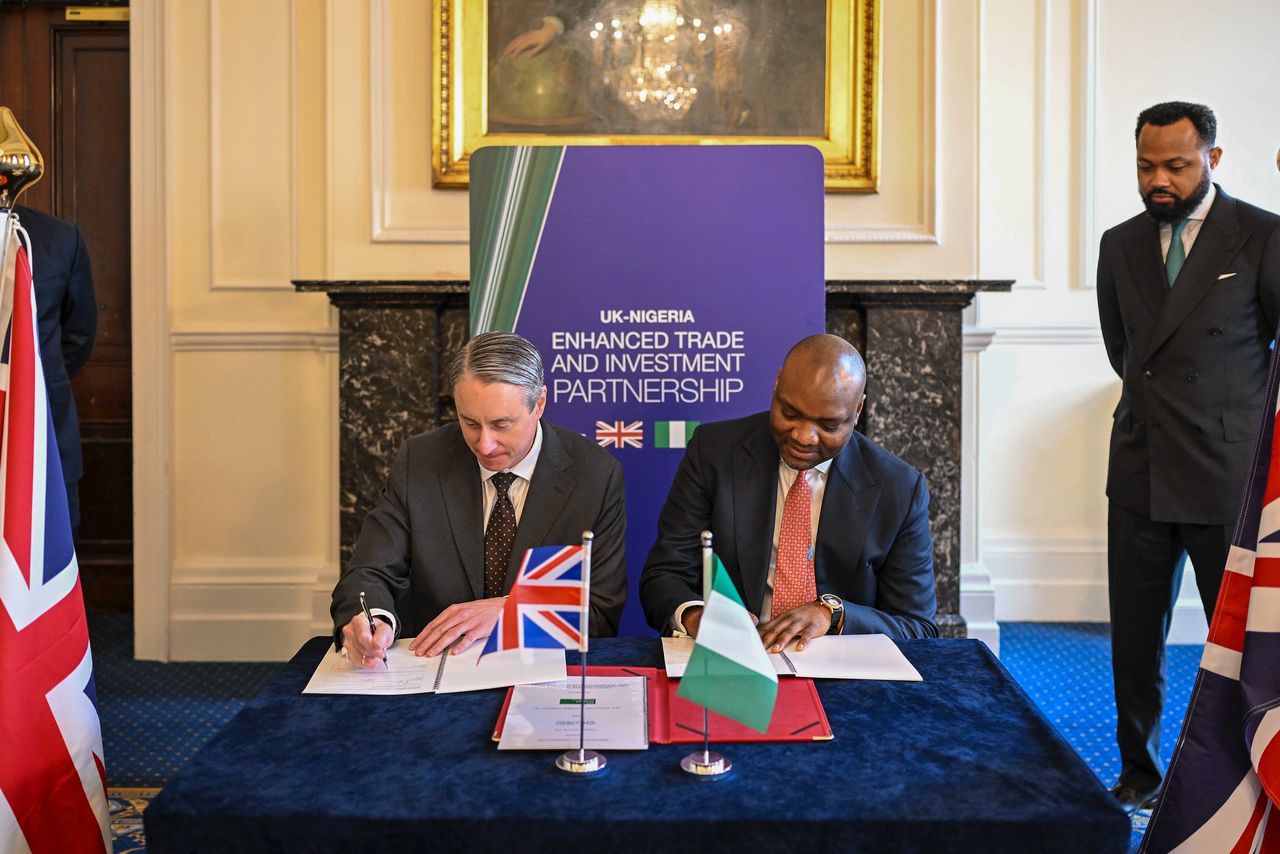
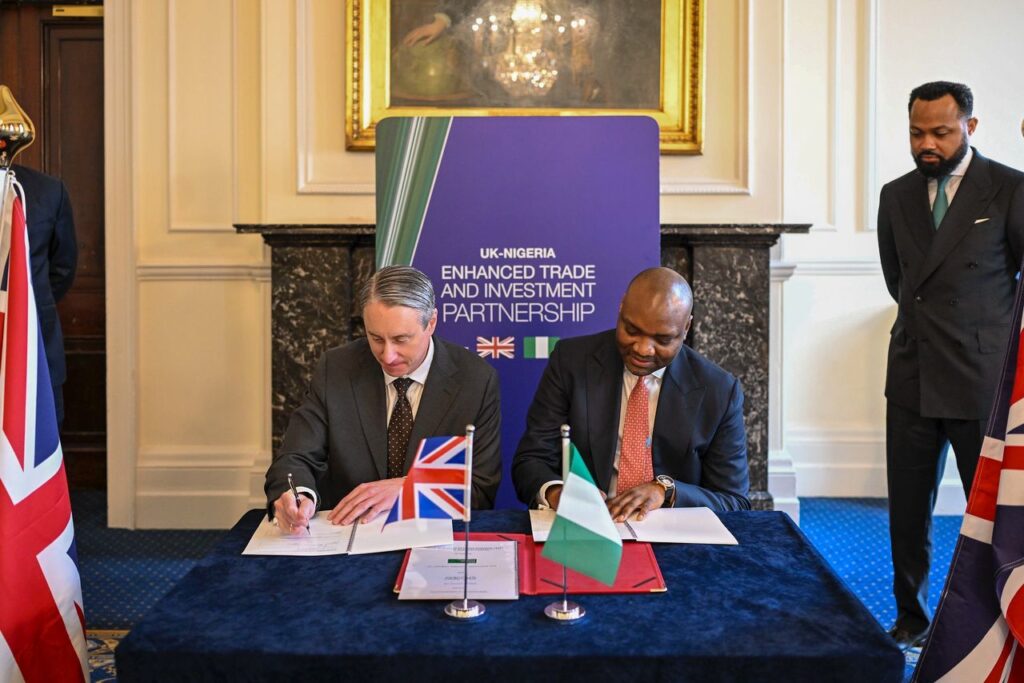
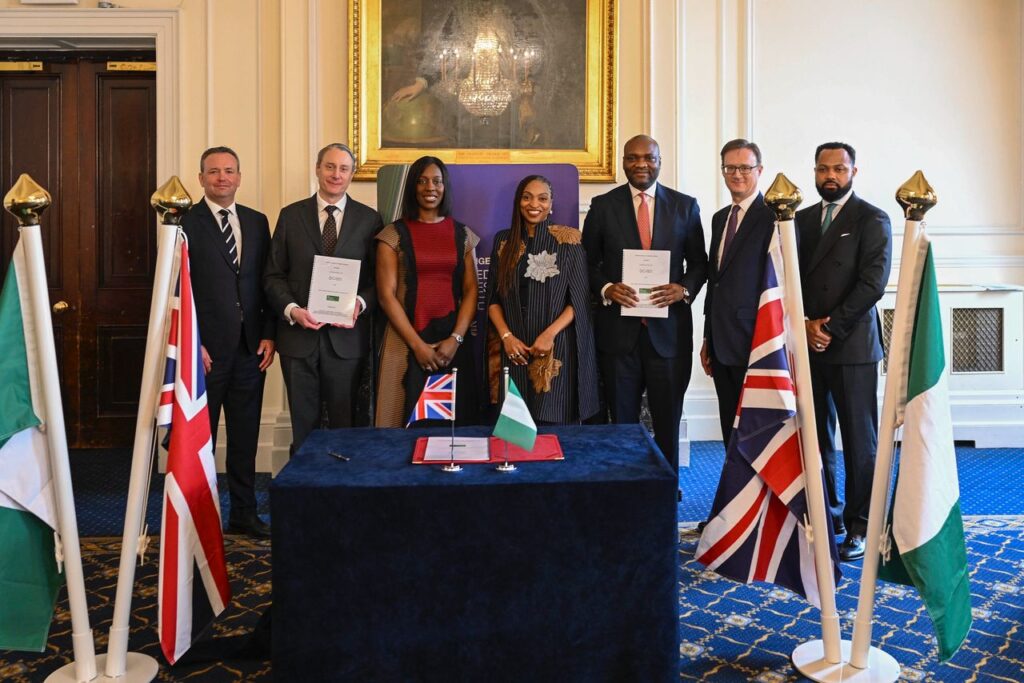
The Nigeria Sovereign Investment Authority (NSIA) has signed a landmark Memorandum of Understanding with UK-based Asset Green Ltd to develop a US$496 million integrated dairy livestock production and processing platform, a project set to modernize Nigeria’s dairy sector, boost food security, and create thousands of jobs.
The MoU, signed in London ahead of the State Visit, laid out the framework for collaboration and project development, paving the way for a formal shareholders’ agreement.
The initiative, one of the largest integrated dairy investments ever undertaken in Nigeria, will combine 20,000 hectares of climate-smart, regenerative crop and forage production with a 10,000-milking-cow dairy operation and a state-of-the-art processing plant capable of producing fresh milk, milk powders, butter, cream, and up to 15,000 metric tonnes of infant formula annually.
Designed to reduce Nigeria’s reliance on imported milk powder, the platform will integrate up to 10,000 rural households into the supply chain through inclusive out-grower schemes and is projected to generate over US$620 million annually, while creating approximately 2,500 direct and 5,000 indirect jobs nationwide.
British Deputy High Commissioner Jonny Baxter praised the partnership, noting, “Over a decade ago, the UK provided pivotal support to Nigeria in establishing the NSIA, offering legal and financial expertise that helped lay the foundation for its successful launch and strengthening its governance and credibility. That early institutional investment has paid dividends, helping to build a resilient Nigerian institution capable of creating jobs and driving transformational, long-term development.
“The NSIA and Asset Green partnership is a powerful example of how that groundwork continues to deliver impact—a full-circle moment that reflects the long-term economic cooperation between the UK and Nigeria and the shared commitment to deepening sustainable, private-sector-driven growth.”
NSIA Managing Director & CEO Aminu Umar-Sadiq described the project as transformative, saying, “NSIA is pleased to partner with Asset Green on this transformative investment. With a project size of almost US$500 million, this is one of the most ambitious initiatives aimed at strengthening Nigeria’s food and nutrition security in a generation. By combining climate-smart farming, advanced processing capacity, and inclusive out-grower participation, we are laying the foundation for a modern, competitive dairy sector that reduces import dependence, creates meaningful jobs, and delivers long-term value for Nigerians.”
Asset Green Ltd Director and Agrium Capital Ltd CEO Rod Bassett emphasized the strategic importance of the investment, noting, “This partnership between NSIA and Asset Green is the business and investment innovation required to unlock the potential of the agriculture sector in Nigeria, with the development of such a future (dairy) food system. The foundation of the approach is one of collaborating with NSIA and their shared vision and purpose to establish a platform to catalyse the development of such a national strategic priority. We are incredibly proud to partner with Nigeria’s premier investment institution. The development of greenfield projects have consistently played a major role in our history, establishing industries or nurturing young businesses that are able to deliver catalytic transformation. This US$500 million greenfield investment in Nigeria’s dairy industry allows for the development of advanced and necessary infrastructure spanning the full production and supply system to enhance local production, reduce the reliance on the huge imports of dairy goods into Nigeria, deliver environmental services, and strengthen national food sovereignty and nutritional resilience.”
The partnership signals a major milestone in Nigeria’s agricultural modernization, leveraging private-sector investment, inclusive farming practices, and advanced processing to create a resilient, competitive dairy industry while strengthening national food and nutrition security.
NSIA, UK’s Asset Green to Launch $496 Million Dairy Mega-Project in Nigeria


FG, Ohanaeze Outlaw ‘Eze Ndigbo’ Titles Abroad Amid Rising Diplomatic Tensions
By: Michael Mike
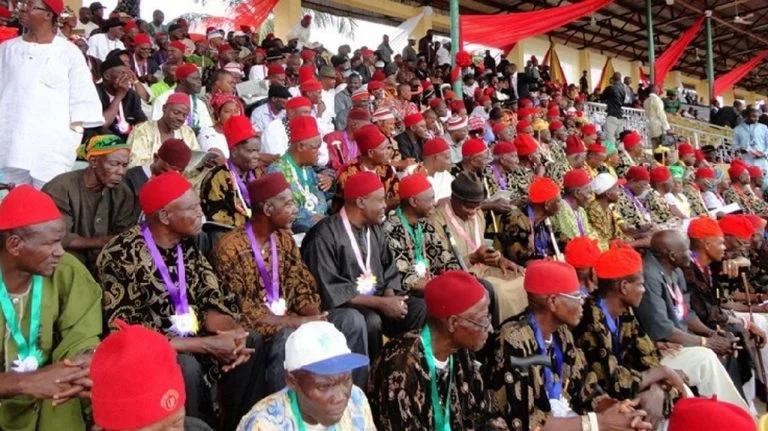
The Federal Government has moved to curb the controversial installation of “Eze Ndigbo” in foreign countries, backing a sweeping decision by Ohanaeze Ndigbo Worldwide and South East traditional rulers to abolish the practice outside Igboland, following a series of international incidents that have strained Nigeria’s diplomatic relations.
Minister of State for Foreign Affairs, Bianca Odumegwu-Ojukwu, delivered the government’s position at the high-level Imeobi meeting of Ohanaeze in Enugu on Thursday, describing the proliferation of Igbo “kings” in the diaspora as a growing embarrassment to Nigeria and a trigger for avoidable conflicts abroad.
She warned that while diaspora communities are free to promote their culture, attempts to replicate traditional rulership structures in foreign lands have repeatedly sparked tensions with host authorities and local populations.
The latest flashpoint occurred in East London, where the coronation of Solomon Ogbonna Eziko ignited violent protests. The unrest led to the destruction of property, attacks on foreign-owned businesses, and clashes with security forces, after locals interpreted the installation as a challenge to South Africa’s traditional authority system.
South African institutions, including the Eastern Cape House of Traditional and Khoi-San Leaders and the Department of Cooperative Governance and Traditional Affairs, declared the coronation illegal, underscoring the diplomatic sensitivity of such actions.
Nigeria’s foreign missions quickly distanced themselves from the development, with officials clarifying that the event was merely cultural and not a recognized monarchy. The Nigerian Embassy in Pretoria subsequently issued an apology and urged citizens to maintain a low profile.
Odumegwu-Ojukwu revealed that similar tensions had surfaced in Accra in 2025, where protests against Nigerians escalated over the same issue. She led a diplomatic delegation to calm the situation, engaging directly with John Mahama and other key stakeholders.
According to her, the intervention of the Ghanaian president was pivotal in diffusing tensions, as he reaffirmed his country’s commitment to ECOWAS protocols on free movement and rejected calls for xenophobic actions against Nigerians.
The minister stressed that such crises place Nigerian lives, businesses, and diplomatic standing at risk, insisting that urgent measures were necessary to prevent further escalation.
In response, Ohanaeze Ndigbo Worldwide has formally proscribed the conferment and use of “Eze Ndigbo” titles outside Igboland. President-General of the organization, Azuta Mbata, declared that any individual assuming such a title abroad does so without the backing of the Igbo people.
He disclosed that the group would notify state governments and Nigerian missions globally of the decision and is working with traditional rulers to establish sanctions for violators, including community-level enforcement through hometowns and town unions.
The Federal Government has pledged to reinforce the directive through its diplomatic channels, signaling a coordinated effort to prevent further international disputes linked to cultural misrepresentation.
The development marks a decisive shift by both the government and Igbo leadership to separate cultural expression from traditional authority in diaspora settings, amid growing concern over the global implications of local customs.
FG, Ohanaeze Outlaw ‘Eze Ndigbo’ Titles Abroad Amid Rising Diplomatic Tensions
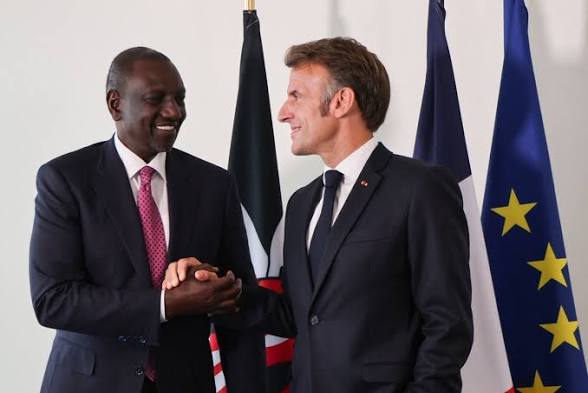
Africa, France Move to Reset Economic Ties at Nairobi Summit
By: Michael Mike
African leaders and their French counterparts are set for a critical engagement next month as Kenya and France prepare to host the Africa Forward Summit: Africa–France Partnerships for Innovation and Growth in Nairobi, amid growing calls for a new model of cooperation that delivers real economic impact for the continent.
The summit, scheduled for May 11–12, 2026, will convene top political leaders including Emmanuel Macron and William Ruto, alongside African Heads of State, investors, development partners, civil society groups, and youth representatives.
A Business Forum on May 11 is expected to drive private sector engagement and set the tone for the main summit, where discussions will centre on investment, innovation, and long-term economic collaboration.
Organisers said the summit is designed to move beyond diplomatic symbolism, focusing instead on actionable partnerships in key sectors such as healthcare, agriculture, digital technology, energy, and infrastructure—areas considered vital to Africa’s transformation.
For countries like Nigeria, the outcomes could be significant, offering pathways to attract investment, create jobs, and strengthen economic resilience at a time of global uncertainty.
The summit comes against the backdrop of evolving relations between Africa and France, marked by increasing demands from African nations for more equitable and transparent partnerships.
Historically, France has maintained strong political, economic, and military ties with several African countries, particularly in West and Central Africa. However, in recent years, these relationships have come under scrutiny, with critics calling for an end to perceived imbalances and a shift toward mutual respect and shared benefits.
At the same time, Africa’s global relevance has risen, driven by its growing population, expanding markets, and strategic importance in global supply chains. This has intensified competition among global powers seeking influence on the continent, prompting France to recalibrate its engagement strategy.
The Africa Forward Summit is seen as part of that reset—an attempt to reposition France as a partner in innovation and sustainable development rather than a traditional power broker.
The timing is also significant as it feeds into preparations for the upcoming G7 Summit, where Africa’s economic future, climate challenges, and development financing are expected to dominate discussions.
Analysts said the Nairobi meeting could serve as a testing ground for how Africa and its international partners engage moving forward—shifting from aid-driven relationships to investment-led cooperation.
With unemployment rising and infrastructure gaps widening across many African economies, expectations are high that the summit will produce concrete commitments rather than broad declarations.
Diplomatic missions in Abuja have indicated that further details will be unveiled at a press briefing, but stakeholders are already positioning the summit as a defining moment in reshaping Africa–Europe relations.
If successful, the Africa Forward Summit could mark a turning point—signaling a transition from historic ties to future-focused partnerships built on innovation, shared prosperity, and measurable outcomes.
Africa, France Move to Reset Economic Ties at Nairobi Summit
.

Experts Sound Alarm Over Unregulated AI in Nigeria’s Healthcare System
By: Michael Mike
Growing adoption of artificial intelligence in Nigeria’s healthcare sector is outpacing regulatory safeguards, raising concerns among experts who warned that without urgent oversight, the technology could deepen inequality and expose patients to new risks.
This warning took centre stage at a policy dialogue titled “AI in Healthcare: Risk or Asset?”, held Thursday at the French Institute in Abuja, where stakeholders from government, medicine, and development circles examined the expanding role of AI in health service delivery.
Speakers at the forum acknowledged that AI is already transforming diagnostics, laboratory systems, and patient management. However, they cautioned that Nigeria’s regulatory environment has yet to catch up with the speed of innovation.
Director of the French Institute, Thierry Vapentin, set the tone for the discussions, describing the platform as a space to confront emerging global issues through open debate. He stressed the importance of interrogating both the opportunities and ethical dilemmas posed by AI in critical sectors like healthcare.
Delivering a policy perspective, Dr. Anthony Ayeke of the European Union Delegation noted that while AI could significantly improve access and efficiency in healthcare delivery across Africa, blind reliance on automated systems could undermine professional judgment and patient safety. He emphasized that human oversight must remain central in all AI-driven processes.
In his intervention, the CEO of Premier Health Systems Consults, Dr. Niyi Osamiluyi argued that Nigeria urgently needs a clearly defined ethical and regulatory framework to guide AI deployment. He outlined key principles including transparency, inclusiveness, accountability, data protection, and auditability, warning that failure to assign responsibility for AI outcomes could create dangerous accountability gaps.
The issue of data integrity also featured prominently. Joshua Kojalo highlighted ongoing government-backed digital health initiatives, particularly mobile applications designed to expand access to health insurance. However, he warned that overdependence on foreign datasets could embed bias into local systems, potentially excluding vulnerable populations. He called for deliberate investment in locally generated data to ensure fairness and accuracy.
From an operational standpoint, Dr. Temitope Agbana, Co-founder of AIDX Medical, shared field experiences demonstrating AI’s impact on laboratory efficiency, noting that automated systems have significantly increased processing capacity. Despite these gains, he maintained that technology must remain a support tool rather than a substitute for human expertise, stressing that no AI system is entirely error-proof.
Equity concerns dominated the latter part of the discussion, with Dr. Chimezie Anyakora, CEO of Bloom Public Health, warning that weak regulation could leave already disadvantaged communities exposed to the harshest consequences of technological failure. He cautioned that without deliberate safeguards, AI could reinforce existing healthcare disparities rather than bridge them.
Participants agreed that Nigeria risks creating a two-tier healthcare system where advanced AI-driven services are accessible only to the wealthy, while rural and low-income populations are left behind.
The forum concluded with a strong consensus that Nigeria must act swiftly to establish robust regulatory frameworks, invest in capacity building, and ensure inclusive access. Experts stressed that while AI holds immense potential to transform healthcare delivery, its benefits will only be realized if innovation is matched with responsibility.
Without decisive action, they warned, the same technology that promises progress could ultimately widen the gap it seeks to close.
Experts Sound Alarm Over Unregulated AI in Nigeria’s Healthcare System

FG, Ohanaeze Outlaw ‘Eze Ndigbo’ Titles Abroad Amid Rising Diplomatic Tensions

Africa, France Move to Reset Economic Ties at Nairobi Summit

Experts Sound Alarm Over Unregulated AI in Nigeria’s Healthcare System

Roger Federer’s Shock as DNA Results Reveal Myla and Charlene Are Not His Biological Children

THE PLIGHT OF FARIDA

FAILED COUP IN BURKINA FASO: HOW TRAORÉ NARROWLY ESCAPED ASSASSINATION PLOT AMID FOREIGN INTERFERENCE CLAIMS
-
 News2 years ago
Roger Federer’s Shock as DNA Results Reveal Myla and Charlene Are Not His Biological Children
-
Opinions4 years ago
THE PLIGHT OF FARIDA
-
 News12 months ago
FAILED COUP IN BURKINA FASO: HOW TRAORÉ NARROWLY ESCAPED ASSASSINATION PLOT AMID FOREIGN INTERFERENCE CLAIMS
-

 News2 years ago
EYN: Rev. Billi, Distortion of History, and The Living Tamarind Tree
-
 Opinions4 years ago
POLICE CHARGE ROOMS, A MINTING PRESS
-

 ACADEMICS2 years ago
A History of Biu” (2015) and The Lingering Bura-Pabir Question (1)
-

 Columns2 years ago
Army University Biu: There is certain interest, but certainly not from Borno.
-

 Opinions2 years ago
Tinubu,Shettima: The epidemic of economic, insecurity in Nigeria
