
Columns
One year after, the killer flood in Maiduguri, a reporter’s diary of survival moves by residents, the medical sector, coordination errors, leading to more challenges beyond the damaged Alau Dam

One year after, the killer flood in Maiduguri, a reporter’s diary of survival moves by residents, the medical sector, coordination errors, leading to more challenges beyond the damaged Alau Dam
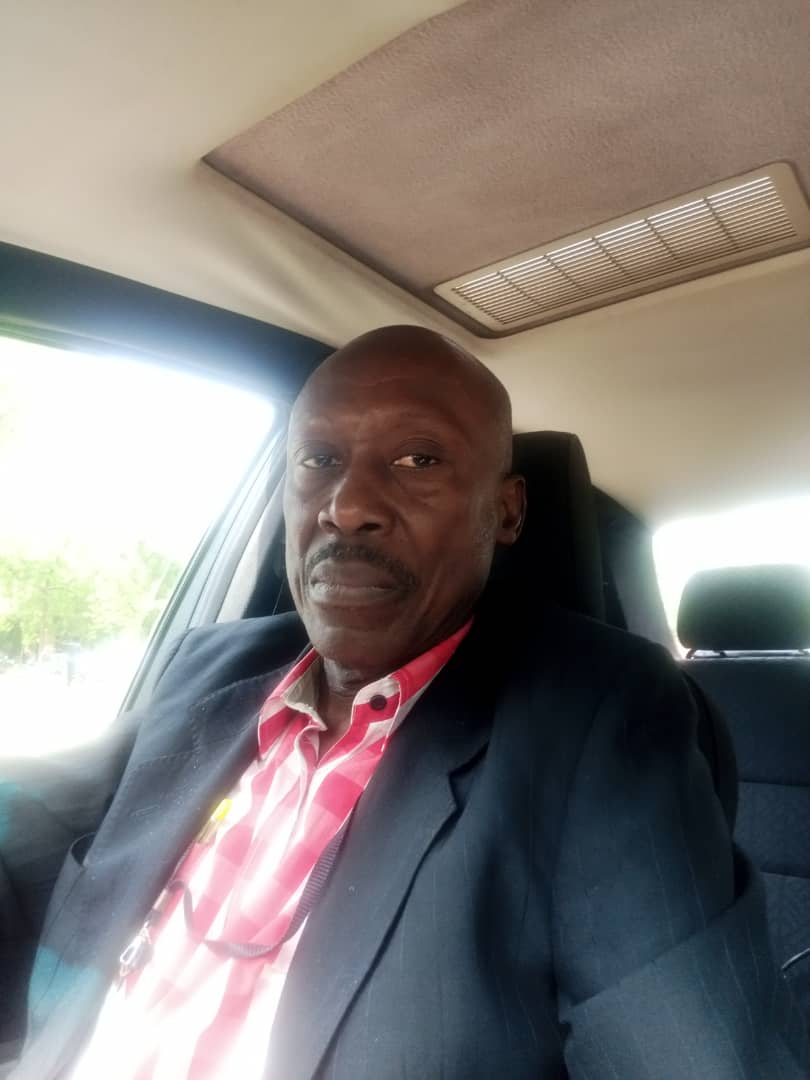
By: Bodunrin Kayode
Sometimes God creates Providence for mankind. We may not know the weight of His handiwork until something unusual happens and we begin to reflect and surely thank Him for the miracle that resonated with us mere mortals days or months after. Its been one year since the deadly September flood from Alau dam that devastated the Borno State capital Maiduguri. And yet the pains felt by many residents are still fresh as yesterday. Especially those whose loved ones are now part of the statistics recorded as missing or dead.
Many affected residents have moved on by relocating from the customs/ Muna water basin area while others have returned trying to pick the pieces of their lives together again in what is left of the old structure. The Alau dam tragedy has not gone away from the hearts of many residents who lost human lives which to me as a watcher of events is the most valuable of all the losses. One year on since the raging flood attack on the state capital, many residents are still counting their losses like wounds from the 15 year old insurgency.
For me, its one year of narrow escape from a devastating flood that would have consumed me if I was living in the heart of the customs area. This is because I almost paid for an accommodation few months to the flood. Only God that would have helped me because I have never swam in my life before. And even when one knows how to swim, the torrent of the raging dam water was so fast that one needed to be careful not to be swept into any of the major tributaries of nearby rivers with fixed routes to move to the dark deep abyss of nowhere.
Most residents of greater Maiduguri who spoke with this reporter in that axis said that they have never seen such devastation in their existence. The flood which rushed into town with such high velocity at the wee hours of the night of September 10 consumed a large part of Customs area right up to 505 housing estate and landing at the farm centre general area killing several vulnerable residents in its trail. It virtually encompassed the fertilizer plant and the adjoining farm centre housing estate which is currently undergoing rehabilitation by Governor Babagana Zulum. About 150 people were said to have perished in the water which took over the entire post office like an intimidating sea with all manner of dangerous snakes that escaped from the zoo. Other animals like the lion have been so caged that they refused to move out. One year after manager of the zoo, Don Best Abatcha is still raking his brain on how he would replace all those animals that were killed by the angry flood. All his customers have gone while some have relocated from the town after the flood. On a whole, sources who should know claim that about 15 percent of the city centre was submerged in water right up to post office.
How I escaped the flood
For me, I was supposed to have been in my apartment at customs that fateful day in September 2024 but the negotiations with the caretaker had gone sour and I had to dump the house for very strong reasons.
First, the place had been battered by the previous tenant and second the toilets were unkempt and needed repairs for privacy when using it. I tried to negotiate by getting him to repair the place, but he would not bulge. That to me was why I had to look elsewhere for a much more decent apartment. I actually stumbled on another at the other side of town close to the 7 division of the Nigerian Army. That ill fated apartment i avoided was located about 60 metres from the main entrance to the customs office. All the residents on that part of the town lost every thing they had called material things. Not one was spared. And I would have been one of them if not for divine providence. The only people and institutions spared partially were those who had one or two story buildings like the University of Maiduguri Teaching Hospital (UMTH).
Reactions by survivors of the flood
I recently drove down to a restaurant to eat just opposite the customs area where I was supposed to have been residing but the place was a shadow of itself. The igbo lady name withheld almost in tears went into a litany of woes while narrating her experience in the past year. ” I lost everything in that flood. The water took away my utensils and pots and I had to start from scratch. That is why you could not recognize this place when you parked earlier. It has indeed changed and we still try our best to survive. Watin man go do even if dem refused to compensate some of us with the 100k, they announced will reach us. Will I comit suicide? she chuckled.
“I saw you when you arrived but was wondering why you did not come out of the car. Did not know you were struggling to locate the place.
Customer, I never knew you were the one but welcome to the relic of the old place you used to eat lunch. We thank God for being alive but I must tell you we went through hell and back since last year.
“We were surrounded by water when it happened so we had no where to go to. We rushed to the peak of the customs fly over and stayed there for two days but it was on the third day we were rescued from being killed in case the water had risen more than the ground floor of the customs building which we were seeing. The thing started slowly on the 9th but by 2 am of the 10th of September, we would have become history if that fly over was not there. We looked towards Gwange, it was water, our front was also water and it was rising slowly to consume us. Well one year after, I thank God for his mercies. Recording her woes in my brain I sat down finally, took my lunch and drove off towards Gwange area, glanced at the renovation done to the police division and then off to the University of Maiduguri Teaching Hospital (UMTH). One year after the Gwange police division has really bounced back. Normal police activities were going on. The place looked more presentable now than it was about a year ago. A lot of houses and shops have been renovated one year after. Some actually got compensated by the Gujibawu committee while many others did the job themselves. The tension on mechanics who had to bring back to life hundreds of cars has gone down. Many residents who could afford the bill never waited for the committee to compensate them. They have all moved on hoping to see each day as it comes.
UMTH one year after
With the will power to go on and Professor Ahmed Ahidjo on the driver’s seat, a lot of recovery has taken place in the UMTH. From recent briefings by the Chief Medical Director (CMD) Ahidjo, repairs have taken place on most of the high grade radiation machines now working. A brand new MIR machine has been donated by Emeka Offor.
Lots of Damage was done especially to equipment on the ground floor while the first floor was relatively peaceful on that fateful day. The CMD noted in one of his recent briefs to newsmen that over 20 billion naira worth of property was destroyed by the flood. But they have been able to stand on their feet now in spite of all odds. Lots of items have been replaced but more needs to be purchased to keep the hospital going on.
The assistance of the medical sector
One year after the Emergency Operations Centre (EOC) in Damboa road has since returned to normal duties. The urgency to save souls about to perish in the flood has gone down because every one seems to be fine now. The surveillance pillar has gone back to its primary duties. Hunt down any strange scourge and put an end to their existence. They hardly have time for petty politics or debates over the next route Ebola will take if they are careless. And what if they are not as vigilant as Stella Adadevoh who knew it but stood her ground to take the bullet for Nigerians.
Before I close my notebook, let me report to you that those who were saved miraculously are still alive to tell their tales of survival. Others who assisted in burial of loved ones have put the episode behind them. None of them were exempted from the tragedy. They were all touched in one way or the other because one friend or colleague or relative lost someone in the flood. Business premises of loved ones at Monday market area were devastated by the flood. Some of their relatives lost shops at post office. And they had to support them because the flood committee largesse did not get to them.
On a whole, they did their best ensuring that opportunistic illnesses were not allowed to spread all over the town. Sadly, the ministry of information could not work effectively with the health sector to synchronize statistics to fish out what is needed by news hounds. The Commissioner was doing his briefing in a separate venue while the entire health sector was briefing as a team at the EOC. That was a wrong precedent which did not help the media coordination.
What future for the Alau Dam?
It is obvious that the Alau Dam has come to stay regardless of the threat it still poses to residents of Maiduguri over 20 km from where it is located. At least 80 billion naira has been voted for the repairs of the dam by President Bola Tinubu. And as things stands now, we are awaiting the rehabilitation work to start so that the facility can return back to safety. The entire population in greater Maiduguri has been on red alert expressing fears that the water may still rise beyond expected limits. To reduce the fears of residents, Governor Babagana Zulum has actually visited the facility several times to ensure that the safety of residents is not compromised. He has directed the site engineers to watch and ensure that the water never goes beyond a particular level.
Regardless of these assurances, the Maiduguri/ jere axis which has formed the greater Maiduguri was also not spared from recent flash floods during the ongoing rainy season. So this time around, apart from the latent threats from the Alau Dam, Chibok, Damboa and parts of Biu suffered tremendously from the flash floods from the rains in the state. As expected Bulumkutu, Abuja talaka, Dala and environs where equally threatened by flash floods. One year after many people don’t want a repeat of the last flood. For residents in Maiduguri, their very existence is threatened whenever they see any form of unusual water rising towards them. The last flood was a terribly bad omen. Nobody wants another flood in Maiduguri no matter how small.
One year after, the killer flood in Maiduguri, a reporter’s diary of survival moves by residents, the medical sector, coordination errors, leading to more challenges beyond the damaged Alau Dam


The British Massacres and Lugard’s Punitive Expeditions in Nigerian History
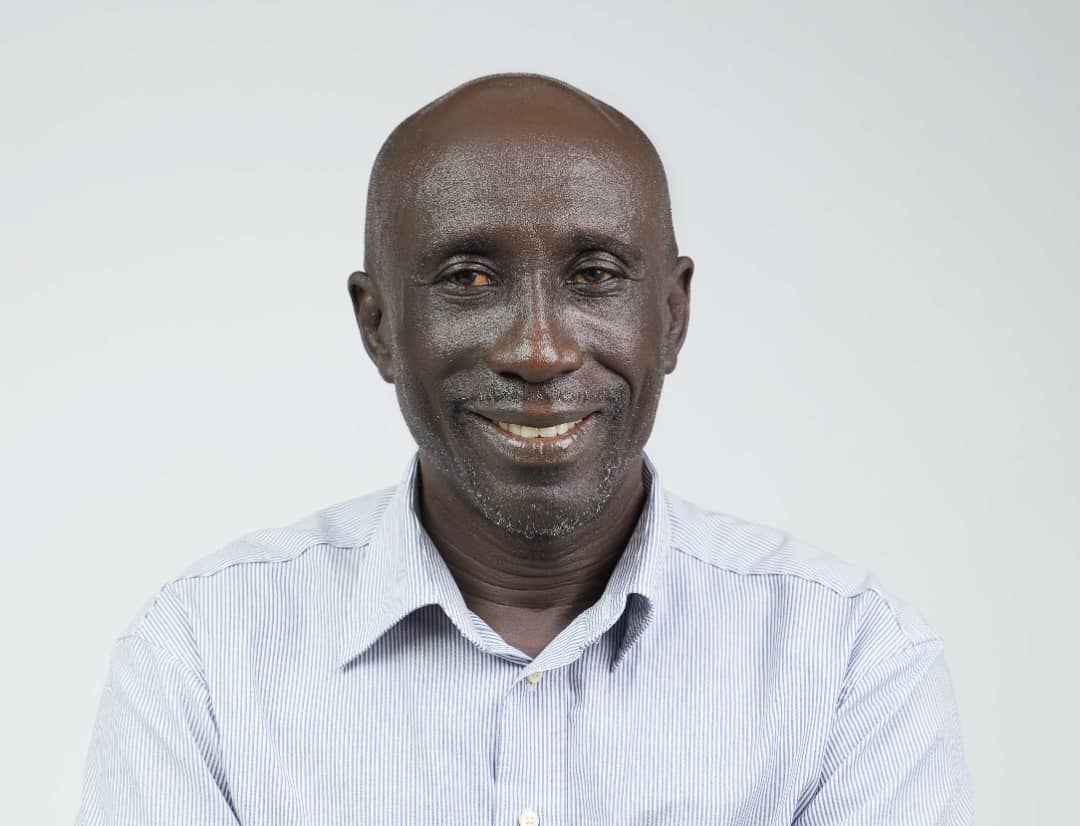
By: Balami Lazarus
Are we back to the days of Lord Fredrick Lugard? Nigeria is once again bleeding with innocent bloods caused by terrorists, bandits, and kidnappers.
And that there has never been in the annals of Nigerian history a chapter or even a complete page or paragraph that fully mentioned or explained the punitive expeditions of Lord Frederick Lugard’s massacres in Nigeria. I am yet to see that. But rather, he was hailed as the hero of amalgamation, which gave birth to modern Nigeria.
Similarly, today the aforesaid criminals are recognized and are printed and electronic.
From the late 18th century to the dawn of the 19th century was a period of colonial reformations where the north and the south stood as protectorates administered by the British government from Lagos as her crown colony.
Historical developments in both the north and south of the Niger were trials of blood, bloods of innocent Nigerians; Lokoja was the confluence of these bloods. These periods were marked by Lugard’s expeditions of massacres, killings, and punitive and wastage of human lives and resources.
Lord Frederick Lugard was brutal and ruthless, a British army officer who was known to have caused the deaths of many Nigerians in the protectorates that later made up the nation known, called, and addressed as Nigeria.
Lugard’s administration of Nigeria was an expedition of atrocities, killings, and massacres where terror was the rule of law. Towns and villages that showed resistance were dealt with mercilessly, resulting in massacres.
Let me reel out a few of Lugard’s punitive and bloody expeditions.
Akassa raid/Brass oil war (1895). Hundreds were killed. Akassa burnt down. Benin raid (1897). Over a thousand men and women were massacred, and historical works of art, among other treasures, were looted. Benin City was burnt down.
Sultan Attahiru the first and his over 1000 followers were mercilessly killed at Burmi in 1903 in present Gombe state. The most annoying thing about this was that Attahiru was pursued by Lugard and his soldiers and subsequently massacred them.
The Satiru massacres of 1906 were one of the worst punitive expeditions in the then Northern Protectorate carried out by Lord Frederick, where 2000 men were killed and Satiru was wiped out completely on the map of modern Nigeria as a town.
There were the Ekumeku massacres (1898-1911). Aba women riot (1929), where women were shot and killed. There were also the Iva Valley/Enugu Colliery massacres (1949).
There were pockets of punitive expeditions in both the protectorates. However, South Bled much longer, right from 1890 to 1949. While North conquest was sharp and short (1900-1907).
The colonialization process of Nigeria no doubt came with punitive expeditions and massacres. Therefore, Lord Frederick Lugard’s presence in the history of Nigeria is a subject of study. Over to historians and researchers.
Balami, a Publisher/Columnist, 08036779290
The British Massacres and Lugard’s Punitive Expeditions in Nigerian History

UMTH: Prof. Ahmed Ahidjo, Eight Years of Productive Leadership
By Balami Lazarus
Every stage of human life opens a new chapter of experience, responsibility, and opportunity. In positions of leadership, these opportunities become particularly significant because they provide individuals with the power to influence institutions, improve systems, and contribute meaningfully to society. For Prof. Ahmed Ahidjo, his eight-year tenure as Chief Medical Director of the University of Maiduguri Teaching Hospital (UMTH) represented an important period of service, innovation, and institutional transformation.
Prof. Ahidjo served as the eighth Chief Medical Director of UMTH from 4 September 2018 to 4 September 2026. During this period, he used his professional knowledge, administrative experience, and leadership position to advance medical services, improve healthcare delivery, and provide modern infrastructure and equipment for the hospital. His tenure was marked by a clear determination to strengthen UMTH as a center of healthcare, medical education, research, and professional development.

The conclusion of his tenure was commemorated through a weeklong program of activities in Maiduguri. The program brought together government officials, medical professionals, traditional rulers, academics, hospital staff, and members of the public. It included project commissioning, conferences, lectures, inspections of medical facilities, a book launch, and an award ceremony. These events provided an opportunity to assess the achievements of the outgoing Chief Medical Director and to celebrate his contributions to the development of UMTH.
As a consultant interventional radiologist, Prof. Ahidjo brought specialized medical knowledge to the administration of the hospital. Interventional radiology is a field that uses imaging techniques to guide minimally invasive procedures for the diagnosis and treatment of diseases. It requires advanced technology, specialized training, and strong institutional support. Prof. Ahidjo’s professional background therefore influenced his vision for improving not only radiology services but also the general quality of healthcare available at UMTH.
One of the significant achievements associated with his tenure was the advancement of interventional radiology. During the period under review, UMTH hosted the first national conference of the Association of Radiologists in Nigeria in northern Nigeria. The conference brought together experts in radiology from Europe, Egypt, Asia, and Nigeria. Its location in Maiduguri demonstrated the growing importance of UMTH as a center for medical learning and professional exchange.
The conference also created an opportunity for radiologists and other healthcare professionals to examine new developments in medical imaging and minimally invasive treatment. Participants discussed ways of improving standards, expanding training, and strengthening the practice of radiology in Nigeria. By facilitating such a gathering, UMTH positioned itself as an institution capable of hosting major national and international medical events, despite the challenges associated with operating in the region.
Infrastructure development was another important feature of Prof. Ahidjo’s leadership. Among the projects commissioned during the handing-over activities were the Fertility Care Centre, the En-Suite Maternity Complex, and the Animal House. These facilities are relevant to both clinical services and medical research.
The Fertility Care Centre is expected to support individuals and families requiring specialised reproductive health services. Its establishment represents an important step in responding to the medical and emotional needs of couples facing fertility challenges. By providing services within the hospital, patients may have greater access to professional care, counselling, diagnosis, and treatment.
The En-Suite Maternity Complex is also significant. Maternity services require safe, comfortable, and properly equipped environments for mothers and newborns. A modern maternity facility can improve the quality of antenatal care, delivery services, postnatal care, and emergency obstetric interventions. In a region where maternal and child health remain important public health concerns, the development of such a facility is a valuable contribution to healthcare delivery.
The commissioning of the Animal House further reflected the hospital’s interest in research and medical education. Selected animals kept in the facility will be used by medical experts and researchers for experiments and other approved scientific activities. Research facilities of this kind help institutions generate knowledge, test ideas, and train future medical professionals. They can contribute to the development of evidence-based medicine and improve the capacity of healthcare workers to address complex medical conditions.
Prof. Ahidjo’s leadership was not limited to buildings and equipment. His tenure also encouraged academic and intellectual activities. One of the major events during the transition program was the 84th inaugural lecture of the University of Maiduguri. The lecture was delivered by Prof. Ahidjo under the chairmanship of Prof. Muhammad Laminu Mele, the vice-chancellor of the university.
The lecture, titled “Interventional Radiology in Nigeria: The Journey So Far, My Aspirations, and My Visionary Concept,” provided an opportunity for Prof. Ahidjo to reflect on his professional journey and his aspirations for the future of interventional radiology in Nigeria. He discussed the progress made in the field, the challenges that remain, and the need for continued investment in specialized training and modern medical technology.
His vision included the development of interventional radiology and the training of more radiologists in Nigeria. This emphasis on human capacity development is particularly important. Medical infrastructure can only achieve its full purpose when trained professionals are available to operate, maintain, and effectively use it. By promoting education and professional development, Prof. Ahidjo highlighted the need to combine physical infrastructure with knowledge and expertise.
The inaugural lecture also demonstrated the connection between hospital administration, professional practice, and academic responsibility. As a medical specialist and university professor, Prof. Ahidjo was able to bring together his experience in clinical medicine, teaching, research, and hospital management. His public presentation of these ideas reinforced the role of teaching hospitals as institutions that must provide healthcare while also producing knowledge and training professionals.
Another notable event was the launch of the book titled “Duty and Courage: The Story of Prof. Ahmed Ahidjo,” written by Dr. James Bwala. The book documented aspects of Prof. Ahidjo’s professional and administrative journey. Its title captured two qualities that are essential in public service: a commitment to responsibility and the courage to act in difficult circumstances.
The book launch, like the other activities, allowed colleagues, staff, and members of the wider community to reflect on the impact of Prof. Ahidjo’s leadership. It also ensured that the experiences and lessons of his tenure would be preserved for future generations. Institutional history is important because it helps succeeding leaders understand the decisions, sacrifices, challenges, and achievements that shaped an organization.
The handing-over ceremony attracted prominent personalities, including the Governor of Borno State, Babagana Umara Zulum; the Shehu of Borno, Abubakar Ibn Umar Garbai; ministers; emirs; members of the National Assembly; and other senior government officials and community leaders. Their presence demonstrated the importance of UMTH to Borno State and the wider northeastern region.
The hospital serves a large population and remains a vital institution in the provision of specialized healthcare. Its role extends beyond Maiduguri because patients from other parts of Borno State and neighboring states depend on its services. Any improvement in the hospital’s infrastructure, equipment, professional capacity, and administrative structure therefore has implications beyond the institution itself.
The climax of the weeklong program was the presentation of awards and recognitions to current and former staff members who served under Prof. Ahidjo. This gesture acknowledged the fact that institutional progress is rarely the product of one individual. Although a chief executive provides direction, the achievement of organizational goals depends on the commitment of doctors, nurses, pharmacists, laboratory scientists, technologists, administrators, cleaners, security personnel, and other workers.
Recognizing staff members also promoted a culture of appreciation and teamwork. Employees who feel valued are more likely to remain committed to their responsibilities. In this regard, the awards ceremony was not only a farewell activity but also a reminder that the progress of UMTH rests on collective effort.
Prof. Ahidjo formally handed over the administration of the hospital on 3 September 2026, one day before the official gazetted end of his tenure. In his brief speech, he expressed appreciation to the hospital community for its support. He then handed over the institution, including its staff, structures, equipment, and facilities, to Dr. Abubakar Mohammad Abiso, the Acting Chief Medical Director.
Dr. Abiso had previously served as Chairman of the Medical Advisory Committee and is a consultant family physician with extensive medical and administrative experience. In his response, he thanked Prof. Ahidjo for considering him suitable for the position. His words reflected both humility and an awareness of the responsibilities associated with leading the hospital.
One of the most symbolic moments of the transition occurred when Dr. Abiso asked how Prof. Ahidjo would be remembered. He answered by naming the Interventional Radiology Centre after the outgoing Chief Medical Director. The decision was appropriate because it connected Prof. Ahidjo’s legacy with the medical specialty to which he devoted his professional life and which he promoted during his leadership of UMTH.
Naming the center after him also created a permanent institutional reminder of his contributions. It ensured that future staff, students, patients, and visitors would encounter his name in a place associated with innovation, specialized care, and medical advancement. More importantly, it placed his legacy within the continuing work of the hospital rather than treating it as a closed chapter.
The end of Prof. Ahidjo’s tenure provides an opportunity to consider the meaning of productive leadership in a teaching hospital. Such leadership involves more than managing daily operations. It requires strategic planning, resource mobilization, staff motivation, professional competence, accountability, and the ability to respond to the healthcare needs of the community. It also requires leaders to build systems that can continue to function after their departure.
By commissioning new facilities, promoting medical conferences, supporting research, delivering an inaugural lecture, and encouraging professional development, Prof. Ahidjo contributed to several dimensions of institutional growth.
Balami, Publisher/Columnist 08036779290
UMTH: Prof. Ahmed Ahidjo, Eight Years of Productive Leadership
UMTH: Prof. Ahmed Ahidjo, Eight (8) Years of Productive Leadership
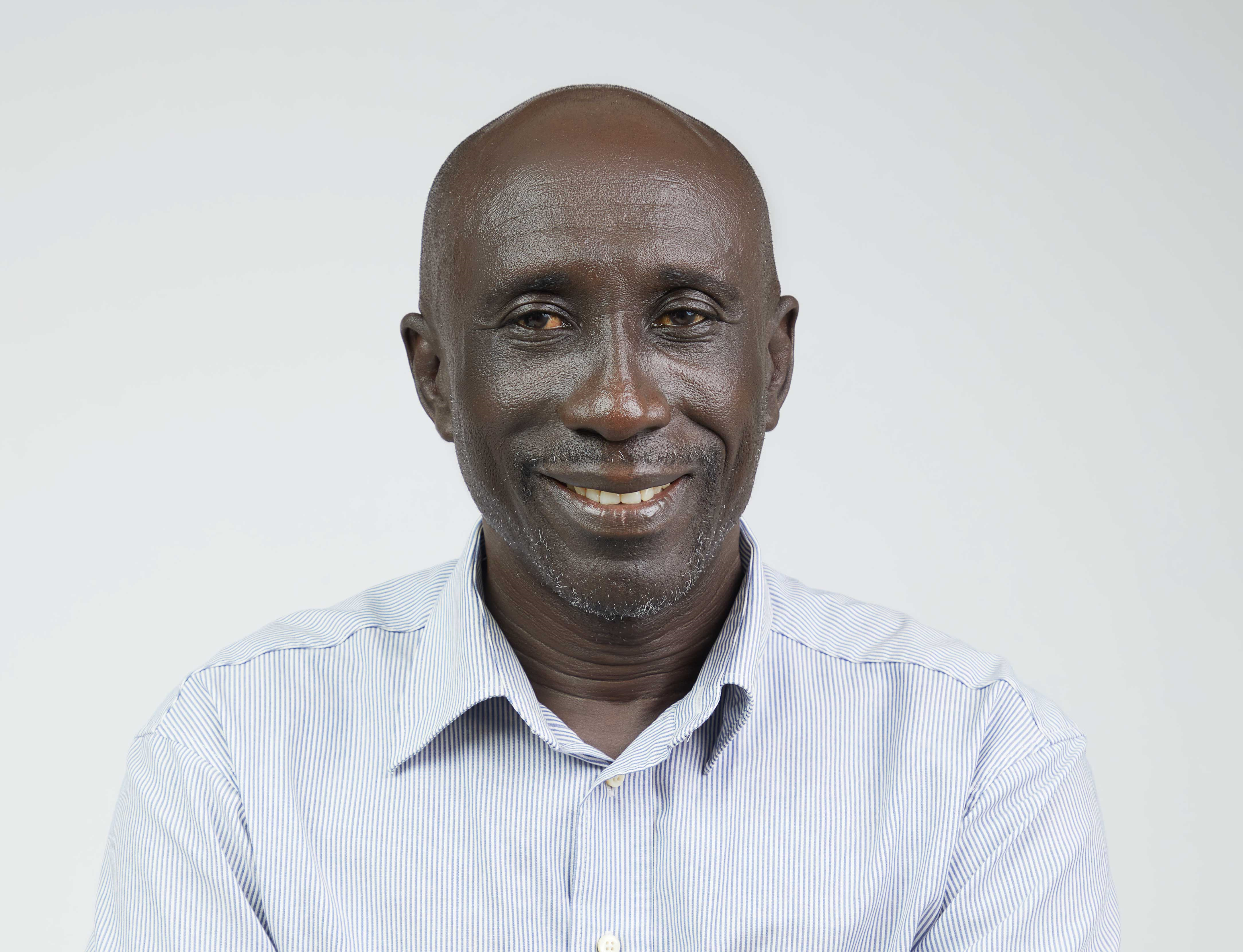
By: Balami Lazarus
Every stage of man is a new chapter of life experiences that manifest itself in rights, privileges, and opportunities to add value to humanity.
Prof. Ahmed Ahidjo has used the privileges and opportunities of his positions, most especially that of Chief Medical Director (CMD) of the University of Maiduguri Teaching Hospital (UMTH), for the past eight (8) years to provide and facilitate developments in medical and healthcare delivery with infrastructures, medical materials, and equipment of international standards for the hospital in his eight (8) progressive years.
NEWSng has been there all these years. And here we are, once again in Maiduguri to cover the weeklong packed handing-over ceremony to mark the end of Prof. Ahmed Ahidjo’s eight-year tenure as the 8th CMD since the inception of the hospital over 40 years ago.
Each day was full of activities to bid him farewell. Visitors and guests were always engaged in either commissioning of projects, conferences, lectures, book launches, or inspections of medical facilities/centers, asking questions on how Prof. Ahidjo did it.
The erstwhile CMD Prof. Ahidjo is a consultant interventional radiologist whose eight years of exemplary and visionary leadership began on the 4th September 2018 and end on the 4th September 2026.
There was the first-ever national conference of the Association of Radiologists in Nigeria (ARIN) in the north to be held in Maiduguri at UMTH, where experts in radiology from Europe, Egypt, and Asia met to improve on the standards of this branch of medical science.
There was a book launch “”titled “Duty and Courage”: The Story of Prof. Ahmed Ahidjo,. by Dr. James Bwala.
as part of the activities of the handing-over ceremony that was graced by the state governor, Babagana, Umara Zulum; ministers; Shehu of Borno, Abubakar Ibn Umar Garbai; emirs; and some members of the National Assembly, among other high government officials and personalities.
There was also commissioning of the Fertility Care Centre, En-Suite Maternity Complex, and Animal House, where some selected animals shall be kept to be used for experiments by the hospital medical experts/researchers.
To continue… .
UMTH: Prof. Ahmed Ahidjo, Eight (8) Years of Productive Leadership

2027: Tinubu deserves another term, Group mobilises Northeast for re-election

Atiku vs Shettima: Eight Years in the Vice Presidency Versus Less Than Four—Who Made the Bigger Impact?

VP Shettima Allegations: Paul Ibe Must Bring Proof, Not Just Headlines.”

Roger Federer’s Shock as DNA Results Reveal Myla and Charlene Are Not His Biological Children

THE PLIGHT OF FARIDA

FAILED COUP IN BURKINA FASO: HOW TRAORÉ NARROWLY ESCAPED ASSASSINATION PLOT AMID FOREIGN INTERFERENCE CLAIMS
-
 News3 years ago
Roger Federer’s Shock as DNA Results Reveal Myla and Charlene Are Not His Biological Children
-
Opinions5 years ago
THE PLIGHT OF FARIDA
-
 News1 year ago
FAILED COUP IN BURKINA FASO: HOW TRAORÉ NARROWLY ESCAPED ASSASSINATION PLOT AMID FOREIGN INTERFERENCE CLAIMS
-
 Opinions5 years ago
POLICE CHARGE ROOMS, A MINTING PRESS
-

 News3 years ago
EYN: Rev. Billi, Distortion of History, and The Living Tamarind Tree
-

 ACADEMICS3 years ago
A History of Biu” (2015) and The Lingering Bura-Pabir Question (1)
-

 Columns3 years ago
Army University Biu: There is certain interest, but certainly not from Borno.
-

 Politics1 year ago
2027: Why Hon. Midala Balami Must Go, as Youths in Hawul and Asikira/Uba Federal Constituency Reject ₦500,000 as Sallah Gift
