
News
Recurring Fire Outbreaks at IDP Camps: Borno Police Nab Suspects

Recurring Fire Outbreaks at IDP Camps: Borno Police Nab Suspects
By: Zagazola Makama
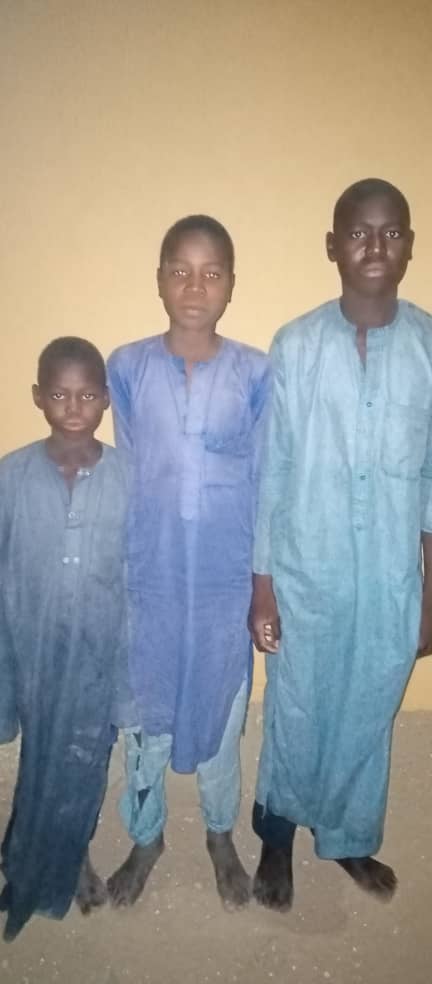
The Borno Police Command have arrested at least four suspects for deliberately causing fire outbreaks in Borno Internally Displaced Persons(IDPs) camps.
There has been a series of recurring fire incidents in Maiduguri, Monguno, Mafa and Gubio, atleast 15 incidents within the past four years, which has resulted in the loss of life and immeasurable losses to the displaced persons who had already suffered the brunt of the 13 years insurgency in the state.
It has become a normal routine for IDPs Camps in Borno to be gutted by fire especially during the harmattan period. It was earlier suspected that the IDPs were allegedly setting their camps on fire in order to get government attention due to hunger and poor living conditions, while on the other hand SEMA blamed the IDPs for not being cautious against the use of fire while cooking.
But things took another twist On March 24, 2024, at about 1013hrz, when three suspects were apprehended in an attempt to set a house ablaze in Mafa local governments area.
Sources told Zagazola Makama that one Bulama Mante in company of Baba Kachallah Dukje, a hunter from Mafa LGA apprehended three of the suspects; Mallum Usman, Bulama Bukar Kuri, Rawa Usman,all from Mafa IDPs camp and handed over to the police.
They were arrested with matches while trying to set a house ablaze.
Preliminary investigation revealed that the trio were behind many of the recurrence fire incidents at IDPs camp within the state.
The suspects confessed that they were contracted by a firewood vendor, one Babagana Dikwa, 40 years old of Muna IDPs camp, who gave them N10,000 to set fire in places.
They also confessed to be responsible for several fire incidents recorded in Muna, Gubio, and Monguno IDPs camp. It is believed that when they burnt IDPs camp, they will gain unimaginable wealth in the future depending on the damages inflicted by the fire.
NGO’s Paid Us to put fire in IDPs camp
Meanwhile, another suspect was apprehended suspected to be responsible for causing the recent fire in Monguno IDPs camp.
The suspect who appeared in a viral video alleged that he was contracted by two Non Government Organisations providing humanitarian services in Borno to set fire in Internally Displaced Persons camps in the state.
The suspects who were arrested by Civilian JTF, said that he was among the four people those engaged by the NGOs (names withheld) to carry out several arson in different camps and were paid N10,000 once the Job is done.
Zagazola could independently verify the allegations made by the suspect against the NGOs.
We Have Not Concluded Involvement of Any NGOs in setting fire in Camps- Police
Responding, Borno Police Commissioner, Yusuf Lawal, who confirmed the arrest of four suspects who were currently at the Command’s crime investigative units, said it was yet to be substantiated if NGOs were involved.
Lawal said that there were two incidents; one of them was recorded in Monguno where a suspect was recorded in a video claiming that he was contracted by two NGOs to carry out arson and another one in Mafa where three people were arrested in connection with the same crime.
“We are yet to establish if the two incidents were related but those we arrested have already confessed that they were contracted by a fire wood seller in the Muna general area to set fire in places. We have arrested him and are currently undergoing investigation at the Crime Investigation Department,”he said.
The Police Commissioner warned people against spreading unsubstantiated rumors noting that the police will investigate the matter and make it known to the general public.
Borno Govt. Summoned NGOs for preliminary interrogation.
Prof. Usman Tar, Commissioner of Information and Internal Security said the Government has received reports from reliable sources regarding suspected cases of fire outbreaks in some IDP camps within the State.
Tar said this recent rise in frequency of infernos in IDP camps has been a matter of concern, and all hands are on deck to forestall any further occurrence of fire outbreaks in the State. The Government has been investigating the occurrence of the infernos on a case-by-case basis, with a view to establishing the remote and extant causes, and developing a strategy to stem future occurrence.
“On 29 March 2024, the Ministry of Information and Internal Security received a report in which a suspect admitted that he and his “co-conspirators” were “hired” by some NGOs (names withheld) to set IDP camps on fire.
“This matter is under investigation and further necessary action shall only be taken on the basis of the outcome of the investigation. Those arrested are in detention undergoing intensive interrogation, while the NGOs who were pinpointed in the alleged violent practice have been summoned for preliminary interrogation.
The Government assures members of the public that this matter will receive appropriate and expedited attention, and any culprit will be dealt with according to the law.
“Meanwhile, members of the public are urged to be calm, peaceful and law-abiding. Any breach of security should be reported to the nearest law enforcement agency or traditional rulers for transmission to the relevant authority,”he said.
Recurring Fire Outbreaks at IDP Camps: Borno Police Nab Suspects


News
Troops Repel ISWAP Attack on Mandaragirau FOB, Detonate IED During Clearance Operation in Borno
Troops Repel ISWAP Attack on Mandaragirau FOB, Detonate IED During Clearance Operation in Borno
By Zagazola Makama
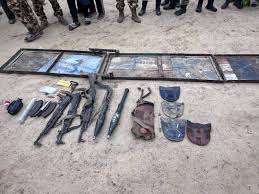
Troops of the 162 Amphibious Battalion under Operation Hadin Kai have successfully repelled an attack by suspected Boko Haram/ISWAP terrorists on Forward Operating Base (FOB) Mandaragirau in Borno State.
Security sources said the attack occurred at about 2:00 a.m. on August 15, 2026, when the terrorists launched a coordinated assault on the base from two separate fronts.
According to the sources, the troops, who were on high alert, immediately engaged the advancing terrorists after sighting them. The Battalion Commander reportedly led standby troops to reinforce ambush teams already deployed along likely enemy approaches.
A heavy exchange of fire ensued, during which the troops decisively repelled the attack on one axis, inflicting significant disruption on the assailants.
In a separate manoeuvre, another group of terrorists attempted to bypass the ambush positions and breach the camp through the river line. However, they were also successfully repelled by the troops, forcing the attackers to withdraw in disarray.
Following the encounter, troops pursued the fleeing terrorists, but the operation was later halted due to poor visibility and difficult terrain. Security sources said further exploitation of the area would continue at first light.
No casualties were recorded on the side of the troops, while the number of terrorist casualties could not be immediately ascertained. The situation in the general area was described as calm but highly unpredictable.
Meanwhile, troops conducting follow-up clearance operations along the Mandaragirau–Kana axis on the morning of August 15 discovered and safely detonated a command-detonated improvised explosive device (IED) suspected to have been planted in anticipation of troop reinforcement movement.
Security sources said the IED was detected short of a bridge along the route and was safely neutralised by the clearance team before it could be triggered.
In a related development, troops also discovered the corpse of a civilian who had reportedly fallen victim to another IED planted by the terrorists in the area. The remains were found a few metres from the detonation site during the clearance operation.
Authorities said detailed assessment and photographic documentation of the incidents would be provided as troops conclude ongoing clearance operations in the axis.
Troops Repel ISWAP Attack on Mandaragirau FOB, Detonate IED During Clearance Operation in Borno
ISWAP Fighter Surrenders in Borno After Eight Months in Terrorist Camp
By Zagazola Makama
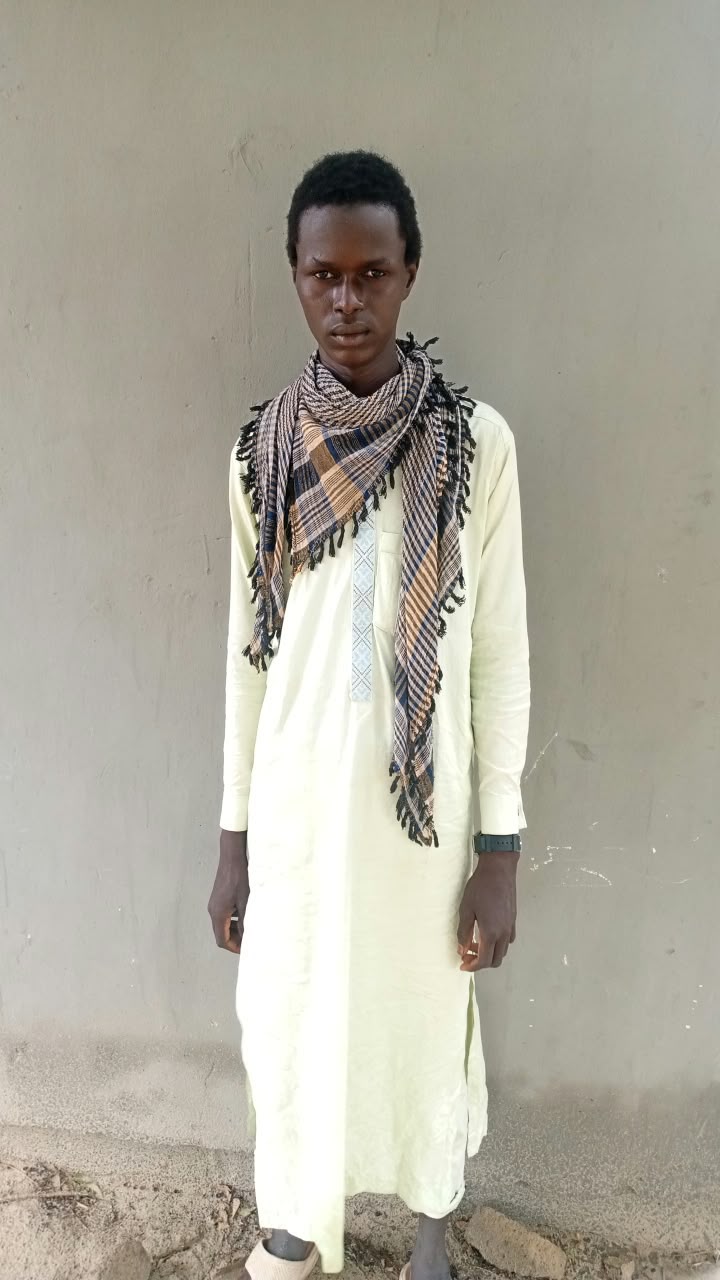
A 25-year-old suspected Islamic State West Africa Province (ISWAP) fighter has surrendered to troops in Monguno Local Government Area of Borno State after spending about eight months with the terrorist group.
The surrendered fighter, identified as Alhaji Ali Gambo Kanuri, a native of Ngarinna village in Monguno LGA, reportedly joined the group about eight months ago after being introduced by a friend.
According to military sources, Gambo later became disillusioned with life within the terrorist group and decided to abandon the organisation.
His decision to surrender was reportedly influenced by the difficult conditions confronting members of the group amid sustained military operations against terrorist enclaves in the North-East.
Gambo eventually made his way out of the terrorist-controlled area and surrendered to troops in Monguno town, where he was taken into custody for further processing.
Military sources said the former fighter was subsequently transferred to the appropriate authorities for further action in line with established procedures for persons who voluntarily disengage from terrorist groups.
His surrender comes amid sustained military pressure against Boko Haram and ISWAP elements operating across Borno State, with security forces continuing clearance and counter-terrorism operations in various parts of the North-East.
Authorities have continued to encourage individuals associated with terrorist groups who are willing to disengage from violence to surrender peacefully and submit themselves to the established screening and rehabilitation processes.
ISWAP Fighter Surrenders in Borno After Eight Months in Terrorist Camp
Al-Shabaab and the Emerging Debate Over a Taliban-Style Political Transition
By Zagazola Makama
A growing debate within Al-Shabaab’s media ecosystem over the possibility of negotiations with the Federal Government of Somalia may signal an important internal discussion about the future direction of the militant group.
The debate has gained attention following the publication of two articles by a writer using the alias Eng. Kurtun Hassan, whose writings have appeared extensively in Al-Shabaab-affiliated media.
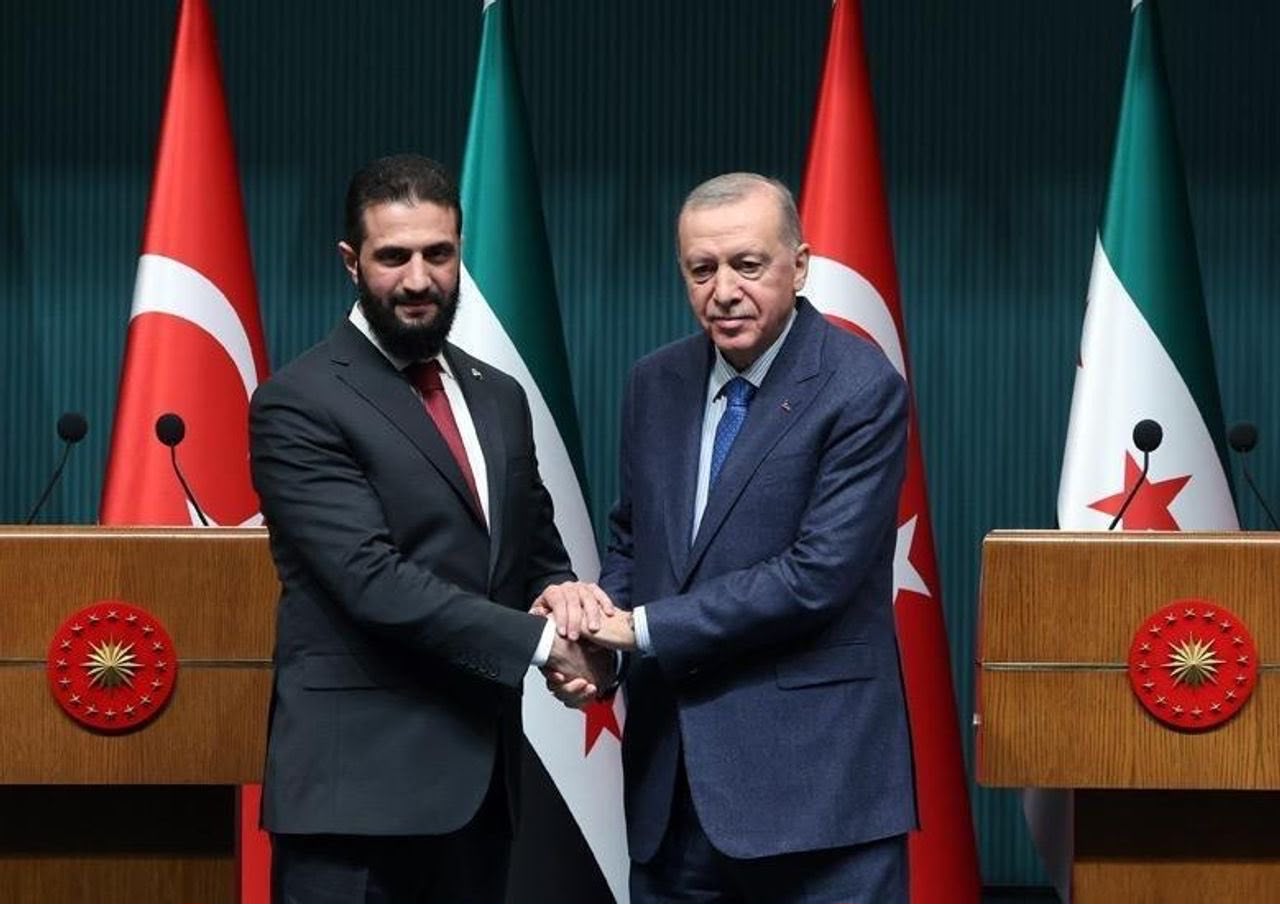
The articles raise questions about whether Al-Shabaab could eventually pursue a path comparable, in some respects, to the political transition undertaken by the Taliban in Afghanistan, including negotiations and eventual engagement with the international community.

The emerging discourse is significant because it goes beyond battlefield developments and touches on the central question of whether Al-Shabaab could evolve from an insurgent organisation into a political and governing authority.
Sources cited in the emerging reporting suggest that elements within Al-Shabaab’s leadership may be considering negotiations with the Federal Government of Somalia, potentially through foreign intermediaries trusted by both sides.
The reported discussions, however, have not been publicly acknowledged by the Somali government or Al-Shabaab leadership as a formal negotiation process.
According to the assessments, the militant group’s leadership may be waiting for what it considers favourable political and security conditions before making any public decision.
Such a development, if eventually confirmed, would represent a major departure from Al-Shabaab’s longstanding strategy of armed insurgency.
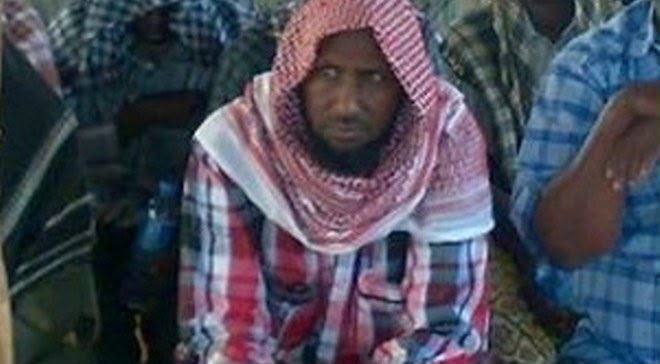
For nearly two decades, the group has sought to challenge the Somali state and establish its own interpretation of Islamic governance, while maintaining links to the broader jihadist movement.
Another important aspect of the emerging debate is the reported interest among some Al-Shabaab members in developments in Afghanistan and Syria.
Sources indicate that senior members and sympathisers are closely following questions surrounding governance, military affairs, state administration, security and economic management in those countries.
In some Al-Shabaab-controlled areas, including Jilib, Bu’aale and Kunyoo Barrow, discussions are reportedly becoming more open about whether the organisation could transform itself into a governing authority.
Some members and sympathisers are said to be comparing Al-Shabaab’s existing administrative structures with armed groups that emerged during the Syrian conflict.
The argument reportedly advanced by some of them is that Al-Shabaab already possesses taxation systems, administrative structures and mechanisms for controlling territory that could potentially be adapted into a broader system of governance.
Al-Shabaab remains one of the most powerful jihadist organisations in Africa. Its manpower is difficult to establish with certainty, but available assessments have placed its overall strength at around 20,000 members, including approximately 12,000 armed combatants.

The organisation has also developed significant revenue-generating mechanisms, including taxation, extortion and illicit economic activities.
Estimates of its annual revenue have exceeded $100 million, although such figures are difficult to independently verify.
At the same time, the group has faced growing financial pressure over the past three years as the Somali government, supported by regional and international partners, has intensified efforts to disrupt its financial networks.
The pressure could be contributing to internal discussions about the sustainability of prolonged armed conflict.
If the reported discussions are eventually confirmed by independent sources, they could represent one of the most significant strategic debates within Al-Shabaab since its emergence as Somalia’s dominant jihadist insurgency.
A transition from armed jihad towards negotiations and political participation would fundamentally alter the security landscape in Somalia and potentially across the wider Horn of Africa.
However, the comparison with the Taliban should be treated cautiously. The Taliban’s eventual return to power was shaped by a unique combination of military, political, diplomatic and regional circumstances. Al-Shabaab operates in a different political and security environment, and there is no guarantee that its internal debate will produce a similar outcome.
More importantly, discussions about negotiations do not necessarily mean that the group has abandoned its jihadist ideology.
Militant organisations have historically used political engagement, negotiations and ceasefires for a variety of strategic purposes, including gaining time, reducing military pressure or improving their bargaining position.
Perhaps the most consequential issue is whether Al-Shabaab is genuinely reconsidering the transnational jihadist ideology that has guided its activities for years. Reports suggesting that elements within the organisation are studying governance models in Afghanistan and Syria may indicate an attempt to rethink the group’s long-term political identity.
But this remains an area requiring substantial corroboration.
There is currently insufficient evidence to conclude that Al-Shabaab as an organisation has formally abandoned its jihadist ideology or decided to enter negotiations with Mogadishu.
The writings attributed to Eng. Kurtun Hassan are therefore important less because they constitute an official policy declaration, and more because they provide a window into a debate that may be taking place within the group’s wider media and ideological environment.
The key question now is whether the debate will remain an intellectual discussion among Al-Shabaab’s members and sympathisers or evolve into an actual political strategy endorsed by the group’s senior leadership.
Several indicators will be important to watch: changes in Al-Shabaab’s public messaging, statements from senior commanders, shifts in its relationship with foreign jihadist organisations, changes in its taxation and governance practices, and any indications of contact with Somali authorities or foreign intermediaries.
For now, the evidence points to an emerging debate rather than a confirmed political transition.
Nevertheless, the fact that questions about negotiations, governance and engagement with the international community are reportedly being discussed within Al-Shabaab’s own media environment deserves close attention.
If the debate eventually moves from discussion to policy, it could mark the beginning of a fundamentally different phase in Somalia’s long-running conflict — one in which the battlefield may increasingly give way to negotiations over power, governance and the future of the Somali state.
Al-Shabaab and the Emerging Debate Over a Taliban-Style Political Transition

Troops Repel ISWAP Attack on Mandaragirau FOB, Detonate IED During Clearance Operation in Borno

ISWAP Fighter Surrenders in Borno After Eight Months in Terrorist Camp

Al-Shabaab and the Emerging Debate Over a Taliban-Style Political Transition

Roger Federer’s Shock as DNA Results Reveal Myla and Charlene Are Not His Biological Children

THE PLIGHT OF FARIDA

FAILED COUP IN BURKINA FASO: HOW TRAORÉ NARROWLY ESCAPED ASSASSINATION PLOT AMID FOREIGN INTERFERENCE CLAIMS
-
 News2 years ago
Roger Federer’s Shock as DNA Results Reveal Myla and Charlene Are Not His Biological Children
-
Opinions5 years ago
THE PLIGHT OF FARIDA
-
 News1 year ago
FAILED COUP IN BURKINA FASO: HOW TRAORÉ NARROWLY ESCAPED ASSASSINATION PLOT AMID FOREIGN INTERFERENCE CLAIMS
-

 News2 years ago
EYN: Rev. Billi, Distortion of History, and The Living Tamarind Tree
-
 Opinions5 years ago
POLICE CHARGE ROOMS, A MINTING PRESS
-

 ACADEMICS2 years ago
A History of Biu” (2015) and The Lingering Bura-Pabir Question (1)
-

 Columns2 years ago
Army University Biu: There is certain interest, but certainly not from Borno.
-

 Politics1 year ago
2027: Why Hon. Midala Balami Must Go, as Youths in Hawul and Asikira/Uba Federal Constituency Reject ₦500,000 as Sallah Gift
