
News
Silent Triggers of Conflict: The Poisoning of 28 Cattle and Another Unfolding Crisis in Plateau

Silent Triggers of Conflict: The Poisoning of 28 Cattle and Another Unfolding Crisis in Plateau
By Zagazola Makama
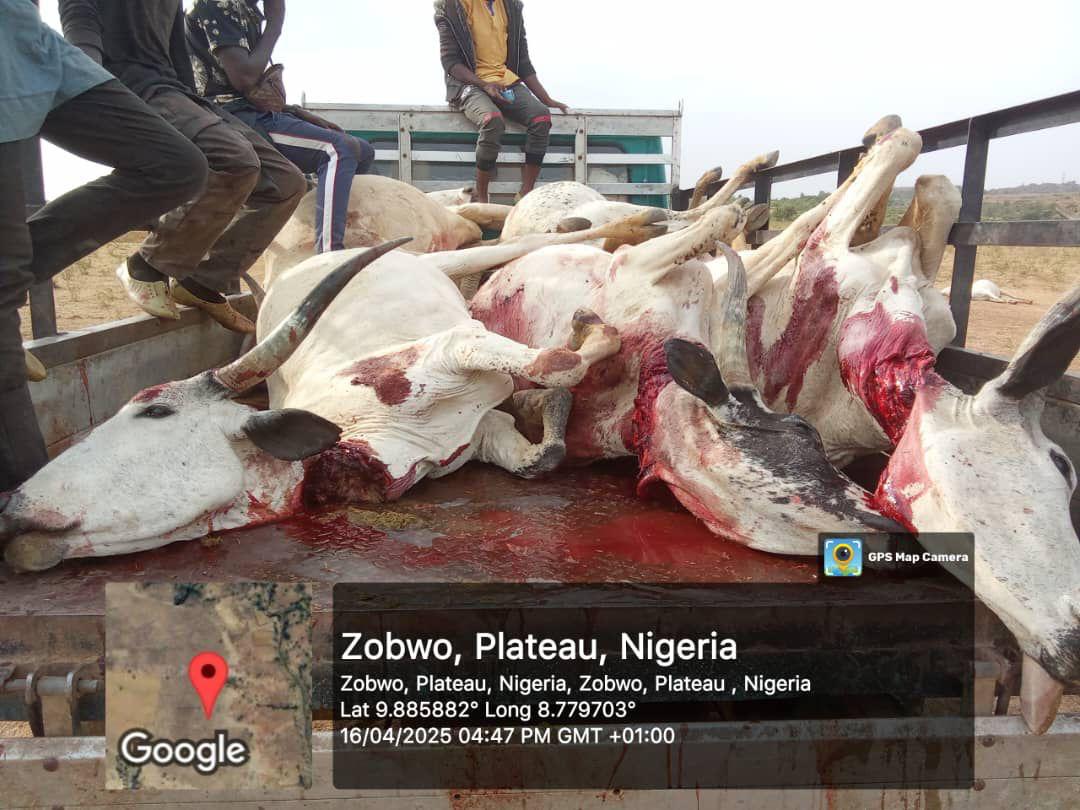
In the quiet, hilly expanse of Zamura community in Bassa Local Government Area of Plateau State, a tragic scene unfolded on April 16. 28 cows, while grazing under the afternoon sun, dropped dead allegedly poisoned by unknown individuals. What may appear to be an isolated incident is which doesn’t appear in news or make headlines, in fact, a window into the deeper and more enduring fault lines that continue to plague Plateau State.
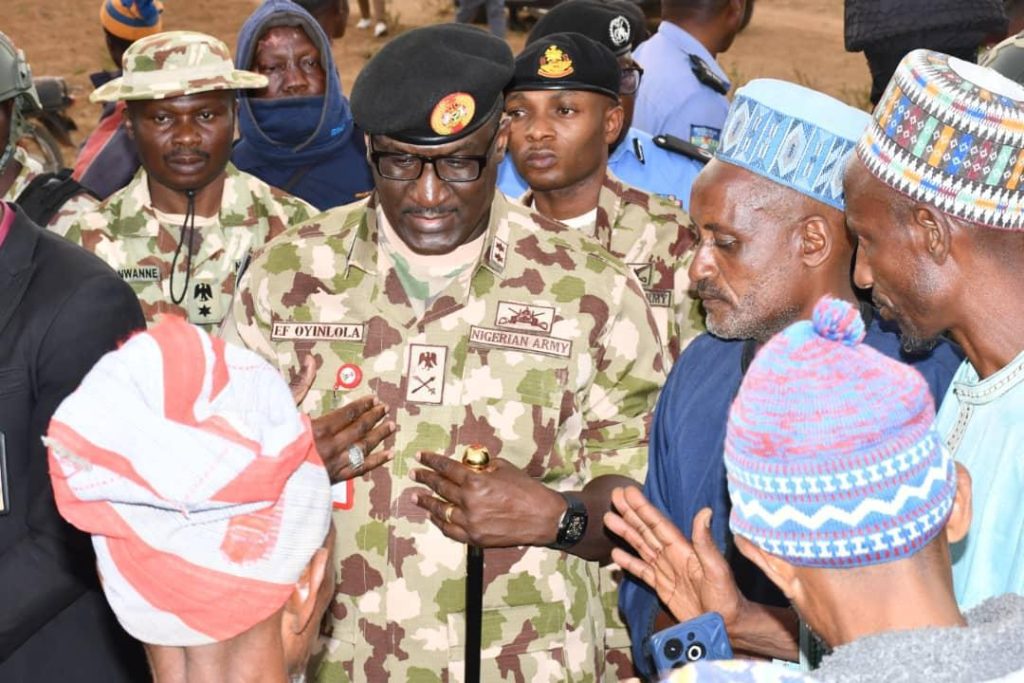
This was just few days after cattle were rustled in Murish village, Mangu Local Government Area, by a group of about 30 youths. One of the herders, 21-year-old Abdullahi Suleiman, remains missing. Of the rustled livestock, only 11 have been recovered. No trace of the perpetrators or arrest were made. At the time, this incidences were taken place, the people of Kimakpa Village in Miango District have not overcome the aftermath of the brutal massacre of innocent men, women and children who were attacked in their sleep by what the government agencies said were unknown gunmen. But are the perpetrators really not known,”? NO.
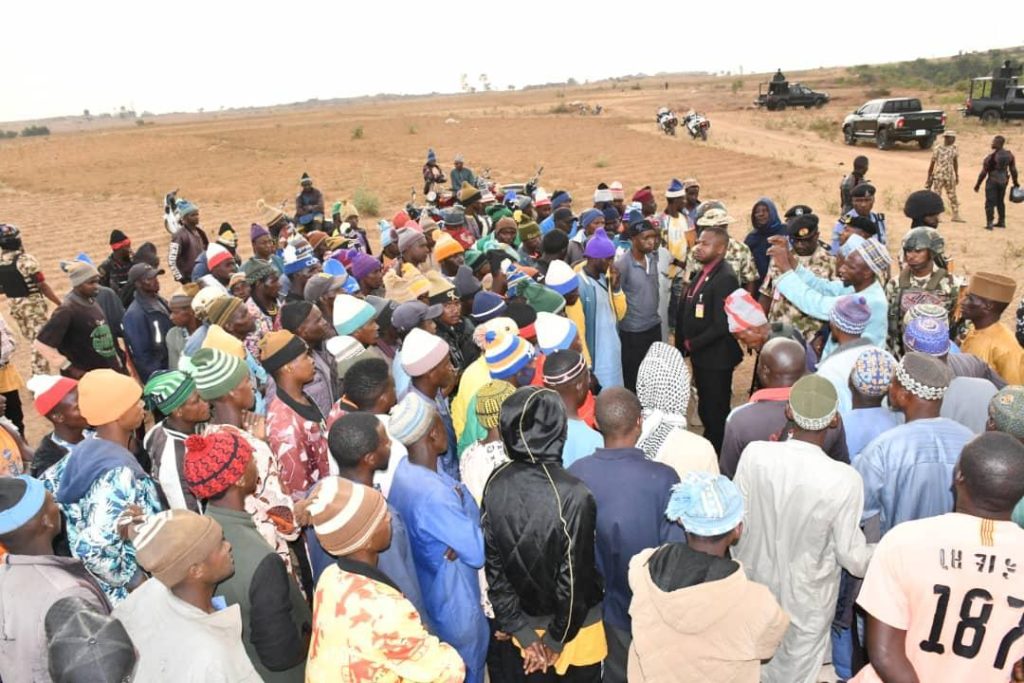
The recurring cycle of these violence and reprisal in parts of Plateau is often viewed through the lens of religious, land occupation and ethnic tensions. But it is not about land. It is no longer credible to suggest that these attacks are merely about land grabbing or cattle grazing disputes. However, beneath these headlines lie silent triggers of unreported incidences that stoke anger, fuel mistrust, and perpetuate conflict in communities already teetering on the edge.
The individuals who are perpetrating these attacks are known. They lived within the communities. Yet, no one is willing to point fingers in the right direction. No one dares to break the silence and no arrest will be made at the end of the day. And even when perpetrators are caught in the act, top officials, traditional rulers and the security agencies will always find a way to disposed the cases without allowing justice to prevail.
The National Security Adviser, Mallam Nuhu Ribadu, has recently emphasized the urgent need for a shift from reactive disaster response to proactive, anticipatory action, describing it as a national security imperative. Ribadu who made the remarks at a high-level workshop on “Coordinated Risk Monitoring and Communication for Floods and Other Disasters,” held at the National Counter Terrorism Center (NCTC), under the Office of the National Security Adviser (ONSA) on Wednesday April 16, 2025.
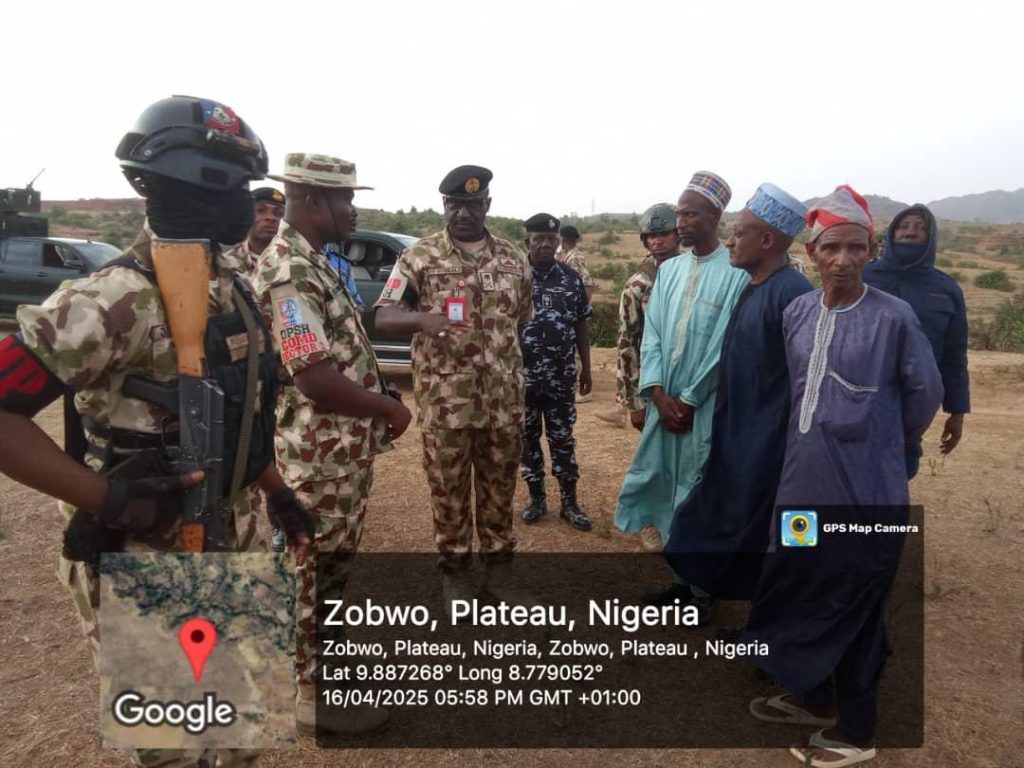
He warned that poorly managed disasters could trigger cascading security risks, including mass displacement, the destruction of critical infrastructure, and the deepening of societal fragilities. “Unmanaged disasters exacerbate insecurity and fuel vulnerabilities. If we fail to prepare, we risk overwhelming our response systems when crises occur,” Ribadu added.
The reason crises continue is because no one is ever held accountable,” said a local elder in Miango District. “Whether it’s a poisoned cow or those who burnt villages, people act with impunity, knowing nothing will happen in the end. The most concerning aspect of incidents like this is not just the loss, but the aftermath. For pastoralist communities, cattle are not just animals. They represent livelihood, heritage, and sustenance. To lose nearly thirty animals in one day without warning or confrontation represents a devastating economic and emotional loss. For many herding families, this is the equivalent of losing their farms, homes, and life’s savings in a single act,”he said.
In Plateau State, mistrust between farming and herding communities has persisted for decades. Efforts at peacebiulding whether through state government panels, non-governmental interventions, or community dialogues often fail to address the granular realities of life in rural conflict prone areas. These include issues of land access, grazing routes, resource competition, and crucially, justice on both sides. For many in Plateau, peace remains elusive not because of a lack of effort, but because of the absence of consistent, fair, and timely responses to incidents that ignite violence by the state government and other response agencies. When cattle are poisoned, and perpetrators go unidentified; when farmers or communities are attacked, and no arrests are made each failure builds a wall of silence and suspicion between neighbours.
Security may contain violence temporarily, but true peace requires addressing the root causes. In Kimakpa, Kimakpa, Zamura and other parts of Bassa, these causes are deeply embedded in the daily lives of ordinary people farmers and herders, youth and elders, victims and survivors.
As Plateau State continues its journey toward recovery and reconciliation, incidents like the mass cattle poisoning are stark reminders that peace is not just the absence of gunfire. It is the presence of fairness, of justice, and of deliberate efforts to dismantle the small but deadly acts that make violence feel inevitable.
Until those foundations are built and built in truth the crisis in Plateau may remain unsolved.
Zagazola Makama is a Counter Insurgency Expert and Security Analyst in the Lake Chad Region.
Silent Triggers of Conflict: The Poisoning of 28 Cattle and Another Unfolding Crisis in Plateau


Military
COAS commissions 6 Division RSM House, reaffirms frontline leadership role of regimental sergeant majors
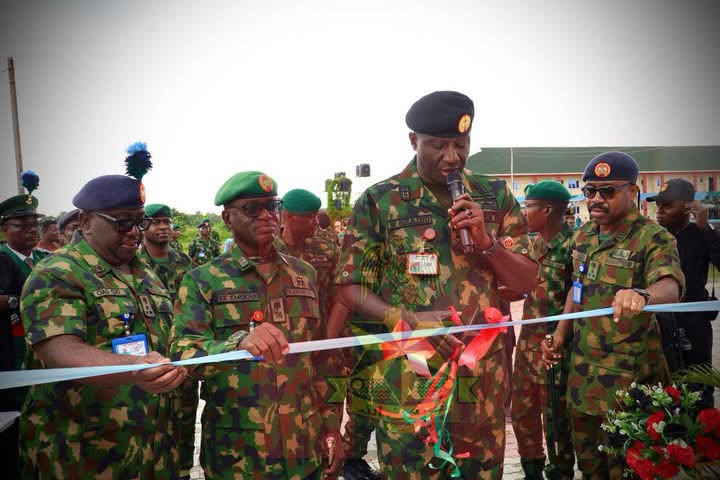
COAS commissions 6 Division RSM House, reaffirms frontline leadership role of regimental sergeant majors
By Zagazola Makama
The Chief of Army Staff (COAS), Lieutenant General Waidi Shaibu, has reaffirmed the critical role of Regimental Sergeant Majors (RSMs) in strengthening discipline, leadership and operational effectiveness across the Nigerian Army.
The COAS made the remarks on Friday during the commissioning of the newly constructed 6 Division Regimental Sergeant Major’s House in Port Harcourt as part of activities marking the 163rd Nigerian Army Day Celebration (NADCEL 2026).
Speaking at the event, Lt.-Gen. Shaibu described RSMs as the backbone of regimental administration and custodians of discipline, standards and morale within the Army.

He said the provision of dedicated accommodation for RSMs was not merely a welfare initiative but a strategic investment aimed at enhancing leadership at the unit level and improving operational efficiency.
According to the Army Chief, RSMs play a vital role in translating command directives into action, maintaining troop cohesion and ensuring effective implementation of operational orders across various theatres of operation.
He added that the senior non-commissioned officers also serve as the crucial link between officers and soldiers, fostering professionalism, mutual trust and esprit de corps within formations and units.

Shaibu noted that the influence of RSMs in mentoring soldiers, enforcing discipline and sustaining troop morale remains indispensable to the success of military operations.
He stressed that providing conducive accommodation for key regimental leaders would enhance their ability to discharge their responsibilities effectively and contribute to improved operational readiness.
The COAS reiterated that under his “Soldier First” philosophy, the welfare of personnel, particularly those occupying critical leadership positions, remains a top priority.
He maintained that sustained investment in welfare infrastructure and leadership development would continue to strengthen the Nigerian Army’s capacity to remain a resilient, professional and combat-ready force capable of addressing the country’s evolving security challenges.
COAS commissions 6 Division RSM House, reaffirms frontline leadership role of regimental sergeant majors
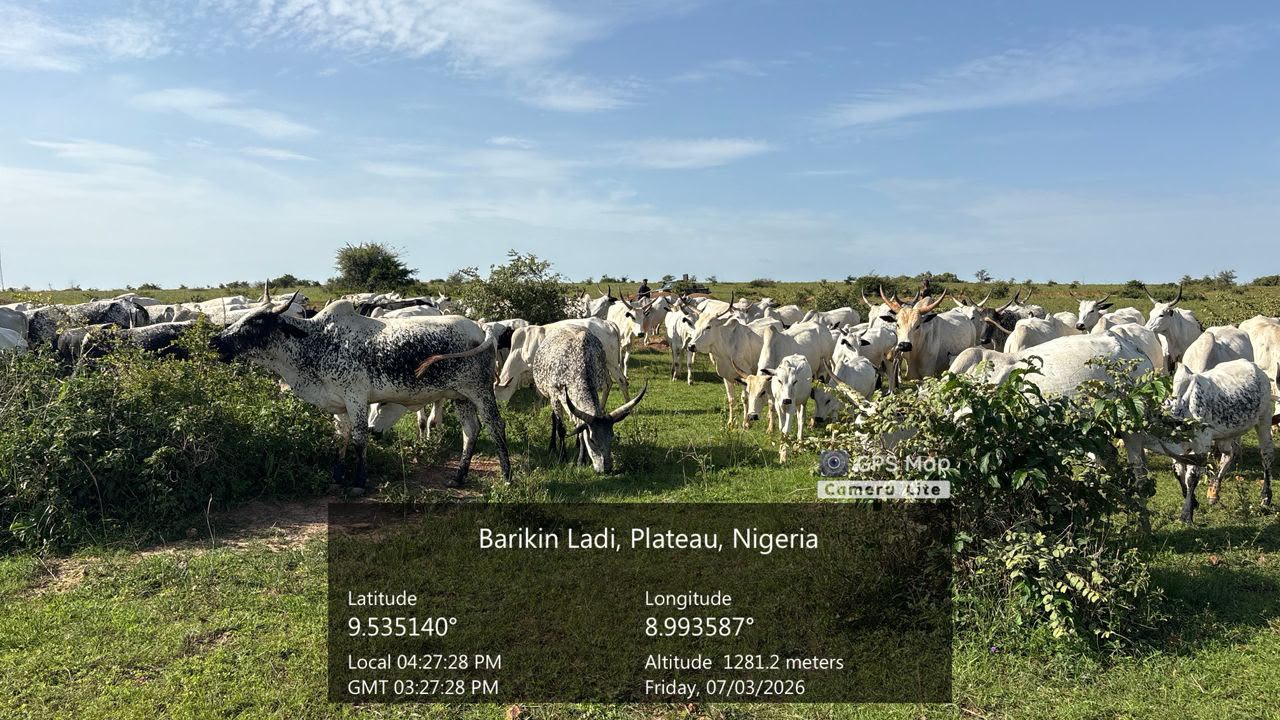
Troops intercept cattle grazing in restricted area in Plateau, herders flee
By: Zagazola Makama
Troops of Operation Enduring Peace (OPEP) have intercepted a herd of cattle found grazing in a restricted area in Barkin Ladi Local Government Area of Plateau State.
Intelligence sources told Zagazola Makama that the troops of Sector 4 OPEP responded to a report of illegal grazing at about 3:30 p.m. on Friday in Nyerwie village.
The sources said that upon arrival at the location, the troops found a herd of cattle grazing in the restricted area.
The herders reportedly fled into nearby bushes on sighting the troops, abandoning the livestock.
The intercepted cattle were subsequently moved to a secure location for necessary administrative action, while efforts are ongoing to identify and apprehend the fleeing herders, the sources said.
Troops intercept cattle grazing in restricted area in Plateau, herders flee
Troops Arrest Two Suspected Vandals, Recover Stolen Construction Materials in Jos
By: Zagazola Makama
Troops of Operation Enduring Peace (OPEP) have arrested two suspected vandals in Jos North Local Government Area of Plateau State for allegedly stealing construction materials from an ongoing road construction site.
Security sources said the suspects, identified as Arin Itse, 21, and Agwom Christopher, 19, were arrested at about 9:30 a.m. on Friday during a routine patrol by troops of Sector 1, Sub-Sector 12, along the Kwanga road in Jos North.
The sources said the suspects were intercepted while in possession of iron rods suspected to have been stolen from a road construction company handling an ongoing project in the area.
According to the sources, the suspects were taken into custody for further investigation, while the recovered iron rods were handed over to the construction company.
The sources added that investigations were ongoing to determine the circumstances surrounding the alleged theft and whether other persons were involved.
Troops Arrest Two Suspected Vandals, Recover Stolen Construction Materials in Jos

COAS commissions 6 Division RSM House, reaffirms frontline leadership role of regimental sergeant majors

Troops intercept cattle grazing in restricted area in Plateau, herders flee

Troops Arrest Two Suspected Vandals, Recover Stolen Construction Materials in Jos

Roger Federer’s Shock as DNA Results Reveal Myla and Charlene Are Not His Biological Children

THE PLIGHT OF FARIDA

FAILED COUP IN BURKINA FASO: HOW TRAORÉ NARROWLY ESCAPED ASSASSINATION PLOT AMID FOREIGN INTERFERENCE CLAIMS
-
 News2 years ago
Roger Federer’s Shock as DNA Results Reveal Myla and Charlene Are Not His Biological Children
-
Opinions4 years ago
THE PLIGHT OF FARIDA
-
 News1 year ago
FAILED COUP IN BURKINA FASO: HOW TRAORÉ NARROWLY ESCAPED ASSASSINATION PLOT AMID FOREIGN INTERFERENCE CLAIMS
-

 News2 years ago
EYN: Rev. Billi, Distortion of History, and The Living Tamarind Tree
-
 Opinions5 years ago
POLICE CHARGE ROOMS, A MINTING PRESS
-

 ACADEMICS2 years ago
A History of Biu” (2015) and The Lingering Bura-Pabir Question (1)
-

 Columns2 years ago
Army University Biu: There is certain interest, but certainly not from Borno.
-

 Politics1 year ago
2027: Why Hon. Midala Balami Must Go, as Youths in Hawul and Asikira/Uba Federal Constituency Reject ₦500,000 as Sallah Gift
