
Uncategorized
Sudan Calls for Stiffer Sanctions Against RSF for Resurgent Attacks on Civilians

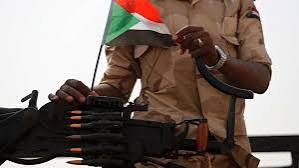
Sudan Calls for Stiffer Sanctions Against RSF for Resurgent Attacks on Civilians
By: Michael Mike
Sudanese Government has condemned recent attack on civilians by the militia, calling on the international community to come had on the Rapid Support Forces (RSF) which is currently in battle with the Sudanese Army.
The militia was alleged to have attacked the Merowe power station and substations in Al-Shawak, Sinnar, Sennjah, Atbara, and Dongola, with the aim of disrupting electricity and water supplies to the safer states, and deliberately crippling essential services, such as hospitals, bakeries, food production, and public utilities, so as to further deepens the suffering of the Sudanese people.
Reacting to the recent attack in Abuja on Friday, the Charge d’ Affaires of the Embassy of the Republic of Sudan in Nigeria, Mr Ahmed Omer Jaboul, said these practices constitute a flagrant violation of international humanitarian law and conventions.
The envoy while calling on United Nations and its agencies, African Union and humanitarian agencies to act against the militias, said: “The government affirms that the militias commission of this type of crime represents a flagrant violation of international humanitarian law and the Geneva Conventions on vital facilities.
“The Sudanese government calls on all countries and human rights organisations to classify the militia, its members, and its agents from countries, institutions and individuals as terrorist entities that are pursued and punished internationally.”
He alleged that: “In continuation of its destructive and criminal approach, the rebel Rapid Support Militia today burned the Khartoum Refinery in Jele. This operation is a continuation of a series of systematic criminal practices in destroying vital facilities in Sudan. It has previously destroyed water and electricity stations, dams, hospitals, citizens’ homes, government institutions, museums, schools, universities, and other vital facilities.
“These practices constitute a flagrant violation of international humanitarian law and the Geneva Conventions, which prohibit targeting vital facilities.
“This is an attack done by the rebel RSF militia on the Al-Shawak power station in Gedaref State, Eastern Sudan, as well as on the Gedaref water station.
“These attacks were done on Sinnar and Sinja and Dongla States power stattions.”
The Sudanese government had earlier in a statement issued by its Ministry of Foreign Affairs Office of the Spokesperson and Media Directorate, alleged that after realizing its utter inability to confront the Sudanese Armed Forces (SAF) and supporting forces, in the wake of
humiliating losses it has sustained, the Janjaweed RSF militia, restored to overt acts of terrorism, targeting power
stations, water facilities, hospitals, remote villages, internally displaced persons (IDP) camps, and civilian convoys.
The statement read that: “Over the past few days, the RSF militia has carried out
multiple drone strikes on the Merowe power station and substations in Al-Shawak, Sinnar, Sennjah, Atbara, and Dongola. These attacks aim to disrupt electricity and water supplies to the safer states, deliberately crippling essential services, such as hospitals, bakeries, food production, and public utilities, which further deepens the suffering of the
Sudanese people. These crimes are part of a broader genocidal strategy being pursued within the context of its war of aggression against the Sudanese people, with the
support of its regional sponsors.
“At the same time, the RSF militia continue to perpetrate massacres in villages across Gezira State and has escalated
its assaults on IDP camps in North Darfur, notably the Abu Shok and Zamzam camps. In addition, the RSF has attacked
civilian infrastructure in El Fasher. Despite repeated calls for accountability, the militia remains in defiant violation of UN
Security Council Resolution 2736 (2024), threatening further massacres in the city of El Fasher.
“The Government of Sudan strongly condemns these actions and calls on the international community, particularly the
United Nations, to take immediate and decisive action. The Government urges the international community to
unequivocally condemn these terrorist crimes as clear violations of international humanitarian law, the Jeddah
Declaration, and the relevant UN Security Council resolutions.
“The Government further urges the international community to take effective measures against the RSF terrorist militia to prevent further criminal actions.”
Sudan Calls for Stiffer Sanctions Against RSF for Resurgent Attacks on Civilians


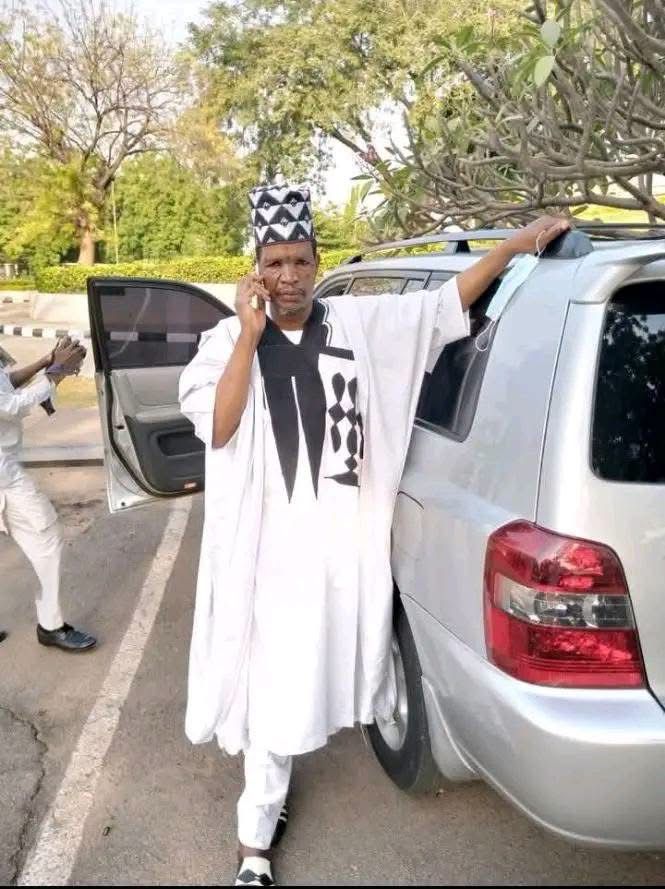
MACBAN Chairman, Son Killed After Peace Meeting in Benue
By: Zagazola Makama
The Chairman of the Miyetti Allah Cattle Breeders Association of Nigeria (MACBAN) in Benue State, Alhaji Ardo Risku, and his son, Ibrahim, have reportedly been killed by local militia members while returning from a peace meeting in Otukpo, Benue state.
Sources said the incident occurred near Ahimeni in the Okodu area as the victims were travelling home after participating in the meeting aimed at fostering peaceful coexistence among communities.
The killing has sparked renewed concern over the persistent insecurity in parts of Benue State, where recurring attacks have continued to claim lives and heighten ethnic tensions.
Community members described the incident as tragic, noting the irony that the victims lost their lives shortly after attending a meeting dedicated to promoting peace and dialogue.
Stakeholders have urged Nigerians not to allow the actions of criminal elements to fuel ethnic profiling or collective blame, stressing that criminality should remain an individual responsibility rather than being attributed to any ethnic or religious group.
They noted that millions of Fulani men, women and children are law-abiding citizens who contribute to their communities and should not be targeted because of the actions of a few criminal elements.
The incident has further pointed to the need for sustained collaboration among government, security agencies, traditional rulers, religious leaders and community stakeholders to address insecurity and strengthen peace-building initiatives across the country.
As of the time of filing this report, security authorities had yet to issue an official statement on the incident, while efforts were reportedly ongoing to apprehend the perpetrators.
The latest attack adds to growing concerns over the cycle of violence in parts of the country and highlights the urgent need for lasting measures to safeguard innocent lives and promote peaceful coexistence among all Nigerians.
MACBAN Chairman, Son Killed After Peace Meeting in Benue
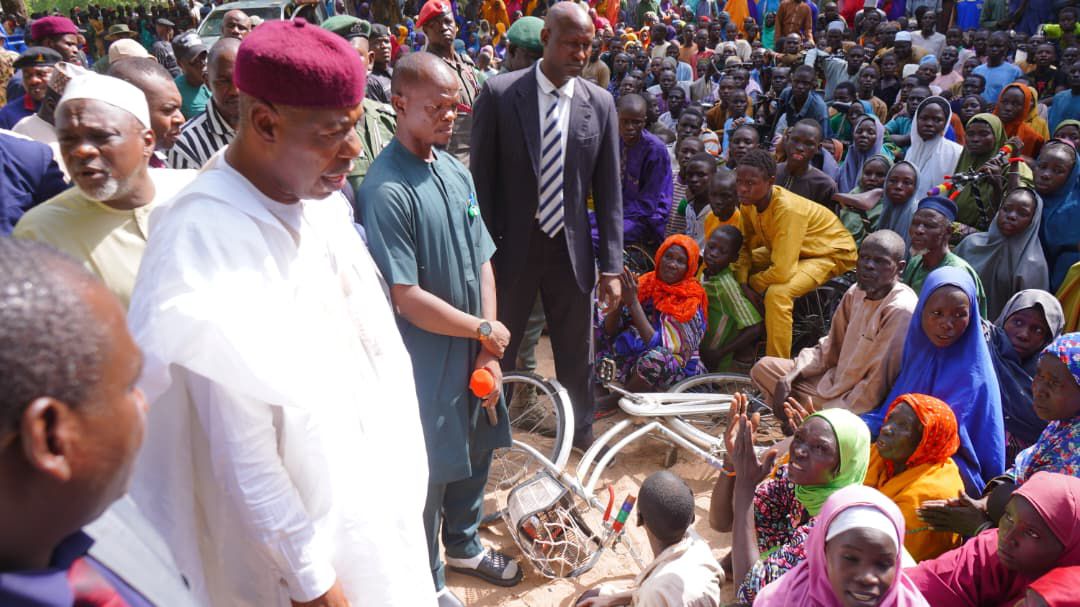
Zulum closes Borno’s largest IDP camp in Bama, says Gwoza follows
By: Our Reporter
Governor Babagana Umara Zulum of Borno State has ordered the immediate closure of the Internally Displaced Persons (IDP) camp in Bama, the largest displacement facility outside the state capital, Maiduguri, while also hinting that the Gwoza camp would follow suit.
The Governor announced this on Thursday in Gwoza shortly after an assessment visit to Government Secondary School IDP camp.
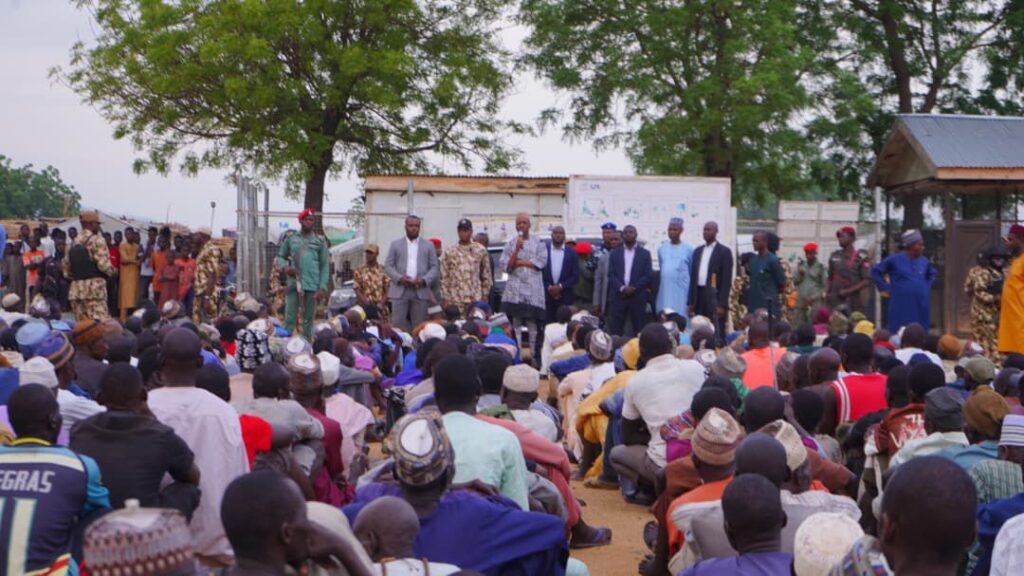
“We visited Bama yesterday and supervised the screening of IDPs, and by 12 noon, Bama IDP camp should be closed,” Zulum stated. “Today we are here in Gwoza, we have profiled all of them, and Insha Allah, in the next two or three weeks this camp will also be closed.”
According to Governor Zulum, the return has been made possible by the relative peace now prevailing in most communities hitherto occupied by Boko Haram insurgents.
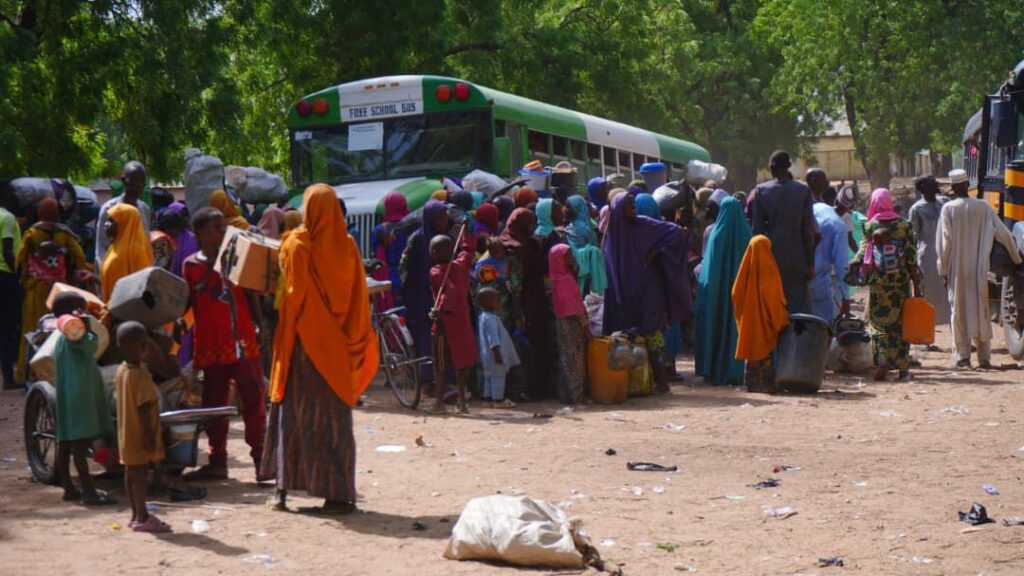
In the past seven years, Borno State Government has successfully resettled several communities in Bama Local Government Area, including Darajamal, Nguro Soye, Goniri, Banki, Abbaram, Ngoshe, Kirawa, Warabe and other locations across the state.
However, Governor Zulum expressed deep concern over the rising criminality within IDP camps, pointing to the proliferation of illicit activities that have turned these facilities into hotspots for social vices. “In our camps now, there is an ongoing criminality; we have identified all of them and they’ll be resettled based on their localities and to their community heads. Otherwise, Boko Haram/ISWAP are gradually infiltrating the camps.”
He also raised the alarm over the disturbing trend of people leaving their homes to resettle in camps to collect relief items from non-governmental organisations. The Governor hinted that a significant number of fake IDPs had been identified during the screening exercise, stressing that the government cannot sustain the maintenance of camps under such circumstances.
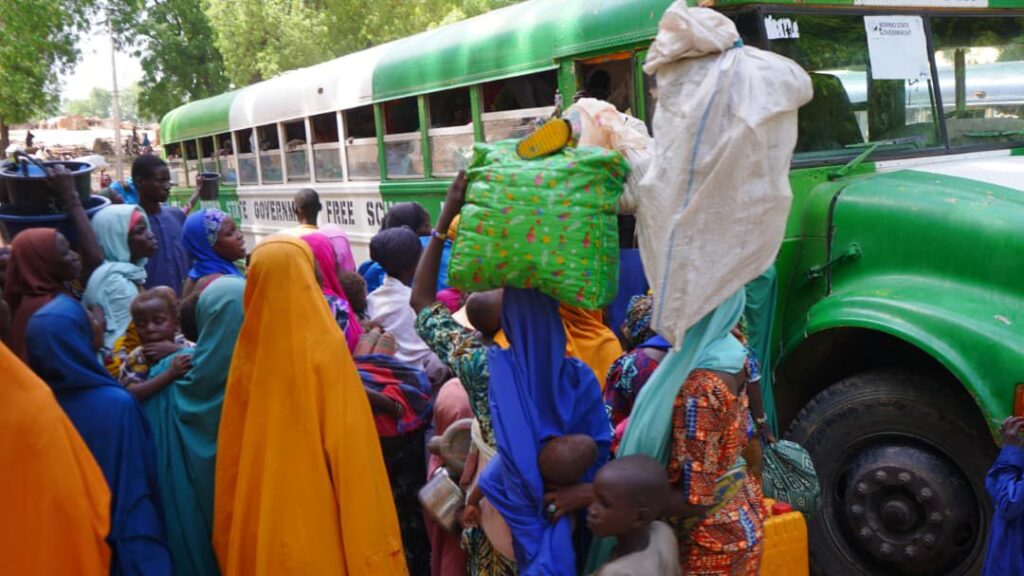
The Governor also hinted that the Gwoza IDP camp would follow the Bama camp in the next phase of closures. Several other camps in different parts of the state will also be closed before his tenure ends, Zulum noted.
“Many of those that are residents living in their homes are returning to the camps to receive handouts from non-governmental organisations. We will ensure the returns are sustainable. One year ago, this was almost a ghost camp with not more than about 400 households. It is surprising that about 3,000 households are back in the camp, and most of them are residents living within the town.”
Zulum closes Borno’s largest IDP camp in Bama, says Gwoza follows
Sowore’s Attack on NUJ Over DSS Chief’s Award Baseless, Threatens Free Speech – Group
By: Michael Mike
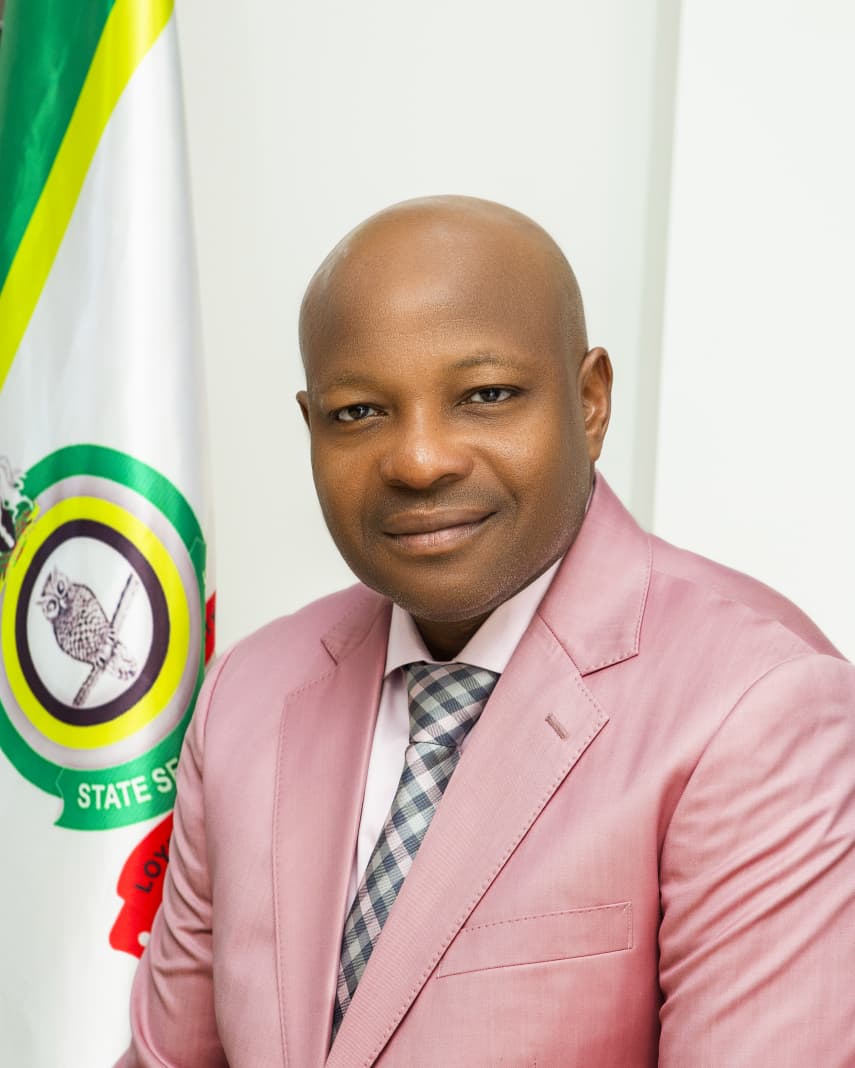
The Centre for Public Integrity has condemned what it described as an “asinine and unwarranted attack” by former presidential candidate of the African Action Congress (AAC), Omoyele Sowore, against the Nigeria Union of Journalists (NUJ) over its recent “Man of the Year” award to the Director-General of the Department of State Services (DSS), Mr. Oluwatosin Ajayi.
In a statement issued on Sunday and signed by its National Coordinator, Comrade Job Samuel Danfulani, the group said Sowore’s criticism of the award raises serious moral, legal and security concerns, particularly because of what it termed a baseless attack on the NUJ.
The organisation acknowledged that Sowore had the right to disagree with the award but insisted that such criticism should be expressed “with decency and within the ambit of the law.”
The Centre noted that Ajayi had previously received recognition from major media bodies, including the International Press Institute (IPI), which in December commended him for his commitment to press freedom and respect for journalists. According to the group, the IPI had praised the DSS under Ajayi’s leadership for demonstrating professionalism, restraint and openness to dialogue, in contrast to past allegations of hostility toward the media.
The statement also highlighted several actions credited to Ajayi, including the removal of veteran journalist and Executive Director of the International Press Centre, Lanre Arogundade, from the DSS watchlist in April 2025 after more than three decades, as well as the withdrawal of cyber defamation charges against Order Paper newspaper and its staff following his intervention.
The Centre further pointed out that the Broadcasting Organisation of Nigeria (BON) had honoured Ajayi with a “Friend of the Media” award in April 2026, questioning why Sowore had not publicly objected to those recognitions but chose to criticise the NUJ award.
According to the group, the NUJ presented the “Man of the Year” award to the DSS chief at the conclusion of its two-day National Security Summit in Abuja, citing his efforts in promoting partnership, openness and mutual respect between the media and security institutions.
The organisation argued that journalists have the professional responsibility to commend or criticise public officials based on verifiable facts and performance, adding that several media stakeholders have publicly praised Ajayi’s leadership style.
It also referenced a recent tribute by veteran journalist and former Director-General of the Nigerian Television Authority (NTA), Dr. Tonnie Iredia, who reportedly commended the DSS chief’s approach to leadership and engagement with the media.
The Centre urged human rights organisations and journalists to condemn what it described as Sowore’s disrespect for the journalism profession, stressing that freedom of expression should not be used to undermine the dignity of others.
The group further appealed to Ajayi not to be distracted by criticism and to remain committed to upholding the rule of law in the discharge of his duties.
“The DSS under Mr. Ajayi has increasingly embraced legal processes and judicial adjudication in resolving disputes. Such commitment to the rule of law should not be diminished by provocative actions,” the statement said.
Sowore’s Attack on NUJ Over DSS Chief’s Award Baseless, Threatens Free Speech – Group

Benue Police Condemn Killing of MACBAN Chairman, Launch Full Investigation

Suspected Looter Dies After Arrest Attempt in Borno, Illicit Drugs Recovered

KACRAN Rejects State Police, Pushes Jobs and Dialogue as Solution to Insecurity

Roger Federer’s Shock as DNA Results Reveal Myla and Charlene Are Not His Biological Children

THE PLIGHT OF FARIDA

FAILED COUP IN BURKINA FASO: HOW TRAORÉ NARROWLY ESCAPED ASSASSINATION PLOT AMID FOREIGN INTERFERENCE CLAIMS
-
 News2 years ago
Roger Federer’s Shock as DNA Results Reveal Myla and Charlene Are Not His Biological Children
-
Opinions4 years ago
THE PLIGHT OF FARIDA
-
 News1 year ago
FAILED COUP IN BURKINA FASO: HOW TRAORÉ NARROWLY ESCAPED ASSASSINATION PLOT AMID FOREIGN INTERFERENCE CLAIMS
-

 News2 years ago
EYN: Rev. Billi, Distortion of History, and The Living Tamarind Tree
-
 Opinions5 years ago
POLICE CHARGE ROOMS, A MINTING PRESS
-

 ACADEMICS2 years ago
A History of Biu” (2015) and The Lingering Bura-Pabir Question (1)
-

 Columns2 years ago
Army University Biu: There is certain interest, but certainly not from Borno.
-

 Politics1 year ago
2027: Why Hon. Midala Balami Must Go, as Youths in Hawul and Asikira/Uba Federal Constituency Reject ₦500,000 as Sallah Gift
