
News
UMTH’s Mental Health and Drug Rehabilitation Centre as a Beacon of Progress in Nigerian Healthcare

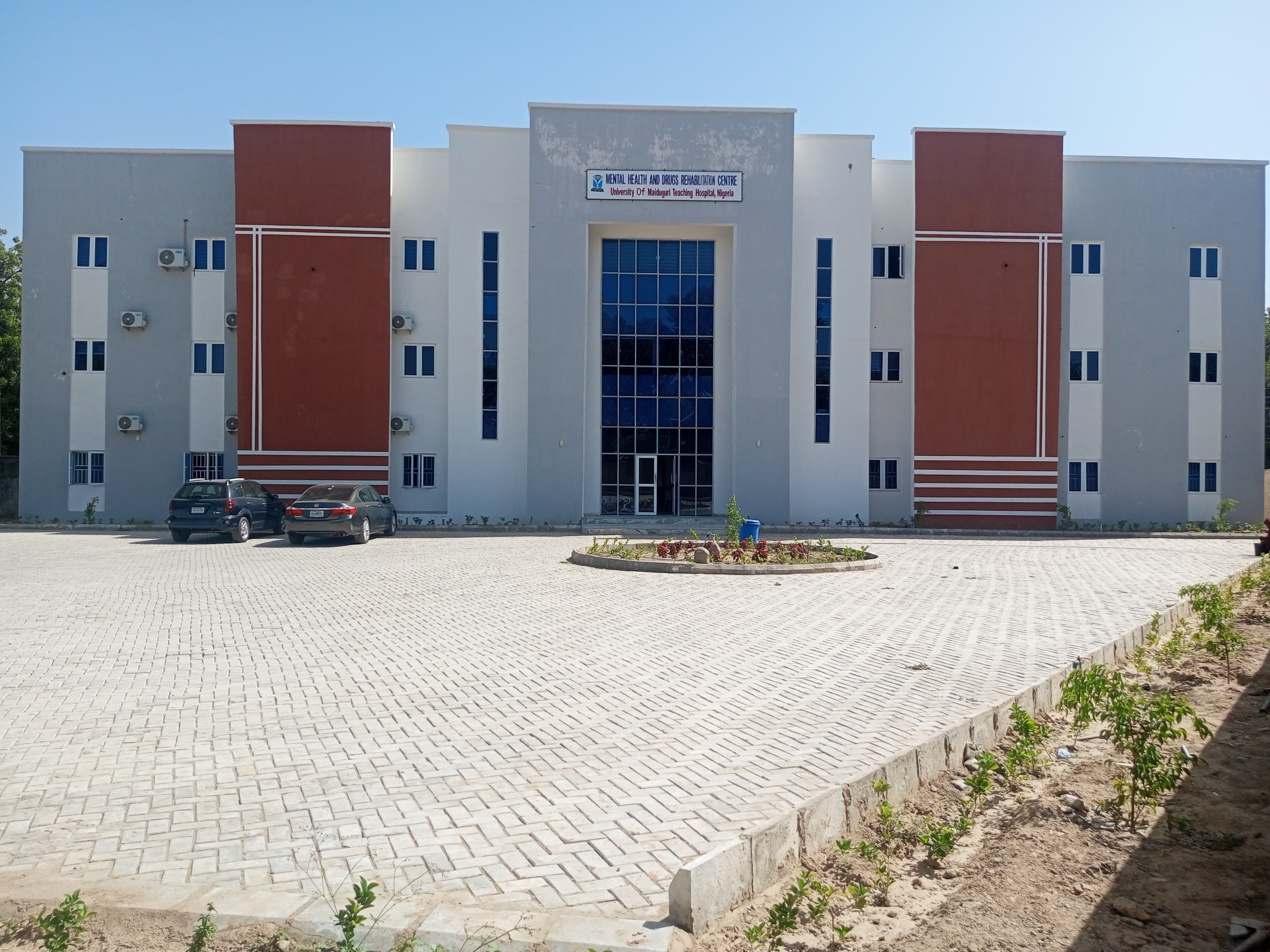
UMTH’s Mental Health and Drug Rehabilitation Centre as a Beacon of Progress in Nigerian Healthcare
By: Balami Lazarus
The University of Maiduguri Teaching Hospital (UMTH), under the stewardship of Professor Ahmed Ahidjo, exemplifies transformative progress. The recent commissioning of the Mental Health and Drug Rehabilitation Centre by President Ahmed Bola Tinubu GCFR is not only a milestone in UMTH’s history but also a clarion call for nationwide recognition and support for mental health and substance abuse treatment.
NEWSng reports that the significance of this centre within the broader context of Nigerian healthcare is emphasised, highlighting the exemplary leadership of Prof. Ahidjo, whose strategic acumen, interpersonal skills, and ability to galvanise support have elevated UMTH to international standards. The establishment of this centre heralds a new dawn—one that promises improved mental health outcomes, enhanced quality of life for patients, and a progressive blueprint for other institutions to emulate.
To fully appreciate the significance of the Mental Health and Drug Rehabilitation Centre at UMTH, one must first comprehend the historical and societal context surrounding mental health and drug dependency in Nigeria. Traditionally shrouded in stigma and misunderstanding, mental illnesses and substance abuse disorders have been marginalised, often relegated to the shadows of public health priorities. This neglect has manifested in inadequate infrastructure, insufficient specialised personnel, and limited accessibility to effective treatment options.
Consequently, many affected individuals have suffered in silence, their conditions exacerbating due to lack of timely intervention. Against this backdrop, the inauguration of a dedicated facility at UMTH represents a radical shift—from neglect to proactive engagement, from marginalisation to mainstream inclusion of mental health within Nigeria’s healthcare agenda.
The centre’s multifaceted role cannot be overstated. It is designed not only as a treatment hub but also as a rehabilitation sanctuary, enabling comprehensive care that addresses both the medical and psychosocial dimensions of mental health and drug-related ailments. By providing access to evidence-based therapies, counselling services, and holistic rehabilitation programmes, the centre aims to restore patients’ dignity, reintegrate them into society, and reduce the socio-economic burdens associated with untreated mental illness and addiction. Moreover, its existence signals to the Nigerian public and global health community alike that mental health deserves equal prioritisation alongside physical health—a vital step towards de-stigmatisation and empowerment of affected populations.
Central to the realisation of this visionary initiative is the exceptional leadership of Professor Ahmed Ahidjo, whose stewardship has been pivotal in transforming UMTH from a regional hospital to an internationally recognised medical institution. Observers and collaborators frequently marvel at his seemingly magical ability to attract funding, forge partnerships, and drive infrastructural development amidst the myriad challenges confronting Nigerian hospitals. While his extensive experience and exposure in medical and healthcare sectors undoubtedly contribute significantly, it is Prof. Ahidjo’s interpersonal and human relationship skills that serve as the true catalyst behind these achievements. His reputation as a leader who builds trust and fosters collaborative networks has enabled UMTH to become a magnet for donations, expert collaborations, and technological upgrades.
To illustrate, organisations such as Christian Blind Mission (CBM) International and the Church of Christ in Nigeria (COCIN) have delivered ophthalmic diagnostic and surgical equipment valued at hundreds of millions of naira to UMTH, explicitly acknowledging Prof. Ahidjo’s commendable leadership and the hospital’s international standards. Such endorsements reveal a crucial dynamic: high-calibre leadership not only attracts resources but also inspires confidence among stakeholders and donors. In contrast to other medical facilities scrambling for funds, UMTH exemplifies a successful model of resource mobilisation and sustainable development. This lesson holds vital implications for healthcare governance across Nigeria and beyond.
The Mental Health and Drug Rehabilitation Centre embodies a strategic investment in human capital and societal well-being. Mental health disorders and substance abuse are often intertwined with poverty, unemployment, and social discord. By addressing these ailments effectively, the centre contributes not just to individual recovery but to broader social stability and economic productivity. Patients who receive proper care become empowered to pursue education, employment, and community engagement, thereby breaking cycles of marginalisation and hardship. This virtuous cycle aligns with national development goals and global commitments to health equity and social justice.
Critically, the timing of this centre’s commissioning coincides with increasing recognition worldwide of mental health as integral to overall health. The World Health Organization and numerous international agencies emphasise the necessity of accessible mental health services integrated within primary healthcare systems. UMTH’s Mental Health and Drug Rehabilitation Centre positions Nigeria at the vanguard of this global movement, demonstrating capacity and willingness to tackle complex health issues comprehensively. It sends a powerful message domestically that investments in mental health infrastructure yield tangible returns in human and economic terms.
Yet, despite these laudable advances, sustained success demands ongoing commitment from government authorities, private sector actors, civil society, and the international community. The initial momentum must be matched by continuous funding, policy support, workforce training, and public awareness campaigns. Only through a concerted, multi-sectoral approach can the full potential of the centre be realised. Stakeholders should consider the UMTH example as a prototype, encouraging replication and adaptation tailored to diverse regional needs. Therein lies the promise of transforming Nigeria’s healthcare landscape into one characterised by inclusivity, innovation, and responsiveness.
The recent inauguration of the Mental Health and Drug Rehabilitation Centre at UMTH represents more than a physical addition to hospital infrastructure; it symbolises a transformative leap toward comprehensive, compassionate, and internationally benchmarked healthcare in Nigeria. At the heart of this achievement is Professor Ahmed Ahidjo’s visionary leadership and his extraordinary ability to mobilise resources and build partnerships that translate aspirations into reality.
This centre offers renewed hope to individuals grappling with mental health and substance abuse challenges while simultaneously serving as an inspiring model for other healthcare institutions. It is incumbent upon all stakeholders to recognise the value of such initiatives and to support their expansion, ensuring that the dawn of this new era in Nigerian healthcare does not fade but shines ever brighter for generations to come.
UMTH’s Mental Health and Drug Rehabilitation Centre as a Beacon of Progress in Nigerian Healthcare


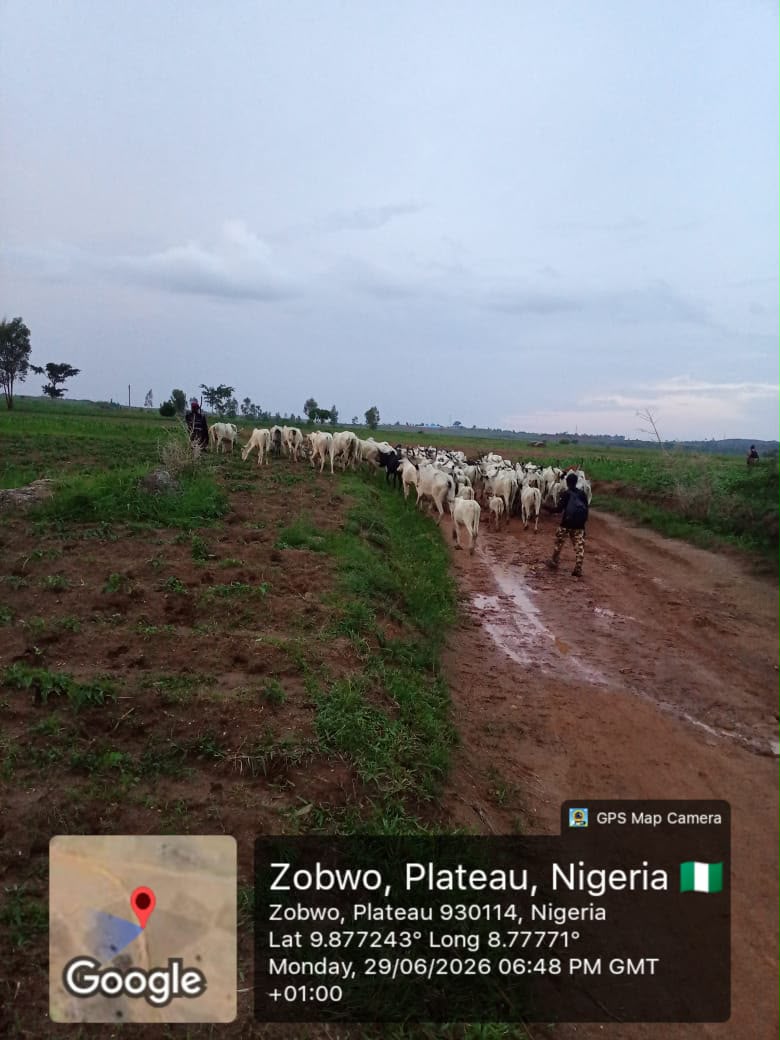
Troops Rescue Farmer Shot by Suspected Armed Herders in Plateau, Recover Abandoned Cattle
By Zagazola Makama
Troops of Sector 3, Operation Enduring Peace (OPEP), have rescued a farmer who was shot by suspected armed herders during an attack in Bassa Local Government Area of Plateau State.
Sources told Zagazola Makama that the incident occurred at about 4:20 p.m. on June 29 around Jebbu Miango community, where the assailants attacked a farmer identified as Mr. Lambat.
The sources said troops swiftly responded to a distress call and engaged the attackers, forcing them to flee the area before they could inflict further harm.
During the intervention, the troops rescued the victim, who had sustained gunshot wounds, and evacuated him to ENOS Hospital in Miango for urgent medical treatment.
The troops also recovered a herd of cattle abandoned by the fleeing suspects. The animals were moved to a secure location pending identification of their rightful owners and further necessary action by the relevant authorities.
Security sources said efforts are ongoing to track down the fleeing suspects and prevent further attacks in the area.
Troops Rescue Farmer Shot by Suspected Armed Herders in Plateau, Recover Abandoned Cattle
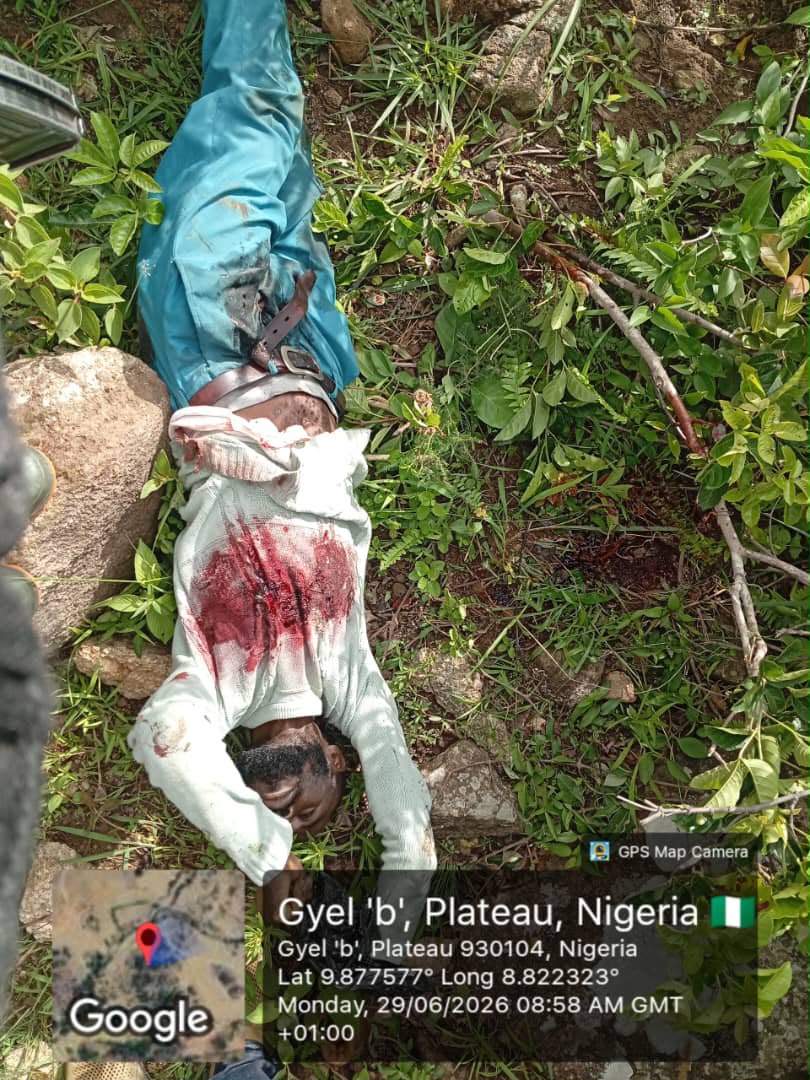
Missing Man Found Dead at Illegal Mining Site in Plateau
By Zagazola Makama
The corpse of a man earlier reported missing has been recovered at an illegal mining site in Jos South Local Government Area of Plateau State.
Intelligence sources told Zagazola Makama that troops of Sector 3, Operation Enduring Peace (OPEP), responded to a report at about 7:30 a.m. on June 29 that one Mr. Jerry had gone missing from the Rantya area.
The sources said the troops, in collaboration with members of the Vigilante Group of Nigeria (VGN), launched a search-and-rescue operation in the surrounding bushes.
During the operation, the search team discovered the victim’s corpse at a mining site. The body bore gunshot wounds as well as machete cuts.
Preliminary investigations indicated that the deceased had left home for illegal mining activities but failed to return, prompting concerns from relatives and the subsequent search operation.
Security sources said investigations are ongoing to determine the circumstances surrounding the killing and identify those responsible.
Missing Man Found Dead at Illegal Mining Site in Plateau

Military Delivers Decisive Air Strike on Bandit Enclave Along Niger–Kaduna–Zamfara Border
By: Zagazola Makama
The Nigerian military, in continuation of its sustained air campaign against armed bandits and other criminal elements threatening national security, has recorded another significant operational success with a precision air strike targeting a major gathering of bandits at Dogon Dawa, along the strategic Niger–Kaduna–Zamfara border.
Credible operational sources confirmed that the strike was executed after intelligence indicated that a large number of armed bandits had converged at the location to coordinate and plan a series of attacks against nearby communities.
The precision engagement effectively struck the gathering, resulting in the neutralisation of a substantial number of the terrorists. Intelligence obtained following the operation also indicated that more than hundreds of motorcycles, believed to have been assembled for the planned offensive and mobility of the criminal elements, were present at the target area at the time of the strike.
Battle Damage Assessment (BDA) and follow-up intelligence further revealed that several surviving terrorists, many of them wounded, fled in disarray towards the forests between Shadadi and Ma’undu through the Mangwaro axis, abandoning their coordinated plans as the devastating effects of the air strike disrupted their operations.
The successful mission illustrated the effectiveness in employing intelligence-driven precision air power to deny criminal groups freedom of movement, disrupt their command structures, and degrade their operational capabilities before attacks can be launched against innocent civilians.
This operation also reflects the seamless synergy between intelligence agencies and the Air Component in identifying, tracking, and engaging high-value terrorist and bandit targets with remarkable precision while sustaining pressure on criminal networks across the North-West and North-Central theatres.
Military Delivers Decisive Air Strike on Bandit Enclave Along Niger–Kaduna–Zamfara Border

Troops Rescue Farmer Shot by Suspected Armed Herders in Plateau, Recover Abandoned Cattle

Missing Man Found Dead at Illegal Mining Site in Plateau

Military Delivers Decisive Air Strike on Bandit Enclave Along Niger–Kaduna–Zamfara Border

Roger Federer’s Shock as DNA Results Reveal Myla and Charlene Are Not His Biological Children

THE PLIGHT OF FARIDA

FAILED COUP IN BURKINA FASO: HOW TRAORÉ NARROWLY ESCAPED ASSASSINATION PLOT AMID FOREIGN INTERFERENCE CLAIMS
-
 News2 years ago
Roger Federer’s Shock as DNA Results Reveal Myla and Charlene Are Not His Biological Children
-
Opinions4 years ago
THE PLIGHT OF FARIDA
-
 News1 year ago
FAILED COUP IN BURKINA FASO: HOW TRAORÉ NARROWLY ESCAPED ASSASSINATION PLOT AMID FOREIGN INTERFERENCE CLAIMS
-

 News2 years ago
EYN: Rev. Billi, Distortion of History, and The Living Tamarind Tree
-
 Opinions5 years ago
POLICE CHARGE ROOMS, A MINTING PRESS
-

 ACADEMICS2 years ago
A History of Biu” (2015) and The Lingering Bura-Pabir Question (1)
-

 Columns2 years ago
Army University Biu: There is certain interest, but certainly not from Borno.
-

 Politics1 year ago
2027: Why Hon. Midala Balami Must Go, as Youths in Hawul and Asikira/Uba Federal Constituency Reject ₦500,000 as Sallah Gift
