
News
UN Expresses Deep Pains Over Schoolgirls Abduction in Nigeria


UN Expresses Deep Pains Over Schoolgirls Abduction in Nigeria
…Calls for Gender Equality and Empowerment
By: Michael Mike
The United Nations (UN) has expressed deep pain over school girls abductions in Nigeria.
UN Women Deputy Executive Director, Nyaradzayi Gumbonzvanda who was in Nigeria on official visit at the weekend while expressing the concern of the international body over the continued kidnappings in schools in the country, also called for gender equality, the empowerment and rights for all women and girls in Nigeria.
Gumbonzvanda said she personally feels the pains as a mother of what the abducted children are going through.
She said: “And at the outset, to also express as a mother, as a leader, my deep pain with the abductions that we still continue to see of our daughters. I needed to express that at the outset.
“I therefore join my voice to call for the release of the abducted daughters of this nation. As a mother, I even feel my stomach churning when I wonder, what did she eat today? Where did she sleep tonight? Was she inappropriately touched? What are her fears and her traumas? And I also think of her community, their communities, and their families. And therefore reaffirm that every girl must have a right and does have a right to security and to education.”
She added: “Violence against women and girls remains pervasive in this country, Nigeria, with the abductions that I have mentioned and the attacks on schoolgirls highlighting the urgent need for safety in schools, safety in our homes, in our communities, and online.”
She explained that “This is critical because globally, nearly one in three women experience physical or sexual violence in their lifetime.”
Gumbonzvanda also decried the alarming rate of Technology-Facilitated Gender Based Violence, calling for proper protections for the girl child.
She said: “A critical area of concern remains technology-facilitated gender-based violence, which is rising globally and nationally. Between 16 percent and 58 percent of women worldwide experience some form of online or technology-facilitated gender-based violence, depending on the region.
“Globally, one in three women experience physical or sexual violence. And technology-facilitated abuse affects up to 58 percent of women, according to our UN Women data of 2022.”
The UN Women official also noted that UN Women is supporting the governments and stakeholders in strengthening the policy frameworks, enhancing digital safety, and promoting accountability for online harms.
She however stressed the importance of a legal framework to address the menace.
According to her: “Effective legal frameworks and inclusive governance are essential to reversing this trend. My discussion with ambassadors accredited to Nigeria also underscored the importance of enhanced regional cooperation and particularly across the Sahel and West Africa, where women’s leadership and peace-building efforts are indispensable for stability and for sustainable development.”
Gumbonzvanda commended the Nigeria’s National Assembly’s strong commitment to strengthening legislation that protects women and girls in advancing measures that expand women’s participation in governance.
She also commented on women’s representation at the National Assembly which stood at 3.8 percent, far way below the global average of 27.2 percent according to the Inter-Parliamentary Union data of 2025.
She urged the country to adopt the “Legislative reforms such as affirmative action, such as quotas, and the proposed special seats which are globally recognised to accelerate women’s participation.
She said: “These measures are not just there to strengthen democracy, but also to ensure rule of law in that budget reflects the needs of half of the population.”
She therefore sees the ongoing debate on the special bill as positive, stating that: “Therefore, I am really excited to be here in this country, as the country engages deeply and boldly and confidently on the special seats bill. And I’m looking forward to the day when it will be passed. I do, in every country, because also as the UN, special measures are part of standards, are part of international standards.
“And equally, we have SDG 5 on women in decision making, which aims for gender parity by 2030. So the efforts in Nigeria are a good progressive approach towards that goal. Economic empowerment is vital for sustainable development.”
On the need to empower women, Gumbonzvanda stressed that women make up over 70 percent of Nigeria’s agricultural labour force, yet face barriers to land, to credit, to markets.
She noted that: “Gender responsive budgeting and investments in women farmers and entrepreneurs can unlock growth and resilience. Closing gender gaps in labour participation could add up to 12 million to global GDP by 2025, according to the data from McKinsey, proving that empowering women is smart economics.
“Empowering women economically is not charity. It is innovation, it is development, it is a benefit that extends the entire community. Some of us are sitting here because our mothers in the rural areas were empowered to be able to send their goats to market and be able to pay school fees, that we’re able to give soap and sugar, because our mothers were able to get a little bit of income in the family.
“So economic empowerment is not just about the national economic data. It’s about life, everyday life in our communities. To sustain and scale progress, predictable and innovative financing is essential.”
Speaking on her visit, which is the first to Nigeria, the UN official said it was to deepen partnership, reinforce national leadership, and accelerate collective action to advance gender equality, the empowerment and rights for all women and girls in Nigeria.
She noted that the visit has allowed her to witness the tangible impact of UN Women’s Working Communities.
Gumbonzvanda said: “ Over the past days, I have engaged with various stakeholders and partners. I’ve engaged with the members of the National Assembly, the diplomatic partners, the United Nations country team, civil society organisations, and community women who are driving progress at the very, very grassroots level.”
She also narrated her experience in Kwali, a community in the Federal Capital Territory, where she joined the women to peel cassava and also to partake in processing it into flour (food), saying “ and how we enjoy it with Ogusi soup. It was a very important experience for us to see how we can actually do agro-processing in communities, but to understand what it takes and what is needed to provide that transformation that is needed.”
She also revealed that the targeted investments to improve women’s lives in agro-processing is very important.
“It was also very clear that the investments to improve economic empowerment at community level would reduce the time burdens, would expand income-generating opportunities, and would also unleash the potential of women,” she said.
She explained that: “Globally, access to safe water and sanitation reduces the time women spend on unpaid care work. This is so important for us that we invest in water and sanitation.
“And that when women have greater access to water and sanitation, it enables them greater participation in economic activities.
“These are practical examples of how empowering women strengthens communities and enhances resilience as we turn policy into lived experiences in our communities.
“At the UN system, I have interacted with our colleagues in the UN system and have reiterated UN Women’s commitment to coordinated multi-sectoral action, particularly on gender-based violence prevention, on women’s economic empowerment, and on advancing the women’s peace and security agenda in Nigeria.”
She assured Nigeria women that the “UN Women will continue to mobilise partnership across governments, development partners in the private sector, to ensure that front-line organisations and national institutions have the resources required to deliver lasting change. Nigeria has demonstrated strong leadership and a clear commitment to advancing the rights of women and girls. UN Women stands ready to continue to support these national efforts, working with all partners in translating commitments to measurable transformation results.”
UN Expresses Deep Pains Over Schoolgirls Abduction in Nigeria


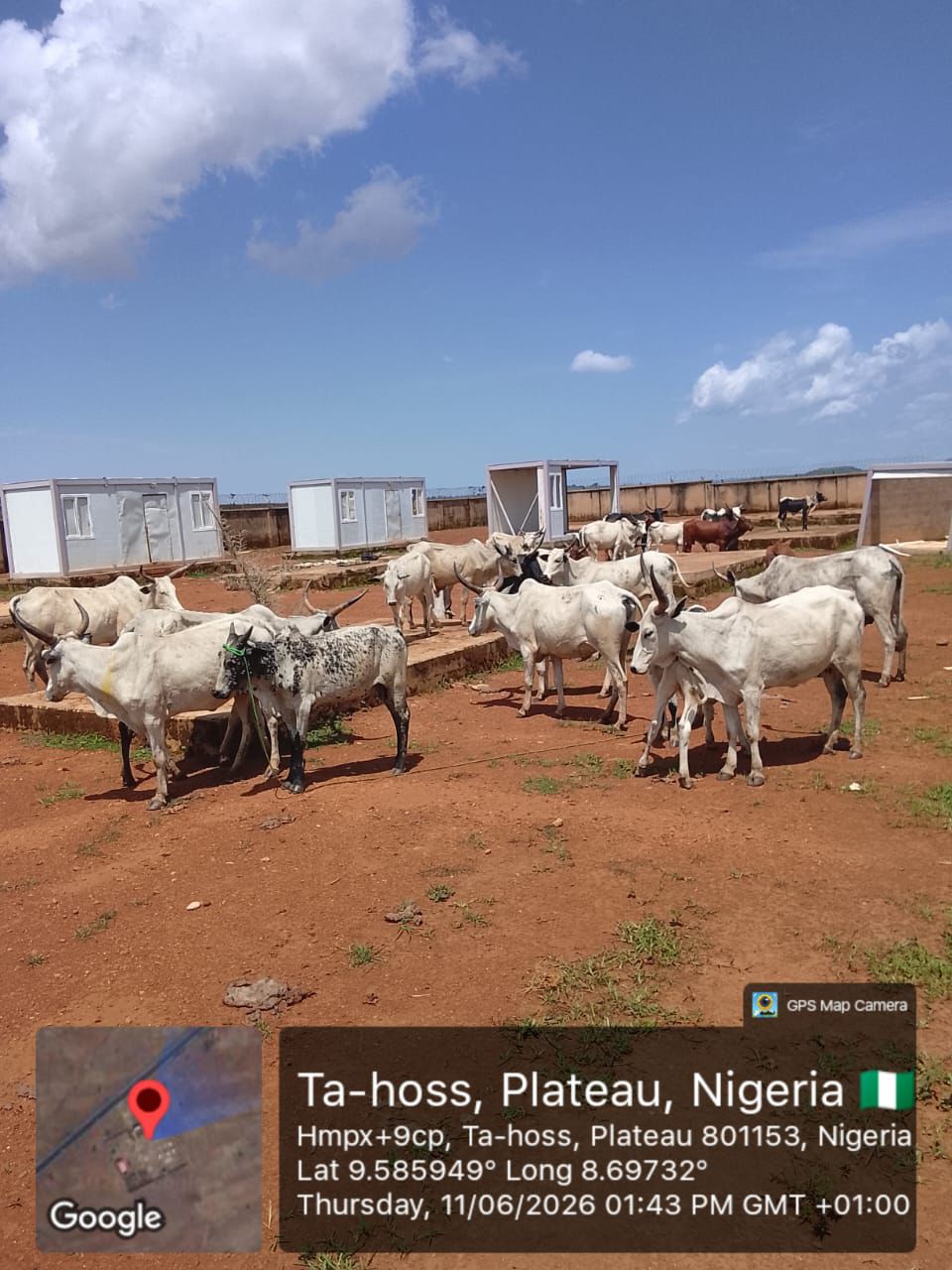
Troops Recover 61 Cattle During Anti-Kidnapping Raid in Plateau
By: Zagazola Makama
Troops of Operation Enduring Peace have recovered 61 cattle during a clearance operation in Riyom Local Government Area of Plateau State.
Security sources disclosed that the operation was conducted on Thursday as part of ongoing efforts to track down suspected kidnappers who fled following sustained military pressure in the area.
The sources said troops of Sector 6 Operation Safe Haven carried out coordinated raids on suspected hideouts and high-ground locations around Sopp, Hawan Kibo and Rafin Sanyi communities in Riyom LGA.
According to the sources, the operation involved cordon-and-search activities targeting suspected kidnappers’ camps, dens and livestock enclosures believed to be linked to criminal networks operating in the area.
During the operation, troops recovered 61 cattle suspected to belong to the fleeing criminals.
“All identified camps, hideouts and cattle enclosures within the general area were searched during the operation. A total of 61 cattle suspected to belong to the criminals were recovered,” a security source said.
The source, however, noted that no arrests were made as the suspects had fled before the troops arrived.
The recovered cattle have been taken into military custody pending further investigation and necessary action by relevant authorities.
The operation forms part of ongoing efforts by security agencies to dismantle kidnapping networks and other criminal groups operating in parts of Plateau State.
Troops Recover 61 Cattle During Anti-Kidnapping Raid in Plateau
Troops Rescue Abducted Teenager, Intensify Search for Two Other Children in Plateau
By: Zagazola Makama
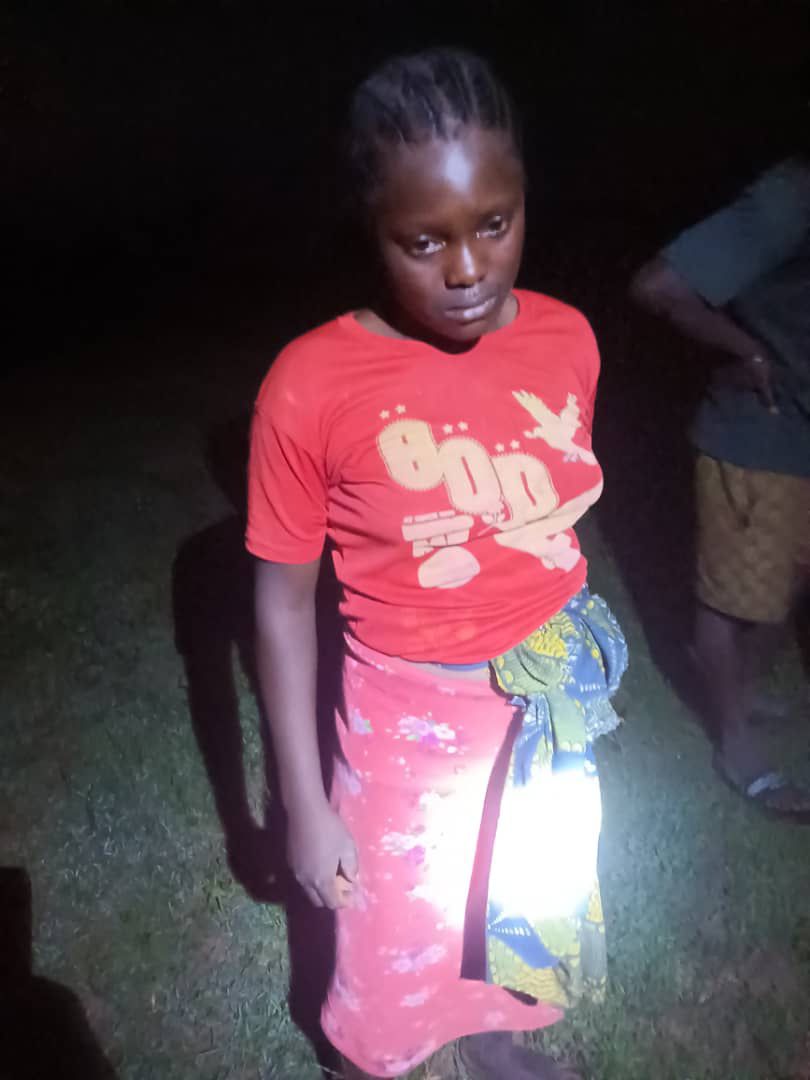
Troops deployed under Operation Enduring Peace have rescued one of three children abducted by suspected kidnappers in Bokkos Local Government Area of Plateau State.
Security sources said the incident occurred on Thursday at Mangar village when the children were returning from their farm.
The abducted children were identified as Linda Ibrahim, 15, Meshack Ibrahim, 8, and Samuel John, 8.
According to the sources, troops of Sector 5 Operation Enduring Peace in Bokkos swiftly responded to reports of the abduction and launched a search-and-rescue operation in the surrounding bushes.
The operation led to the successful rescue of Linda Ibrahim, who was subsequently reunited with her family.
“The troops immediately initiated search-and-rescue operations upon receiving information about the incident and successfully rescued one of the victims,” a security source said.
The source added that efforts were ongoing to locate and rescue the two remaining children still in captivity.
Security forces have intensified operations in the area, with troops combing nearby forests and hideouts in search of the abductors and the remaining victims.
Residents have been urged to remain vigilant and provide credible information that could assist the ongoing rescue efforts.
Troops Rescue Abducted Teenager, Intensify Search for Two Other Children in Plateau
Zulum Targets Closure of Borno’s Largest IDP Camp as Resettlement Drive Enters Final Phase
By: Michael Mike
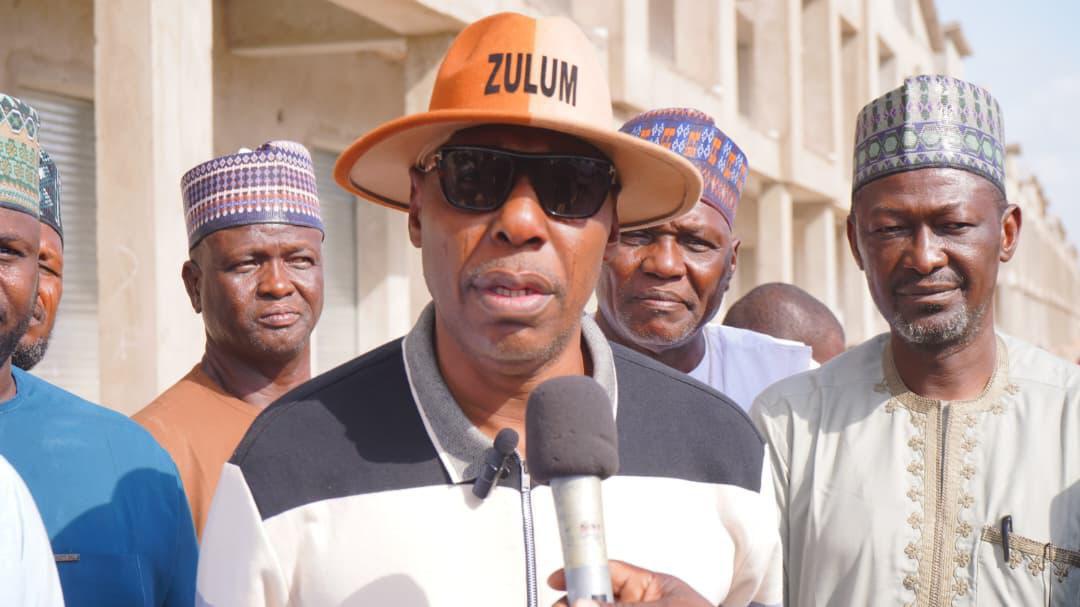
Borno State Governor, Prof. Babagana Zulum has announced plans to shut down the Bama Internally Displaced Persons (IDP) Camp, the largest displacement facility in Borno outside Maiduguri, within the next month, marking a major milestone in the state’s efforts to end years of mass displacement caused by insurgency.
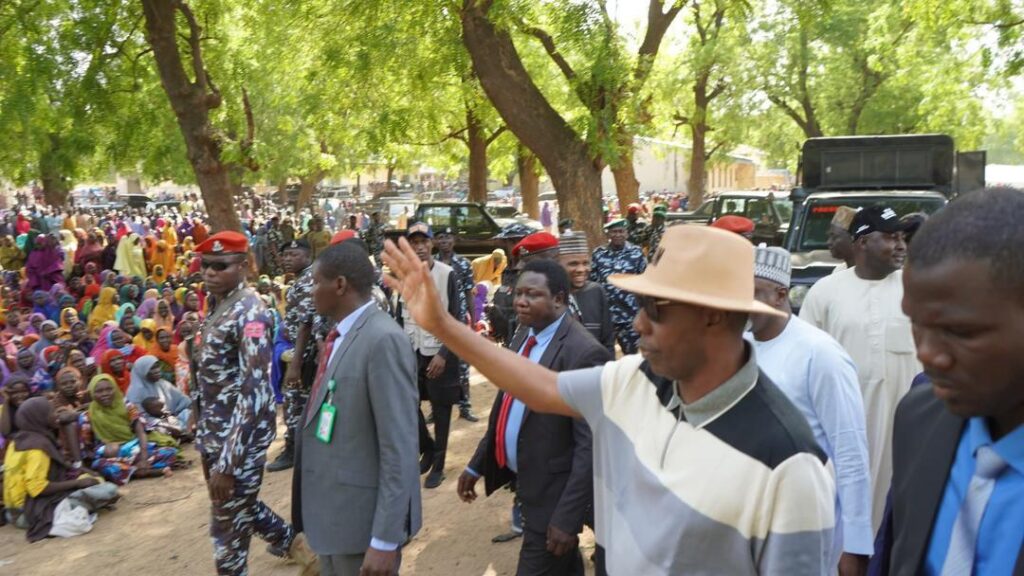
The governor made the declaration on Thursday after personally supervising a screening exercise for displaced families at the Government Science Secondary School IDP Camp in Bama, where he spent more than three hours verifying beneficiaries eligible for the state’s resettlement programme.
Zulum said the exercise was aimed at ensuring that only genuine households are captured as the government moves to complete the return of displaced residents to their ancestral communities.
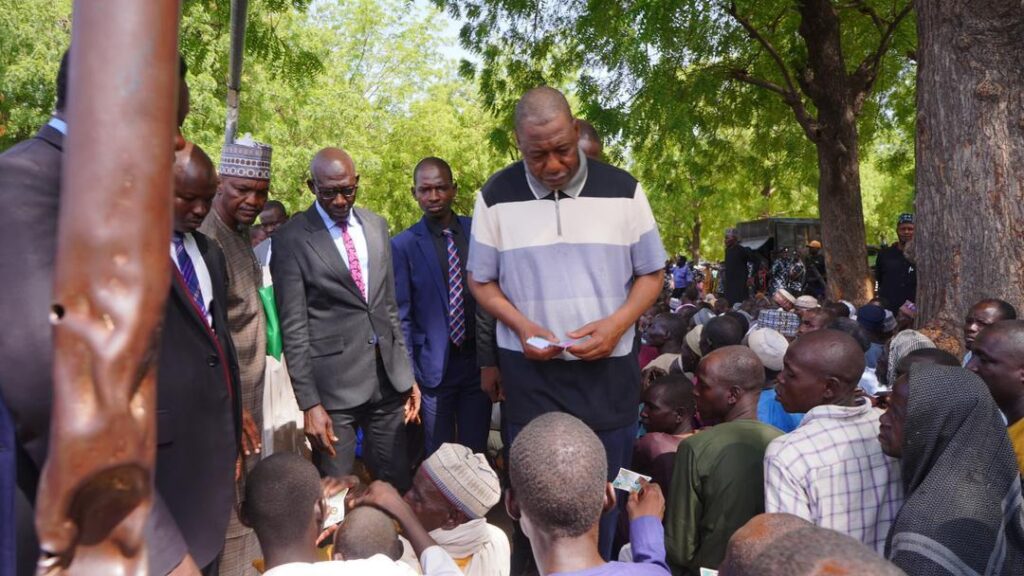
“We are here to examine the remaining displaced people that are living in the IDP camp with a view to ensuring the closure of Bama IDP camp,” the governor stated.
The planned closure represents another significant step in Borno State’s post-insurgency recovery programme, which has seen thousands of displaced persons return to their communities after years of conflict triggered by the activities of the terrorist group Boko Haram.
Over the last seven years, the state government has facilitated the resettlement of residents in several communities across Bama Local Government Area, including Darajamal, Nguro Soye, Goniri, Banki and Abbaram. Bama remains one of the areas most devastated by the insurgency, with large-scale destruction of infrastructure and prolonged displacement of residents.
According to Zulum, only three communities—Mayanti, Goniri and Bula Kuriye—remain to be fully resettled before the camp can be permanently shut down.
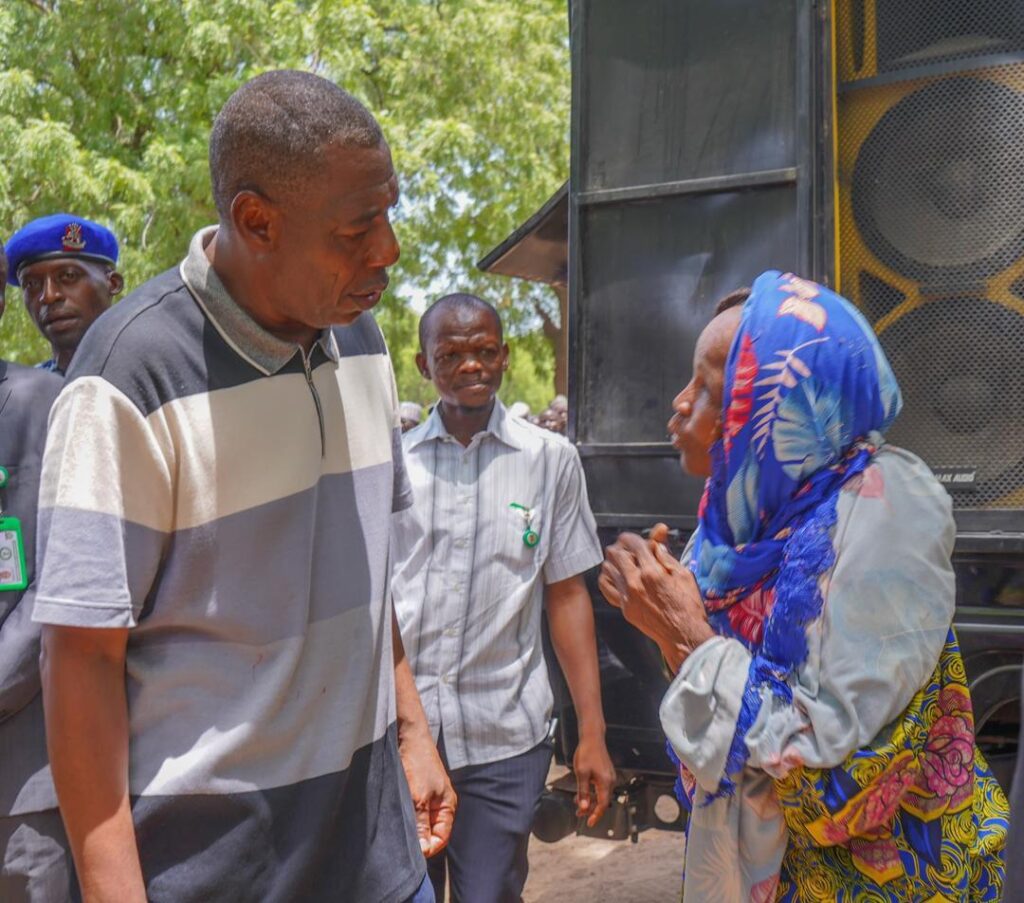
“We have three communities that are left to be resettled, namely, communities from Mayanti, Goniri, and Bula Kuriye. By the next one month, the Bama IDP camp, which is the largest camp in the state outside the state capital, will be closed,” he said.
The governor’s visit also featured inspections of major infrastructure projects underway in Bama as part of the administration’s reconstruction and urban renewal agenda.
Among the projects inspected were the construction of a modern shopping complex and the dualisation of the Bama township road. Zulum praised the quality of work being executed, describing the projects as critical to restoring economic activities and modernising the town after years of devastation.
He recalled that the historic Bama Market was destroyed during insurgent attacks about 15 years ago before being rehabilitated under the administration of Nigeria’s current Vice President, Kashim Shettima.
To further strengthen commercial activities, the state government is constructing a modern shopping complex with 156 shops in front of the market while simultaneously remodelling the entire facility.
“We are trying to provide a befitting shopping mall in front of the market, totaling 156 shops, while also remodeling the market as part of our urban renewal programme,” Zulum said.
He noted that the market redevelopment is designed to stimulate economic growth, improve livelihoods and provide a more conducive environment for businesses and traders.
The governor also disclosed plans to ease traffic congestion and improve connectivity through the dualisation of major roads within Bama, particularly the strategic township road linking Maiduguri, Bama and Gwoza. Existing roads across the town, he added, would be rehabilitated before the end of his tenure.
The inspection tour extended to High Islamic College and teachers’ quarters in Konduga, underscoring the administration’s continued focus on rebuilding educational infrastructure and improving public services in communities affected by conflict.
Zulum was accompanied by senior government officials, lawmakers and community leaders during the visit. The move to close the Bama camp is expected to signal a new phase in Borno’s recovery efforts as authorities push to transition displaced families from temporary shelters to permanent community-based resettlement
Zulum Targets Closure of Borno’s Largest IDP Camp as Resettlement Drive Enters Final Phase

Troops Recover 61 Cattle During Anti-Kidnapping Raid in Plateau

Troops Rescue Abducted Teenager, Intensify Search for Two Other Children in Plateau

VP Shettima’s Invest Lagos Summit: A contest of narratives on both the Dangote and Abdulsamad empires.

Roger Federer’s Shock as DNA Results Reveal Myla and Charlene Are Not His Biological Children

THE PLIGHT OF FARIDA

FAILED COUP IN BURKINA FASO: HOW TRAORÉ NARROWLY ESCAPED ASSASSINATION PLOT AMID FOREIGN INTERFERENCE CLAIMS
-
 News2 years ago
Roger Federer’s Shock as DNA Results Reveal Myla and Charlene Are Not His Biological Children
-
Opinions4 years ago
THE PLIGHT OF FARIDA
-
 News1 year ago
FAILED COUP IN BURKINA FASO: HOW TRAORÉ NARROWLY ESCAPED ASSASSINATION PLOT AMID FOREIGN INTERFERENCE CLAIMS
-

 News2 years ago
EYN: Rev. Billi, Distortion of History, and The Living Tamarind Tree
-
 Opinions4 years ago
POLICE CHARGE ROOMS, A MINTING PRESS
-

 ACADEMICS2 years ago
A History of Biu” (2015) and The Lingering Bura-Pabir Question (1)
-

 Columns2 years ago
Army University Biu: There is certain interest, but certainly not from Borno.
-

 Politics1 year ago
2027: Why Hon. Midala Balami Must Go, as Youths in Hawul and Asikira/Uba Federal Constituency Reject ₦500,000 as Sallah Gift
