
News
Yobe Speaker commends Governor Buni

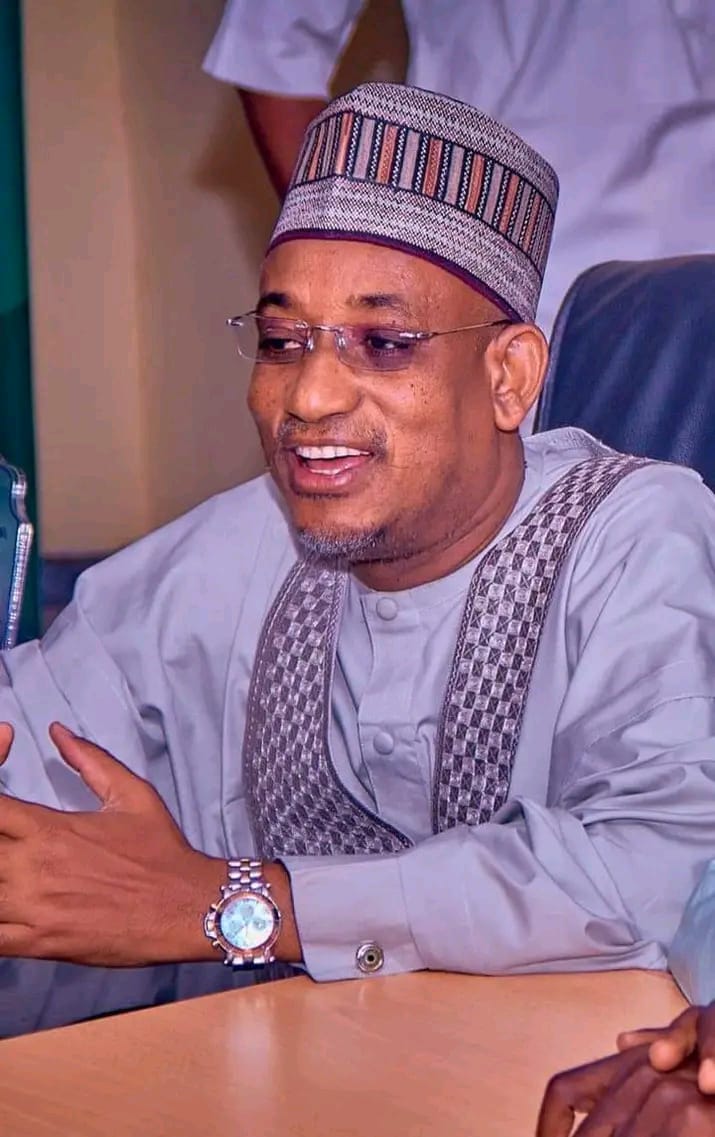
Yobe Speaker commends Governor Buni
By: Yahaya Wakili
The Speaker Yobe State House of Assembly, Rt. Hon. Chiroma Buba Mashio, has commended His Excellency, the Executive Governor of Yobe State, Hon. Mai Mala Buni CON Chiroman Gujba, for maintaining the cordial relationship with the legislature for the development of the state.
He made the call while declaring the opening of a Public Accounts Committee (PAC) session on the 2023 State and Local Government Audit report at the conference hall of the Assembly, Damaturu.
Hon. Mashio called on the local government, ministries, departments, and agencies that were queried in the 2023 audit report to cooperate with the house committee on public accounts to depend on their portions.
He revealed that the public accounts committee session, which is a constitutional mandate, will assist government agencies to resolve the public financial level in terms of documentation and recording of financial transactions in the state.
In his welcome address, the Chairman House Committee on Public Accounts, Hon. Bulama Bukar, maintained that as a result of organizing the previous Public Account Committee (PAC) session. Yobe State has achieved a greater position at both the national and international level in terms of documentation and recording of financial transactions in the state.
Hon. Bukar commends the effort of the state and local government auditor general for the timely presentation of the annual audit report to the state house of assembly.
Yobe Speaker commends Governor Buni


UNICEF: Journalists must hold governments to Account on Children’s Funds
By Hajara Usman
The United Nations Children’s Fund (UNICEF) has urged journalists in Bauchi, Gombe and Plateau States to monitor government spending on children and hold public officials accountable.
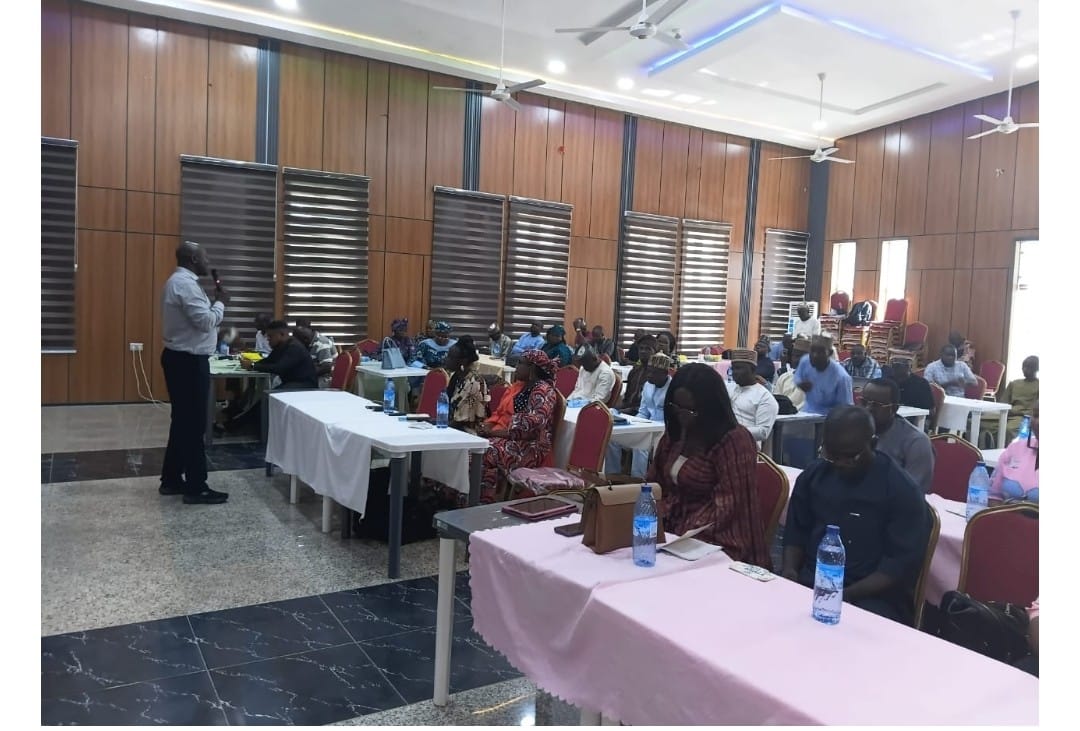
The UNICEF Chief of Field Office in Bauchi, Dr Nuzhat Rafiq, made the call during a one-day media dialogue on Public financing for children organised by the Bauchi State Ministry of Budget and Economic Planning and Multilateral Coordination in collaboration with the UNICEF Bauchi Field Office.
Represented by UNICEF Education Specialist, Abdulrahman Ado, said journalists had an important role to play in improving government budgets, ensuring the timely release of funds and monitoring the implementation of programmes for children and women.
She urged journalists to use the current political and election period to question politicians about their plans for children, how the plans would be funded and how the money would reach vulnerable children and communities.
Rafiq said many children were still out of school, while malnutrition, poor healthcare services and limited access to safe water, sanitation and hygiene continued to affect families.
She stressed the need for non-partisan reporting that focuses on children’s rights, government commitments, public funding and measurable results rather than political personalities or affiliations.
Also speaking, UNICEF Social Policy Specialist, Yusuf Auta, said investment in children should begin from conception and continue throughout childhood.
Auta said proper funding was particularly important for maternal and newborn healthcare, adding that every child had the right to be born in a safe and healthy environment.
He expressed concern that government budgets often give insufficient attention to children from birth to 18 years, despite children making up more than half of the population.
Auta urged journalists to go beyond reporting budget allocations by tracking when funds are released, how they are used and the results achieved.
He said the media could help change the situation by holding governments accountable and ensuring that budget commitments resulted in real improvements in children’s lives.
UNICEF: Journalists must hold governments to Account on Children’s Funds
Zulum Appoints Abubakar Mai Deribe as Special Adviser
By: Our Reporter
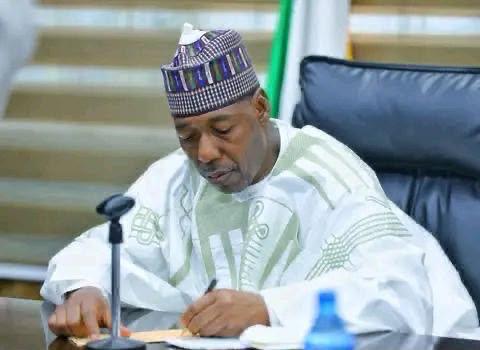
Borno State Governor, Professor Babagana Umara Zulum, has approved the appointment of Hon. Abubakar Mai Deribe as a Special Adviser to the Governor.
In a statement, the Special Adviser to the Governor on Media, Dauda Iliya, said the appointment was made pursuant to the powers conferred on the Governor by Section 196(1) of the Constitution of the Federal Republic of Nigeria, 1999 (as amended).
Hon. Abubakar Mai Deribe has held various political positions, including Executive Chairman of Jere Local Government Area.
Governor Zulum congratulated him on the appointment and charged him to justify the confidence reposed in him through dedication and selfless service.
Zulum Appoints Abubakar Mai Deribe as Special Adviser

UNAIDS, SADC, China Move to Build Southern Africa’s Pharmaceutical Manufacturing Power
By: Michael Mike
Southern Africa is moving to reduce its dependence on imported medicines and strengthen its capacity to produce essential health products locally, as the Joint United Nations Programme on HIV and AIDS UNAIDS, the Southern African Development Community (SADC), China and other partners launch a major push to expand pharmaceutical manufacturing in the region.
The initiative brought together the Governments of South Africa and China, Chinese pharmaceutical companies, research institutions, financial and development partners and health experts in a strategic exchange designed to translate Africa–China cooperation into greater local production of medicines, diagnostics and other health technologies.
The five-day SADC-China strategic exchange, taking place from August 31 to September 4 in Johannesburg, Durban and Cape Town, is being driven through sustained engagement led by UNAIDS, with the Global Health Innovation Institute (GHII) playing a key role in connecting African and Chinese industry and innovation partners.
The collaboration draws heavily on lessons from the global HIV response, particularly the importance of reliable supply chains, technology, financing, regulatory systems and local capacity in ensuring that lifesaving medicines remain accessible.
UNAIDS Regional Director for East and Southern Africa, Anne Githuku-Shongwe, said the initiative goes beyond medicine production, arguing that pharmaceutical manufacturing is central to Africa’s long-term health security.
“Strengthening pharmaceutical manufacturing is about much more than producing medicines. It is about African countries having greater control over the health products their people depend on, including for HIV, while building the skills, investment, technology and systems needed for long-term health security,” she said.
The initiative comes as countries across Africa seek more resilient health systems following repeated disruptions to global supply chains and growing concerns over dependence on external sources for essential medicines and health commodities.
For Southern Africa, regional manufacturing could reduce exposure to international supply shocks while creating opportunities for technology transfer, skilled employment, industrial development, innovation and investment.
SADC Secretariat representative Dr Lamboly Kumboneki said the ability to manufacture medicines locally was increasingly fundamental to health security.
“Health security requires the capacity to produce. Our partnership with China can help connect African manufacturing capability with the investment, technology and skills needed to strengthen regional pharmaceutical production,” Kumboneki said.
A major component of the exchange is exploring how China’s pharmaceutical industry can contribute investment, manufacturing expertise, technology transfer and innovation to the development of African production capacity.
Participants are examining ways to improve investment flows, strengthen market intelligence and demand visibility, enhance regulatory preparedness and develop stronger systems for pooled procurement and health commodity security.
The programme includes high-level policy discussions with government and regulatory authorities, engagements with development and financing institutions and visits to pharmaceutical manufacturing and research facilities across Johannesburg, Durban and Cape Town.
The organisers are also seeking practical opportunities that can move Africa-China pharmaceutical cooperation beyond dialogue and into sustainable manufacturing partnerships.
GHII Head of Business Development and Innovation Gary Yang said the growing sophistication of China’s healthcare industry created opportunities for deeper engagement with African markets.
“China’s healthcare industry has grown and matured significantly over the last few decades, and companies are looking for opportunities beyond, globally. Africa is the market of the future,” Yang said.
He added that engagements with South African companies and policymakers had demonstrated a willingness to develop partnerships capable of expanding access to health products.
“I believe this is a perfect opportunity to bring accessible health products through a mutually beneficial partnership,” he said.
The initiative reflects a broader shift in thinking about Africa’s health security—from securing supplies from global manufacturers to building the capacity to produce essential products within the continent.
The HIV response demonstrated how partnerships among governments, international organisations, manufacturers, researchers and financing institutions can expand access to critical medicines when backed by sustainable supply systems and appropriate policy frameworks.
Partners now want to apply those lessons to a wider range of health products while strengthening Southern Africa’s industrial and regulatory ecosystem.
At the end of the strategic exchange, participating partners are expected to identify priority investment opportunities and practical next steps for expanding regional pharmaceutical manufacturing and improving the security of health commodity supplies.
The initiative could ultimately help position Southern Africa as a stronger manufacturing base for medicines and health technologies, while deepening strategic health and economic cooperation between Africa and China.
UNAIDS, SADC, China Move to Build Southern Africa’s Pharmaceutical Manufacturing Power

UNICEF: Journalists must hold governments to Account on Children’s Funds

Zulum Appoints Abubakar Mai Deribe as Special Adviser

NSCDC, TETFund Partner to Strengthen Security in Nigerian Tertiary InstitutionsMichael Olugbode in Abuja

Roger Federer’s Shock as DNA Results Reveal Myla and Charlene Are Not His Biological Children

THE PLIGHT OF FARIDA

FAILED COUP IN BURKINA FASO: HOW TRAORÉ NARROWLY ESCAPED ASSASSINATION PLOT AMID FOREIGN INTERFERENCE CLAIMS
-
 News2 years ago
Roger Federer’s Shock as DNA Results Reveal Myla and Charlene Are Not His Biological Children
-
Opinions5 years ago
THE PLIGHT OF FARIDA
-
 News1 year ago
FAILED COUP IN BURKINA FASO: HOW TRAORÉ NARROWLY ESCAPED ASSASSINATION PLOT AMID FOREIGN INTERFERENCE CLAIMS
-

 News2 years ago
EYN: Rev. Billi, Distortion of History, and The Living Tamarind Tree
-
 Opinions5 years ago
POLICE CHARGE ROOMS, A MINTING PRESS
-

 ACADEMICS3 years ago
A History of Biu” (2015) and The Lingering Bura-Pabir Question (1)
-

 Columns3 years ago
Army University Biu: There is certain interest, but certainly not from Borno.
-

 Politics1 year ago
2027: Why Hon. Midala Balami Must Go, as Youths in Hawul and Asikira/Uba Federal Constituency Reject ₦500,000 as Sallah Gift
