
Politics
2027: Monguno’s political journey and the road to Maiduguri Government House.

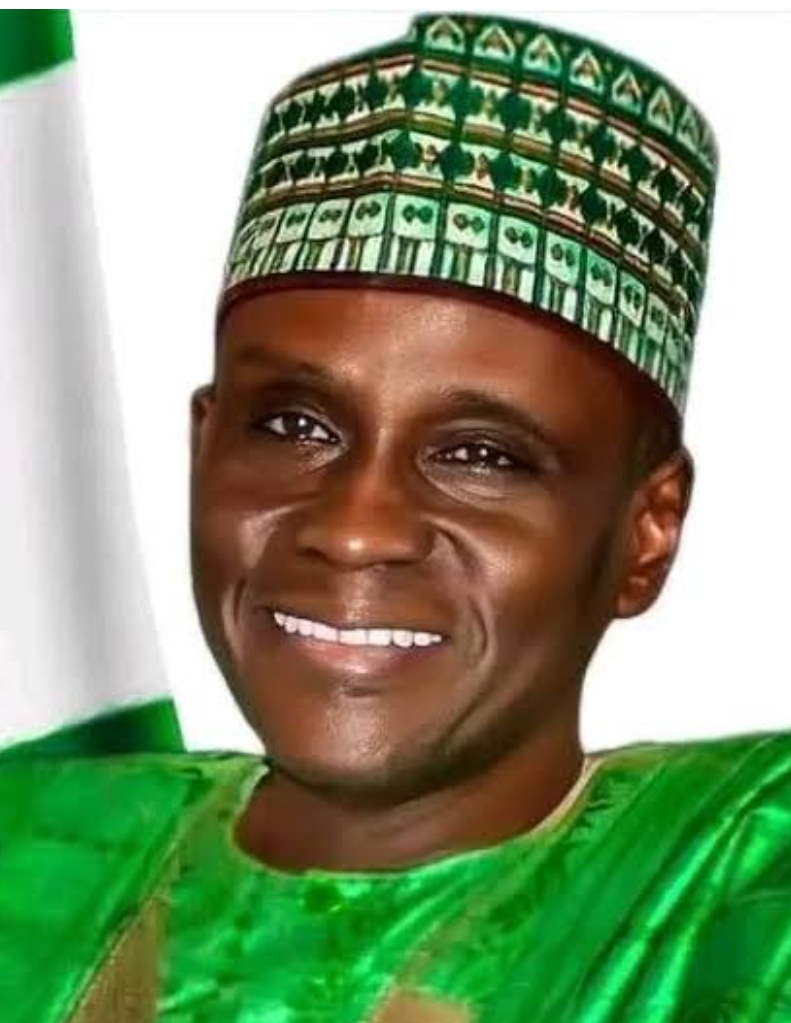
2027: Monguno’s political journey and the road to Maiduguri Government House.
By: Dr. James Bwala
The necessity for effective leadership becomes ever more pronounced, particularly in a region as dynamic and challenging as Borno State. Amidst this backdrop, Senator Mohammed Tahir Monguno is currently standing amongst those the Borno social media platform claims have a chance of becoming the next governor after Zulum. According to comments, he has what it takes to emerge as a formidable candidate for the governorship of Borno State come 2027. What his supporters and those who deem that he is the best think is that with his extensive experience in Borno’s politics, dedication to youth empowerment, and a governance style rooted in transparency and accountability, Senator Monguno stands out not just as a representative but as a beacon of hope for a state striving for progress.
Well, I knew him as a journalist, way back as a lawyer and the politician during the late Mala Kachallah era in Borno. Senator Monguno’s political journey has been marked by an intimate understanding of the intricate tapestry of Borno’s socio-political dynamics. Having represented northern Borno in the Senate, he possesses a nuanced insight into the challenges and aspirations of his constituents. This experience equips him with the skills necessary to navigate the complexities of governance effectively. His tenure has been characterized by proactive engagement with the community, allowing him to build robust relationships with various stakeholders, including traditional leaders, civil society, and the youth. These relationships form the backbone of a potential governorship campaign that seeks to unify Borno and foster collaborative governance.
READ ALSO: https://newsng.ng/2027-can-hon-muktari-betara-aliyu-break-the-iron-walls-between-the-governorship-seat-and-the-so-called-minority-groups-in-borno/
Looking at his trends in northern Borno, one of Monguno’s most significant strengths lies in his commitment to youth empowerment and grassroots movements. In a state where a significant percentage of the population is young and facing unemployment, this focus is not only timely but crucial. His advocacy for vocational training and entrepreneurship development is not merely a campaign slogan; it reflects a deep-seated recognition of the systemic issues that plague the youth in Borno. By empowering younger generations with skills and opportunities, Monguno did attempt to address the root causes of unemployment and disenfranchisement, promoting self-sufficiency and reducing dependency on unstable employment sources.
In an era when traditional political strategies often prioritize short-term gain over long-term solutions, Monguno’s governance philosophy stands in stark contrast. His emphasis on transparency and accountability resonates deeply with constituents who are increasingly disillusioned by political maneuvering that prioritizes personal interests over communal welfare. By fostering an administrative ethos that values openness, Monguno cultivates trust and inclusivity. This approach not only encourages civic participation but also ensures that governance mechanisms are accountable, thereby enhancing public trust in government institutions.
READ ALSO: https://newsng.ng/2027-can-hon-muktari-betara-aliyu-break-the-iron-walls-between-the-governorship-seat-and-the-so-called-minority-groups-in-borno/
The importance of transparency extends beyond mere actions; it embodies a commitment to ethical leadership. In the context of Borno, where corruption and mismanagement can undermine developmental initiatives, Monguno’s promise of accountable governance serves as a guiding principle. His track record suggests that he does not shy away from addressing corruption head-on, advocating for policies that would strengthen institutions and promote ethical conduct among public officials. Such a stance is vital for transforming the political culture in Borno and ensuring that resources are allocated effectively for the benefit of all citizens.
Indeed, Senator Monguno’s vision for Borno encompasses sustainable development initiatives that prioritize both economic and social progress. His understanding of the interplay between economic empowerment and social stability positions him as a leader capable of enacting policies that address poverty reduction, infrastructure development, and essential service delivery. To further cement his reputation as a candidate for change, Senator Monguno has consistently engaged with various grassroots movements that resonate with the challenges faced by the citizens of Borno. Through dialogues and public forums, he has listened to the voices of the people, reflecting their concerns and aspirations in his policy proposals. This participatory approach allows him to craft solutions that are not only viable but also rooted in the actual needs of the community.
READ ALSO: https://newsng.ng/2027-can-hon-muktari-betara-aliyu-break-the-iron-walls-between-the-governorship-seat-and-the-so-called-minority-groups-in-borno/
As the clock ticks towards the 2027 gubernatorial elections, it is essential to consider the implications of electing a leader like Senator Monguno. In a state that has borne the brunt of violence and socio-economic challenges, his candidacy offers a refreshing reminder that hope is not lost. Monguno embodies the promise of a new era—one that prioritizes genuine engagement, development, and inclusive governance. His ability to connect with the grassroots and advocate for those often marginalized speaks volumes about his capacity to lead a diverse state like Borno.
Despite the positive words and bold visions, the true test lies in Monguno’s ability to translate this vision into tangible actions, particularly within the complex and often turbulent context of Borno State. To navigate this arduous path and foster meaningful change, Monguno must embrace a unifying approach that builds strategic partnerships among both seasoned leaders and emerging strategists across Borno Central and South.
The internal dynamics within Borno are characterized by an intricate tapestry of age, experience, and perspective. The existing skepticism regarding Monguno’s capacity to effectuate change springs from a history of unfulfilled promises by leaders who have come before him. While his rhetoric may inspire hope, the real challenge he faces will be overcoming the entrenched bureaucratic structures that stifle innovation and responsiveness. To counteract these systemic challenges, Monguno must cultivate alliances that transcend generational divides, tapping into the collective wisdom of established figures while simultaneously empowering the youth to take an active role in shaping their futures.
READ ALSO: https://newsng.ng/2027-can-hon-muktari-betara-aliyu-break-the-iron-walls-between-the-governorship-seat-and-the-so-called-minority-groups-in-borno/
Strategic partnerships can serve as a catalyst for lasting change. The wisdom of experienced leaders, who understand the nuances of Borno’s socio-political landscape, can work in concert with the daring ideas and fresh perspectives of the younger generation. These collaborations can lead to the formulation of innovative strategies that not only address the immediate concerns of Borno’s citizens but also lay the groundwork for sustainable development. For Monguno, engaging with veteran stakeholders ensures that current initiatives are informed by historical context, enabling him to navigate potential pitfalls while being unafraid to disrupt the status quo.
Monguno’s efforts must extend beyond merely forming partnerships; he needs to create an inclusive environment where diverse voices are valued. This not only enhances the legitimacy of his leadership but also fosters a sense of ownership among stakeholders. Involving the community in decision-making processes will build trust and encourage collective investment in the outcomes of policies and programs. It is essential that Monguno recognizes the significance of grassroots movements and community participation, which can often serve as the backbone of effective governance.
The focal point of these partnerships should be addressing the pressing issues facing Borno—security, education, and economic opportunities. The lingering impact of conflict continues to shape the lives of many, undermining stability and hindering progress. In response to these challenges, Monguno can leverage strategic partnerships to mobilize resources, technical expertise, and community support to develop comprehensive strategies that enhance security and rebuild trust among citizens.
If Monguno decides to step into the challenging arena of governance, he must remain prepared for the metaphorical storms that await him. His experience must teach him that resilience is vital in the face of adversity. Challenges will undoubtedly arise, but rather than allowing them to hinder progress, they should be viewed as opportunities for learning and growth. By cultivating a mindset that embraces change and adaptability, dedicating resources to assist communities in recovery, and continuously seeking feedback from constituents, Monguno can navigate the treacherous waters of governance more effectively.
* James Bwala, PhD, writes from Abuja.
2027: Monguno’s political journey and the road to Maiduguri Government House.




ADC; Coalition Is Not Enough
By Kunle Awosiyan
Sincerely, if you observe the politics of Bola Ahmed Tinubu keenly and critically, you will realise that he is a very thorough politician.
He goes beyond merely spreading his tentacles to bring people into his fold; he deploys every available tool to outmanoeuvre his opponents.
He looks beyond coalition-building, studying his adversaries like a football coach analysing opponents, identifying loopholes and exploiting them to secure victory.
Though trained as an accountant, Tinubu has immersed himself in research, journalism, and law, transforming these disciplines into strategic assets in his political playbook.
This is where many of his opponents have faltered. Rather than studying him, they have focused more on blackmail and rhetoric.
Instead of carefully navigating the legal and institutional frameworks of politics, they appear fixated on hastily dislodging him by jumping into any available political platform without adequately addressing procedural and legal vulnerabilities.
They needed a platform, no doubt, but have shown insufficient patience and diligence to close loopholes that could ultimately undermine their efforts.
Those in the opposition today, particularly within the African Democratic Congress (ADC), appear unprepared for the level of work required to clinch power.
If Tinubu were a football coach, he would lose very few matches and only by slim margins. He would win many more, including major trophies. Any coach hoping to defeat such a team must not only be intelligent but exceptionally thorough.
It is time the opposition understands that democracy, in its modern form, goes beyond the classical definition of government of the people, by the people, and for the people. It now encompasses the strategic deployment of law, not just the accumulation of votes, as a pathway to power.
Interestingly, the purported chairman of the ADC and former Senate President, David Mark, recently criticised the Independent National Electoral Commission, INEC, over its interpretation of the legal principle of status quo ante bellum.
This followed the derecognition of his leadership by the commission.
While the legal jargon may be complex, the implication is clear: those within the ADC understand the power of law in a democracy, yet have failed to deploy it effectively, choosing instead to blame Tinubu for their own strategic missteps.
The ruling party, All Progressives Congress, had swiftly replied ADC that neither the president nor the party is involved in its woe.
Ironically, two prominent figures within the ADC leadership ranks, Peter Obi and Rauf Aregbesola once benefited from judicial victories at different points in their political careers, underscoring the very importance of legal strategy in electoral contests.
Politicians seeking to challenge Tinubu, including Atiku Abubakar, David Mark, Nasir El-Rufai, Aregbesola, and Obi still have significant work to do if they are to mount a serious challenge. It is unfortunate that many appear to interpret democracy primarily through the lens of coalition-building, without deeper strategic grounding.
If Obi does not fully grasp this, one would expect Aregbesola given his political history with Tinubu to understand it better. Over the years, Tinubu has built structured teams: legal, economic, security, and political dedicated to analysing and countering opposition forces.
Among those in the ADC, Aregbesola may be the closest in experience to Tinubu’s model, but he cannot do it alone. One individual cannot match a coordinated network of experts working with a singular objective.
Let it be clear: INEC is not the enemy. However, it is bound by the rule of law and cannot act in defiance of court decisions.
Ultimately, for politicians who believe they can simply assemble themselves and appeal to public emotion through criticism of the ruling party, the reality is stark: modern democracy demands far more. It requires depth, structure, strategy, and above all, smartness.
ADC; Coalition Is Not Enough
Politics
Minister of Agriculture, Senator Abubakar Kyari: The Unassailable Choice for APC Candidate in Borno State
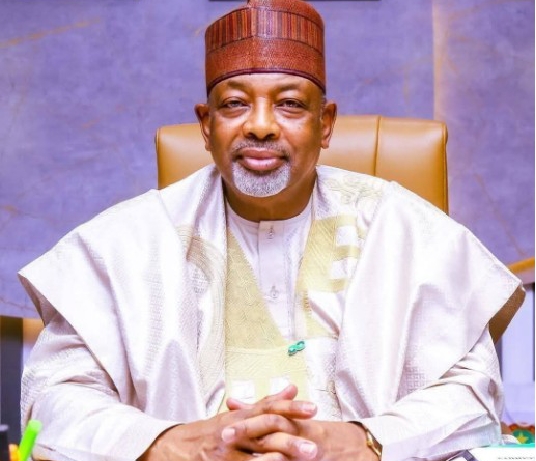
Minister of Agriculture, Senator Abubakar Kyari: The Unassailable Choice for APC Candidate in Borno State
By: Dr. James Bwala
Let me look at this personality as Borno State gears up for the 2027 governorship election, intense speculation surrounds the candidate who will represent the ruling All Progressives Congress (APC). Among the array of contenders, one figure emerges with an unparalleled pedigree, extensive political experience, and strategic alliances that position him as the most compelling choice for the next governor of Borno state— Senator Abubakar Kyari. His distinguished background, formidable political track record, and connections to Nigeria’s top leadership underscore why he is not only the natural front-runner but also the candidate most capable of leading Borno State into a prosperous future.
Senator Abubakar Kyari’s pedigree is arguably unmatched by any other aspirant within Borno State’s political landscape. He hails from a prominent family with a deep tradition of public service. His late father, Brigadier General Abba Kyari, served as military governor of Kaduna State — a position that symbolized trust, responsibility, and leadership during a critical period of Nigeria’s history. This legacy has bestowed on Senator Kyari a foundation of respect and influence that few candidates can claim. History often demonstrates that political acumen and commitment to governance run in families, and if this pattern holds true, Senator Kyari is poised to etch his own name in the annals of Borno State’s political history.
READ ALSO: https://newsng.ng/borno-2027-when-context-speaks-louder-than-words-on-the-road-to-maiduguri-government-house/
Beyond his family’s illustrious background, Senator Kyari is well-educated and grounded in academic excellence. His education equips him with the intellectual rigor required to navigate the complex socio-economic challenges facing Borno State. Being part of the elite groups within Borno further bolsters his legitimacy as a leader who understands the nuances of the state’s diverse communities and their aspirations. This blend of education and elite status places Senator Kyari in a unique position to bridge traditional values and modern governance, a balance that is essential for effective state leadership.
Senator Kyari’s political journey reflects a breadth and depth of experience that distinguishes him from his contemporaries. Prior to his appointment as Minister of Agriculture by President Bola Ahmed Tinubu, he held two of the most significant positions within the APC party structure: Deputy National Chairman and National Chairman. These roles not only underscore his ability to maneuver within high-level political arenas but also demonstrate the confidence that party stakeholders have in his leadership capacities.
READ ALSO: https://newsng.ng/borno-2027-when-context-speaks-louder-than-words-on-the-road-to-maiduguri-government-house/
Moreover, Senator Kyari was elected unopposed as Chairperson of the International Fund for Agricultural Development (IFAD), an achievement that points to his international recognition and competence in addressing agricultural and developmental issues. His current role further reinforces his centrality in party affairs and his relevance in charting the APC’s future direction when subsequently elected as governor Zulum successor.
Crucially, Senator Kyari maintains strong personal and political relationships with key figures in Nigeria’s political hierarchy. He is very close to both President Bola Tinubu and Vice President Kashim Shettima, the latter being his right-hand man. These ties not only underscore his influence but also guarantee strategic support and collaborative governance should he secure the governorship. The importance of such alliances cannot be overstated given the political dynamics in Borno and the broader Nigerian context, where success often hinges on cohesive partnerships and these partnerships, Senator Abubakar Kyari has built since the return of democracy in Nigeria and working with all the governors till now.
READ ALSO: https://newsng.ng/borno-2027-when-context-speaks-louder-than-words-on-the-road-to-maiduguri-government-house/
The challenges facing Borno State are multifaceted—ranging from security issues and infrastructural deficits to agricultural development and economic revitalization. The state needs a governor with a panoramic vision, the capacity to implement policies effectively, and the political clout to attract national attention and resources. Senator Abubakar Kyari embodies all these qualities.
First, his tenure as Minister of Agriculture equips him with insights into sustainable agricultural practices and food security, which are vital sectors for Borno’s predominantly agrarian economy. His understanding of agricultural policies and international fundraising mechanisms through IFAD poises him to drive transformative projects that can revitalize the state’s economy and improve livelihoods.
READ ALSO: https://newsng.ng/borno-2027-when-context-speaks-louder-than-words-on-the-road-to-maiduguri-government-house/
Second, Senator Kyari’s extensive experience in party politics equips him to manage complex stakeholder interests within the state. Political unity within the APC in Borno is critical to securing a decisive victory in the elections and ensuring stable governance afterward. His proven track record in managing party affairs at the national level will translate into effective coalition-building and governance at the state level.
Third, his elite background and education endow him with the credibility to engage with federal institutions and international partners. Given Borno’s history of insurgency and ongoing reconstruction needs, a governor who can effectively mobilize support and resources from the federal government and development agencies is indispensable. Senator Kyari’s established networks put him in an excellent position to do just that.
READ ALSO: https://newsng.ng/borno-2027-when-context-speaks-louder-than-words-on-the-road-to-maiduguri-government-house/
Additionally, the alignment and trust he shares with President Tinubu and Kashim Shettima signal continuity in leadership and policy coherence. With Shettima’s influence and Tinubu’s presidency, Senator Kyari’s governorship would ensure a synchronized approach to development that leverages both federal and state capacities efficiently.
Some may argue that other candidates possess grassroots appeal or that political dynamics in Borno might favor a different figure. While grassroots connection is important, governance demands more than popularity; it requires competence, networks, and strategic vision—all qualities Senator Kyari possesses abundantly. Moreover, his roles in APC leadership and as Minister have undoubtedly enhanced his visibility and rapport across various constituencies in Borno State, thus bridging the gap between elite status and popular support.
READ ALSO: https://newsng.ng/borno-2027-when-context-speaks-louder-than-words-on-the-road-to-maiduguri-government-house/
Another contention might be concerns about political dynasties or nepotism. However, Senator Kyari’s achievements stand on their own merit beyond lineage. His unopposed election to IFAD chairmanship and repeated appointments to key party positions highlight meritocratic recognition rather than mere reliance on pedigree.
Senator Abubakar Kyari stands out as the most qualified, experienced, and strategically positioned candidate for the APC to field in the 2027 Borno State governorship election. His rich family legacy, excellent educational background, remarkable political career, and close relationships with Nigeria’s top leaders make him uniquely suited to lead Borno toward peace, stability, and development. The confluence of these attributes creates a compelling case for his emergence as the APC candidate—a candidacy that promises not only continuity but also robust progress for Borno State.
READ ALSO: https://newsng.ng/borno-2027-when-context-speaks-louder-than-words-on-the-road-to-maiduguri-government-house/
As history has shown, when leadership meets pedigree and capability, lasting legacies are forged. Therefore, supporting Senator Abubakar Kyari’s candidacy is not merely a political choice; it is a strategic imperative for the future prosperity of Borno State. Next I will look at his role as Chief of staff to governor Kashim Shettima, the current VP and what it means to be in that position of trust and loyalty.
Minister of Agriculture, Senator Abubakar Kyari: The Unassailable Choice for APC Candidate in Borno State
Politics
Borno 2027: When context speaks louder than words on the road to Maiduguri Government House

Borno 2027: When context speaks louder than words on the road to Maiduguri Government House
By: Dr. James Bwala
Since the return of democracy in Nigeria in 1999, the political landscape of Borno State has been marked by a distinctive pattern of opposition to the central government, a stance maintained until the pivotal shift observed around 2015. Historically, governors in Borno have enjoyed a robust confidence, often operating with considerable autonomy in determining their successors well before the end of their tenure. This pattern of assertive decision-making reached a particularly intriguing juncture under the governance of Professor Babagana Umara Zulum, whose public statements and political maneuvers reveal the complex interplay of personal ambition, political realities, and the subtle but powerful influence of “celestial powers” shaping the political future of Borno State.
Professor Zulum’s tenure presents two contrasting facets of political posture that invite close scrutiny. On one side, his bold declaration before the state assembly—where he confidently asserted that he would “definitely step on some toes” when revealing his “dark horse”—suggests a leader who is fully aware of the political landscape and has a clear strategy for succession. This declaration exudes an aura of control and decisiveness, traits expected from a statesman who has weathered the challenges posed by insurgency and governance in a volatile region. Yet, at a subsequent public function, Zulum reversed course, stating candidly that he did not know who would succeed him. This candid admission, seemingly at odds with his earlier pronouncement, raises important questions about the forces at play behind the scenes.
READ ALSO: https://newsng.ng/maiduguri-bomb-blast-senator-kyari-acknowledges-tinubu-shertima-and-zulum-for-support-to-victims/
To understand this apparent dichotomy, it is imperative to contextualize Governor Zulum’s personality and political environment. Zulum is not known for duplicity or vacillation. His track record reveals a man committed firmly to the welfare and stability of Borno State, one who speaks deliberately and acts with purpose. Therefore, his change in tone cannot be dismissed as mere political expediency or inconsistency. Instead, it is indicative of a deeper, more intricate power dynamic: the influence of “celestial powers.” This term, though metaphorical, alludes to the entrenched, often unseen, socio-political and spiritual forces that wield significant sway in Borno’s political arena, particularly in the selection of political heirs.
The reference to Governor Bala Mohammed, a prominent opposition figure conditioned by external requirements, underscores the reality that the ultimate decision-making authority in this “Colosseum” is not solely in the hands of any individual governor. The “celestial powers” symbolize an amalgamation of political kingmakers, traditional authorities, and religious institutions—most notably the Trinity or head of the Church in reference—meaning influential elites whose blessings are considered indispensable for anyone aspiring to the gubernatorial throne in this case, Borno State. This reality curtails the autonomy of even the most politically savvy leaders, including Zulum, and necessitates a nuanced approach to political succession.
READ ALSO:https://newsng.ng/maiduguri-bomb-blast-senator-kyari-acknowledges-tinubu-shertima-and-zulum-for-support-to-victims/
Within this framework, the political contenders, or “gladiators,” must navigate a complex battlefield. Those well-versed in the underlying codes—the “knowing their onions”—adopt cautious, discreet strategies, understanding that overt posturing can be detrimental. Conversely, some actors remain conspicuously exposed, akin to standing wide open in the arena, vulnerable to “sucker punches” from better-positioned rivals. The art of political survival and eventual success in Borno’s gubernatorial contests demands not only strategic acumen but also deep alignment with these celestial powers.
Given this context, it is clear that Governor Zulum does not hold the proverbial “four aces” in determining his successor. Indeed, while his endorsement carries substantial weight, it is ultimately the confluence of political, traditional, and spiritual sanction—the blessing of the “Trinity”—that will decide who emerges as the next governor. This triune source of authority reflects the unique socio-political architecture of Borno State, where governance is as much about formal institutional processes as it is about the tacit approval of enduring traditional and religious structures.
READ ALSO: https://newsng.ng/maiduguri-bomb-blast-senator-kyari-acknowledges-tinubu-shertima-and-zulum-for-support-to-victims/
Therefore, the advice to political gladiators preparing for the 2027 governorship election in Borno is unequivocal: reassess the situation with a fresh theoretical lens that acknowledges the supremacy of this tripartite endorsement framework. Brute political force, financial clout, or popular appeal alone will not suffice. Instead, prospective candidates must engage in a sophisticated dance of alliance-building and consensus-seeking within these spiritual and traditional power centers. Only those who can “carry the bread and the wine into the holy of holies”—a metaphor underscoring the necessity of acceptance by the sacred institutions—will be legitimately positioned to govern.
The political dynamics in Borno State since 1999 illuminate a broader truth about Nigerian democracy at the subnational level: meaningful political power is often contingent upon a harmonious interplay between elected officials and non-electoral power brokers. Governor Babagana Umara Zulum’s experience encapsulates this reality vividly. His public oscillations between confident succession planning and apparent uncertainty reflect the constraints imposed by a system where “celestial powers” ultimately guide the political narrative. For aspirants to the governorship, success in 2027 and beyond will depend not merely on political competition in the conventional sense but on their ability to secure the multifaceted and profound blessings that define legitimate authority in Borno. The wise counsel, therefore, lies in humility, strategic patience, and respectful engagement with these enduring cultural and spiritual institutions—the true architects of Borno’s political destiny.
* James Bwala, PhD, writes from Abuja.
End

Berom militia kill Fulani herder in Riyom as tit-for-tat violence escalates in Plateau

Political Landscape Shifts as Yobe South Mobilizes for 2027 Elections Amid Marginalization Concerns

FG Directs MDAs to Halt New Policies Pending Full RIA Compliance

Roger Federer’s Shock as DNA Results Reveal Myla and Charlene Are Not His Biological Children

THE PLIGHT OF FARIDA

FAILED COUP IN BURKINA FASO: HOW TRAORÉ NARROWLY ESCAPED ASSASSINATION PLOT AMID FOREIGN INTERFERENCE CLAIMS
-
 News2 years ago
Roger Federer’s Shock as DNA Results Reveal Myla and Charlene Are Not His Biological Children
-
Opinions4 years ago
THE PLIGHT OF FARIDA
-
 News12 months ago
FAILED COUP IN BURKINA FASO: HOW TRAORÉ NARROWLY ESCAPED ASSASSINATION PLOT AMID FOREIGN INTERFERENCE CLAIMS
-

 News2 years ago
EYN: Rev. Billi, Distortion of History, and The Living Tamarind Tree
-
 Opinions4 years ago
POLICE CHARGE ROOMS, A MINTING PRESS
-

 ACADEMICS2 years ago
A History of Biu” (2015) and The Lingering Bura-Pabir Question (1)
-

 Columns2 years ago
Army University Biu: There is certain interest, but certainly not from Borno.
-

 Opinions2 years ago
Tinubu,Shettima: The epidemic of economic, insecurity in Nigeria
