
National News
ECOWAS Court President Advocates Citizen Sensitization on their Rights

ECOWAS Court President Advocates Citizen Sensitization on their Rights
By: Michael Mike
Hon Justice Edward Amoako Asante, President of the ECOWAS Court of Justice has emphasised the need for sensitisation of citizens on their (fundamental) rights.
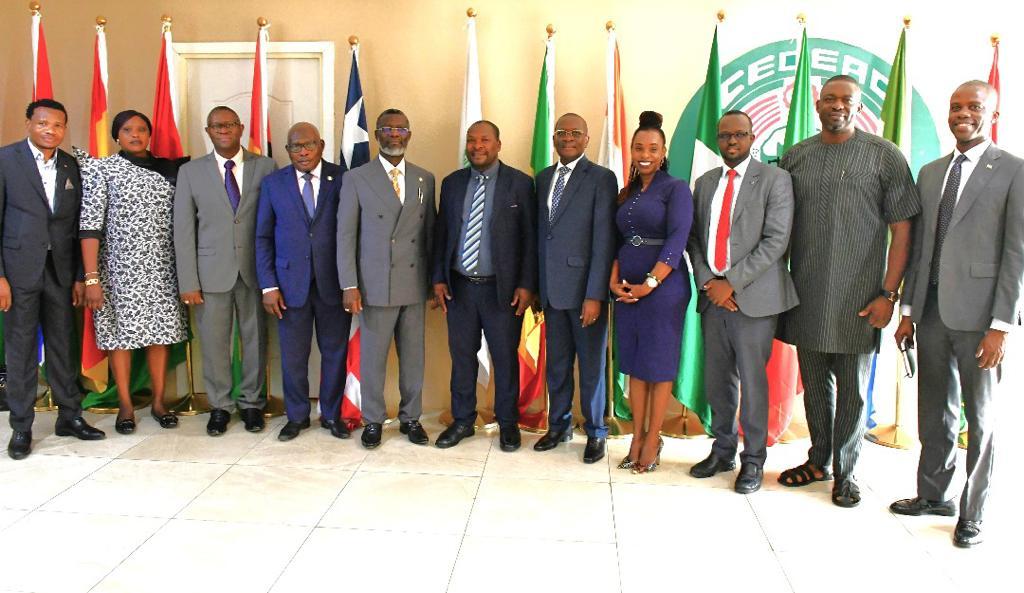
He made the assertion during a courtesy visit of some Members of Parliament from Kenya National Assembly to the Seat of the Court.
The delegation led by Hon Peter Orero and made up of members of the Committee on Regional Integration of the 13th Parliament of the Kenya National Assembly said that the visit to the Court formed part of their weeklong study visit on the mode of operation of ECOWAS Institutions including the Court of Justice, and various departments in the ECOWAS Commission.
Hon Orero added that the committee embarked on a study visit of different economic blocks including the West African block – ECOWAS, and that they were at the Court to gain insight on its operations, judicial activities and programmes.
In his remarks, Justice Asante commended the delegation for the initiative while noting the importance of such discussions and experience sharing.
Justice Asante gave an overview of the Court from inception and stressed the success recorded by the Court with the expansion of the jurisdiction of the Court in 2005 with the amendment of the 1991 Protocol on the Court.
He explained that the 2005 Protocol allowed individuals to access the Court and empowered the Court to examine certain cases of human rights violation occurring in the region.
In addition, President Asante indicated that the Court has jurisdiction to rule on disputes relating to the free movement of goods and persons, and the right of establishment. Referring to an instance in Ghana when there was an alleged breach of freedom of establishment, he lamented that such matter was not brought before the Court.
“The Court only examines cases brought before it for determination. Whereas citizens and organisations have not approached the Court to enforce their rights in relation to regional integration laws, due to lack of awareness of the existence of the laws and their rights.”
He attributed the situation to lack of knowledge of the laws and their application, adding that “there is need for education of citizens on ECOWAS Laws and their rights.”
He also elaborated on various ECOWAS Laws aimed at strengthening regional integration including Immigration laws and Customs laws.
He said that the Court carries out media programmes and sensitisation missions in Member States aimed at creating awareness about the Court, its activities and how to access it.
Regarding judicial activities, Justice Asante stated that to examine cases brought before the Court, he ensures that they are translated into the three official languages of the Community which are English, French and Portuguese in order to allow each judge to work in his or her own language. He added that judges do everything possible to conclude cases as quickly as possible.
On the issue of funding, he said ECOWAS institutions including the Court are funded from the Community levy contributed by Member States and that the Court is independent in its judicial functions.
Similarly, Hon Justice Gberi-Be Ouattara, Vice President of the Court added that the Court is committed to removing all obstacles to economic integration in the West African Region, particularly in matters of human rights protection. He gave an instance with a case law on slavery and women’s right to inheritance in which the Court ruled that slavery is prohibited and women have right to inheritance. He added that any of the 15 countries or institutions can approach the Court.
Other Judges present were Justices Sengu Mohamed Koroma and Ricardo Claúdio Monteiro Gonçalves.
The meeting ended with exchange of gifts on both sides and a photo session. The delegation also visited the courtroom.
The Kenya delegation led by Hon Peter Orero comprised Hon Rael Kosiwai, Hon Peter Salasya, and Hon Jimale Mohammed.
Also in attendance were Ms Rose Chemas and Mr James Nyongesa from the Kenya High Commission in Abuja, and Mr Anthony Ogunjimi from ECOWAS Commission.
ECOWAS Court President Advocates Citizen Sensitization on their Rights


National News
President Tinubu: We’re Fulfilling Our Promise To Uplift Living Standards Of Nigerians
President Tinubu: We’re Fulfilling Our Promise To Uplift Living Standards Of Nigerians
Returns to Karu, commissions roads, 1 week after water supply project, says it’s part of urban decongestion
By: Our Reporter
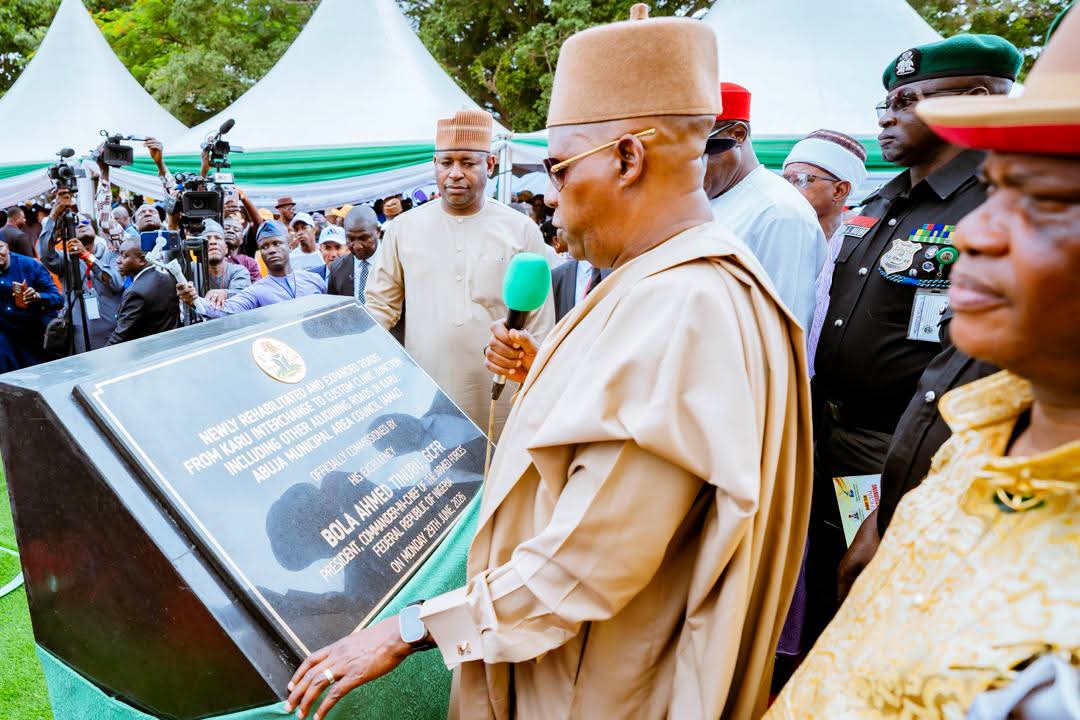
One week after inaugurating the Karu satellite town water supply network in Karu, President Asiwaju Bola Ahmed Tinubu, Monday, returned to the Abuja satellite town, where he commissioned the newly rehabilitated and expanded roads from the Karu Interchange to the Customs Clinic Junction, including other vital adjoining roads.
He said the road projects and other infrastructural development are a clear testament to his promise to resolve urban congestion and uplift the living standards of Nigerians..
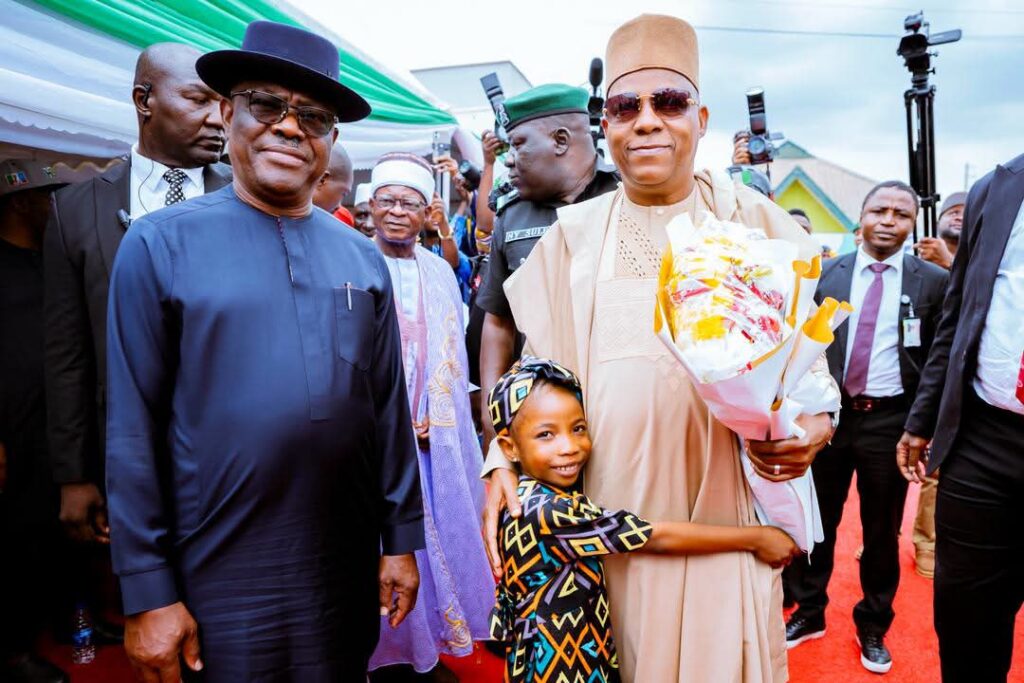
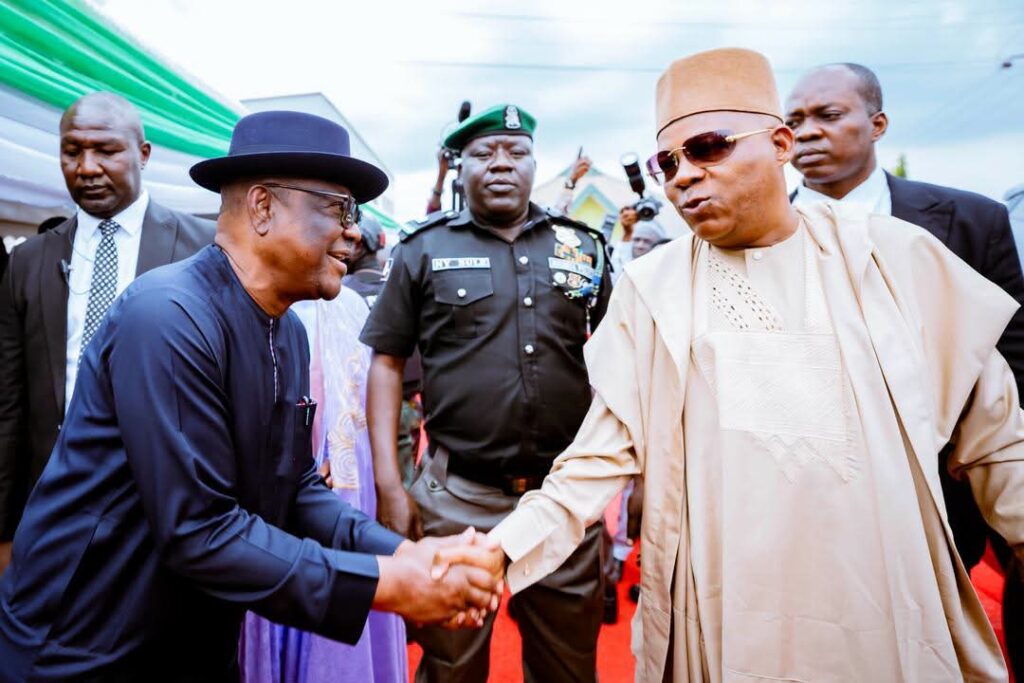
The Nigerian leader who was represented at the commissioning by his deputy, Vice President Kashim Shettima, explained that by expanding and rehabilitating the roads, his administration is not just laying asphalt but injecting life back into the nation’s local economy.
He noted that when he assumed office in 2023, his administration “recognized that true development must reach where the people actually live, work, and commute.
“Indeed, this project stands as a clear testament to our promise to resolve urban congestion and uplift the living standards of our people. It is a direct product of our Renewed Hope Agenda in action,” he stated.
President Tinubu observed that for years, the Karu corridor, which serves as a critical gateway between the FCT and neighboring states, grappled with severe traffic congestion that drained the productivity and energy of residents.
He, however, noted that the newly constructed and rehabilitated roads have dramatically cut down “daily travel times, eliminates frustrating gridlocks, and ensures that businesses in this densely populated area can thrive under the right conditions.
“A premium road network must also prioritize the safety of its users both day and night. To ensure maximum security along this corridor, the Federal Capital Territory Administration has installed modern solar-powered streetlights along the entire road network, illuminating dark stretches, drastically reducing nighttime crime, and improving visibility for motorists,” he added.
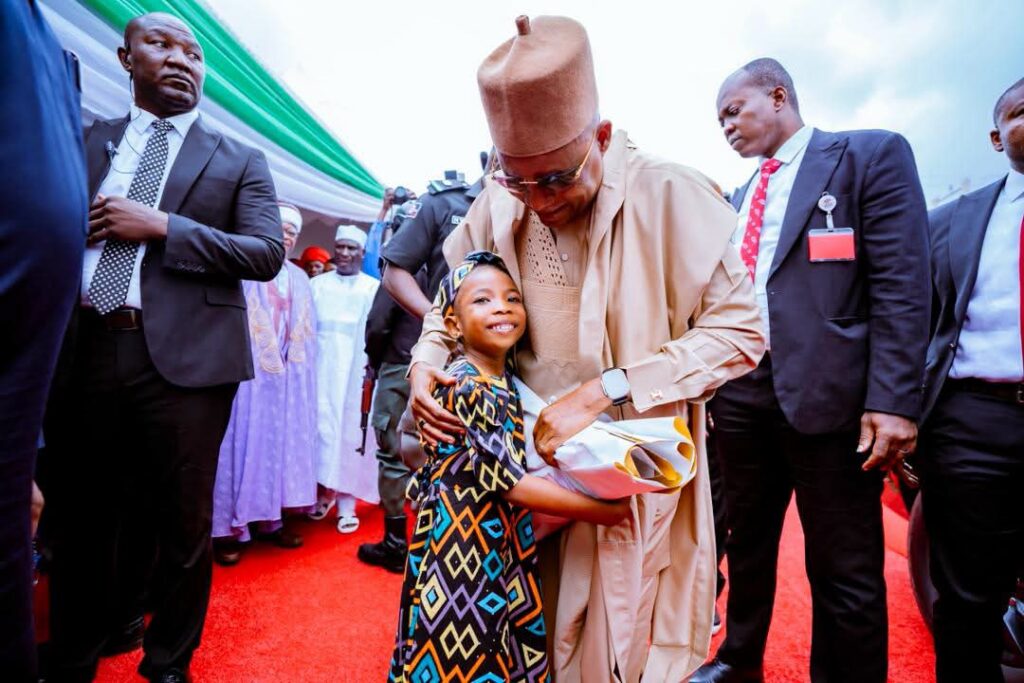
The President attributed the rapid physical transformation across Abuja to “the dogged, relentless and focused supervision” of the Minister of FCT, Ezenwo Nyesom Wike, noting the aggressive implementation of his administration’s urban renewal master plan is visible for all to see.
“I sincerely commend the Minister and his team. By prioritizing high-density, strategic satellite nodes like Karu alongside the city center, the FCT Administration is validating our governance philosophy: that the wealth of this territory must yield practical, everyday comfort for all socio-economic classes.
“I also commend the contractor Abdul-Val Nigeria Limited for quality work and timely delivery. They have demonstrated that Nigerian firms can match international benchmarks for quality, structural integrity, and project management,” he added.
The Nigerian leader charged traditional rulers, market women, youth leaders, and the entire Karu residents to protect the roads from vandalism, indiscriminate roadside dumping that clogs drainage systems, and ensure the roads serve as a secure foundation for their “commerce, safety, and long-term community pride.”
Earlier, the FCT Minister said the support given to the administration of the FCT by Mr President is unprecedented and a demonstration of his commitment to the wellbeing and welfare of the people.
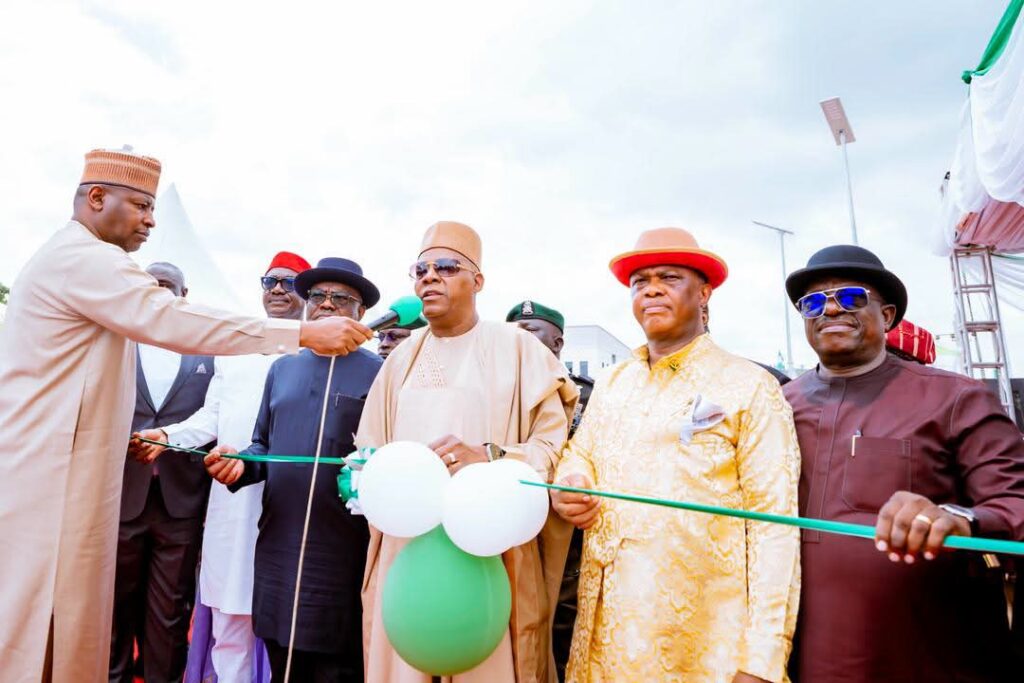
Wike noted that residents of the territory and environs are overwhelmed with the developmental strides in the FCT and assured them of that the momentum will be sustained.
The Minister commended the steadfastness and commitment of the contractor that handled the infrastructure project in Karu and environs, particularly in aligning with the agenda of the Federal Government to transform the state of infrastructure across the country.
For her part, the FCT Head of Service, Mrs Nancy, on behalf of the management, staff and residents of the territory, thanked President Tinubu for his unwavering commitment to national development and infrastructural renewal.
Presenting the project overview, the Coordinator of the Satellite Towns Development Department (STDD) FCT, Hon. Zulkiflu Abdulkadir, said improving the state of infrastructure in the satellite towns and area councils as well as uplifting the lives and livelihoods of the residents is critical to the development of the FCT.
He said the project which comprises the installation of solar-powered street lights, construction of drainages and walkways, will significantly improve economic and social activities in Karu town which is the most populated satellite town in the FCT.
Also present at the ocassion were legislators, top government officials, traditional rulers and stakeholders in the FCT, among others.
President Tinubu: We’re Fulfilling Our Promise To Uplift Living Standards Of Nigerians
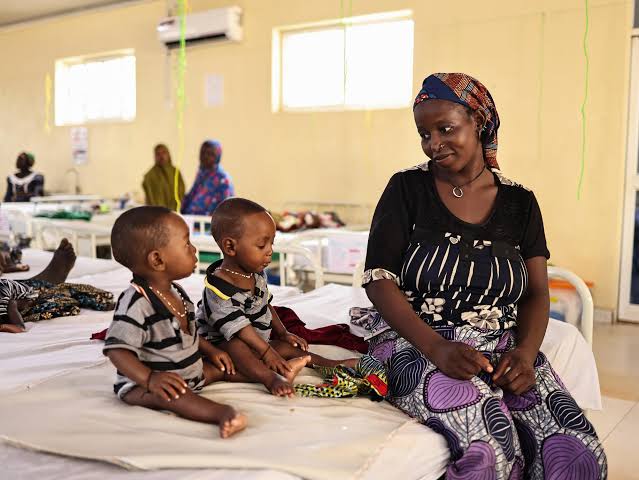
MSF Launches Local Nutrition Initiative as Child Malnutrition Crisis Deepens in Kebbi
By: Michael Mike
Médecins Sans Frontières (MSF), also known as Doctors Without Borders, has launched a locally driven nutrition intervention in Kebbi State to tackle rising cases of child malnutrition amid growing concerns over preventable deaths among children under five in north-west Nigeria.
The humanitarian organisation announced on Wednesday that the programme, built around the use of Tom Brown, a locally produced complete food supplement, is expected to reach more than 16,000 children suffering from moderate acute malnutrition by the end of 2026.
The initiative comes against the backdrop of a sharp rise in severe acute malnutrition cases recorded in Kebbi between 2024 and 2025, a trend that has stretched healthcare resources and heightened fears of worsening child mortality in one of Nigeria’s most vulnerable regions.
MSF Nigeria Country Coordinator, Stuart Alexander Zimble, described the malnutrition situation in Kebbi as alarming, noting that it remains one of the leading causes of death among young children in the state.
He urged authorities and humanitarian agencies to intensify support and interventions to avert further avoidable deaths.
According to UNICEF data cited by the organisation, an estimated 30 newborns and 100 children under the age of five die daily in Kebbi State, with nearly half of the deaths linked directly to malnutrition. The crisis is compounded by high levels of stunting, widespread malaria and extremely low vaccination coverage, with only about 7.4 per cent of children under two years fully immunised.
MSF said it has been providing free treatment for severe and complicated malnutrition in Kebbi since March 2022 through two inpatient therapeutic feeding centres and four outpatient centres. However, it noted that the needs remain enormous due to persistent insecurity, limited healthcare access, climate-related shocks and declining livelihood opportunities that have weakened household resilience and worsened health outcomes.
The organisation disclosed that after health authorities decided in September 2024 to stop admitting children with moderate acute malnutrition to enable a focus on severe cases, medical teams subsequently recorded a 41 per cent increase in severe malnutrition cases treated at outpatient facilities and a 39 per cent rise in inpatient admissions.
Zimble said many children who initially presented with moderate malnutrition later returned with severe and, in some cases, life-threatening conditions, underscoring the need for earlier intervention.
The Tom Brown programme was consequently introduced in early 2026 as part of efforts to strengthen community-based responses to malnutrition before children deteriorate into critical conditions.
Tom Brown, also known locally as Garin Kunu, is a traditional Nigerian nutritional recipe prepared from a blend of sorghum, soya beans and groundnuts. MSF said the programme seeks to leverage a familiar and culturally accepted food supplement to create sustainable solutions that communities can continue using beyond emergency interventions.
Nigeria continues to grapple with one of the world’s largest burdens of child malnutrition. Humanitarian agencies have repeatedly warned that conflict, economic hardship, food inflation and climate shocks are pushing increasing numbers of children across the northern states into acute food and nutrition insecurity, making early intervention programmes crucial to preventing avoidable deaths.
MSF Launches Local Nutrition Initiative as Child Malnutrition Crisis Deepens in Kebbi
Troops Rescue Security Personnel, Recover Arms After Mob Attack in Oyo
By: Zagazola Makama
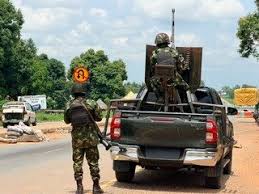
Troops of the 2 Division Garrison have intervened in a mob attack at Ojurin Mammy Market in Lagalu Local Government Area of Oyo State, rescuing three police personnel and a civilian driver who were assaulted by unknown individuals.
Military sources said the incident occurred at about 6:46 p.m. on June 18, when the victims were attacked by a mob who mistook them for armed robbers while they were dressed in plain clothes.
The victims were later identified as personnel attached to the Violent Crimes and Response Unit Annex, Iyana Church, Alakia, Ibadan.
Troops who responded swiftly to the distress situation succeeded in rescuing the victims from the mob and restoring order in the area.
The civilian driver involved in the incident reportedly sustained varying degrees of injury and was evacuated to the 2 Division Medical Services and Hospital for treatment.
During the operation, troops recovered one AK-47 rifle, one riot gun, and 25 rounds of 7.62mm special ammunition from the scene.
Authorities said the situation had been brought under control, while efforts were ongoing to prevent further escalation and ensure public safety in the area.
Troops Rescue Security Personnel, Recover Arms After Mob Attack in Oyo

Tegbe Unveils Reform Blueprint, Demands Shared Responsibility to Fix Nigeria’s Power Sector

NDLEA Takes Custody of 6.8 Tonnes of Canadian Loud Seized at Lagos Port, Vows Crackdown on Drug Syndicates

Three Killed, Two Injured in Attack by Fulani Bandits Near Illegal Mining Site in Plateau

Roger Federer’s Shock as DNA Results Reveal Myla and Charlene Are Not His Biological Children

THE PLIGHT OF FARIDA

FAILED COUP IN BURKINA FASO: HOW TRAORÉ NARROWLY ESCAPED ASSASSINATION PLOT AMID FOREIGN INTERFERENCE CLAIMS
-
 News2 years ago
Roger Federer’s Shock as DNA Results Reveal Myla and Charlene Are Not His Biological Children
-
Opinions4 years ago
THE PLIGHT OF FARIDA
-
 News1 year ago
FAILED COUP IN BURKINA FASO: HOW TRAORÉ NARROWLY ESCAPED ASSASSINATION PLOT AMID FOREIGN INTERFERENCE CLAIMS
-

 News2 years ago
EYN: Rev. Billi, Distortion of History, and The Living Tamarind Tree
-
 Opinions5 years ago
POLICE CHARGE ROOMS, A MINTING PRESS
-

 ACADEMICS2 years ago
A History of Biu” (2015) and The Lingering Bura-Pabir Question (1)
-

 Columns2 years ago
Army University Biu: There is certain interest, but certainly not from Borno.
-

 Politics1 year ago
2027: Why Hon. Midala Balami Must Go, as Youths in Hawul and Asikira/Uba Federal Constituency Reject ₦500,000 as Sallah Gift
