
News
Experts Urge Evidence-Based Energy Reforms as Nigeria’s Transition Debate Intensifies

Experts Urge Evidence-Based Energy Reforms as Nigeria’s Transition Debate Intensifies
By: Michael Mike
Energy policy experts have called for stronger data-driven decision making in Nigeria’s energy transition process, warning that ambitious climate targets must be balanced with economic realities, job security, and the country’s persistent energy access challenges.
The call was made during a national policy dialogue where researchers presented findings on the economic, environmental, and political implications of different energy transition pathways for Nigeria.
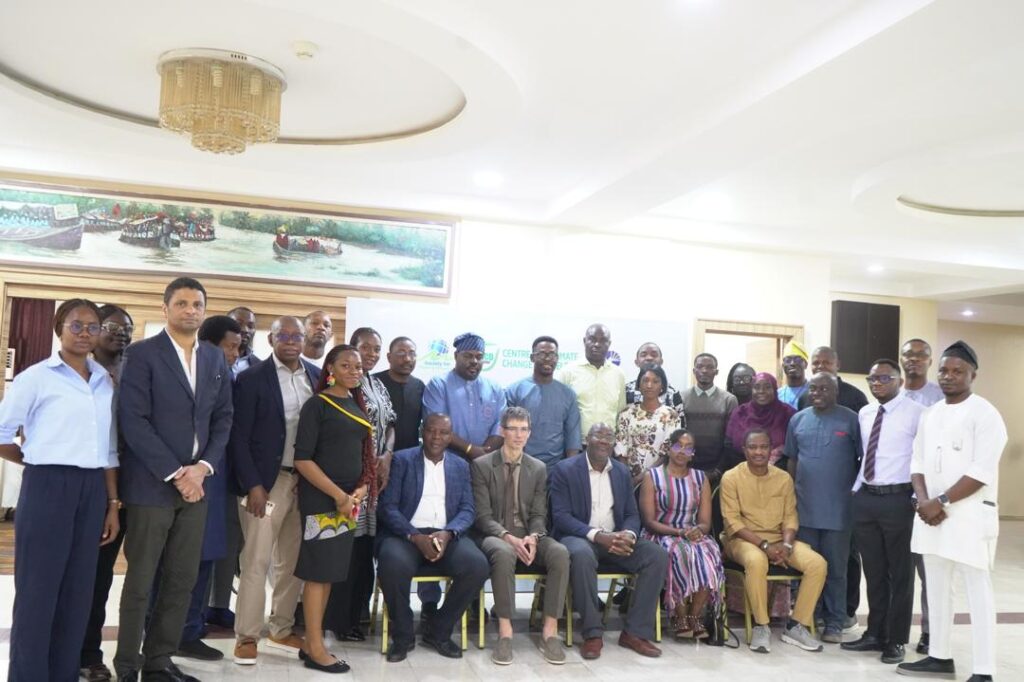
At the event, the Stakeholders Research Workshop on Supporting Just Transition in Nigeria, organized on Tuesday in Abuja by the Ministry of Environment and Society for Planet and Prosperity (SPP), analysts said the study was designed to help guide policymaking by providing empirical insights into how various decarbonisation strategies could impact growth, employment, and emissions.
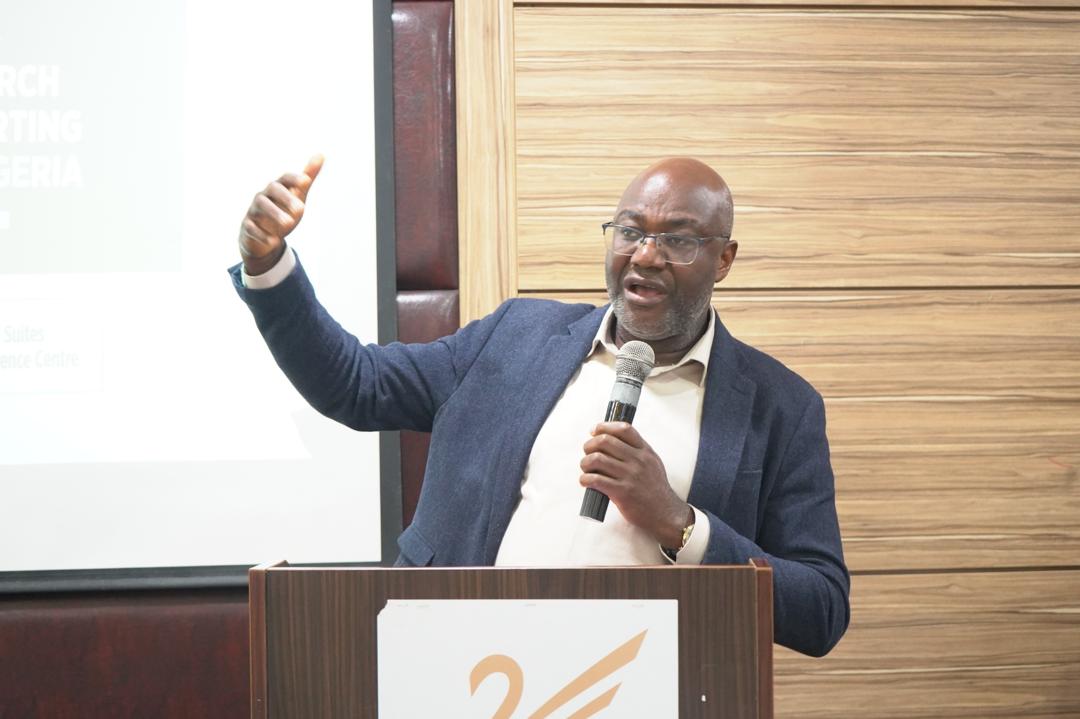
President of the Society for Planet and Prosperity, Professor Chukwumerije Okereke, said Nigeria’s existing commitments under its Nationally Determined Contributions (NDCs) and Energy Transition Plan (ETP) are ambitious but require stronger technical validation before full implementation.
He noted that current projections suggesting up to 85 percent adoption of electric vehicles by 2060 and large-scale solar electricity generation of about 150 gigawatts may be difficult to achieve under current infrastructure and investment conditions.
“Policy targets are not enough on their own,” Okereke said. “What matters is how these targets will be achieved and what the economic and social consequences will be.”
He added that the research explores multiple transition scenarios, including gas-centered development, renewable-focused expansion, and hybrid energy strategies combining both gas and renewable technologies.
According to him, a balanced transition pathway may be more realistic for Nigeria, allowing the country to gradually reduce emissions while still leveraging its vast natural gas resources to support industrial growth and electricity access.
Researchers also emphasized that Nigeria’s transition strategy must address energy poverty, noting that millions of households still lack reliable electricity supply. They said distributed renewable energy systems, particularly solar mini-grids, could play a crucial role in expanding electricity access to rural and underserved communities.
Energy economists involved in the study explained that their analysis combined energy modelling with macroeconomic projections to assess how different policy choices would influence GDP growth, employment creation, and carbon emissions.
Senior Research Fellow, ODI Global, Dr. Timothy Kelsall said the research does not attempt to predict future outcomes but instead evaluates possible consequences of policy decisions.
“We are not predicting the future,” Kelsall said. “We are showing policymakers what could happen under different scenarios so they can make informed decisions.”
He explained that the study models three major transition pathways — gas-focused transition, renewable-dominated transition, and hybrid energy development — noting that each pathway would create different economic and political impacts across sectors.
Analysts also stressed that energy transition policies must consider Nigeria’s political economy realities, as policy reforms often create winners and losers across industries and interest groups.
Experts warned that abrupt policy changes could trigger economic disruptions, particularly in regions and sectors heavily dependent on fossil fuel revenues. Instead, they recommended a gradual transition supported by investment incentives, industrial development policies, and workforce reskilling programs.
The research also examined the use of savings from fuel subsidy reforms, noting that simply removing subsidies without clear reinvestment strategies would not automatically translate into development gains.
Stakeholders said subsidy savings could be redirected toward renewable energy infrastructure, social protection programs, and industrial development initiatives that support economic diversification.
While Nigeria continues to depend heavily on oil and gas exports for foreign exchange earnings, analysts said diversification efforts remain critical for long-term economic stability.
However, they stressed that natural gas could play a transitional role in supporting electricity generation and industrial expansion while renewable energy capacity continues to grow.
Researchers urged stronger collaboration between government institutions, private sector investors, and civil society organisations to ensure successful implementation of transition policies.
As Nigeria navigates its climate and energy future, experts say the country must pursue a pragmatic energy strategy that balances environmental protection with economic growth and improved access to reliable electricity for its growing population.
Experts Urge Evidence-Based Energy Reforms as Nigeria’s Transition Debate Intensifies


FG, World Bank inaugurates skills acquisition training for 670 trainees in Adamawa
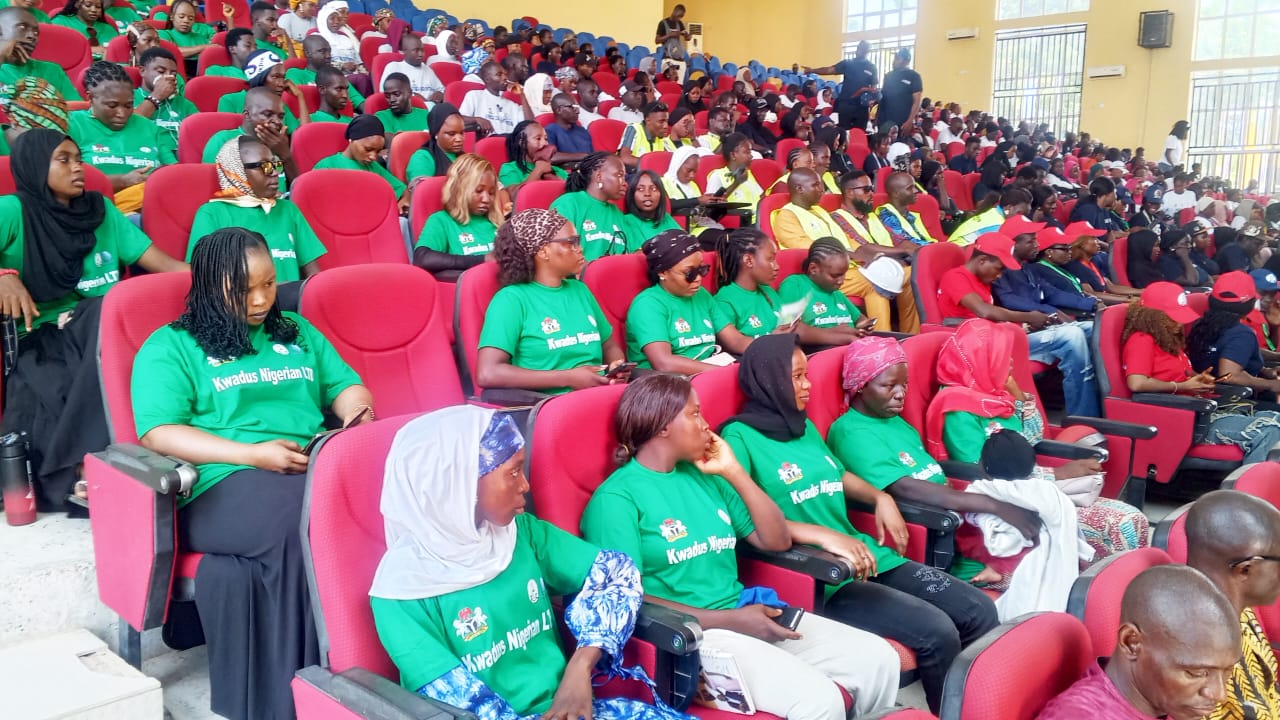
Federal Ministry of Education with the support from the World Bank has inaugurated skills acquisition training to no fewer than 670 trainees implemented under the IDEAS-TVET initiative in Adamawa State.
Blessing Ogwu, Coordinator, National Project Coordinating Unit (NPCU), said the training is about creating opportunities, building human capital, strengthening Nigeria’s technical and vocational education ecosystem.
Ogwu who was represented by Salisu Abuubaida, procurement officer, Gombe’s office added that the training is also to equip young people with the practical skills they need to participate meaningfully in the economy.
She said that the Project has continued to demonstrate that skills development is a powerful pathway to employment, entrepreneurship and economic empowerment.
She advised the beneficiaries to actively participate in the training programme maximum benefit in the future.
“I wish to remind every trainee that you are expected to maintain at least 65 percent attendance every month to be eligible for the N30,000 promised by the federal government”, she said.
Dr. Muhammed Yusuf, coordinator for the IDEAS-TVET programme, Cohort -3 Training Services Providers (TSPs) in Adamawa listed the skills to include fashion design, fishery, garment making.
Others are building construction, catering and hospitality management.
He described the skills as an investment in human capacity, entrepreneurship, employability, self-reliance, and the future of the society.
He congratulated the participants for being among the beneficiaries of the programme.
“You have been presented with an opportunity to learn, grow, and acquire skills that can open doors to meaningful employment and entrepreneurship.
“I encourage you to approach the training with discipline, commitment, curiosity, and a strong determination to succeed”, he said.
Yusuf further appreciated the government instructions, World Bank and all stakeholders for making the programme possible.
In his address Dr Garba Pella, Adamawa Commissioner Ministry of Education represented by his Deputy Director Science, Technology and Innovation appreciated the federal government for the initiative.
He encouraged the participants to take advantage of the opportunity to be job creators rather than job seekers.
Pella urged them to step down the training to at least three persons for multiply impact in their respective communities.
Dr Nami Gaila, Director Centre for Vocational Skills Acquisition and Entrepreneurship, Federal Polytechnic, Mubi called on the beneficiaries to take the skills serious as white collar jobs are not readily available.
She advised them to also take the internship programme seriously, where to get the practical aspect of the skills.
“This is not a shortcut programme, you have to go through all the steps before giving you the certificate which is an international certification”, she said.
Folashade Olutola who is among those who spoke on behalf of the beneficiaries appreciated the federal government for giving them the opportunity to participate in the training.
She assured to use the opportunity to acquire skills and apply them into practice for selves employees and employers of labour.
FG, World Bank inaugurates skills acquisition training for 670 trainees in Adamawa
Zulum Unveils N1.05bn Empowerment for Youths, Persons with Disabilities
By: Our Reporter
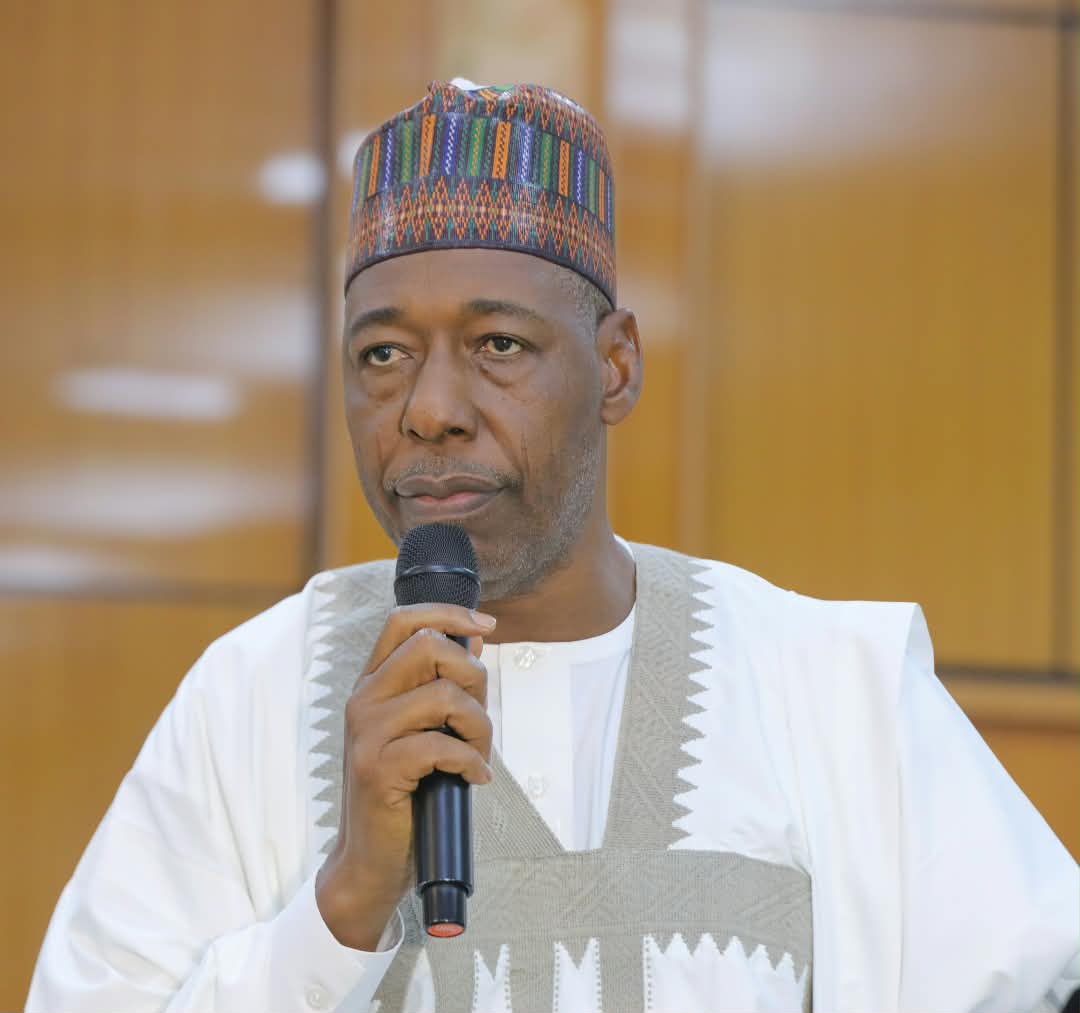
Borno State Governor Professor Babagana Umara Zulum has launched a N1.05 billion empowerment programme for seven groups in Maiduguri Metropolitan and Jere Local Government Areas.
Governor Zulum launched the programme on Friday at the State Hotels, Maiduguri, noting that the intervention was in continuation of his administration’s support for vulnerable people, youths, women and persons with disabilities.
The governor stressed that he would provide more job opportunities to young people so they can earn a living.
“Today, we are launching another empowerment programme for seven groups to boost business and economic opportunities in our dear state, which is recovering from years of Boko Haram conflict,” Zulum said.
The governor promised a larger empowerment programme for women, youths and other entrepreneurs by the end of the month.
“I consider every young person in this state as my son. That is why I am committed to providing every opportunity to ensure that you prosper and become productive members of society,” he added.
The beneficiaries include clubs and associations, persons with physical disabilities, including persons with hearing impairment, persons with visual impairment, persons affected by leprosy, and youth groups.
Commissioner for Youth, Sports and Economic Empowerment, Hon. Saina Buba, thanked the governor for the many empowerment programmes he has provided for youths and other vulnerable groups. He said the programmes had greatly improved their lives.
Present at the occasion were the governor, the All Progressives Congress (APC) governorship candidate, Engr. Mustapha Gubio; the member representing Marte/Monguno/Nganzai Federal Constituency, Engr. Bukar Talba; members of the Borno State House of Assembly; the Acting Chief of Staff to the Governor, Dr. Babagana Mustapha Malumbe; commissioners; and other dignitaries.
Zulum Unveils N1.05bn Empowerment for Youths, Persons with Disabilities
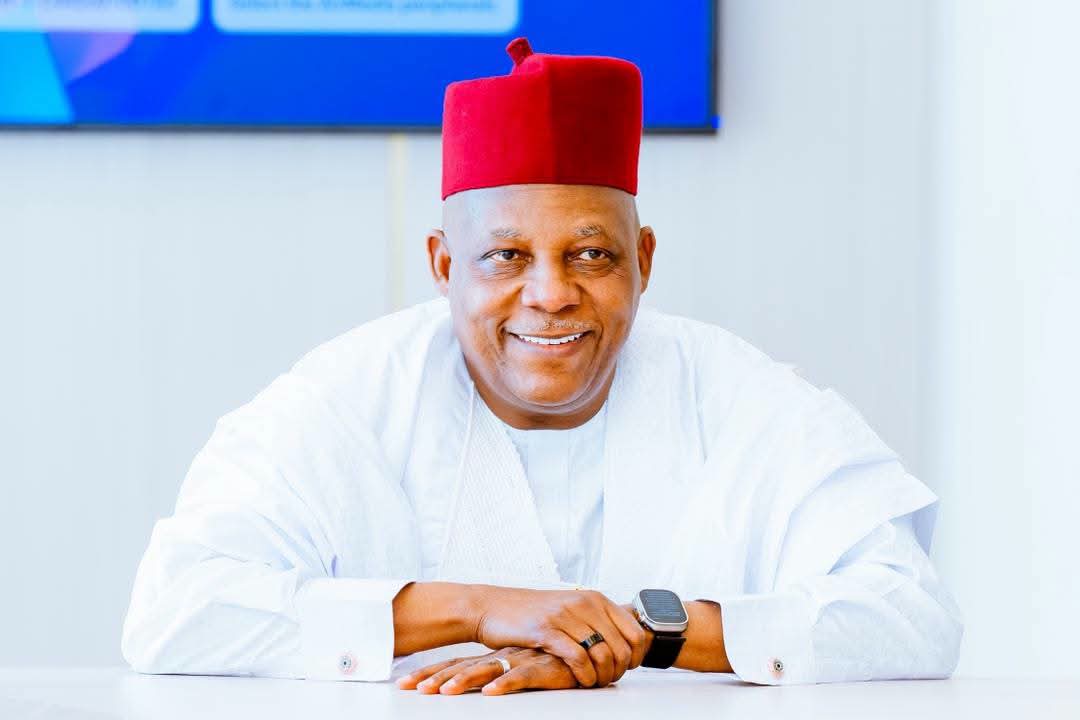
VP Shettima Commissions Ultramodern Head Office Of Northwest Petroleum & Gas Firm In Lagos
*Says region’s petroleum industry is positioning for decades of service in changing global energy economy
** Attributes fresh investment, stronger performance in oil/gas sector to President Tinubu’s reforms, subsidy removal
By: Our Reporter
In a massive boost for Nigeria’s energy sector, the Vice President, Senator Kashim Shettima, has officially commissioned the ultra-modern corporate headquarters of Northwest Petroleum & Gas Company Limited in Lagos.
He hailed the state-of-the-art facility as a game-changer that will revolutionize local operations and completely rewrite the standards of excellence for the nation’s multi-billion dollar oil and gas industry.
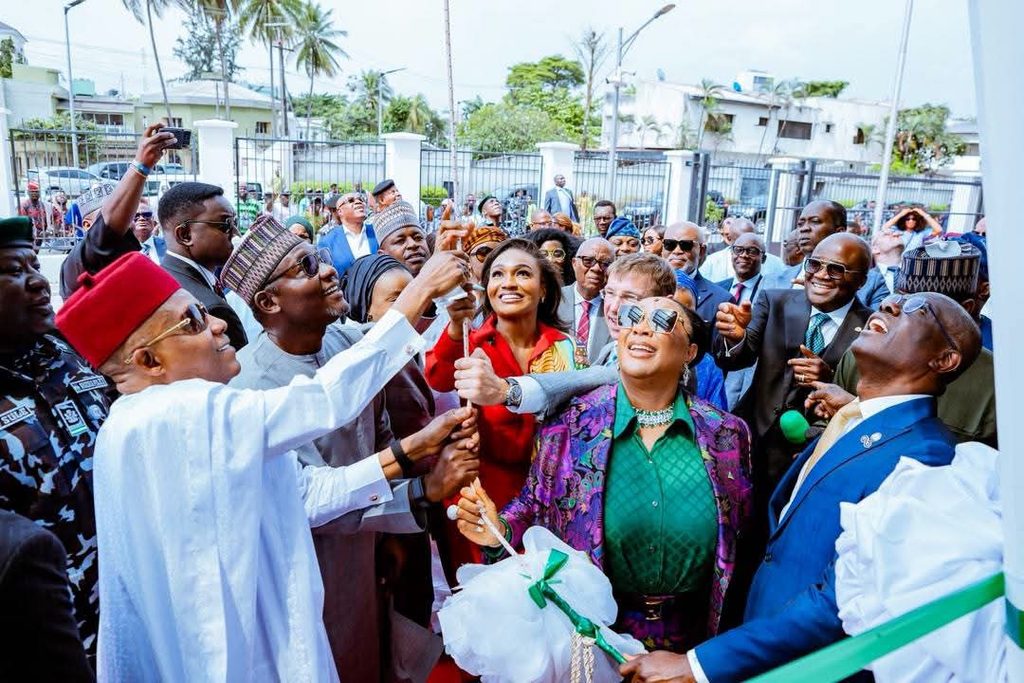
Speaking on Friday during the commissioning of the regional petroleum and gas firm’s corporate head office in Victoria Island, Lagos, Senator Shettima declared that the world-class facility sends a clear message to investors, clients, and Nigerians that Northwest Petroleum is poised for decades of service in an evolving global energy economy.
According to Shettima, while the new corporate facility marks an expansion for Northwest Petroleum, a major indigenous player in Nigeria’s downstream oil and gas sector, it will also provide a modern, world-class environment for collaboration, professional fulfilment, and strategic achievement across its workforce, partners, and stakeholders.
“We take particular pride in seeing an indigenous enterprise expand with such conviction. Nigerian ownership must mean Nigerian capacity to compete, invent and deliver.

“This headquarters brings strategic leadership and innovation under one roof, telling investors, customers and our citizens that Northwest Petroleum is preparing for decades of service in a changing global energy economy. The progress recorded here should make our country harder to dismiss,” he stated.
The Vice President attributed what he described as renewed investment and stronger performance across the nation’s oil industry to “the economic reforms of His Excellency, President Bola Ahmed Tinubu, GCFR,” assuring that the Tinubu administration will continue to foster conditions that reward enterprise, encourage technological advancement, and sustain growth.
Specifically, VP Shettima pointed to the removal of subsidy on petroleum products and reform of the foreign exchange market, saying they “have confronted distortions that discouraged productive investment.”
He continued: “The stabilisation of the market is restoring the confidence businesses need to commit capital beyond the next quarter. A business must be able to plan before it can expand. Greater exchange rate predictability strengthens procurement, improves investment decisions and supports production.

“Our administration will continue to foster conditions that reward enterprise, encourage technological advancement and sustain growth. We recognise the sacrifices reform has demanded, and our obligation is to translate economic progress into better lives.”
Noting that the government cannot manufacture prosperity by proclamation, the Vice President stressed the need for “private enterprises that turn investment into employment and opportunity,” commending Northwest Petroleum & Gas Company Limited for building a strong Nigerian presence across the oil and gas value chain since 1998
The regional oil conglomerate, he said, will “open doors for talented young Nigerians, offer professionals room to advance and deepen the skills on which” the nation’s energy industry depends,” observing that every career developed in the corporate facility could become a source of security for a family and strength for the country’s economy.
On his expectations from the facility, Senator Shettima said, “A centralised corporate hub must also sharpen efficiency, improve coordination and increase productivity across your expanding operations.
“Its economic influence should extend beyond its gates. I expect new demand for suppliers, transport, maintenance and other services to generate opportunities within this community. The prosperity of your neighbours should grow alongside the prosperity recorded in your accounts.”
The VP congratulated the Board and the Mrs. Winifred Akpani-led management team of Northwest Petroleum on bringing the vision of a world-class corporate headquarters to fruition, expressing confidence that the facility will “nurture creativity, reward innovation, generate profitability, and inspire service worthy” of Nigeria.
“It is now my distinct honour to officially commission the Corporate Head Office of Northwest Petroleum & Gas Company Limited, to the glory of God and for the progress and prosperity of the Federal Republic of Nigeria,” he further declared.
Earlier, Governor Babajide Sanwo-Olu of Lagos State described the private sector as the oil of growth, reassuring of government’s commitment to providing an enabling environment for private sector to thrive.
He commended the Vice President for his leadership, support and unwavering dedication to the Nigeria Project, saying “this morning again you have demonstrated that by leaving everything in Abuja to come and honour us in Lagos.
Sanwo-Olu applauded the private sector for investing in Lagos, observing that if the sector had chosen not to make the investments, the state wouldn’t have witnessed such tremendous growths.
“So, for all of you in the oil & gas industry, financial services industry, and construction industry, let me, on behalf of Lagosians, thank you day-in-day-out, year-in-year-out for making those investments in the commercial economic centre of country,” he added.
Also, Chief Executive Officer and Founder of the Northwest Petroleum and Gas Company Limited, Mrs Winifred Akpani, underscored the importance of indigenous business and private sector participation in the continued development of the nation’s economy.
She explained that the facility represents the growth of the company, its confidence in the future, and its determination to build a modern Nigerian company capable of operating to the highest standards of excellence in an era where the global energy landscape is rapidly evolving.
“This smart building stands as a symbol of our long-term commitment to Nigeria’s future. It provides a modern environment designed to promote collaboration, strengthen operational efficiency, encourage innovation, and empower the talented people who drive our business,” Mrs Akpani stated.
She noted that the future of the energy industry would depend increasingly on innovation, technology, responsible investment, strong partnerships, and development of Nigerian talents.
Also present at the event were former governor of Lagos State, Mr. Akinwunmi Ambode; Group Executive Director, Commercial Operations, Oil and Gas, WAEP, and Fertilizer, of Dangote Industries Limited, Fatima Aliko-Dangote; former governor of Delta State, Chief James Ibori, and captains of industries, among others.
VP Shettima Commissions Ultramodern Head Office Of Northwest Petroleum & Gas Firm In Lagos

FG, World Bank inaugurates skills acquisition training for 670 trainees in Adamawa

The Silent Strategy: Why Kashim Shettima Is the Defining Force Behind the Tinubu Ticket in 2027

Zulum Unveils N1.05bn Empowerment for Youths, Persons with Disabilities

Roger Federer’s Shock as DNA Results Reveal Myla and Charlene Are Not His Biological Children

THE PLIGHT OF FARIDA

FAILED COUP IN BURKINA FASO: HOW TRAORÉ NARROWLY ESCAPED ASSASSINATION PLOT AMID FOREIGN INTERFERENCE CLAIMS
-
 News3 years ago
Roger Federer’s Shock as DNA Results Reveal Myla and Charlene Are Not His Biological Children
-
Opinions5 years ago
THE PLIGHT OF FARIDA
-
 News1 year ago
FAILED COUP IN BURKINA FASO: HOW TRAORÉ NARROWLY ESCAPED ASSASSINATION PLOT AMID FOREIGN INTERFERENCE CLAIMS
-

 News3 years ago
EYN: Rev. Billi, Distortion of History, and The Living Tamarind Tree
-
 Opinions5 years ago
POLICE CHARGE ROOMS, A MINTING PRESS
-

 ACADEMICS3 years ago
A History of Biu” (2015) and The Lingering Bura-Pabir Question (1)
-

 Columns3 years ago
Army University Biu: There is certain interest, but certainly not from Borno.
-

 Politics1 year ago
2027: Why Hon. Midala Balami Must Go, as Youths in Hawul and Asikira/Uba Federal Constituency Reject ₦500,000 as Sallah Gift
