
News
Health Care in Part of Zamfara in Jeopardy as MSF Vacate with Resumption of Hostilities

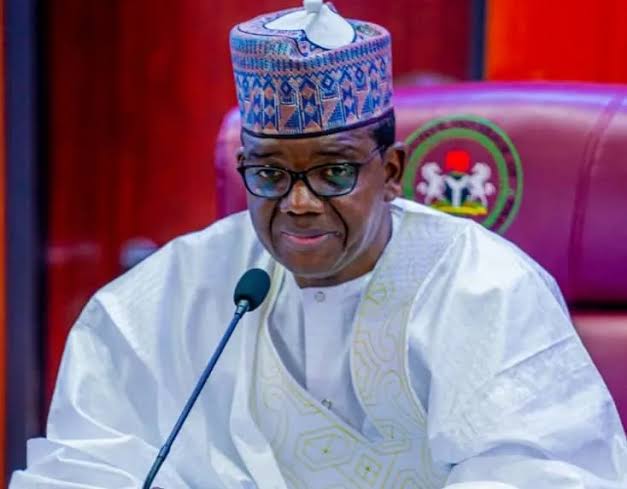
Health Care in Part of Zamfara in Jeopardy as MSF Vacate with Resumption of Hostilities
By: Michael Mike
Médecins sans Frontières (MSF) also known as Doctors Without Borders has vacated part of Zamfara State due to renewed armed confrontation in the state.
The institution in a statement on Friday said continuous heavy fighting has been taking place in Zurmi town since 10 December, with some of the confrontations occurring dangerously close to a hospital supported by Médecins sans Frontières (MSF).
It decried that these armed clashes have provoked the displacement of thousands of people in need of security, shelter and access to basic services, but insisted that humanitarian support is needed to help those in dire need of assistance.
The statement revealed that faced with important security risks, MSF medical teams on the ground had to evacuate part of its staff and are unable to function optimally, having to suspend the provision of healthcare to communities outside of the town, noting that in this context, the team is concerned about patients in need of medical treatment as they are unable to reach the hospital in a safe manner.
MSF deputy field coordinator in Zurmi, Adjide Hermann, was quoted in the statement to have said: “Some of the patients refuse to leave the hospital out of fear” while explaining that “we had no choice but to reduce part of our team, and the staffs who are still working at the hospital are afraid of what is going to happen next”.
MSF country representative, Dr. Simba Tirima, expressed deep concern, stating that: “This situation is untenable; we urgently appeal to the parties involved in the conflict to cease their hostilities to protect the population. This is also crucial to safeguard the medical mission and to maintain the safety of patients and medical staff”.
The statement said while the hostilities continue, sick and wounded patients are those facing greatest humanitarian and health needs as they struggle to access healthcare. The December spike in extreme violence, including killings and kidnappings, comes within a wider context of insecurity in Zamfara state, noting that the ongoing level of insecurity has forced the displacement of thousands of people. In Zurmi, most of these people are forced to live in unsanitary conditions, in two unofficial camps and schools serving as temporary shelters.
According to the statement with violent clashes taking place a few meters from the hospital compound on the 11 December, MSF was no longer able to guarantee the safety of patients or staff.
Herman said: “There was intense crossfire, we saw cars set on fire. Our team had to seek shelter in the hospital for a long time,” adding that only two days later, a second attack obliged the team to sleep in the security room inside the hospital.
Dr. Tirima added that: “Our teams are committed to provide medical support to Nigerian population in Zamfara state, we will do our best to maintain the operations, but we wish to see improvements in the security situation to be able to provide the appropriate medical care.”
In recent years, northwest Nigeria has been hit by an unprecedented wave of kidnappings, killings, displacements, and disruption of socio-economic activities due to the rise of armed bandits in the region.
In 2023, in collaboration with the Ministry of Health, MSF teams carried out 448 surgical interventions, provided 700 emergency consultations and assisted 5,674 deliveries in the General hospital in Zurmi. MSF also implements activities in the Shinkafi general hospital, and in Talata Mafara and Gummi with pediatric units and malnutrition centers.
Health Care in Part of Zamfara in Jeopardy as MSF Vacate with Resumption of Hostilities


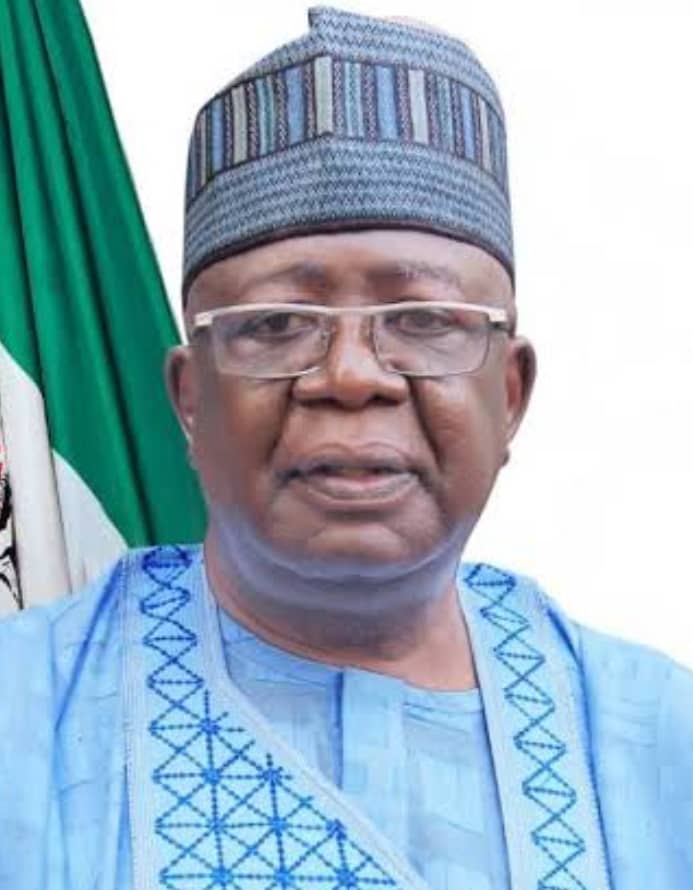
Why Borno must celebrate Governor Zulum
By: Hon. Yusuf Adamu
Four years ago, my friend Asiwaju Folawuyo Bello visited Maiduguri to condole me over the demise of my wife. After the condolences, we discussed issues. Bello is from Oyo State but has done a lot of business with our people in the North, so he understands Hausa and communicates well. Drawing from our discussion, I came to agree with the school of thought that public officials must be held accountable for the resources entrusted to them. However, I also disagree with the position of some individuals regarding our governor, Professor Babagana Zulum, and his achievements over the years. I noticed that some people are now painting a picture that appeals to fictions rather than facts. In a democracy, citizens have the right to ask how public funds are received, allocated, and spent. Activists, journalists, and civil society organizations also have an important role in exposing waste, corruption, and abuse of office. However, accountability must be based on verifiable facts, sound calculations, and a fair assessment of circumstances. For Asiwaju, Professor Babagana Umara Zulum has done well and deserved commendation. This is coming from a personality from far Oyo State, and I wonder why some people in Borno State are not seeing that part of Zulum’s efforts.
I personally feel that a serious review of allegations must consider the sources of government revenue, the cost of security operations, public infrastructure, social interventions, workers’ salaries, local government responsibilities, and the general economic conditions under which Borno State has been governed. When this broader context is considered, the claim by people with negative thoughts about Borno State and Governor Zulum’s administration appears incomplete and potentially misleading. The physical development of Borno, the scale of its security challenges, and the range of services provided by the government raise important questions that defend all the resources coming into the state, as Falawuyo Bello reviewed it again when he returns to Maiduguri for a visit sometime this year.
Professor Babagana Umara Zulum assumed office in a state facing extraordinary difficulties. Borno has endured more than a decade of insurgency, resulting in widespread displacement, destruction of infrastructure, disruption of economic activity, and the loss of lives and livelihoods. Many communities had been cut off from government services, while schools, hospitals, roads, markets, and public buildings were damaged or abandoned. Governing such a state is fundamentally different from governing a peaceful and economically stable environment. A large portion of government expenditure must go towards security, reconstruction, humanitarian support, and the restoration of basic services.
The governor’s performance should therefore be judged against the realities he inherited. Since taking office, his administration has pursued projects that are visible not only in Maiduguri but also in several local government areas. These include roads, flyovers, schools, hospitals, housing projects, public buildings, water infrastructure, markets, and other urban renewal programs. Such development has contributed to a noticeable change in the appearance and functionality of parts of the state capital. Areas that previously reflected neglect and insecurity have increasingly shown signs of reconstruction and organized growth.
Another friend of mine, Alhaji Yakubu Ahmed BK, who is currently the commissioner for information in Kebbi State, was in Maiduguri recently. While discussing issues about the North generally, he made examples with Governor Zulum’s landmarks and achievements in Borno State. One of the most significant areas of the administration’s intervention as he observed was healthcare. The establishment or development of major health facilities, including a state teaching hospital and other specialist institutions, requires substantial funding. The cost involves not merely the construction of buildings but also the provision of medical equipment, laboratories, theaters, staff accommodation, electricity, water supply, maintenance, and personnel, which are key triggers in expenses. He said a hospital cannot be assessed only by the cost of its external structure. Its sustainability depends on the wider system of healthcare delivery surrounding it.
He applied the same reasoning to the educational projects. He observed that rebuilding schools in communities affected by insurgency requires more than putting up classrooms. It involves security considerations, teachers’ accommodation, furniture, learning materials, water and sanitation facilities, and sometimes the construction of entirely new school networks for displaced populations. Universities and other tertiary institutions similarly require lecture halls, laboratories, administrative buildings, libraries, hostels, roads, electricity, and information technology infrastructure. When these expenses are added together, the financial demands become considerable.
On road construction and urban transportation projects, he said this also represents major commitments. The construction of flyovers, dual carriageways, drainage systems, bridges, and intercity roads is expensive even in states with relatively favorable terrain and stable economic conditions; this is something to look at. In Borno, the challenges are more severe because projects must often be implemented in areas affected by insecurity, inflation, difficult logistics, and damaged infrastructure. Contractors may require additional security arrangements, transportation costs may be higher, and the supply of materials may be disrupted. Yakubu Ahmed Bk knows Maiduguri and Borno State very well, having lived here.
He observed that the Zulum administration’s transportation policy further illustrates the scale of its social commitments. A fare of ₦50 per trip, reportedly one of the lowest in Nigeria, provides relief to students, workers, traders, and other residents at a time when transportation costs have risen sharply nationwide. Such a program cannot be evaluated only from the perspective of what passengers pay. The government may be subsidising fuel, vehicle maintenance, personnel, spare parts, and operational costs. The difference between the commercial cost of transportation and the amount paid by passengers must be funded from public resources.
These are observations by people outside the state. Many others have made similar comments, and the majority of these people are from outside the state. Dr. James Bwala, a son of the soil, has been reporting good things happening in the state recently. He stated that poverty alleviation and support for vulnerable citizens require substantial expenditure. According to him, in a state like Borno, where insurgency has displaced communities and weakened household income, government interventions may include food distribution, cash assistance, skills acquisition, agricultural support, youth empowerment, assistance to widows, support for internally displaced persons, and reintegration programs. These interventions are not always as visible as roads or buildings, but they are essential to social stability. A government that spends money on security and infrastructure while ignoring hunger and unemployment would fail in its responsibility. Conversely, a government that provides social support must be assessed within the context of the resources required to sustain it.
He observed that security is perhaps the most important factor that must be considered in evaluating Borno State’s finances. The fight against insurgency involves enormous direct and indirect costs. The government may support the procurement of vehicles, communications equipment, protective gear, patrol logistics, community security initiatives, and welfare packages for security personnel. It may also provide emergency assistance to communities affected by attacks, support displaced citizens, and participate in the reconstruction of liberated areas. Even when security is primarily a federal responsibility, state governments often bear significant costs because they are closest to the people and are expected to respond immediately to crises. Zulum has been doing that, he said.
From these credible views and comments, those condemning the Zulum administration based on their own positions are doing so to satisfy the negative intentions. Some are calling and whispering about the amount received but could not help to interpret the figures they are mentioning. Does the amount refer to statutory allocations alone? Does it include intervention funds? Are federal grants, loans, refunds, ecological funds, and special reconstruction allocations included? Does it represent gross receipts or actual money available for discretionary spending? Were local government allocations counted as part of the state government’s funds? Were salaries, pensions, debt servicing, security expenditure, and recurrent costs deducted? Without answers to these questions, the figure remains an assertion rather than a complete financial analysis.
It is also important to distinguish between funds received by a state and funds personally controlled by a governor. Federal allocations may be transferred to state and local government accounts under constitutional and statutory arrangements. Some funds are earmarked for specific purposes. Intervention funds may be tied to particular projects, while loans often come with repayment obligations. Capital receipts cannot automatically be treated as free money available for any project. A proper audit must therefore classify every source of revenue and match it with the expenditure for which it was intended.
The allegation also appears to raise a question about what the state has achieved with its resources. Yet the visible transformation across Borno creates a need for more precise investigation. If a state has constructed major roads and flyovers, established or upgraded hospitals, built schools, provided subsidized transportation, supported security operations, funded poverty reduction programs, and reconstructed communities, then the total value of these activities must be included in the assessment. It is not sufficient to mention an aggregate revenue figure and imply that the entire amount should remain available after eight years. Governor Babagana Umara Zulum has done for Borno State what generations to come will continue to praise.
- Hon. Yusuf Adamu writes from Maiduguri.
- Why Borno must celebrate Governor Zulum
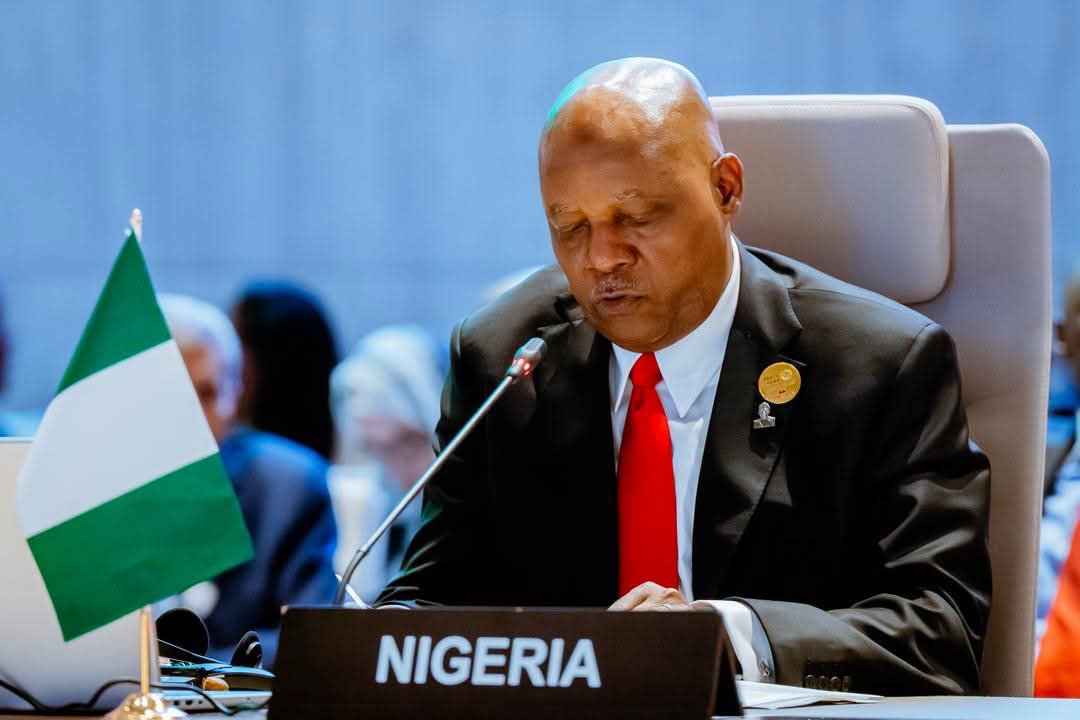
President Tinubu Takes Fight Against Xenophobic, Afrophobic Attacks In S’Africa To AU
Says enough is enough, demands urgent action to sustain Africa’s solidarity, unity at 21st Extraordinary AU Summit
Urges continent’s leaders to recommit to home-grown solutions, stronger cooperation against insecurity
By: Our Reporter
President Bola Ahmed Tinubu has formally reported the recurring xenophobic and Afrophobic attacks against Africans and other nationals in South Africa to the African Union, warning that the incidents undermine the continent’s solidarity, unity and peaceful coexistence.
Specifically, he requested prompt collective action from the continent’s leaders, including the placement of this matter on the agenda for the 40th Ordinary Session of the Assembly.
The Nigerian leader made the nation’s position known in a message delivered by his deputy, Vice President Kashim Shettima, at the 21st Extraordinary Session of the Assembly of the African Union (AU) in Luanda, Angola.
Represented at the annual continental event by Vice President Shettima, the President called on the AU to place the matter on the agenda of the 40th Ordinary Session of the Assembly scheduled for January 2027, while urging African leaders to reaffirm their commitment to the safety, protection and dignity of all African nationals.
“Nigeria wishes to express its concern over the recurring xenophobic and Afrophobic attacks against Africans and other nationals in South Africa.
“While recognising South Africa’s sovereign right to enforce its immigration laws and acknowledging its contributions to the continent, Nigeria stresses that such attacks undermine African solidarity, unity and peaceful coexistence, and require urgent collective attention.
“It is on this note that Nigeria calls on this august Assembly to place the matter on the agenda of the upcoming 40th Ordinary Session of the AU Assembly, scheduled for January 2027, for consideration and appropriate action,” he declared.
President Tinubu called for stronger continental efforts to combat xenophobia and Afrophobia, stressing that dialogue, preventive diplomacy, and collective action remained essential to preserving African unity.
On the wider security situation across the continent, Nigeria backed the adoption of the Luanda Action Plan as a practical roadmap for strengthening conflict prevention, arguing that preventing conflicts was cheaper and more sustainable than managing them after they erupt.
“For Nigeria, conflict prevention remains more cost-effective and sustainable than conflict management,” President Tinubu said.
The Nigerian leader warned that fragmented peace initiatives and increasing external interference through foreign military forces, mercenaries, and private defence contractors risk weakening the AU’s conflict prevention mechanisms and the principle of African ownership.
He further called on arms-producing and exporting countries to strengthen cooperation with African states and prevent weapons and ammunition produced within their jurisdictions from being diverted to terrorists and other non-state armed groups.
The Nigerian leader maintained that while the AU has robust mechanisms for preventing and resolving conflicts, limited trust and inconsistent implementation continue to undermine their effectiveness.
“The growing reliance on external actors risks weakening African institutions and the principle of African ownership,” he said, calling on member states to renew their commitment to collective responsibility for Africa’s peace and security.
Nigeria also backed sustainable and predictable financing for AU peace operations and the full operationalisation of UN Security Council Resolution 2719 to strengthen the continental body’s capacity to respond effectively to conflicts and crises.
President Tinubu urged African leaders to recommit themselves to home-grown solutions, stronger cooperation, and shared responsibility in tackling the continent’s security challenges.
“Let us therefore renew our collective commitment to solidarity, cooperation, and shared responsibility as we build the Africa we want,” the President said.
President Tinubu Takes Fight Against Xenophobic, Afrophobic Attacks In S’Africa To AU
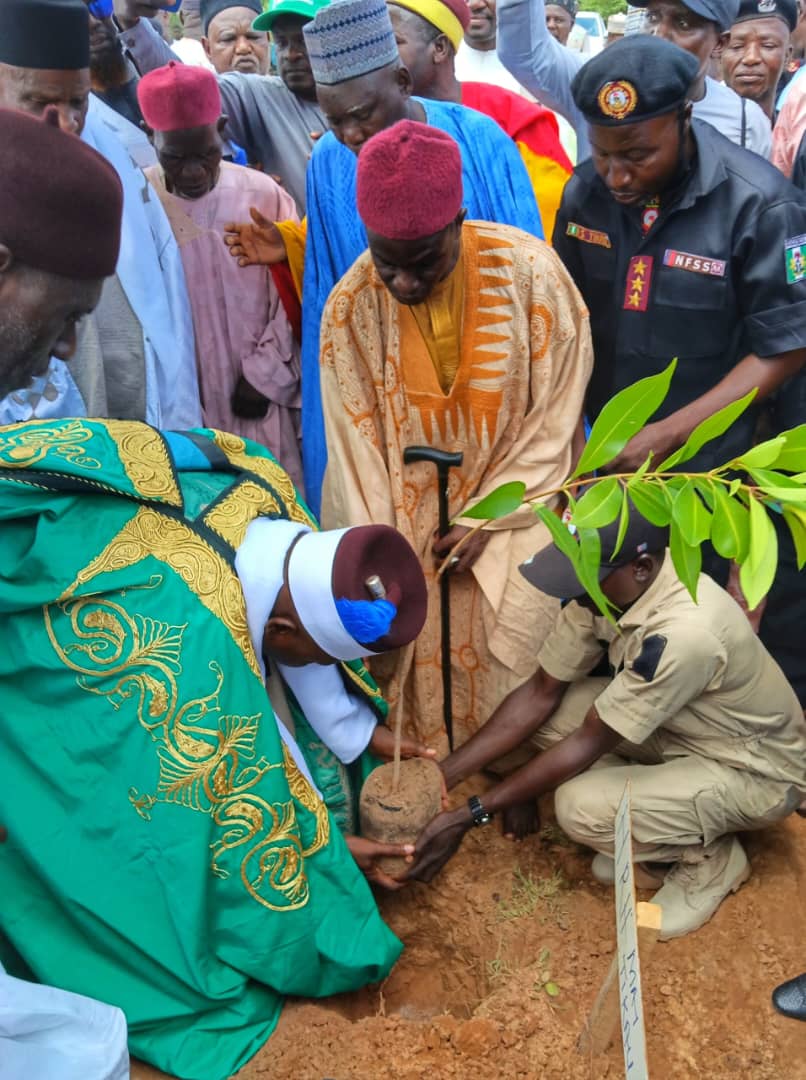
Tree planting a collective effort in Yobe – Emir of Tikau
By: Yahaya Wakili
The Emir of Tikau in Yobe State, His Royal Highness Alhaji Abubakar Muhammadu Ibn Grema II, PhD, has described the tree planting campaign as a collective responsibility to protect our land, restore degraded areas, and secure a sustainable future for the next generation.
The royal father revealed this today at the official launch of the Tikau Emirate Council in collaboration with the Nangere Local Government Council, the 2026 tree planting campaign at Garin Chiroma, Pakarau village, Nangere district, in the Nangere local government area of Yobe State.
“The Yobe state government has provided 2,000 seedlings for the Nangere local government area this year, and the seedlings include indigenous and economic tree species suitable for our environment, such as baobab (kuka), mahogany (madaci), pankia (dorawa), tamarind (tsamiya), mansonia (aduwa), moringa (zogale), and others.
The monarch commended Governor Mai Mala Buni, CON, COMN, for his foresight and commitment to environmental protection.
He further calls on community leaders, youth groups, and residents of the area to take responsibility for ownership of the trees and ensure their survival throughout their lives.
Tree planting a collective effort in Yobe – Emir of Tikau

Why Borno must celebrate Governor Zulum

President Tinubu Takes Fight Against Xenophobic, Afrophobic Attacks In S’Africa To AU

Nigeria Spends $600m Importing Palm Oil Despite Vast Production Potential

Roger Federer’s Shock as DNA Results Reveal Myla and Charlene Are Not His Biological Children

THE PLIGHT OF FARIDA

FAILED COUP IN BURKINA FASO: HOW TRAORÉ NARROWLY ESCAPED ASSASSINATION PLOT AMID FOREIGN INTERFERENCE CLAIMS
-
 News2 years ago
Roger Federer’s Shock as DNA Results Reveal Myla and Charlene Are Not His Biological Children
-
Opinions5 years ago
THE PLIGHT OF FARIDA
-
 News1 year ago
FAILED COUP IN BURKINA FASO: HOW TRAORÉ NARROWLY ESCAPED ASSASSINATION PLOT AMID FOREIGN INTERFERENCE CLAIMS
-

 News2 years ago
EYN: Rev. Billi, Distortion of History, and The Living Tamarind Tree
-
 Opinions5 years ago
POLICE CHARGE ROOMS, A MINTING PRESS
-

 ACADEMICS3 years ago
A History of Biu” (2015) and The Lingering Bura-Pabir Question (1)
-

 Columns3 years ago
Army University Biu: There is certain interest, but certainly not from Borno.
-

 Politics1 year ago
2027: Why Hon. Midala Balami Must Go, as Youths in Hawul and Asikira/Uba Federal Constituency Reject ₦500,000 as Sallah Gift
