
National News
How Nigeria’s Frontline Troops Are Fed, Managed, and Monitored Amid Social Media Controversy

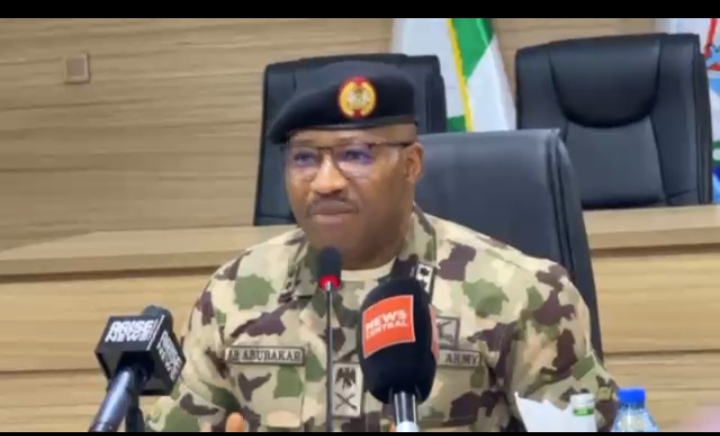
How Nigeria’s Frontline Troops Are Fed, Managed, and Monitored Amid Social Media Controversy
By: Zagazola Makama
In recent weeks, a wave of social media videos alleging poor feeding and neglect of Nigerian troops in frontline operations has reignited public debate about military welfare. But behind the viral claims lies a more structured, and less visible, system of logistics, oversight, and soldier participation that military authorities say is often misunderstood outside the theatre of operations.
At the centre of the clarification, the Theatre Commander, Joint Task Force North East Operation Hadin Kai, Maj.-Gen. Abdulsalam Abubakar, who insists that what circulates online is far removed from the realities on ground.
Speaking during an interaction with journalists on Thursday, Abubakar described troop welfare as a “deliberately structured and soldier-driven system” built on accountability and internal checks rather than perception.
According to him, every operational base in the theatre operates a food committee system designed to give troops direct involvement in what they eat and how supplies are managed.Every location has a food committee. That food committee is made up of mostly non-commissioned personnel. They know the menu of what they want to eat,” he said.
He explained that these committees are not symbolic but functional, conducting monthly assessments of feeding arrangements, inspecting supplies, and documenting conditions using written reports, photographs, and field feedback from troops.
In practical terms, commanders are not responsible for deciding meals. Their role, he said, is to ensure logistics are provided based on government allocation.
“The responsibility of the commander is to provide the resources as given by the government to ensure that meal,” Abubakar noted.
The commander acknowledged that social media narratives often emerge from isolated incidents, sometimes recorded under difficult field conditions, but argued that such content is frequently stripped of context.
He cited cases where soldiers, after receiving their rations, allegedly altered or partially consumed them before recording videos, which then went viral as evidence of systemic neglect.
“For someone to have been given his meal with soft drinks, he consumed the soft drinks, take out the protein of the food, take out half of your meal, and now make a video. That is mischief,” he said.
He stressed that such portrayals distort the reality of a system that, according to him, has improved significantly over time.
“That is mischief. What was posted out there in the media is not a true reflection of the feeding pattern that we have in the theatre,” he added.
Contrary to public perception, Abubakar said troops routinely receive structured meal packages that include protein, beverages, water, and operational rations adapted to field conditions.
He described a typical day for deployed soldiers as involving breakfast, lunch, dinner, and field packs during patrols.
“Even when they go on patrol, they have their cold trip, they have their lunch, they have their water meal pack, they have their takeout. This is what is obtainable across most of our locations,” he said.
The system, he explained, is designed not only for sustenance but also for operational continuity in remote and high-risk environments.
While defending the system, the commander also acknowledged that lapses can occur, but insisted they are neither ignored nor tolerated.
“We are not 100 percent. There are instances where commanders have been found wanting, and where that happens, you lose your command,” he said.
He referenced the directive of the Chief of Army Staff, Lt.-Gen. Waidi Shaibu, who he said enforces a strict “Soldier First” doctrine across all formations.
“You cannot take care of the soldiers, the Chief of Army Staff has directed that that commander must lose command. Every commanding officer in the field knows that the Chief of Army Staff does not joke with the welfare of our soldiers,” Abubakar stated.
Beyond feeding arrangements, the Army has introduced several reforms aimed at improving morale and efficiency across theatres.
These include an upward review of troop welfare allowances from N20,000 to N50,000 for personnel ranging from privates to warrant officers, as well as expanded access to foreign training and peacekeeping deployments.
Abubakar also revealed that three batches of troops are currently being prepared for international assignments, with priority given to personnel who have served in operational theatres.
To reduce stress and improve rotation cycles, welfare flight operations have also been sustained, allowing troops easier movement between deployment areas and home stations.
In addition, quick intervention funds have been introduced to help commanders address urgent maintenance and logistics needs in the field.
“Consistent welfare is not an afterthought, but a command priority embedded in structure, oversight, and policy enforcement.
While much of the public attention has focused on controversy, troops reportedly maintain active food committees that monitor supplies, verify quality, and ensure equitable distribution of rations across units.
Who have our troops for instance in Biu LGA who established their own Bakery, water factory and other packages for their troops.
According to him, these internal systems have contributed to higher morale and improved operational discipline despite persistent security pressures.
He argue that the current debate reflects a broader challenge in modern warfare, the struggle between battlefield reality and digital perception.
He warned that misinformation, if left unchecked, risks undermining troop morale and public trust in ongoing operations.
As Abubakar put it, the system is not perfect, but it is actively monitored, internally corrected, and designed with one principle in mind: the soldier comes first.
How Nigeria’s Frontline Troops Are Fed, Managed, and Monitored Amid Social Media Controversy


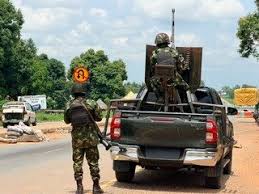
Troops Rescue Security Personnel, Recover Arms After Mob Attack in Oyo
By: Zagazola Makama
Troops of the 2 Division Garrison have intervened in a mob attack at Ojurin Mammy Market in Lagalu Local Government Area of Oyo State, rescuing three police personnel and a civilian driver who were assaulted by unknown individuals.
Military sources said the incident occurred at about 6:46 p.m. on June 18, when the victims were attacked by a mob who mistook them for armed robbers while they were dressed in plain clothes.
The victims were later identified as personnel attached to the Violent Crimes and Response Unit Annex, Iyana Church, Alakia, Ibadan.
Troops who responded swiftly to the distress situation succeeded in rescuing the victims from the mob and restoring order in the area.
The civilian driver involved in the incident reportedly sustained varying degrees of injury and was evacuated to the 2 Division Medical Services and Hospital for treatment.
During the operation, troops recovered one AK-47 rifle, one riot gun, and 25 rounds of 7.62mm special ammunition from the scene.
Authorities said the situation had been brought under control, while efforts were ongoing to prevent further escalation and ensure public safety in the area.
Troops Rescue Security Personnel, Recover Arms After Mob Attack in Oyo
National News
UN Envoy Blasts Nigeria’s Security Collapse, Warns Impunity Fuelling Cycle of Violence, Rights Breakdown
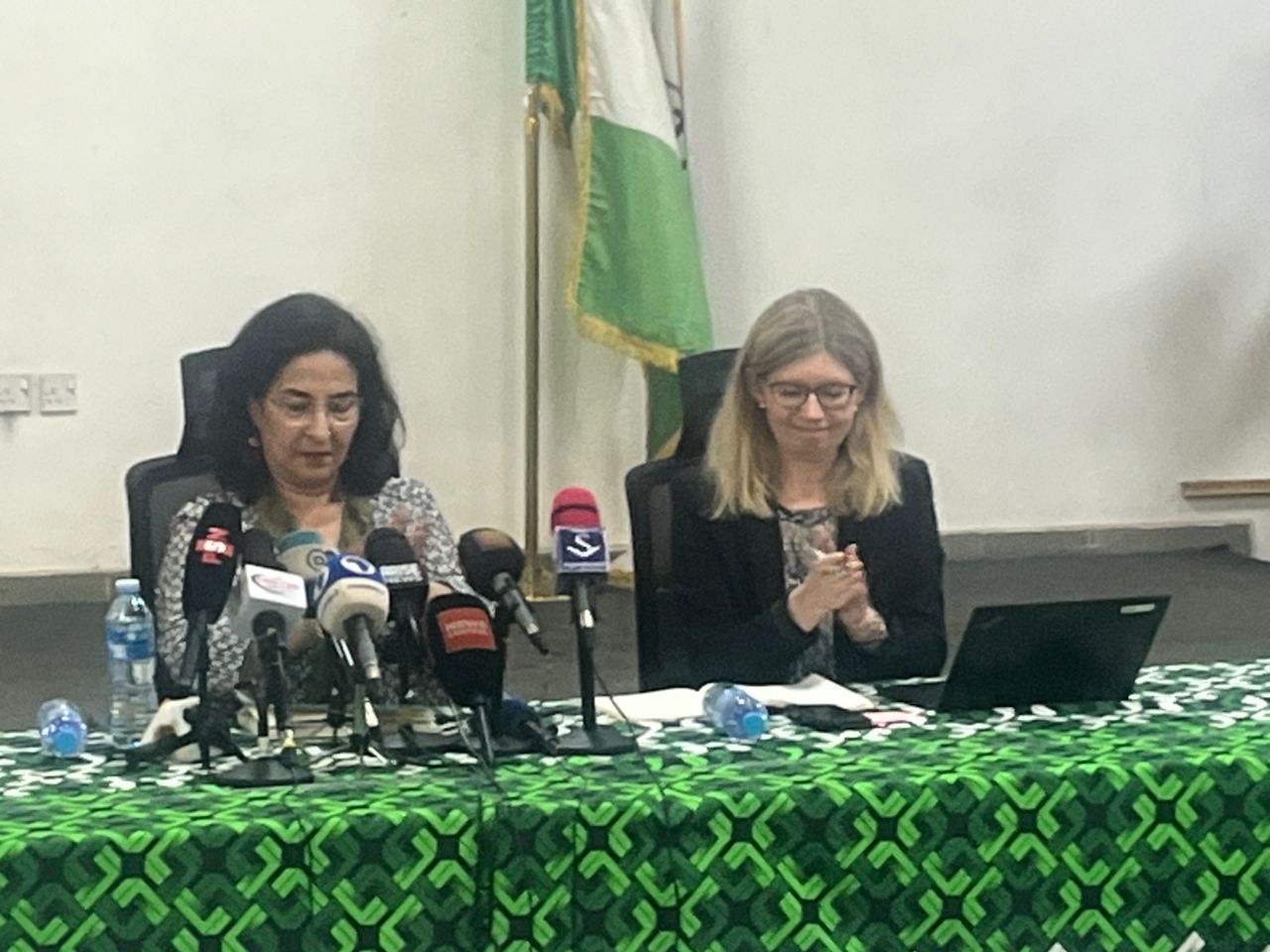
UN Envoy Blasts Nigeria’s Security Collapse, Warns Impunity Fuelling Cycle of Violence, Rights Breakdown
By: Michael Mike
The United Nations Special Rapporteur on Freedom of Religion or Belief, Nazila Ghanea, has delivered one of the starkest international assessments yet of Nigeria’s security situation, warning that entrenched impunity and collapsing accountability systems are fuelling a self-perpetuating cycle of violence across the country.
Speaking at the end of an 11-day official visit, Ghanea said Nigeria’s insecurity has moved beyond episodic attacks to a structural crisis characterised by mass killings, repeated displacement of communities, destruction of livelihoods and widespread erosion of public trust in state institutions.
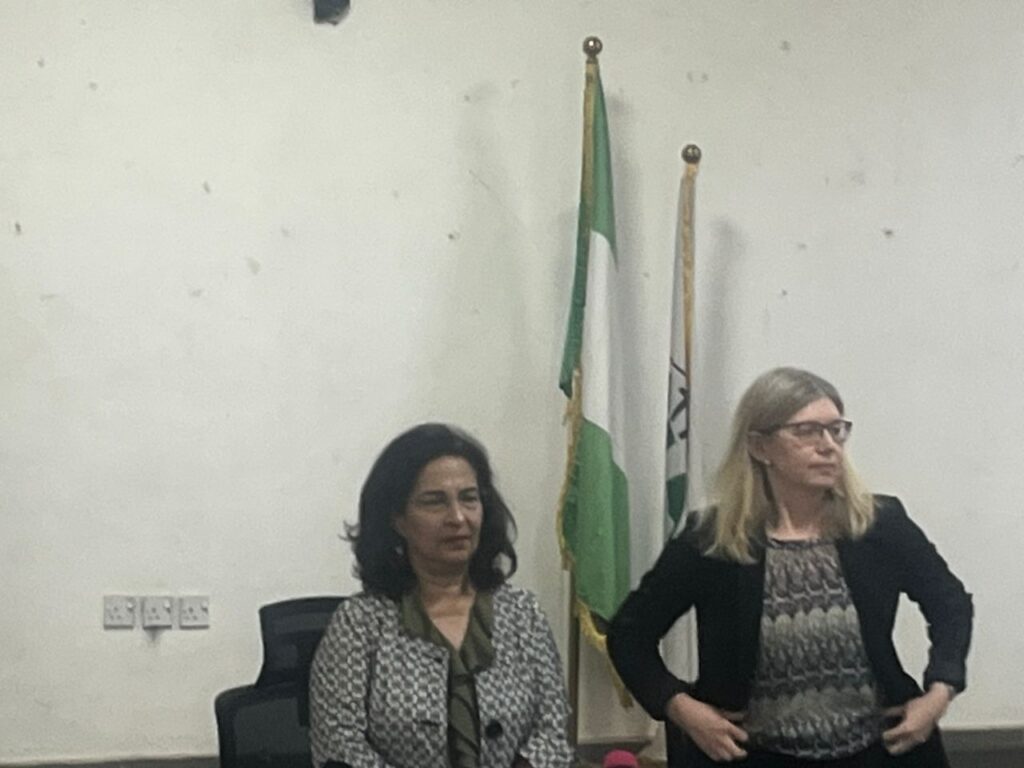
She said what emerged consistently from her engagements with over 200 stakeholders — including government officials, security agencies, victims, civil society organisations and religious leaders — was a country struggling to contain overlapping threats of terrorism, banditry, kidnapping, communal conflict and organised criminal networks.
According to her, the failure to ensure accountability for atrocities has created conditions in which violence is not only repeated but expands, leaving entire communities trapped in cycles of fear and survival.
“The absence of justice and accountability appears to be entrenching these cycles of violence and encouraging their spread,” she warned.
The UN envoy said victims across multiple regions described repeated attacks that destroyed entire villages, forced mass displacement and left survivors dependent on internally displaced persons’ camps with no clear path to return home.
She noted that many communities have suffered repeated assaults over the years, with some victims reporting displacement as many as six times, each time forced to rebuild their lives only to face renewed violence.
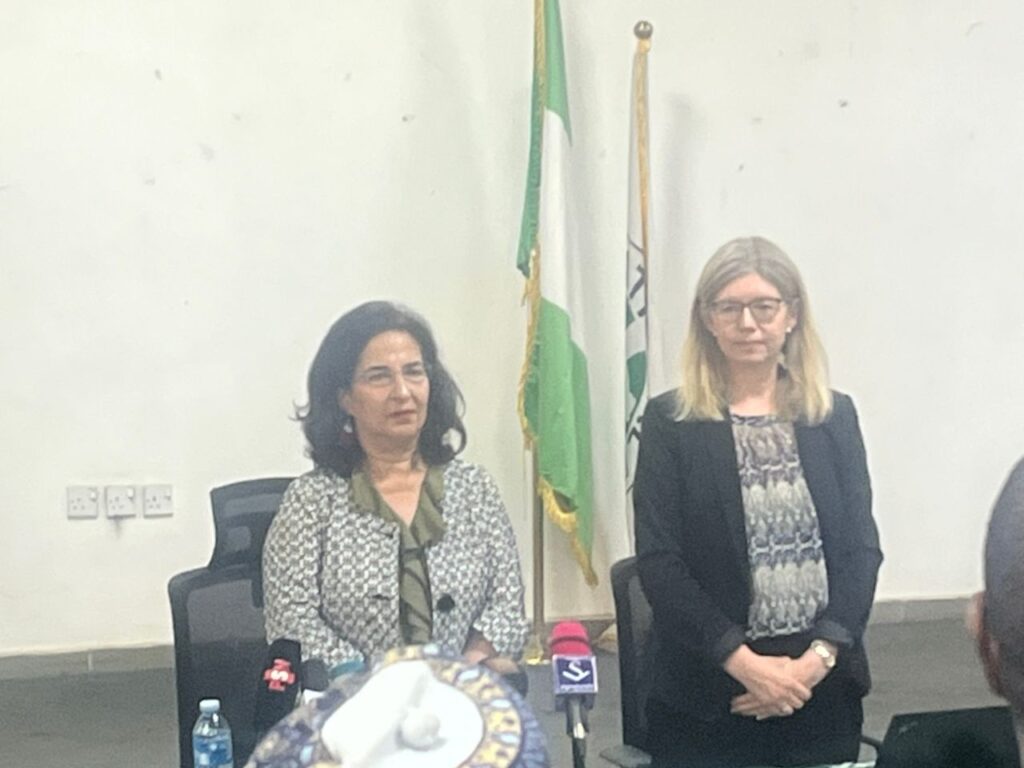
Ghanea also drew attention to disturbing accounts of armed groups allegedly imposing terms on rural communities, including arrangements in which residents surrender farmland and agricultural produce under coercion, deepening what she described as a breakdown of state protection in rural areas.
She warned that the scale and persistence of abductions — including kidnappings of children, clergy, traditional leaders, security personnel and political figures — has created a parallel economy of ransom and fear that further weakens state authority.
The Special Rapporteur said insecurity has also triggered the rise of vigilante groups, community defence networks and informal security structures, reflecting what she described as citizens’ growing loss of confidence in formal protection systems.
Ghanea further cautioned that the proliferation of arms and informal checkpoints risks blurring the line between community self-defence and criminal exploitation, warning that weak oversight could worsen insecurity.
Beyond violence, she raised concerns about structural issues affecting freedom of religion or belief, including the continued requirement in some administrative processes for citizens to declare their religion, saying such practices reinforce identity-based divisions and expose governance systems to political manipulation.
She also criticised the dominant framing of Nigeria as a rigid religious binary between a Muslim north and Christian south, describing it as an oversimplification that obscures the country’s internal diversity and fuels polarisation.
While acknowledging Nigeria’s constitutional guarantees of fundamental rights, Ghanea pointed to tensions arising from parallel legal and administrative systems in parts of the country, particularly around issues such as blasphemy, personal status laws and freedom of expression.
Despite her concerns, the UN envoy commended the resilience of affected communities, the efforts of civil society organisations and the work of interfaith initiatives aimed at promoting dialogue and coexistence.
She said Nigeria possesses the institutional capacity, human expertise and civic energy needed to reverse current trends, but stressed that urgent reforms are required to break what she described as the entrenched cycle of violence and impunity.
Ghanea confirmed that her full findings and recommendations will be submitted to the United Nations Human Rights Council in March 2027.
UN Envoy Blasts Nigeria’s Security Collapse, Warns Impunity Fuelling Cycle of Violence, Rights Breakdown
Ekiti Poll: NSCDC Deploys 10,000 Personnel
By: Michael Mike
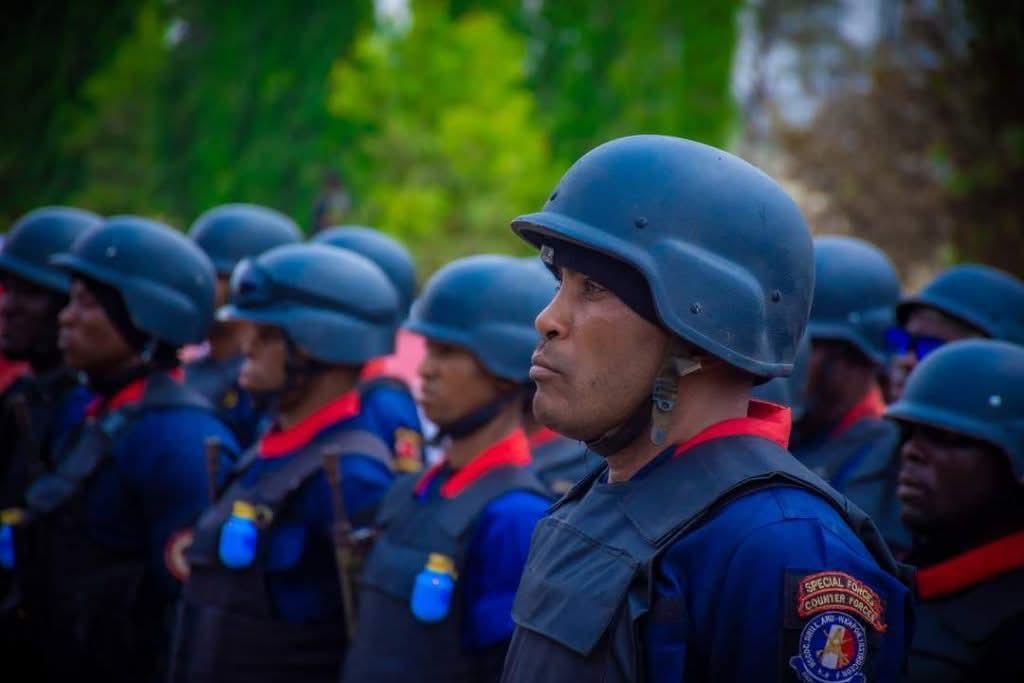
The Nigeria Security and Civil Defence Corps (NSCDC) has deployed 10,000 personnel, including elite tactical squads and K9 units, to Ekiti State ahead of the forthcoming governorship election, in a major security operation aimed at ensuring a peaceful and credible poll.
The deployment, announced on Wednesday by the NSCDC National Headquarters in Abuja, is part of the Corps’ efforts to guarantee a violence-free atmosphere and protect the integrity of the electoral process.
According to the NSCDC, personnel have been mobilised from several neighbouring states, including Ondo, Osun, Oyo, Lagos, Kwara, Edo, Ogun and Kogi, alongside operational reinforcements from Zones 11 and 6.
The Corps said its specialised units, including the Commandant General’s Special Intelligence Squad (SIS), Special Weapons and Tactics (SWAT) unit, Specialized Female Squad, Mining Marshals, Special Force and Crack Squad, as well as the K9 Unit, have been placed on high alert to detect and neutralise any security threats before, during and after the election.
To coordinate the operation, the Commandant General, Ahmed Audi has designated the Deputy Commandant General in charge of Operations, Ayuba Phillips, to personally lead the security exercise on the ground in Ekiti State.
Reaffirming the Corps’ readiness, the Commandant General said the security operation was designed to protect voters, election officials and other stakeholders and to prevent any form of electoral violence.
“Our mission in Ekiti State is definitive: to protect the integrity of the democratic process and guarantee the safety of every voter, election official, and citizen. We will tolerate no form of electoral violence, thuggery, or disruption. Our specialized squads and tactical forces are fully briefed and strategically positioned to maintain absolute law and order,” he said.
The NSCDC also disclosed that it is working closely with other security agencies to provide comprehensive security coverage throughout the election period, stressing that all personnel have been directed to maintain professionalism, neutrality and civility in line with the provisions of the Electoral Act.
The deployment comes amid heightened preparations for the governorship election, with security agencies under pressure to prevent voter intimidation, electoral violence and other disruptions that have occasionally marred elections in parts of the country.
The Corps urged residents of Ekiti State to conduct themselves peacefully, turn out to exercise their civic rights without fear and promptly report suspicious activities to security personnel.
Ekiti Poll: NSCDC Deploys 10,000 Personnel

Troops Recover Over 2,400 Rustled Livestock After Clash with Terrorists in Zamfara

Troops Intercept Arms Courier, Recover Weapons and Ammunition

COAS Joins Security Chiefs at Nigeria-UK Defence, Security Dialogue

Roger Federer’s Shock as DNA Results Reveal Myla and Charlene Are Not His Biological Children

THE PLIGHT OF FARIDA

FAILED COUP IN BURKINA FASO: HOW TRAORÉ NARROWLY ESCAPED ASSASSINATION PLOT AMID FOREIGN INTERFERENCE CLAIMS
-
 News2 years ago
Roger Federer’s Shock as DNA Results Reveal Myla and Charlene Are Not His Biological Children
-
Opinions4 years ago
THE PLIGHT OF FARIDA
-
 News1 year ago
FAILED COUP IN BURKINA FASO: HOW TRAORÉ NARROWLY ESCAPED ASSASSINATION PLOT AMID FOREIGN INTERFERENCE CLAIMS
-

 News2 years ago
EYN: Rev. Billi, Distortion of History, and The Living Tamarind Tree
-
 Opinions5 years ago
POLICE CHARGE ROOMS, A MINTING PRESS
-

 ACADEMICS2 years ago
A History of Biu” (2015) and The Lingering Bura-Pabir Question (1)
-

 Columns2 years ago
Army University Biu: There is certain interest, but certainly not from Borno.
-

 Politics1 year ago
2027: Why Hon. Midala Balami Must Go, as Youths in Hawul and Asikira/Uba Federal Constituency Reject ₦500,000 as Sallah Gift
