
News
Mali, Russia, and the Collapse of a Dangerous Illusion

Mali, Russia, and the Collapse of a Dangerous Illusion
By: Michael Mike
The coordinated jihadist assault of 25 to 26 April did not merely expose the limits of the AES and Mali’s military junta. It shattered the strategic illusion that has guided the country since its rupture with ECOWAS and the wider international community.
By Oumarou Sanou
The events that unfolded across Mali last weekend are not merely another chapter in the Sahel’s long-running crisis. They represent something deeper: the unravelling of a strategic gamble that replaced cooperation with isolation, institutions with propaganda, and diversified partnerships with dependence on a single, unreliable and overstretched ally.
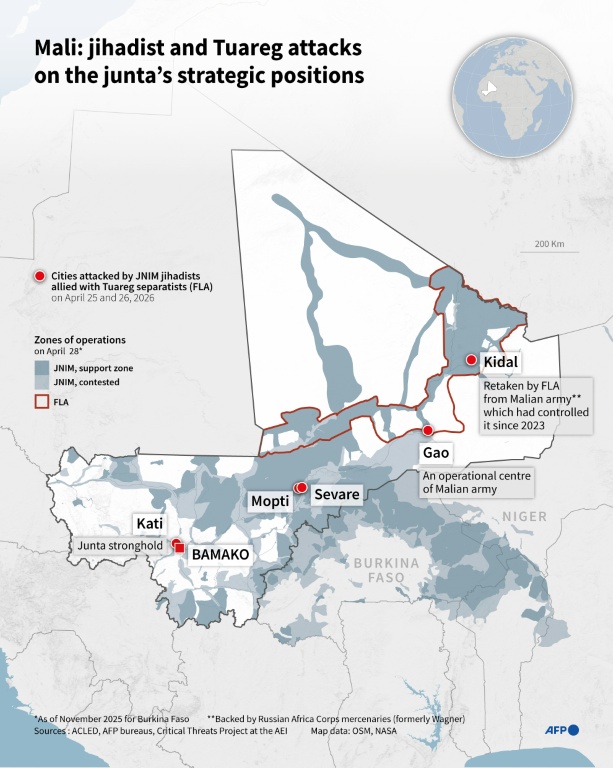
On 25 April, coordinated attacks struck Bamako, Kati, Gao, Kidal, and Sévaré simultaneously. These were not isolated incidents but a synchronised offensive that exposed both the operational reach of jihadist groups and the fragility of the Malian state’s security architecture. Within hours, official claims of control began to crumble. By Sunday morning, Kidal had fallen. The Russian flag that had flown there as a provocation to France, ECOWAS, and the UN was gone. In its place stood silence, and a column of Africa Corps mercenaries negotiating a quiet, ignominious exit with the very armed groups they were contracted to defeat. This was not a tactical setback. It was the collapse of a narrative.
For pan-African observers who foresaw and warned of precisely this outcome, the moment calls not for satisfaction but for grief, reckoning, and an honest accounting of how Mali arrived here.
In November 2023, the Malian junta celebrated the recapture of Kidal as vindication: expel the West, distance from ECOWAS, embrace Moscow, and sovereignty would be restored. The claim was always hollow. Kidal was never pacified. It was occupied. No roads were built, no schools reopened, no trust rebuilt with local communities. Russian mercenaries committed documented atrocities in surrounding villages: summary executions, sexual violence, and burning of homes. They did not win hearts. They produced hatred. And hatred, given time and weapons, produces exactly what we witnessed last weekend.
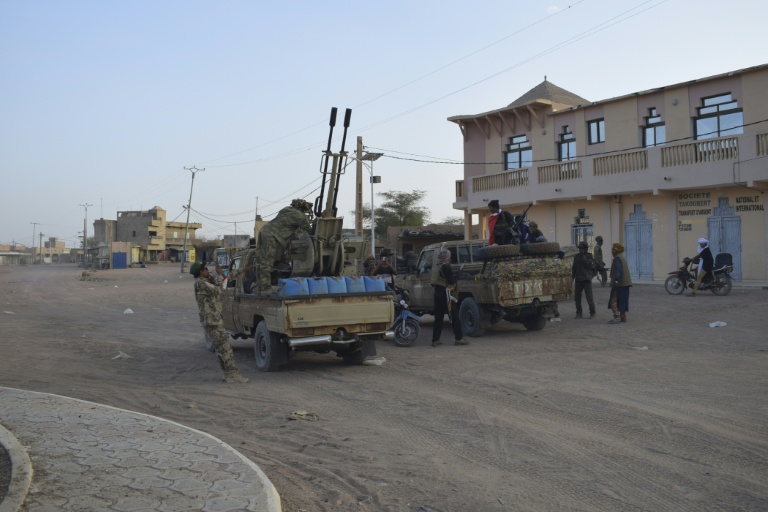
Reports indicate that African Corps forces engaged briefly before negotiating their withdrawal, leaving Malian troops exposed nearly 1,500 kilometres from the capital. A senior Malian official told RFI that Russian forces had been warned of the impending attack three days in advance but took no action. Their eventual withdrawal, he suggested, appeared pre-arranged. That is not a security partnership. That is abandonment.
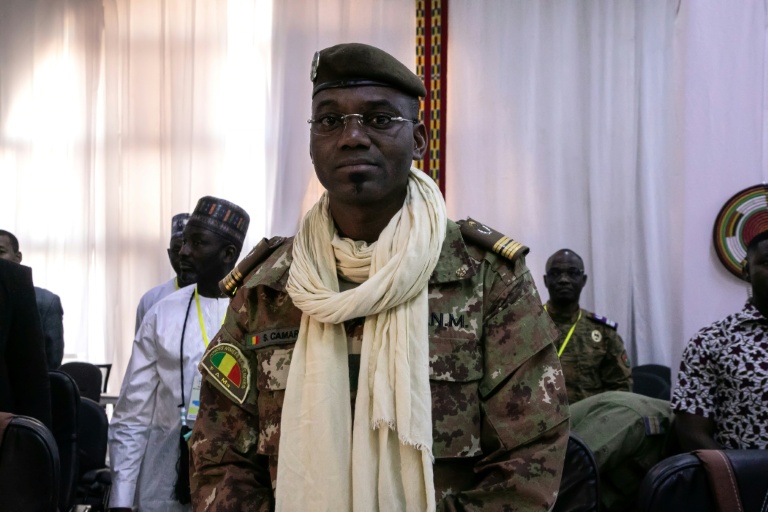
The human cost was grave. Defence Minister General Sadio Camara was confirmed dead. Intelligence chief General Modibo Koné and Chief of Defence Staff General Oumar Diarra were wounded. These are not routine battlefield losses. They are indicators of systemic failure at the highest levels of the state.
The Africa Corps responded with a press statement claiming sweeping success: 10,000 to 12,000 Western-backed attackers repelled, over 1,000 enemy casualties inflicted, and the presidential palace secured. One would almost admire the audacity, were the stakes not so human.
The documented facts tell a different story. Kidal fell. The Azawad Liberation Front escorted at least 400 Russian soldiers out of the city as evacuees, northward to Tessalit, 300 kilometres away. Fighters subsequently appeared at the Intahaka gold mine, suggesting further positions had been abandoned. Armoured vehicles were destroyed in Gao. Barracks in Sévaré fell to rebel control. Helicopters burned on the ground. The United States Embassy told its citizens to stay indoors. Even reliably pro-junta social media accounts quietly changed their tone by Sunday morning. This is not propaganda written with ink. It is propaganda written with Malian blood.
None of this should surprise serious observers. Moscow’s track record as a security guarantor is, at best, inconsistent. It disengaged from Assad in Syria when the strategic calculus shifted. It left Maduro to manage Venezuela largely alone. It proved of limited use to Armenia when it mattered most. In every theatre, the pattern is the same: arrive with noise, project influence cheaply, and withdraw when the cost rises. Moscow is too economically constrained to underwrite African development and too strategically transactional to sustain durable commitments. It seeks presence, resources, and optics. The safety of ordinary Africans is, at best, incidental.
The Alliance of Sahel States has fared no better. Faced with Mali’s gravest crisis in years, neither Burkina Faso nor Niger mobilised meaningful support. The alliance exists more in declarations than in collective action. Its members now watch events in Bamako with undisguised anxiety: if Russia cannot hold Kidal, what assurance remains for their own positions?
Before the junta expelled MINUSMA, African peacekeepers, including Nigerian troops, helped stabilise Kidal under difficult conditions. They shed blood in pursuit of regional security and were removed without transition or acknowledgement. The vacuum that followed is now plainly visible.
The events of last weekend are not a victory to be welcomed. The expansion of jihadist territory is a catastrophe for every Malian, and a direct threat to Nigeria and the broader region. A movement emboldened by military success does not respect borders. A fragmented regional posture only widens the openings that extremist networks exploit.
The lesson is not about choosing between external patrons. It is about recognising that no external actor, from the East or the West, can substitute for a coherent national strategy, accountable governance, and genuine regional cooperation. Sovereignty is not measured in flags or slogans. It is measured by a state’s capacity to protect its citizens, hold its territory, and create conditions for stability and growth.
On these counts, the current model in Mali has failed. The verdict is written not in policy papers but in burning helicopters and abandoned positions. Africa deserves partners, not patrons: relationships grounded in mutual respect and genuine commitment, not in the fantasy of an ally who negotiates its own withdrawal before the dust has settled.
The twilight of the Russian illusion in Africa is here. What happens next in the Sahel depends, in large part, on whether its leaders and their neighbours dare to learn the lesson.
Oumarou Sanou is a social critic, pan-African observer and researcher focusing on governance, security, and political transitions in the Sahel. He writes on geopolitics, regional stability, and African leadership dynamics.
Contact: sanououmarou386@gmail.com
Mali, Russia, and the Collapse of a Dangerous Illusion


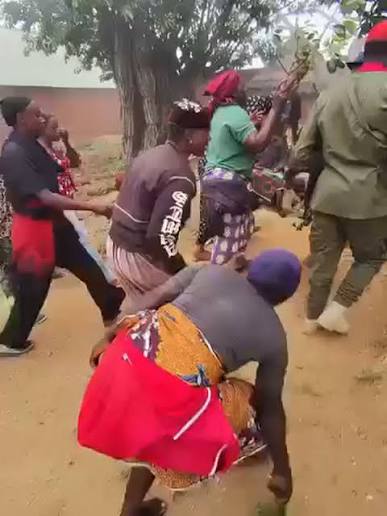
Three Fulani youths slaughtered by suspected Mwaghavul militia buried in Mangu
By: Zagazola Makama
Three young Fulani herders allegedly killed by suspected Mwaghavul militia in Alohom community, Sabon Gari District of Mangu Local Government Area of Plateau State, have been buried.
The victims — Garzali Shuibu, 18; Bashiru Yakubu, 14; and Salim Abubakar, 15 — were reportedly attacked while grazing in the area on Saturday, Sept. 12.
Their Janazah prayer was observed before they were laid to rest, as grief and anger continued to grip the community following the killings.
According to a military situation report obtained by Zagazola Makama, troops of Sector 8, Operation Enduring Peace, were alerted after receiving information that herders had come under attack at Alohom.
The soldiers deployed from Sabon Gari moved to the location and reportedly found the bodies of the three youths, alongside 36 cattle that had been shot dead.
Another 12 cattle sustained gunshot wounds, while two other members of the herding group were reported missing.
Surviving members of the group alleged that the attackers were armed men suspected to be members of the Mwaghavul militia operating around Alohom, Gaude and the wider Mangu Halle areas.
The allegation remains subject to investigation by security agencies.
There were also claims by some Fulani residents that personnel of a sister security agency were sighted around the area during the incident but allegedly failed to prevent the killings.
That claim is also being investigated.
Empty tear-gas canisters were reportedly recovered from the scene, although their connection with the attack had yet to be established.
The killing of the three youths, particularly 14-year-old Bashiru Yakubu, has further inflamed tensions in the area.
It is difficult to comprehend how a community can lose three young people in such a violent manner, with one of the victims barely into his teenage years. These were not statistics; they were young lives, sons and members of families whose future has now been brutally cut short.
The incident has also raised fears of possible reprisal attacks, especially amid angry reactions circulating within the affected community.
Security agencies must urgently establish what happened, identify and arrest those responsible and prevent the killings from becoming another trigger for retaliatory violence.
Troops have intensified patrols and are dominating the area to prevent further attacks, locate the missing persons and restore confidence among residents.
Three Fulani youths slaughtered by suspected Mwaghavul militia buried in Mangu
NiDCOM: 198 Nigerians Visited in Maharashtra Prisons as FG Seeks Fresh Amnesty in India
By: Michael Mike
The Federal Government has intensified efforts to secure the release of Nigerians detained in India, with the Nigeria High Commission in the country visiting 198 inmates across five prisons in Maharashtra as negotiations continue for a fresh six-month amnesty for Nigerians held over immigration-related offences.
The Nigerians in Diaspora Commission (NiDCOM), in a statement issued on Sunday by its Director of Media, Public Relations and Protocols, Abdur-Rahman Balogun, said the prison visits were conducted as of September 1, 2026, adding that Nigerians remained incarcerated in other Indian provinces.
The commission said the visits formed part of the Nigerian mission’s ongoing consular intervention in cases involving hundreds of Nigerians in Indian prisons, amid concerns over prolonged detention, immigration violations and delays in the prosecution of criminal cases.
According to NiDCOM, the Nigeria High Commission secured an amnesty programme between September last year and May this year that led to the release and repatriation of thousands of Nigerians detained mainly for immigration offences and other irregularities.
However, it said some Nigerians failed to take advantage of the amnesty before its expiration or did not utilise the opportunity when it was available.
The commission disclosed that Nigeria’s High Commissioner to India, Ambassador Bianca Ojukwu, was engaging her Indian counterpart to secure another six-month amnesty for Nigerians detained in camps who had no pending trials but remained in custody over immigration-related offences.
The development followed public concerns over the detention of a Nigerian identified as Mr Ekene in India, with NiDCOM assuring that the High Commission would examine his case and determine whether he qualified for early release and repatriation.
It said that where Ekene was eligible to leave India, arrangements could be made for his return, provided his family was able to raise the necessary funds, stressing that established legal and administrative procedures would have to be followed.
“The Nigerian High Commission is on his case and that of others in similar circumstances and has also been putting pressure on the Indian government to speed up cases of those awaiting trials for various offences,” the statement said.
NiDCOM, however, clarified that the proposed amnesty would not cover Nigerians awaiting trial for criminal offences, including drug-related crimes.
The commission urged Nigerians living in India without valid immigration status to take advantage of the next amnesty programme once it was implemented, warning that those who continued to remain in the country illegally risked arrest.
“Nigerians in India, who are in India irregularly, should take advantage of the next set of amnesty being negotiated when effected, while others who are still staying there illegally should utilise the opportunity or risk being arrested,” NiDCOM Chairman/CEO, Abike Dabiri-Erewa, advised.
The commission also appealed to Nigerians abroad to respect the laws of their host countries and avoid conduct that could lead to arrest, prosecution or prolonged detention.
The latest intervention underscores the continuing challenge of irregular migration involving Nigerians in India, where immigration violations have contributed to the detention of nationals without valid documentation, while separate criminal cases remain subject to the Indian judicial process.
NiDCOM said the Federal Government would continue to engage the Indian authorities on the welfare of detained Nigerians, the acceleration of pending cases and the repatriation of those legally cleared to return home.
NiDCOM: 198 Nigerians Visited in Maharashtra Prisons as FG Seeks Fresh Amnesty in India

Muslim Diaspora Forum: NiDCOM Seeks Joint Action Against Discrimination, Misinformation
By: Michael Mike
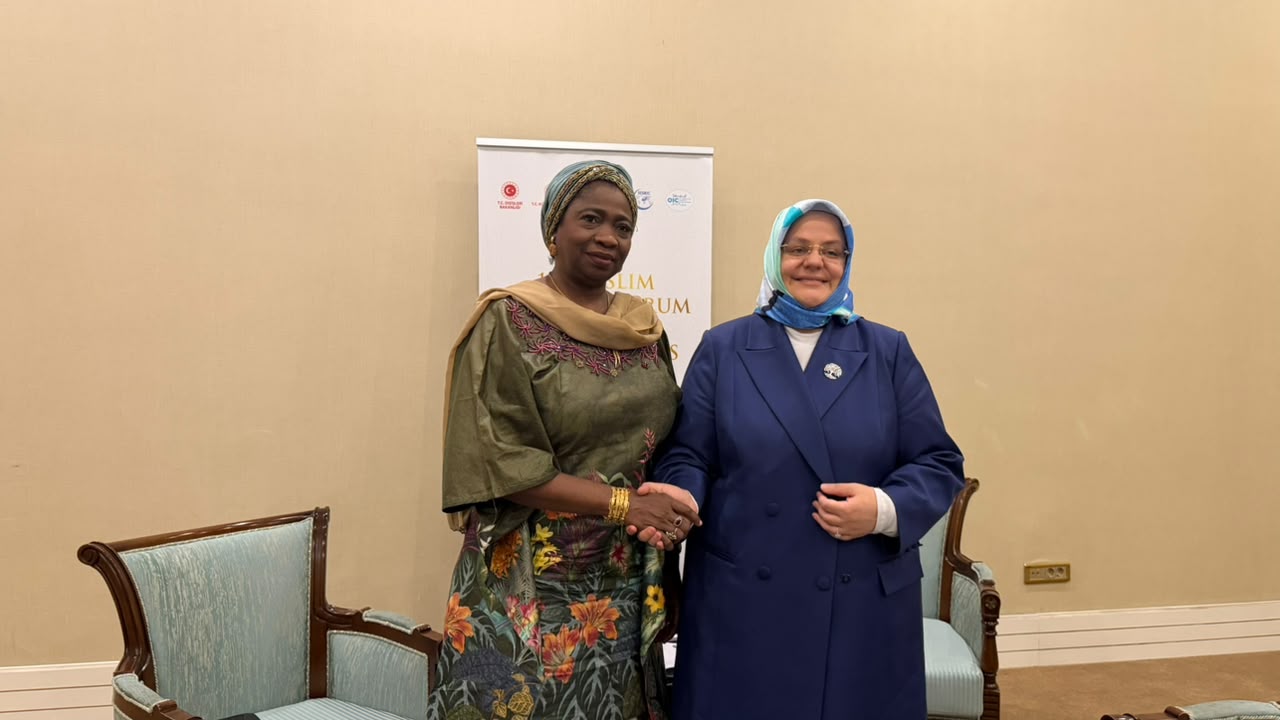
The Chairman/Chief Executive Officer of the Nigerians in Diaspora Commission (NiDCOM), Hon. Abike Dabiri-Erewa, has called for coordinated action among Muslim diaspora communities across the world to combat discrimination, hate speech and misinformation, while strengthening their contributions to development.
Dabiri-Erewa made the call at the First Muslim Diaspora Forum in Ankara, Türkiye, where representatives from more than 47 countries gathered to discuss shared challenges and opportunities under the theme, “From Roots to Routes.”

Representing Nigeria at the forum, which was declared open by Türkiye’s Vice President, Cevdet Yılmaz, the NiDCOM boss argued that diaspora engagement must extend beyond the traditional emphasis on remittances to include skills transfer, investment, innovation, humanitarian assistance and cultural exchange.
In her presentation, titled “Unity in the Diaspora: Current Needs, Common Solutions,” she said the common challenges confronting diaspora communities required collective responses and stronger international partnerships.
She identified public communication, humanitarian initiatives and joint efforts against discrimination and hate speech as areas where Muslim diaspora organisations could collaborate more effectively.
Dabiri-Erewa said NiDCOM had continued to provide Nigerians abroad with accurate information, promote positive narratives and counter misinformation, while supporting Nigerians affected by crises and vulnerable migrants.
She also highlighted the contributions of Nigerians in the diaspora through medical missions, educational projects, philanthropy and other development initiatives, stressing that their impact could not be measured solely by financial remittances.
According to her, migration should not sever the relationship between citizens and their countries of origin, but should create opportunities for them to remain connected and contribute to national development.
She said the shared needs of diaspora communities—including dignity, safety, opportunity and freedom to practise their faith—demanded common solutions.
Dabiri-Erewa further disclosed that Nigeria would strengthen international cooperation on diaspora affairs and deepen relations with participating countries to harness the skills, knowledge, investments, culture and diplomatic influence of its citizens abroad.
On the sidelines of the forum, she held meetings with Fuad Muradov, Chairman of Azerbaijan’s State Committee on Diaspora Affairs; Sayed Ahmed, who heads Sudan’s diaspora organisation; and Zahra Zumrut, Director-General of the Statistical, Economic and Social Research and Training Centre for Islamic Countries (SESRIC).
The discussions focused on exchanging experiences, strengthening institutional relationships and exploring areas of cooperation in diaspora affairs and development.
She also met with Ahmet Alemdar, Vice President of Türkiye’s Presidency for Turks Abroad and Related Communities (YTB), where both sides reviewed the Memorandum of Understanding between NiDCOM and YTB.
The meeting emphasised the need to move beyond the signing of the agreement and develop concrete programmes in diaspora engagement, knowledge exchange, youth development and bilateral cooperation.
Alemdar called for the identification and implementation of specific projects that Nigeria and Türkiye could undertake jointly to deepen cooperation and deliver measurable benefits to their diaspora communities.
The forum’s communique, which stressed the need to sustain the theme and gains of the summit, was presented by the programme liaison, Ali Fahad, a Turkish-Nigerian.
The gathering marked the first Muslim Diaspora Forum and provided a platform for participating countries to exchange experiences and consider coordinated approaches to issues affecting their citizens abroad.
Muslim Diaspora Forum: NiDCOM Seeks Joint Action Against Discrimination, Misinformation

Troops arrest three suspected drug peddlers, recover 92 parcels of Colorado in Borno

Troops rescue 20-year-old man after three months in terrorist captivity in Kaga

Three Fulani youths slaughtered by suspected Mwaghavul militia buried in Mangu

Roger Federer’s Shock as DNA Results Reveal Myla and Charlene Are Not His Biological Children

THE PLIGHT OF FARIDA

FAILED COUP IN BURKINA FASO: HOW TRAORÉ NARROWLY ESCAPED ASSASSINATION PLOT AMID FOREIGN INTERFERENCE CLAIMS
-
 News3 years ago
Roger Federer’s Shock as DNA Results Reveal Myla and Charlene Are Not His Biological Children
-
Opinions5 years ago
THE PLIGHT OF FARIDA
-
 News1 year ago
FAILED COUP IN BURKINA FASO: HOW TRAORÉ NARROWLY ESCAPED ASSASSINATION PLOT AMID FOREIGN INTERFERENCE CLAIMS
-

 News2 years ago
EYN: Rev. Billi, Distortion of History, and The Living Tamarind Tree
-
 Opinions5 years ago
POLICE CHARGE ROOMS, A MINTING PRESS
-

 ACADEMICS3 years ago
A History of Biu” (2015) and The Lingering Bura-Pabir Question (1)
-

 Columns3 years ago
Army University Biu: There is certain interest, but certainly not from Borno.
-

 Politics1 year ago
2027: Why Hon. Midala Balami Must Go, as Youths in Hawul and Asikira/Uba Federal Constituency Reject ₦500,000 as Sallah Gift
