
National News
NHRC, AccountabilityLab Seek Coordinated Response to Digital Rights Violations

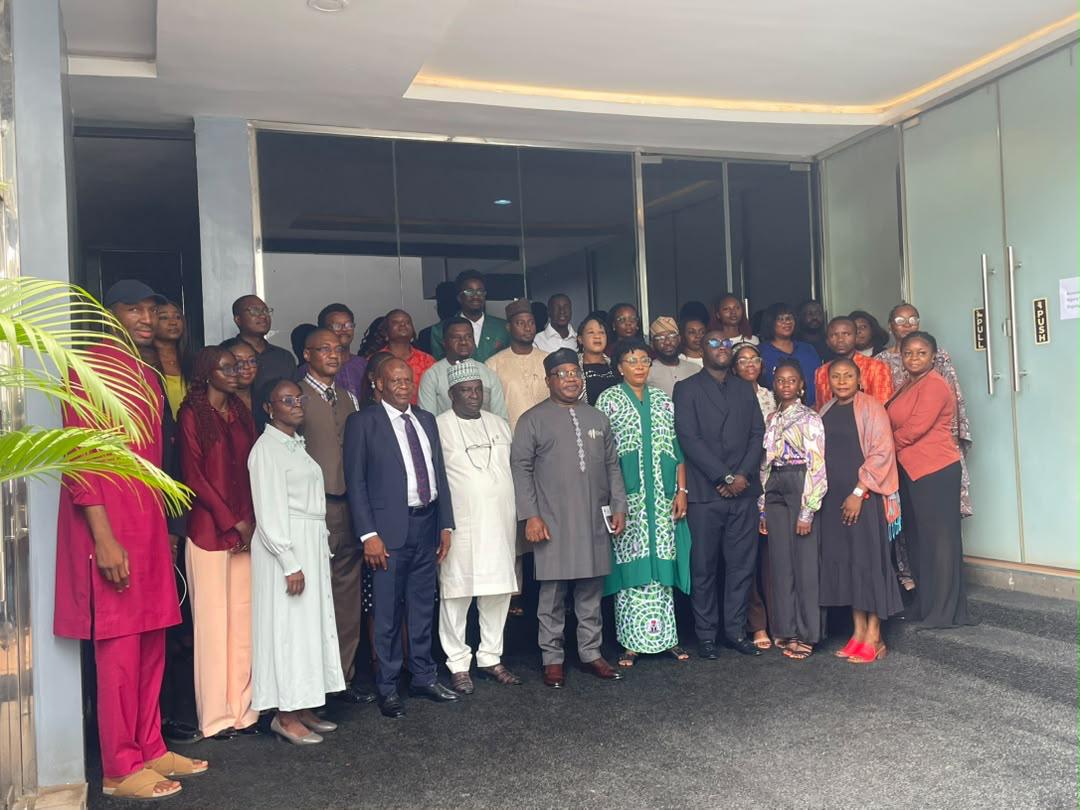
NHRC, AccountabilityLab Seek Coordinated Response to Digital Rights Violations
..Agencies, CSOs move to bridge complaint-resolution gaps, restore confidence in access to justice
By: Michael Mike
The National Human Rights Commission (NHRC) and AccountabilityLab Nigeria have called for stronger inter-agency collaboration and coordinated mechanisms to ensure that victims of digital rights violations can access justice promptly and effectively.
The call was made on Wednesday at a multi-stakeholder convening on “Building a Coordinated Response System for Digital Rights Violations,” where representatives of government institutions, regulatory agencies, civil society organisations, the legal profession, the media, and the telecommunications and technology sectors examined gaps in the response to rights abuses in Nigeria’s digital space.
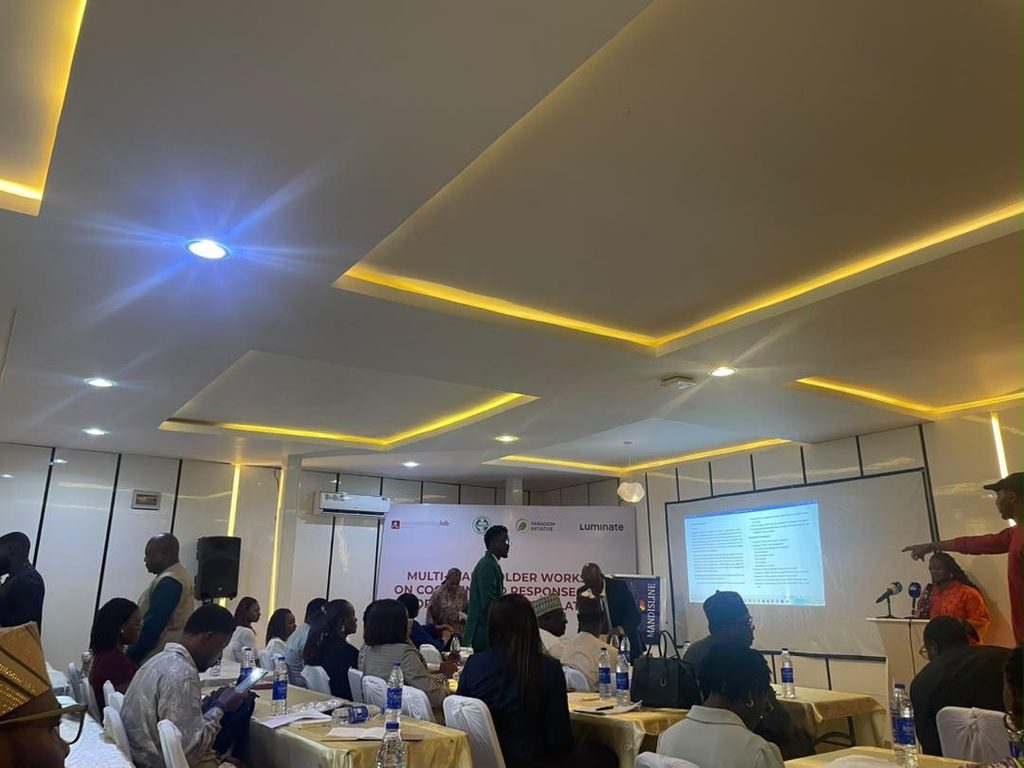
The Executive Secretary of the NHRC, Chief Tony Ojukwu, said the meeting had become necessary amid the growing importance of Nigeria’s digital ecosystem to civic engagement, investigative journalism, democratic dialogue and the exercise of constitutional freedoms.
Ojukwu questioned whether existing mechanisms were sufficiently coordinated to respond swiftly, effectively and accountably when citizens’ rights were violated within or through the digital environment.
He noted that while civil society organisations documented abuses, the media exposed systemic violations and legal practitioners initiated legal proceedings, responses often remained fragmented, with unclear referral pathways, inadequate procedures for preserving digital evidence and delays in handling high-stakes cases.
The NHRC Executive Secretary stressed that constitutional protections for human dignity, privacy, freedom of expression, and freedom of assembly and association applied equally online and offline.
He further reaffirmed the Commission’s statutory mandate under the National Human Rights Commission Act, as amended, to receive and investigate human rights violations, facilitate remedies for victims, examine laws and policies against human rights standards, and collaborate with government and non-governmental institutions.
Ojukwu said the Commission was prepared to serve as an anchor for the proposed collaborative framework but emphasised that sustainable protection of digital rights required the collective participation of law enforcement agencies, the judiciary, regulatory authorities, civil society organisations, technology platforms and telecommunications providers.
The Executive Secretary urged stakeholders to ensure that government actions relating to cybercrime, national security and online harms remained consistent with constitutional safeguards, due process and international human rights obligations.
He referenced the Cybercrimes (Prohibition, Prevention, etc.) Amendment Act of 2024, including the revision of Section 24, and called for rights-based scrutiny of the enforcement of the law.
Ojukwu cautioned against the possibility of statutory enforcement inadvertently restricting constitutionally protected speech, access to information and civic space.
According to him, the need to maintain this balance would become increasingly important ahead of the 2027 electoral cycle, when the digital environment is expected to play a significant role in political discourse, voter mobilisation and public accountability.
He said the protection of democratic processes must go hand in hand with safeguarding the constitutional rights of citizens participating in them.
Ojukwu urged participants to ensure that the outcome of the meeting translated into practical institutional arrangements rather than remaining a collection of recommendations.
He identified eight priority areas for consensus, including the standardisation of complaint-intake mechanisms and the establishment of clearly defined referral pathways between relevant institutions.
Other areas include fast-track channels for urgent or high-risk threats; uniform criteria for documenting and preserving digital evidence; safeguards for complainants, victims and whistleblowers against reprisals; secure and privacy-compliant information sharing; clear triggers for statutory, judicial or public-interest action; and the use of trends in reported violations to inform legislative and policy reforms.
The Executive Secretary also highlighted the proposed integration of the Ripoti platform into the coordinated response architecture, noting that the platform should serve a purpose beyond documenting complaints.
He said it should facilitate the transition from reporting to referral, referral to remedy, and individual cases to broader structural reforms, while ensuring strict data protection safeguards for affected individuals.
Ojukwu called for the establishment of institutional focal points, secure communication channels, quarterly review mechanisms, joint advocacy initiatives and sustained collaboration with civil society organisations to ensure continuity beyond the convening.
He maintained that the success of the initiative should be measured by tangible outcomes, including whether victims could obtain swift, safe and effective justice, institutions could work together seamlessly, and recurring violations could lead to lasting reforms.
The Country Director of AccountabilityLab Nigeria, Odeh Friday, said the organisation had observed that a significant number of complaints relating to human rights violations were being received but often failed to progress to meaningful resolution.
He said the situation had contributed to a growing reluctance among some Nigerians to report violations, as they feared that their complaints would not result in justice.
“Most Nigerians are no more comfortable in even bringing these, their complaints out because they feel they’ll never get justice,” he said, explaining the need for stronger partnerships capable of restoring public confidence in complaint-handling mechanisms.
According to him, the workshop was designed to create a system through which citizens could understand where to report complaints, how their cases would be handled and which institutions were responsible for addressing specific violations.
He said AccountabilityLab’s work at the grassroots level had enabled it to build relationships and trust with civil society organisations and communities, providing an avenue for receiving reports that might otherwise remain unaddressed.
Odeh identified several issues reported through digital platforms, including digital rights violations, loan shark activities, identity theft and misinformation.
He noted, however, that the existence of complaints did not automatically translate into access to justice, particularly for individuals who lacked the resources or knowledge required to pursue legal remedies through the courts.
Odeh said the partnership with the NHRC was intended to establish an inter-agency coordination mechanism involving relevant government institutions and civil society organisations.
He identified the Nigeria Data Protection Commission, the Ministry of Justice, the Nigeria Police Force and the Nigeria Police National Cybercrime Centre among the institutions whose participation could support the resolution of complaints, alongside other agencies with relevant mandates.
He explained that the objective was to create a system in which complaints could be presented to a coordinated network of stakeholders, allowing participants to determine the appropriate institution to handle each matter and the steps required to achieve resolution.
“First thing for us is that understanding that if people have to get justice from the grassroots or from anywhere they’re complaining, we need to partner with government because most of the time we work on the ground,” he said.
According to him, the proposed mechanism would help clarify the role of first responders, establish appropriate referral channels and provide support to victims throughout the complaint-resolution process.
Odeh further explained that Ripoti was designed as a reporting platform that could help direct complainants to the appropriate government agencies and support them in navigating the justice process.
He said the platform would help identify where a complaint should be directed and facilitate engagement with relevant institutions to improve the possibility of resolution.
The initiative, he noted, was not intended to replace government institutions or judicial processes but to provide a bridge between citizens reporting violations and the agencies responsible for addressing them.
The AccountabilityLab representative emphasised the importance of ensuring that government agencies and civil society organisations understood their respective responsibilities within the proposed coordination system.
NHRC, AccountabilityLab Seek Coordinated Response to Digital Rights Violations






NSCDC Raises Alarm Over Fake Promotion Notice, Warns Personnel Against Scammers
…Disowns WhatsApp message seeking officers’ names, service numbers and ranks
By: Michael Mike
The Nigeria Security and Civil Defence Corps (NSCDC) has alerted its personnel to a fraudulent notice circulating on WhatsApp, warning that scammers are attempting to harvest officers’ personal and service details under the guise of the 2026 senior promotion exercise.
The Corps, in an official disclaimer on Monday, disowned the notice, which directs personnel to submit their full names, service numbers and present ranks to a designated WhatsApp number, 08031306693.
It described the purported directive as fake, stressing that neither the NSCDC management nor its National Public Relations Office issued the instruction.
The warning comes amid concerns over the growing use of unofficial communication channels by fraudsters to exploit personnel seeking career advancement, particularly during promotion exercises.
In the disclaimer, signed by the National Public Relations Officer, Assistant Commandant of Corps Babawale Afolabi, the Corps urged officers and men to disregard the message and avoid disclosing sensitive service information to unverified individuals or platforms.
It cautioned that the fraudulent request could expose personnel to identity theft, impersonation and other forms of financial or administrative fraud.
The NSCDC clarified that all official matters relating to promotions fall within the jurisdiction of the Secretary to the Civil Defence, Correctional, Fire and Immigration Services Board (CDCFIB).
It added that legitimate promotion-related information is communicated through established administrative channels of the Ministry of Interior and the Corps, rather than through unsolicited WhatsApp messages or personal telephone numbers.
The Corps, therefore, advised personnel to verify all promotion-related information through their appropriate command structures and official administrative channels before acting on any purported directive.
The disclaimer urged officers and men to remain vigilant and ensure that the warning receives wide publicity to prevent unsuspecting personnel from falling victim to the scheme.
The development highlights the vulnerability of internal administrative processes to impersonation and fraud, particularly where career progression and promotion opportunities are involved.
For security personnel, the Corps stressed, the safest approach is to treat unsolicited requests for service records and personal information with suspicion and rely exclusively on officially authorised communication channels.
NSCDC Raises Alarm Over Fake Promotion Notice, Warns Personnel Against Scammers
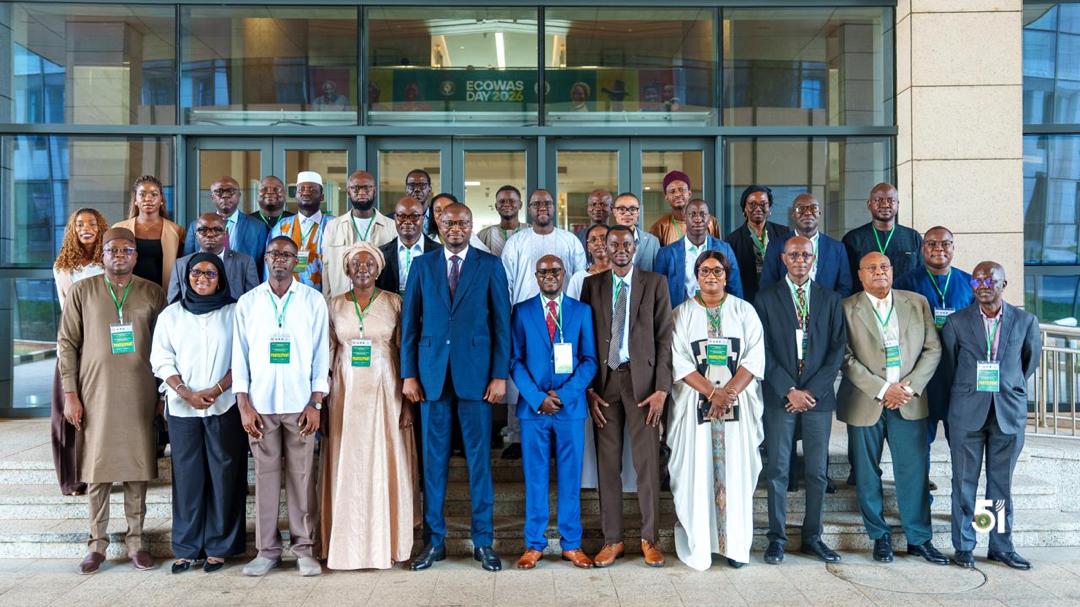
ECOWAS Project Delivers Electricity to 500,000 People in Three West African Countries
…$225m World Bank-funded initiative connects 490 localities in The Gambia, Guinea-Bissau and Mali
…Mali seeks extension as ECOWAS holds final steering committee meeting in Abuja
By: Michael Mike
The Economic Community of West African States (ECOWAS) said its $225 million Regional Electricity Access Project has extended electricity access to nearly 500,000 people across 490 localities in The Gambia, Guinea-Bissau and Mali.
The achievement was disclosed at the 10th and final Steering Committee meeting of the ECOWAS Regional Electricity Access Project (ECOWAS-REAP), which opened in Abuja on Tuesday to review implementation progress and determine measures for ensuring the sustainability of the project.
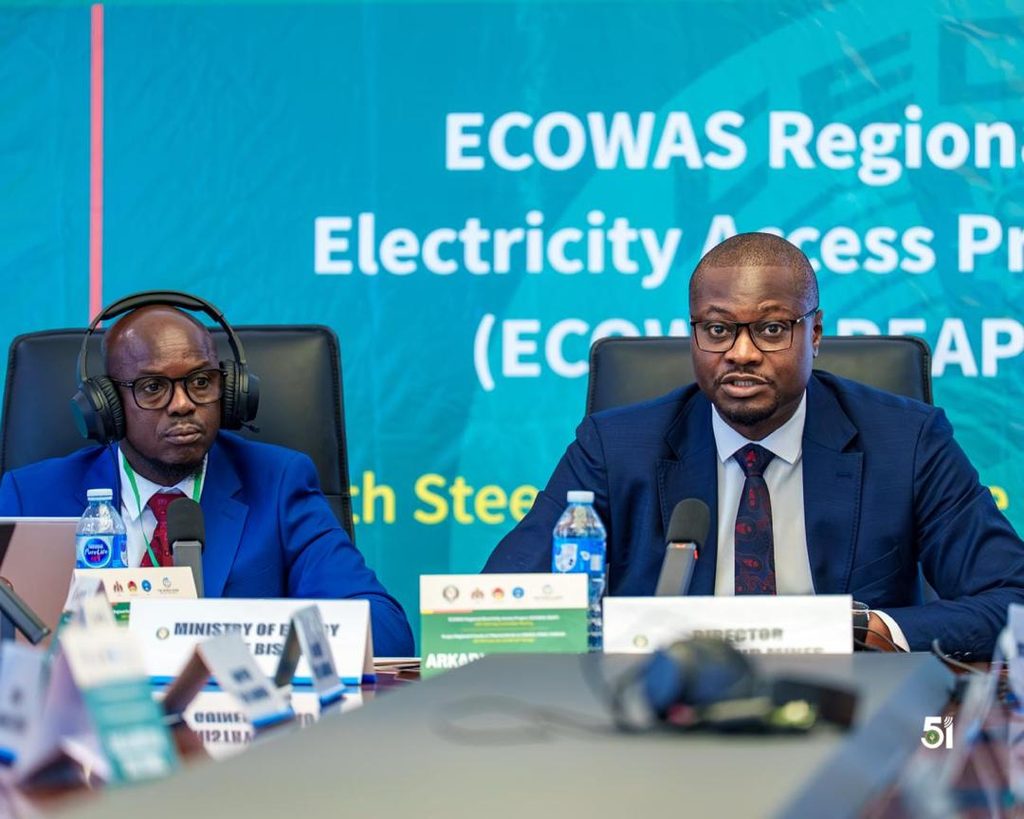
The World Bank-financed initiative is designed to expand electricity access in underserved communities across the three countries, as part of efforts to deepen regional energy integration and improve living conditions in West Africa.
Speaking at the meeting, the Director of Energy and Mines at the ECOWAS Commission and Chairman of the Steering Committee, Arkadius Koumoin, acknowledged the significant progress recorded despite challenges that affected implementation, including the COVID-19 pandemic and institutional disruptions.
He, however, stressed the need for concrete decisions and actions to ensure responsible closure of the project, noting that its success should ultimately be measured by the number of households effectively connected to electricity.
Koumoin’s position highlights the importance of translating infrastructure investments into actual electricity access for communities, rather than measuring performance solely by completed project activities.
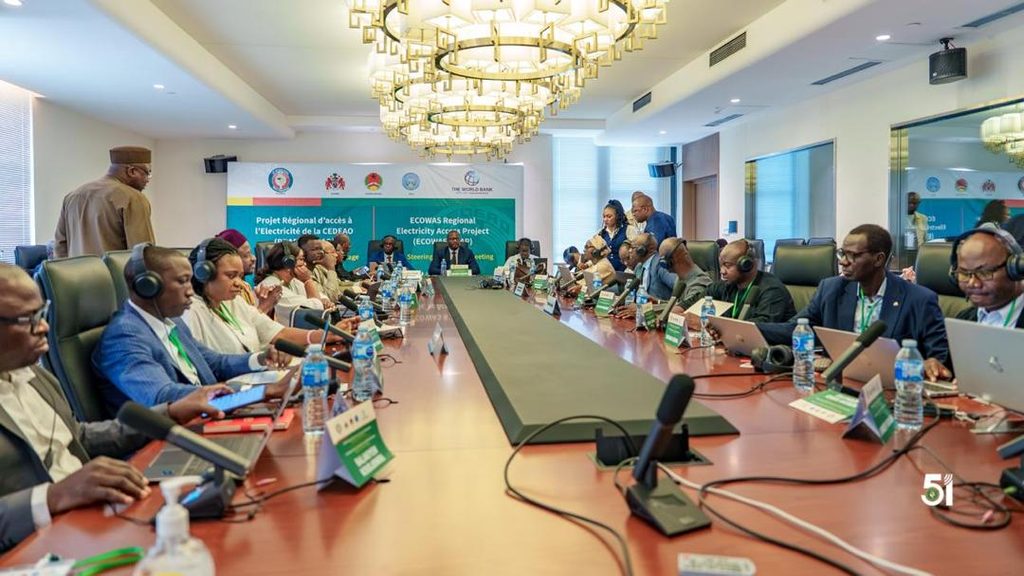
The Managing Director of the National Water and Electricity Company (NAWEC), The Gambia, Gallo Saidy; the representative of Guinea-Bissau’s Ministry responsible for Energy, Pedro Jeus de Oliviera; and Mali’s National Director of Energy, Oussouby Mary dit Ousmane Diarra, reaffirmed their commitment to completing outstanding project activities.
However, Mali called for an extension to enable it to complete its outstanding work, underscoring the need to address implementation gaps before the project’s final closure.
The meeting is expected to provide an opportunity for participating countries and the ECOWAS Commission to agree on the outstanding actions required to consolidate the gains of the initiative and ensure that beneficiaries continue to enjoy reliable electricity access.
Through ECOWAS-REAP, the regional bloc is advancing its energy integration agenda and the objectives of ECOWAS Vision 2050, with the broader ambition of translating regional investments into tangible improvements in the lives of West African citizens.
ECOWAS Project Delivers Electricity to 500,000 People in Three West African Countries
Court Dismisses El-Rufai’s N120m Rights Violation Suit Over Alleged Wiretapping
By: Zagazola Makama
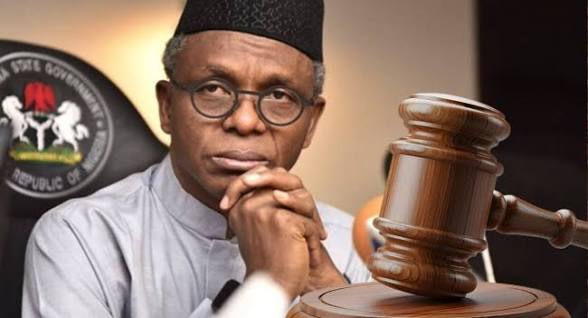
A High Court of the Federal Capital Territory (FCT) on Monday dismissed a N120 million fundamental rights enforcement suit filed by former Kaduna State Governor, Mallam Nasir El-Rufai, against the Department of State Services (DSS), the Economic and Financial Crimes Commission (EFCC), the Independent Corrupt Practices and Other Related Offences Commission (ICPC) and the Attorney General of the Federation (AGF).
The court dismissed the suit for lacking merit and awarded N200,000 each in favour of the DSS, EFCC and ICPC.
Delivering judgment, Justice Sylvanus Orji held that the invitation letters issued to El-Rufai by the EFCC and ICPC complied with constitutional requirements and did not violate his fundamental rights.
On El-Rufai’s challenge to an attempted arrest by the DSS at the Nnamdi Azikiwe International Airport, Abuja, the judge held that the service possessed powers to carry out its statutory responsibilities pursuant to the relevant legal instruments governing its operations, including the National Security Agencies Act.
The court further held that the DSS had the mandate to maintain watchlists and take appropriate action, including arresting persons of interest within the scope of its lawful powers.
Justice Orji stressed that El-Rufai could not use the court to prevent security and law enforcement agencies from performing their legally assigned duties.
On the seizure of the former governor’s international passport by the DSS, the court held that it was satisfied that the action was lawful and within the agency’s powers.
The judge also ruled that the applicant had failed to establish that the seizure was continuous, permanent and unlawful in a manner that amounted to a violation of his fundamental rights.
The suit sought N120 million in damages over alleged violations of El-Rufai’s rights in connection with the actions of the security and anti-corruption agencies.
The ruling represents a setback for the former governor in his legal challenge to the actions taken by the agencies.
Court Dismisses El-Rufai’s N120m Rights Violation Suit Over Alleged Wiretapping

UNFPA, Signify partner to illuminate 10,000 healthcare facilities in seven states

Nigeria, India Sign Human Rights Agreement as Fagbemi Pledges Support for Implementation

19 Nigerian Pension Funds Express Interest in Proposed $750m Infrastructure Fund

Roger Federer’s Shock as DNA Results Reveal Myla and Charlene Are Not His Biological Children

THE PLIGHT OF FARIDA

FAILED COUP IN BURKINA FASO: HOW TRAORÉ NARROWLY ESCAPED ASSASSINATION PLOT AMID FOREIGN INTERFERENCE CLAIMS
-
 News3 years ago
Roger Federer’s Shock as DNA Results Reveal Myla and Charlene Are Not His Biological Children
-
Opinions5 years ago
THE PLIGHT OF FARIDA
-
 News2 years ago
FAILED COUP IN BURKINA FASO: HOW TRAORÉ NARROWLY ESCAPED ASSASSINATION PLOT AMID FOREIGN INTERFERENCE CLAIMS
-
 Opinions5 years ago
POLICE CHARGE ROOMS, A MINTING PRESS
-

 News3 years ago
EYN: Rev. Billi, Distortion of History, and The Living Tamarind Tree
-

 ACADEMICS3 years ago
A History of Biu” (2015) and The Lingering Bura-Pabir Question (1)
-

 Columns3 years ago
Army University Biu: There is certain interest, but certainly not from Borno.
-

 Politics1 year ago
2027: Why Hon. Midala Balami Must Go, as Youths in Hawul and Asikira/Uba Federal Constituency Reject ₦500,000 as Sallah Gift
