
Politics
Unveiling Kashim Shettima: Day Tinubu’s Dream Becomes Reality

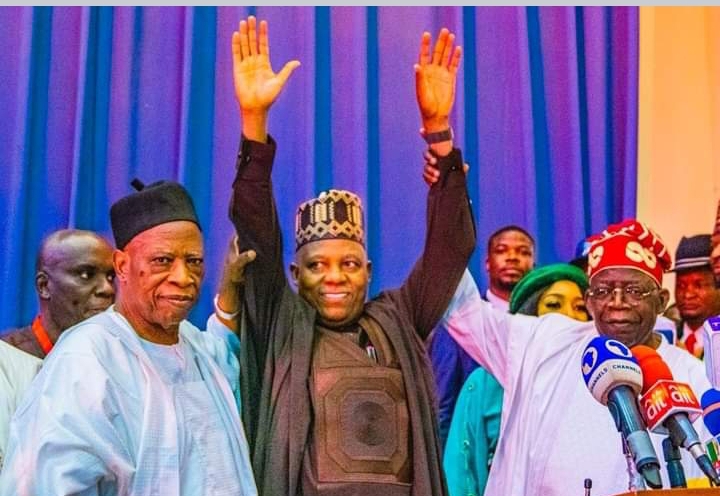
Unveiling Kashim Shettima: Day Tinubu’s Dream Becomes Reality
By: James Bwala
It was in Tinubu’s dream to see Kashim Shettima standing beside him, as such, Wednesday 20, 2022 will not be forgotten easily in the pages of history. It was a day that indicated victory for the All Progressive Congress, APC. It also revealed the thinking of Tinubu in a unique way of finding a political soulmate and the dignity of Kashim Shettima and in the affirmative that he is indeed the best candidate to run hand in hand with Asiwaju Bola Ahmed Tinubu in the coming days until victory leads the way to Nigeria’s seat of power.
NEWSng reports that until then, there is indeed still some work to be done to bring the party on a solid ground. The job indeed, has just started with the unveiling of Senator Kashim Shettima. Those who were on ground have many stories to tell, however, stories must be written by those who would write it to justify the day for reflection and for generations to come.
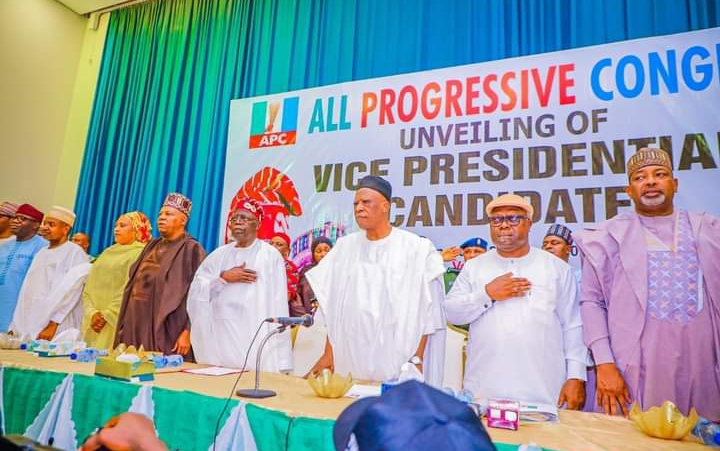
NEWSng observed that despite criticism of the choice by Tinubu, there are about 30 Clerics, who register their presence by greeting the gathering among dignitaries attending the event which is held at the Musa Yar’adua centre in Abuja. These are a coalition of Bishops, pastors and other Christian groups.
One then wondered where the controversy was coming from. This gives different interpretation to what is obtained in some sections of the media that the Muslim-muslim ticket would not work in the 2023 arrangement.
Aside from the number of top Christian Clerics at the occasion, Christian politicians from across the country form part of the biggest event for Shettima. Many of them have poured encomium on the personality of Kashim Shettima as the man who will boost the Tinubu Campaign train.

According to many who spoke to NEWSng during the occasion, they said there can never be anyone better for the APC than the former Borno state governor and Senator representing Borno Central at the National Assembly.
The Bishops were spotted in their numbers dressed in their cassocks, contrary to the position of the Christian Association of Nigeria (CAN), which has vehemently condemned the choice of Muslim-Muslim ticket as insensitive to the ethno-religion diversity of Nigeria. One of the Bishops who spoke to journalists said that they were at the event to declare their support for the Tinubu-Shettima presidential ticket!
Also a group of Borno citizens who spoke to NEWSng described the occasion as the last stroke that breaks the Carmel back in view of the controversies that greeted the choice of Kashim Shettima.
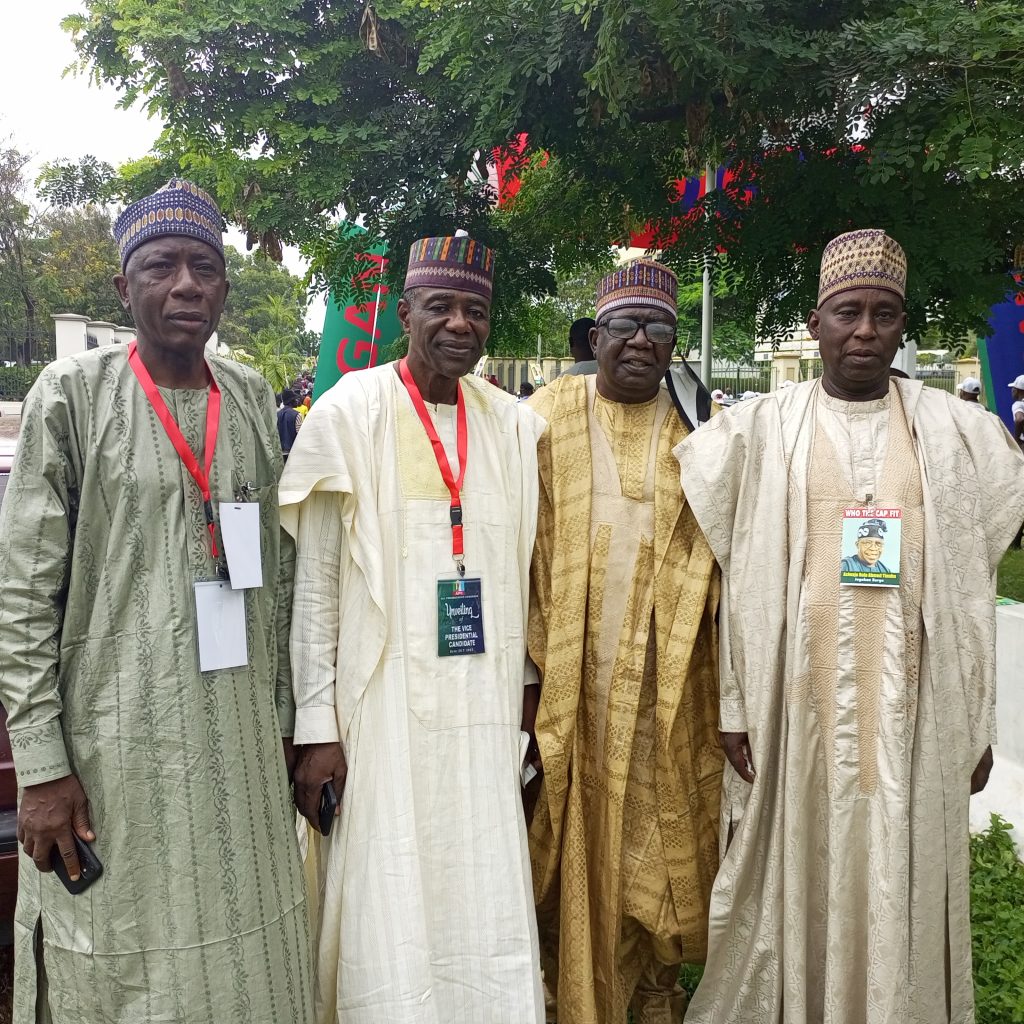
According to Professor Haruna Yerima, the All Progressives Congress, APC, has unveiled former Borno State Governor, Kashim Shettima as its 2023 presidential running mate. “APC is a great party, the All Progressives Congress (APC), unveils Senator Kashim Shettima as the running mate of our presidential candidate, Asiwaju Bola Ahmed Tinubu. This occasion presented to Nigerians the President and his Vice. The incoming are coming with better policies and Nigeria will be great again.”
Also Read: 2023: Why Kashim Shettima will bring massive votes than Any Presidential Running…
APC presidential candidate, Asiwaju Bola Tinubu had picked Senator Kashim Shettima as his running mate following his emergence as the party’s presidential candidate.Tinubu’s choice of Shettima has continued to cause controversy across Nigeria. Most Nigerians wanted the APC presidential candidate to pick a Christian as his running mate, but he settled for a Northern Muslim instead.

Barrister Musa Adamu who was part of the early arrivals at the Venue told NEWSng that Kashim Shettima is a good man and has done many things for Borno state. “I know Kashim Shettima has given many Christians appointments when he was governor of Borno state. I know about Kesta, an Igbo man from Anambra state, I know about Lanre Obadiah, a Yoruba man, I know about Christopher Godwin Akaba an Urogbo man from Delta and a host of others. Although I am a muslim, I love the Christians and I believe Tinubu and Kashim Shettima will give a balance leadership for both Christians and Muslims in Nigeria. I believe we are going to celebrate them as Nigerians.”
Speaking of the occasion, Former Commissioner of Justice in Borno state, Barrister Isa Modu Chul expressed faith that the Tinubu and Kashim Shettima’s emergence is a good omen for politics in Nigeria and will bring the Nigerian people closer looking at the antecedents of the candidate and his running mate. “I wish Tinubu and Kashim Shettima well and our prayers will always go with them.” He said.
Former Adviser Political to Kashim Shettima Alhaji Yusuf Adamu noted that the combination of Tinubu and Kashim Shettima from what he saw during the occasion for unveiling Kashim Shettima as Tinubu’s running mate is a clear indication that a new Nigeria that we all have been praying for has finally come. Adamu said he sees a better understanding between Tinubu and Kashim Shettima. ” I have no doubt in my mind that a new Nigeria is born today and it is evident that Tinubu and Kashim Shettima will work together as expected by many Nigerians to better our economy and give our youths jobs.”
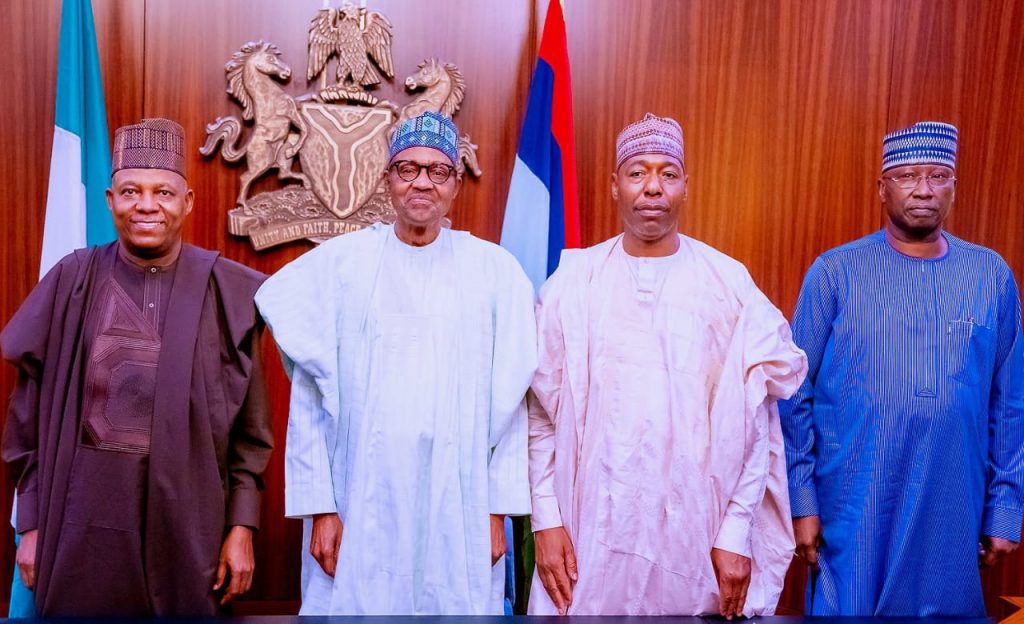
With the unveiling of Senator Kashim Shettima and presentation to President Muhammadu Buhari, Nigerians who hitherto have been at the crossing point over political brandings and in the eyes of religion must embrace the fact that while politics takes its course, it is always about the numbers that count and who will bring it. Kashim Shettima is now official and coming days will further reveal the man beyond the calculations of mischief makers.
Unveiling Kashim Shettima: Day Tinubu’s Dream Becomes Reality



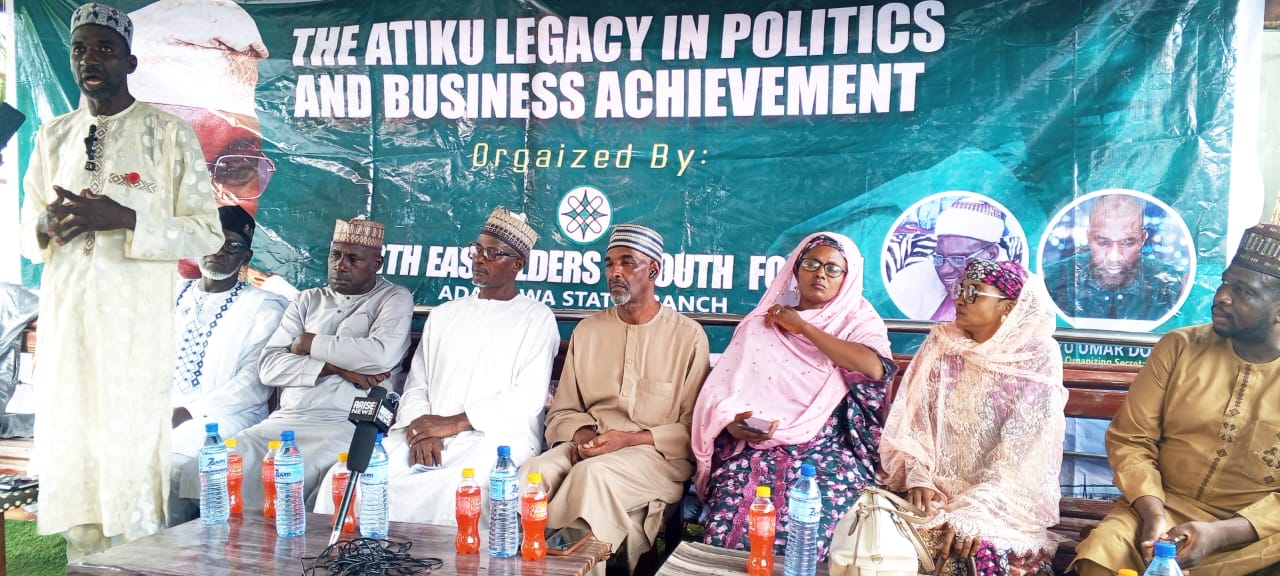
Forum condemns abusive language on Atiku
North-East Elders and Youth Forum, Adamawa Chapter has strongly rejected and condemned the abusive language attributed to the former Vice President Atiku Abubakar by the former Secretary to the Government of the Federation (SGF), Mr Babachir Lawal.
Hamza Sa’ad Dasin, the National Leader of the forum stated this during a press briefing in Yola that Lawal accused Atiku Abubakar of manipulating the recent ADC primary election results while describing him as a religious and tribal bigot.
“Well, that’s not the problem, because leaving or staying with the party remains his absolute right; the most alarming and worrisome approach by the former SGF was his utterances against the Former Vice President.
“Accusing him of being religious and tribal bigot, and even went further to calling him KACHALLA, which connotes direct linkage with banditry”, he said.
He said, Atiku Abubakar, socially and politically remains the symbol of unity Nigeria as he married from South West, South-East and North-East “So he is symbolically democratic even in his own house”.
Dasin further said that Atiku has a very large heart that accommodates all irrespective of religious, tribal or sectional inclinations.
“This can be ascertained by looking at the people surrounding him. He is a believer of cultural multiplicity.
“When Boko Haram entered Mubi in Adamawa State, Atiku used his personal resources to bring in hunters and traditional fighters from different parts of northern Nigeria to come and assist.
“And they eventually succeeded in driving them away, killing a large number of them. This is to tell you that Atiku has never, can never and will never be a supporter of banditry, so count him out of being a KACHALLA”, he said.
He further explained that Atiku is a well recognized Political Guru, not only in Nigeria but in the world.
“He is considered one of the best politicians in Africa and the world”, he said.
Forum condemns abusive language on Atiku
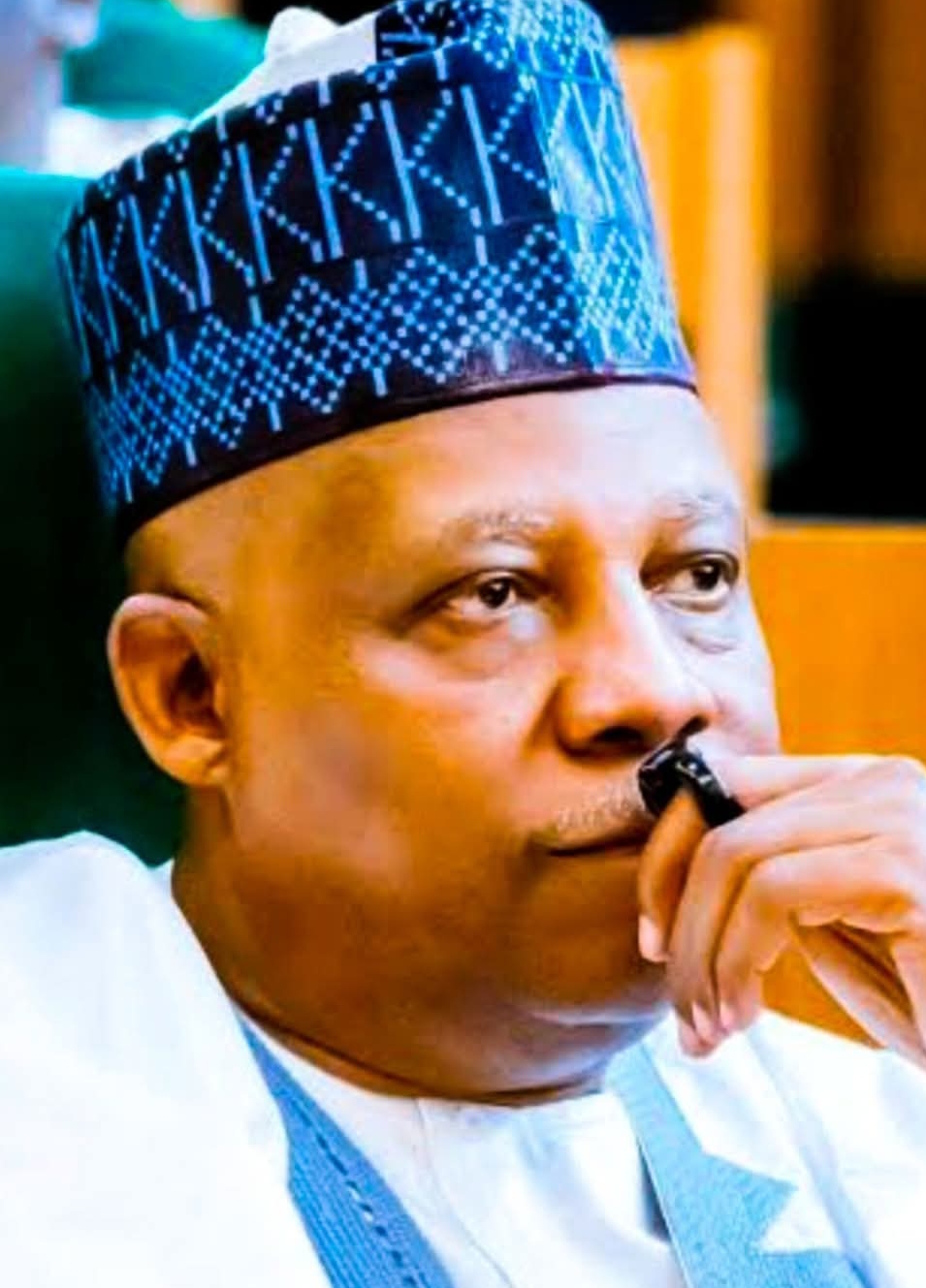
Kashim Shettima: Understanding Farooq Kperogi’s arguments on Tinubu’s 2027 ticket
By: Dr. James Bwala
The interplay of identity, symbolism, and electoral coalitions remains a defining feature of political calculations. Prof. Farooq Kperogi’s article, “The Shettima Danger for Tinubu,” brings to the fore a nuanced analysis of the 2023 Tinubu-Shettima political alliance and its implications for the upcoming 2027 elections. At first glance, one might dismiss Kperogi’s arguments as overblown or reductionist, interpreting the situation purely through a lens of personal relationships or conventional political maneuvers. However, a deeper examination reveals that Kperogi’s article is a persuasive and compelling warning about how ignoring the complex dynamics of identity blocs and political symbolism could imperil Tinubu’s ambitions. Kperogi’s insights, therefore, must be taken seriously by political actors, analysts, and stakeholders as they unravel the political future of Nigeria’s ruling party.
Kperogi’s central contentions revolve around what he terms “emotional cartography”—the phenomenon where voting behavior in Nigeria is strongly influenced by identity-based sentimental loyalty to ethnic, regional, and religious affiliations. The Tinubu–Shettima ticket of 2023 is not merely an example of a Muslim-Muslim alliance as popularly debated but rather a strategic partnership representing a powerful Yoruba–Northern Muslim electoral coalition. Tinubu, as a Yoruba political titan, symbolized the southwestern, populous, and politically vibrant Yoruba bloc, while Shettima represented the Northern Muslim electorate, a significant demographic force that has historically influenced election outcomes. This alliance functioned not just on religious credentials but on broader identity representation that allowed different groups to feel politically validated and included in governance.
READ ALSO: https://newsng.ng/2027-when-tinubus-endorsement-of-vice-president-kashim-shettimas-unwavering-support-speaks-volumes/
To understand the stakes, one must appreciate how Nigerian electoral politics operate under this framework. Identity politics, though often criticized for perpetuating division, remains a primary mechanism through which large sections of the population interpret their political interests and participation. For many Nigerians, political representation is not only about policies or ideology but also about whether they see their group’s history, values, and concerns visibly acknowledged and safeguarded. Kperogi emphasizes that emotional cartography generates an implicit contract: when a political ticket includes representatives from major ethnic and religious blocks, it reassures those constituencies that their place in the power structure is secure. Conversely, when this balance shifts or is disrupted, it risks alienating those blocs, triggering voter apathy, backlash, or realignment.
This dynamic makes the prospect of removing Shettima from the 2027 Tinubu ticket particularly perilous. According to Kperogi, Shettima’s presence was foundational to the 2023 electoral success because he symbolically anchored Northern Muslim support. The North is not monolithic, but the Northern Muslim constituency comprises a notable voting bloc that contributed significantly to Tinubu’s victory. Removing Shettima signals more than just a personnel change; it potentially conveys to Northern Muslims that their symbolic representation within the ruling coalition is being diminished or erased. Such a perception, Kperogi warns, would likely fracture existing alliances and result in a loss of critical votes during the next election cycle.
READ ALSO: https://newsng.ng/2027-when-tinubus-endorsement-of-vice-president-kashim-shettimas-unwavering-support-speaks-volumes/
Also, Kperogi critiques the assumption that replacing Shettima with a Northern Christian candidate would simply substitute one identity for another and thus maintain coalition stability. This overlooks key realities about the shifting affiliations and political histories of Northern Christians. Many Northern Christian voters have already gravitated toward alternatives such as Peter Obi, making them a less reliable base for Tinubu’s coalition vis-à-vis Northern Muslims. Hence, swapping Shettima for a Northern Christian does not guarantee a straightforward transfer of votes; instead, it risks weakening the Northern bloc’s overall cohesion in favor of less predictable political outcomes. In Kperogi’s assessment, this maneuver could cause Tinubu to lose more ground than he gains.
Beyond electoral arithmetic, Kperogi’s argument also extends into the broader realm of political sociology and conflict studies within Nigeria. Throughout history, Northern political elites have often leveraged religious identity—particularly Muslim solidarity—to mobilize voters and address perceived marginalization or exclusion in the national power matrix. Displacing Shettima, who embodies this Northern Muslim representation, could rekindle grievances and exacerbate fault lines that have periodically erupted into tension or violence. Thus, the “Shettima danger” not only encapsulates electoral risks but also potential destabilization of Nigeria’s delicate interethnic and interreligious equilibrium.
READ ALSO: https://newsng.ng/2027-when-tinubus-endorsement-of-vice-president-kashim-shettimas-unwavering-support-speaks-volumes/
Critically, Kperogi’s analysis does not endorse or glorify identity politics; rather, it pragmatically acknowledges it as an existing reality that shapes Nigerian political behavior. His contribution lies in highlighting that political actors who ignore these identity perceptions do so at their own peril. The idea that electoral success can be achieved solely through policy platforms or technocratic governance is, in Nigeria’s context, incomplete without considering the symbolism of inclusion and representation among diverse communities. Tinubu’s political fortunes, therefore, hinge upon maintaining a coalition that respects and reflects the ethnic and religious mosaic of Nigeria’s electorate.
Opponents of Kperogi’s view might argue that emphasizing identity risks perpetuating sectarianism and undermining efforts toward national integration. They may advocate for transcendence beyond primordial affiliations toward programmatic politics focusing on issues like economic development, security, and social justice. While such aspirations are noble and necessary for Nigeria’s long-term progress, the immediate political reality remains that identity-based emotional loyalty strongly influences voter behavior and political legitimacy. Dismissing this factor risks alienating vital constituencies and undermining political stability—a cost that Nigerian leaders cannot afford in the volatile current climate.
READ ALSO https://newsng.ng/2027-when-tinubus-endorsement-of-vice-president-kashim-shettimas-unwavering-support-speaks-volumes/
Indeed, Kperogi’s concept of emotional cartography offers a useful analytic framework to bridge the divide between identity politics critics and proponents. It encourages recognizing identity as a sociopolitical phenomenon shaped by history, culture, and lived experience rather than a mere obstacle to democracy. Through this lens, politicians like Tinubu must navigate identity sensibilities skillfully, balancing inclusivity and national unity without erasing distinct group identities. The Shettima matter exemplifies this challenge: it requires sensitivity to how symbolic representation operates alongside substantive governance to sustain broad-based political coalitions.
The assessment of the “Shettima danger” for Tinubu’s 2027 ticket should be regarded as a persuasive cautionary tale grounded in Nigeria’s political realities. Far from an academic abstraction, his insights illuminate why removing Shettima risks fracturing a crucial electoral coalition based on Yoruba and Northern Muslim alliances, thereby jeopardizing Tinubu’s political prospects. More importantly, it underscores how identity, symbolism, and emotional cartography continue to shape Nigerian politics in profound ways. For Tinubu and his party, success depends not only on policy effectiveness but also on adeptly managing the complex mosaic of representation and inclusion that defines Nigeria’s democratic landscape. To ignore Kperogi’s warnings is to court a political miscalculation with potentially far-reaching consequences for Nigeria’s fragile unity and democratic stability.
* James Bwala, PhD, writes from Abuja.
Kashim Shettima: Understanding Farooq Kperogi’s arguments on Tinubu’s 2027 ticket

APC Bauchi: Counting the Losses
By: Michael Olukayode
The All Progressives Congress (APC) in Bauchi State is gradually entering one of the most critical moments in its political history. What should have been a period of consolidation, unity, and strategic preparation has instead turned into growing confusion, internal resentment, massive defections, and the dangerous creation of unnecessary political enemies within the party.
Sadly, many loyal supporters believe this crisis was avoidable.
The root of the problem lies in the failure of the party to manage its internal affairs with fairness, openness, and genuine consultation. What many party members expected to be a transparent political process instead appeared to become a carefully controlled arrangement driven by personal interests and future political calculations.
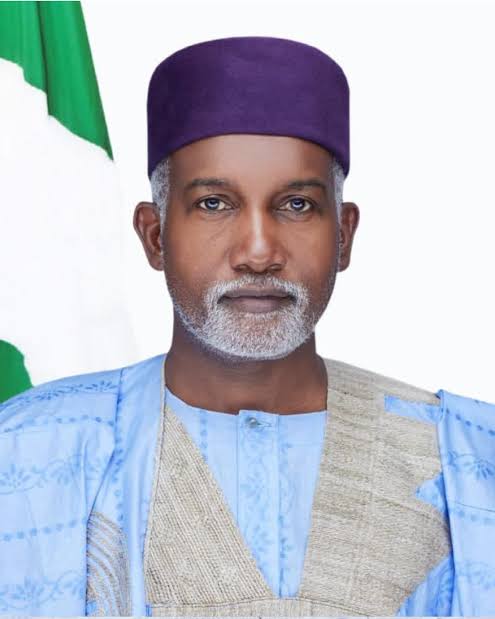
Today, APC Bauchi is paying the price.
Unfortunately, many loyal supporters do not believe that M.A. Abubakar currently possesses the political strength, energy, or widespread acceptance needed to successfully confront the opposition in the present political climate. Rather than generating excitement and renewed confidence within the party, his emergence has instead deepened internal divisions, increased frustration among supporters, and accelerated defections across different political structures.
The political sidelining of some prominent aspirants such as Amb. Yusuf Maitama Tuggar remains one of the most painful developments for many supporters across the state. To thousands of APC loyalists, Tuggar represented not just another aspirant, but a modern political force capable of rebuilding confidence in the party and attracting broader public support.
He brought national visibility, diplomatic experience, youth appeal, intellectual strength, and growing grassroots acceptance. More importantly, he represented hope for a new generation of APC politics in Bauchi State.0
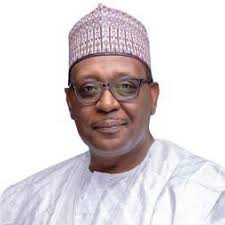
Unfortunately, many supporters now feel that merit, popularity, and acceptability were sacrificed for personal political arrangements.
What makes the situation even more dangerous is the perception that the entire strategy was designed around short-term interests rather than the long-term survival of the party. Many believe the arrangement was structured to return a former governor for a single remaining term while preparing the ground for another political ambition afterward.
This perception has become very obvious that the political damages caused is undeniable.
Today, APC Bauchi is no longer only losing members but it is creating more enemies.
And in politics, there is a major difference between losing supporters and creating opponents motivated by disappointment, anger, and exclusion.
Across the state:
- Influential stakeholders are defecting.
- Grassroots coordinators are withdrawing their loyalty.
- Youth supporters are becoming frustrated.
- Local party structures are weakening.
- Silent resentment is spreading across many political camps.
Some of the individuals leaving the party are not ordinary members. They are people with political structures, loyal followership, electoral value, and influence within their communities. Every defection weakens the confidence of remaining supporters and strengthens rival political platforms.
The most dangerous part is that many of these crises are self-inflicted.
A political party cannot continue to sideline committed stakeholders, ignore growing dissatisfaction, and expect unity to survive automatically. Politics requires inclusion, consultation, and respect for those who contribute to building the party.
Unfortunately, APC Bauchi is beginning to appear divided between those protecting the future of the party and those protecting personal political interests.
This is creating bitterness that may take years to repair.
Many supporters who once defended the party passionately are now questioning their place within the system. Others have already moved on politically, while many more remain silent observers waiting for the next opportunity to make their decisions.
The reality is simple:
No political party grows stronger by humiliating its strongest assets.
No political structure survives for long while continuously creating internal enemies.
And no party with a weak candidate can successfully challenge opposition.
Therefore, this is a sincere call for urgent intervention before the situation becomes irreversible
The leadership of our great party APC, at both state and national levels, must act immediately.
Most importantly, the party must recognize the strategic political value of leaders like Amb. Yusuf Maitama Tuggar, whose influence, acceptance, and credibility remain important for the future strength of APC in Bauchi State.
Time is running out.
The warning signs are already visible.
The defections are increasing.
The frustration is growing.
And the losses are becoming impossible to ignore.
APC Bauchi must decide quickly whether it wants to build a united future or continue counting the losses.
Michael Olukayode is a seasoned journalist and public analyst
APC Bauchi: Counting the Losses

Fertiliser Supply Stabilised as FG Strengthens Centralised Procurement System Ahead of 2026 Farming Season

Zulum Targets Closure of Borno’s Largest IDP Camp as Resettlement Drive Enters Final Phase

Radical Approach: Ways of Ending the Menace of Insecurity in Nigeria

Roger Federer’s Shock as DNA Results Reveal Myla and Charlene Are Not His Biological Children

THE PLIGHT OF FARIDA

FAILED COUP IN BURKINA FASO: HOW TRAORÉ NARROWLY ESCAPED ASSASSINATION PLOT AMID FOREIGN INTERFERENCE CLAIMS
-
 News2 years ago
Roger Federer’s Shock as DNA Results Reveal Myla and Charlene Are Not His Biological Children
-
Opinions4 years ago
THE PLIGHT OF FARIDA
-
 News1 year ago
FAILED COUP IN BURKINA FASO: HOW TRAORÉ NARROWLY ESCAPED ASSASSINATION PLOT AMID FOREIGN INTERFERENCE CLAIMS
-

 News2 years ago
EYN: Rev. Billi, Distortion of History, and The Living Tamarind Tree
-
 Opinions4 years ago
POLICE CHARGE ROOMS, A MINTING PRESS
-

 ACADEMICS2 years ago
A History of Biu” (2015) and The Lingering Bura-Pabir Question (1)
-

 Columns2 years ago
Army University Biu: There is certain interest, but certainly not from Borno.
-

 Politics1 year ago
2027: Why Hon. Midala Balami Must Go, as Youths in Hawul and Asikira/Uba Federal Constituency Reject ₦500,000 as Sallah Gift
