
News
Why desperados must be denied from dabbling into serious leadership positions…. El-Rufai

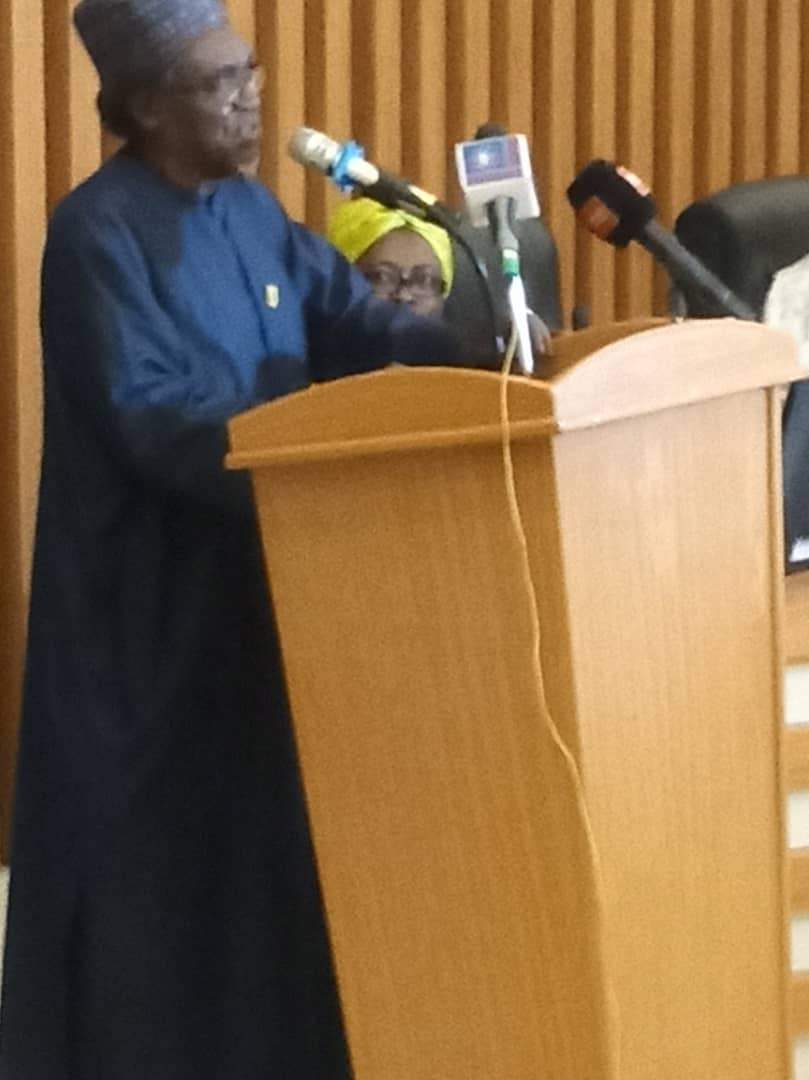
Why desperados must be denied from dabbling into serious leadership positions…. El-Rufai
By: Bodunrin Kayode
Former Governor of Kaduna State Nasir El Rufai has said that desperate people looking for political appointments should never be allowed to get it.
He said that real leaders are not desperate to get positions at all costs adding that if one is too desperate for a position, its a sign that such a fellow would be self-seeking instead of in support of the general cause of the people.
Speaking further on leadership the former Governor said that “in life the best way to correct this deficit of good leadership which our dear country is suffering from, is by choosing those who never lobbied or asked for a particular position at all costs”
Rufai made these assertions in maiduguri the Borno State capital recently while describing the residents as lucky for having a leader like Zulum with a focus on where he wants to take the state to.
He said that Professor Babagana Zulum was a real leader who never lobbied for the position that was entrusted on him and has proved himself worthy because each time he (Rufai) comes to town he finds new developments amidst choking insurgency which is supposed to be an excuse for non performance.
Rufai who gave a lecture titled “leadership and Public Policy: Navigating challenges and Lessons” during a capacity building workshop on enhancing skills of government officials in policy implementation and productive human resource management in Borno commended Zulum for his giant strides in spite of daunting challenges confronting him.
“Nigeria has been a country with lots of untapped potentials within the last 200 years. What we lack is the ability to choose the right leaders to do the job by taking the country to the next level.
” We have only one problem in Nigeria and that is good leadership i repeat. We will not make progress until we are ready to correct this leadership deficit issue staring us in the face.
” I commend the new look of the state capital maiduguri because its obvious you have a leader who knows where he is going to. The people of Borno are obviously resilient people making progress even in the realm of insurgency.
” if we must make progress in development in this country, we must provide leadership that would take care of the least of the society and not just the five percent who are privileged.”
On development of the country, he advised civil servants and political leaders to stop taking their kids abroad for education when quality education is right here at their door steps.
“if you are a council chair and your son is not attending the local school, you should ask yourself why because it is wrong. Stop taking your kids abroad and fix the public schools with good leaders and to do this you need effective policies. That is the only way one can enhance development.
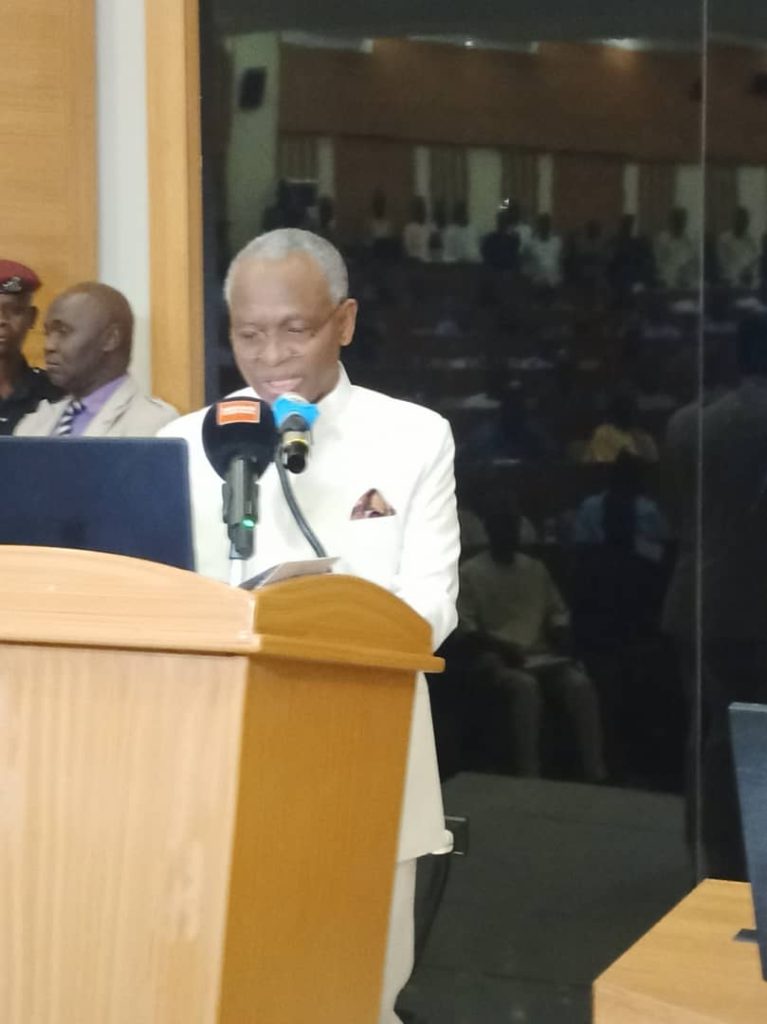
Also speaking during the special lecture, the Chair civil service commission Dr Bulama Mali Gubio stressed that public policy is the dictionary in the implementation of programs of government.
“Policies are formulated by the state executive council backed by laws. When you divert from policy, the entire phenomenon will crumble. It is a fixated phenomenon not subject to changes just like that.
” Some civil servants fail to recognize the policy of retirement even after serving for 35 years. They cut corners and adjust the files to suit their whims and caprices.
” To stop some of these wrongs, policies must be explained to the the public by the implementors so that the public will understood accordingly.” said Gubio.
Over 250 officers benefited from the five days training for top civil servants in the state which included all the political leaders in the state.
Head of service barrister Mallam Fannami said that the five days of talk shop also included all the Commissioners and permanent Secretaries in Borno state.
The secretary to the state government, Mallam Bukar Tijani who represented Governor Babagana Zulum called on participants to ensure that the knowledge gained will reflect in their productivity as it concerns the management of the service.
Why desperados must be denied from dabbling into serious leadership positions…. El-Rufai


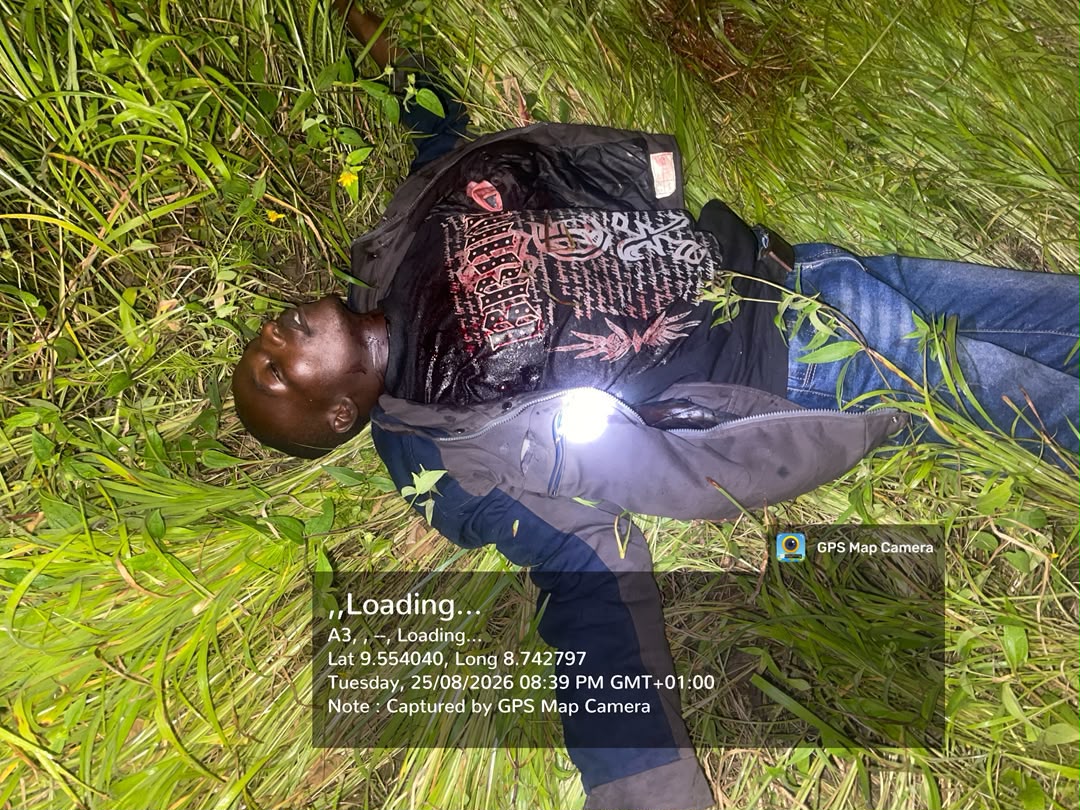
Troops foil attack on Rim community, three killed in Gwarim, Plateau
By: Zagazola Makama
Nigerian troops have foiled an attack on Rim community in Riyom Local Government Area of Plateau State, while three residents were reportedly killed in a separate incident at nearby Gwarim community.
Security sources told Zagazola Makama that the incident occurred on Tuesday, Aug. 25, when troops deployed in the area responded to an attack on Rim community at about 6:08 p.m.
The troops engaged the attackers and successfully repelled the assault without any casualty among the personnel or members of the community.
However, at about 6:46 p.m., the troops responded to another report of gunfire at Gwarim community, also in Riyom LGA.
On arrival at the location, the troops discovered the bodies of three residents who had been killed while reportedly keeping watch in the bush outside the community.
The corpses of the victims were recovered and subsequently handed over to members of the community for further necessary action.
The troops have since intensified patrols and are dominating the area in an effort to locate and apprehend the perpetrators.
The latest incidents come amid heightened security concerns in parts of Plateau State, particularly communities around Riyom and neighbouring areas.
Troops foil attack on Rim community, three killed in Gwarim, Plateau
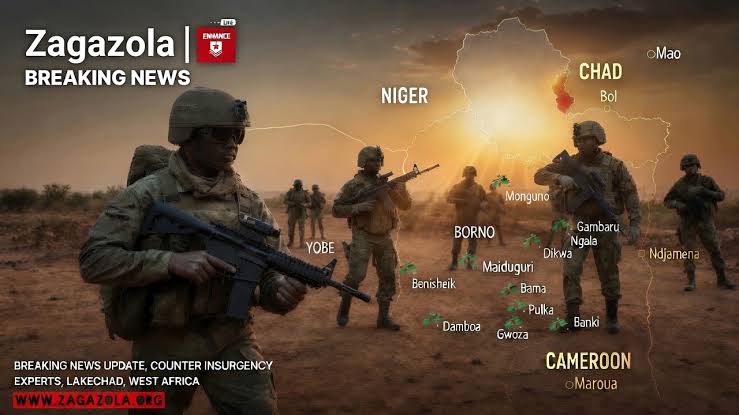
Operation Savannah Shield troops foil attempted kidnapping of farmers in Niger
By: Zagazola Makama
Troops of Operation Savannah Shield have foiled an attempt by suspected terrorists to kidnap farmers at their farmlands in Tudun Harara village, Mariga Local Government Area of Niger State.
The incident occurred at about 11:30 a.m. on Aug. 25, 2026, when troops of the NATRAC Administrative Battalion, Forward Operating Base (FOB) Kotonkoro, responded to a distress report on the attempted abduction.
Security sources told Zagazola Makama that the troops engaged the terrorists upon arrival, forcing them to withdraw into the surrounding forest.
During the encounter, the fleeing terrorists abandoned a motorcycle, which was recovered by the troops.
The operation is part of ongoing efforts by security forces to protect farming communities and deny criminal elements freedom of action across Niger State.
Operation Savannah Shield troops foil attempted kidnapping of farmers in Niger
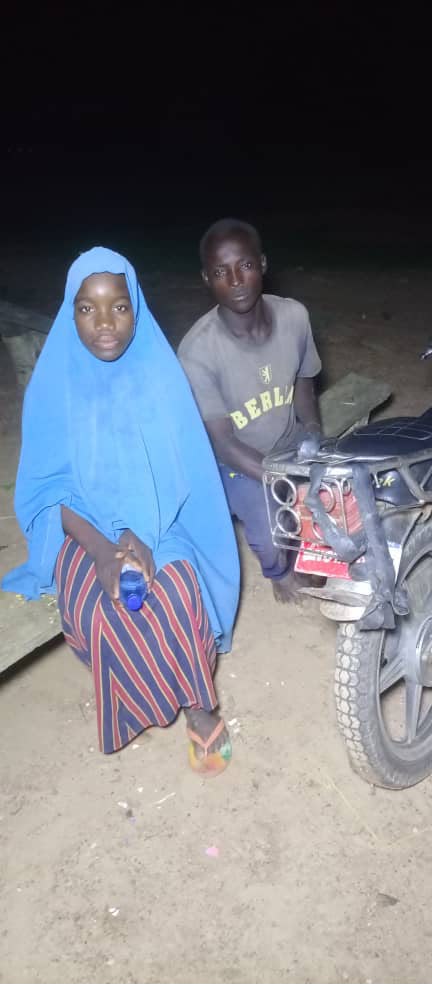
Operation Fansan Yamma troops foil ransom exchange, rescue kidnapped woman in Kebbi
By: Zagazola Makama
Troops of Sector 2, Operation Fansan Yamma, have rescued a kidnapped woman and disrupted a planned ransom exchange in Danko-Wasagu Local Government Area of Kebbi State.
The troops, conducting counter-terrorism and anti-banditry operations in the state, carried out the successful operation on Aug. 26, 2026, following credible intelligence on the planned ransom payment.
Zagazola Makama gathered from security sources that the victim had been abducted from her farm sometime last month, while the criminals were preparing to collect ransom in exchange for her release.
Acting on the intelligence, the troops swiftly mobilised to intercept the transaction.
Sources said the criminals attempted to engage the advancing troops after sighting them but were overwhelmed by the troops’ superior firepower.
The bandits subsequently fled in disarray, abandoning the hostage, who was immediately secured by the troops.
The victim was found unharmed and later transported to safety before being reunited with her family in Danko-Wasagu LGA.
Following the rescue, the troops conducted a thorough exploitation of the withdrawal route to ensure that the area was fully secured before returning to base.
In a related operation, the troops also conducted clearance and dominance patrols in Ngaski Local Government Area as part of efforts to maintain peace and deny criminal elements freedom of movement.
The patrols were completed without incident, further strengthening security presence and reassuring residents in the affected communities.
Operation Fansan Yamma troops foil ransom exchange, rescue kidnapped woman in Kebbi

Troops foil attack on Rim community, three killed in Gwarim, Plateau

Operation Savannah Shield troops foil attempted kidnapping of farmers in Niger

Army troops recover 97 rustled livestock, hand them over to owners in Kano

Roger Federer’s Shock as DNA Results Reveal Myla and Charlene Are Not His Biological Children

THE PLIGHT OF FARIDA

FAILED COUP IN BURKINA FASO: HOW TRAORÉ NARROWLY ESCAPED ASSASSINATION PLOT AMID FOREIGN INTERFERENCE CLAIMS
-
 News2 years ago
Roger Federer’s Shock as DNA Results Reveal Myla and Charlene Are Not His Biological Children
-
Opinions5 years ago
THE PLIGHT OF FARIDA
-
 News1 year ago
FAILED COUP IN BURKINA FASO: HOW TRAORÉ NARROWLY ESCAPED ASSASSINATION PLOT AMID FOREIGN INTERFERENCE CLAIMS
-

 News2 years ago
EYN: Rev. Billi, Distortion of History, and The Living Tamarind Tree
-
 Opinions5 years ago
POLICE CHARGE ROOMS, A MINTING PRESS
-

 ACADEMICS3 years ago
A History of Biu” (2015) and The Lingering Bura-Pabir Question (1)
-

 Columns2 years ago
Army University Biu: There is certain interest, but certainly not from Borno.
-

 Politics1 year ago
2027: Why Hon. Midala Balami Must Go, as Youths in Hawul and Asikira/Uba Federal Constituency Reject ₦500,000 as Sallah Gift
