
News
NHRC Raises Alarm Over Early Marriage, Low Female Representation on International Women’s Day

NHRC Raises Alarm Over Early Marriage, Low Female Representation on International Women’s Day
By: Michael Mike
The National Human Rights Commission (NHRC) has warned that persistent early and forced marriages, low female participation in governance and rising cases of gender-based violence continue to threaten the rights and wellbeing of women and girls in Nigeria.
The alarm was raised by the Executive Secretary of the Commission, Tony Ojukwu, as the global community marks International Women’s Day 2026.
In a message to commemorate the day, Ojukwu said the theme of this year’s celebration, “Give to Gain,” highlights the urgent need for practical and sustained measures that will eliminate the barriers preventing women and girls from enjoying their full rights.
He stressed that achieving gender equality requires deliberate investment in women through education, mentorship, economic opportunities and access to resources, noting that such efforts would ultimately strengthen national development and social stability.
According to him, the Commission has continued to receive complaints involving sexual and gender-based violence, discrimination and other forms of abuse against women and girls across the country.
He explained that the NHRC, through its specialised department for women and children, has intervened in numerous cases, using mediation, investigation and other legal mechanisms to secure justice and remedies for victims while promoting accountability.
Despite these efforts, Ojukwu expressed deep concern that harmful practices such as early and forced marriage remain prevalent in some communities, depriving girls of education, exposing them to serious health risks and limiting their future opportunities.
He also noted that women remain significantly underrepresented in political and decision-making positions, warning that inclusive governance and sustainable development cannot be achieved without the full participation of women.
The human rights advocate further pointed out that women often bear the heaviest burden in situations of insecurity, conflict and displacement, where they face increased risks of exploitation, violence and loss of livelihoods.
Ojukwu therefore called for stronger enforcement of laws and policies designed to protect women and girls, while urging government institutions, civil society organisations and communities to intensify efforts to ensure survivors of rights violations have access to justice.
He also commended Nigerian women for their resilience and contributions to national development across sectors including governance, agriculture, business, education and community leadership.
Reaffirming the Commission’s commitment, he said the NHRC would continue to champion advocacy, monitoring and public engagement initiatives aimed at advancing gender equality and strengthening protection for women and girls across Nigeria.
NHRC Raises Alarm Over Early Marriage, Low Female Representation on International Women’s Day



NDLEA at UNGA: Nigeria Demands Global War on Drug Cartels, Illicit Finance
…Agency reports 38,242 arrests, 5.8mkg drug seizures, 6,232 convictions in 21 months
By: Michael Mike
Nigeria has called for stronger international intelligence-sharing, intensified action against illicit financial networks and increased interest investment in drug-control institutions in developing countries, warning that criminal organisations are exploiting gaps between jurisdictions to expand the global drug trade.
The National Drug Law Enforcement Agency (NDLEA) made the call at the ongoing 81st Session of the United Nations General Assembly in New York, where it presented Nigeria’s evolving drug-control system as an example of how institutions can adapt to increasingly sophisticated criminal threats.
The agency’s position formed part of Nigeria’s statement under the theme, “Restoring Trust, Managing Transformation: A United Nations that Delivers for All.”
The statement was delivered on Monday by the NDLEA Chairman and Chief Executive Officer, Brig. Gen. Buba Marwa (rtd.), who was represented by the agency’s Secretary, Shadrach Haruna.
Marwa told the Assembly that the NDLEA had moved beyond a predominantly enforcement-driven model to become an integrated, intelligence-led and people-centred institution combining law enforcement, public health, technology, financial investigation, alternative livelihoods and international cooperation.
He said the transformation was necessary because the nature of the drug threat had changed dramatically.
“Trafficking networks have become more sophisticated, technology has opened new channels for illicit activity, criminal proceeds move rapidly across borders, and drug dependence continues to affect individuals, families and communities,” he said.
“Nigeria therefore broadened its focus from drugs and offenders alone to the criminal networks, illicit profits and vulnerabilities that sustain the drug economy.”
The agency said the new approach had produced significant results in both drug supply reduction and demand reduction.
Between January 2025 and September 2026, the NDLEA recorded 38,242 arrests, seized more than 5.8 million kilogrammes of illicit drugs valued at over N2.5 trillion and secured 6,232 convictions.
During the same period, more than 16,303 people received counselling, treatment or rehabilitation, while prevention and sensitisation campaigns reached millions of Nigerians.
Marwa, however, stressed that the agency’s performance could no longer be measured solely by the number of arrests made or drug consignments seized.
He said the NDLEA was increasingly focused on dismantling major trafficking organisations, disrupting organised criminal structures and tracing the financial networks that sustain the illicit drug economy.
“The real measure of success is not only the volume of drugs seized or the number of arrests made, but the extent to which we dismantle the structures, profits and vulnerabilities that sustain the trade,” he said.
The NDLEA chairman also highlighted Nigeria’s Alternative Development initiative, which is being piloted in three communities in Ondo State.
The programme is designed to help residents move away from illicit cannabis cultivation and adopt legitimate agricultural production.
Marwa said the initiative reflected the agency’s recognition that drug control could not succeed through enforcement alone.
“Sustainable drug control requires more than removing an illicit crop. It requires credible economic alternatives that strengthen food security, community resilience and national security,” he said.
He also cited the NDLEA’s Drug Integrity Test and Visa E-Administration System as examples of how digital technology could improve accessibility, efficiency, transparency and integrity in public administration.
According to him, the reforms are being consolidated under the National Drug Control Master Plan 2026–2030.
The plan is built around six pillars: drug supply reduction; drug demand reduction; access to controlled medicines; governance and coordination; alternative development; and disruption of the illicit drug economy.
Nigeria urged member states to strengthen timely and reliable international intelligence-sharing, warning that delays and information gaps were enabling trafficking networks to move drugs, money and personnel across borders with increasing ease.
It also called for intensified action against the illicit financial economy through financial investigation, asset tracing and asset recovery.
The country further urged governments and international partners to expand prevention, treatment, rehabilitation and reintegration programmes alongside enforcement measures.
It called for greater support for Alternative Development initiatives to ensure that communities abandoning illicit cultivation had sustainable and legitimate sources of income.
Nigeria also appealed for increased investment in the capacity of law enforcement agencies, noting that drug cartels were deploying increasingly sophisticated technology, logistics and financial systems.
The country urged the international community to invest in institutions responsible for drug control, particularly in developing countries, through technology, specialised training, forensic capabilities, treatment infrastructure and sustained technical assistance.
Marwa described Nigeria’s experience as an ongoing process rather than a finished model, saying the country remained willing to share its lessons, learn from other nations and deepen cooperation with member states, the United Nations and international partners.
He said the ultimate objective was to translate international commitments into practical results.
“Our objective is to move from commitment to implementation, from cooperation to collective action and from transformation to measurable delivery,” he said.
The NDLEA said Nigeria’s experience demonstrated that effective drug control required a coordinated response that combined enforcement with public health, economic empowerment, technology, financial intelligence and international cooperation.
It warned that without such a comprehensive approach, criminal networks would continue to exploit vulnerable communities, weak institutions and jurisdictional gaps to expand the illicit drug economy.
NDLEA at UNGA: Nigeria Demands Global War on Drug Cartels, Illicit Finance
Noma: MSF Demands Primary Healthcare Integration as 40 Children Undergo Surgery in Sokoto
By: Michael Mike
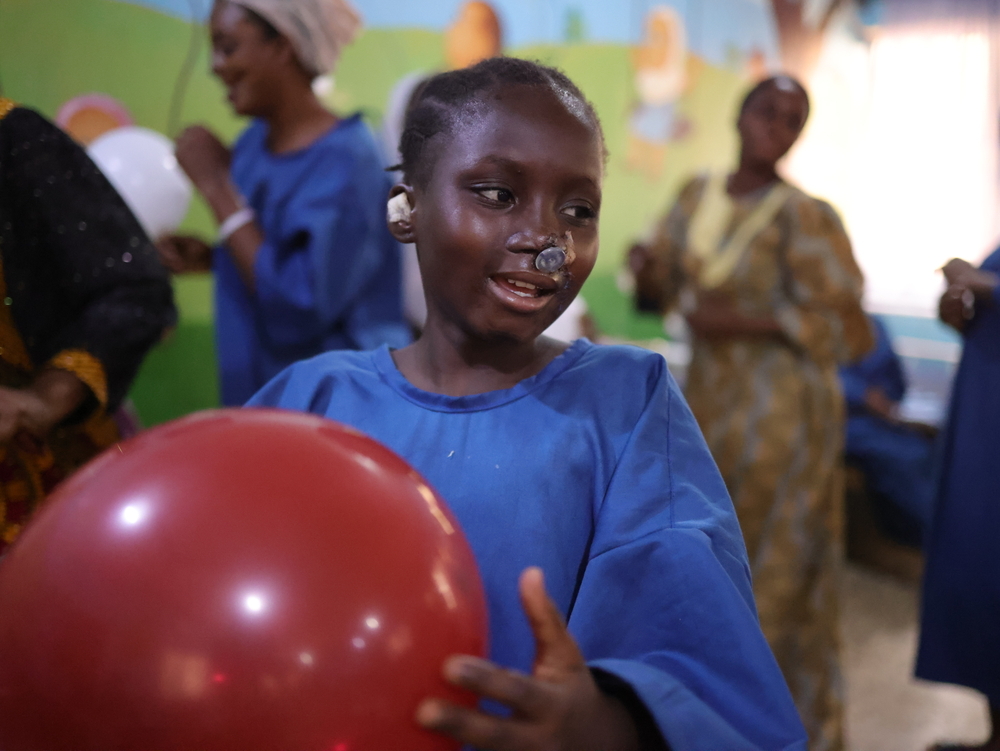
Forty children are set to undergo reconstructive surgery in Sokoto as Médecins Sans Frontières (MSF) renews its demand for the urgent integration of noma prevention, diagnosis and treatment into Nigeria’s primary healthcare system.
The appeal came as the Sokoto State Ministry of Health’s Noma Hospital began its final surgical intervention for 2026, highlighting both the life-changing work being done at the facility and the failure of the wider health system to detect and treat the disease before it causes irreversible damage.
Noma is a rapidly advancing, non-contagious disease that attacks the mouth and face, destroying soft tissue and bone within days. It is largely preventable, treatable in its early stages and closely linked to extreme poverty, malnutrition, poor oral hygiene, inadequate immunisation and limited access to healthcare.
MSF said untreated noma kills between 70 and 90 per cent of those affected. Children who survive may be left with severe facial disfigurement, difficulty eating, speaking or breathing, and lifelong psychological trauma. Many also face rejection, stigma and exclusion from their communities.
The disease primarily affects children under seven, especially those living in deprived communities where families struggle to access nutritious food, clean water and basic medical services.
For MSF, the 40 patients undergoing surgery in Sokoto are not merely statistics. They are survivors of a disease that should rarely reach its most destructive stage.
The reconstructive procedures are intended to restore facial movement and essential functions, improve the patients’ ability to eat and speak, and help them regain confidence after years of living with the physical and social consequences of noma.
But the organisation warned that surgery, though vital, is not enough.
MSF Nursing Activity Manager at the Sokoto Noma Hospital, Samuel Ajamah, said noma could be prevented and treated if children were identified early and referred promptly.
“Noma is preventable and treatable. No child should suffer or die from a disease that can be detected early and effectively managed,” Ajamah said.
He explained that early treatment could include antibiotics, wound care, nutritional support and the management of underlying illnesses. Such interventions, he said, could stop the disease before it progressed to extensive facial destruction.
“Recognition of noma as a Neglected Tropical Disease was an important step, but recognition alone is not enough. We now need practical investment in prevention, early diagnosis, and access to care,” he added.
The World Health Organisation classified noma as a neglected tropical disease in 2023, raising hopes that the condition would receive greater international attention, funding and research support.
MSF, however, said the classification had not yet translated into adequate action in Nigeria. Noma remains insufficiently integrated into routine child health services, disease surveillance and primary healthcare programmes, leaving many children dependent on specialised facilities such as the Sokoto hospital.
Ajamah described noma as a “marker of inequality”, saying its continued presence reflected weaknesses in nutrition, immunisation, oral healthcare and access to basic medical services.
MSF said many patients pass through several health facilities before reaching a specialised noma centre. In some cases, health workers fail to recognise the early signs, while families may not know that the disease requires immediate medical attention.
By the time patients arrive at the Sokoto hospital, the infection may have destroyed large portions of the face, making treatment more complex and leaving survivors with permanent disabilities.
The organisation said stronger training for frontline health workers was urgently needed so that noma could be identified at community and primary healthcare levels.
It also called for effective referral systems linking rural communities to specialised hospitals, ensuring that children with suspected cases are transferred quickly for treatment.
MSF has partnered with the Sokoto Noma Hospital since 2014, supporting surgery, rehabilitation and other forms of care for patients affected by the disease.
According to the organisation, its teams performed 1,645 reconstructive surgeries on 1,078 patients at the hospital between 2014 and 2025.

In 2025 alone, 1,034 patients received comprehensive care, including surgery, nutritional rehabilitation, physiotherapy and psychosocial support.
The hospital conducted another surgical intervention from April 17 to May 1, 2026, during which 55 reconstructive procedures were performed. The latest exercise involving 40 patients is expected to further restore facial functions and improve the quality of life of survivors.
The figures underline the importance of the Sokoto facility, one of the few specialised centres in the world providing comprehensive care for noma patients.
They also expose the scale of the gap in Nigeria’s health system: a disease that can often be stopped with basic treatment is reaching a specialised hospital only after causing severe and sometimes irreversible damage.

MSF urged the Federal Government and state health authorities to move beyond isolated surgical campaigns and establish a nationwide system for preventing and treating noma.
The organisation called for noma services to be integrated into primary healthcare, particularly routine child health, nutrition, immunisation and oral health programmes.
It also demanded: Regular training for frontline health workers on the early signs of noma; Inclusion of noma in national disease surveillance systems; Functional referral pathways from rural communities to specialised hospitals; Reliable supplies of antibiotics, wound-care materials and nutritional support; Greater public awareness of the disease and the need for immediate treatment and; Stronger investment in nutrition, immunisation, sanitation and basic healthcare.
MSF said these measures would enable health workers to identify children at risk before the disease reached its most destructive stage.
The organisation warned that without such action, Nigeria would continue to spend scarce resources repairing damage that could have been prevented through early diagnosis and simple treatment.
As the 40 patients begin their surgeries in Sokoto, MSF’s message is clear: noma is not an unavoidable tragedy. It is a disease of neglect, poverty and weak access to healthcare—and Nigeria has the tools to stop it from destroying more children’s lives.
Noma: MSF Demands Primary Healthcare Integration as 40 Children Undergo Surgery in Sokoto
COAS Calls for Joint Operations, Multi-Domain Integration as Army Expands to 12 Divisions
By Zagazola Makama
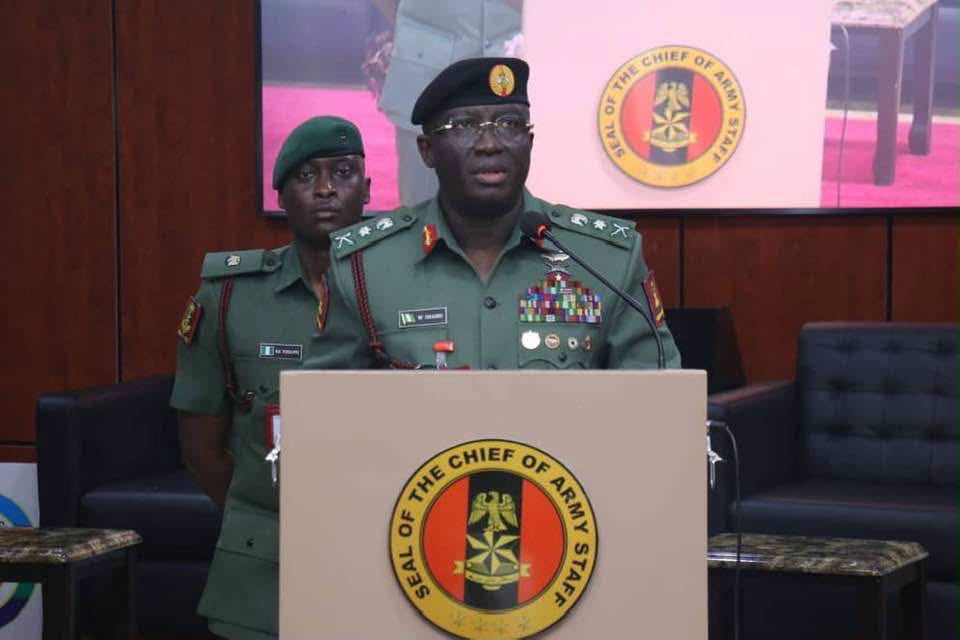
The Chief of Army Staff (COAS), Lt.-Gen. Waidi Shaibu, has called for stronger joint operations, intelligence sharing and multi-domain integration among the Armed Forces and other security agencies to address Nigeria’s evolving security challenges.
Shaibu made the call on Monday, Oct. 12, 2026, during the graduation lecture of Army War College Nigeria (AWCN) Course 10/2026 in Abuja.
He said the increasingly complex nature of modern warfare required coordinated military capabilities, effective intelligence sharing and sustained collaboration among security agencies to achieve decisive operational outcomes.
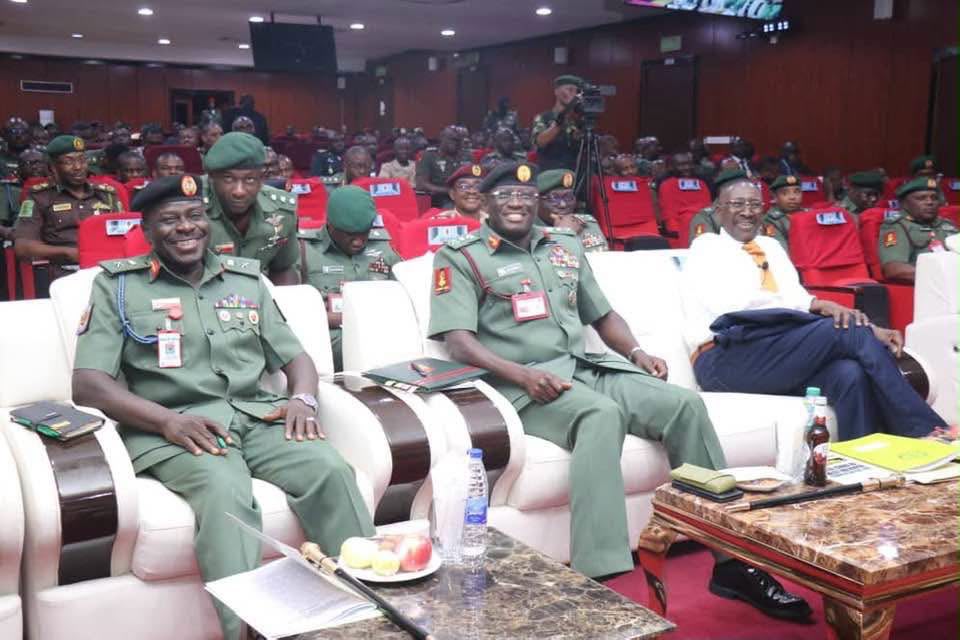
The COAS said the ongoing expansion of the Nigerian Army from eight to 12 divisions was a strategic repositioning aimed at addressing emerging threats, improving territorial coverage and enhancing operational responsiveness across the country.
He, however, stressed that the expansion went beyond increasing the number of formations and personnel, noting that the ultimate objective was to build a more professional, adaptable, combat-ready and resilient force.
According to him, the effectiveness of the expanded force will depend largely on the integration of trained personnel, modern technology, actionable intelligence, robust logistics and efficient command and control systems.
He emphasised that additional formations and numerical strength must translate into superior combat capability, operational flexibility and measurable improvements in the country’s security situation.
Shaibu also urged military commanders to adopt innovative approaches to warfare by integrating intelligence, technology, information operations and combat capabilities across multiple domains.
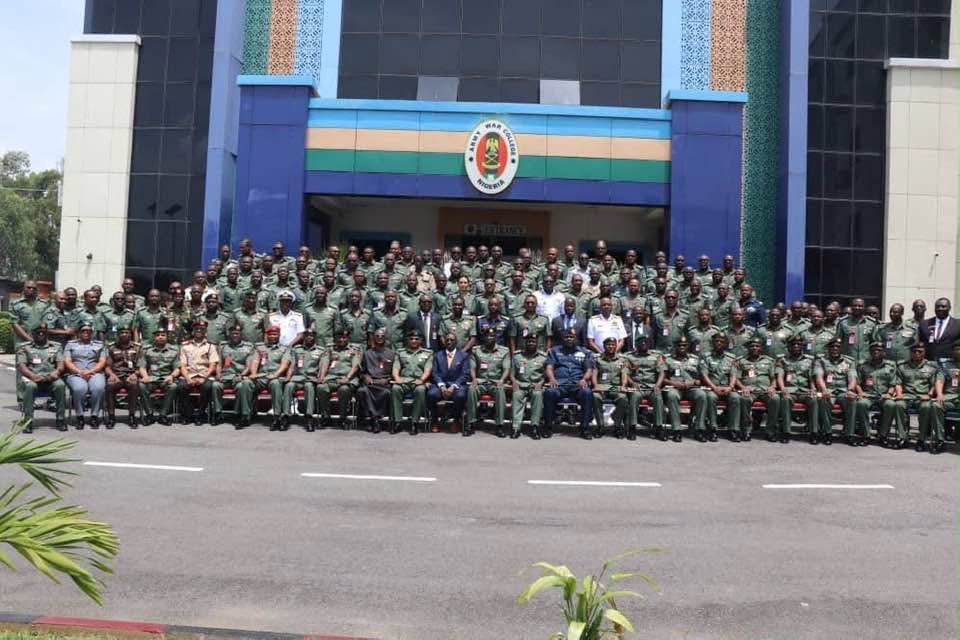
He stressed that operational success must be anchored on professionalism, discipline and respect for the rule of law to sustain public confidence and institutional credibility.
The Army Chief charged participants of Course 10/2026 to apply the strategic knowledge and leadership skills acquired during their training to improve operational effectiveness, strengthen inter-agency cooperation and support the transformation of the Nigerian Army.
Delivering the graduation lecture titled “Winning in Complex Security Environments: Reimagining the Nigerian Army Force Structure for Multi-Domain Operations,” former National Security Adviser, Maj.-Gen. Babagana Monguno (rtd.), called for a fundamental review of military structures, doctrines and operational concepts to address emerging security threats.
Monguno highlighted the growing importance of integrating land, air, cyber and information capabilities in modern warfare.
He said emerging technologies, including unmanned aerial systems, artificial intelligence and digital communication platforms, were rapidly changing the character of military operations.
The retired general advocated sustained investment in technological innovation, intelligence integration, institutional reforms and continuous professional military education to equip commanders for increasingly complex and contested operational environments.
Earlier, the Commandant of the Army War College Nigeria, Maj.-Gen. Umar Alkali, expressed appreciation to the COAS for his support in strengthening the institution’s capacity to develop operational-level commanders and strategic leaders.
Alkali said participants of Course 10/2026 had undergone rigorous professional training designed to sharpen their critical thinking, operational planning and leadership capabilities for contemporary military operations.
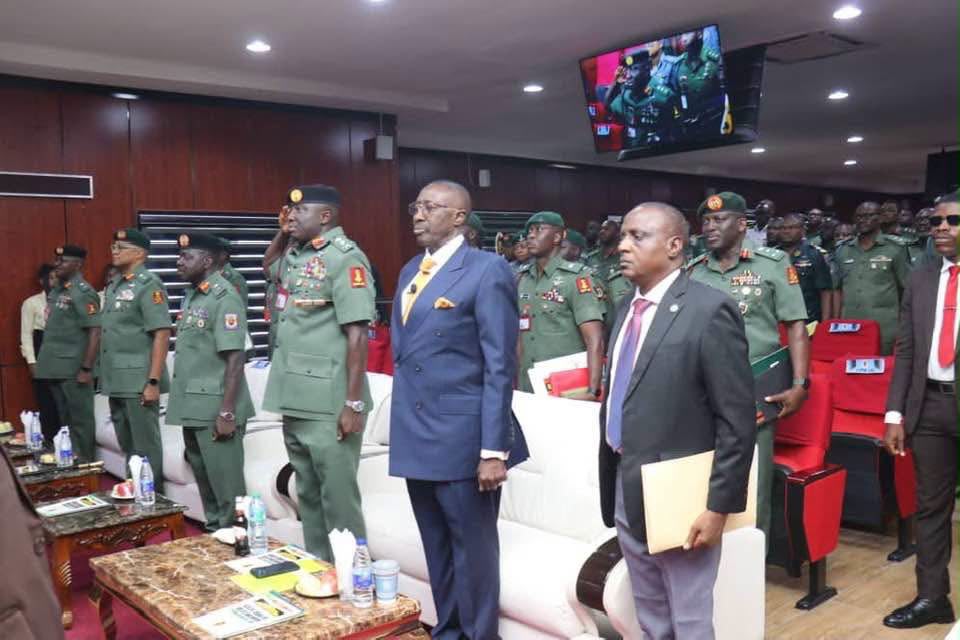
The graduation lecture formed part of activities marking the graduation of Course 10/2026 and underscored the Nigerian Army’s emphasis on developing professionally trained, technologically adaptable and operationally proficient commanders capable of fulfilling the military’s constitutional responsibilities.
COAS Calls for Joint Operations, Multi-Domain Integration as Army Expands to 12 Divisions

Drug Abuse, Mental Illness Feed Each Other, Marwa Warns

NDLEA at UNGA: Nigeria Demands Global War on Drug Cartels, Illicit Finance

NES, Miners Association Seek Partnership on Mine-site Reclamation, Sustainability

Roger Federer’s Shock as DNA Results Reveal Myla and Charlene Are Not His Biological Children

THE PLIGHT OF FARIDA

FAILED COUP IN BURKINA FASO: HOW TRAORÉ NARROWLY ESCAPED ASSASSINATION PLOT AMID FOREIGN INTERFERENCE CLAIMS
-
 News3 years ago
Roger Federer’s Shock as DNA Results Reveal Myla and Charlene Are Not His Biological Children
-
Opinions5 years ago
THE PLIGHT OF FARIDA
-
 News1 year ago
FAILED COUP IN BURKINA FASO: HOW TRAORÉ NARROWLY ESCAPED ASSASSINATION PLOT AMID FOREIGN INTERFERENCE CLAIMS
-

 News3 years ago
EYN: Rev. Billi, Distortion of History, and The Living Tamarind Tree
-
 Opinions5 years ago
POLICE CHARGE ROOMS, A MINTING PRESS
-

 ACADEMICS3 years ago
A History of Biu” (2015) and The Lingering Bura-Pabir Question (1)
-

 Columns3 years ago
Army University Biu: There is certain interest, but certainly not from Borno.
-

 Politics1 year ago
2027: Why Hon. Midala Balami Must Go, as Youths in Hawul and Asikira/Uba Federal Constituency Reject ₦500,000 as Sallah Gift
